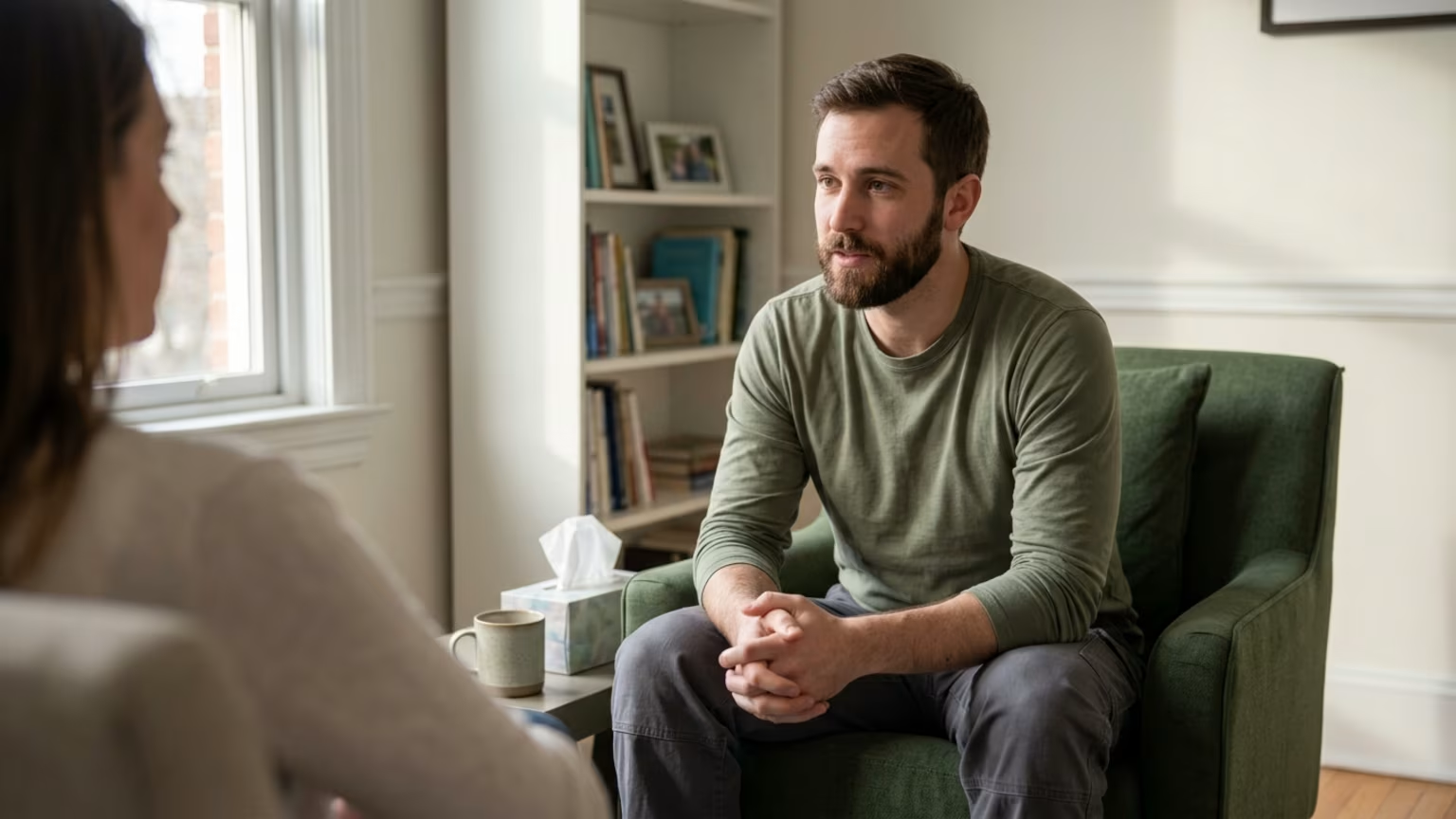
Open Arms offers Australian veterans free counselling for sleep disturbance and stress. Read how new pilot programs and DVA funding support long term health.

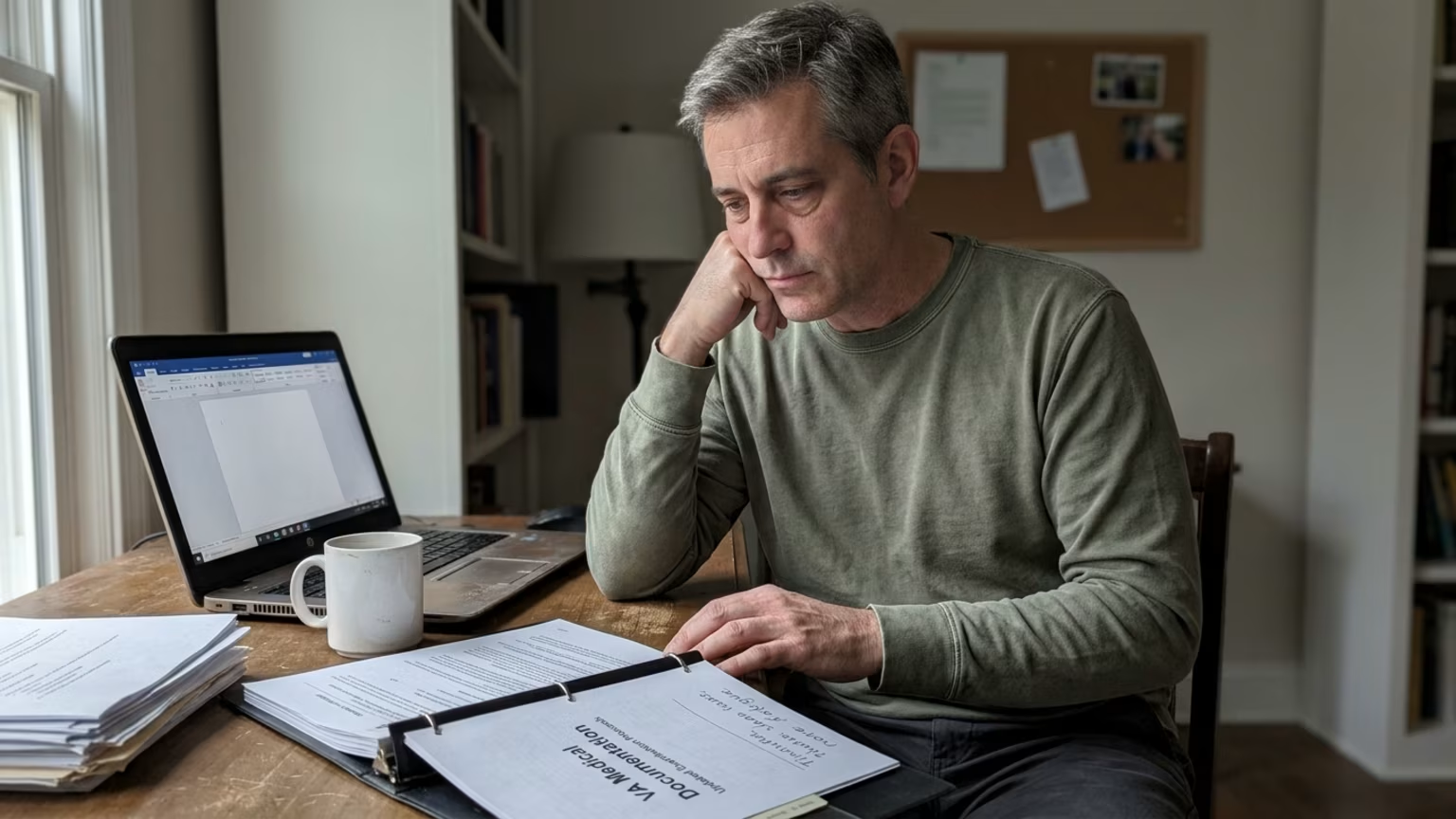
Updated guidance advises veterans on preparing for VA tinnitus exams by documenting concrete functional impacts like sleep disruption and next-day fatigue.
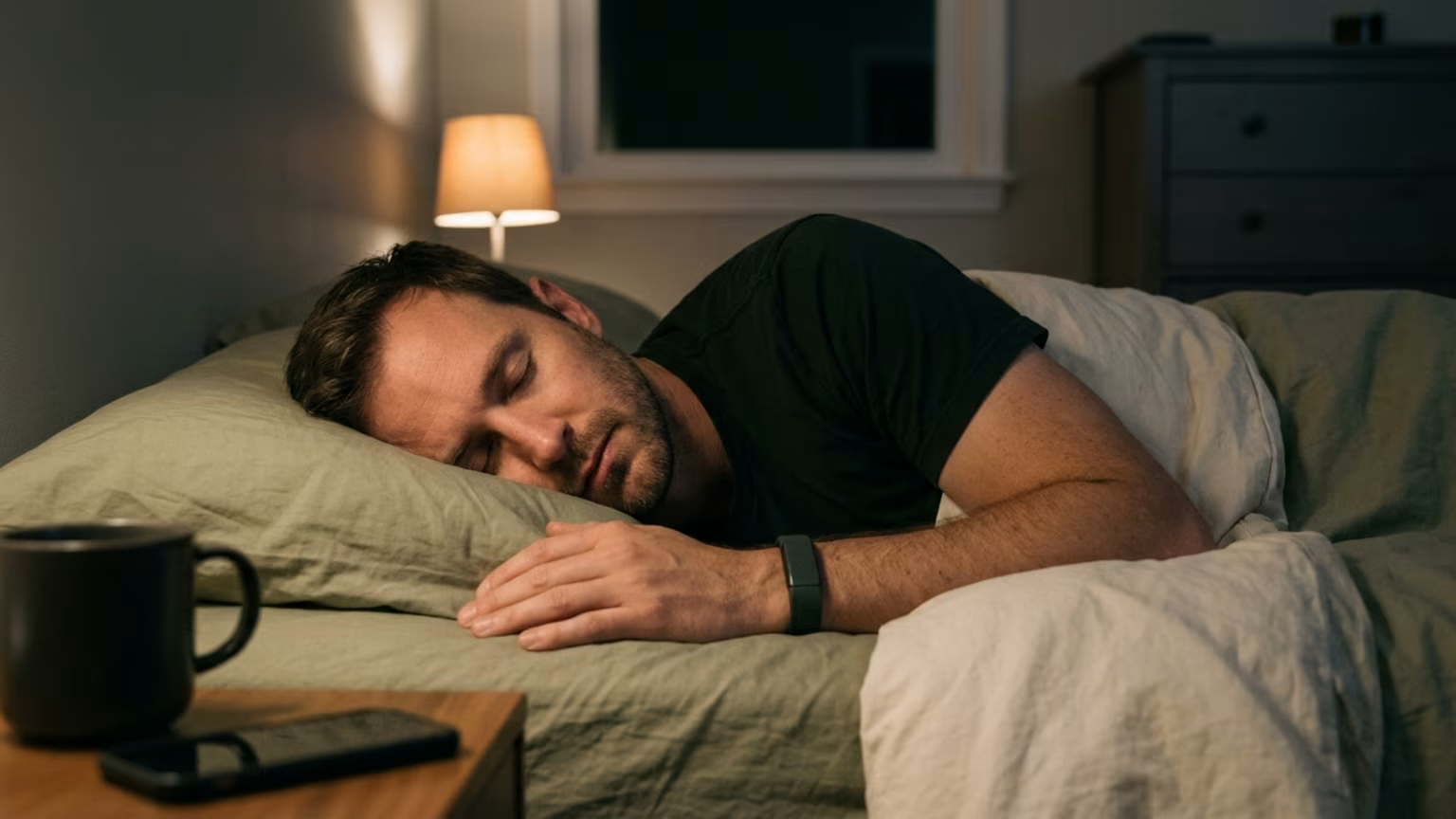
A new UK Biobank study links higher estimated REM and deep sleep to lower risk for 83 diseases. We explain what this means for veteran health and recovery.

The University of West Florida and Home Base Florida launched a free 90 day wellness program for veterans in Pensacola. Learn how this impacts health routines.
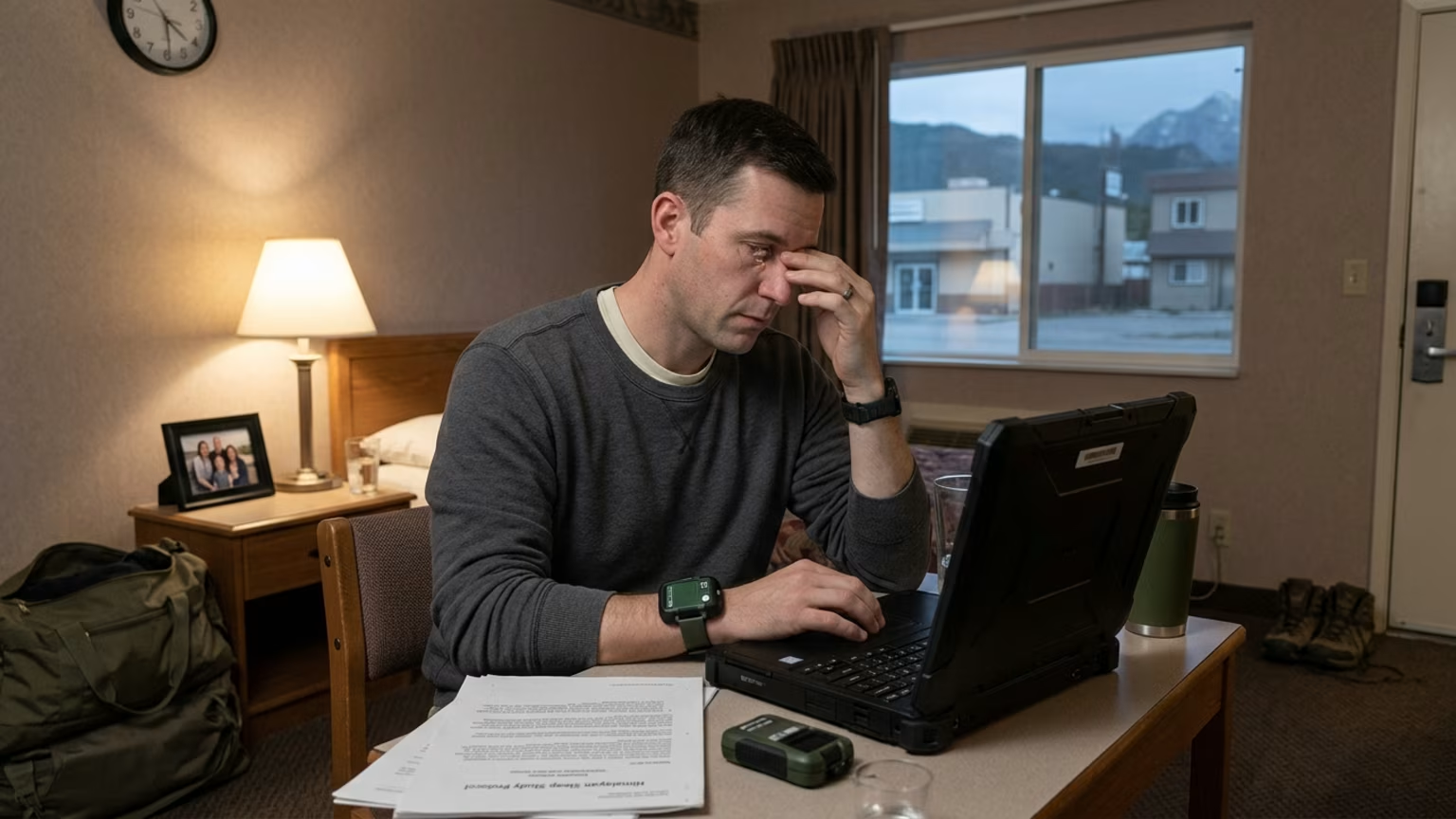
The Army deployed a sleep director to the Himalayas in 2026 to manage jet lag and altitude. Here is how formal sleep protocols support veteran recovery.
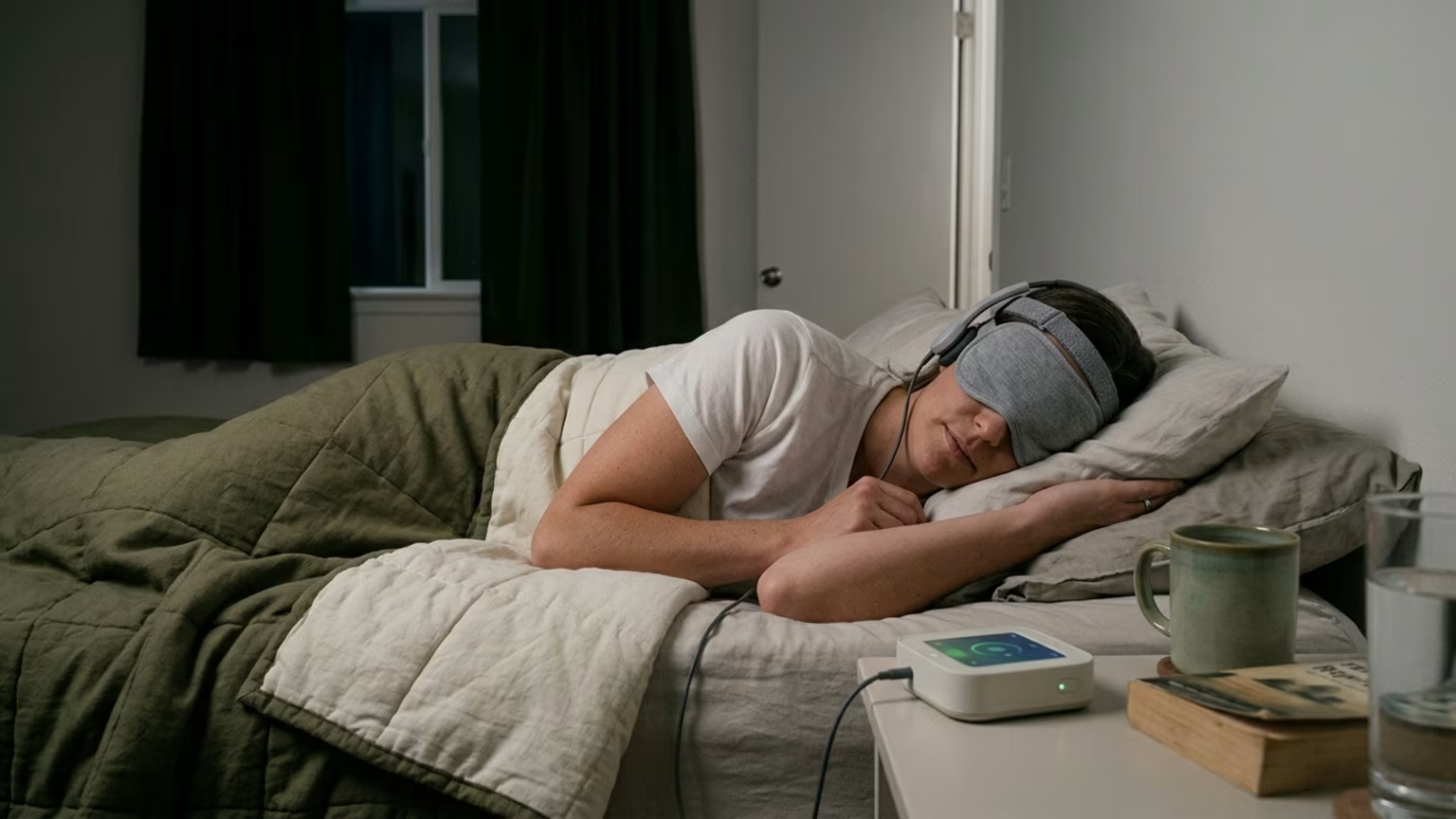
MIT researchers found that timed pink-noise bursts during sleep strengthen fluid waves tied to brain recovery. Here is what this means for veteran health.

A preclinical study reveals how rare Sst-Chodl neurons actively drive sleep. Learn what this neuroscience means for veteran health and natural recovery.
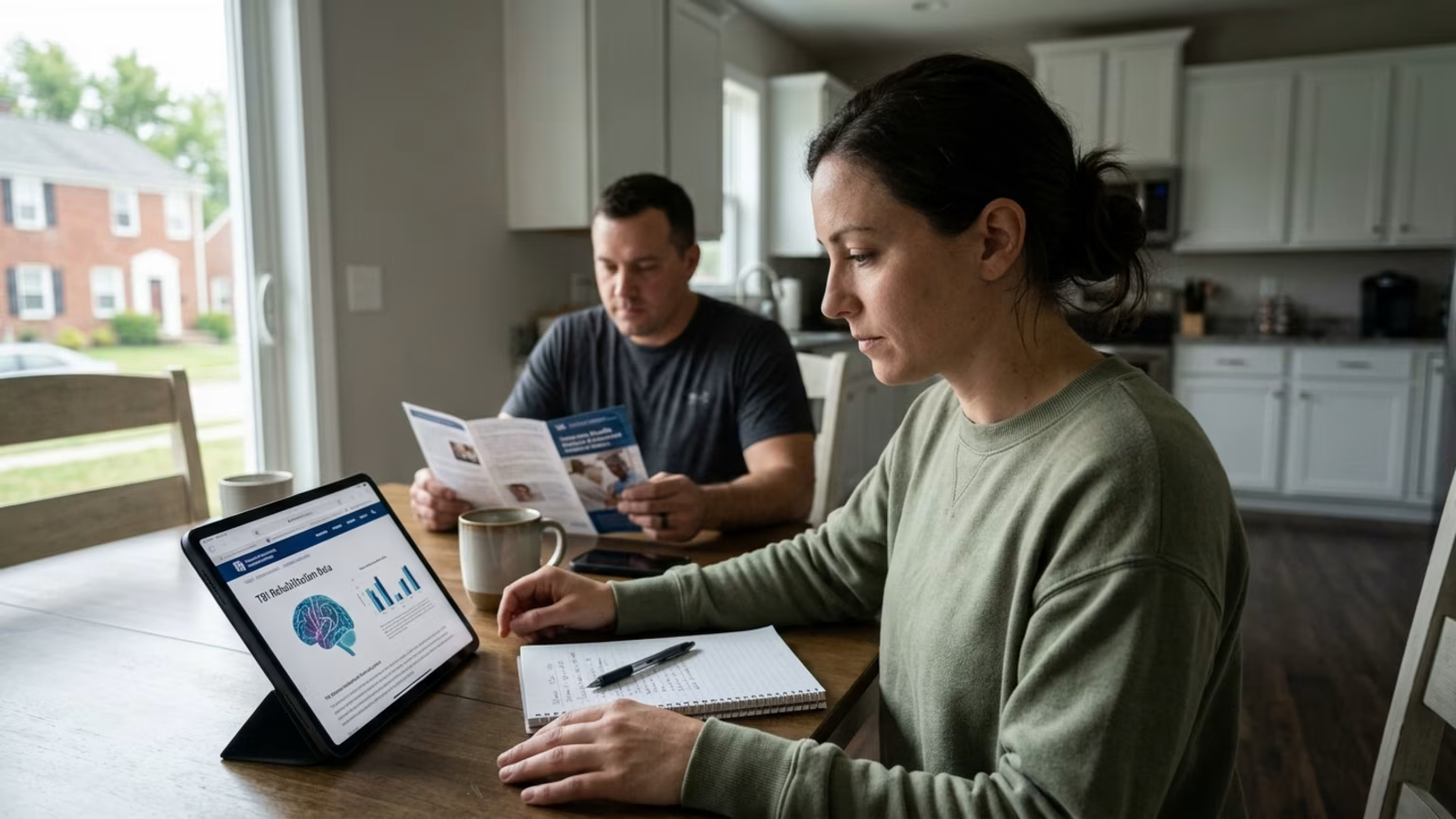
A new preprint reviews the science connecting TBI and CTE. Learn how clinical symptoms differ from pathology and why proactive symptom tracking matters.
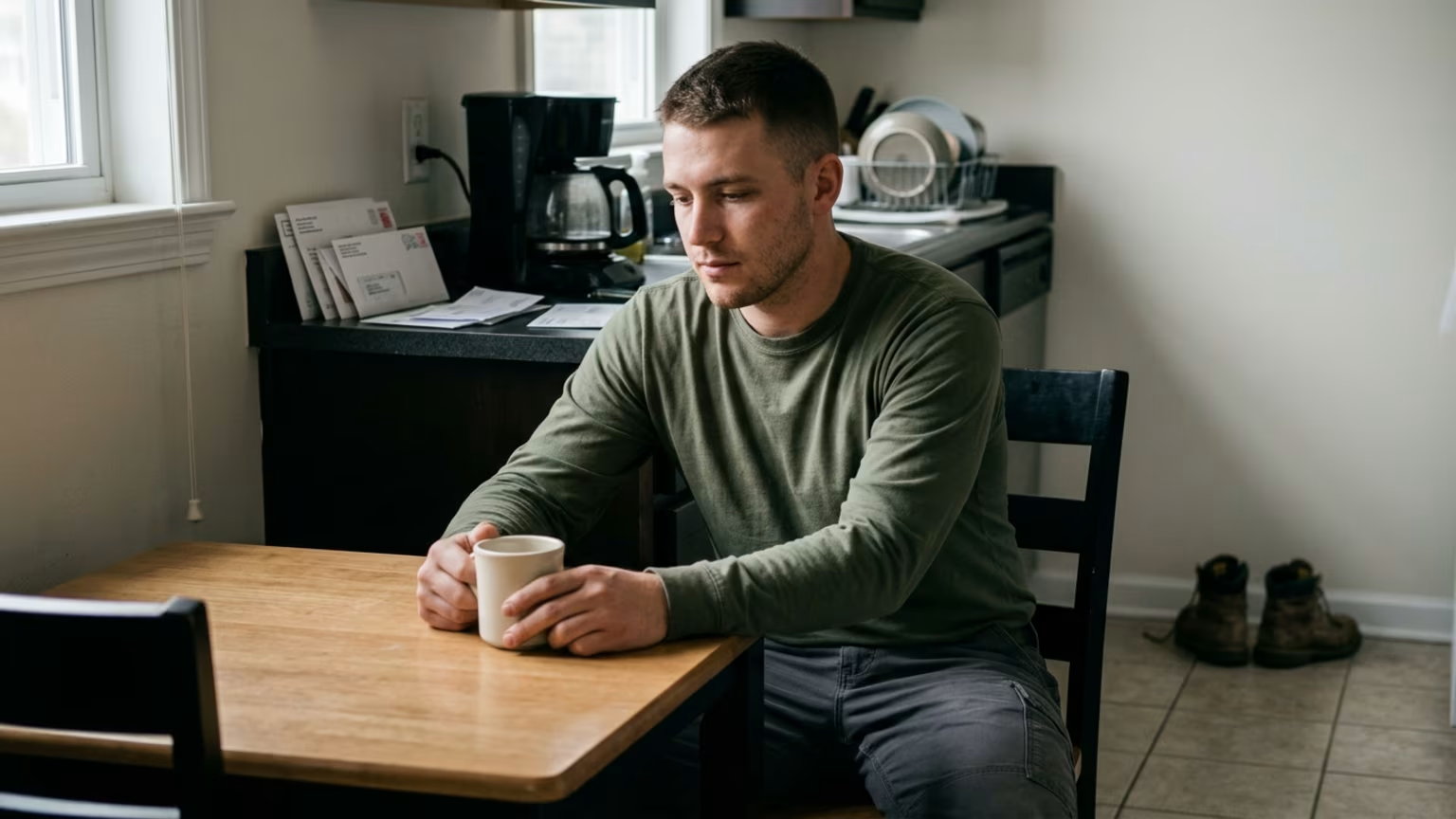
New 2025 to 2026 data shows an increase in past-month probable PTSD among U.S. veterans, highlighting the critical need for targeted sleep recovery protocols.
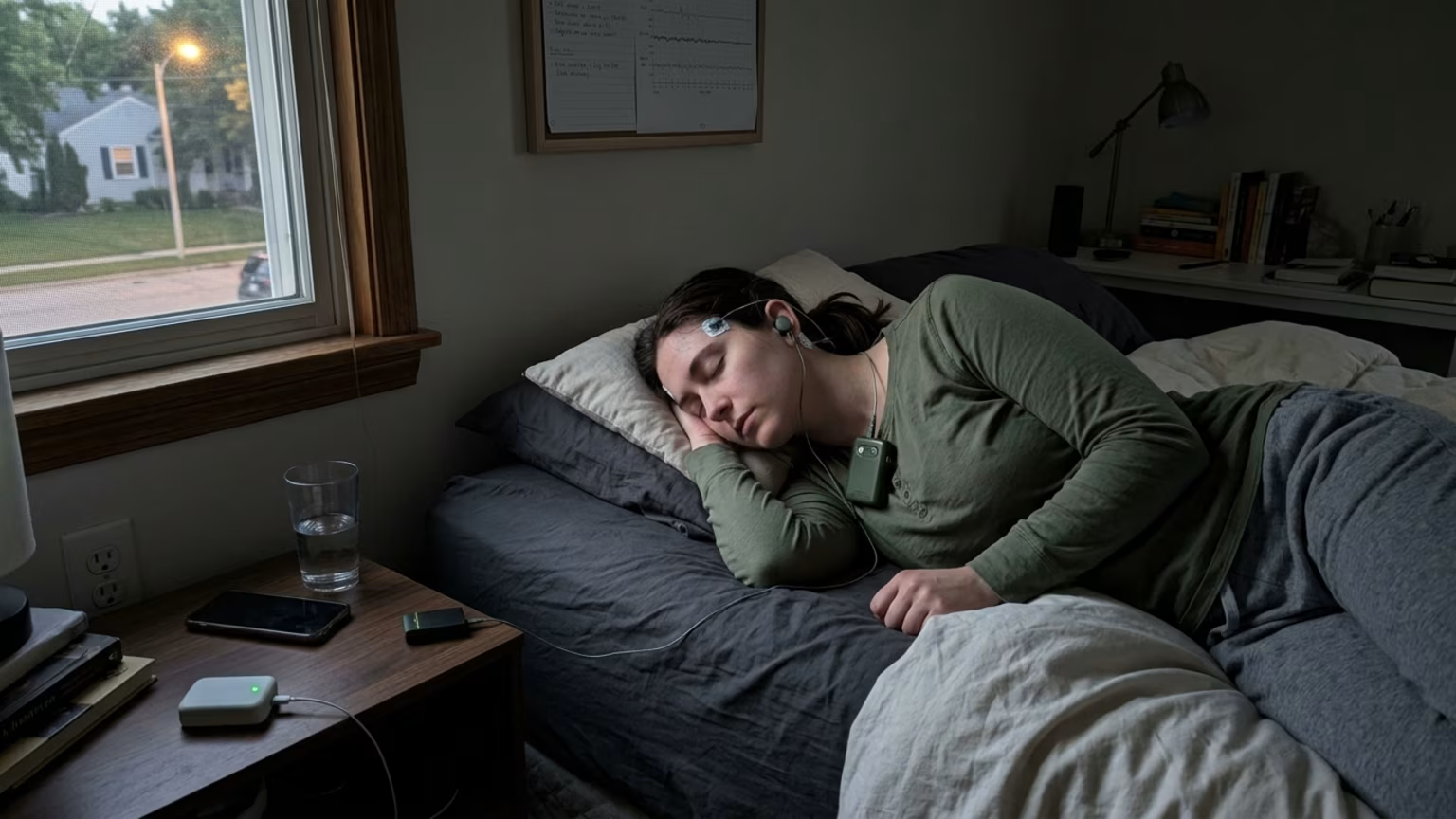
A 2026 study in Sleep evaluated acoustic stimulation for memory in young adults. Discover what the findings mean for veteran sleep health and cognitive recovery.
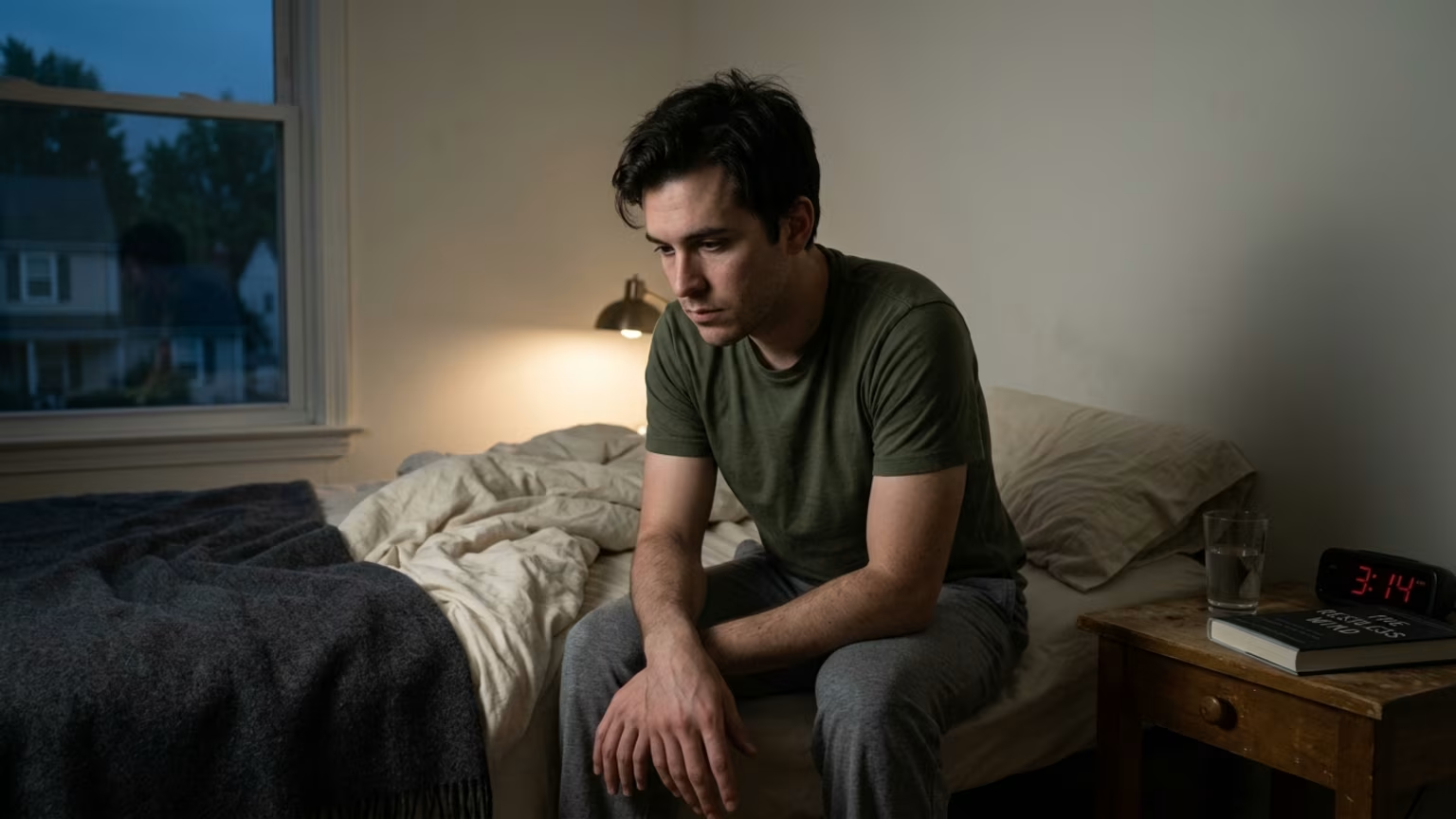
A 2026 study shows daily stress links to disrupted sleep through racing thoughts, offering new insights for veteran recovery and CBT-I sleep care.
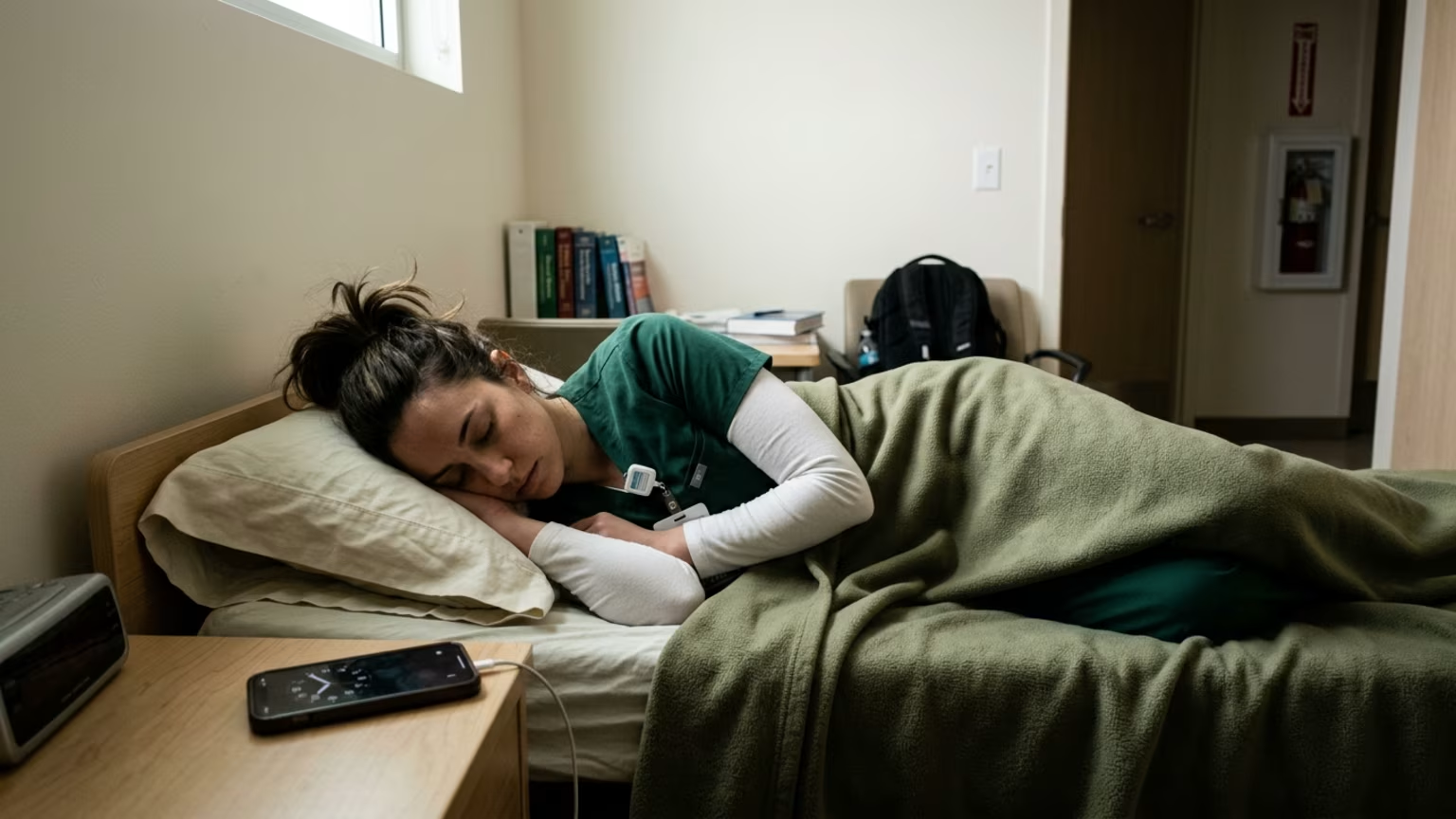
A September 2026 clinical trial shows a scheduled 30-minute nap opportunity improved simulated crisis performance and leadership skills after a 24-hour shift.
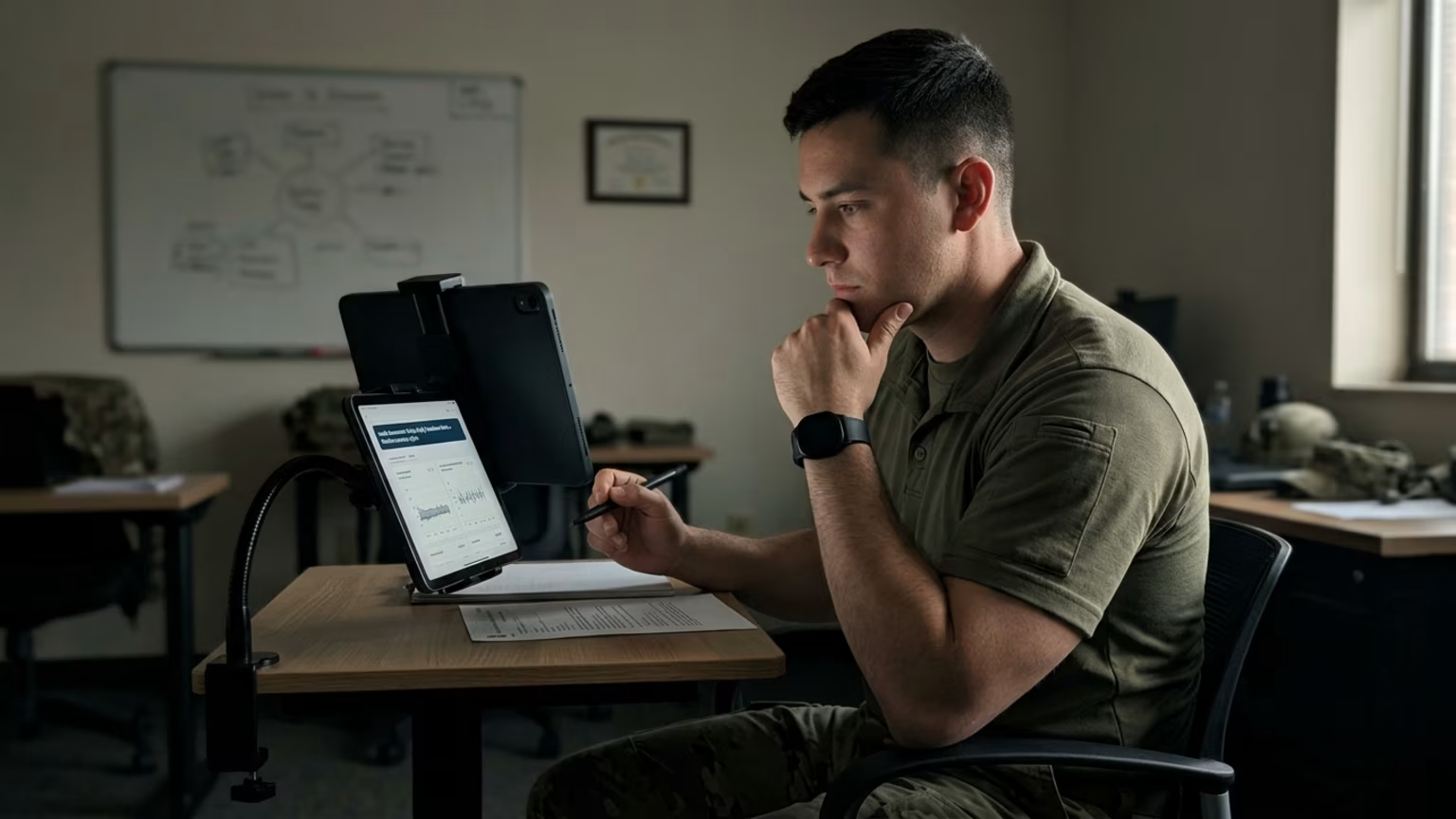
Uniformed Services University research highlights how machine learning risk models and sleep readiness protocols shape military health and suicide prevention.
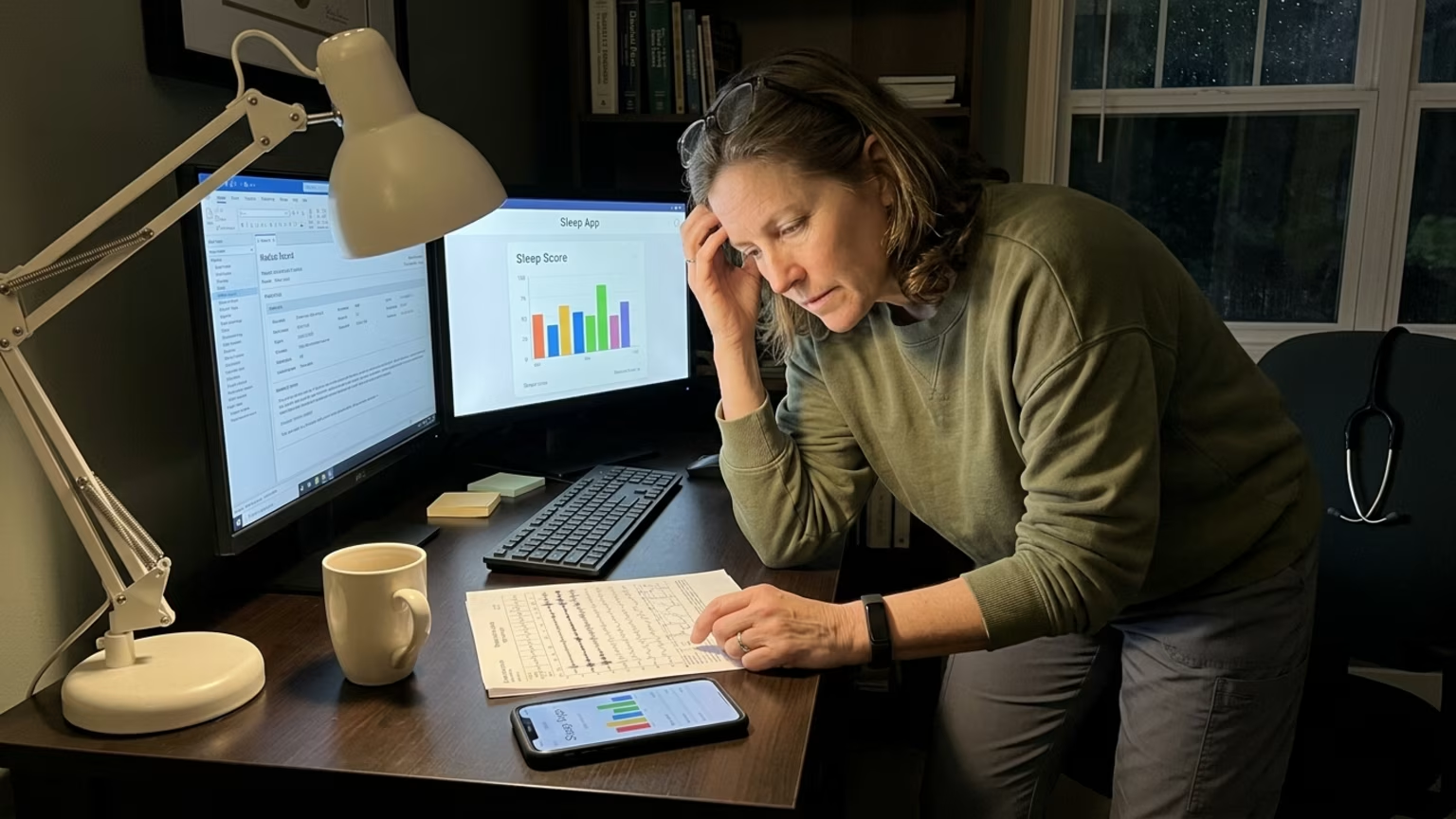
Cleveland Clinic doctors warn that consumer sleep trackers can miss clinical disorders. Learn why veterans should seek formal testing for sleep apnea.
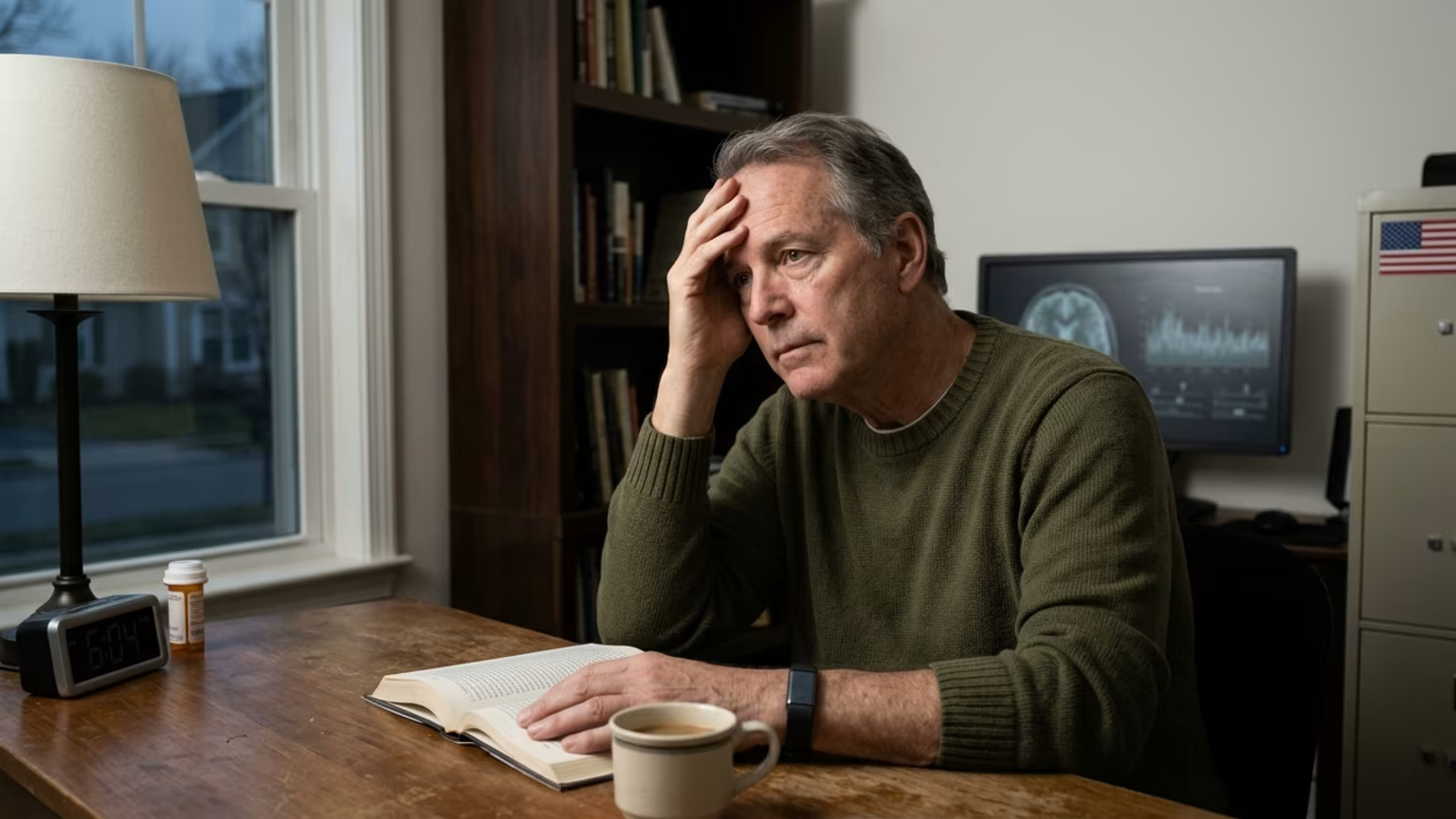
A 2026 study links poor sleep quality to brain network changes and memory performance in older adults. Learn what this means for veteran sleep assessments.
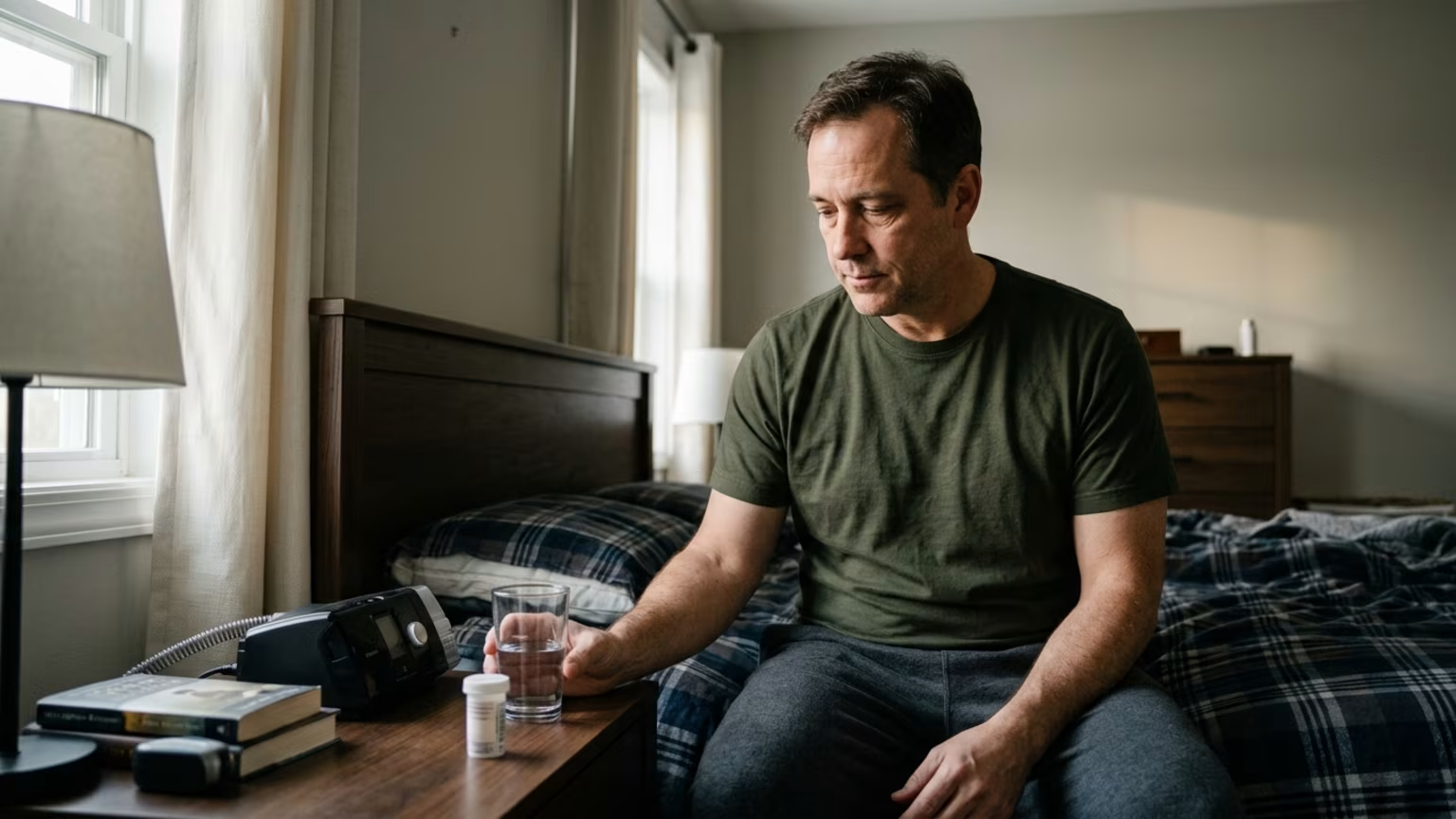
The Phase 3 SynAIRgy trial found the investigational pill AD109 reduced sleep apnea breathing events by 44 percent in adults unable to tolerate CPAP therapy.
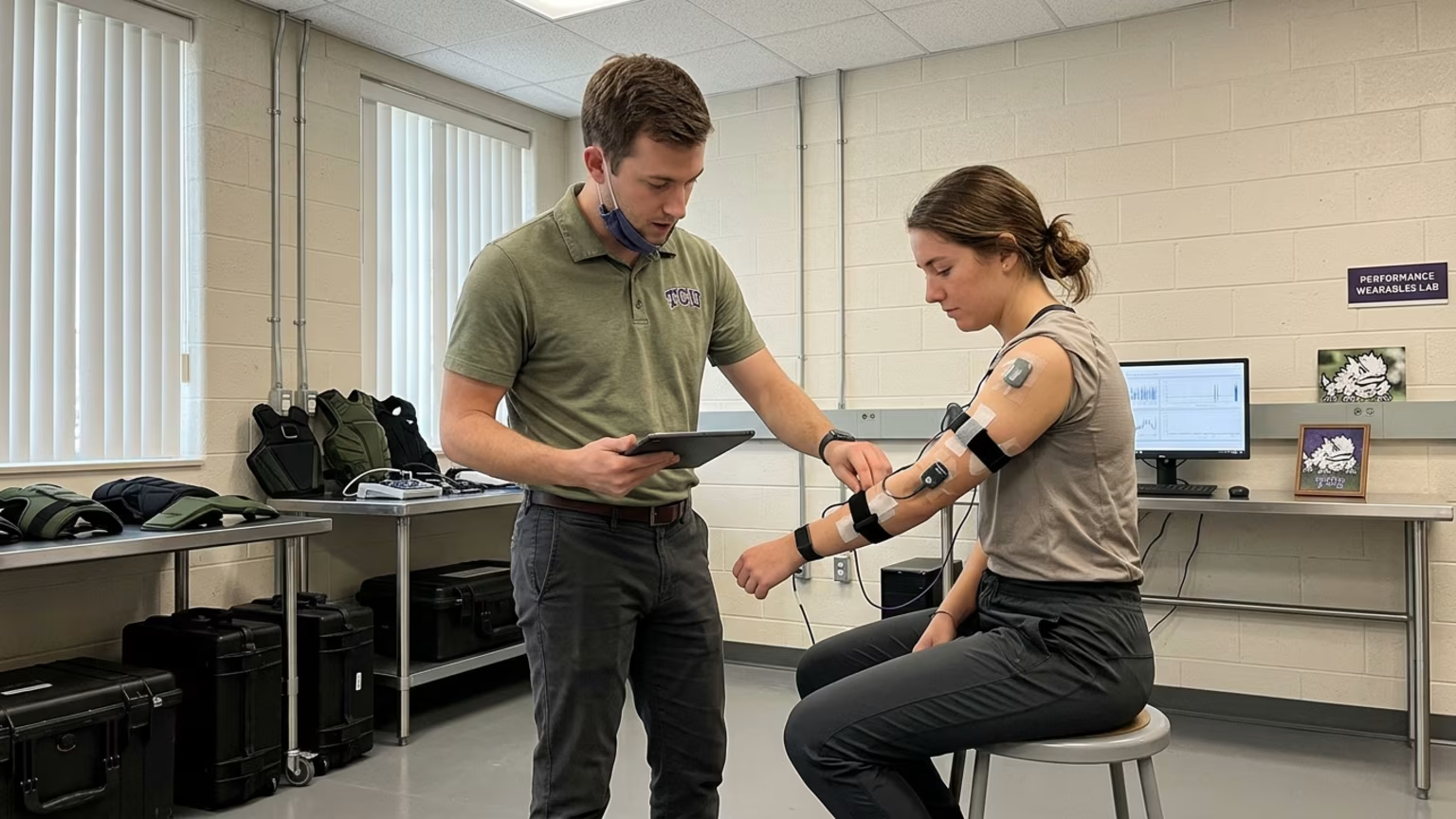
TCU launched a new lab to independently test military wearables and protective gear. Learn why independent validation matters for veteran recovery and sleep tech.
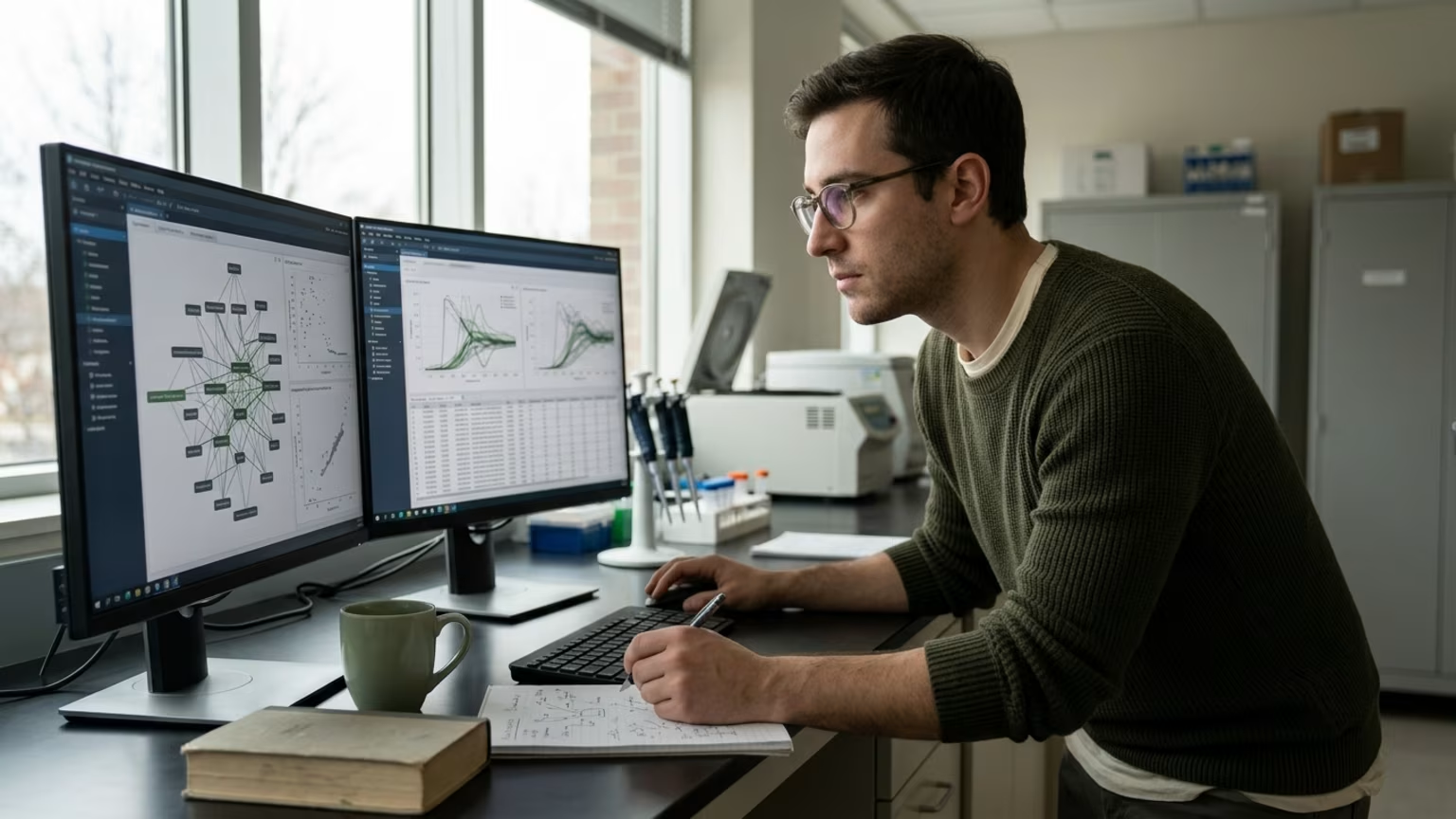
A 2026 study highlights shared biological pathways behind ME/CFS, long COVID and PTSD. Learn why persistent veteran fatigue requires comprehensive assessment.
Build better habits around strength, recovery, sleep, hormones and healthy aging with practical guidance for active military personnel and veterans.
Explore BattleVet