ErythroMer's reported storage design could matter for military care. An academic review still lists it as preclinical, with human evidence ahead.


Disabled American Veterans supports H.R. 210, a proposal to expand comprehensive VA dental care eligibility to all enrolled veterans. Here is what you need to know.
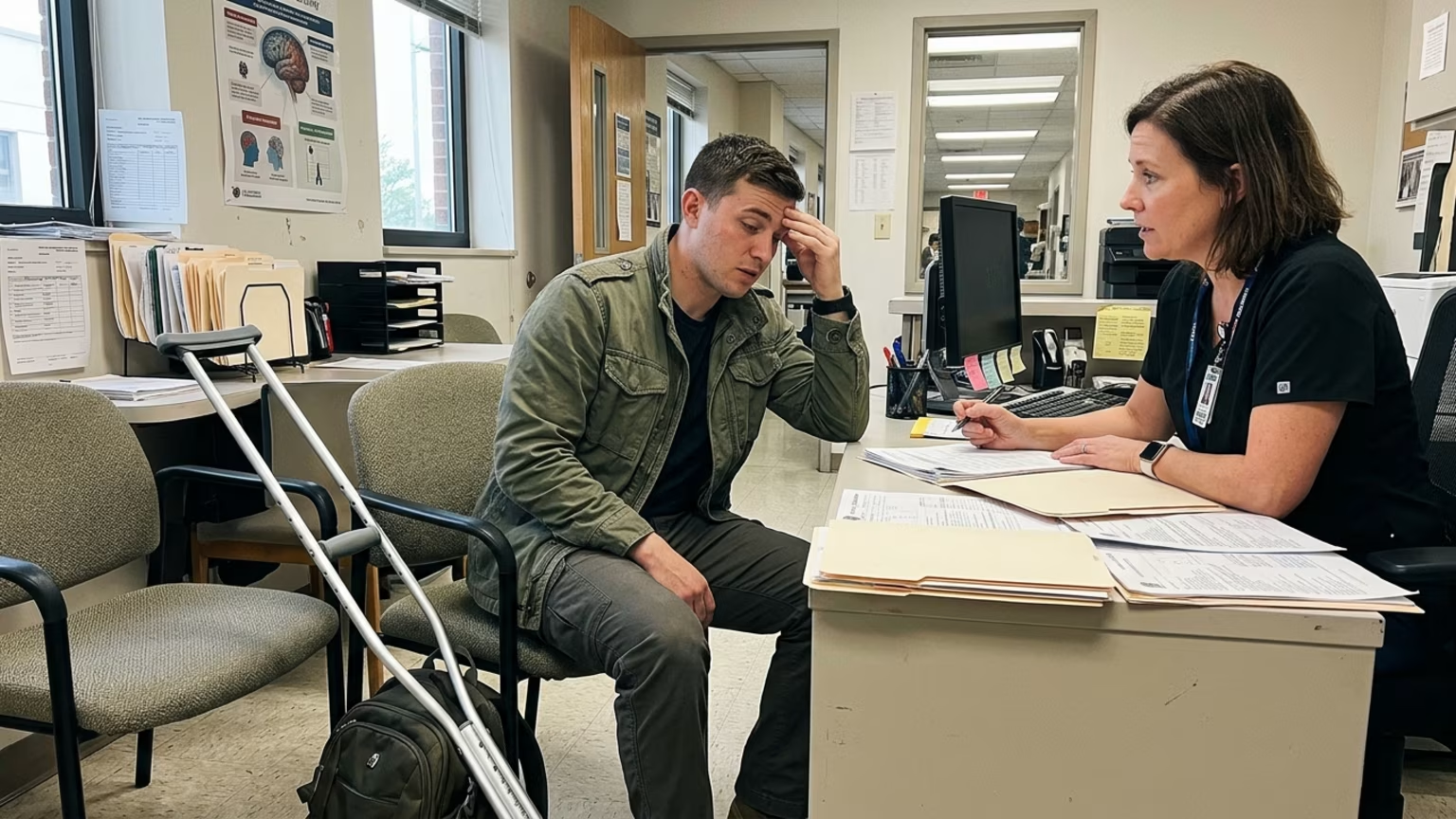
A recent investigation highlights severe gaps in battlefield medical evacuation and emphasizes the critical need for continuous traumatic brain injury tracking for troops.

The Defense Health Agency's transition from DS Logon to myAuth disrupted MHS GENESIS record access. Learn how to navigate these patient portal login changes.
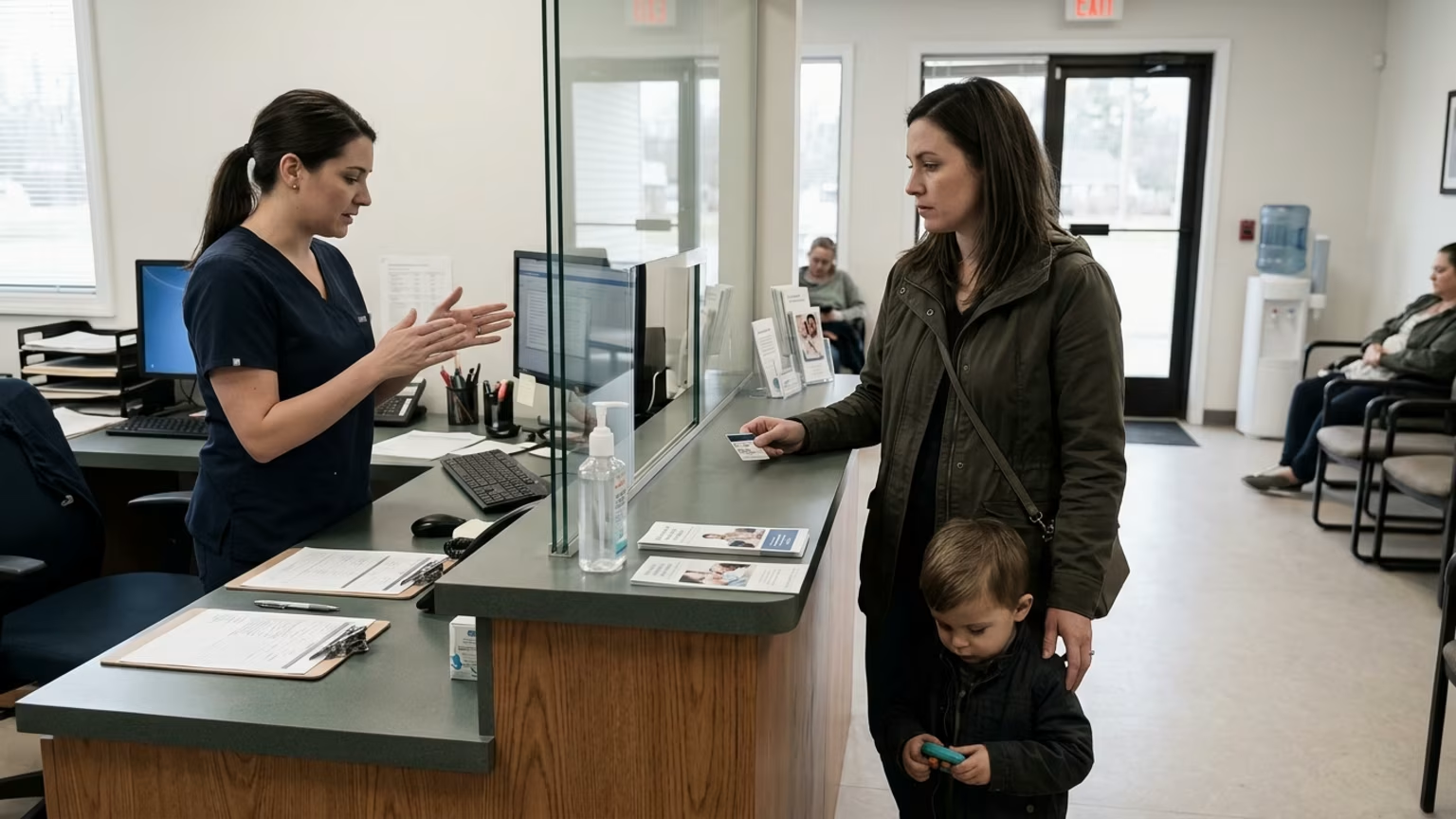
A planned October DEERS outage temporarily limits TRICARE eligibility verification. Learn how this cloud migration affects pharmacies and Open Season updates.

The Uniformed Services University published its 2026 to 2029 strategic plan focusing on prolonged field care, digital transformation, and medical readiness.
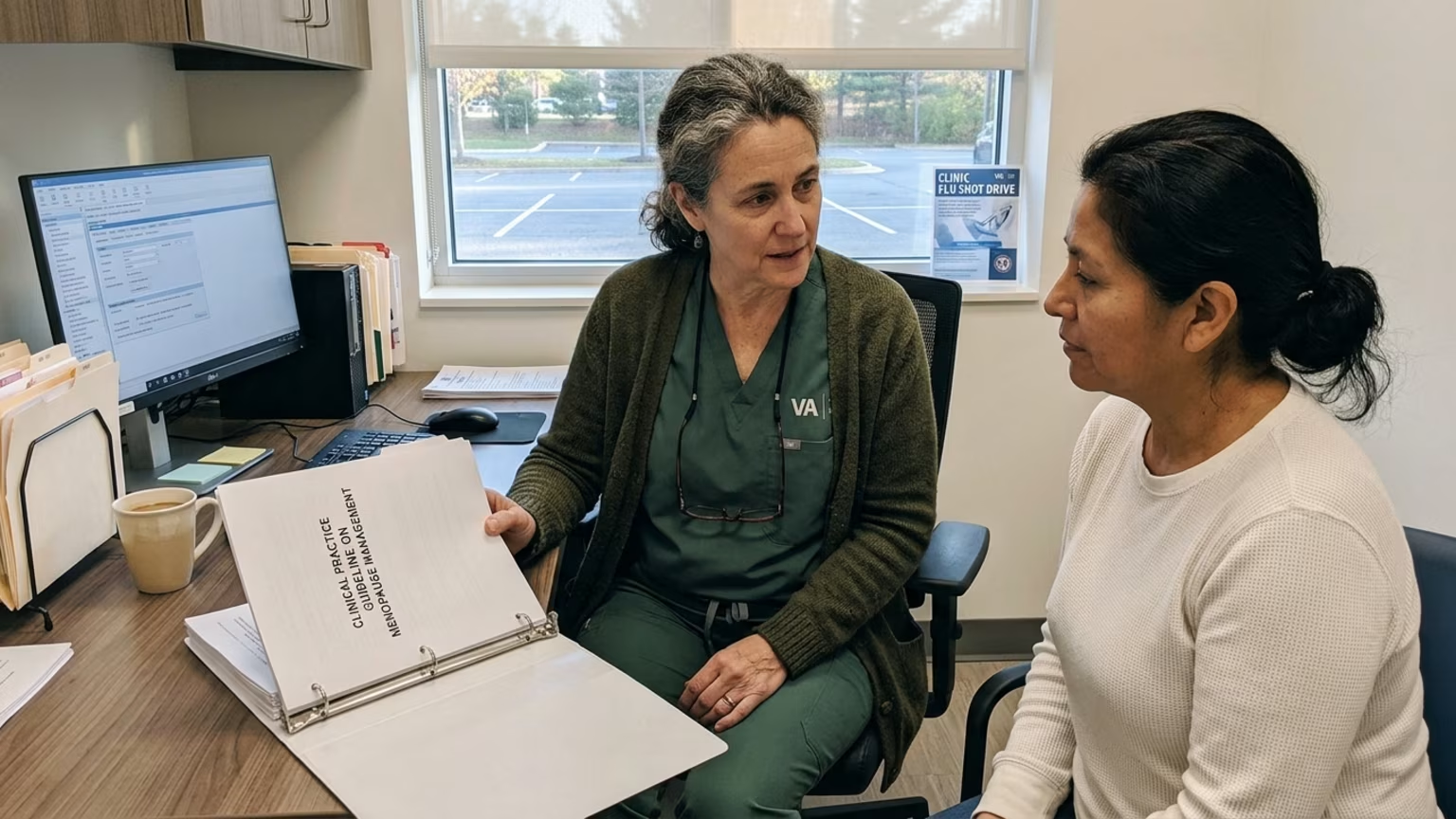
The VA and DoD released the 2026 Clinical Practice Guideline on Menopause. Learn how the 43 evidence-based recommendations impact military and veteran care.
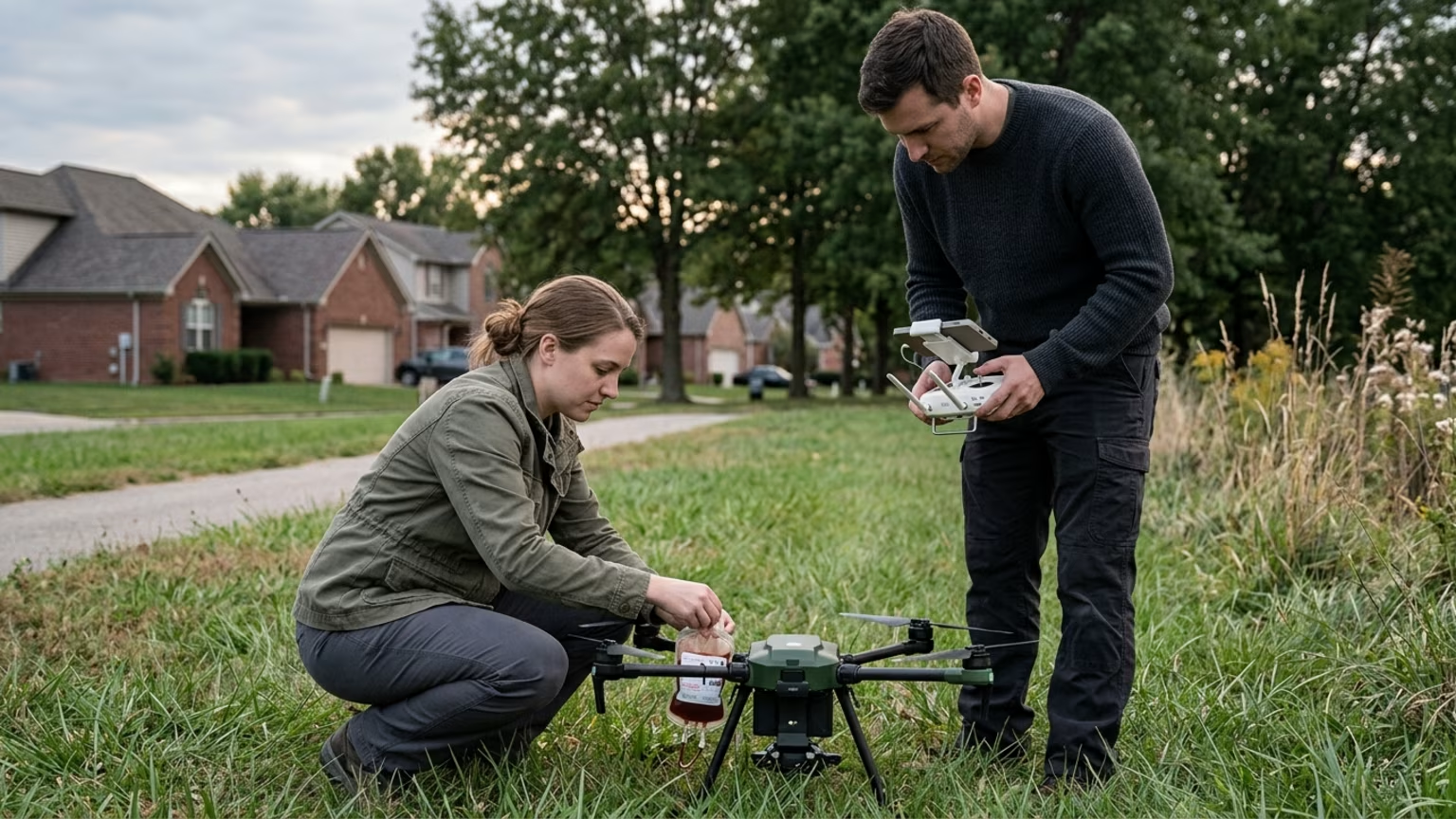
Researchers delivered freeze-dried plasma via drone to 26 wounded Ukrainian personnel. Learn how this shelf-stable logistics model impacts military health.
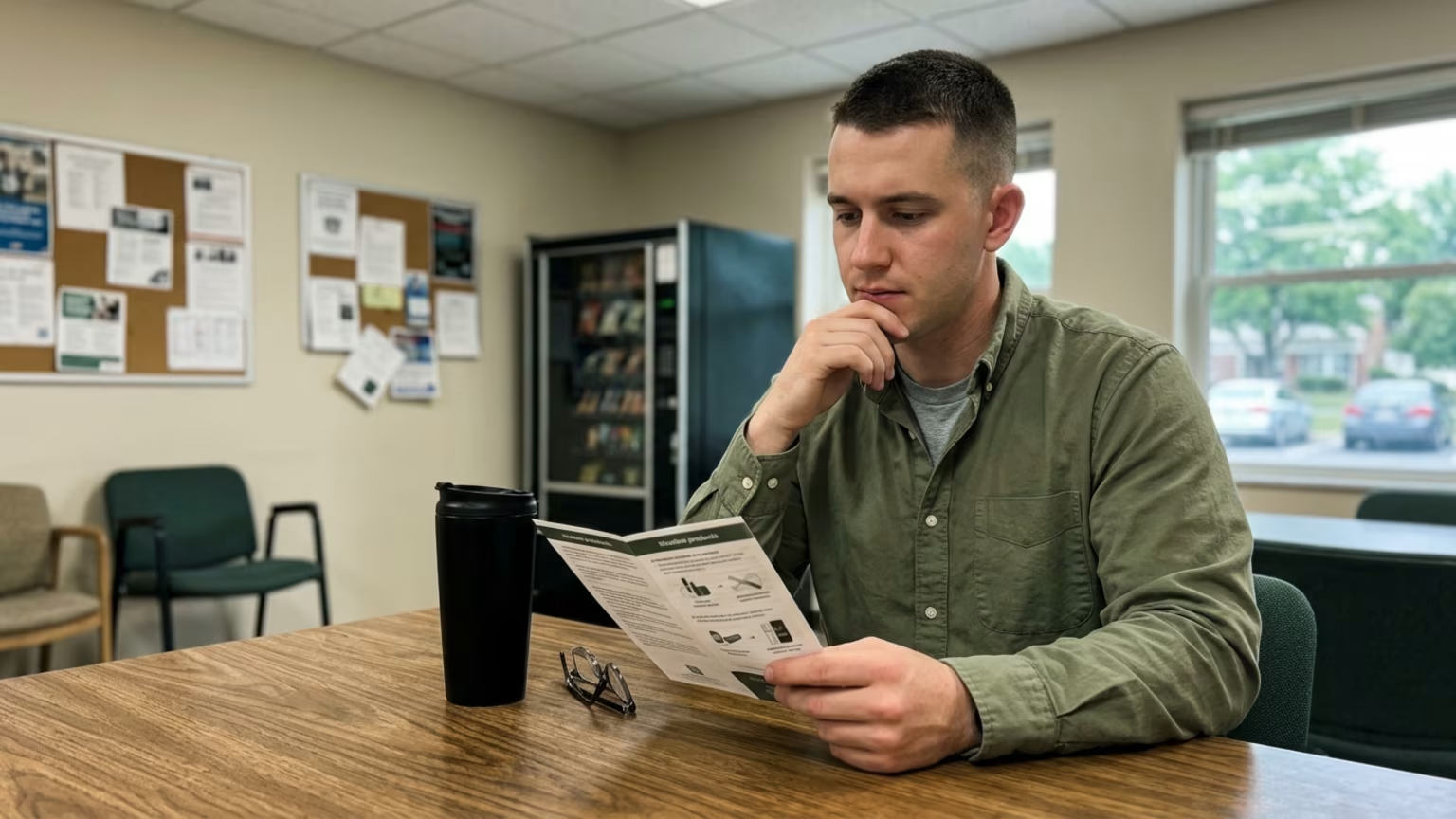
In 2026, the VA and DoD updated their joint tobacco-treatment clinical guidance. The 32 recommendations address patients not ready to quit, vaping, and relapse.
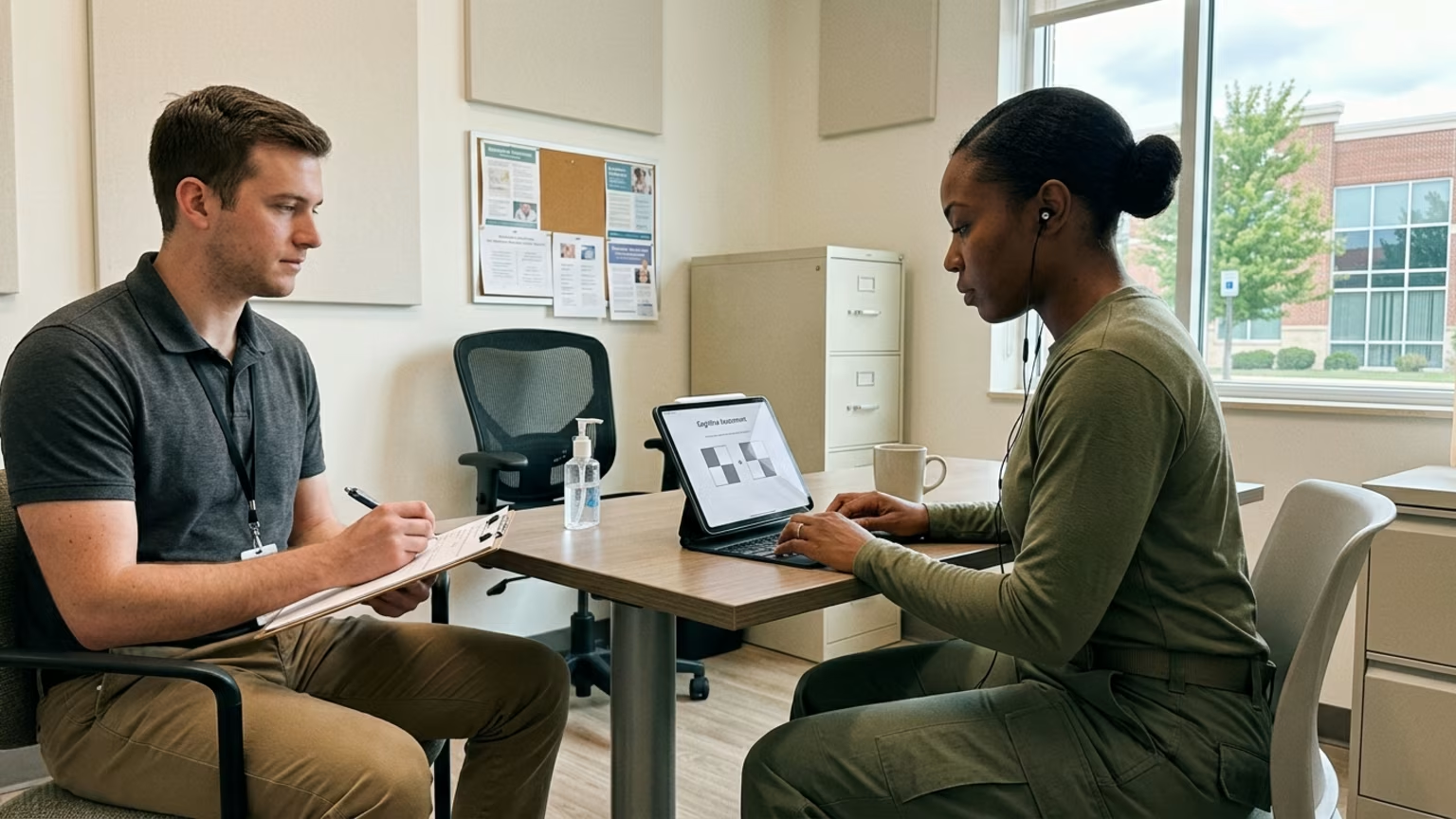
The Army reports 97 percent of Soldiers have completed its cognitive baseline assessment. Learn how this data tracks blast exposure and supports veteran health.

The VA’s 2026 Annual Report analyzes veteran suicide data through 2024, highlighting outcomes for enrolled and unenrolled veterans alongside protocol updates.
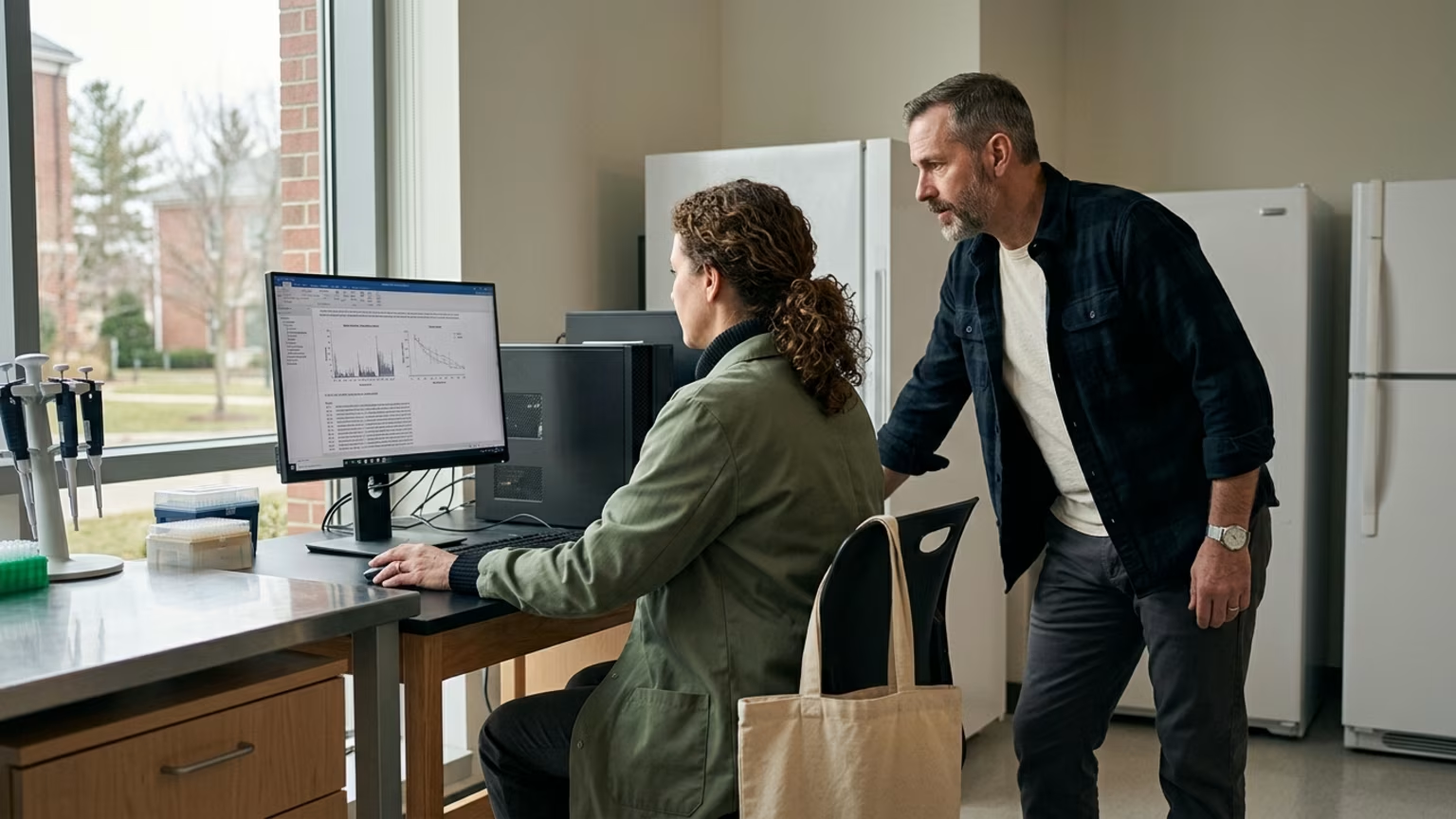
Sampled received a $27.1 million VA contract to expand the Million Veteran Program. Learn how this genetic data impacts veteran health research and care.

A recent VA update details how Million Veteran Program research informs clinical care. Learn how study data shapes future veteran medical decisions.

Stanford neurosurgeon Odette Harris discusses treating concussion as a brain injury and addresses the overlooked effects of TBI in women veterans.

A federal jury convicted a Texas clinic owner in a $26 million TRICARE fraud scheme. Learn how to verify medical providers and protect your veteran benefits.
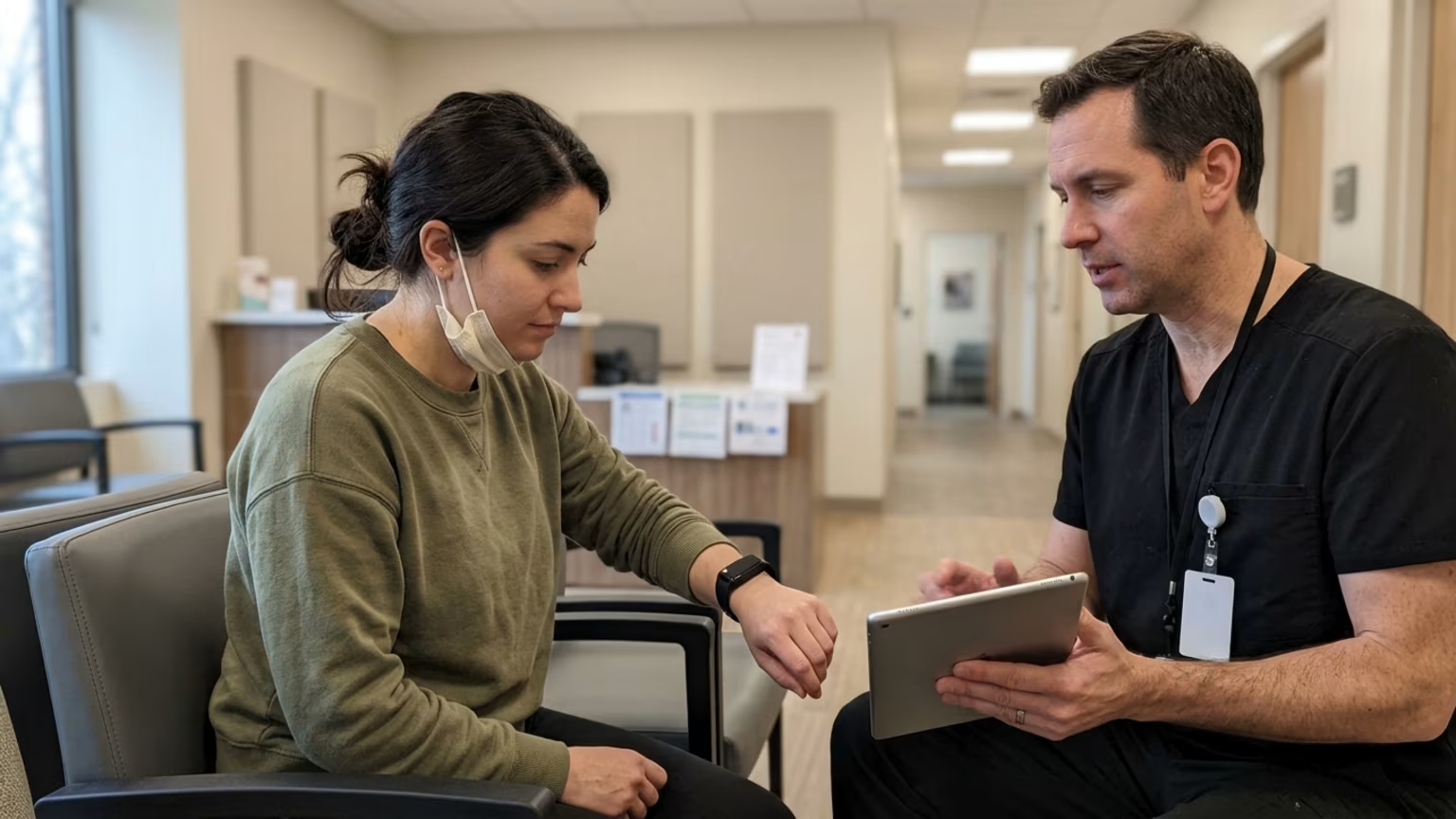
Reviewing the September 2026 missile strike in the Strait of Hormuz, and why returning to duty requires ongoing monitoring for traumatic brain injuries.
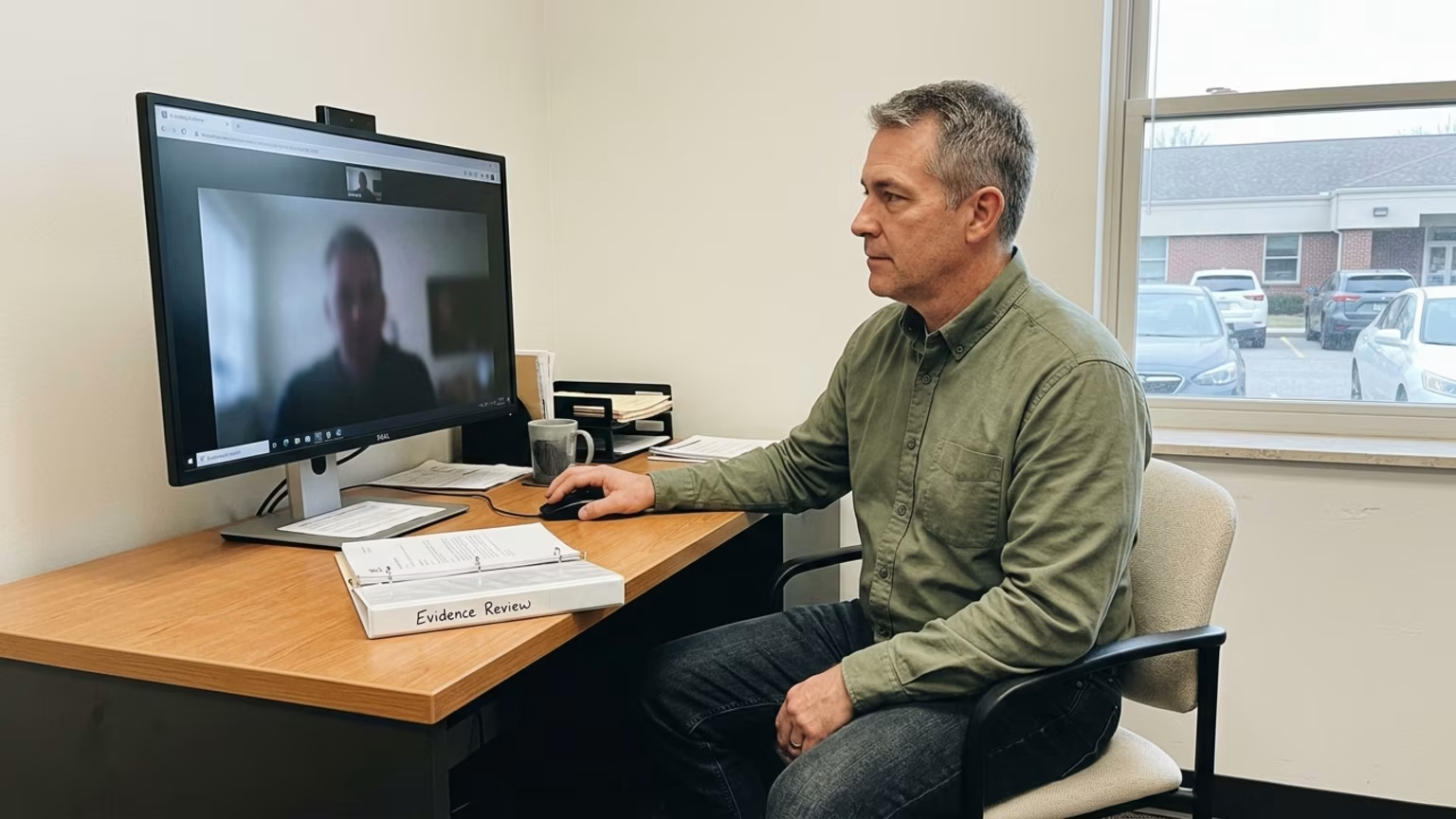
A September 2026 clinical digest reviews the association between substance use and suicidality among women veterans, alongside new data on telehealth outcomes.
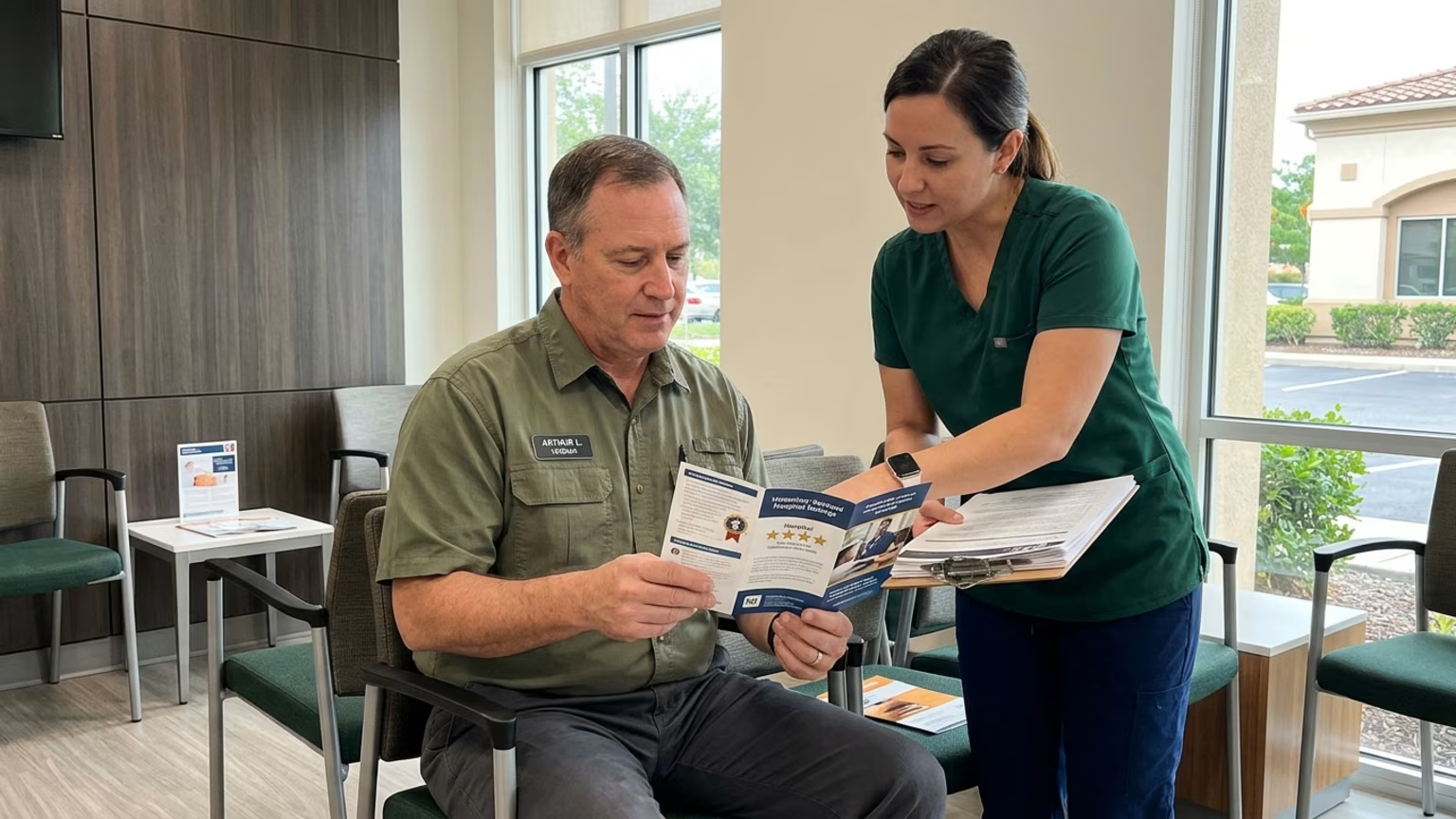
A new CMS report reveals 78 percent of VA hospitals earned four or five stars in overall quality. Learn what these ratings mean for your healthcare choices.
Build better habits around strength, recovery, sleep, hormones and healthy aging with practical guidance for active military personnel and veterans.
Explore BattleVet