
While many view resilience as a solitary trait, genuine veteran well-being depends on deep social connections that protect physical and mental health.





If you are in immediate danger, call 911. For 24/7 support, call or text 988 and press 1 for the Veterans Crisis Line, or text 838255.
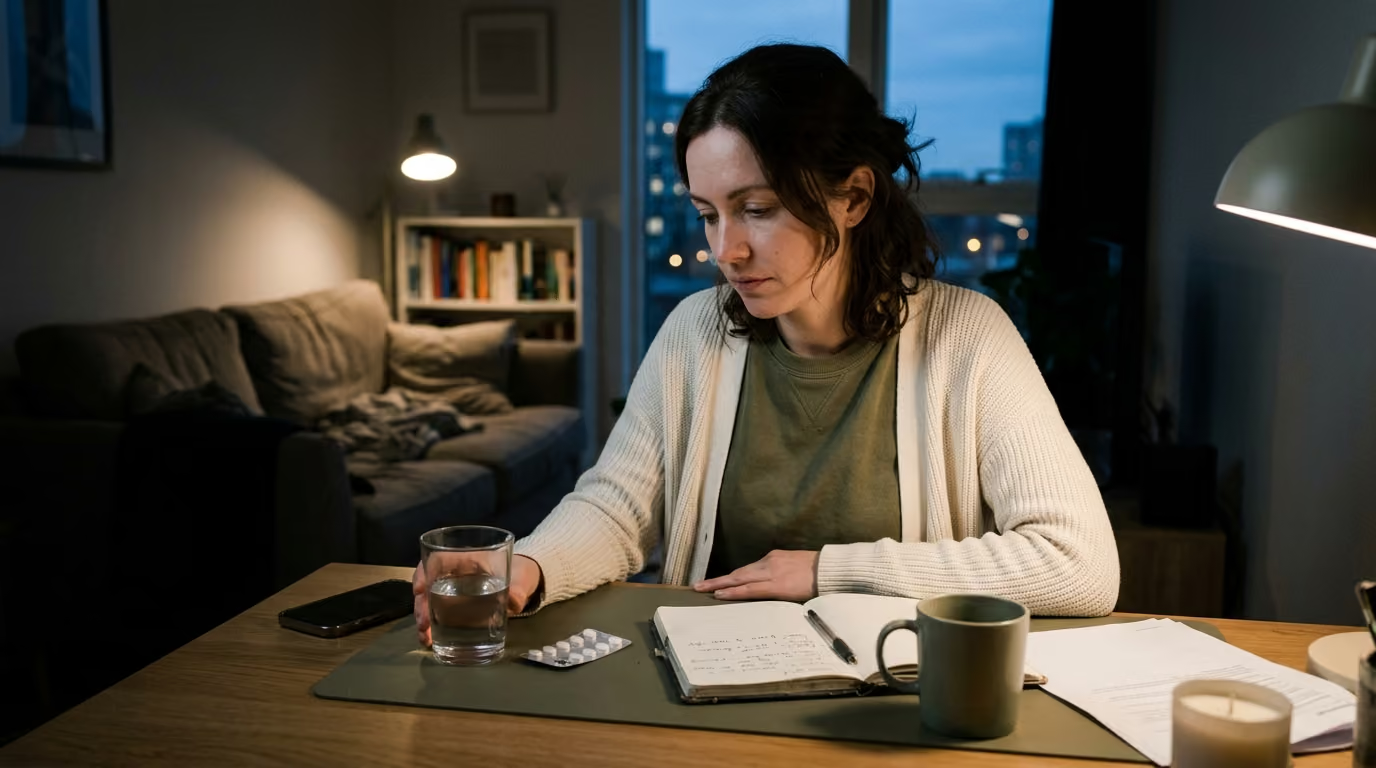
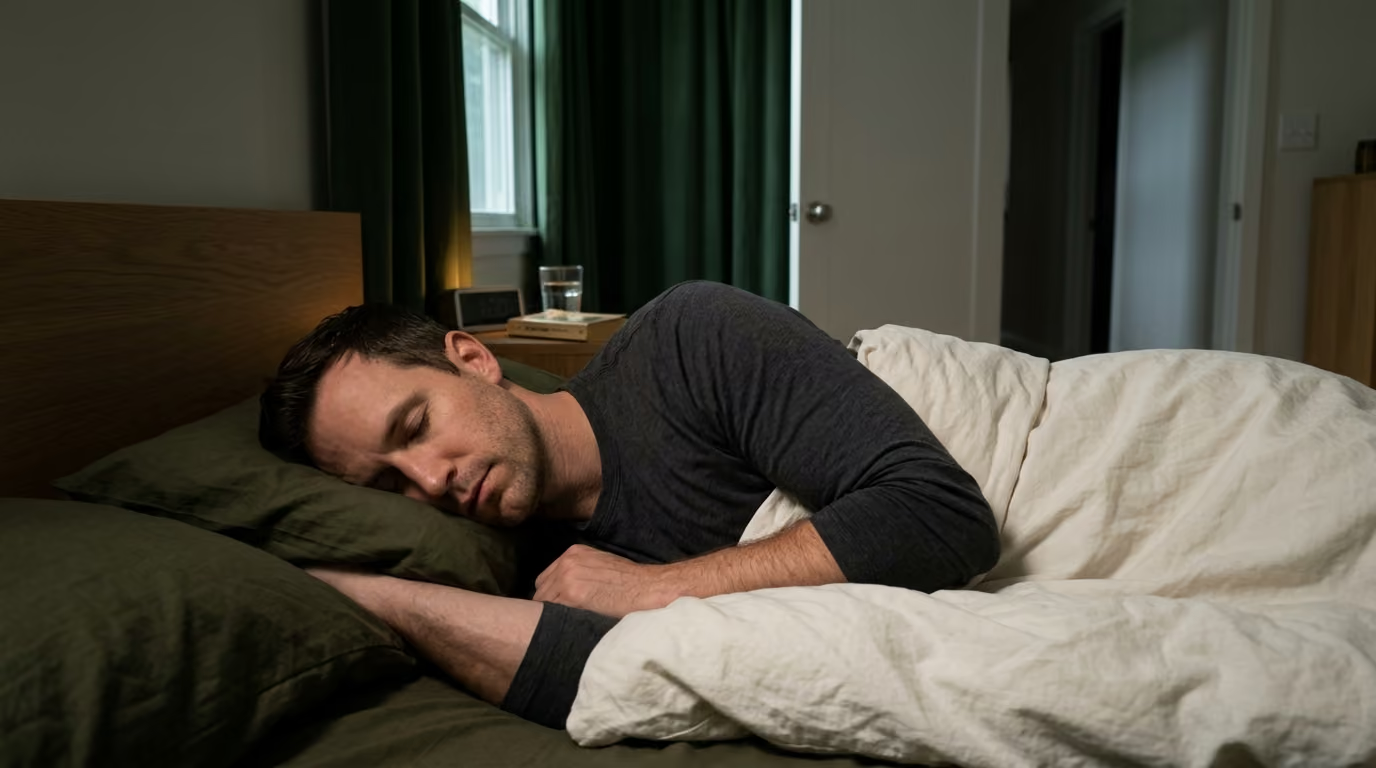
You wake up at 0300 with an elevated resting heart rate, staring at the ceiling while your nervous system stays on high alert. Your latest blood work shows sustained cortisol elevation, and your recovery metrics show that your sleep remains fragmented despite regular exercise. You check your phone, scroll past unread messages from old service friends, and realize you have not had a candid conversation with anyone outside your immediate household in three weeks. Physical training and clean nutrition can only carry recovery so far when the social foundation beneath your daily routine is missing.
Social connection is a measurable physiological and psychological resource that directly regulates autonomic stress, sleep architecture, and long-term mental health after military service.
Social connection is not forced extroversion, mandatory small talk, or an obligation to spend every weekend at a veteran hall. It is the presence of reliable, reciprocal relationships that provide mutual trust, clear purpose, and emotional safety. For service members returning to civilian life, maintaining strong social ties regulates the central nervous system, reduces reliance on avoidant coping, and provides a structural anchor for physical recovery.
Understanding the impact of relationships on veteran health requires clear operational definitions. Many people use terms like loneliness, isolation, and connection interchangeably, but scientific research treats them as distinct conditions. Conflating these ideas can lead to improper support strategies.
The Centers for Disease Control and Prevention defines social connection through the size and diversity of a person's network, the roles those relationships fulfill, and the overall quality of the bonds. Social connectedness reflects whether an individual has the desired quantity, quality, and variety of relationships, combined with a genuine sense of belonging and support.
Social isolation is an objective, measurable state marked by a lack of social contact, few community ties, and limited interactions. A veteran living in a remote rural area with no nearby family is socially isolated in structural terms.
Loneliness is a subjective, distressing emotional state that occurs when a person perceives a gap between their desired relationships and their actual relationships. A veteran can work in a crowded office, attend family gatherings, and still experience profound loneliness if those interactions lack depth or mutual understanding. Conversely, someone can live alone with minimal daily contact without experiencing the psychological distress of loneliness.
Belonging represents the internal experience of being accepted and valued as a member of a group. During military service, belonging is often reinforced through unit cohesion, which involves shared mission goals, operational interdependence, and mutual trust under pressure.
Unit cohesion creates a unique environment where individual safety depends on group coordination. When service members leave the military, they often lose this baseline level of built-in cohesion. Replicating that sense of security in civilian life requires deliberate effort, as civilian workplaces and social groups rarely feature the same level of mutual reliance.
Resilience is the capacity to adapt, recover, and sustain psychological and physical functioning when confronted with adversity, trauma, or significant stress. Resilience is not invulnerability, emotional detachment, or the complete absence of distress.
Treating resilience as an individual trait where a person simply endures stress alone is scientifically inaccurate. Research shows that resilience is relational. The ability of the central nervous system to rebound from high stress depends heavily on the presence of dependable social support. Resilience is a capacity supported by relationships, not an excuse to avoid professional care or isolate during hardship.
Leaving the military represents more than a job change. It alters a service member's daily environment, communication style, social hierarchy, and sense of personal mission. Understanding why disconnection happens helps veterans address the root causes rather than viewing transition difficulties as personal failures.
Research on military transition published in the Journal of Community and Applied Social Psychology shows that maintaining existing social groups and gaining new ones supports post-service mental health. These social groups provide essential psychological resources, including personal meaning, healthy self-esteem, and a sense of control over one's circumstances.
When service members separate, they often navigate multiple simultaneous disruptions that affect their social stability:
Research shows that severe identity disruption correlates with higher PTSD symptom severity, lower life satisfaction, and greater difficulty reintegrating into community life.
Military identity influences how veterans interpret the world, process stress, and select social circles. Scientific literature demonstrates that military identity can serve as a protective asset, a source of chronic friction, or both simultaneously.
A study in the Journal of Military, Veteran and Family Health examined personal identity commitment, national identity, and military identity centrality. The researchers found that positive personal identity and general civic affirmation were associated with lower rates of depression, anxiety, and post-traumatic stress. However, when military identity was held with extreme centrality to the exclusion of all other identities, veterans reported higher PTSD symptoms and greater reintegration stress.
The objective of healthy adjustment is identity integration. Veterans do not need to abandon their service background or pretend it never happened. At the same time, maintaining military identity as the sole definition of personal worth can create social friction and isolation.
An integrated identity portfolio incorporates military service as a meaningful foundation while developing other civilian identities. A veteran can simultaneously be a former team leader, an apprentice carpenter, a dedicated parent, a recreational lifter, and a neighborhood volunteer. Building a diverse identity portfolio provides stability. If one area of life faces adversity, the other identities sustain the veteran's sense of worth.
To learn more about navigating post-service adjustments, read our analysis on veteran lifestyle and healthcare resources.
Scientific literature confirms that loneliness is a biological stressor with profound consequences for long-term health. It should be evaluated with the same clinical rigor as hypertension, blood lipid profiles, or sleep disorders.
Data from the 2019-2020 National Health and Resilience in Veterans Study, evaluating a representative sample of 4,069 U.S. veterans, revealed that 56.9% experienced loneliness at least sometimes. Within that group, 37.2% reported feeling lonely sometimes, and 19.7% felt lonely often. The researchers established that loneliness severity was independently linked to functional impairment, general physical health decline, and higher rates of suicidal ideation.
Loneliness rarely resolves on its own without targeted behavioral changes. A study tracking older veterans across three years identified that nearly 40% remained on moderate-to-high loneliness trajectories. Both moderate and high-loneliness groups showed steady increases in symptom severity over time.
Loneliness is positively associated with advanced age, limitations in daily living activities, cumulative lifetime trauma exposure, perceived stress, and depression. Conversely, protective factors associated with reduced loneliness include:
While these factors highlight potential intervention areas, they do not guarantee protection for every individual. Even married or financially stable veterans can experience isolation if their daily relationships lack emotional depth.
The human central nervous system constantly scans the environment for safety cues. When an individual feels connected to a dependable group, the brain interprets the environment as safe, dampening sympathetic nervous system activation. This physiological process is known as social buffering.
Social buffering lowers baseline heart rate, reduces excessive sympathetic tone, and dampens systemic inflammatory signaling. When a veteran faces adversity alone, the brain perceives higher baseline threat, keeping the hypothalamic-pituitary-adrenal axis activated. Sharing challenges with a trusted peer provides cognitive reappraisal, practical guidance, and emotional grounding, directly reducing the physiological toll of acute stress.
A longitudinal study of Army National Guard and Reserve personnel examined the relationship between unit cohesion, coping mechanisms, and post-deployment mental health. The findings showed that higher unit cohesion reduced the use of avoidant coping strategies. Avoidant coping includes behavioral withdrawal, emotional suppression, substance misuse, and avoiding conversations about difficult experiences.
In treatment-seeking military personnel diagnosed with PTSD, social support, unit cohesion, and personal resilience combine to form protective personal resources. Research published in the Journal of Affective Disorders shows that these personal resources are associated with a reduction in negative post-traumatic cognitions.
When veterans maintain strong connections, they are less likely to adopt destructive beliefs like "I am broken beyond repair" or "Nobody can be trusted." Dependable peer support creates an environment where cognitive processing can occur without unchecked negative rumination.
Loneliness and social isolation are documented risk factors for veteran suicide. Chronic disconnection can magnify feelings of burdensomeness, hopelessness, and the mistaken belief that one has no reliable source of help.
Suicide risk is complex and multifactorial. It is influenced by psychiatric conditions, traumatic brain injuries, chronic physical pain, sleep disruption, financial crisis, substance misuse, access to lethal means, and relationship breakdown. Social connection is an essential protective domain within a comprehensive care plan, but social engagement alone is not a substitute for clinical intervention.
Sleep quality and muscular recovery are directly linked to autonomic nervous system regulation. When a veteran feels socially disconnected, chronic vigilance disrupts the deep, restorative sleep stages necessary for physical repair.
The CDC explicitly identifies improved sleep quality as a primary health benefit of social connection. When social ties are stable, pre-sleep threat monitoring decreases. This drop in physiological arousal allows the parasympathetic nervous system to initiate restorative slow-wave sleep and structured rapid eye movement cycles.
Social connection influences physical restoration through six documented behavioral and physiological pathways:
Not all social contact improves health. Relationships characterized by frequent conflict, excessive emotional demands, or late-night crisis interactions can elevate stress and worsen sleep latency.
Social routines centered on alcohol consumption pose a frequent challenge for veterans. Gathering at bars or late-night venues may offer immediate camaraderie, but alcohol suppresses REM sleep, disrupts nocturnal breathing, and elevates overnight heart rate. True recovery-supportive connection prioritizes daytime or early evening activities that protect sleep architecture.
For a deeper look into sleep hygiene strategies, explore our recovery and sleep articles.
Peer support involves formal or informal assistance delivered by individuals with shared military backgrounds. It is widely used across veteran organizations and healthcare systems, but its exact role must be understood to maximize its benefits.
A systematic review published in the American Journal of Occupational Therapy demonstrated that peer support programs help veterans rebuild daily routines, improve relationship skills, and re-engage with their broader communities. Interacting with someone who understands military terminology and operational realities reduces the need for lengthy explanations, establishing immediate rapport.
Shared service experience creates an immediate baseline of cultural safety. Veterans can discuss deployment stress, transitions, moral conflicts, and operational challenges without worrying about alarming or confusing the listener.
Peer models also help destigmatize help-seeking behavior. When a veteran observes a peer who successfully navigated mental healthcare, addressed sleep apnea, or built a stable civilian career, engaging in self-care feels like a practical, strength-based decision rather than an admission of weakness.
Shared military service does not mean veterans share identical needs, values, or backgrounds. The veteran community is diverse, spanning different service branches, combat exposures, eras, ranks, discharge statuses, genders, and physical abilities.
A combat veteran from the post-9/11 era may have different social needs than a peacetime veteran or a Vietnam-era veteran. Similarly, survivors of military sexual trauma may feel unsafe in traditional veteran halls. Effective peer support requires matching individuals with environments that align with their specific backgrounds and personal comfort levels.
Peer support is an adjunct to, not a replacement for, clinical healthcare. Peer mentors are not licensed to diagnose medical conditions, conduct formal trauma therapy, or manage acute medical crises.
Peer relationships excel at providing belonging, encouragement, and practical advice. Professional medical and mental health services handle the diagnosis and treatment of clinical depression, PTSD, insomnia, and substance use disorders.
Connection becomes sustainable when it moves beyond passive socializing into active community participation. True social integration involves contributing to an objective that extends beyond oneself.
The VA Center for Development and Civic Engagement highlights volunteer service as a proven pathway for veterans to build structured purpose while forming durable relationships. When veterans engage in hands-on community projects, they regain the collaborative teamwork that defined their active service.
Building durable resilience requires addressing social health across multiple environmental layers:
Viewing social health through this multi-layered framework prevents the mistake of treating isolation solely as a personal lack of motivation. Environmental and structural factors matter just as much.
Sitting quietly in a crowded room is not the same as active participation. An isolated individual can attend a large event and leave feeling more alienated than before if they had no meaningful interaction.
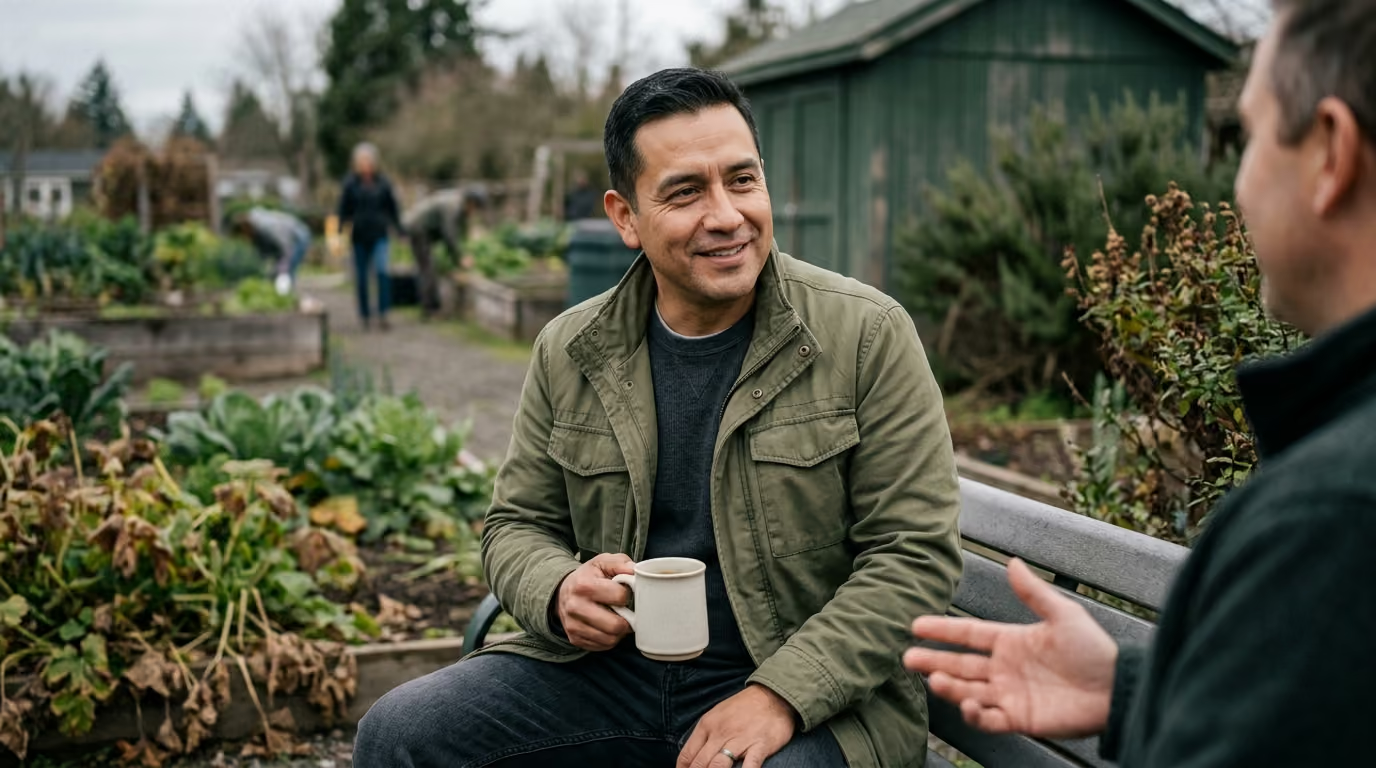
Meaningful connection develops through repeated, low-stakes exposure around a shared task. When people work together on trail maintenance, disaster relief, coaching, or restoring equipment, conversation flows naturally without the forced pressure of traditional social mixers.
For additional strategies on building long-term lifestyle routines, browse our military health guidance.
Rebuilding a social network after service requires a structured, deliberate approach. Applying a systematic framework allows veterans to make steady progress without social exhaustion.
Before making changes, evaluate your current social environment using four objective criteria based on CDC parameters:
The VA CONNECTED program combines peer support, practical goal-setting, and resource navigation to build healthy routines. You can apply this structured approach using an individualized connection plan:
Different life situations require adapted connection strategies:
To explore resilience techniques in greater detail, consult our sleep, stress, and resilience resources.
Examining realistic scenarios helps show how social connection principles apply to everyday veteran life.
An infantry sergeant separates after eight years of active service. He takes a remote civilian tech role, communicates with his former squad via group text, and lives alone in a new city. Within six months, his sleep becomes irregular, his training consistency declines, and he feels disconnected from civilian coworkers.
By joining a morning training gym, he re-establishes a consistent circadian anchor and engages in daily, in-person contact with people pursuing physical capability. Adding monthly disaster relief volunteering restores hands-on teamwork and shared mission focus.
A 68-year-old veteran with severe osteoarthritis lives alone with limited transportation. Her daily contact is restricted to brief interactions with grocery clerks, and she reports escalating loneliness, low energy, and poor sleep.
Enrolling in the Compassionate Contact Corps provides regular, structured video visits with a trained volunteer. Coordinating accessible local transit allows her to visit a community center once per week, reversing the cycle of withdrawal without exacerbating joint pain.
A former staff sergeant refuses to interact with civilian neighbors, stating that civilians lack discipline and cannot relate to his experiences. He spends all his free time reading military forums, feeling increasingly resentful and alienated.
Rather than being told to abandon his service identity, he is encouraged to apply his operational skills by coaching youth track and field. Applying his leadership background in a civilian environment helps him build positive civilian relationships, expanding his identity portfolio while honoring his military experience.
A veteran gathers five nights a week at a local veterans hall to unwind. While he has frequent social contact, the heavy alcohol intake disrupts his sleep architecture, increases morning irritability, and elevates his resting blood pressure.
The veteran swaps late-night bar visits for an active weekend trail and ruck club. He maintains regular peer camaraderie while replacing sleep-disrupting alcohol consumption with cardiovascular conditioning, directly improving his autonomic recovery.
A veteran experiencing severe depression, financial strain, and relationship breakdown expresses feeling completely isolated, believing his family would be better off without him.
This is an emergency requiring immediate safety protocols rather than ordinary social planning:
This article is published for educational, informational, and resource purposes only. It is not intended to provide medical advice, psychiatric diagnosis, individual psychotherapy, or personalized healthcare treatment.
Loneliness, severe depression, sleep disorders, and post-traumatic stress are clinical conditions that require evaluation by qualified medical and mental health professionals. Service members and veterans experiencing severe distress, uncontrolled symptoms, or thoughts of self-harm should contact licensed healthcare providers, visit an emergency facility, or contact the Veterans Crisis Line by dialing 988 and pressing 1.
Remote communication provides meaningful psychological and physiological benefits, particularly for geographically isolated veterans, individuals with mobility challenges, or those managing severe social anxiety. Programs like the VA Compassionate Contact Corps demonstrate that scheduled, structured telephone or video check-ins reliably reduce feelings of loneliness. While in-person interaction offers unique nonverbal cues and physical presence, structured digital communication serves as a highly effective, accessible connection method when physical gatherings are impractical.
Shared military experience does not require discussing traumatic memories or deployment hardship. If formal veteran support groups cause distress or hyperarousal, switch to task-oriented or non-military environments. Engaging in athletic groups, woodworking classes, trail maintenance crews, or civilian volunteer initiatives allows you to build social connection through shared physical action without discussing operational backgrounds.
Family members should focus on maintaining predictable household routines, avoiding high-conflict confrontations, and offering low-pressure invitations to daily activities. Encouraging the veteran to participate in practical, non-threatening tasks, like helping a neighbor with repairs or attending an outdoor event, builds social momentum without making them feel pathologized. Family members should also establish their own support networks and keep crisis contact resources readily available if safety concerns develop.
Yes. Loneliness is driven by the perceived quality, depth, and mutual understanding of your relationships rather than physical proximity to other people. A veteran can live with a supportive family but still feel lonely if they feel unable to communicate their internal thoughts, transition challenges, or emotional state. Addressing this requires open communication, developing external friendships outside the household, and engaging in personal interests that foster individual purpose.
Follow BattleVet for practical guidance on military and veteran health, strength, recovery, testosterone, sleep and healthy aging. Stay connected for new articles, research backed insights and clear information to help you stay capable for the years ahead.


Build better habits around strength, recovery, sleep, hormones and healthy aging with practical guidance for active military personnel and veterans.
Explore BattleVet