Combat Stress’s workplace guidance emphasizes listening over diagnosis. Recent U.S. veteran insomnia research adds context for sleep and recovery concerns.


A controlled study found nighttime heat disrupted sleep and altered stress markers. Learn how this impacts military recovery protocols and veteran health.

New research published in Frontiers in Neuroergonomics shows mental workload and sleepiness are distinct states. Learn why feeling alert does not mean recovered.
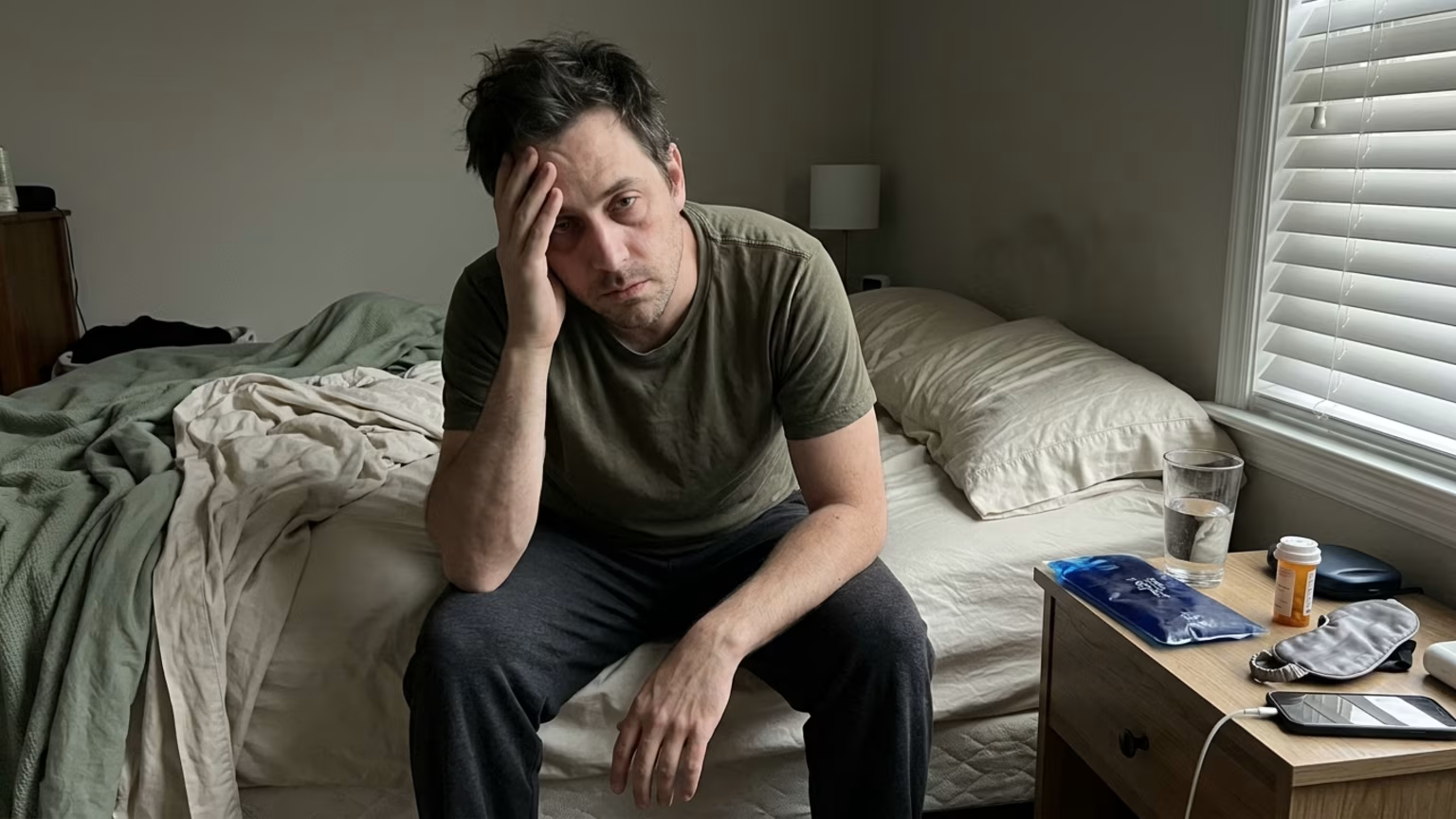
A 2026 Curtin University report associates preexisting sleep disorders with persistent concussion symptoms. Learn how baseline rest impacts veteran head injury recovery.

Recent 2026 data from the Royal British Legion and the UK Ministry of Defence highlights the co-occurrence of fatigue and musculoskeletal symptoms in veterans.
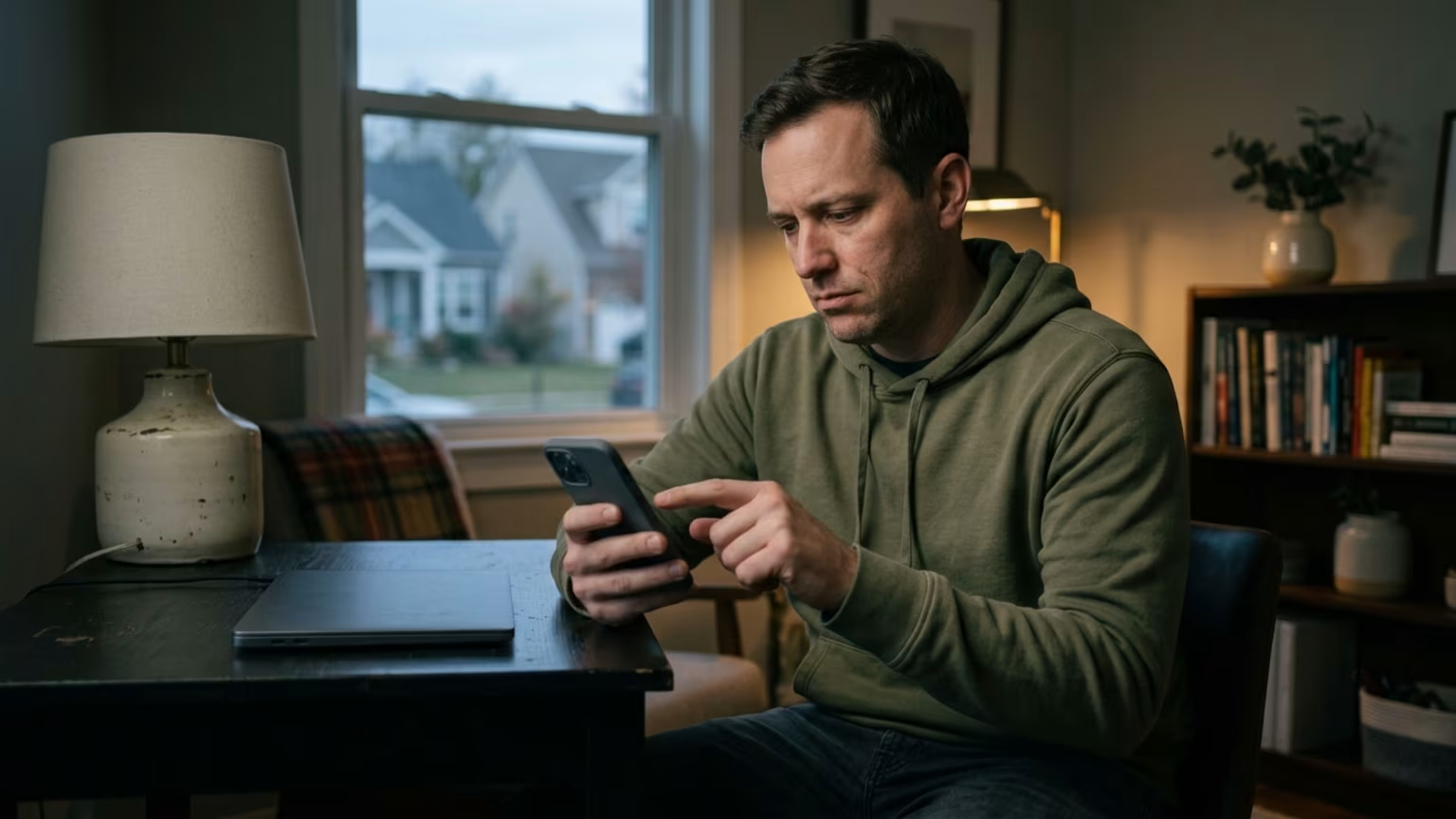
A September 2026 study found AI chatbots often drop sleep apnea referral advice when users minimize symptoms. Veterans must rely on clinical medical screening.

A September 2026 review shows pre-workout caffeine improves endurance but can degrade sleep quality, requiring careful timing for military and veteran health.

A 2026 Pentagon watchdog report warns that Navy special warfare crews may return to duty with undiagnosed head injuries due to medical screening gaps.
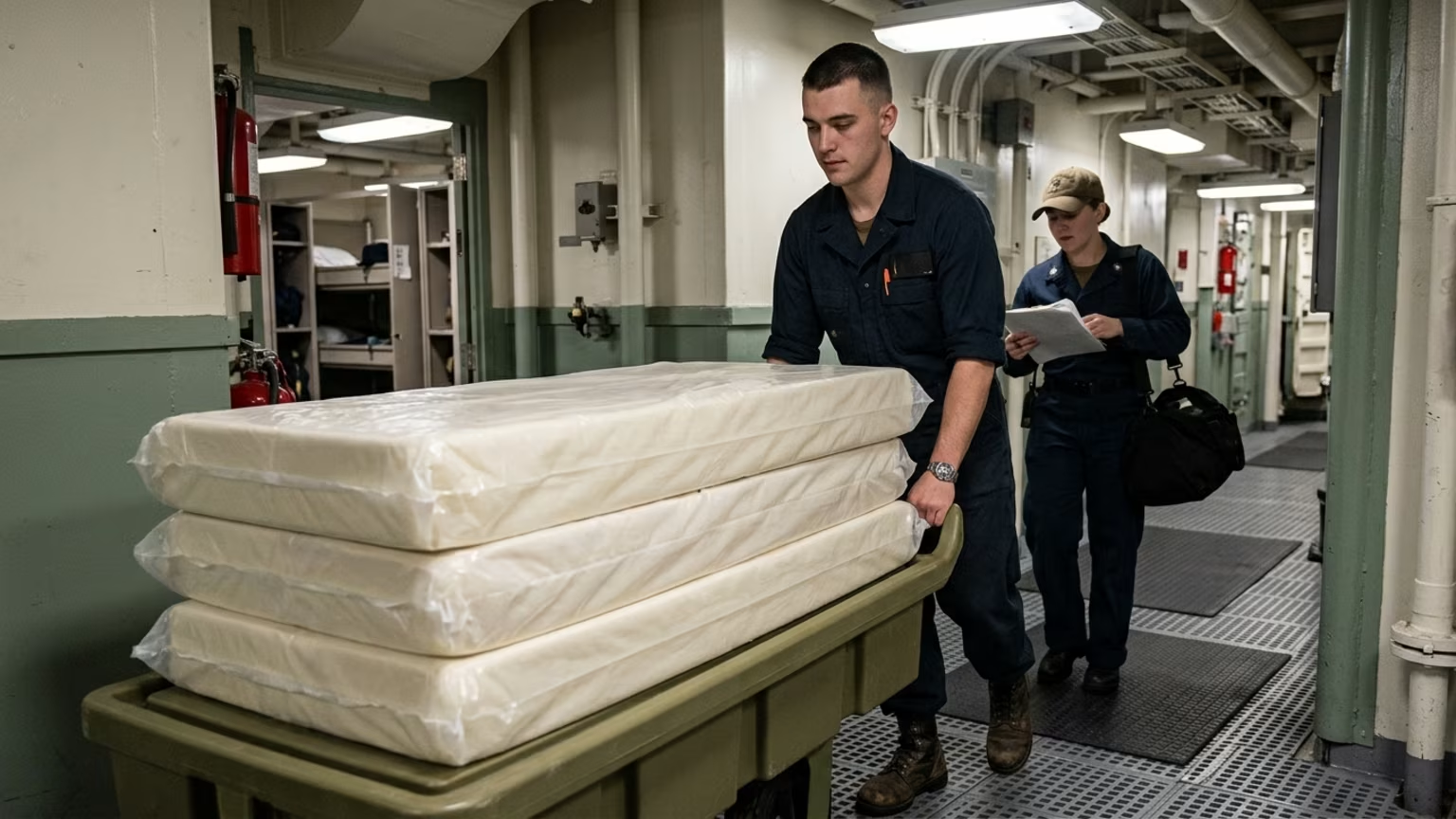
The Navy is evaluating engineered foam mattresses aboard USS Paul Hamilton to study shipboard sleep quality, rest and operational fatigue.
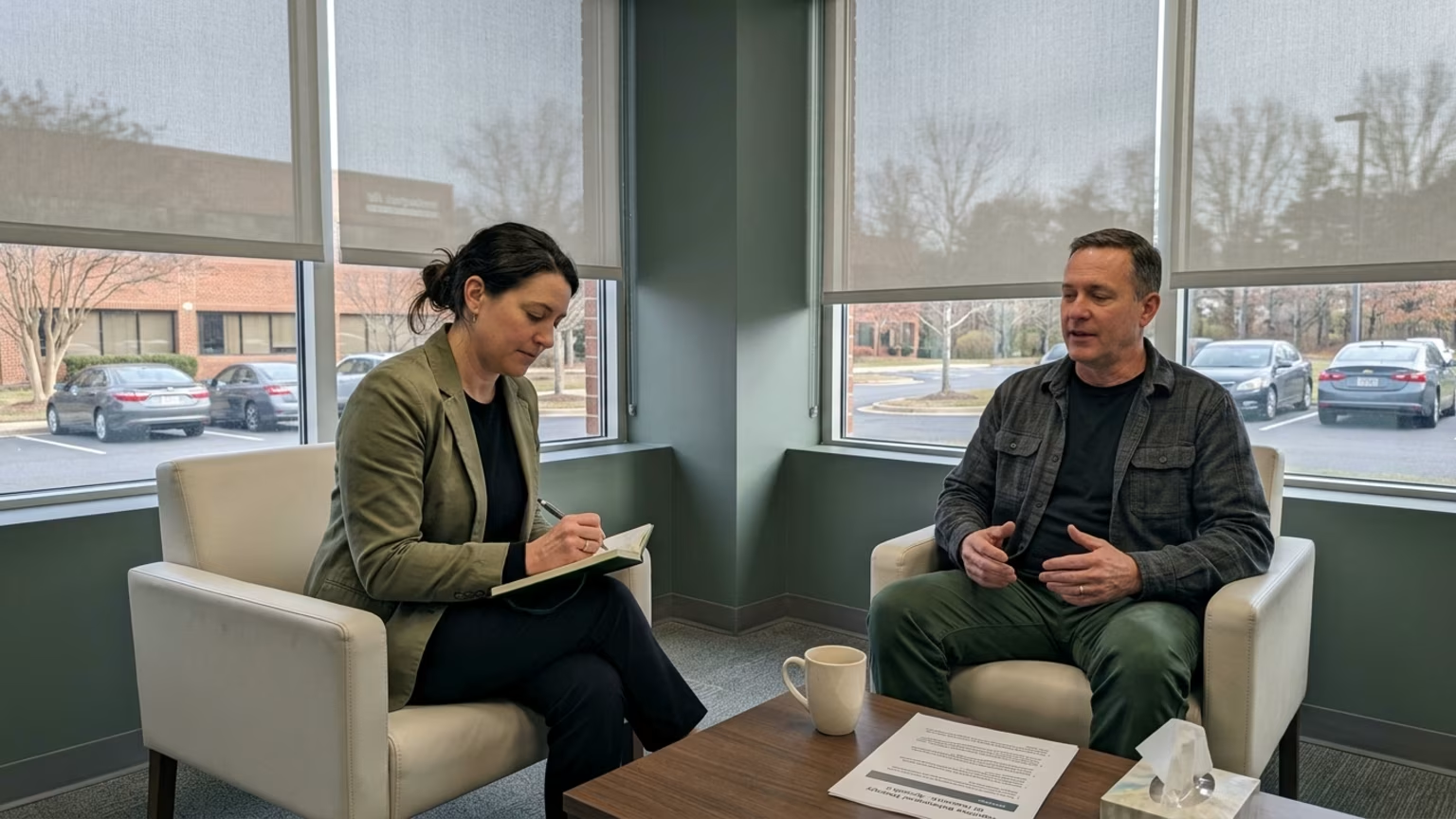
Military.com reports the VA offers an average six-session behavioral treatment for chronic insomnia. Learn how veterans can access this non-drug care option.

Recent reviews show progressive muscle relaxation and biofeedback offer practical stress support but cannot replace clinical care for veteran PTSD or insomnia.
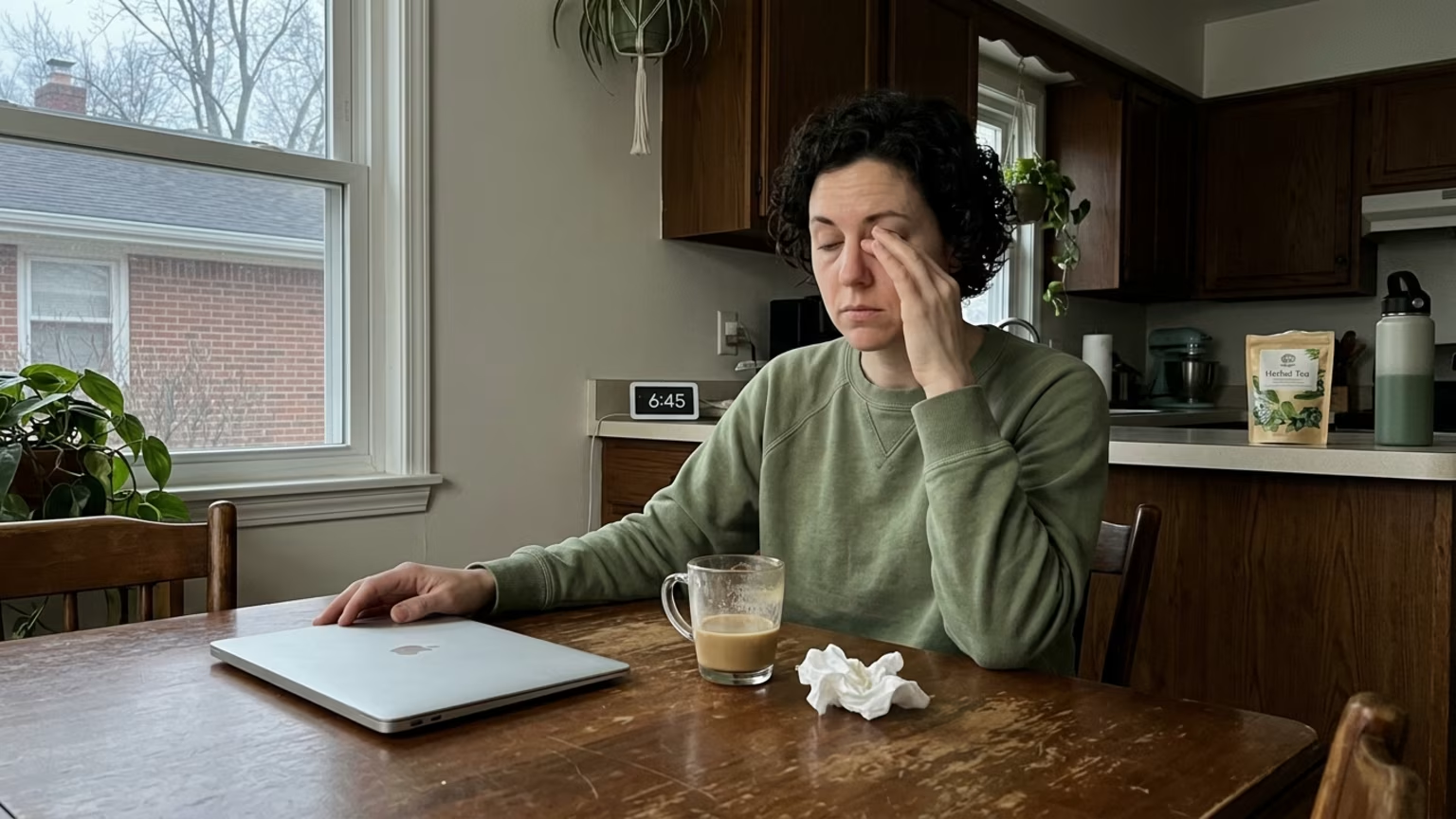
Texas A&M research highlights how genetics influence individual sleep needs. Learn why an eight-hour target may not fit everyone and how it impacts recovery.
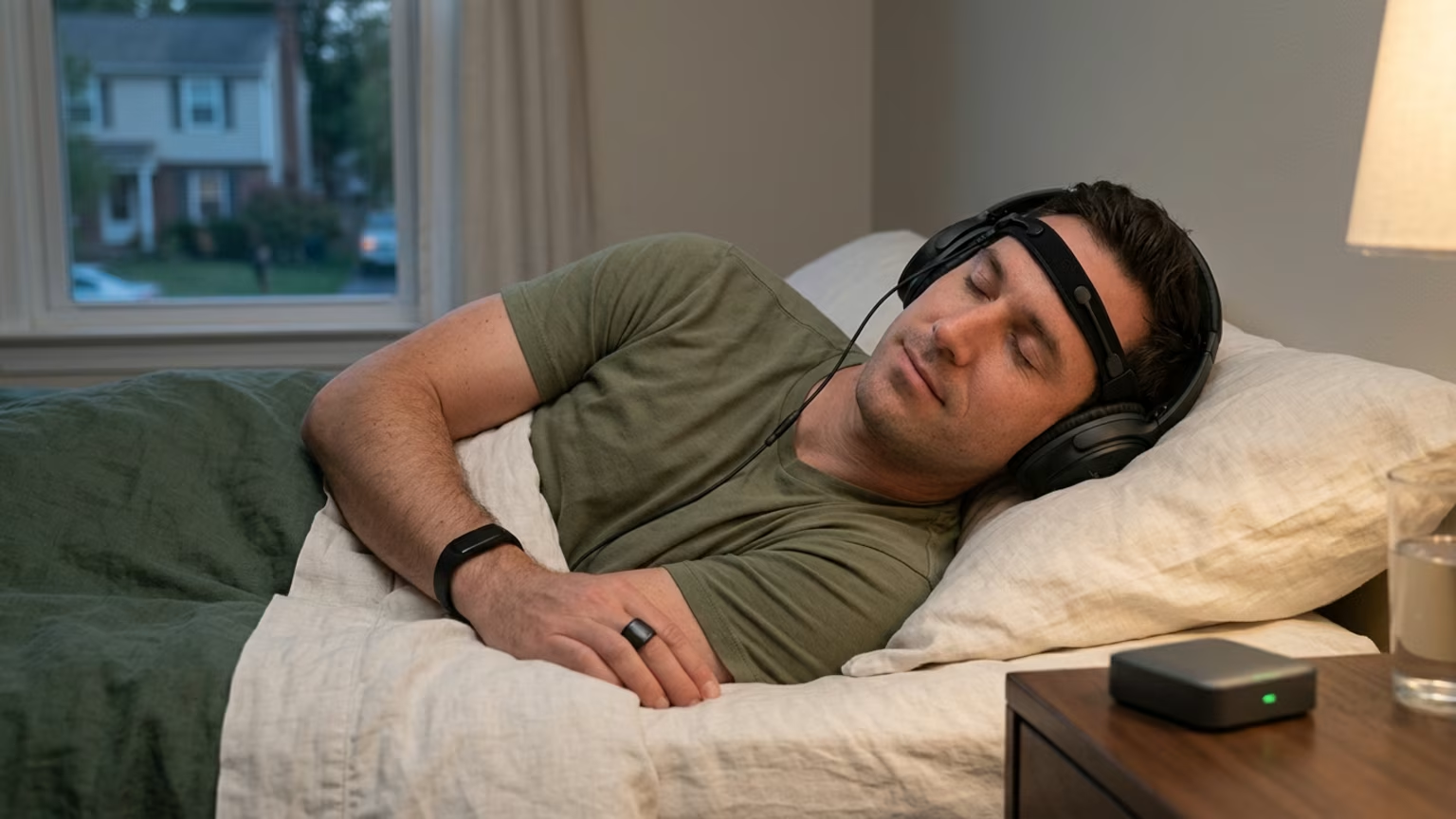
A September 2026 update from the journal Sleep examines the effectiveness of standalone audio apps and the physiological link between sleep spindles and pain.
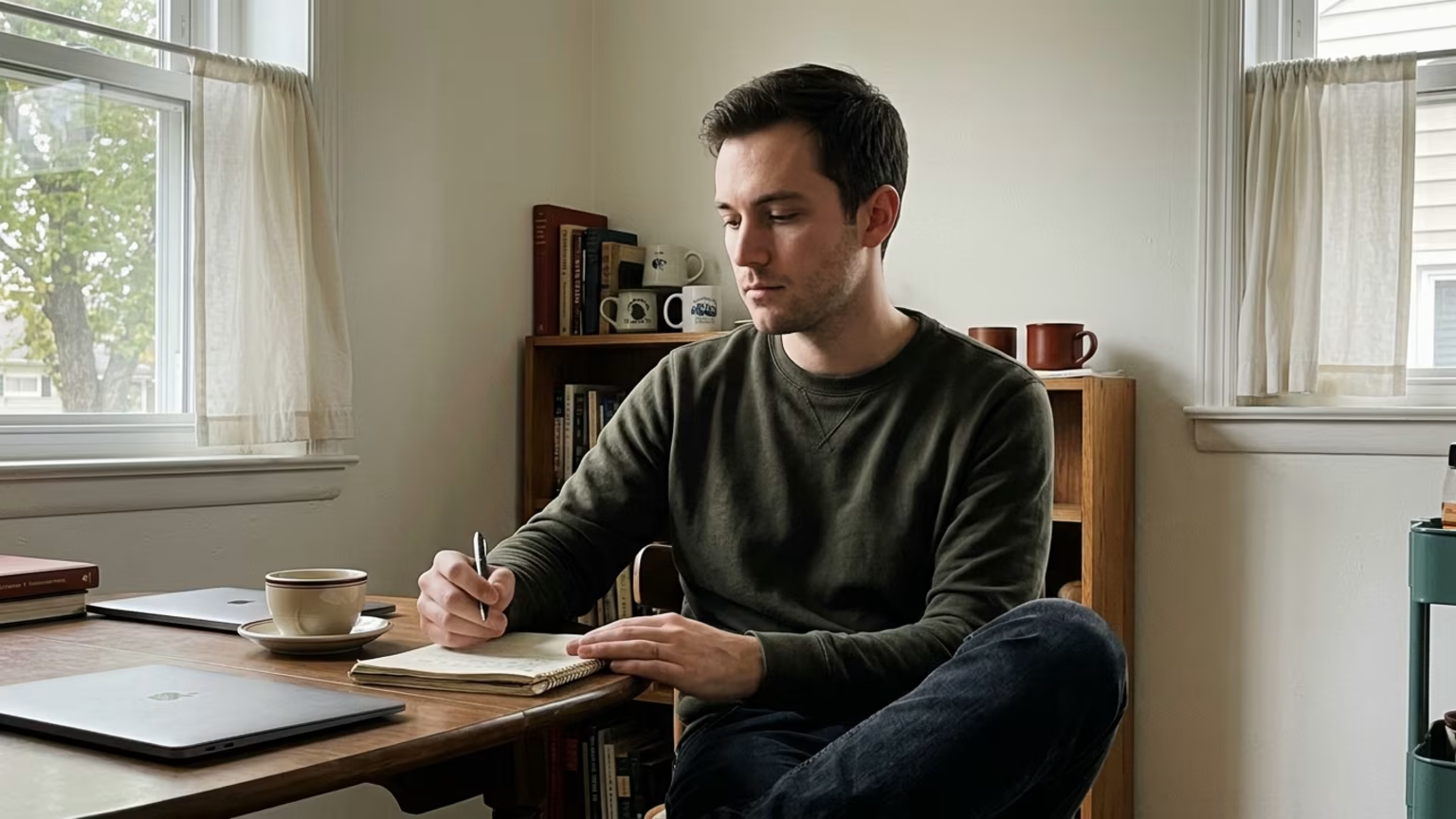
A 2026 study found highly resilient WTC responders show stronger reward-circuit brain activity. Learn how positive anticipation impacts long-term trauma recovery.
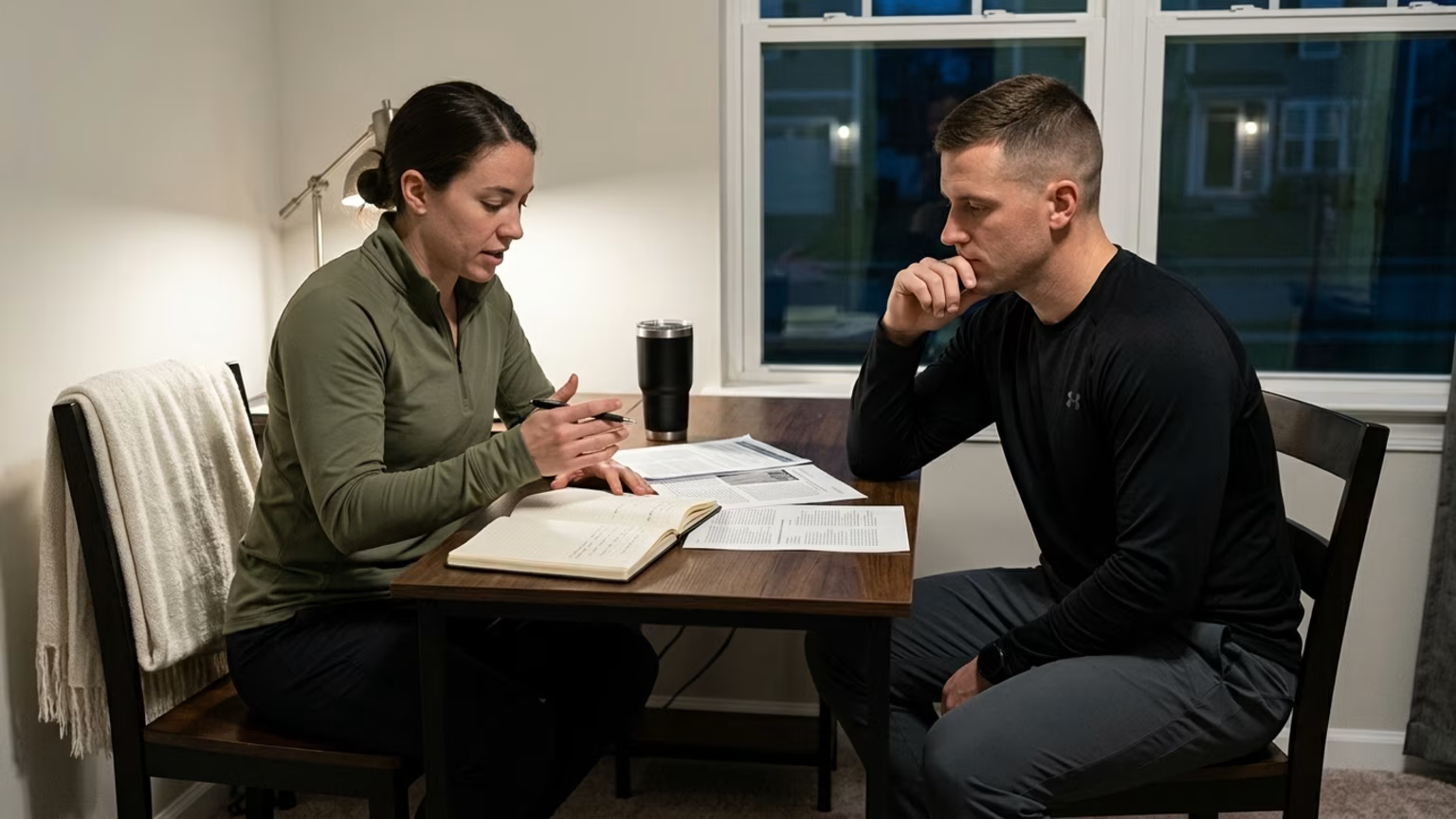
Military fitness leaders are establishing new guidance on sleep readiness. Learn how the latest military protocols address performance, recovery, and hormones.
A recent study found Navy sailors face a 2.3-hour nightly sleep debt underway. Learn how planned napping impacts burnout, stress and physical recovery.
A 2026 University of Oklahoma study demonstrates how unusually heavy training loads impact next-day recovery, wellness, and speed in elite soccer athletes.
A September 2026 analysis examines how occupational trauma, chronic stress, and sleep disruption impact military readiness and long term veteran health.
Build better habits around strength, recovery, sleep, hormones and healthy aging with practical guidance for active military personnel and veterans.
Explore BattleVet