

The University of West Florida and Home Base Florida launched a free 90 day wellness program for veterans in Pensacola. Learn how this impacts health routines.





On September 18, 2026, the University of West Florida announced a partnership with Home Base Florida. This collaboration officially brings the Warrior Health and Fitness program to the university's Pensacola campus. Home Base Florida operates as a program of the Red Sox Foundation and Massachusetts General Hospital. According to the announcement, UWF is one of only three universities in the United States to host this specific program. The initiative is designed to expand community based wellness support for veterans, active service members, and military families across Northwest Florida.
The Warrior Health and Fitness program is a completely free 90 day initiative. It provides structured support through supervised exercise, nutrition education, stress management coaching, and peer connection. This multifaceted approach recognizes that maintaining physical capability after military service requires more than just access to a gym. Northwest Florida is home to more than six military installations. This high concentration of active duty personnel and veterans makes local access to specialized health programs a practical priority for the entire region.
Home Base Florida program manager Betsy Hart noted that this significant military presence requires accessible opportunities for healing and wellness. The new local presence is intended to reduce traditional barriers to care. It aims to strengthen local referral pathways instead of relying solely on distant care networks or institutionally separate facilities. Bringing these crucial services closer to the people who actually need them changes how veterans interact with their daily health habits.
Participants will utilize a dedicated wellness space located in Building 77 on the Pensacola campus. This facility sits directly adjacent to UWF's Office of Military Services. By sharing a physical footprint with existing university resources, the program connects physical training with broader transition support systems. Integrating these services reduces the friction of navigating separate civilian health networks. It keeps veterans closer to staff members who understand their specific operational background.
The shift from a strictly military environment to civilian healthcare can be difficult to manage. Veterans often face fragmented care systems where physical fitness, mental health support, and transition resources are handled by completely different organizations. The Pensacola initiative attempts to solve this problem by consolidating these resources. Placing the fitness space next to the Office of Military Services creates a centralized hub for veteran support.
UWF President Manny Diaz Jr stated that strengthening support for the military community has been a primary focus during his tenure. He described the new partnership as a vital way to expand access to support for military personnel navigating civilian life. Dr Andrew Del Gaudio, executive director of UWF's Office of Military Services, characterized the effort as a natural partnership. He linked the initiative directly to building resilience, establishing healthy relationships, and preparing veterans for their next mission.
This structural setup matters because physical restoration demands a comprehensive strategy. The transition from active duty often disrupts the built in schedule of military fitness routines. A program that combines supervised training with stress management offers a practical framework for rebuilding those daily habits. It allows veterans to focus on sustainable health outcomes in a familiar and supportive environment. Navigating veteran lifestyle and healthcare decisions becomes much easier when multiple transition resources are centralized in one location.
Nutrition education and stress management form a critical part of this 90 day framework. When service members leave active duty, they often lose access to the structured nutritional guidance that supported their operational tempo. Relearning how to fuel the body for civilian life and healthy aging requires clear instruction. By including stress management coaching, the program acknowledges that physical capability and mental resilience are deeply connected.
The community based model also addresses the isolation that can accompany the end of military service. By grouping physical training, nutrition education, and peer support together, the program creates a comprehensive environment for physical and mental restoration. It recognizes that long term capability depends on multiple interconnected health factors working together.
The introduction of this program provides a clear entry point for those needing structured wellness routines. Home Base Florida specifically designed the fitness initiative to act as a gateway to additional services. This is especially important for individuals seeking help with invisible wounds. The organization offers specific pathways for addressing post-traumatic stress, depression, anxiety, and traumatic brain injury.
The program operates on a distinct stepped support model. Participants start with foundational wellness services like nutrition education and supervised training. If symptoms require further clinical intervention, the program connects them to broader Home Base support systems. This ensures that physical fitness is not mistaken for a substitute for necessary medical care. A wellness program can support overall physical conditioning, but it does not replace targeted clinical treatment for complex medical conditions.
Addressing invisible wounds like traumatic brain injury and post-traumatic stress requires a coordinated approach. Physical exercise can improve mood and daily energy levels, but it cannot cure neurological or psychological conditions on its own. The integration of Home Base Florida services means that participants do not have to figure out their next steps alone. If a coach or peer support member notices a participant struggling, the framework is already in place to guide them toward appropriate clinical care.
Using the referral connection is a crucial step when symptoms extend beyond general fitness needs. Because the wellness space is directly tied to UWF's Office of Military Services, participants can navigate these conversations in a trusted environment. Veterans should view the 90 day fitness window as an opportunity to assess their baseline health. If issues like chronic anxiety or severe depression surface during the program, the referral pathways streamline access to clinical professionals.
Participants should approach the program as a structured tool for building consistent daily routines. I remember waking up after a poor night of sleep and realizing that my training recovery was taking much longer than it used to. I realized that readiness is more than just pushing through the fatigue. It requires a dedicated approach to sleep and hormonal health, which completely shifted how I view long term capability.
Understanding that shift is essential when evaluating new wellness initiatives. While the Pensacola program includes stress management coaching, specific improvements in sleep quality and physical performance are goals to monitor rather than guaranteed clinical outcomes. Currently, the announcement does not publish enrollment capacity, session schedules, or clinical outcome data. Because there are no published before and after results for sleep or fitness, participants must track their own progress carefully.
Building routines that impact recovery and sleep requires daily commitment that extends well beyond the initial 90 day window. Supervised exercise requires clear communication between participants and coaches to be effective and safe. Veterans entering the program must share their injury history and current medical restrictions immediately. Fitness programming needs individual adaptation to address joint pain, mobility limitations, or past injuries properly.
The public announcement does not specify its exact medical screening or exercise modification protocols. This means the responsibility for disclosure falls directly to the participant. Treating the 90 day block as a collaborative effort will yield the best physical results. Service members and military family members vary widely in age, deployment exposure, and medical status.
Coaches need this context to adjust movements and prevent joint strain or overtraining. When managing long term training and performance, acknowledging physical limitations is a required step for making sustainable progress. The integration of structured peer support adds another layer of accountability to the recovery process. Connecting with other veterans provides a shared understanding of the operational challenges associated with military service.
This community aspect often improves long term adherence to health and fitness routines. Veterans are consistently more likely to stick with a challenging program when they train alongside peers who share a similar background. By grouping physical training with peer support, the program creates a comprehensive environment for physical restoration. It recognizes that long term capability depends on multiple interconnected health factors working together.
As the University of West Florida and Home Base Florida establish this facility, the focus will shift to how participants respond to the programming over time. Will this localized combination of exercise, coaching, and peer connection set a new standard for how universities support military populations, or will formal evaluation data eventually follow to document its true impact on veteran health?
Follow BattleVet for practical guidance on military and veteran health, strength, recovery, testosterone, sleep and healthy aging. Stay connected for new articles, research backed insights and clear information to help you stay capable for the years ahead.


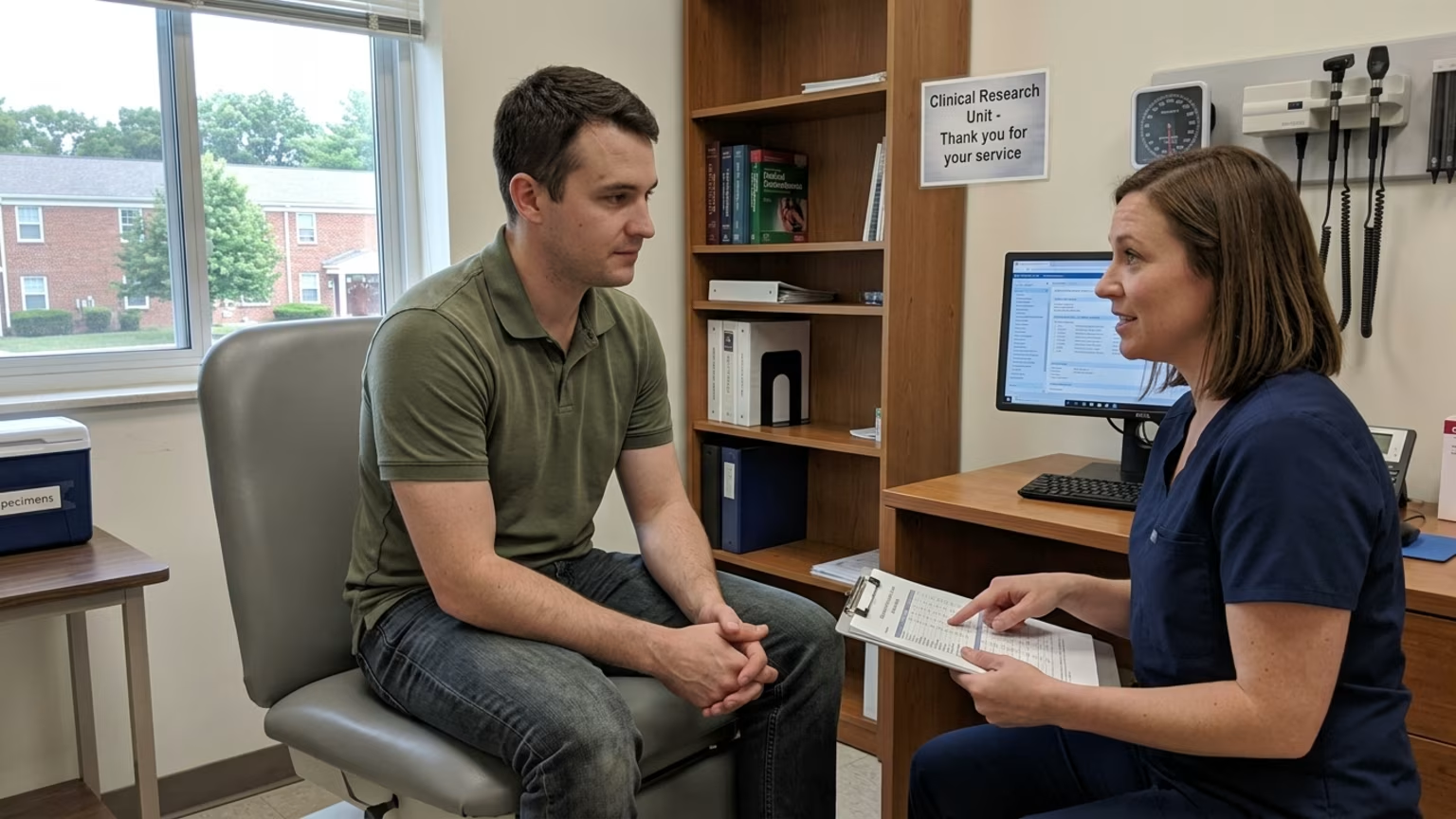
A 2026 UC San Diego study links naturally occurring anti-NMDAR1 autoantibodies to lower depression and PTSD scores in Marines following a traumatic brain injury.

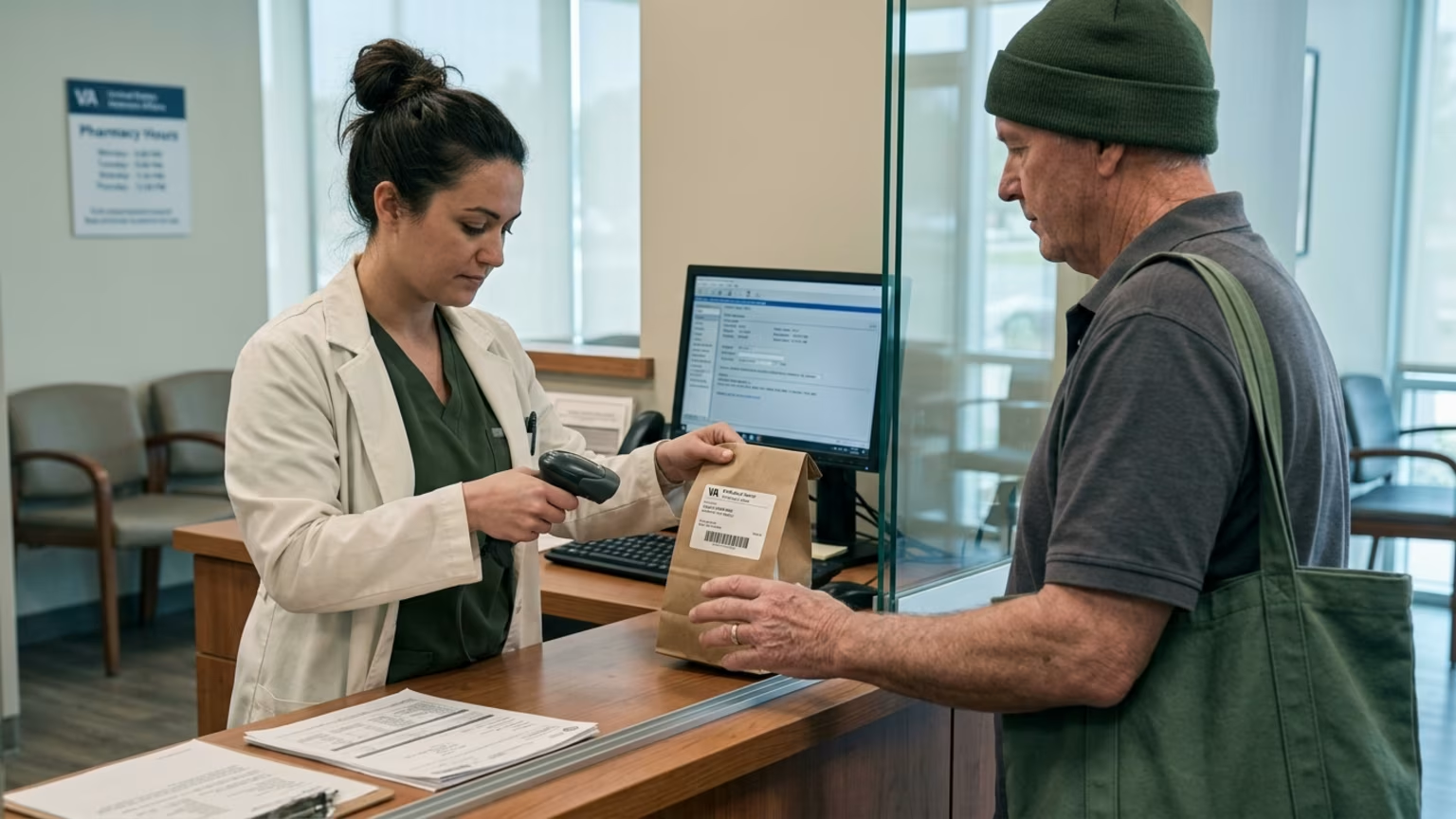
A new policy analysis outlines how the Department of Defense and VA could reduce their reliance on Chinese pharmaceutical ingredients to secure medication access.
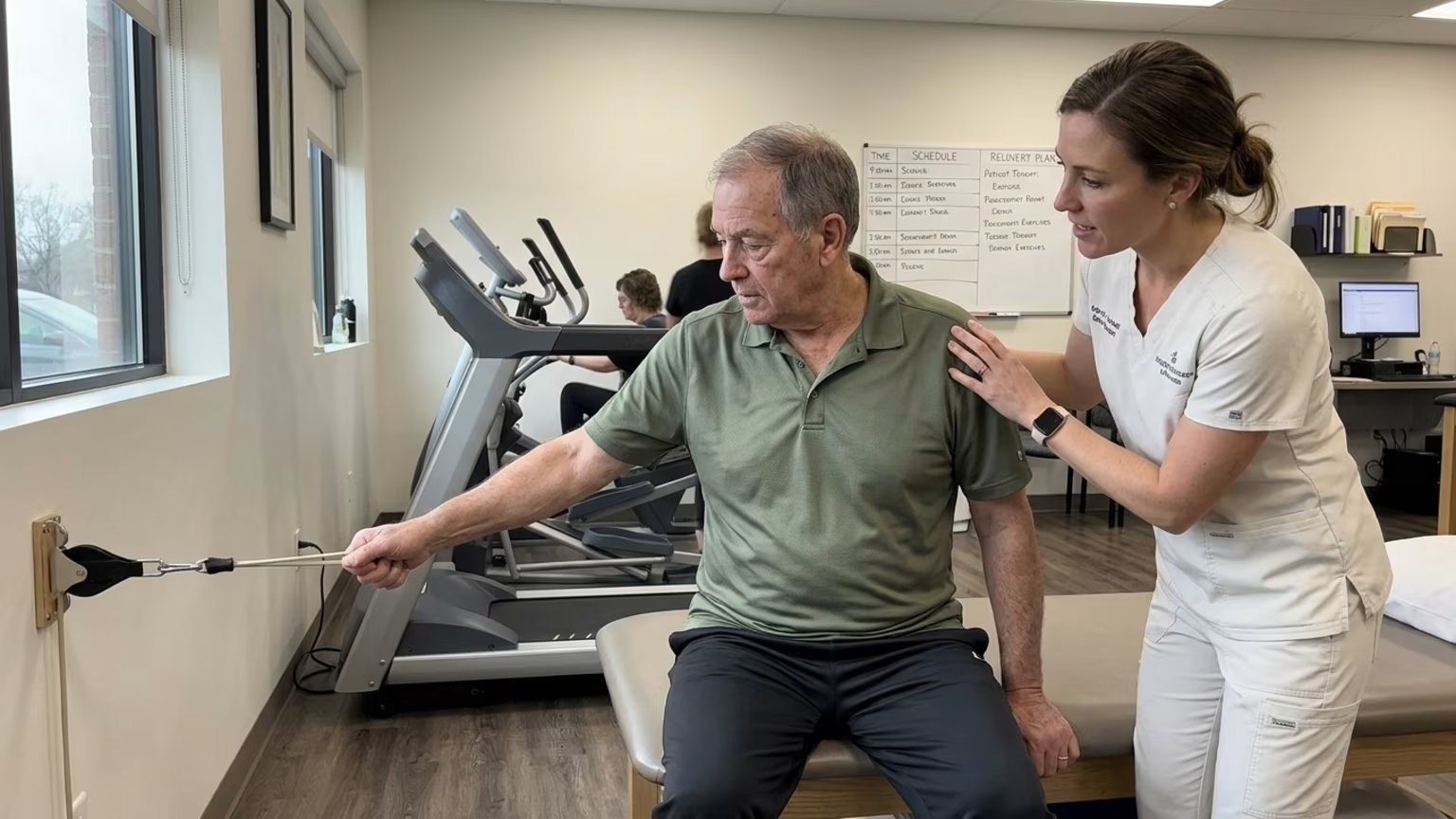
A 2026 review shows structured aerobic exercise is linked to longer survival for cancer patients. Learn how VA rehabilitation integrates these clinical findings.
Build better habits around strength, recovery, sleep, hormones and healthy aging with practical guidance for active military personnel and veterans.
Explore BattleVet