
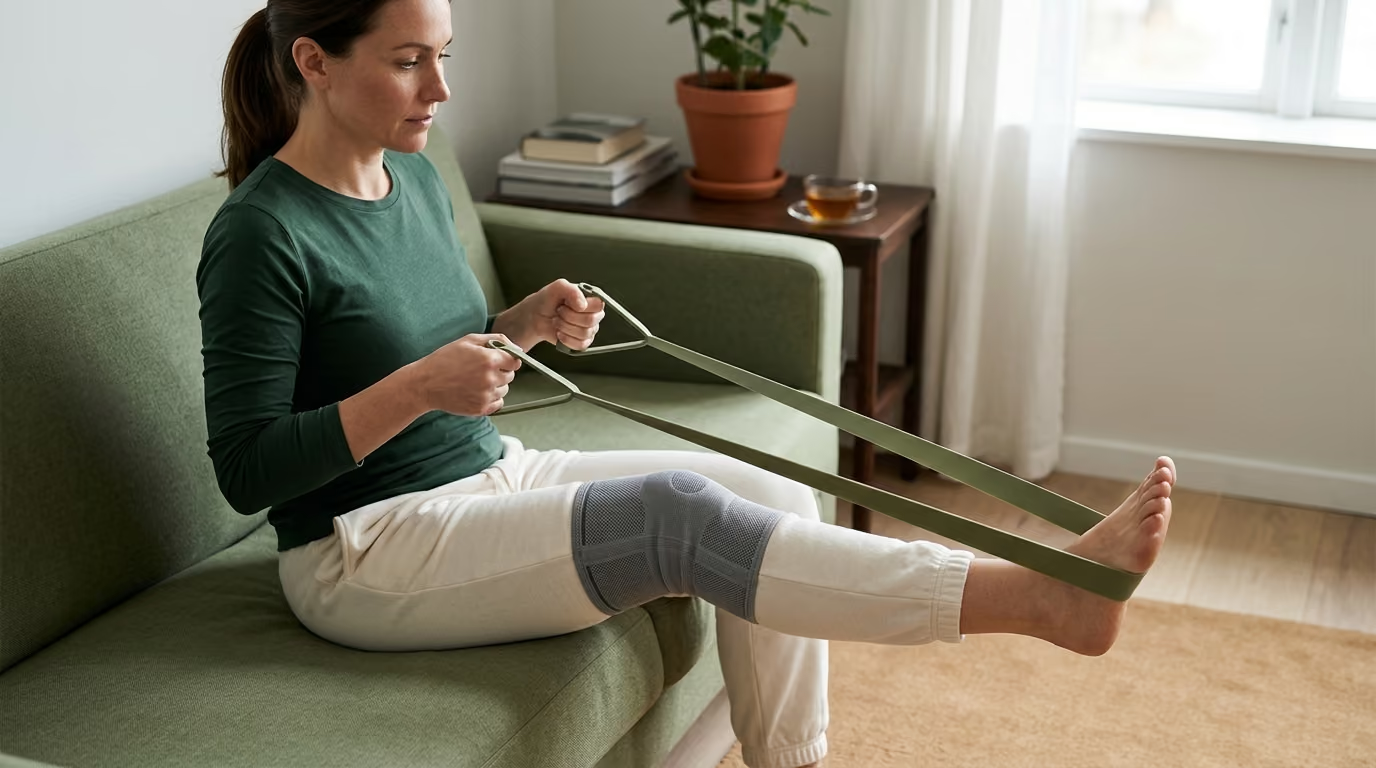
Waking up with a stiff, locked joint after weeks in a sling requires a structured, phased rehabilitation progression to restore full mobility safely.


Lying on the couch seems ideal for recovery, yet strategic light exercise optimizes blood flow and reduces stiffness far more effectively.

Optimal muscle recovery and improved range of motion become achievable when you separate proven soft-tissue science from widespread recovery myths.
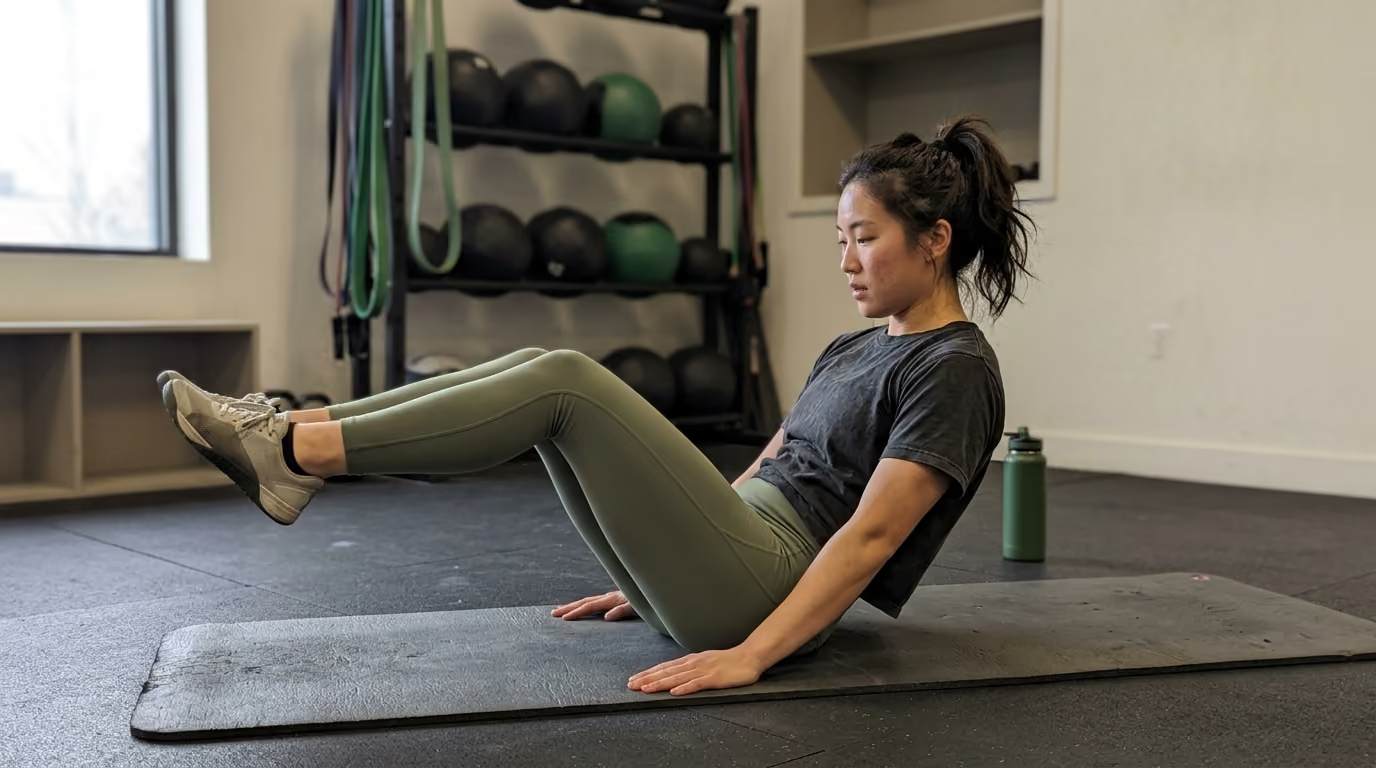
Crunches build surface muscle, but true tactical resilience requires dynamic bracing mechanics and progressive loaded carries for maximum force transfer.
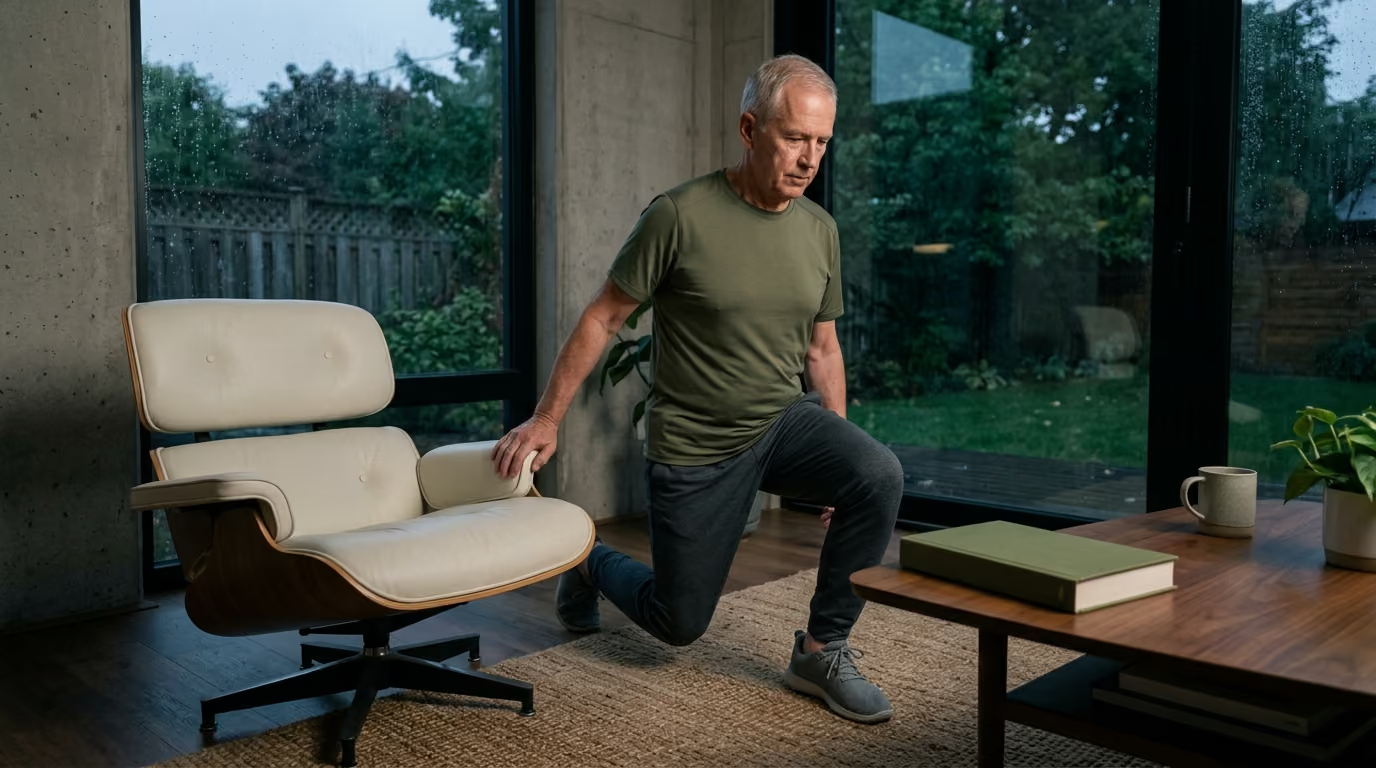
Joint protection relies on progressive strength training and regular movement rather than avoiding physical activity as you grow older.
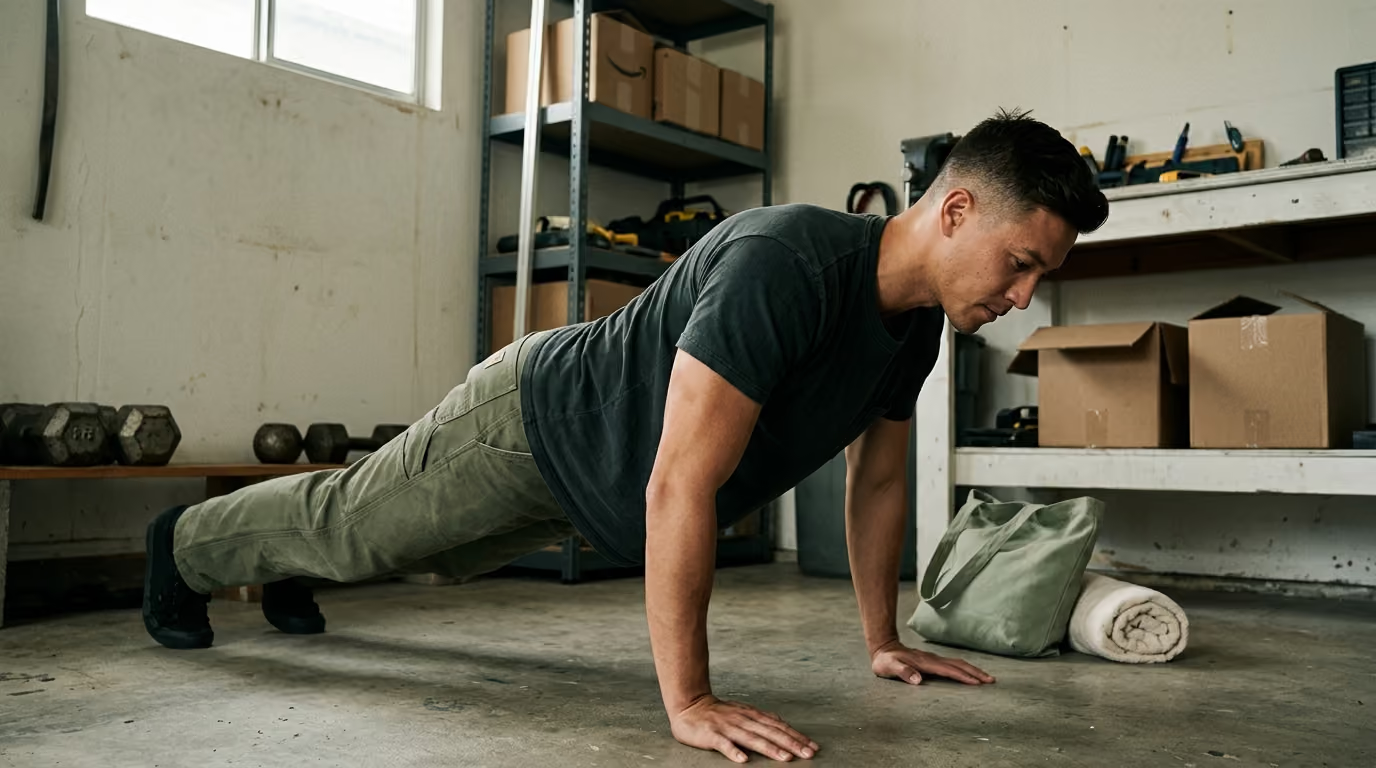
Remote work and travel often disrupt gym routines, but minimal gear like bands and weighted packs delivers complete strength and hypertrophy adaptations.
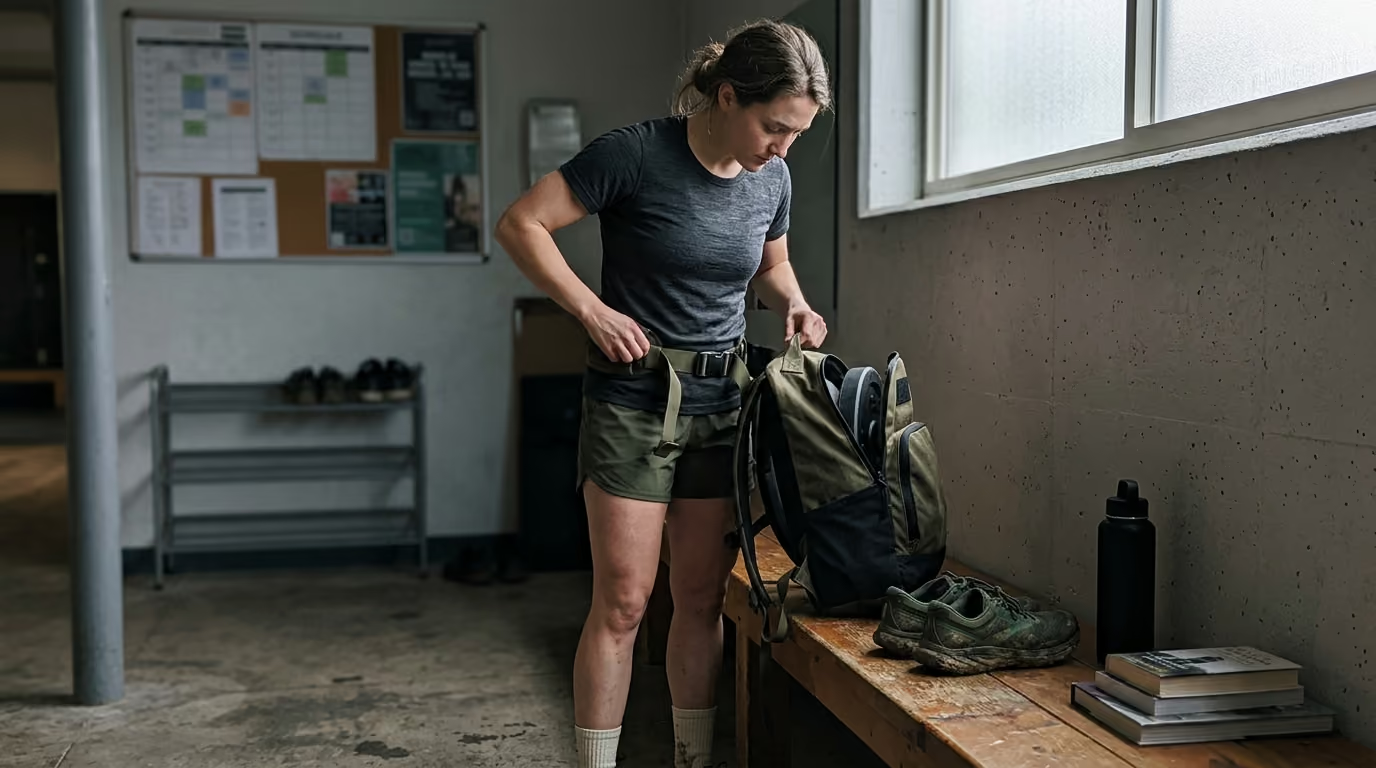
Heavy pack marches challenge joints, connective tissues, and posture through progressive training, structural tissue adaptation, and dialed gear setup.
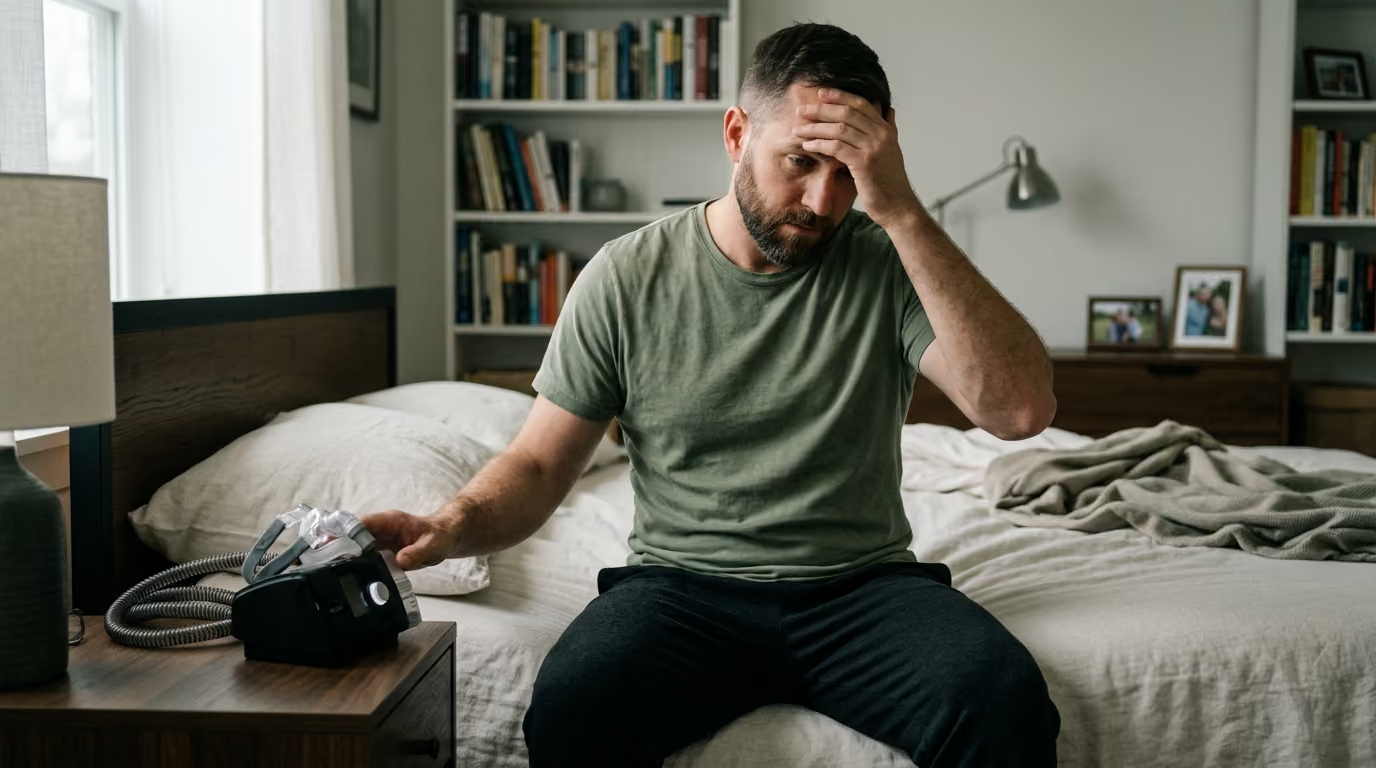
Far from being simple snoring, sleep apnea in veterans stems from complex trauma and neurological pathways that demand accurate clinical diagnostic testing.
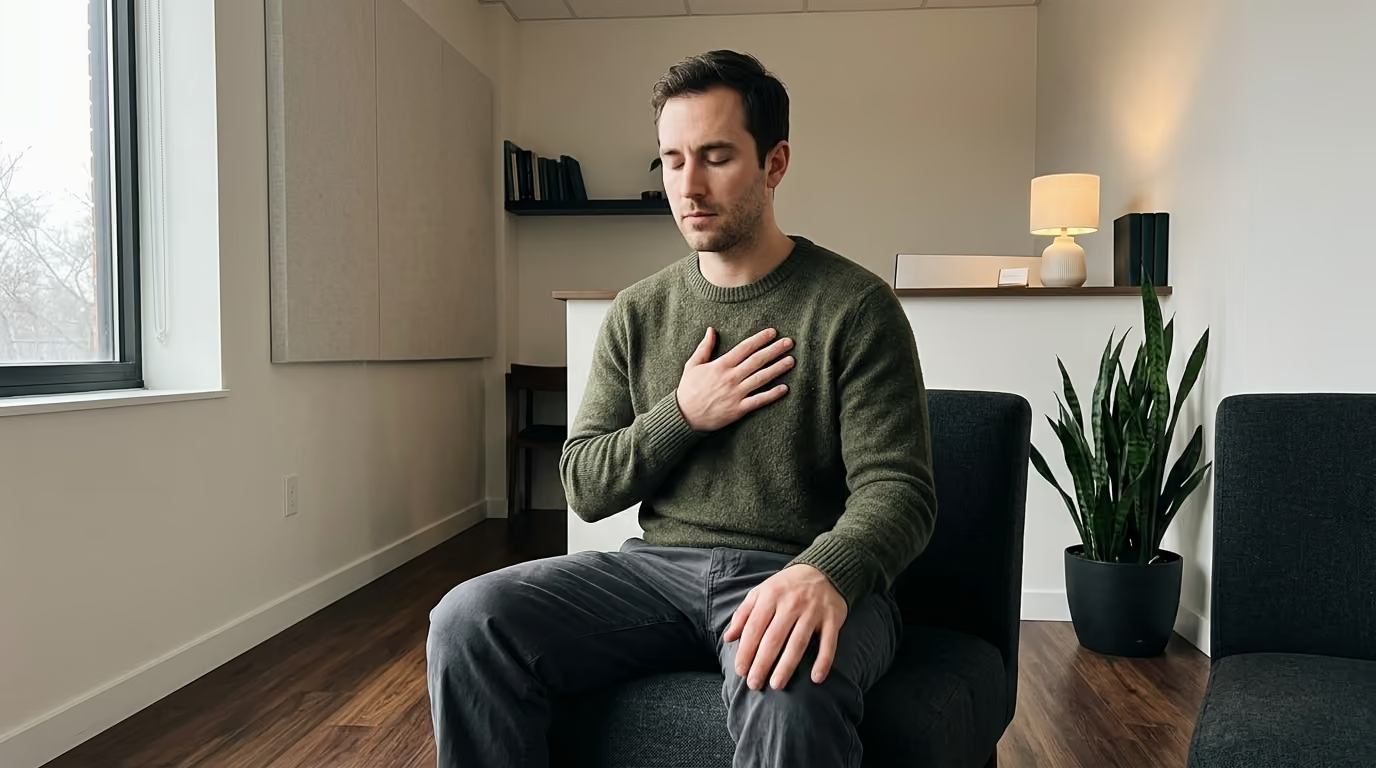
High nervous arousal masquerades as usable energy, yet it actually drains your body without practical physiological tools to restore lasting calm.
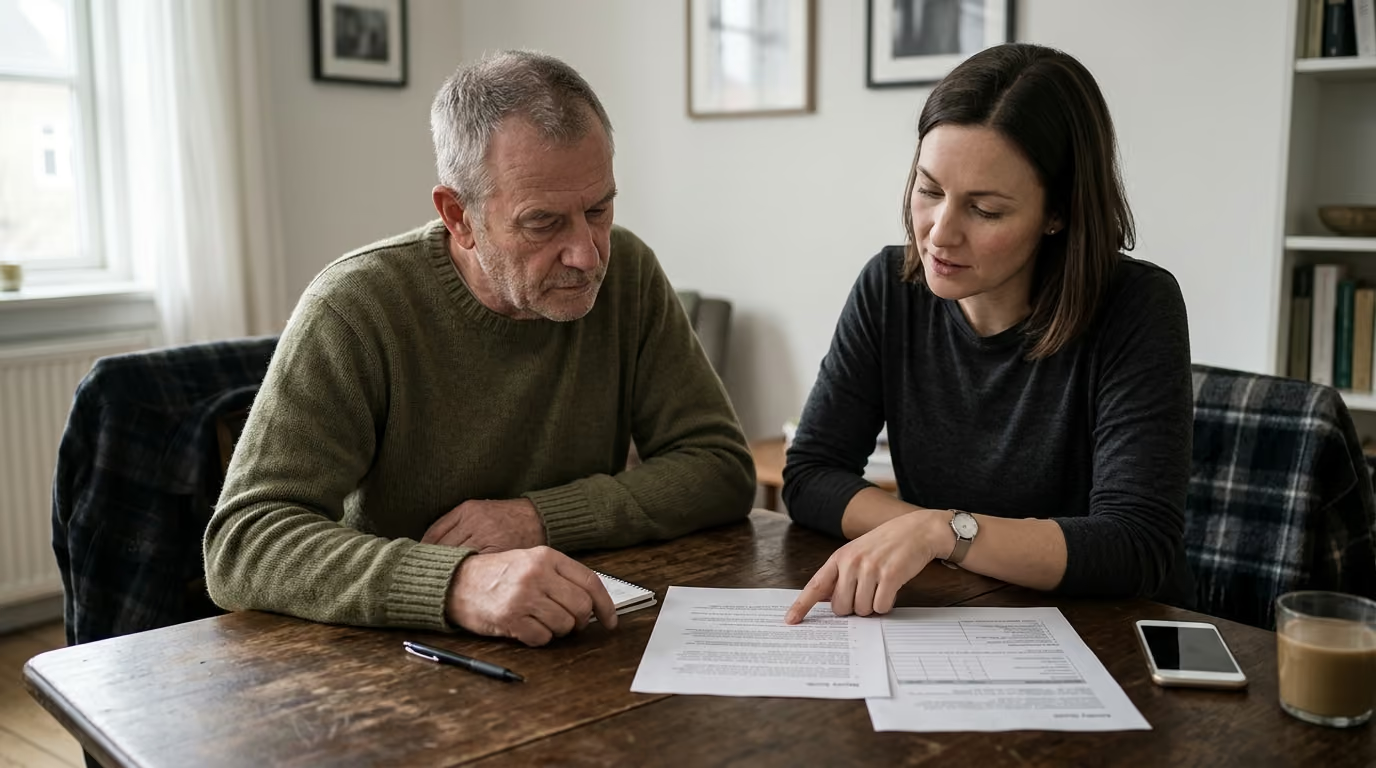
Veteran emergency health planning involves far more than basic survival gear because medical survival requires continuous clinical access, records, and power.
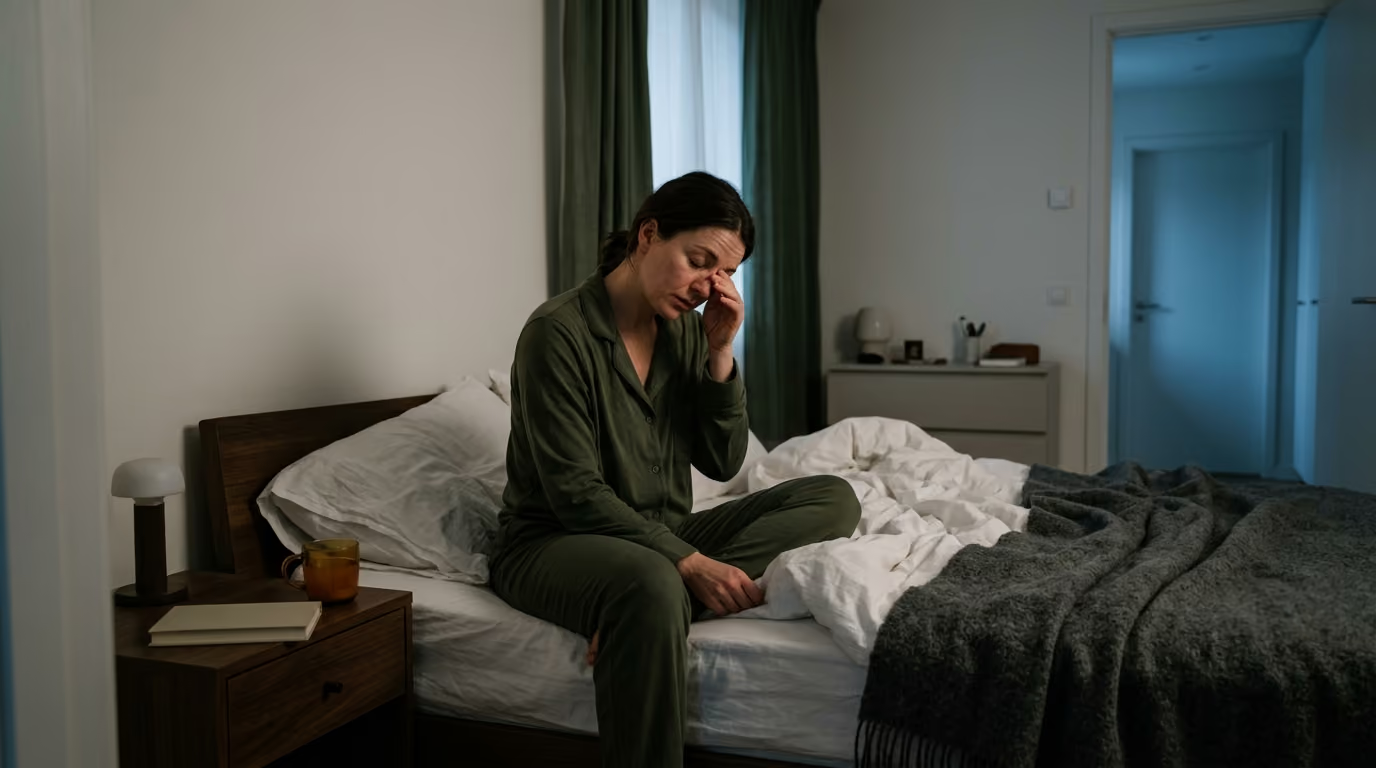
Trauma disrupts healthy sleep architecture by keeping the brain on high alert, but targeted therapies like IRT and CBT-I restore peaceful rest.
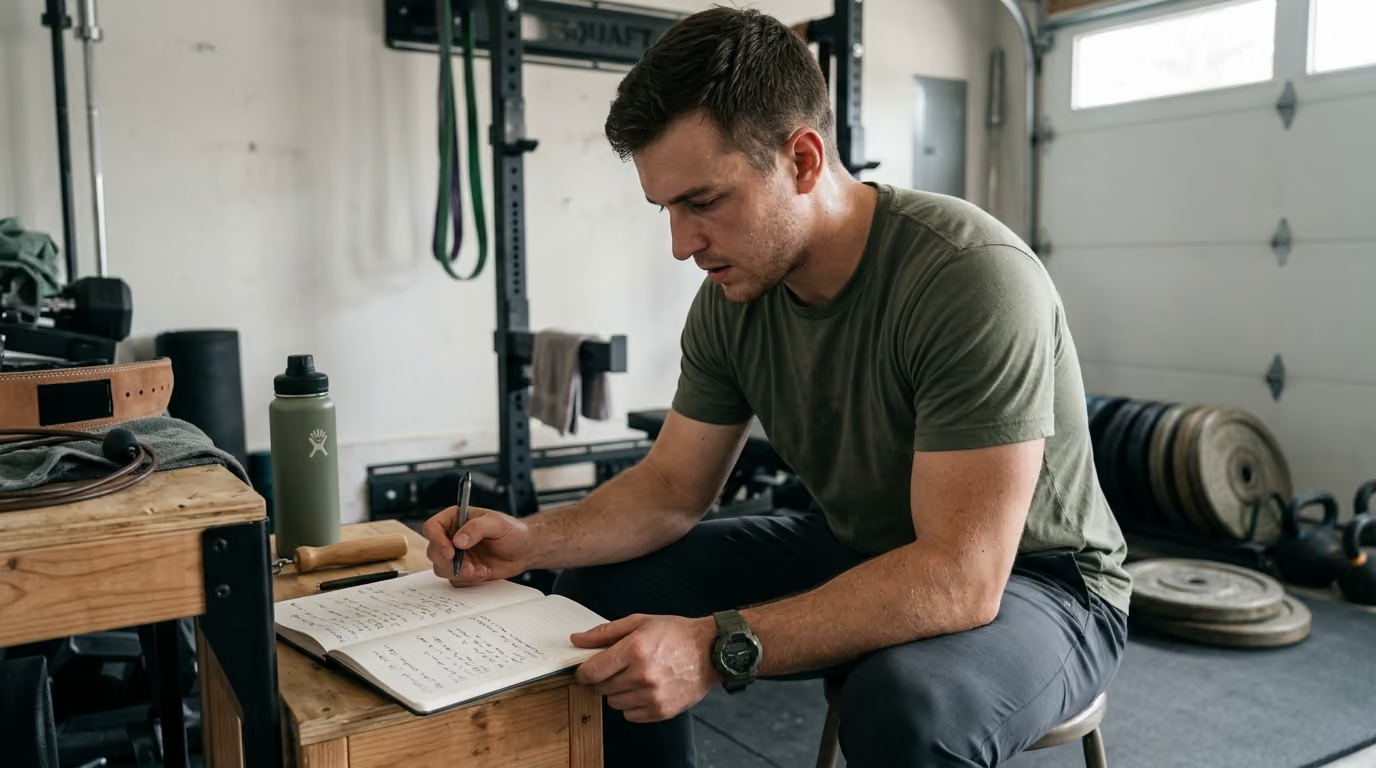
Struggling to balance sets and weight in your routine will end once you apply these evidence-based volume, intensity, and frequency guidelines.
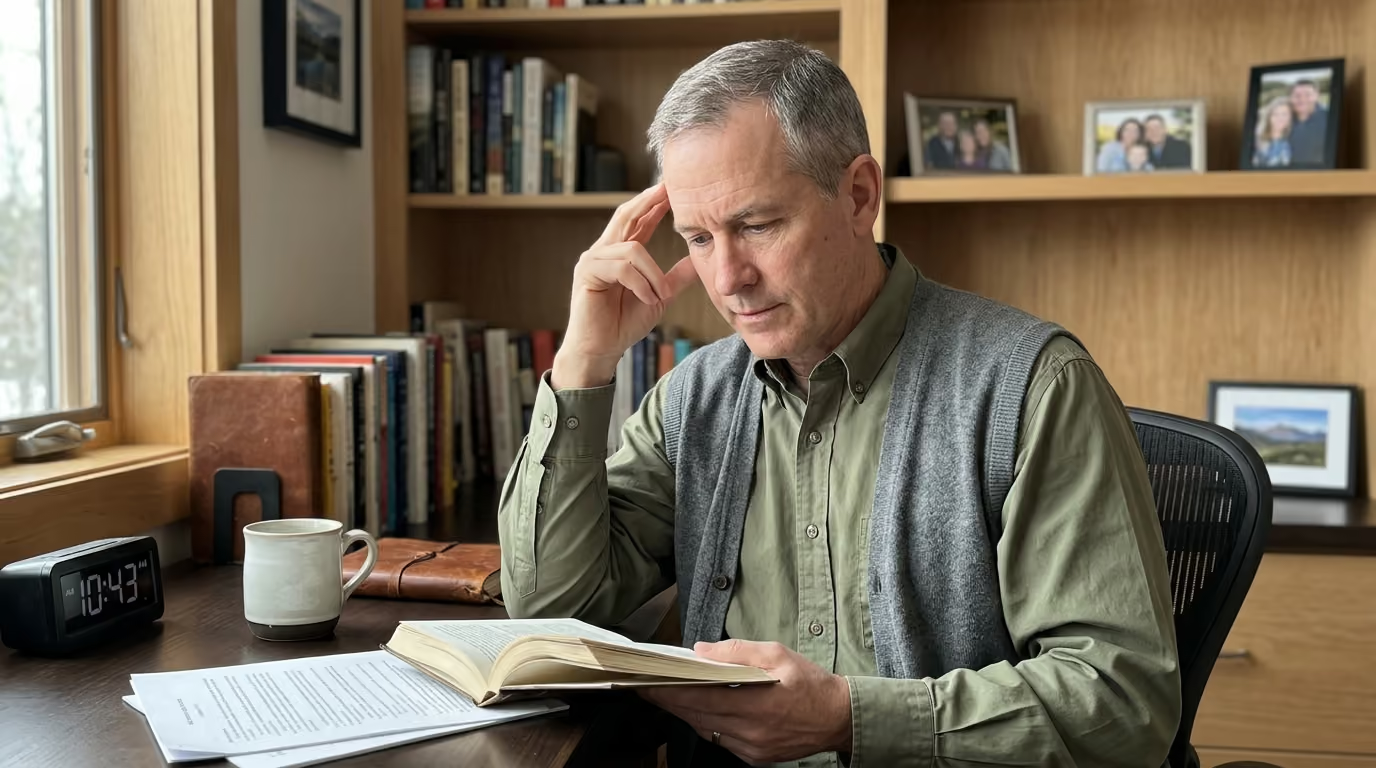
Cognitive aging in military veterans can be actively managed by addressing modifiable risk factors, sensory health, and key medical evaluations.
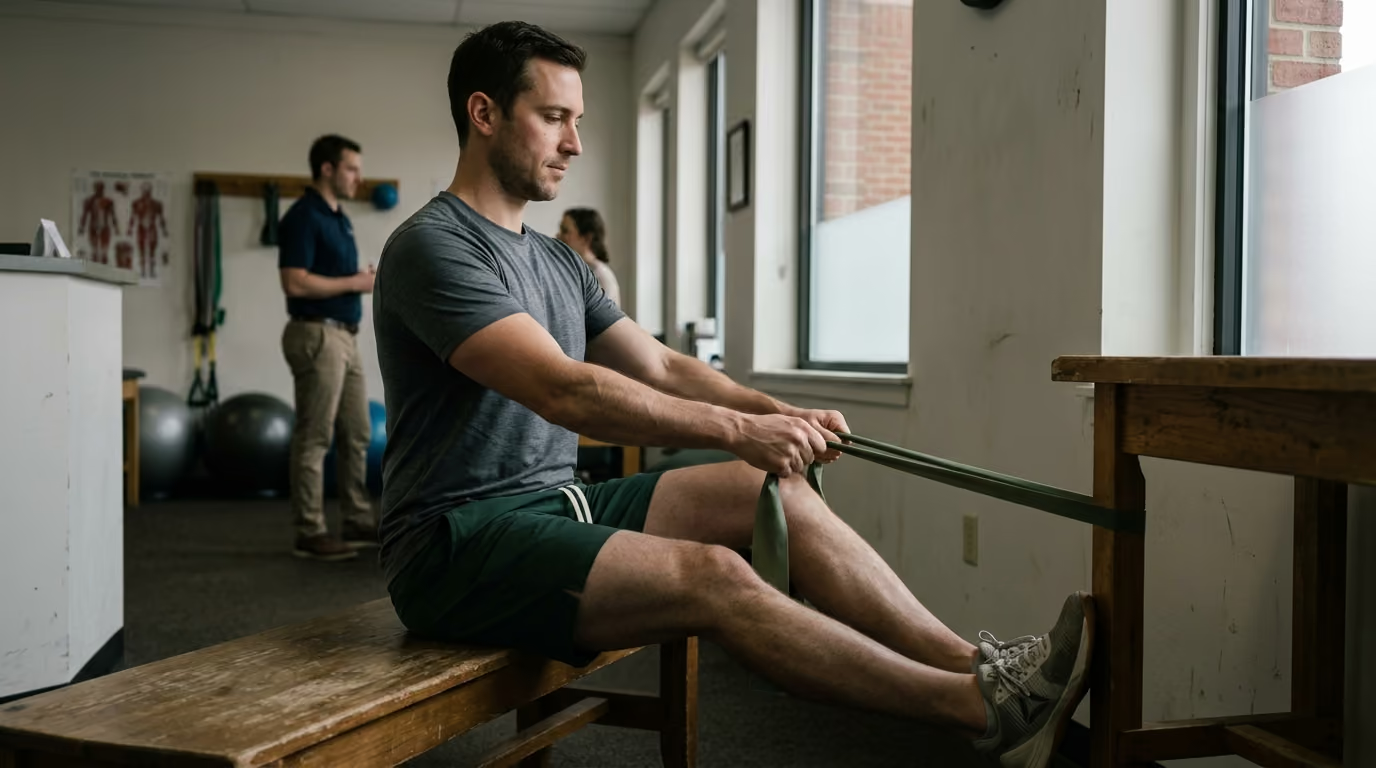
Stepping back into exercise after a prolonged illness demands a conservative, phased strength program to rebuild lost muscle mass and functional mobility.
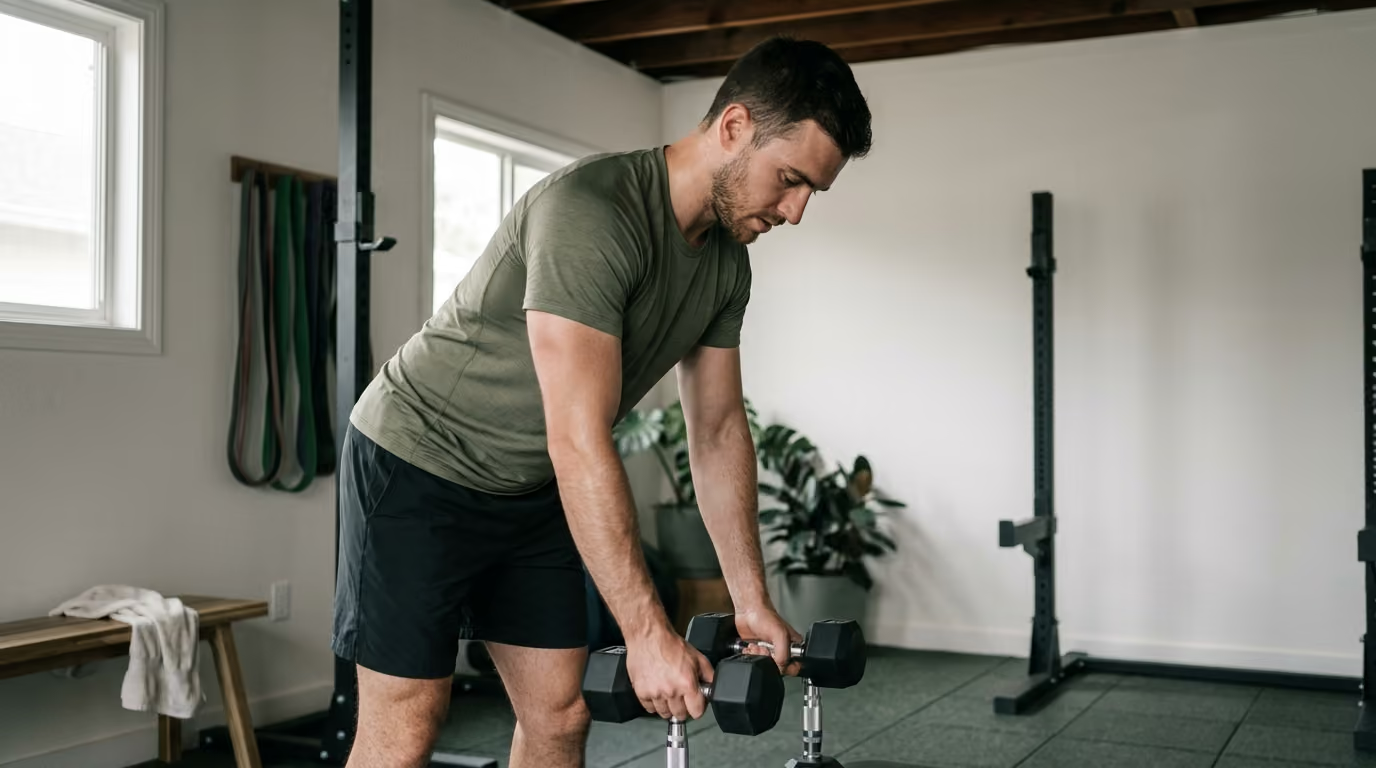
Seven fitness training systems are compared across volume, intensity, and frequency to help you select the ideal methodology for your athletic goals.
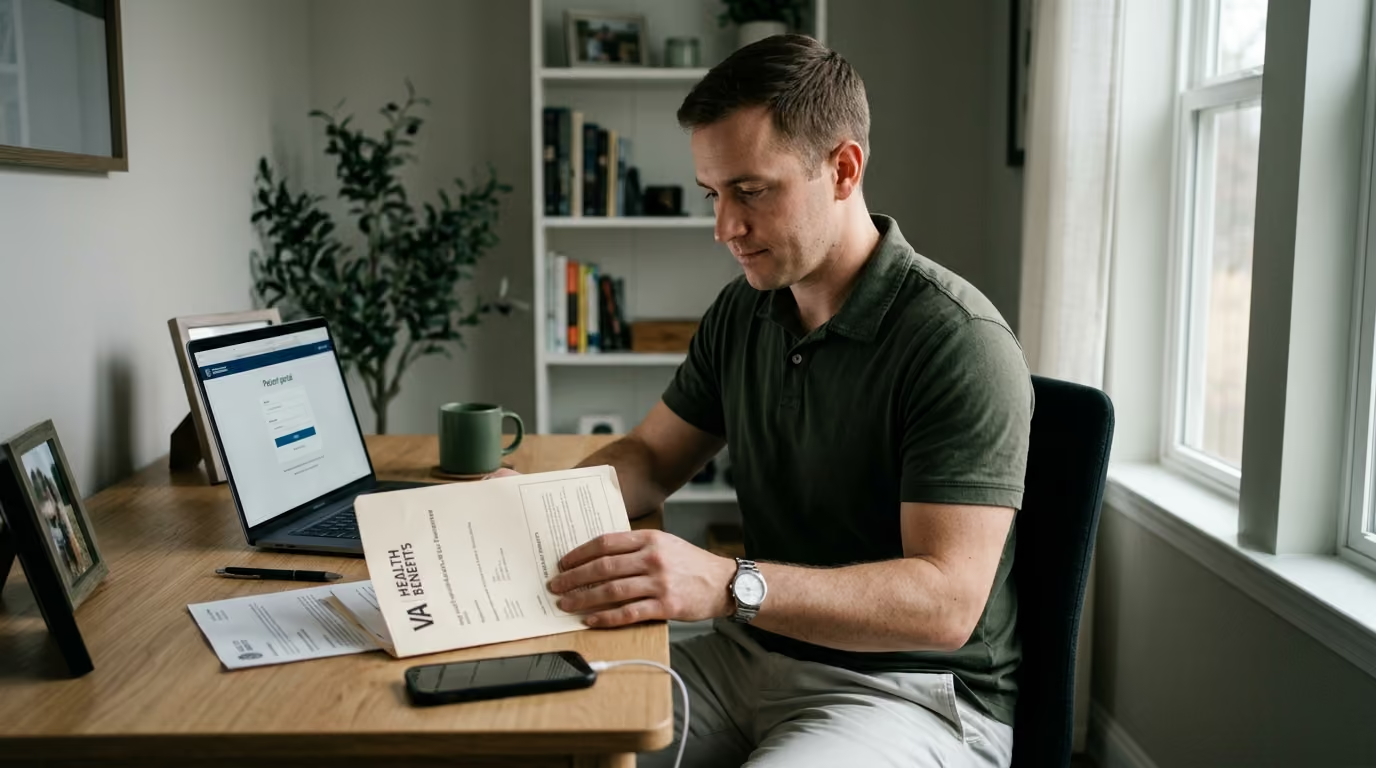
Veteran healthcare planning helps former service members establish primary care, secure needed prescription refills, and balance medical visits with civilian employment.

Rapid stress regulation relies on a five-stage autonomic protocol and targeted breathing techniques to quickly restore focus and physiological stability.
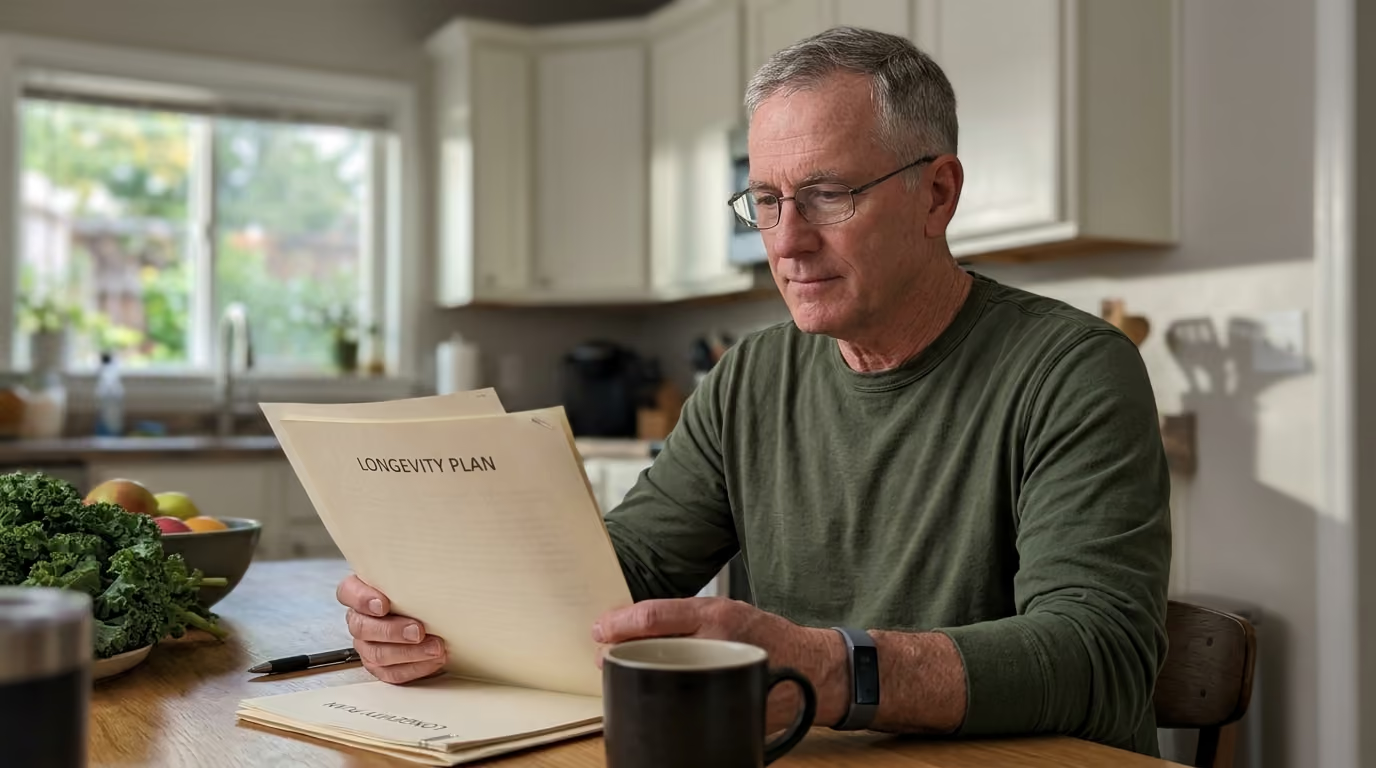
Four structured steps help military veterans assess health baselines, optimize movement, and apply evidence-based habits for lifelong functional independence.
Build better habits around strength, recovery, sleep, hormones and healthy aging with practical guidance for active military personnel and veterans.
Explore BattleVet



