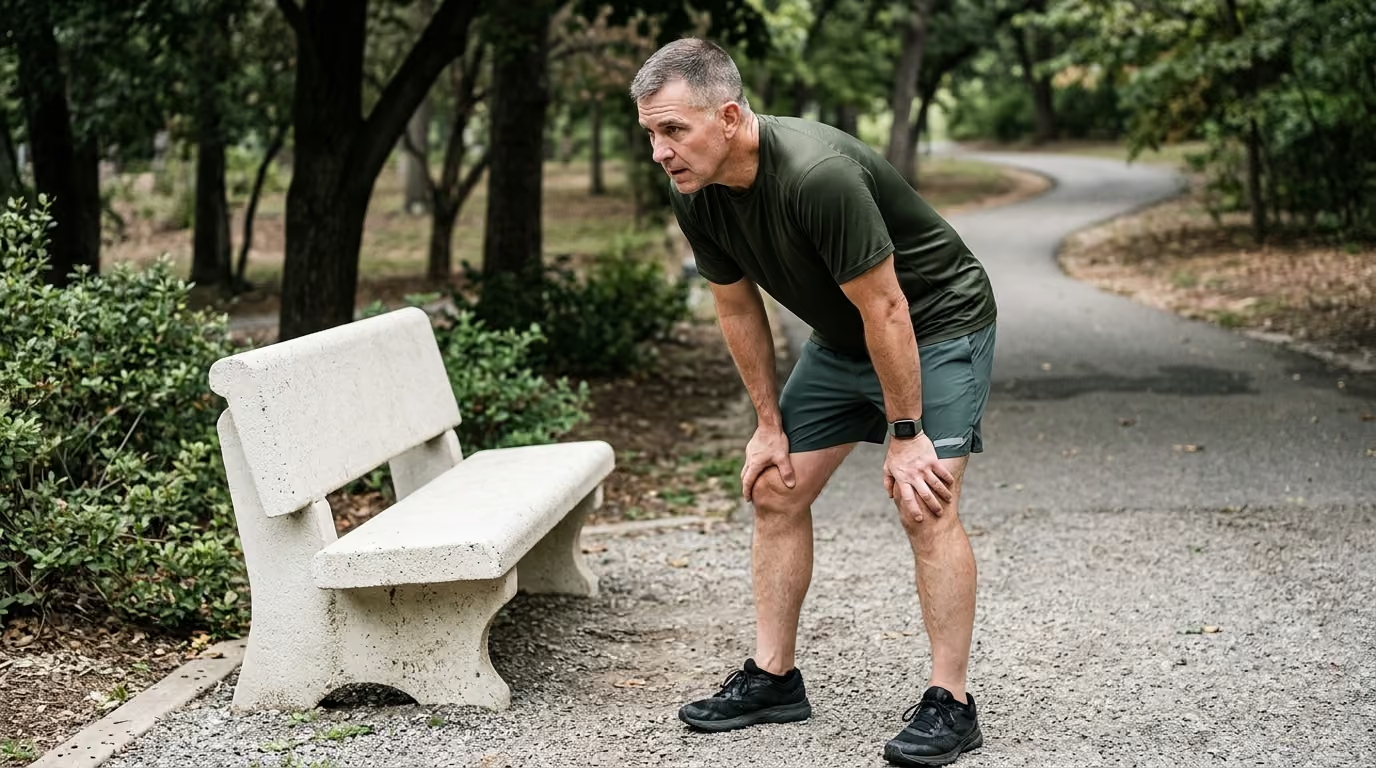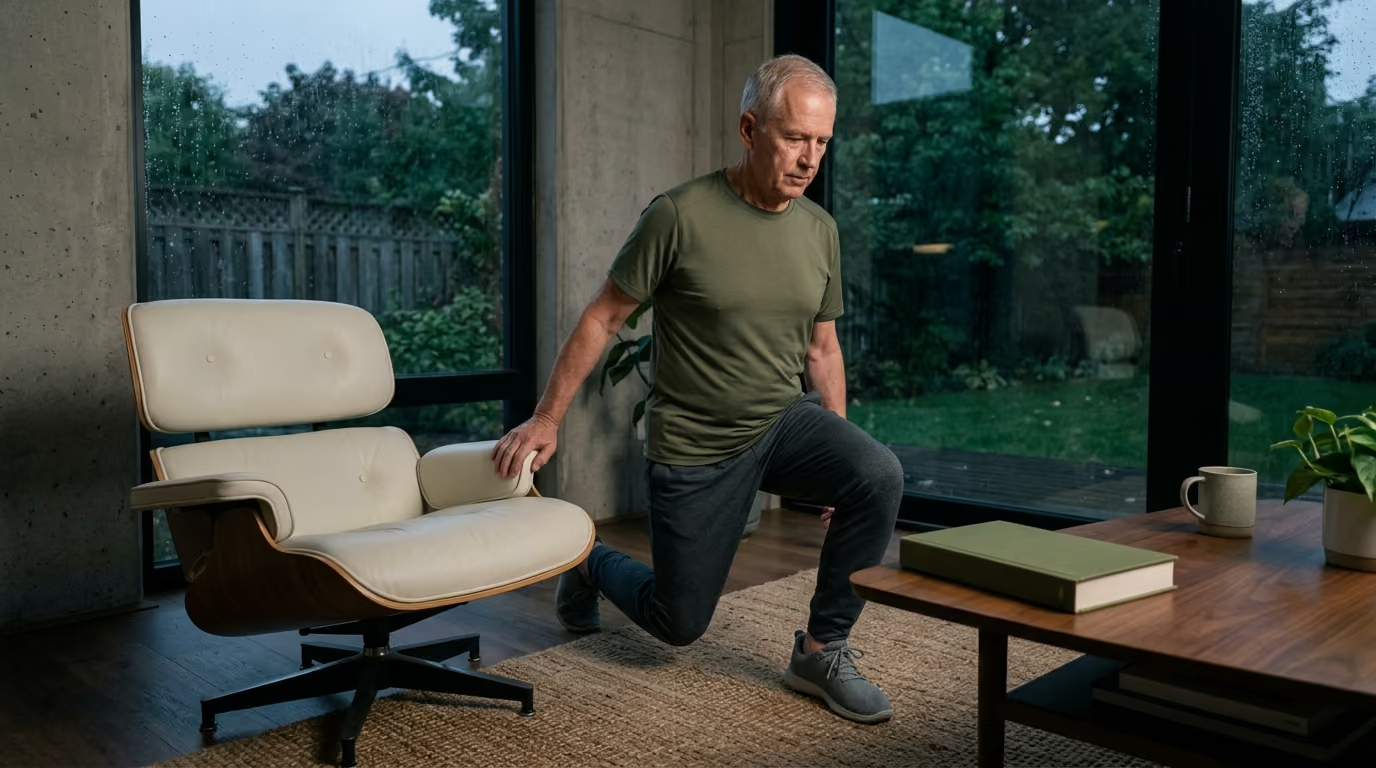

Joint protection relies on progressive strength training and regular movement rather than avoiding physical activity as you grow older.





You wake up, swing your legs over the edge of the bed, and feel a familiar stiffness in your knees and lower back. Standing up takes an extra second of preparation, and the first few steps down the hallway feel rigid and dry. After a warm shower and a cup of coffee, the stiffness eases, but the hesitation remains. You find yourself wondering if every physical ache is a sign that your joints are wearing down.
Joints are not preserved by eliminating physical load, but by matching load to your current capacity, maintaining muscular strength, and adapting activity when symptoms exceed tolerance.
Joint health and long term mobility do not depend on complete rest or avoiding movement. Joint cartilage, tendons, and connective tissues require regular, progressive mechanical load to maintain their physical structure, fluid circulation, and load tolerance. Protecting your mobility as you age requires a proactive approach centered on resistance training, aerobic conditioning, daily joint movement, and smart pacing. When joint discomfort appears, the most effective response is rarely total inactivity. Instead, adjust the volume, range of motion, or speed of movement so you can stay active while giving irritated tissues time to recover.
Understanding how your body changes over time allows you to make informed decisions about your daily routine. By shifting your mindset from joint preservation through avoidance to joint preservation through progressive conditioning, you can maintain physical capability and independence for decades.
Your joints are dynamic living systems that continuously adapt to the forces placed upon them. A joint is not simply two hard surfaces rubbing together. It is an intricate unit made of bone, cartilage, synovial fluid, tendons, ligaments, nerves, and surrounding muscles. As time passes, every component of this system experiences biological shifts that alter how force is distributed and absorbed.
Articular cartilage covers the ends of bones in synovial joints, providing a smooth surface with very low friction. This specialized tissue is composed of an extracellular matrix maintained by cells called chondrocytes. Cartilage contains no direct blood supply, which means it depends on joint movement to circulate synovial fluid and deliver essential nutrients.
As you age, chondrocyte activity decreases, and the extracellular matrix loses some of its water binding capacity. These cellular changes make cartilage less resilient to sudden, unaccustomed spikes in physical stress. However, cartilage is not a passive vehicle component that simply wears out through normal use. It is a living tissue that responds to regular mechanical cycles of compression and release. Inactivity deprives cartilage of fluid exchange, while structured movement supports tissue health.
The surrounding joint capsule also produces synovial fluid, which acts as a biological lubricant. Regular motion encourages synovial fluid distribution across the entire articular surface. When a joint remains immobilized for long periods, this fluid becomes more viscous, leading to the familiar sensation of morning stiffness.
Tendons connect muscles to bones and transmit the mechanical forces required for movement. Their structural integrity relies on dense, organized collagen fibers and specialized cells known as tenocytes. Tendon tissue relies heavily on physical load to stimulate collagen synthesis and maintain tensile strength.
With advancing age, tendons often experience reduced cellular activity, disorganized collagen bundles, and an accumulation of cross linked proteins. Research shows that older adults frequently display lower tendon stiffness and a reduced elastic modulus compared to younger individuals. In biomechanics, tendon stiffness refers to the tissue's ability to resist deformation under load and transmit muscular force rapidly.
Lower tendon stiffness can reduce walking economy, impair balance reactions, and slow down force transmission. Tendons adapt positively to mechanical loading, especially resistance training with higher tissue strain. While older tendons may adapt more slowly than younger tissues, consistent strength training still improves their mechanical properties over time.
Ligaments connect bone to bone, acting as passive restraints that limit excessive translation and rotation across a joint. Like tendons, ligaments experience changes in collagen structure, water content, and tissue elasticity over time. These changes can subtly alter the passive stability of your joints.
However, passive structural restraints are only one part of joint stability. Dynamic stability, which is generated by muscular contraction and nervous system coordination, provides the primary protection during active movement. When dynamic stabilizers are strong and well coordinated, age related shifts in ligament elasticity have minimal impact on your daily physical performance.
Skeletal muscle acts as the primary shock absorber for the skeletal system. When you jump, run, carry groceries, or step off a curb, your muscles contract to decelerate your body and disperse impact forces away from articular cartilage.
The age related loss of muscle mass, quality, and strength is known as sarcopenia. Sarcopenia directly compromises joint health because weaker muscles transfer higher mechanical stress directly to passive joint structures. When quadriceps strength declines, the knee joint absorbs significantly greater ground reaction forces during everyday tasks like walking downstairs.
Muscular power, which is the ability to produce force rapidly, declines even faster than maximum strength. Power is essential for catching yourself after a stumble, standing up quickly from a low chair, or navigating uneven outdoor surfaces. Preserving muscular power through intentional resistance exercise is one of the most effective strategies for protecting your physical mobility.
For more detailed strategies on building physical resilience, visit our strength, fitness, and body composition resources.
Osteoarthritis is widely misunderstood. It is often described as a purely mechanical condition where cartilage inevitably erodes down to bone. Modern medical science paints a far more nuanced picture of this condition, emphasizing that symptoms involve the entire joint and are heavily influenced by muscular strength, systemic inflammation, and nervous system sensitivity.
Osteoarthritis is a chronic condition involving the whole joint organ. It involves changes to articular cartilage, remodeling of the subchondral bone beneath the cartilage, low grade inflammation of the synovial lining, and weakness in surrounding muscles. It is not an isolated problem of cartilage thinning.
The National Institute for Health and Care Excellence (NICE) notes that osteoarthritis is characterized by activity related joint pain and morning stiffness that resolves within 30 minutes. It most commonly affects the knees, hips, hands, spine, and feet. The condition progresses slowly and is influenced by joint alignment, previous traumatic injuries, metabolic health, and general physical conditioning.
Because osteoarthritis involves the whole joint, treatment must target the whole movement system. Improving muscle strength, reducing systemic inflammation through diet, and refining movement mechanics can substantially reduce symptoms, even if structural joint changes remain present.
One of the most important principles in musculoskeletal health is that structural findings on an X-ray or MRI do not reliably predict pain or physical function. Many adults over the age of 50 show moderate to severe signs of joint degeneration on imaging scans while experiencing no daily pain or functional limitations. Conversely, individuals with severe joint discomfort may show only minor structural changes on an X-ray.
NICE guidelines recommend that clinicians diagnose typical osteoarthritis based on clinical history and physical examination without requiring routine imaging. Relying heavily on imaging reports can cause unnecessary fear, leading people to believe their joints are fragile and easily damaged.
Pain is a complex biological signal produced by the nervous system in response to perceived threat, tissue stress, fatigue, and inflammation. When you understand that pain does not automatically equal structural destruction, you can engage in sensible physical training without excessive fear.
Osteoarthritis represents a major global health challenge. The Global Burden of Disease study estimated that approximately 595 million people worldwide had osteoarthritis in 2020, representing roughly 7.6% of the global population. Total diagnosed cases increased by 132.2% between 1990 and 2020, driven primarily by population aging and rising obesity rates.
The same analysis revealed that elevated body mass index accounted for approximately 20.4% of the global disability associated with osteoarthritis. Excess body weight increases static mechanical forces across weight bearing joints, but it also elevates systemic inflammatory markers that can accelerate joint tissue degradation.
Primary risk factors identified by the World Health Organization include prior joint trauma, repetitive physical strain, metabolic conditions, high body weight, and genetic predisposition. While you cannot alter your genetics or prior injuries, you can directly influence your muscular strength, body composition, and movement habits.
Joint irritation rarely occurs without warning. Most non traumatic joint issues stem from a mismatch between the physical demands placed on a joint and the current biological capacity of that joint system. Managing this balance is the key to lifelong mobility.
Load is not limited to the amount of weight on a barbell. Total mechanical load encompasses every physical stressor applied to your movement system throughout the day. To manage your joint health effectively, you must evaluate the multiple dimensions of load:
A sudden, sharp increase in any of these variables can push total demand past your current capacity, triggering localized inflammation and pain.
Capacity is the total amount of mechanical stress your tissues and movement system can tolerate without experiencing breakdown or prolonged pain. Capacity is dynamic; it expands when you provide progressive loading followed by adequate recovery, and it shrinks when you become inactive.
Building physical capacity requires consistent exposure to varied movements. Progressive resistance training strengthens muscles, reinforces tendons, and thickens subchondral bone. Aerobic exercise improves cardiovascular delivery of oxygen and nutrients while supporting cartilage hydration. Adequate sleep and high quality nutrition provide the raw materials needed for ongoing cellular repair.
When your physical capacity is high, ordinary daily tasks, such as carrying heavy equipment, walking across rough terrain, or climbing several flights of stairs, use only a small fraction of your total tolerance. This broad buffer zone protects you from accidental strains and flare-ups.
The human body thrives on consistency. Connective tissues adapt steadily over months and years, but they respond poorly to abrupt shifts in physical demand. A classic example is the individual who sits at a desk for five consecutive days and then spends eight hours performing heavy yard work, lifting stones, and shoveling soil on Saturday.
This sudden spike in volume, awkward ranges of motion, and total duration far exceeds the tissue capacity developed during the sedentary work week. The result is acute joint effusion, tendon irritation, and muscle soreness. To prevent these boom-and-bust cycles, distribute your physical activity evenly throughout the week and increase demands gradually.
Navigating joint health advice requires distinguishing well supported scientific evidence from commercial trends, unproven supplements, and passive therapies that promise quick fixes.
Decades of clinical research provide clear consensus on the core interventions that protect joint health and preserve physical function as you age.
First, structured therapeutic exercise is universally recommended by major medical bodies, including NICE, the World Health Organization, and the American Physical Therapy Association. Both localized muscle strengthening and general aerobic exercise consistently reduce pain and improve physical function in individuals with joint conditions.
Second, progressive resistance training increases lower limb tendon stiffness, stimulates muscle protein synthesis, and enhances physical independence. Systematic reviews confirm that older adults experience substantial gains in muscular strength, chair rise capability, and gait speed when engaging in regular resistance training.
Third, for individuals with osteoarthritis who carry excess body fat, intentional weight reduction produces measurable clinical benefits. NICE reviews show that losing 5% to 10% of body weight improves joint pain, physical function, and overall quality of life, with larger benefits observed at reductions exceeding 10%.
Fourth, balance and proprioception training significantly reduces fall risk in older adults with mobility limitations. The World Health Organization recommends balance focused physical activity at least three days per week for older individuals to maintain functional independence.
Many popular joint interventions rest on weak or contradictory scientific evidence. Understanding these limitations helps you invest your time and resources wisely.
Dietary supplements like glucosamine, chondroitin, and collagen peptides remain widely used. Systematic reviews indicate that while these supplements are generally safe, their clinical effects on pain reduction and cartilage preservation are modest, variable, and often clinically insignificant compared to placebo. They cannot replace progressive physical exercise and general nutrition.
Passive modalities, such as therapeutic ultrasound, massage guns, transcutaneous electrical nerve stimulation (TENS), and specialized joint adjustments, may provide brief, temporary pain relief by modulating nervous system inputs. However, high quality guidelines emphasize that passive treatments do not create structural adaptations or long term functional improvements when used in isolation.
Advanced biological therapies, including platelet-rich plasma (PRP) and stem cell injections, have gained widespread public attention. While early trials show potential for symptom modulation in specific patient subgroups, clinical outcomes remain inconsistent across standardized studies. Major clinical guidelines currently consider the evidence insufficient to recommend these therapies as standard care.
You can learn more about assessing credible health information by visiting our healthy aging and longevity resources.
Maintaining lifelong mobility requires a balanced physical routine that addresses strength, cardiovascular health, movement control, and usable range of motion.
Resistance training is the most powerful tool available for protecting joints. Lifting weights challenges skeletal muscle, improves tendon stiffness, and reinforces bone mineral density.
Your routine should focus on compound movement patterns that mirror daily functional tasks:
Progressive overload does not require lifting maximum weights. You can progress by adding one or two repetitions, moving through a slightly larger controlled range, increasing time under tension, or reducing the amount of hand support used during bodyweight drills. Aim to train all major muscle groups at least two days per week.
Aerobic exercise promotes cardiovascular fitness, supports metabolic regulation, and circulates synovial fluid throughout your joint capsules. Regular aerobic activity also helps regulate systemic inflammatory markers that contribute to joint degeneration.
Select modalities that you enjoy and that your joints tolerate well:
Aim for 150 to 300 minutes of moderate intensity aerobic activity each week, as recommended by the World Health Organization. If you are starting from a sedentary baseline, begin with five to ten minute bouts and build duration gradually before increasing speed or resistance.
Mobility is not merely the ability to reach a position; it is the ability to control your body under changing conditions. Balance and proprioception, your body's ability to sense its position in space, decline naturally with age if not actively practiced.
Incorporate balance challenges into your weekly schedule:
Always perform balance exercises in a safe environment free of tripping hazards, with a stable object nearby to grasp if you lose your balance.
Passive stretching involves holding an elongated muscle position without active muscular engagement. While passive stretching can temporarily reduce tissue stiffness, it does little to build strength or dynamic control at the outer edges of your movement range.
Active mobility training, by contrast, requires you to control and produce force through your available range of motion. This approach builds nervous system confidence and usable strength.
Key active mobility exercises include:
Integrate five to ten minutes of active mobility work into your warm up before strength or cardiovascular training sessions.
Experiencing joint discomfort or a periodic symptom flare-up does not mean your training program has failed. Tissues fluctuate in sensitivity based on sleep, recovery, stress, and recent physical loading. Having a clear system to monitor and respond to symptoms prevents minor irritations from turning into chronic issues.
Using a traffic light system allows you to monitor joint discomfort objectively during and after exercise without reacting with fear or total avoidance.
A single exercise session only provides part of the picture. The true test of whether your joint tolerated a specific physical stressor is how it feels 24 hours later.
Follow this simple six step protocol:
When returning from a flare-up, surgery, or an extended period of inactivity, apply the minimum effective dose principle. This means finding the smallest amount of exercise that stimulates positive biological adaptation without triggering joint irritation.
If a standard exercise provokes unacceptable symptoms, regress the movement rather than abandoning it entirely:
When a specific exercise or recreational pursuit irritates a joint, substitute the movement temporarily to preserve your physical conditioning while tissues calm down.
For leg strength, if full depth leg presses cause knee discomfort, switch to isometric knee extensions held at a comfortable 60 degree angle, or perform glute bridges to target the posterior chain. For upper body training, if overhead dumbbell presses aggravate shoulder structures, substitute chest level resistance band rows or neutral grip floor presses.
For aerobic endurance, replace steep hill hikes with flat surface walking or shallow water walking. These substitutions are temporary tools designed to keep you moving while your physical capacity recovers.
To learn more about optimizing your recovery cycles, review our recovery and sleep guidance.
Misconceptions about joint health often lead people to adopt unhelpful behaviors that accelerate physical decline. Avoiding these common pitfalls helps you stay on the path toward long term mobility.
The belief that all joint discomfort represents physical wear and tear is one of the most destructive myths in fitness. When people believe their joints are wearing away, they instinctively stop moving.
Pain is an alarm system modulated by the central nervous system. It responds to mechanical strain, muscle fatigue, psychological stress, lack of sleep, and inflammatory chemistry. Experiencing mild joint discomfort during or after a workout does not mean you have damaged your cartilage. In many cases, it simply indicates that the tissue was exposed to a workload it has not yet adapted to handle.
When a joint aches, the historical medical advice was to rest, immobilize the limb, and wait for symptoms to disappear. We now know that prolonged rest causes rapid muscle atrophy, reduces tendon stiffness, and decreases synovial fluid circulation.
Complete rest weakens the movement system, ensuring that the joint will be even less prepared to handle normal daily loads when activity resumes. During a symptom flare-up, practice active recovery. Reduce the intensity and range of your movements, but continue walking, performing gentle range of motion drills, and engaging unaffected parts of your body.
Many adults attempt to resolve joint stiffness by spending 20 minutes stretching on the floor. While stretching can temporarily lengthen muscle tissue, it does not build the dynamic strength, motor control, or tendon resilience needed to stabilize joints under load.
A joint feels stiff when surrounding muscles are weak, fatigued, or attempting to protect an unstable area. True mobility requires active strength through a full range of motion. Replace passive stretching routines with loaded, controlled movements like deep goblet squats to a box, full range cable rows, and active hip rotations.
A widespread fear exists that lifting weights damages aging joints. In reality, progressive resistance training is the single most effective intervention for protecting joints from age related decline.
Avoiding resistance training guarantees that muscle mass and bone density will decline over time, leaving your joints vulnerable to everyday mechanical stresses. Lifting weights within your current capacity stimulates tissue repair, improves metabolic health, and strengthens the dynamic shock absorbers of your skeletal system.
Tendons and ligaments have lower metabolic rates and less vascularity than skeletal muscle tissue. While muscles often adapt to new training programs within four to six weeks, connective tissues require several months of consistent mechanical loading to remodel their collagen matrix and increase stiffness.
Expecting rapid tendon adaptation often leads people to progress their training weights or running mileage too quickly, resulting in tendinopathies. Approach connective tissue conditioning with patience, keeping training progressions steady and gradual over months and years.
To understand how to organize training for sustainable longevity, read our training and physical performance principles.
Examining real world clinical patterns illustrates how the principles of load management, strength training, and symptom monitoring apply across different individual circumstances.
Consider a 68 year old individual who has spent several years working a sedentary desk job. Over time, knee discomfort developed when standing up from low chairs or climbing stairs. Out of fear of worsening the condition, daily walking was reduced, leading to noticeable muscle weakness and weight gain.
The solution is not immediate high intensity training or complete joint rest. Instead, establish a manageable baseline. Begin with three daily sessions of five chair sit-to-stands from a comfortable height, supported calf raises while holding a kitchen counter, and two ten minute flat walks per day.
Over eight weeks, progressively lower the chair height, add a light dumbbell during sit-to-stands, and extend the walking duration to 20 continuous minutes. By gradually building muscular capacity within tolerable symptom limits, stair climbing becomes easier and joint confidence returns.
Consider a 74 year old who is relatively comfortable during normal weekly routines but experiences severe knee swelling and lower back soreness every Sunday evening after spending six hours gardening on the weekend.
The issue here is not that gardening is inherently bad for joints. The problem is a massive, unmanaged spike in kneeling, forward bending, and heavy lifting concentrated into a single afternoon.
The management strategy involves intelligent pacing and activity distribution. Break gardening work into 45 minute segments alternated with 15 minutes of seated rest or light walking. Use raised garden beds, long handled tools, and a thick foam kneeling pad to reduce mechanical stress. During the work week, incorporate hip hinges, goblet squats, and core carries to prepare tissues for the physical demands of weekend tasks.
Consider a 61 year old former runner who wishes to resume running after a two year layoff. In the past, jumping straight into three mile runs caused severe Achilles tendon pain and patellofemoral joint irritation.
Connective tissues lose their load tolerance during extended periods of inactivity. A successful return requires progressive reconditioning of the calves, quadriceps, and tendons before high impact running resumes.
Begin with four weeks of dedicated strength training: heavy standing calf raises, seated soleus raises, and leg presses, combined with brisk uphill walking. Next, introduce a structured walk-to-run program: alternate one minute of easy jogging with two minutes of walking for a total of 15 minutes, two days per week. Gradually increase the running intervals over 12 weeks while maintaining strength sessions and monitoring 24 hour symptom responses.
Consider a 70 year old who experiences mild osteoarthritis in both hips and immediately stops all exercise whenever joint discomfort reaches a 3 out of 10. This hypervigilance has led to severe deconditioning, loss of balance, and fear of leaving the house.
The primary intervention is education regarding pain biology and reassurance that mild discomfort does not indicate tissue harm. Introduce the traffic light pain model, establishing that discomfort between 0 and 3 out of 10 is completely acceptable during exercise.
Have the individual perform supported step-ups and seated hip band abductions while tracking their 24 hour symptom response. When they see that symptoms settle back to baseline by the following morning, their confidence grows, allowing them to engage in progressive conditioning without fear.
While most joint aches and stiffness represent manageable musculoskeletal adaptations, certain symptoms require professional medical evaluation to rule out serious pathology, systemic disease, or acute structural injury.
It is essential to differentiate typical mechanical osteoarthritis from systemic inflammatory conditions such as rheumatoid arthritis, psoriatic arthritis, or ankylosing spondylitis.
Mechanical joint pain is typically aggravated by physical activity and relieved by rest. Morning stiffness in mechanical osteoarthritis generally resolves within 30 minutes as the joint warms up and moves.
Inflammatory arthritis presents differently:
If you experience these symptoms, seek a medical evaluation from a physician or rheumatologist. Inflammatory conditions require specific medical therapies to manage systemic inflammation and prevent joint erosion.
Certain clinical presentations indicate urgent underlying issues that require immediate medical attention rather than self management:
Individuals with specific medical conditions need personalized medical guidance when designing a mobility program:
For guidance on coordinating with healthcare providers, visit our veteran lifestyle and healthcare resources.
A successful mobility routine must be practical, balanced, and sustainable over years of consistent practice. The following sample weekly template illustrates how to combine strength, aerobic conditioning, mobility, and recovery into a cohesive routine.
This educational template aligns with World Health Organization guidelines, providing balanced stimulus across all major physical domains:
Life rarely runs on an uninterrupted schedule. During periods of poor sleep, high work stress, travel, or minor illness, your physical recovery capacity drops.
During these weeks, modify your routine rather than skipping it entirely:
Consistency over months and years matters far more than pushing through high fatigue in a single workout.
High quality scientific research does not support the idea that recreational running causes knee osteoarthritis in healthy individuals. Recreational runners actually show lower rates of knee osteoarthritis compared to sedentary non runners. Running provides cyclical mechanical compression that promotes cartilage hydration and strengthens surrounding leg muscles. However, sudden increases in running mileage, inadequate rest, or running with unconditioned leg muscles can provoke joint symptoms. If you run, progress your distance gradually, maintain strong leg muscles, and wear comfortable footwear.
Large systematic reviews of dietary supplements like glucosamine and chondroitin show mixed, modest results. While these supplements are safe for most individuals, their clinical ability to rebuild cartilage or significantly reduce pain is limited and variable. They should never be viewed as a substitute for progressive resistance training, regular aerobic exercise, and weight management. If you choose to try them, evaluate your symptoms objectively after eight to twelve weeks; if you notice no measurable improvement, you can safely discontinue them.
Joint cracking, clicking, or popping, medically termed crepitus, is very common and usually harmless if it occurs without pain or joint swelling. Crepitus is often caused by tiny gas bubbles shifting within the synovial fluid or tendons lightly sliding over bony prominences during movement. Research confirms that painless crepitus does not correlate with joint damage or future disability. If joint popping is accompanied by sharp pain, catching, locking, or swelling, seek a clinical evaluation from a healthcare professional.
You are likely lifting within a safe, productive range if your exercise form remains strict, your movement is controlled, and joint discomfort stays within the green zone (0 to 3 out of 10). If you experience sharp joint pain during a lift, if you must use momentum or poor posture to complete a repetition, or if your joints remain swollen and painful 24 hours later, the load exceeds your current capacity. Reduce the resistance, focus on controlled execution, and build back up gradually.
This article is published for educational and informational purposes only. It is not intended to serve as medical advice, clinical diagnosis, or personalized treatment. Always consult with a qualified healthcare professional, such as a physician, physical therapist, or orthopedic specialist, before beginning a new exercise program, changing your physical routine, or making decisions regarding chronic joint pain or musculoskeletal symptoms.
When to revisit this resource: Review these principles whenever you experience a sudden shift in joint symptoms, when returning to exercise after an extended layoff, or when planning a progression in your weekly strength and conditioning routine. Maintaining functional mobility is a lifelong skill built on consistent movement, sensible loading, and intelligent recovery.
Follow BattleVet for practical guidance on military and veteran health, strength, recovery, testosterone, sleep and healthy aging. Stay connected for new articles, research backed insights and clear information to help you stay capable for the years ahead.


Build better habits around strength, recovery, sleep, hormones and healthy aging with practical guidance for active military personnel and veterans.
Explore BattleVet