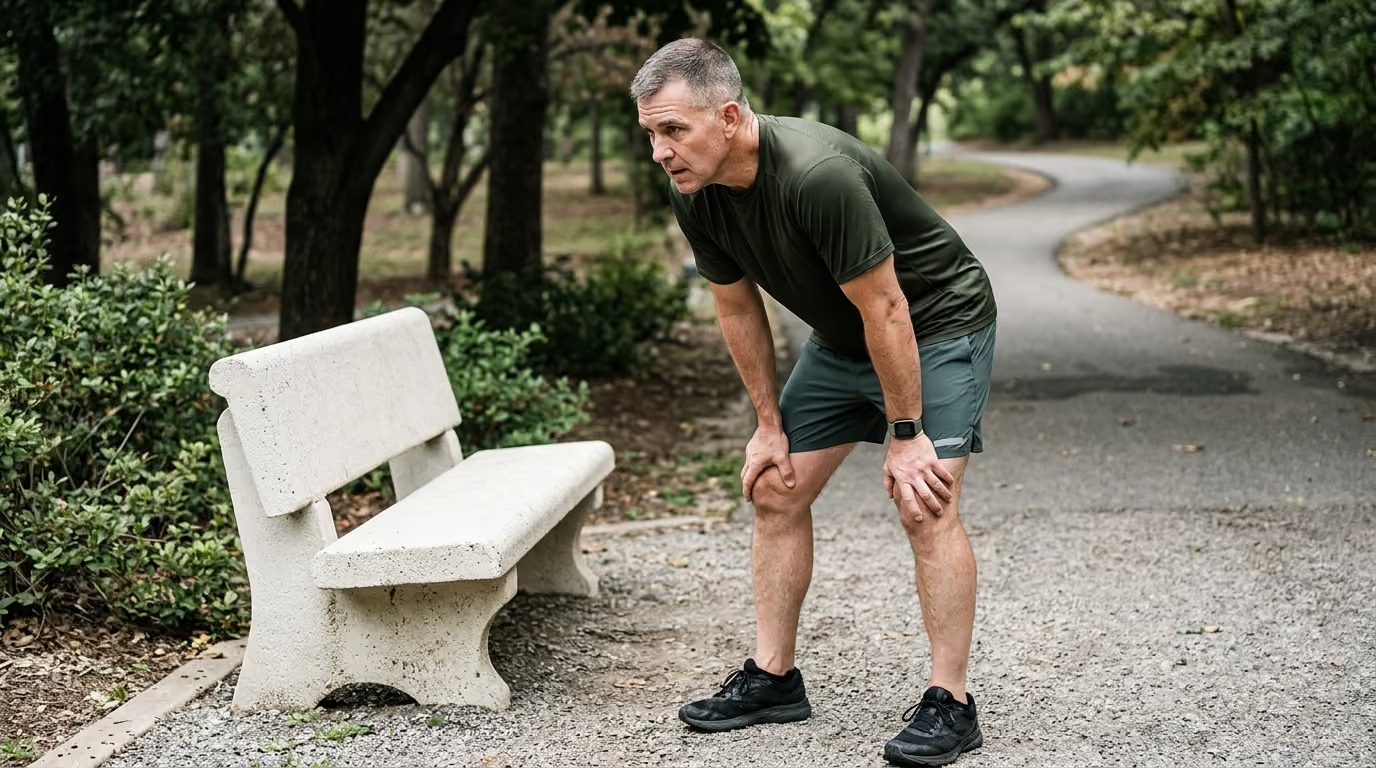

Cognitive aging in military veterans can be actively managed by addressing modifiable risk factors, sensory health, and key medical evaluations.





If you are in immediate danger, call 911. For 24/7 support, call or text 988 and press 1 for the Veterans Crisis Line, or text 838255.
You wake up after five hours of fragmented sleep, misplace your truck keys, and struggle to recall a familiar name during a morning conversation. You wonder if your memory is slipping because of normal aging, past blast exposures, or chronic physical stress. That quiet concern often leads to unnecessary worry, especially when you are unsure which changes are manageable and which require medical attention.
Cognitive health is not a fixed trait decided by genetics or head injuries alone, but an active capacity shaped by daily habits, vascular health, sensory function, and medical care.
Brain health refers to your ability to think clearly, learn new skills, remember critical information, communicate, regulate mood, and live independently. Cognitive aging involves subtle changes in processing speed and memory over decades, but severe decline and dementia are never a normal part of getting older. Many thinking problems reported by service members and veterans stem from treatable conditions like sleep apnea, depression, uncorrected hearing loss, or high blood pressure rather than irreversible brain damage.
Understanding your cognitive health begins with separating normal age-related shifts from clinical conditions. As the brain ages, minor changes in processing speed and mental efficiency are expected. You might take longer to recall a name, need to write down complex instructions, or misplace an everyday object. These events are normal when they happen occasionally and do not interfere with your ability to work, drive, manage finances, or live safely.
In healthy aging, your underlying capacity to reason, use judgment, and learn routines remains intact. You can compensate for minor lapses by using calendars, checklists, and daily routines. The key metric is functional independence. When your daily life continues without substantial impairment, occasional forgetfulness is simply a reflection of an aging nervous system managing a high cognitive load.
Mild cognitive impairment, often called MCI, represents a distinct middle ground. In this state, an individual experiences measurable decline in memory, attention, or executive function that is greater than expected for their age. Family members or colleagues often notice these changes. Crucially, a person with mild cognitive impairment retains their basic independence and can handle daily responsibilities, although complex tasks may take significantly more effort and time.
Dementia, medically classified as a major neurocognitive disorder, occurs when cognitive decline directly interferes with daily functioning. A person with dementia struggles to manage medications, handle household finances, navigate familiar routes, or maintain personal safety. Dementia is not a specific disease itself, but an umbrella term for loss of memory, language, problem-solving, and other thinking abilities severe enough to disrupt everyday life.
Certain warning signs indicate the need for a comprehensive medical evaluation rather than simple observation. These signs include repeatedly asking the exact same question, getting lost in familiar neighborhoods, and experiencing severe difficulty with basic math or bill paying. Rapid personality changes, unexplained confusion, poor judgment with safety, and difficulty completing familiar multi-step tasks also warrant prompt clinical investigation.
Sudden changes in alertness, attention, or behavior must be treated differently from gradual memory changes. Acute confusion developing over hours or days often points to a medical emergency. Common triggers include systemic infections, medication side effects, metabolic imbalances, intoxication, stroke, or acute withdrawal. Rapid changes require immediate emergency medical care rather than a routine cognitive screening.
Many cognitive complaints turn out to be reversible or treatable when investigated thoroughly. Chronic sleep deprivation, untreated obstructive sleep apnea, severe stress, clinical depression, and post-traumatic stress can severely impair attention and working memory. When these underlying factors are identified and managed, cognitive performance often improves significantly.
The 2024 Lancet Commission on dementia prevention outlines a life-course model identifying 14 modifiable risk factors for cognitive decline. Research shows that addressing these factors across early, middle, and later life could theoretically prevent or delay up to 45 percent of dementia cases worldwide. This figure represents a population-level estimate rather than a personal guarantee for any individual, but it provides a clear roadmap for long-term health.
The life-course model begins in early life with access to education. Formal schooling and continuous learning build what scientists call cognitive reserve. Cognitive reserve is the brain's resilience against neuropathological damage. While education does not prevent the underlying biology of neurodegenerative disease, it allows the brain to compensate longer and maintain functional independence.
For veterans, cognitive reserve is not limited to university degrees. Extensive military training, technical trade skills, tactical navigation, operational planning, and language acquisition all build complex neural networks. Engaging in demanding mental activities throughout adulthood continues to strengthen this reserve regardless of your formal educational background.
Midlife introduces critical vascular, sensory, and physical health factors. High blood pressure, obesity, hearing loss, traumatic brain injury, and excessive alcohol use emerge as major modifiable risks during these years. Midlife hypertension damages delicate microvessels supplying the deep white matter of the brain, reducing blood flow and accelerating cognitive aging.
The 2024 Lancet Commission added high low-density lipoprotein cholesterol to the list of midlife risk factors based on large cohort studies and genetic analyses. Managing cholesterol levels protects the cerebrovascular system against atherosclerotic plaque and ischemic damage. Elevated LDL cholesterol in midlife directly correlates with an increased risk of subsequent vascular dementia and Alzheimer's disease.
Later life highlights factors such as smoking, diabetes, depression, social isolation, physical inactivity, air pollution, and untreated vision loss. Uncontrolled diabetes causes microvascular damage and chronic neuroinflammation, both of which impair neural signaling. Social isolation removes regular verbal and emotional stimulation, accelerating cognitive decline in older adults.
Untreated vision loss was also added in the 2024 Lancet update. Diminished vision limits physical activity, restricts reading and visual processing, and increases social withdrawal. Correcting vision through cataract surgery or updated corrective lenses preserves sensory input and helps maintain cognitive engagement.
Environmental exposures such as fine particulate air pollution represent an external risk factor. Inhaled microscopic particles can enter the bloodstream and promote systemic inflammation and oxidative stress within brain tissue. While individuals cannot always control local air quality, recognizing environmental burdens helps contextualize overall brain health management.
Research from the World Health Organization and the Centers for Disease Control and Prevention confirms that addressing multiple risk factors simultaneously produces the greatest benefit. Focusing solely on a single brain-training exercise or a dietary supplement cannot replace managing blood pressure, hearing, physical activity, and metabolic health. A broad, multidomain approach provides the strongest protection for long-term brain function. Exploring evidence-based strategies for healthy aging and longevity helps connect these risk factors into a cohesive, sustainable lifestyle.
Military service introduces unique occupational and environmental exposures that affect long-term brain health. Traumatic brain injury, exposure to explosive blasts, repetitive sub-concussive impacts, and operational stress are prevalent across combat and tactical training environments. Understanding how these service-related factors interact with the aging process allows veterans to take proactive measures.
Traumatic brain injury is recognized by the Lancet Commission and medical researchers as a modifiable risk factor for neurocognitive disorders. Injuries range from mild concussions to penetrating head trauma. A mild TBI typically involves a brief alteration of mental status or temporary loss of consciousness, whereas moderate and severe injuries cause prolonged unconsciousness or post-traumatic amnesia.
Common symptoms following a head injury include persistent headaches, balance difficulties, light sensitivity, irritability, sleep disturbances, and executive dysfunction. Executive dysfunction affects your ability to organize complex tasks, maintain working memory, and control impulses. For many veterans, these symptoms stabilize over time, but they can resurface under conditions of physical illness or severe fatigue.
The Department of Veterans Affairs mandates TBI screening for veterans who served in combat operations and use VA health care. This screening identifies potential exposure events and determines whether lingering cognitive or physical symptoms connect to those events. Identifying an old injury allows clinicians to tailor rehabilitation strategies and address overlapping health conditions.
A major clinical challenge is distinguishing between TBI, post-traumatic stress disorder, chronic pain, and sleep disruption. These conditions frequently co-occur and share identical symptoms, including poor concentration, memory lapses, irritability, and profound fatigue. When chronic pain disrupts your sleep, your daytime attention drops, which can make pre-existing TBI symptoms feel significantly worse.
A prior head injury does not make dementia inevitable. A history of concussion represents an elevated statistical risk, not a certainty of cognitive collapse. Many veterans with documented blast exposures maintain sharp cognitive function into advanced age by actively managing their vascular health, staying physically active, and prioritizing restorative sleep.
Veterans should also understand the difference between disability evaluation and clinical health management. A VA disability rating measures functional impairment and occupational limitations related to military service. A benefits rating is not a medical diagnosis of dementia, nor does it mean your cognitive abilities will inevitably decline. Clinical care focuses on preserving your current abilities, treating reversible symptoms, and preventing future decline.
Veterans exposed to repetitive blast waves without diagnosed concussions may still experience subtle alterations in auditory processing and vestibular function. These inner-ear changes can mimic cognitive decline by making it difficult to follow conversations in noisy environments. Addressing auditory and vestibular issues directly often resolves the perceived thinking problems. Finding reputable broader military health research helps veterans separate service-connected symptoms from standard age-related changes.
The human brain consumes roughly 20 percent of the body's resting energy despite accounting for only two percent of total body weight. This high metabolic demand requires a continuous supply of oxygenated blood delivered through an intricate network of microvessels. Any condition that damages the vascular system directly threatens neural integrity and cognitive function.
Chronic high blood pressure is one of the most destructive forces acting on the aging brain. Sustained hypertension damages the delicate lining of cerebral blood vessels, leading to arterial stiffening, microbleeds, and silent lacunar infarcts. Over decades, this vascular damage degrades white matter tracts that connect different brain regions, causing slowed processing speed and executive impairment.
The landmark SPRINT-MIND clinical trial provided critical evidence regarding blood pressure management and brain health. The study evaluated 9,361 adults aged 50 or older with elevated systolic blood pressure, dividing them into an intensive treatment group targeting a systolic pressure below 120 mm Hg and a standard group targeting below 140 mm Hg. The trial evaluated whether intensive control reduced the incidence of cognitive impairment and dementia.
The findings demonstrated that intensive systolic blood pressure control reduced the rate of mild cognitive impairment by 19 percent. It also reduced the combined outcome of mild cognitive impairment or probable dementia by 15 percent. While the reduction in adjudicated probable dementia alone did not reach statistical significance, the clear reduction in MCI established blood pressure control as a cornerstone of cognitive protection.
These trial results do not imply that every veteran should independently drive their systolic pressure below 120 mm Hg. Aggressive blood pressure lowering in older or frail adults can cause orthostatic hypotension, dizziness, dangerous falls, and acute kidney injury. Blood pressure targets must be individualized in consultation with a primary care clinician, balancing cerebrovascular benefits against personal health factors.
Type 2 diabetes and insulin resistance represent another major threat to cognitive vitality. Chronic high blood sugar damages blood vessels throughout the body, including the cerebral vasculature. Furthermore, insulin plays an essential role in brain cell signaling, synaptic plasticity, and the clearance of neurotoxic proteins. Insulin resistance in the brain impairs energy utilization and accelerates cellular dysfunction.
Preventing severe blood sugar swings is critical for older adults. Both chronic hyperglycemia and acute hypoglycemia damage brain tissue. Severe low blood sugar episodes deprive neurons of essential glucose, causing immediate confusion and increasing long-term dementia risk. Managing diabetes through consistent nutrition, regular physical activity, and appropriate medication preserves both microvascular health and cognitive capacity.
Lipid management rounds out the core vascular triad. Elevated LDL cholesterol contributes to systemic atherosclerosis, carotid artery stenosis, and cerebral small-vessel disease. Controlling cholesterol levels through dietary modifications and prescribed statin therapy stabilizes arterial plaques and maintains unobstructed cerebral perfusion.
Vascular dementia is largely preventable because the underlying vascular damage can be mitigated through early and consistent medical intervention. Monitoring your blood pressure at home, taking prescribed medications consistently, and maintaining a healthy body weight directly protect your brain. Every positive choice made for cardiovascular health delivers an equivalent benefit to your cognitive reserve.
Sensory input and sleep architecture serve as primary structural supports for brain health. When hearing or vision deteriorates, or when sleep is chronically disrupted, the brain faces continuous stress that degrades cognitive performance. Addressing sensory and sleep deficits represents some of the most actionable steps a veteran can take.
Hearing loss is exceptionally common among veterans due to occupational exposure to jet engines, artillery, firearms, diesel machinery, and explosive detonations. The Lancet Commission identifies midlife hearing loss as one of the largest single modifiable risk factors for dementia. Research published in medical journals shows that older adults with untreated hearing loss face a 24 percent higher risk of incident cognitive impairment compared to those with normal hearing.
Hearing loss affects the brain through two distinct pathways. First, straining to decipher garbled speech places an intense cognitive load on the brain, diverting neural resources away from working memory, problem-solving, and storage. Second, hearing difficulties make social interactions frustrating, leading veterans to withdraw from conversations, community gatherings, and family events. This withdrawal causes social isolation and removes regular intellectual stimulation.
Intervention trials highlight the protective potential of hearing technology. Research summarized by the National Institutes of Health demonstrated that among older adults at elevated risk for dementia, using hearing aids reduced the rate of cognitive decline by nearly 50 percent over a three-year period. While hearing aids do not guarantee dementia prevention, they reduce listening fatigue, restore conversational ease, and keep veterans actively connected to their communities.
Vision impairment functions in a similar manner. Uncorrected refractive errors, cataracts, glaucoma, and diabetic retinopathy reduce the clarity of visual input to the brain. Correcting vision through routine eye exams, updated prescriptions, or standard cataract surgery preserves environmental awareness, reduces fall risks, and enables mentally stimulating activities like reading, driving, and crafting.
Sleep serves as the brain's fundamental maintenance and recovery period. During slow-wave sleep, the glymphatic system activates, flushing metabolic waste products and neurotoxic proteins from brain tissue. When sleep is cut short, fragmented, or chronically disrupted, this natural waste clearance mechanism is severely compromised.
Obstructive sleep apnea is widespread among veterans, frequently linked to service-related upper airway trauma, chronic sinusitis, or elevated body weight. Sleep apnea causes repetitive airway collapse during sleep, resulting in intermittent oxygen desaturation and frequent micro-arousals. The resulting cerebral hypoxia and chronic sleep fragmentation impair daytime executive function, working memory, and sustained attention.
Insomnia, nightmares, and circadian disruptions are also common in veterans with post-traumatic stress. Chronic hyperarousal prevents the nervous system from entering deep, restorative sleep stages. Veterans dealing with regular sleep disruption can utilize practical guidance on recovery and sleep to rebuild consistent, restorative sleep routines.
Cognitive Behavioral Therapy for Insomnia, commonly called CBT-I, is the gold-standard, evidence-based treatment for chronic sleep problems in veterans. CBT-I addresses the psychological and behavioral patterns that sustain sleeplessness without relying on habit-forming sedative medications. Combining CBT-I with CPAP therapy for sleep apnea resolves daytime cognitive fog and protects long-term neurological health.
Maintaining cognitive health requires consistent, daily habits that support the brain's biological systems. Rather than searching for single shortcuts, focus on establishing reliable routines across physical activity, sensory care, nutrition, sleep hygiene, and mental engagement. These steps build resilience against both normal age-related changes and neurodegenerative disease.
Physical exercise is one of the most potent stimuli for brain health. Exercise increases cerebral blood flow, stimulates the release of brain-derived neurotrophic factor, and supports neurogenesis in the hippocampus. Combining aerobic exercise with progressive resistance training delivers the most comprehensive cognitive and physical benefits.
Protecting your blood vessels ensures your brain receives steady oxygen and glucose. Proactive management of blood pressure, blood sugar, and cholesterol prevents microvascular damage and white matter degradation.
Preserving sensory inputs ensures the brain remains stimulated and reduces the cognitive effort required to interact with the environment.
Deep, uninterrupted sleep allows the brain to clear metabolic waste and consolidate daily memories. Restoring sleep quality directly sharpens daytime cognitive performance.
The brain thrives on novelty, problem-solving, and emotional connection. Regular social interaction and complex mental tasks stimulate neural plasticity and expand cognitive reserve.
Misinformation surrounding brain health and aging can lead to unnecessary fear, costly spending on unproven products, or dangerous delays in medical care. Examining common misconceptions helps veterans make practical, evidence-based choices.
The first major mistake is assuming that any memory slip indicates early dementia. Forgetting where you placed your wallet, walking into a room and forgetting why you entered, or struggling to recall an actor's name are normal cognitive lapses. These occurrences typically reflect divided attention, fatigue, or stress rather than brain disease. Normal aging slows retrieval speed, but the information is still there.
The second mistake is believing that commercial brain-training mobile apps are sufficient to protect the brain. While doing digital puzzles may make you better at that specific game, research shows little evidence that this translates into broader real-world cognitive protection. Spending hours on an app cannot replace 30 minutes of aerobic exercise, managing your blood pressure, or wearing your hearing aids.
The third misconception is assuming that a history of TBI guarantees cognitive collapse in older age. Head trauma is a known risk factor, but it is not an absolute destiny. Many veterans live long, cognitively intact lives after blast exposures or concussions by controlling their vascular health and staying physically active. Assuming decline is inevitable often leads to despair and a failure to address treatable health issues.
A fourth error is relying on unregulated dietary supplements, nootropics, or memory pills instead of standard medical care. The commercial market is filled with unproven compounds claiming to restore memory. High-quality scientific reviews show no conclusive evidence that over-the-counter supplements prevent dementia. Furthermore, unverified supplements can interact dangerously with prescription blood thinners, blood pressure drugs, and psychiatric medications.
A fifth pitfall is believing that if a basic memory screening test is normal, no cognitive problem exists. Brief cognitive screening tools used in primary care are designed to catch obvious impairment. They may miss subtle executive function deficits, processing speed issues, or problems that fluctuate with sleep and stress. If you or your family notice consistent functional changes in your daily life, a normal brief screening warrants a more detailed neuropsychological assessment.
Reviewing realistic clinical scenarios illustrates how different underlying factors can influence cognitive symptoms and how targeted care resolves them.
Consider the case of a 71-year-old Marine Corps veteran whose spouse reported he was becoming forgetful, inattentive, and irritable during family gatherings. The family feared early Alzheimer's disease. A thorough clinical evaluation revealed moderate bilateral high-frequency hearing loss from heavy weapons exposure, while his formal memory tests were completely normal. After being fitted with digital hearing aids, his engagement returned, he followed conversations effortlessly, and his apparent memory problems disappeared.
Another scenario involves a 54-year-old Army veteran with a history of two combat-related concussions who reported severe brain fog, irritability, and missed deadlines at work. He believed his symptoms were the late onset of permanent TBI damage. A clinical workup revealed severe obstructive sleep apnea with an oxygen saturation dropping below 82 percent at night, combined with chronic insomnia. After three months of consistent CPAP therapy and cognitive behavioral therapy for insomnia, his daytime focus, memory, and energy returned to baseline.
A third example involves a 66-year-old Navy veteran with uncontrolled hypertension, elevated blood sugar, and high LDL cholesterol who struggled to complete complex financial paperwork. His cognitive evaluation identified mild vascular cognitive impairment. By working with his physician to lower his blood pressure, starting a daily walking routine, improving his diet, and optimizing his diabetes medications, he stabilized his vascular health and prevented further cognitive decline.
These scenarios emphasize that cognitive symptoms are often complex, multifaceted, and manageable. Rather than jumping to worst-case conclusions, veterans benefit from structured clinical assessments that evaluate all contributing physical, sensory, and psychological factors.
If you or your family members notice persistent, progressive changes in your thinking, memory, or ability to manage daily tasks, seeking a clinical evaluation is the right decision. Navigating a healthcare system like the Veterans Health Administration is much easier when you know what to expect and how to prepare.
A comprehensive cognitive evaluation does not rely on a single test. Clinicians organize their assessment around six core domains to build an accurate picture of your health.
First, they evaluate cognition, assessing your memory, attention span, language skills, spatial awareness, and executive function. Second, they review functional independence, checking your ability to manage medications, finances, driving, meal preparation, and home maintenance. Third, they assess mood and behavior, looking for underlying depression, anxiety, PTSD, apathy, or personality changes.
Fourth, they evaluate body and brain health, reviewing your blood pressure history, diabetes management, cholesterol levels, cardiovascular history, and exercise routines. Fifth, they examine sensory and sleep health, checking your hearing, vision, sleep duration, snoring history, and daytime fatigue levels. Sixth, they analyze context and safety, assessing your past TBI or blast exposures, fall risks, firearm safety, driving safety, and social support systems.
To make the most of your appointment, prepare a structured information packet ahead of time. This helps your healthcare team quickly identify relevant patterns.
During the evaluation, your provider may order standard laboratory blood tests to rule out reversible causes of cognitive impairment. These tests typically check thyroid function, vitamin B12 levels, kidney function, liver enzymes, and electrolyte balances. They may also order structural brain imaging, such as a non-contrast CT scan or MRI, to evaluate for past strokes, microvascular disease, normal pressure hydrocephalus, or structural abnormalities.
If the initial evaluation indicates noticeable impairment, your primary care provider may refer you to a neurologist, a geriatrician, or a clinical neuropsychologist for detailed neuropsychological testing. This testing involves standardized pen-and-paper or computerized tasks that precisely map your cognitive strengths and weaknesses.
If you or a veteran you know is experiencing severe distress, acute confusion, or thoughts of self-harm during this process, immediate support is available. The Veterans Crisis Line provides free, confidential support 24 hours a day, 7 days a week. Dial 988 and press 1, or text 838255 to connect with trained responders immediately.
There is no single magic solution, but regular physical exercise combined with strict blood pressure control provides the most powerful protection for brain health. Exercise increases cerebral blood flow and promotes neural repair, while blood pressure control prevents microvascular damage to brain tissue. Managing both simultaneously addresses the two largest drivers of preventable cognitive decline.
Normal age-related lapses are occasional, minor, and do not interfere with your independence. For example, forgetting where you set your keys or taking a moment to recall a name is normal. Dementia involves progressive, frequent lapses that disrupt daily life, such as getting lost on familiar routes, repeatedly asking the same question, or being unable to manage your medications and finances.
Yes. Obstructive sleep apnea causes intermittent drops in blood oxygen levels and fragments your sleep throughout the night. This deprives your brain of the restorative deep sleep needed to clear metabolic waste and consolidate memories. Treating sleep apnea with CPAP therapy restores oxygen delivery, eliminates nighttime awakenings, and frequently resolves daytime brain fog and memory issues.
No. High-quality clinical trials show no reliable evidence that over-the-counter memory supplements, herbal extracts, or nootropic blends prevent dementia or improve long-term cognitive health. Many supplements carry risks of adverse side effects and can interact dangerously with prescription medications. You will achieve far better results by investing your time and resources into physical activity, hearing care, proper nutrition, and medical management of blood pressure and blood sugar.
This guide is designed for educational purposes and provides an evidence-based overview of cognitive health, sensory care, and lifestyle factors for service members and veterans. Individual health circumstances vary widely. You should always discuss personal health assessments, new symptoms, medication adjustments, and diagnostic evaluations with a qualified healthcare professional.
Revisit this resource whenever you notice changes in your daily physical performance, experience persistent sleep disturbances, receive a new medical diagnosis such as hypertension or diabetes, or prepare for an annual VA wellness visit. Keeping these evidence-based principles in mind ensures you make clear, capable decisions to protect your long-term independence and cognitive health.
Follow BattleVet for practical guidance on military and veteran health, strength, recovery, testosterone, sleep and healthy aging. Stay connected for new articles, research backed insights and clear information to help you stay capable for the years ahead.


Build better habits around strength, recovery, sleep, hormones and healthy aging with practical guidance for active military personnel and veterans.
Explore BattleVet