
Transitioning veterans often believe they must abandon military identity, yet integrating past values builds far greater psychological resilience and health.

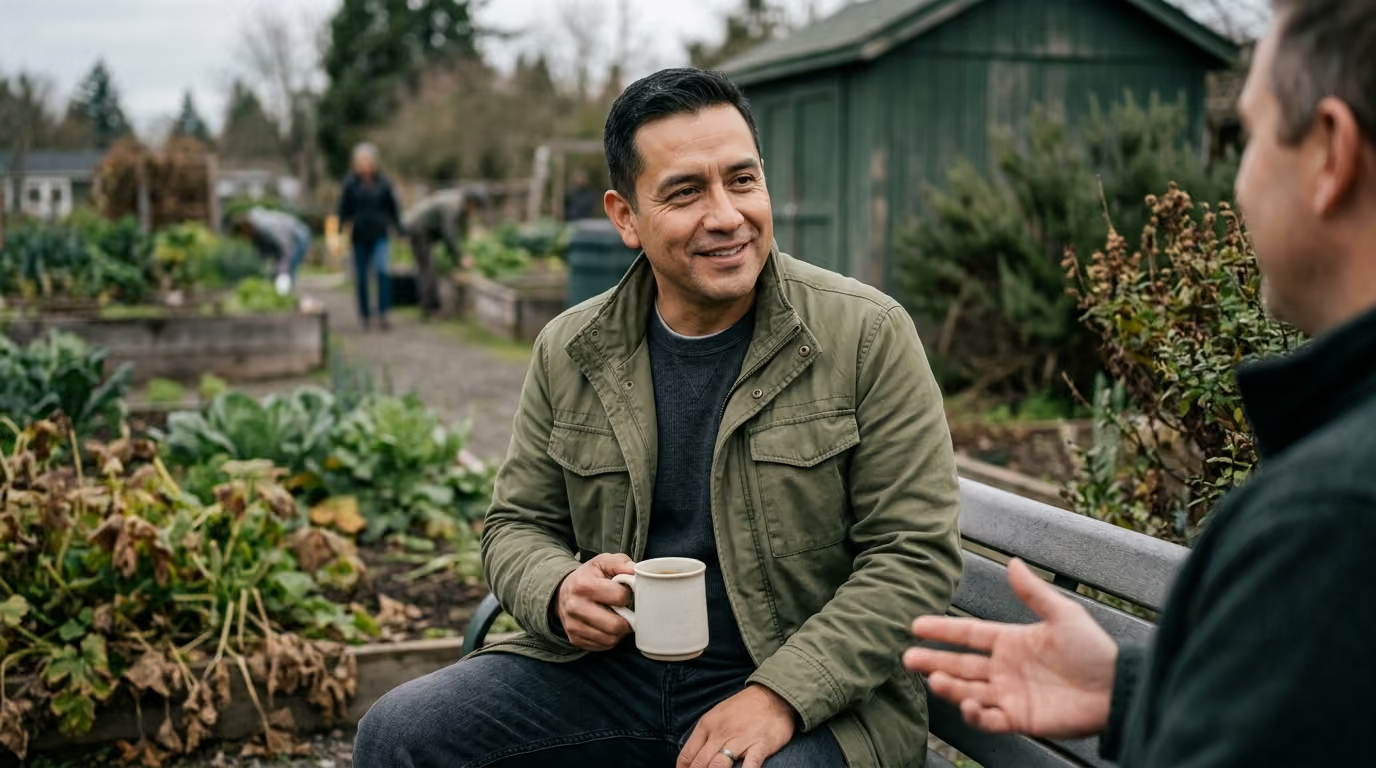
While many view resilience as a solitary trait, genuine veteran well-being depends on deep social connections that protect physical and mental health.

Resting passively after long travel may seem logical, but targeted movement protocols restore circulation and joint mobility far more effectively.

Sustainable daily habits and renewed civilian identity emerge through a structured transition framework designed to guide veterans through their first year.

VA community care is not an automatic entitlement, but qualified veterans can navigate referrals and network rules to secure fully covered private treatment.
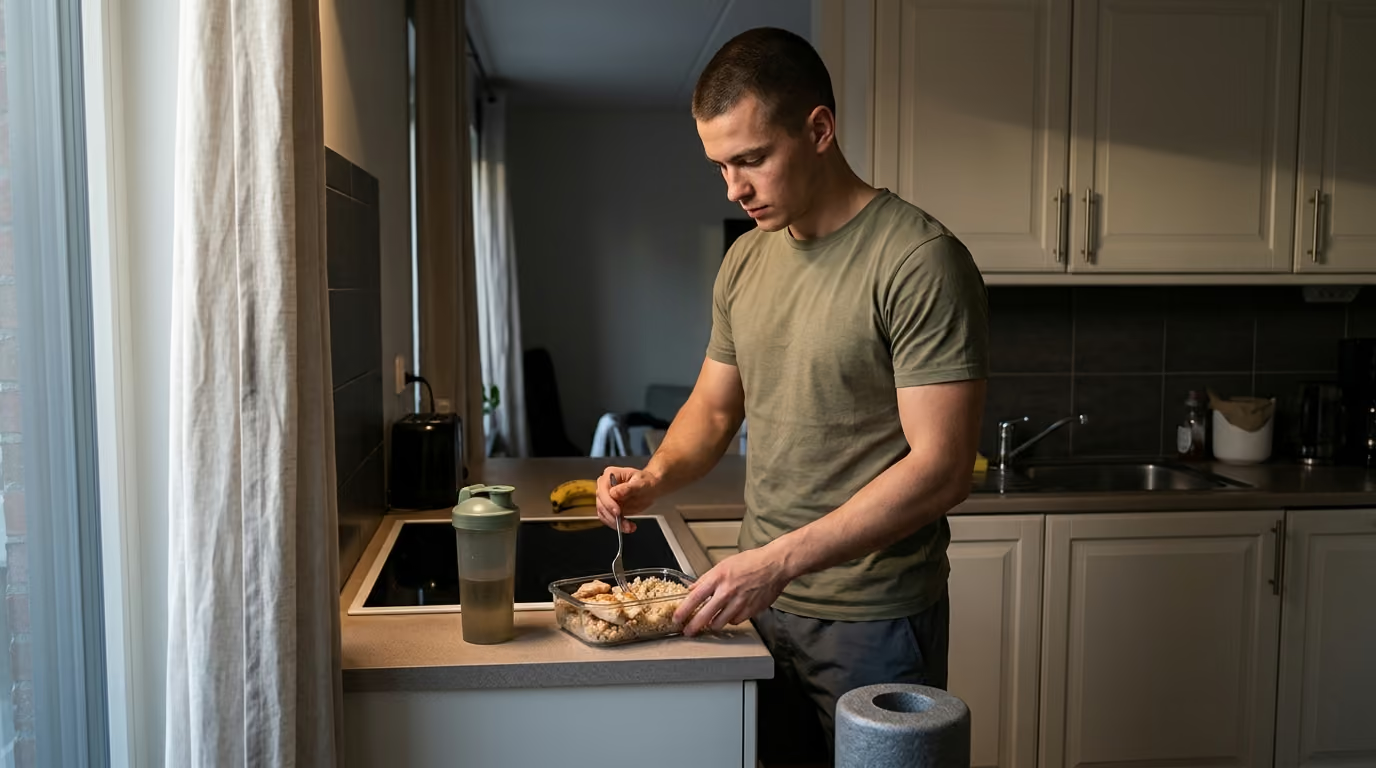
Heavy rucks and high running volumes threaten lean mass unless tactical athletes balance resistance volume, nutrition, and recovery across training phases.

Stepping out of a grueling training session sore and depleted requires the right dietary protein targets and timing strategies for optimal tissue repair.

Four distinct fatigue phases along the recovery continuum reveal how to identify nonfunctional overreaching and manage total athletic stress effectively.
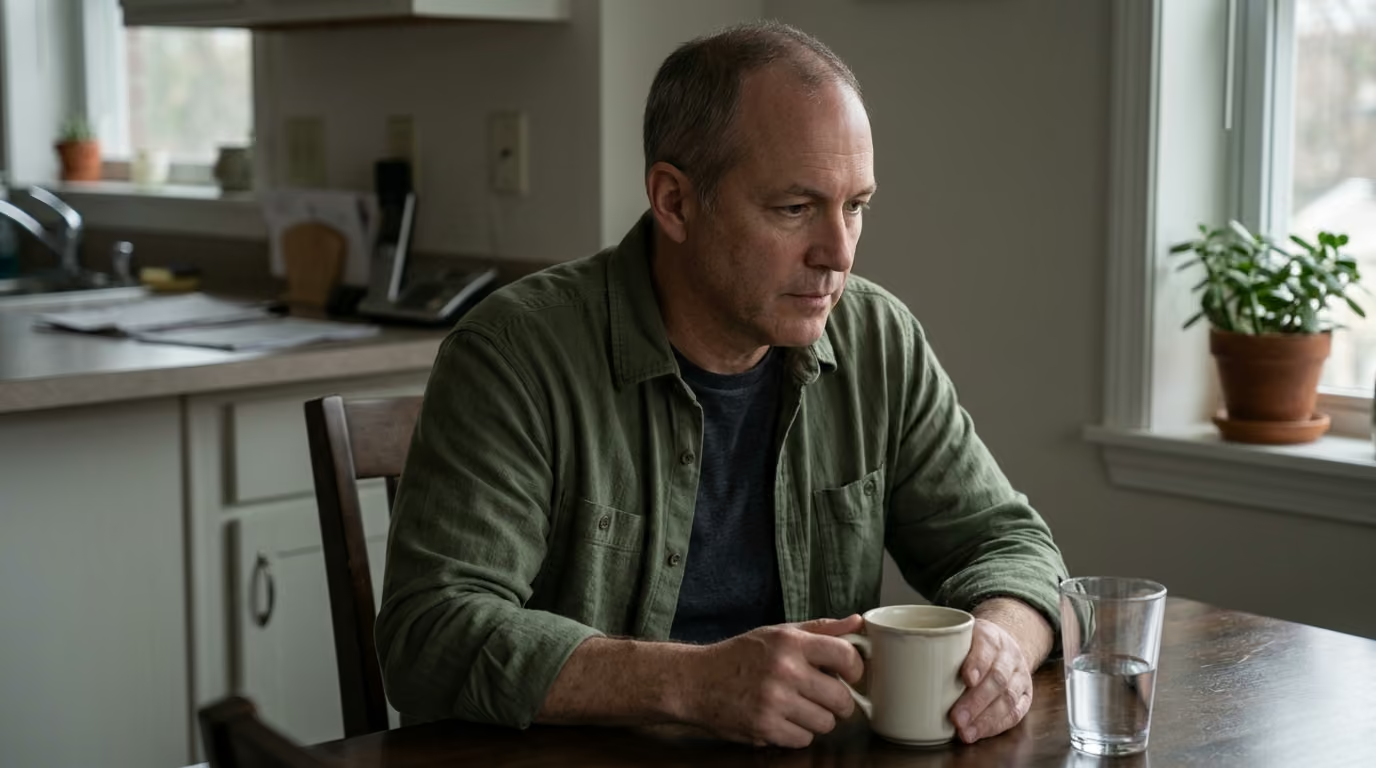
Alcohol misuse affects many military veterans navigating post-service transition challenges, trauma, chronic pain, and dangerous withdrawal symptoms.

Accurate fitness benchmarks enable lifters to set realistic personal goals by accounting for individual anatomy, leverage, age, and common scoring pitfalls.
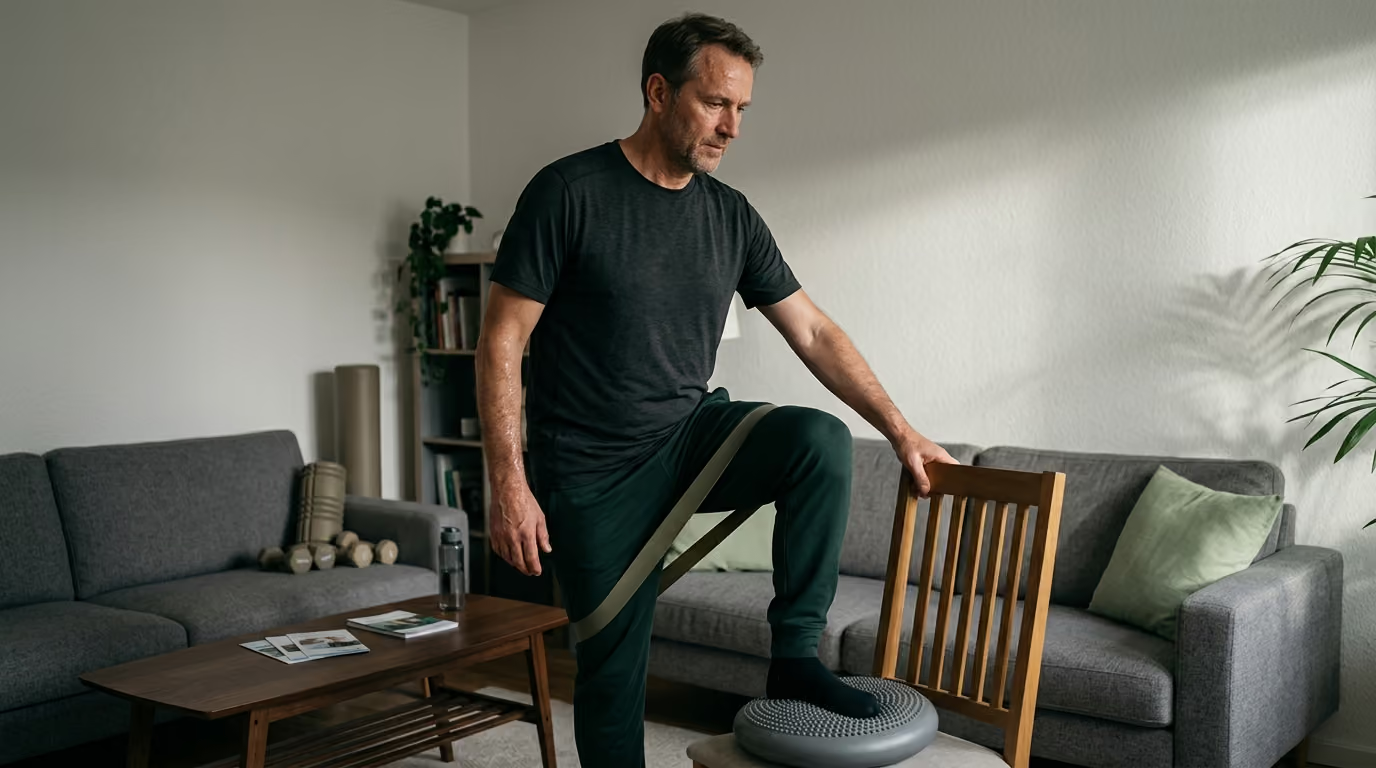
Physical rehabilitation after a cast or brace requires targeted exercises that rebuild joint mobility, neural activation, and muscular strength safely over time.

Racing evening thoughts often trigger reliance on alcohol or sedatives, but chemical shutdown impairs sleep architecture and compounds daytime stress.

Catching yourself stumbling on uneven ground highlights how targeted power and strength training helps older adults rebuild physical readiness and resilience.
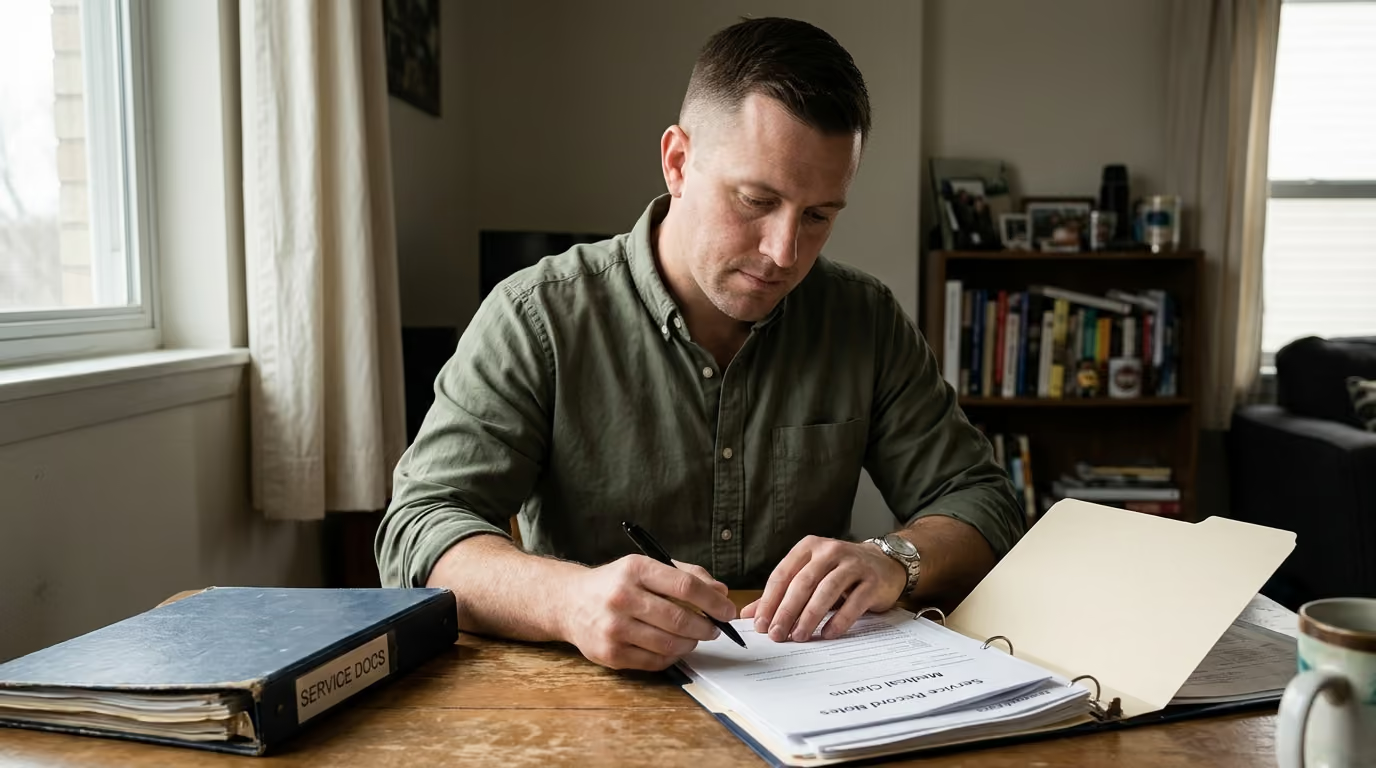
Accurate documentation of toxic military exposures helps veterans secure thorough VA evaluations, build strong medical dossiers, and receive vital healthcare.

Passive recovery tools feel effective, but prioritizing sleep, smart programming, and nutrition yields far superior results for lasting muscular adaptation.

Menopause care for women veterans requires tailored strategies that address military health history, severe symptoms, bone density, and overall cardiovascular wellness.

Eight healthcare priority groups and disability ratings up to one hundred percent govern medical access, monthly benefits, and claim filing procedures.

Four distinct care levels help patients assess critical red flags, apply the SAFE checklist, and navigate timely rehabilitation recovery milestones safely.
Build better habits around strength, recovery, sleep, hormones and healthy aging with practical guidance for active military personnel and veterans.
Explore BattleVet