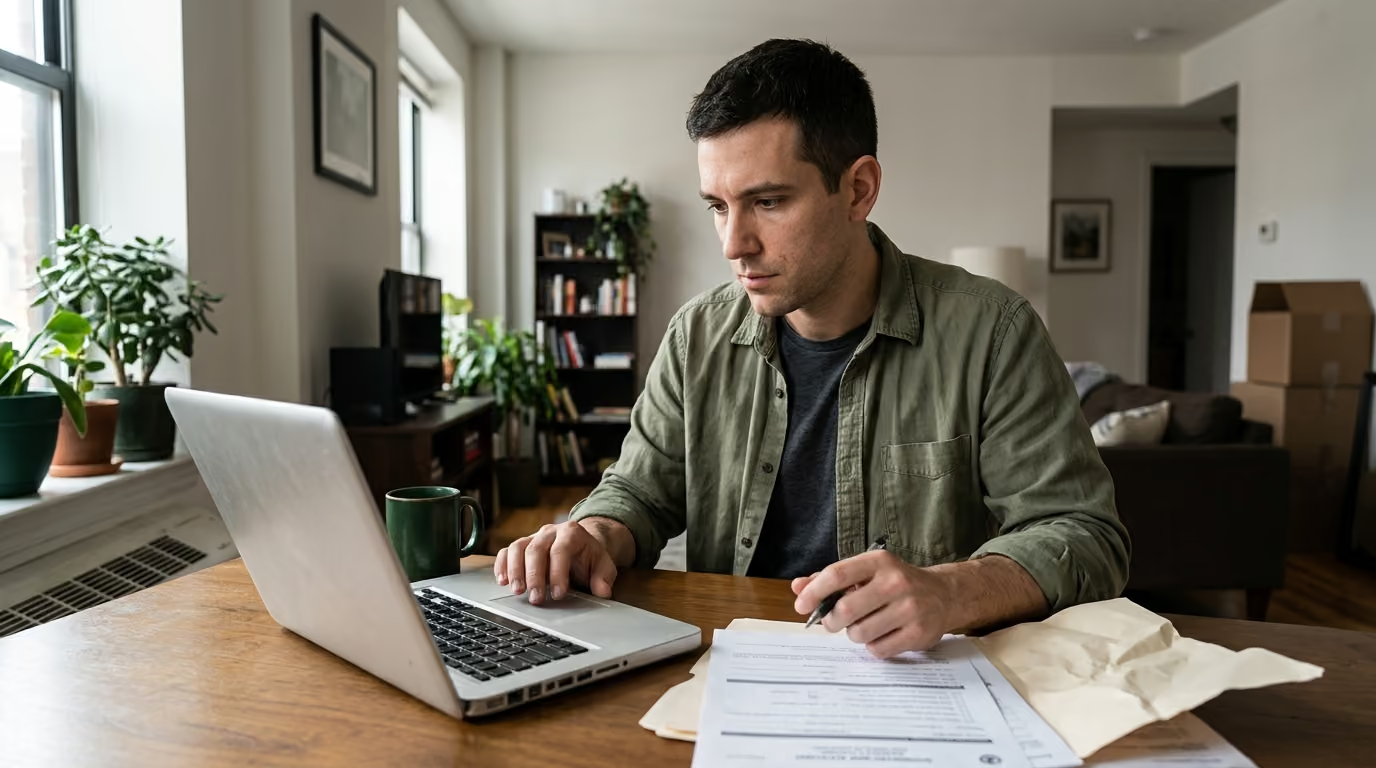
Complete control over your medical records and clinic transfers keeps care continuous through every stage of domestic and international veteran relocation.


Post-injury training demands clear medical guidelines, gradual volume increases, and continuous symptom monitoring to ensure long-term physical health and safe recovery.
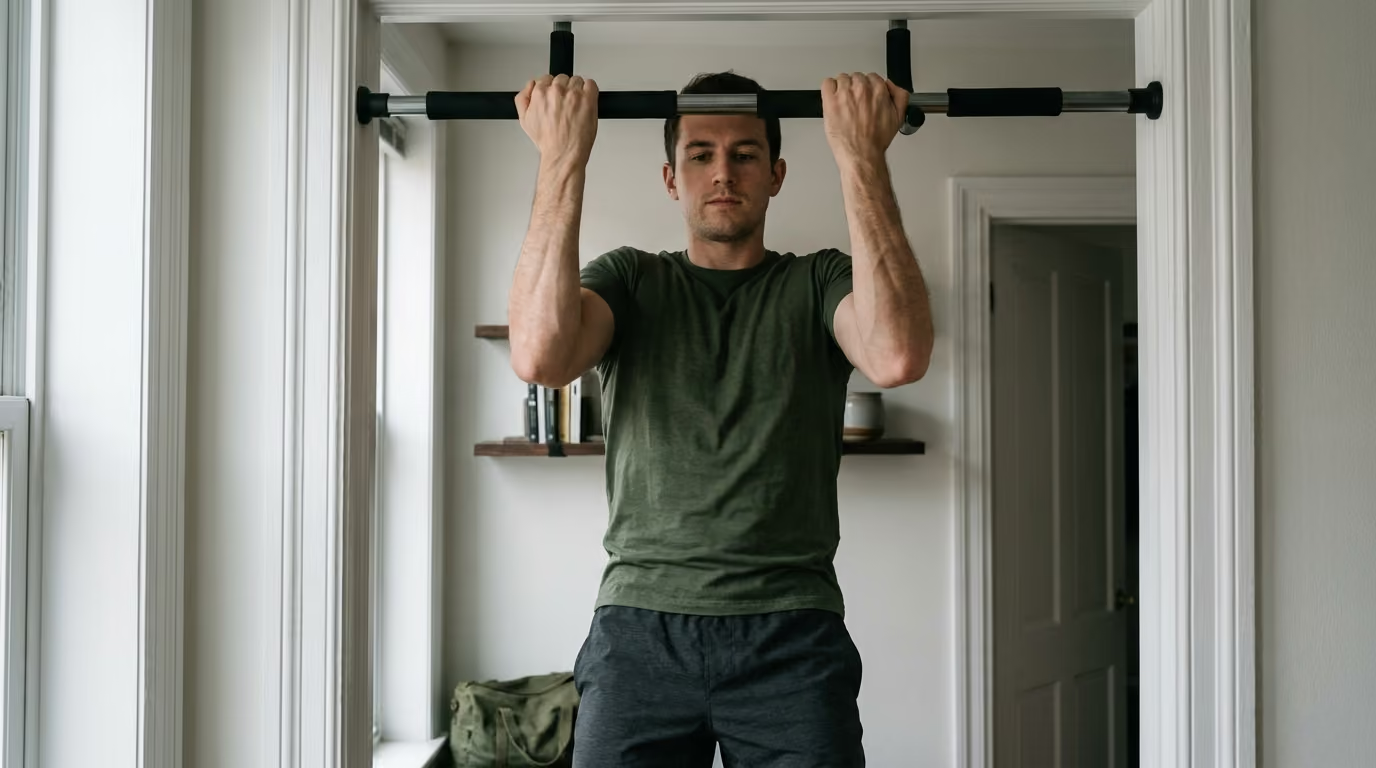
Failing a heavy deadlift or fatiguing during loaded carries signals weak forearms, which you can fix using comprehensive grip training protocols.
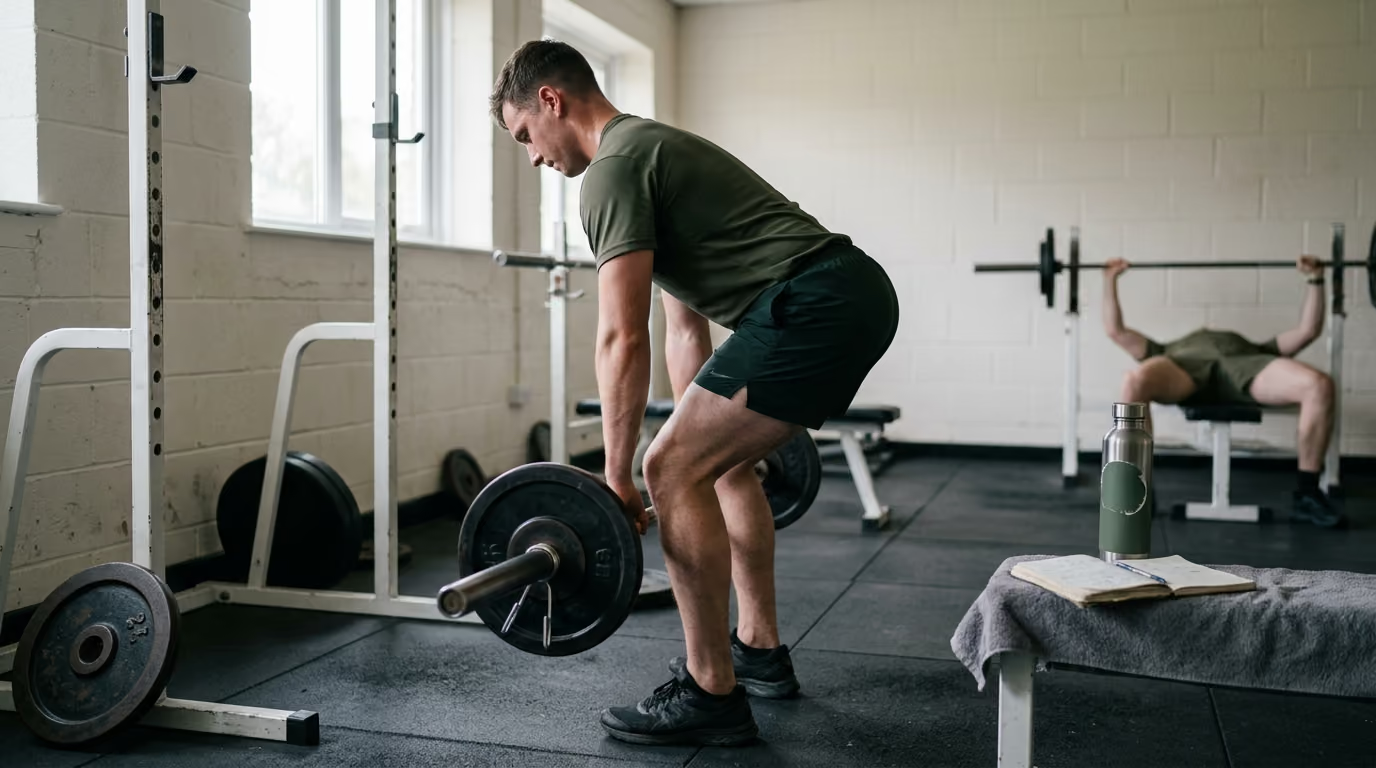
Military physical readiness demands both power and endurance, which tactical service members can achieve by systematically sequencing weekly hybrid training.
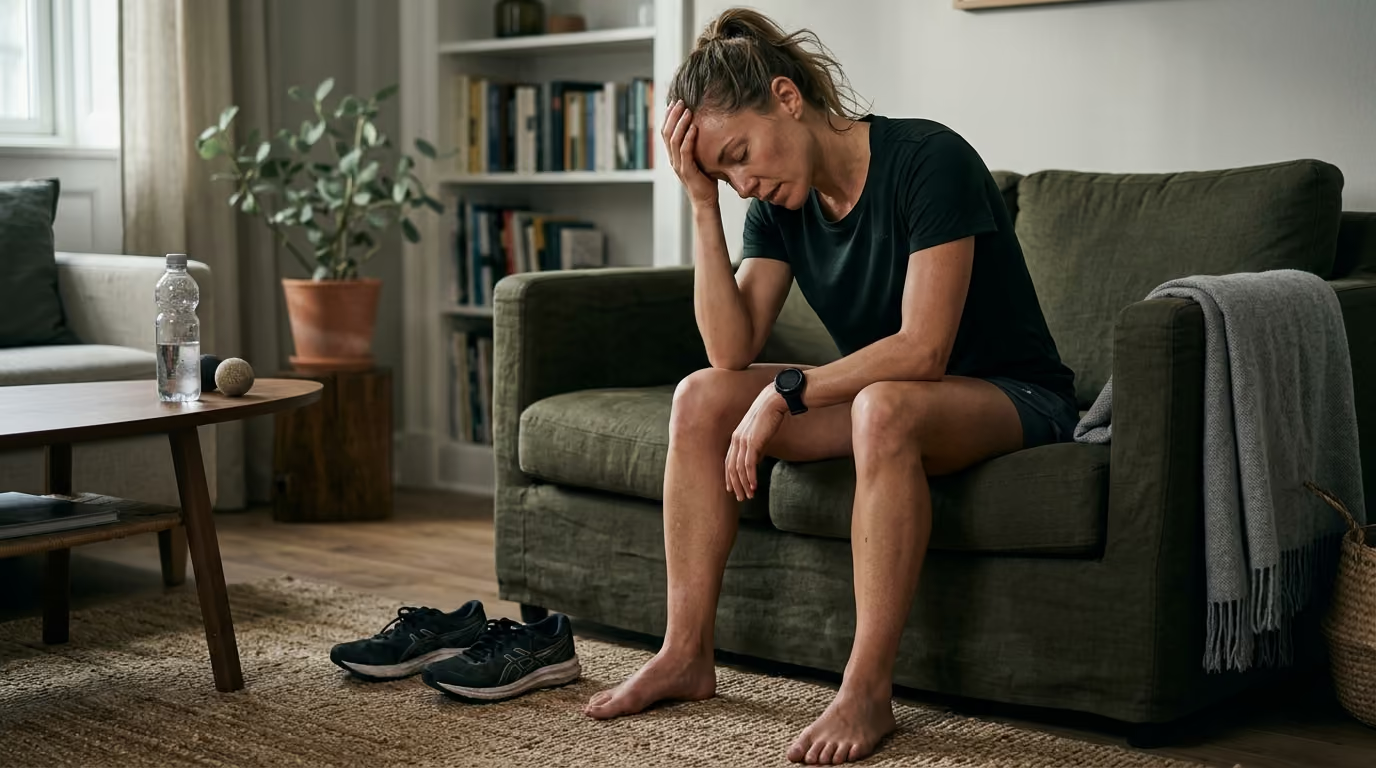
Training fatigue feels like a simple lack of willpower, but it is actually a complex physiological signal that requires strategic workload management.

Proper recovery requires structured load assessment and targeted rest rather than total inactivity to restore biological capacity and prevent injury.
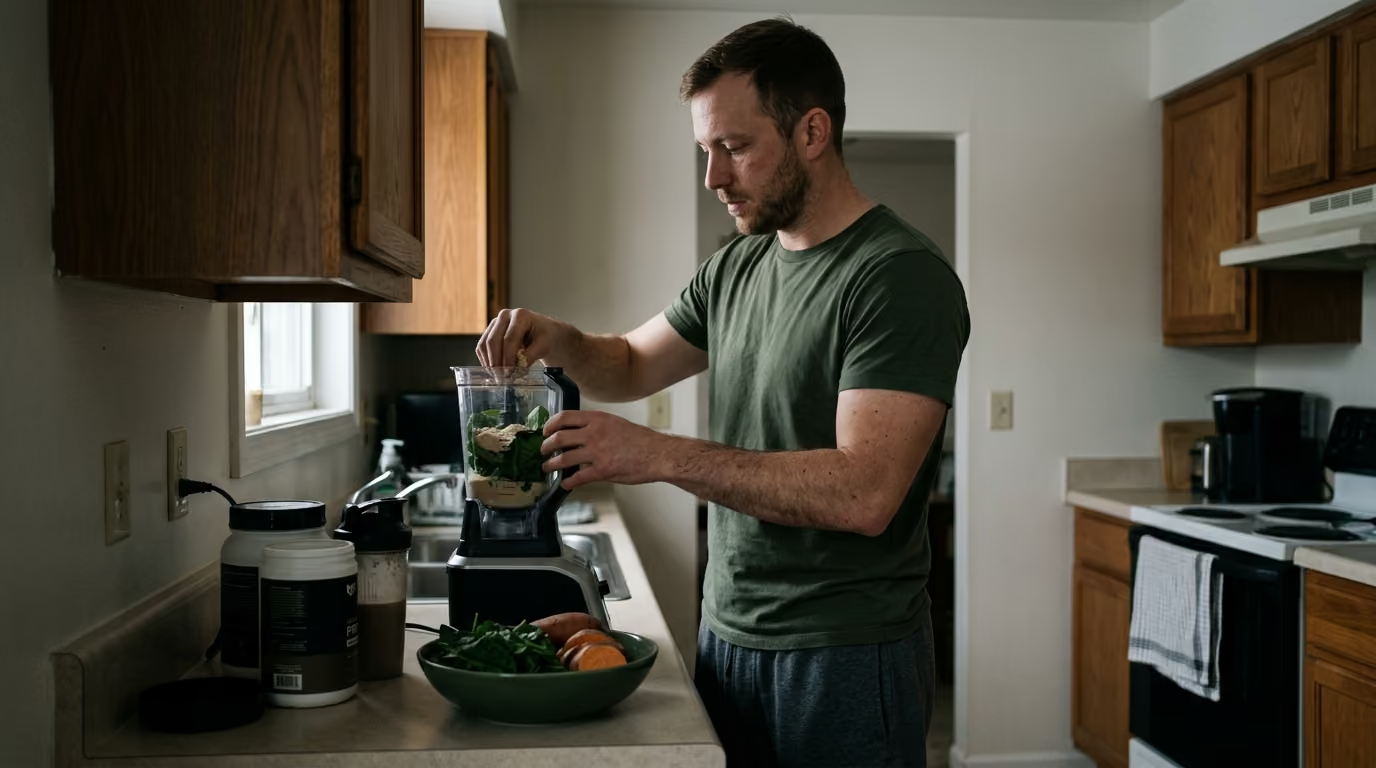
Consuming 20 to 40 grams of protein every few hours helps military personnel rebuild tissue and restore operational energy after tough training.
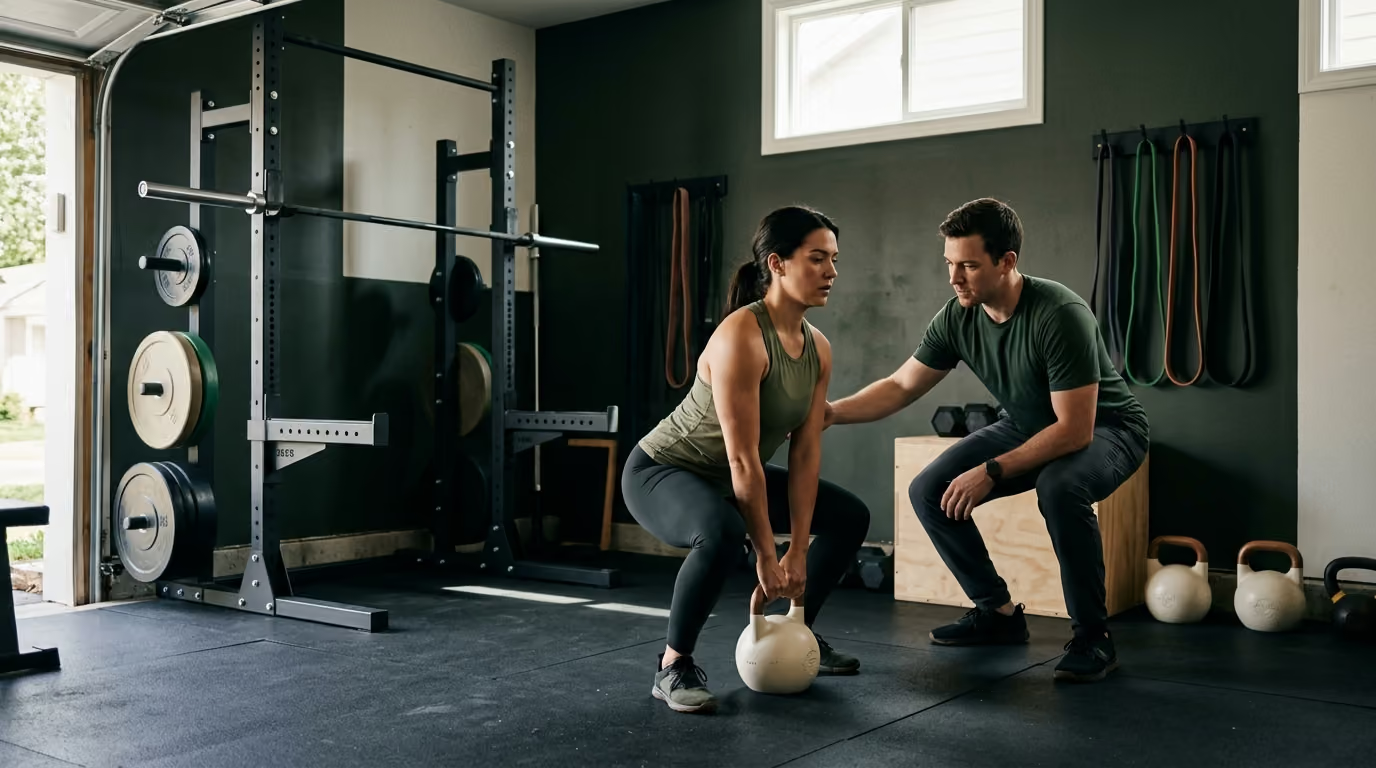
Seven core criteria help lifters evaluate home and gym setups to train major movement patterns safely without expensive gear or wasted travel time.
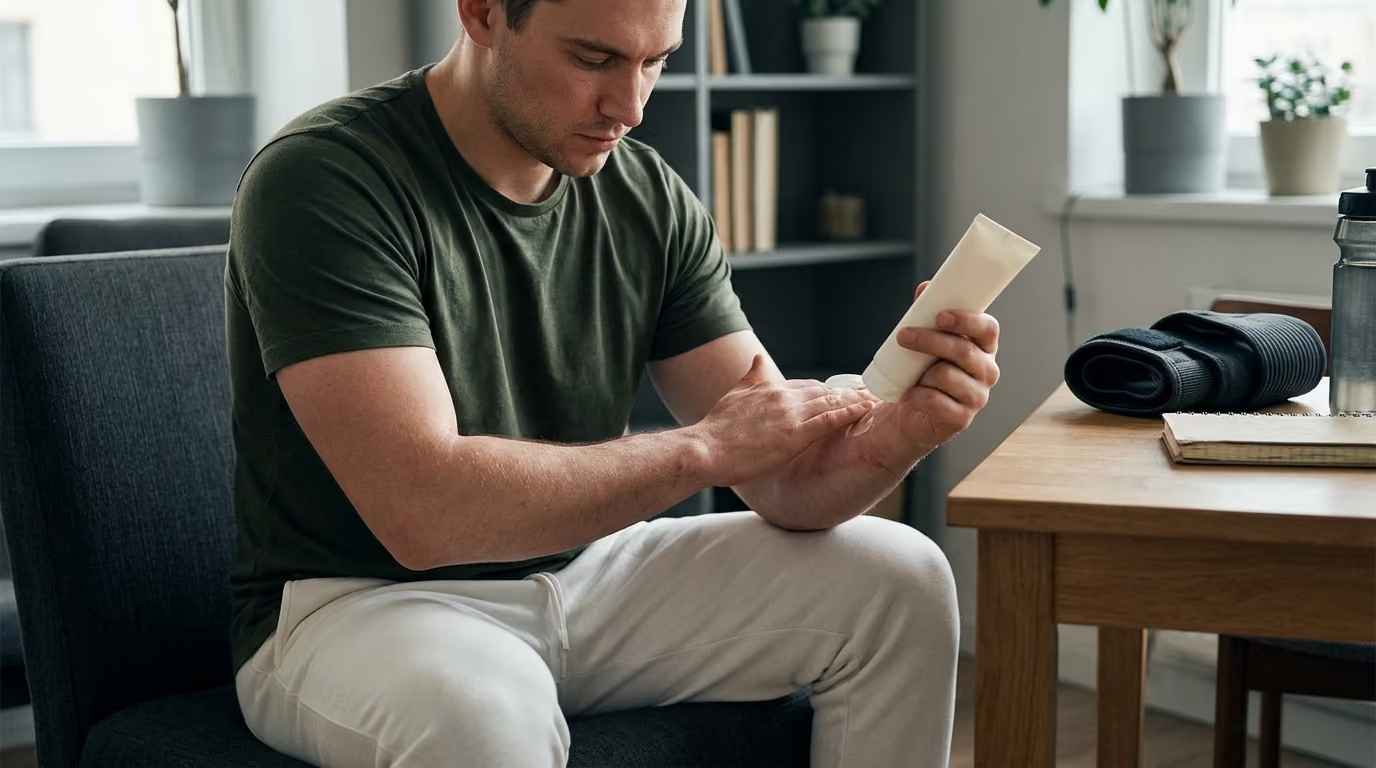
While passive rest seems sufficient, recovering from heavy tactical gear demands active joint mobility, deliberate skin protection, and smart load management.

Discussing sleep issues with a doctor often feels like an interrogation, but clear symptom tracking creates an effective partnership for lasting recovery.
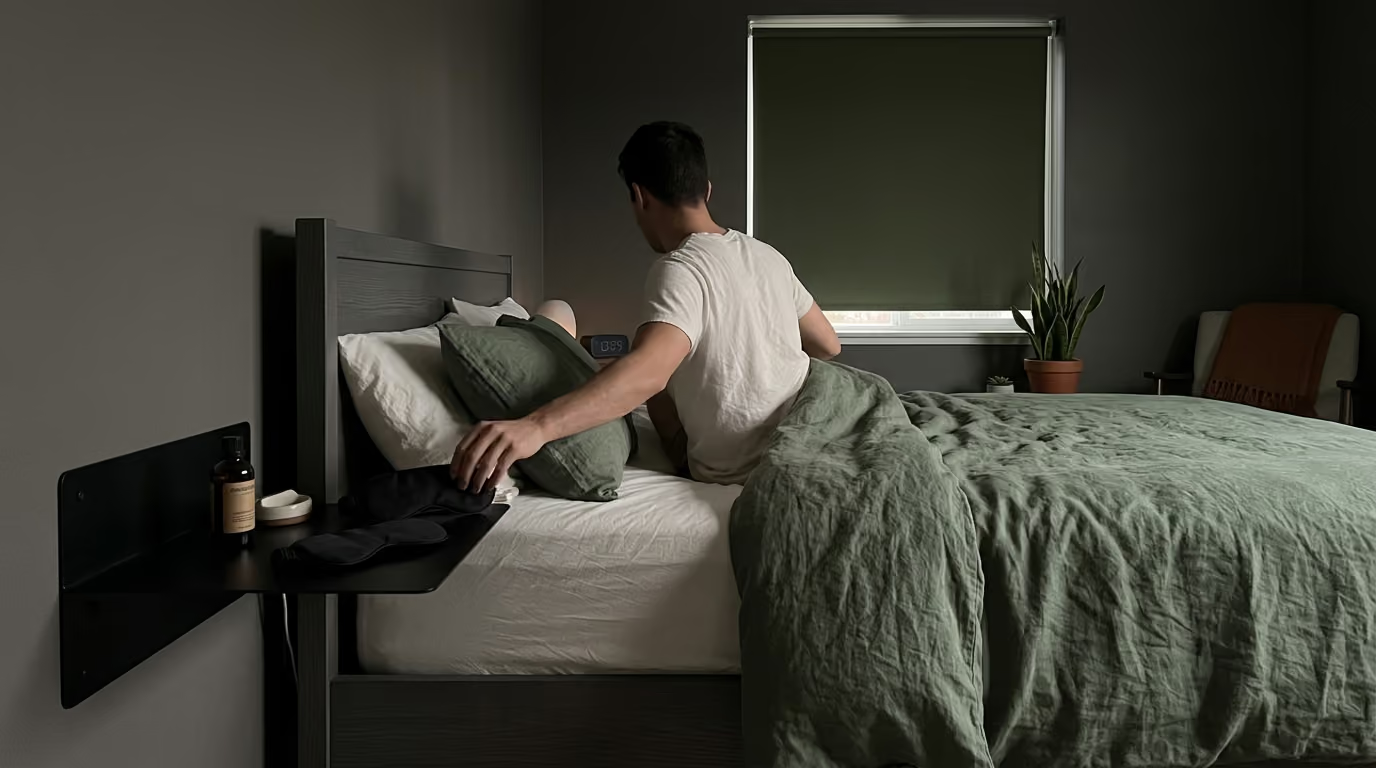
Deeper, uninterrupted sleep becomes achievable anywhere when you apply a practical four-tier framework to master light, sound, and bedroom temperature.
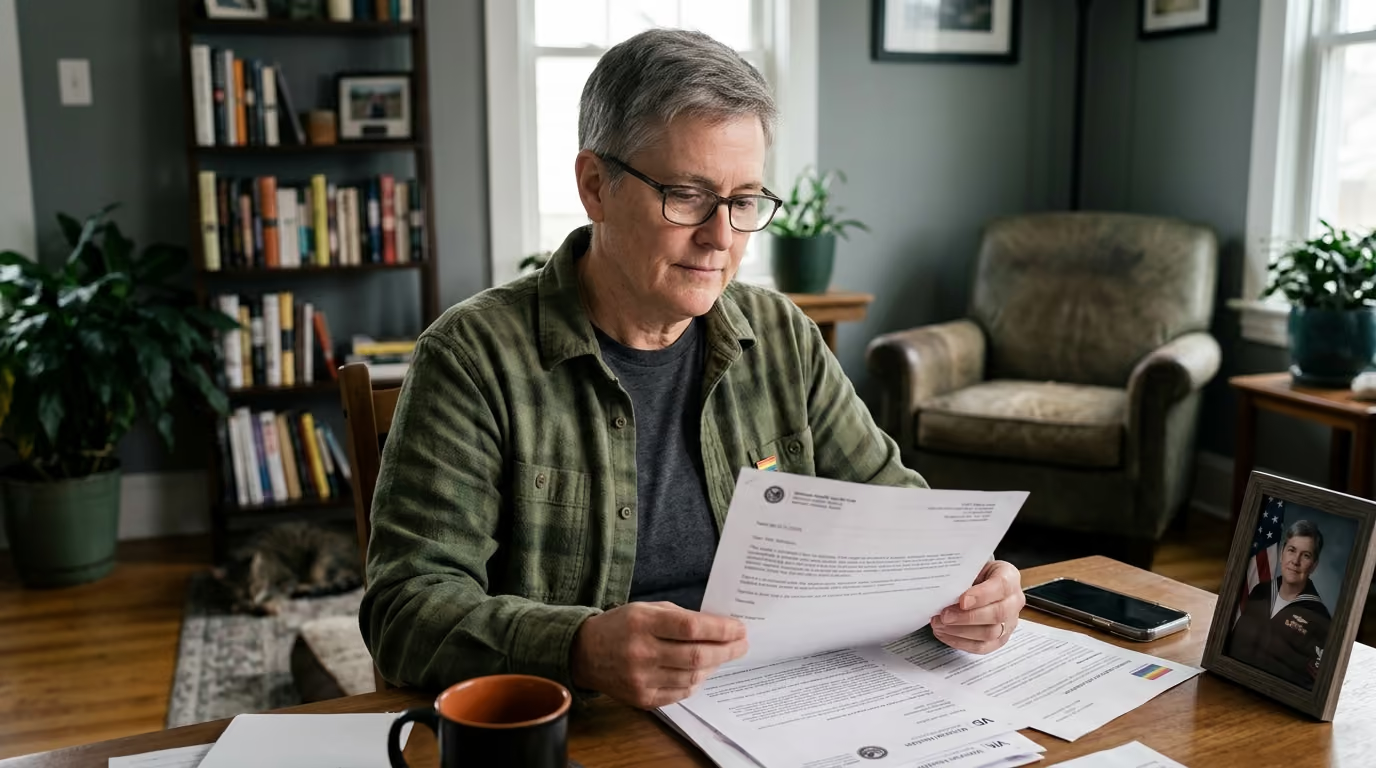
Healthcare services for sexual and gender minority veterans address specific wellness needs while navigating VA systems and patient privacy protections safely.
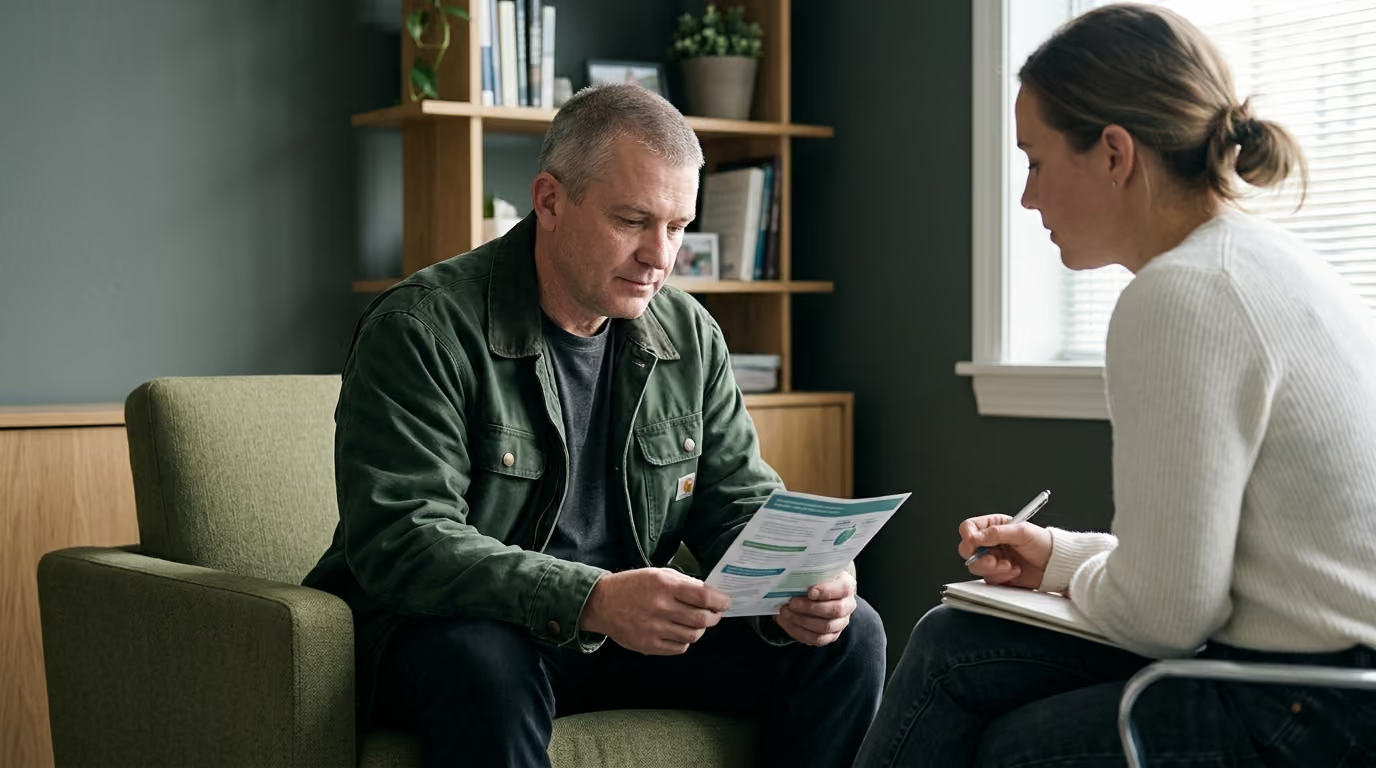
Mental healthcare options for former service members span clinics, community providers, and telehealth services to treat trauma, anxiety, and depression effectively.
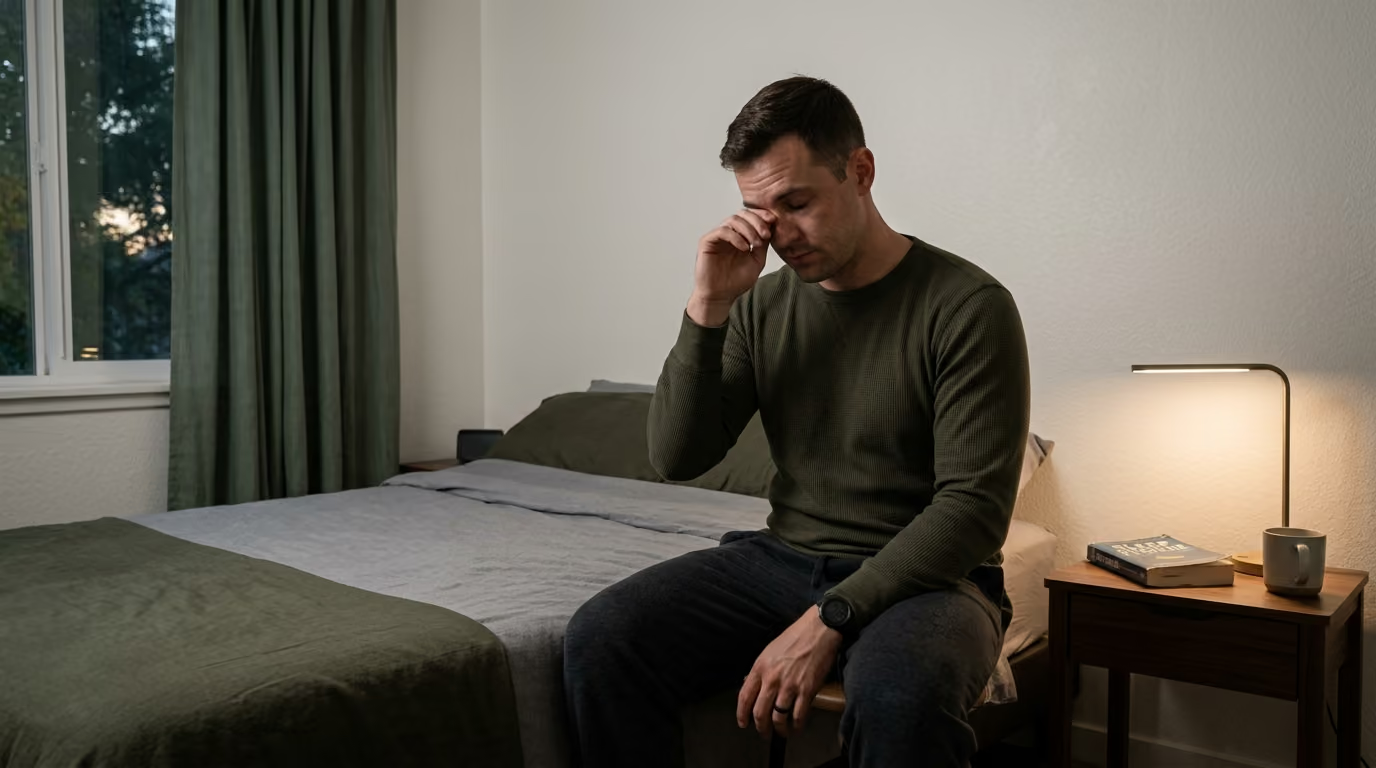
Healthy rest after military life depends on consistent wake times and environmental adjustments that help veterans overcome conditioned insomnia and hyperarousal.
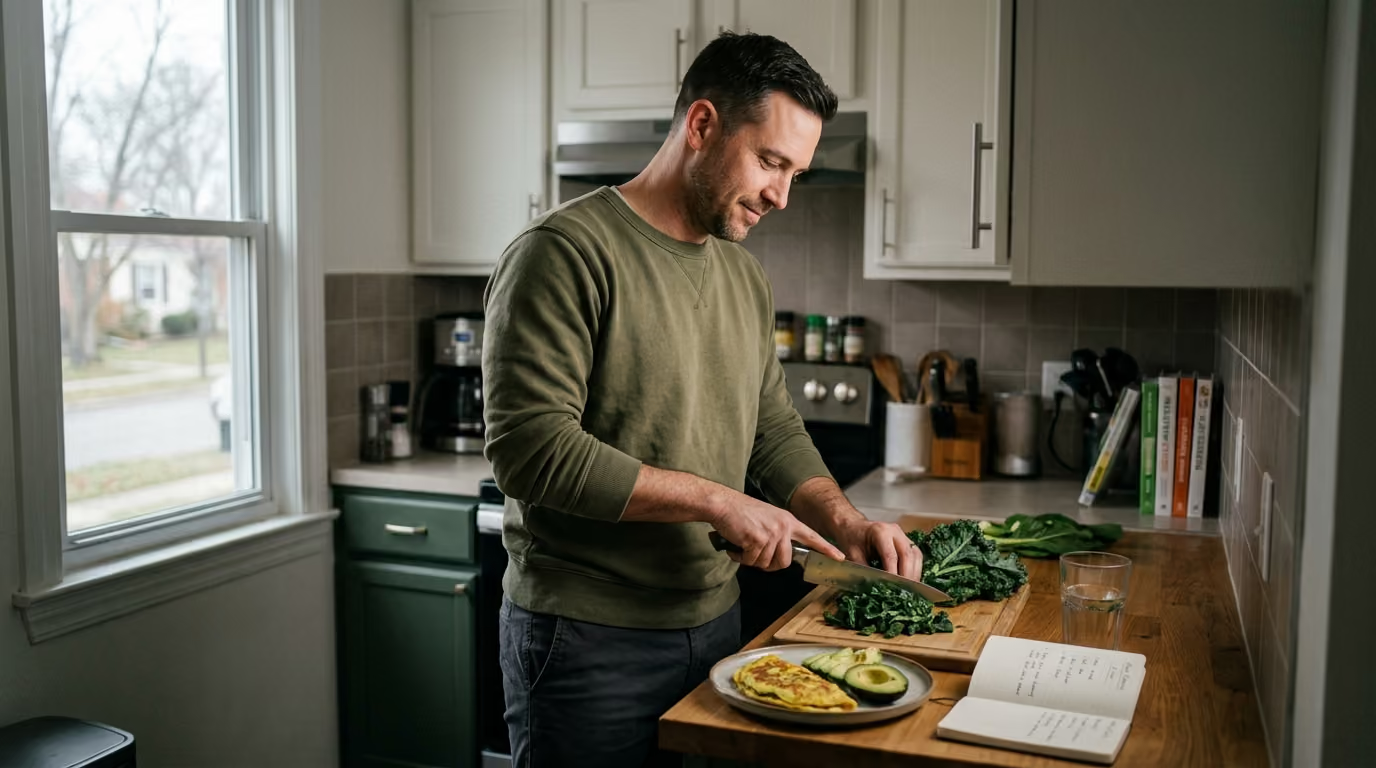
Scale weight often conceals metabolic decline in retired service members, whereas tracking body composition provides actionable insight for long-term health.
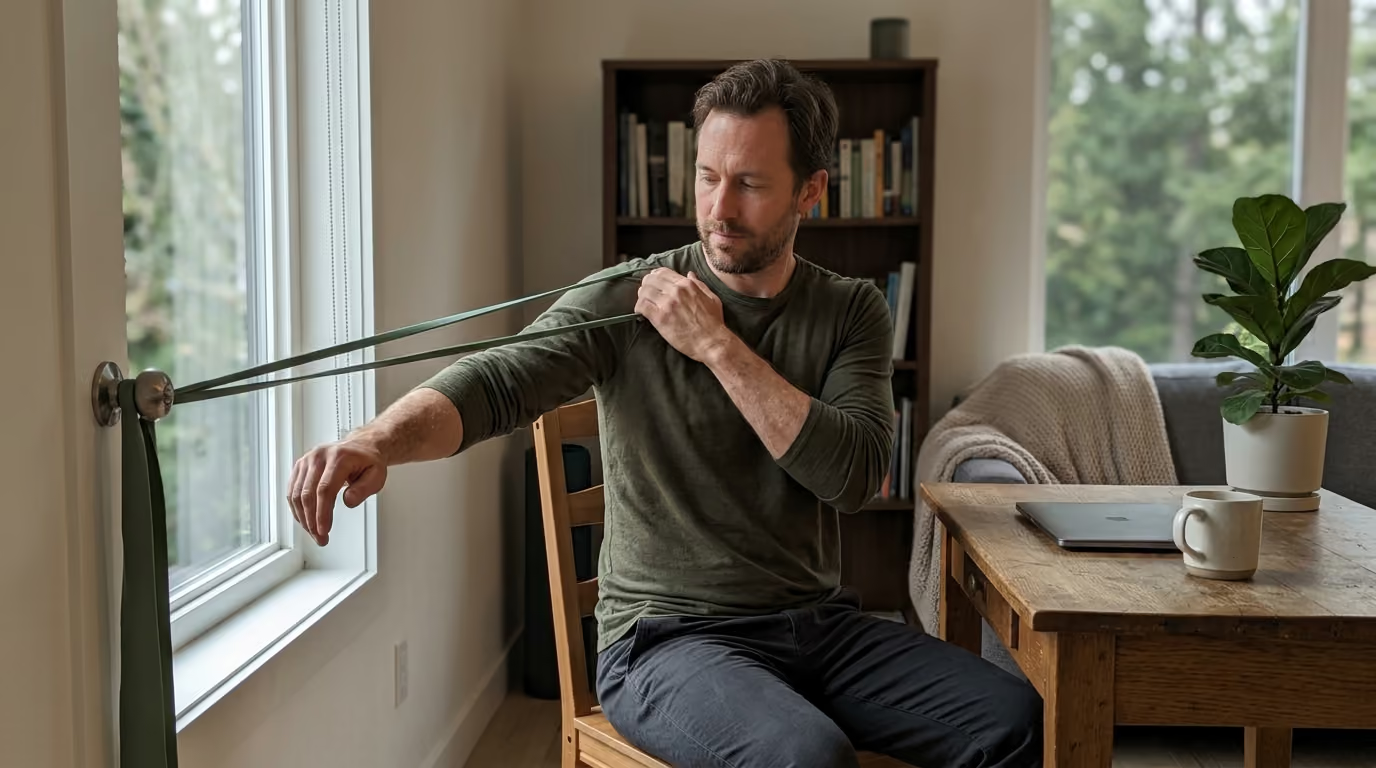
Reaching for a heavy top shelf with a pinching shoulder signals the need for evidence-based rotator cuff strengthening and mobility restoration.
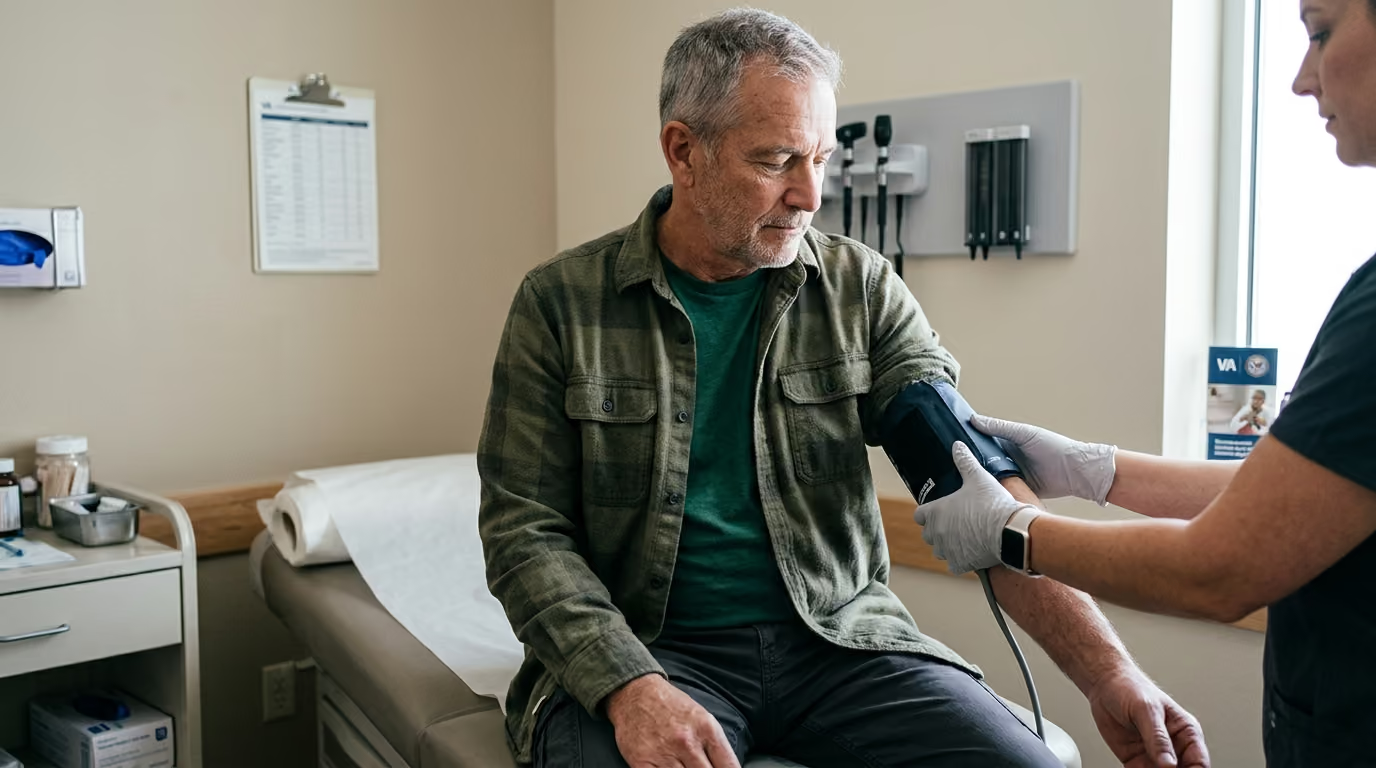
Rising blood sugar combined with chronic service injuries requires sustainable lifestyle adjustments to protect your long term mobility and independent daily functioning.

Targeting 0.5 to 1.0 percent weekly body weight loss helps athletes optimize caloric deficits, macronutrients, and lifting volume to preserve strength.
Build better habits around strength, recovery, sleep, hormones and healthy aging with practical guidance for active military personnel and veterans.
Explore BattleVet