
Rising blood sugar combined with chronic service injuries requires sustainable lifestyle adjustments to protect your long term mobility and independent daily functioning.





You open your routine laboratory results through the patient portal, expecting the usual cholesterol numbers. Instead, your fasting blood glucose sits at 112 milligrams per deciliter, and your glycated hemoglobin shows 5.9 percent. Your joint pain has kept you off your feet, and poor sleep has left you drained for months. These numbers do not mean you have developed type 2 diabetes, but they show that your body is working harder to clear sugar from your blood.
Diabetes prevention is not a short-term weight loss challenge or a rigid temporary diet. It is a long-term strategy for healthy aging that protects mobility, independence, cardiovascular health, and cognitive function across decades of life. This guide outlines how blood sugar regulation changes over time, how service-connected physical limitations affect your metabolic health, and how to take sustainable steps to stay strong and functional.
Long-term diabetes prevention relies on preserving skeletal muscle, improving daily movement, stabilizing nutrition, and identifying prediabetes early before complications develop.
Prediabetes and type 2 diabetes occur when cells become resistant to insulin, leaving excess glucose in the bloodstream. You can prevent or delay progression by losing 5 to 7 percent of your body weight if carrying excess fat, accumulating at least 150 minutes of moderate activity weekly, treating sleep disruption, and undergoing regular blood screening. For veterans with service-related injuries, tailored seated exercises, resistance training, and nutritional adjustments provide equal metabolic protection without worsening chronic pain.
Prediabetes is a metabolic state where blood sugar levels are higher than normal but have not reached the diagnostic threshold for type 2 diabetes. The condition is not a vague or informal label. It is a distinct clinical finding indicating that your insulin signaling is impaired.
According to the Centers for Disease Control and Prevention, prediabetes is defined by specific blood tests. A fasting plasma glucose reading between 100 and 125 milligrams per deciliter indicates prediabetes. An A1c test result between 5.7 percent and 6.4 percent also confirms the condition. The CDC reports that 115.2 million American adults have prediabetes, and roughly eight in ten adults who have it do not know it.
(Note: Visual representation avoided per formatting rules; structured in plain text.)
To understand prediabetes, you must understand insulin resistance. When you eat carbohydrates, your digestive system breaks them down into glucose, which enters your bloodstream. Your pancreas responds by releasing insulin, a hormone that acts like a key to let glucose into your muscle, fat, and liver cells for energy. When cells become resistant to insulin, the pancreas must pump out higher amounts to force glucose out of the blood. Over years, the insulin-producing beta cells in the pancreas can wear down, causing resting blood sugar to climb steadily.
Prediabetes differs fundamentally from other forms of diabetes. Type 1 diabetes is an autoimmune condition where the immune system destroys insulin-producing beta cells, requiring lifelong daily insulin therapy. Gestational diabetes occurs during pregnancy and increases future risk for both parent and child. Secondary diabetes develops as a side effect of other medical conditions, pancreatic damage, or medications such as high-dose corticosteroids.
Healthy aging is defined by functional capability rather than simply avoiding a diagnosis. It means retaining the physical capacity to walk, stand up from a chair, carry groceries, manage personal care, and think clearly. Uncontrolled blood sugar works directly against healthy aging by damaging small capillaries and large arteries throughout the body. When glucose remains elevated over long periods, it damages the kidneys, clouds vision, numbs peripheral nerves, and accelerates cardiovascular disease. Keeping blood sugar in a safe range preserves your physical autonomy and overall vitality as you age.
Military service itself does not cause diabetes, but the long-term physical, mental, and environmental realities of veteran life frequently interact to elevate metabolic risk. National health data shows that veterans experience higher rates of diabetes than the general civilian population.
A national analysis published in peer-reviewed literature using National Health and Nutrition Examination Survey data found that diabetes prevalence among United States veterans reached 20.5 percent. The study noted that undiagnosed diabetes accounted for an additional 3.4 percent of the veteran population. This represented a substantial increase from 2005 data, where veteran prevalence was measured at 15.5 percent.
Separate clinical analyses from the Veterans Health Administration show that approximately 25 percent of veterans receiving care through the VA have diagnosed diabetes. The VA provides healthcare to more than eight million individuals, meaning that over two million active VA patients live with the condition. Furthermore, researchers estimate that nearly three million additional veterans receiving VA care meet the clinical criteria for prediabetes. These datasets draw from different populations, but together they highlight a significant metabolic challenge across the veteran community.
Geographic location and access to care also influence metabolic health. An analysis of Veterans Health Administration data from 2007 through 2012 revealed notable geographic variations in diagnosed diabetes. In urban areas, diabetes prevalence among veterans ranged between 20.5 percent and 21.0 percent. In highly rural regions, prevalence reached 21.1 percent to 22.1 percent, while general rural areas saw rates between 22.3 percent and 23.0 percent. The highest prevalence occurred in insular-island settings, ranging from 31.0 percent to 32.4 percent.
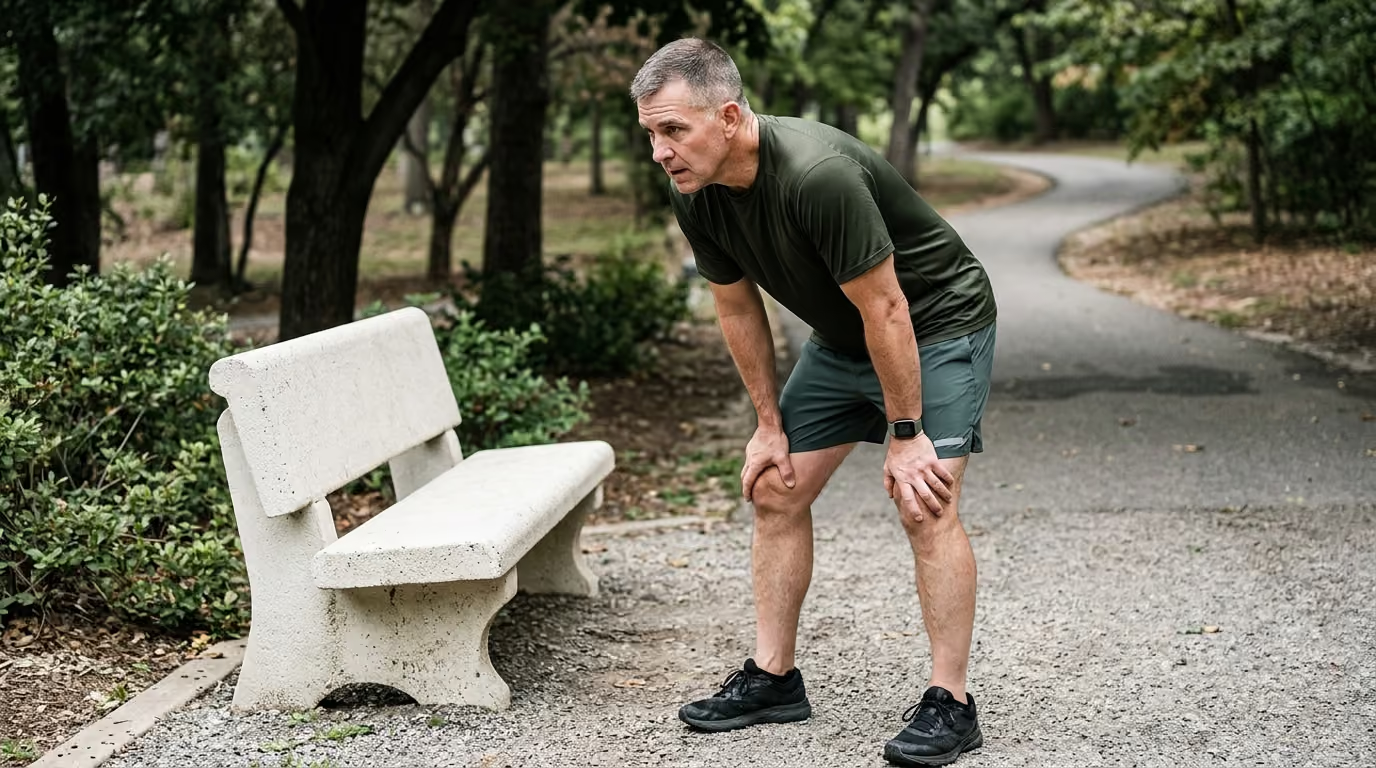
Beyond geography, everyday physical limitations play a large role. Many veterans manage chronic musculoskeletal pain from years of carrying heavy loads, airborne operations, or repetitive stress injuries. Damaged knees, spinal injuries, and joint degeneration often lead to sudden drops in physical activity. When combined with post-traumatic stress, sleep apnea, poor sleep quality, and the metabolic side effects of certain psychiatric or pain medications, the risk for central weight gain and insulin resistance rises significantly. Exploring dedicated longevity resources for veterans can provide deeper insight into how metabolic resilience supports long-term physical independence.
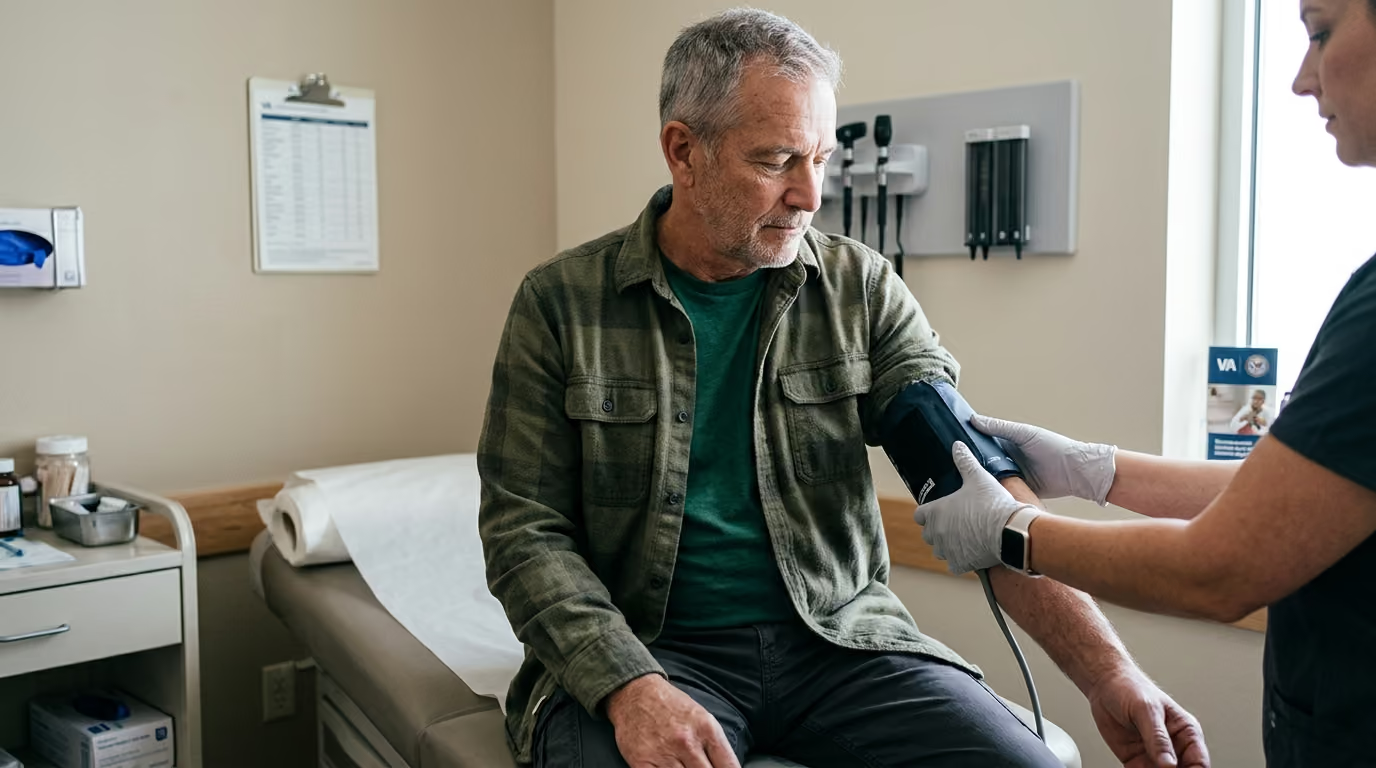
Early detection is essential because prediabetes and early type 2 diabetes rarely produce noticeable symptoms. You cannot rely on physical sensations to tell you whether your blood sugar is elevated. Routine laboratory screening is the only reliable way to catch insulin resistance before it causes tissue damage.
The United States Preventive Services Task Force recommends screening for prediabetes and type 2 diabetes in nonpregnant adults aged 35 to 70 who have overweight or obesity. The USPSTF notes that screening every three years is a reasonable interval after a normal test result. However, your physician may recommend annual or more frequent testing if you have a family history of diabetes, high blood pressure, abnormal blood lipids, sleep apnea, or a history of gestational diabetes. Screening should also occur earlier if you take medications known to alter glucose metabolism, such as atypical antipsychotics or long-term oral steroids.
Three standard laboratory tests are used to evaluate blood glucose control:
The A1c test measures the percentage of your red blood cells that have glucose attached to their hemoglobin. Because red blood cells live for about 120 days, the test provides an accurate estimate of your average blood sugar over the previous two to three months. It does not require fasting, making it convenient for routine clinic visits. An A1c below 5.7 percent is considered normal, 5.7 to 6.4 percent indicates prediabetes, and 6.5 percent or higher on two separate tests confirms diabetes.
This test measures the amount of glucose floating freely in your blood after an overnight fast of at least eight hours. It reflects how well your liver regulates sugar production when you are not eating. A normal fasting plasma glucose result is below 100 milligrams per deciliter. A reading between 100 and 125 milligrams per deciliter indicates prediabetes, while a result of 126 milligrams per deciliter or higher indicates diabetes.
This test evaluates how quickly your body clears a large amount of sugar from your bloodstream. After fasting overnight, you have blood drawn, drink a concentrated sweet liquid containing 75 grams of glucose, and have your blood drawn again two hours later. A two-hour reading below 140 milligrams per deciliter is normal. A reading between 140 and 199 milligrams per deciliter points to prediabetes, and 200 milligrams per deciliter or higher indicates diabetes.
Do not attempt to self-diagnose using a single home finger-stick meter or a consumer continuous glucose monitor. Home devices are useful for tracking patterns, but official diagnosis requires verified laboratory equipment and clinical interpretation.
You should seek prompt medical evaluation if you develop clear warning signs of high blood sugar. These include excessive, unquenchable thirst, frequent urination through the day and night, unexpected weight loss, severe lethargy, blurred vision, tingling or burning sensations in your feet, and skin wounds that take an unusually long time to heal.
Nutritional strategies for diabetes prevention must be practical, affordable, and sustainable for life. Restrictive crash diets that promise rapid weight loss frequently backfire by causing muscle wasting, slowing resting metabolic rate, and triggering rebound weight gain. For long-term health, building consistent eating habits is far more effective than following extreme dietary rules.
The National Institute of Diabetes and Digestive and Kidney Diseases emphasizes that losing 5 to 7 percent of your starting body weight can cut your risk of developing type 2 diabetes by more than half. For a veteran weighing 200 pounds, a 5 to 7 percent reduction translates to losing 10 to 14 pounds. This modest goal is achievable and produces dramatic improvements in liver fat, blood pressure, and insulin sensitivity. The joint clinical practice guideline from the Department of Veterans Affairs and the Department of Defense notes that losing just over 3 percent of body weight can produce measurable metabolic improvements. These guidelines are complementary: a 3 percent drop starts the physiological benefit, while a 5 to 7 percent reduction provides robust long-term protection.
To achieve sustainable weight management without losing strength, focus on food quality and meal structure. Build your daily meals around whole, minimally processed ingredients that digest slowly and keep blood glucose steady.
Eliminating sugar-sweetened beverages is the single most effective dietary modification for glucose control. Liquid sugars such as soda, sweetened iced tea, sports drinks, fruit juices, and sweetened coffee drinks absorb rapidly into the bloodstream, overwhelming the liver and driving insulin spikes. Replacing these drinks with water, unsweetened sparkling water, plain black coffee, or unsweetened tea removes hundreds of empty calories each day.
Older veterans must approach weight loss with care to avoid sarcopenia, which is the age-related loss of skeletal muscle mass and strength. Crash dieting without adequate protein and resistance training causes the body to break down muscle tissue alongside fat. Because skeletal muscle is the primary tissue responsible for clearing glucose from your blood, losing muscle can paradoxically make blood sugar harder to control over time. Older adults, especially those over age 70 or experiencing frailty, should focus on eating sufficient dietary protein and maintaining strength rather than aggressively cutting calories. Consult our strength and body composition guides for practical methods to preserve lean mass while improving metabolic markers.
Adapt your meal planning to your living situation. If you live on a fixed income, rely on frozen vegetables, canned beans, canned tuna, and whole grains, which provide high nutritional value at low cost. If you experience dental problems or swallowing difficulties, choose softer protein sources like eggs, Greek yogurt, ground poultry, and well-cooked lentils.
Physical activity is one of the most powerful tools available for improving insulin sensitivity. When your muscles contract during exercise, they pull glucose directly out of your bloodstream to use for energy through an alternate pathway that does not depend on insulin. This insulin-independent glucose uptake helps lower blood sugar immediately and keeps your cells more sensitive to insulin for up to 48 hours after your workout.
The American Diabetes Association recommends that adults engage in at least 150 minutes of moderate-intensity aerobic exercise each week. This activity should be spread over at least three days, with no more than two consecutive days without physical activity. The ADA also stresses that interrupting prolonged sitting every 30 minutes with light movement improves glucose regulation.
For older adults and individuals with mobility challenges, the activity prescription must adapt to functional capacity rather than following a rigid standard. If you live with service-connected knee injuries, spinal disc disease, or joint pain, high-impact running or heavy lifting may not be safe or practical. You do not need to walk miles every day to gain the metabolic benefits of exercise.
If you cannot exercise for 30 consecutive minutes, break your movement into three 10-minute sessions throughout the day. A 10-minute walk or seated resistance routine after breakfast, lunch, and dinner is highly effective for blunting post-meal blood sugar spikes.
Veterans with peripheral neuropathy, reduced sensation, or prior foot ulcers must take extra precautions during exercise. Reduced nerve sensation prevents you from feeling friction, blisters, or skin breakdown, which can rapidly progress to severe foot infections. Always wear well-fitted, supportive athletic shoes, and never exercise barefoot. Inspect the tops, sides, and bottoms of your feet daily using a hand mirror or asking a family member for assistance. Report any redness, hot spots, blisters, cuts, or non-healing sores to your primary care clinician or podiatrist immediately.
Blood sugar regulation is heavily influenced by sleep duration, sleep quality, and chronic psychological stress. When you experience disrupted sleep or chronic mental tension, your body releases elevated levels of stress hormones, particularly cortisol and adrenaline. These hormones act as counter-regulatory signals that tell the liver to release stored glucose into the blood while making peripheral muscle cells more resistant to insulin.
In its updated clinical standards, the American Diabetes Association formally added sleep health to its core lifestyle guidance, placing sleep on equal footing with nutrition and physical exercise for diabetes prevention. The ADA recommends that healthcare teams routinely screen patients for sleep disorders, chronic insomnia, and sleep disruption.
Veterans face unique sleep challenges. Conditions such as obstructive sleep apnea, combat-related nightmares, chronic pain flare-ups, and post-traumatic stress disorder often fracture sleep architecture. Obstructive sleep apnea causes repeated drops in blood oxygen levels throughout the night, triggering surges of adrenaline that drive morning blood sugar higher. If you wake up with morning headaches, snore loudly, feel unrefreshed after eight hours in bed, or struggle with daytime sleepiness, ask your VA doctor for a formal sleep study.
Chronic stress, depression, and post-traumatic stress also interfere with metabolic control by driving emotional eating, reducing the motivation to exercise, and promoting the accumulation of visceral belly fat. When treating metabolic risk, mental health care is not separate from physical care. Seeking evidence-based treatment for PTSD, engaging in stress management programs, and reviewing your sleep and resilience research can significantly improve your ability to sustain long-term physical routines.
Lifestyle changes form the foundation of diabetes prevention, but they are not always sufficient on their own. Age, genetic predisposition, family history, and long-standing metabolic changes can cause blood sugar to rise despite consistent efforts with diet and exercise. Taking a prescribed medication is not a personal failure; it is an evidence-based medical tool used to preserve organ function and support healthy aging.
For individuals with prediabetes who remain at high risk after attempting lifestyle changes, clinical guidelines from the VA and DoD suggest evaluating whether preventive medication is appropriate. Metformin is the most widely studied medication for prediabetes. It works primarily by reducing the amount of glucose produced by the liver and improving insulin sensitivity in muscle tissue. The VA/DoD guideline recommends that clinicians carefully evaluate patient age, body mass index, co-existing health conditions, kidney function, and overall life expectancy before prescribing preventive pharmacotherapy.
If your doctor prescribes medication for prediabetes, blood pressure, or cholesterol, adhere strictly to the treatment plan:
Distinguish between intentional non-adherence and practical access barriers. Many veterans miss doses not because they refuse treatment, but because of high prescription copayments, long distances to the nearest pharmacy, confusing multi-drug schedules, or cognitive fatigue. If you struggle with obtaining or organizing your medications, speak openly with your VA clinical pharmacist. The VA can provide 90-day supplies via mail order, simplify your dosing schedule, or supply easy-to-use blister packaging.
For older veterans taking blood sugar-lowering medications, avoiding hypoglycemia is a primary safety concern. Hypoglycemia occurs when blood sugar drops below 70 milligrams per deciliter, causing shakiness, dizziness, confusion, rapid heartbeat, and sweating. In older adults, hypoglycemia significantly increases the risk of falls, bone fractures, car accidents, and acute cardiovascular events. If you take medications that can lower blood sugar, discuss your safe target glucose ranges with your doctor.
Preventing diabetes-related complications requires consistent, structured clinical monitoring. Because high blood sugar damages blood vessels silently, waiting for symptoms to appear before seeing a doctor can lead to irreversible nerve or organ damage. Establishing a predictable schedule with your primary care team protects your vascular health as you age.
Cardiovascular protection is a central pillar of diabetes prevention. Type 2 diabetes doubles or triples the risk of heart attacks, strokes, and peripheral artery disease. Controlling blood pressure, maintaining healthy LDL cholesterol levels, quitting commercial tobacco use, and staying physically active protect your heart and blood vessels just as effectively as lowering blood sugar.
Kidney function requires careful surveillance because diabetes and prediabetes place extra strain on the delicate filtering units inside your kidneys. Research published in medical literature reviewing veteran populations indicates that kidney disease was documented in 10.7 percent of veterans living with diabetes. Because early kidney disease produces no symptoms, annual urine albumin tests and blood creatinine checks are essential for detecting early changes when treatments can still halt progression.
Staying up to date on recommended adult vaccinations is also vital for metabolic health. Infections such as influenza, COVID-19, respiratory syncytial virus, pneumonia, and shingles place acute metabolic stress on the body and can cause dangerous blood sugar spikes. Consult your VA primary care team or reference current CDC immunization schedules to ensure your vaccines remain current based on your age and health status.
Veterans enrolled in the VA healthcare system have access to specialized programs designed specifically for weight management and diabetes prevention. These programs eliminate many of the financial and structural barriers associated with commercial wellness programs.
The primary nationwide lifestyle intervention within the VA is the MOVE! Weight Management Program. MOVE! is an evidence-based lifestyle program led by multidisciplinary teams including registered dietitians, physical therapists, health psychologists, and nurses. The curriculum uses principles from the national Diabetes Prevention Program, teaching veterans practical strategies for portion control, healthy food choices, progressive physical activity, and behavioral goal setting.
The VA has also conducted extensive research comparing different delivery models for diabetes prevention. In a clinical trial involving 387 overweight or obese veterans with prediabetes, researchers compared the VA Diabetes Prevention Program to the standard MOVE! program. At six months, participants in the VA DPP group achieved an average weight loss of 9.0 pounds compared to 4.2 pounds in the MOVE! group. By 12 months, both groups retained significant progress, with average weight losses of 7.5 pounds in the DPP group and 4.4 pounds in the MOVE! group.
In another evaluation examining an online, digitally delivered DPP format, participating veterans lost an average of 10.6 pounds at six months and 8.08 pounds at one year. In that specific comparison group, traditional MOVE! participants averaged 2.4 pounds lost at six months and 0.2 pounds at one year. These studies show that structured, intensive coaching models produce durable weight loss and that digital options provide effective alternatives for veterans unable to attend in-person clinics.
To learn more about coordinating your appointments, securing travel assistance, and managing clinical benefits, explore our detailed veteran healthcare systems and lifestyle adjustments reference materials.
Applying clinical prevention guidelines to daily life requires adjusting for individual physical abilities, living environments, and health histories. The following case patterns demonstrate how to translate evidence-based guidance into workable daily routines.
A 58-year-old veteran visits the clinic for a routine checkup. His A1c returns at 6.0 percent, his blood pressure is 134/84 mmHg, and he weighs 215 pounds. He has no chronic pain and can walk without restriction.
A 46-year-old veteran uses a manual wheelchair due to a service-connected lower-body injury. He has gained 20 pounds over three years and has a fasting blood sugar reading of 108 milligrams per deciliter.
An 82-year-old veteran has an A1c of 5.8 percent, a history of two recent falls, and unintentional loss of five pounds of muscle mass over the previous year.
A 64-year-old veteran lives 65 miles from the nearest VA medical center. Laboratory tests indicate prediabetes, but transportation to weekly in-person classes is impossible.
For broader perspectives on maintaining resilience throughout your retirement years, review our evidence-based strategies for healthy aging.
This article is provided for educational and informational purposes only. It does not provide medical advice, diagnosis, treatment, or individualized healthcare recommendations. Diabetes screening intervals, medication regimens, dietary changes, and physical exercise intensity must be customized to your personal medical history, kidney function, cardiovascular status, and physical capacity. Always consult a qualified healthcare provider, such as your VA primary care physician, registered dietitian, or physical therapist, before making significant changes to your diet, exercise routine, or prescribed medication schedule.
Prediabetes is not permanent. In many cases, blood sugar levels can return to the normal range through modest weight loss, improved nutrition, increased physical activity, and restorative sleep. Even if laboratory values remain slightly elevated, maintaining healthy habits significantly reduces the risk of progressing to type 2 diabetes and protects your cardiovascular system.
Skeletal muscle is the primary tissue in the human body responsible for clearing glucose from your bloodstream after you eat. When you perform resistance training, your muscles become more sensitive to insulin and pull glucose directly into muscle cells even when insulin levels are low. Preserving and building muscle as you age creates a larger metabolic reservoir for clearing dietary carbohydrates.
No, you do not need to eliminate all carbohydrates. The key is choosing high-fiber, complex carbohydrates that digest slowly, such as lentils, beans, oats, quinoa, berries, and nonstarchy vegetables. You should focus on reducing refined carbohydrates, added sugars, white flour, and sugar-sweetened beverages, which cause rapid spikes in blood glucose.
If walking causes pain, switch to non-impact or seated physical activities. Exercises such as seated resistance band work, recumbent cycling, water aerobics, swimming, and tabletop arm ergometry provide substantial cardiovascular and metabolic benefits without loading painful joints. A physical therapist can design a movement plan tailored to your specific injuries.
Follow BattleVet for practical guidance on military and veteran health, strength, recovery, testosterone, sleep and healthy aging. Stay connected for new articles, research backed insights and clear information to help you stay capable for the years ahead.


Build better habits around strength, recovery, sleep, hormones and healthy aging with practical guidance for active military personnel and veterans.
Explore BattleVet