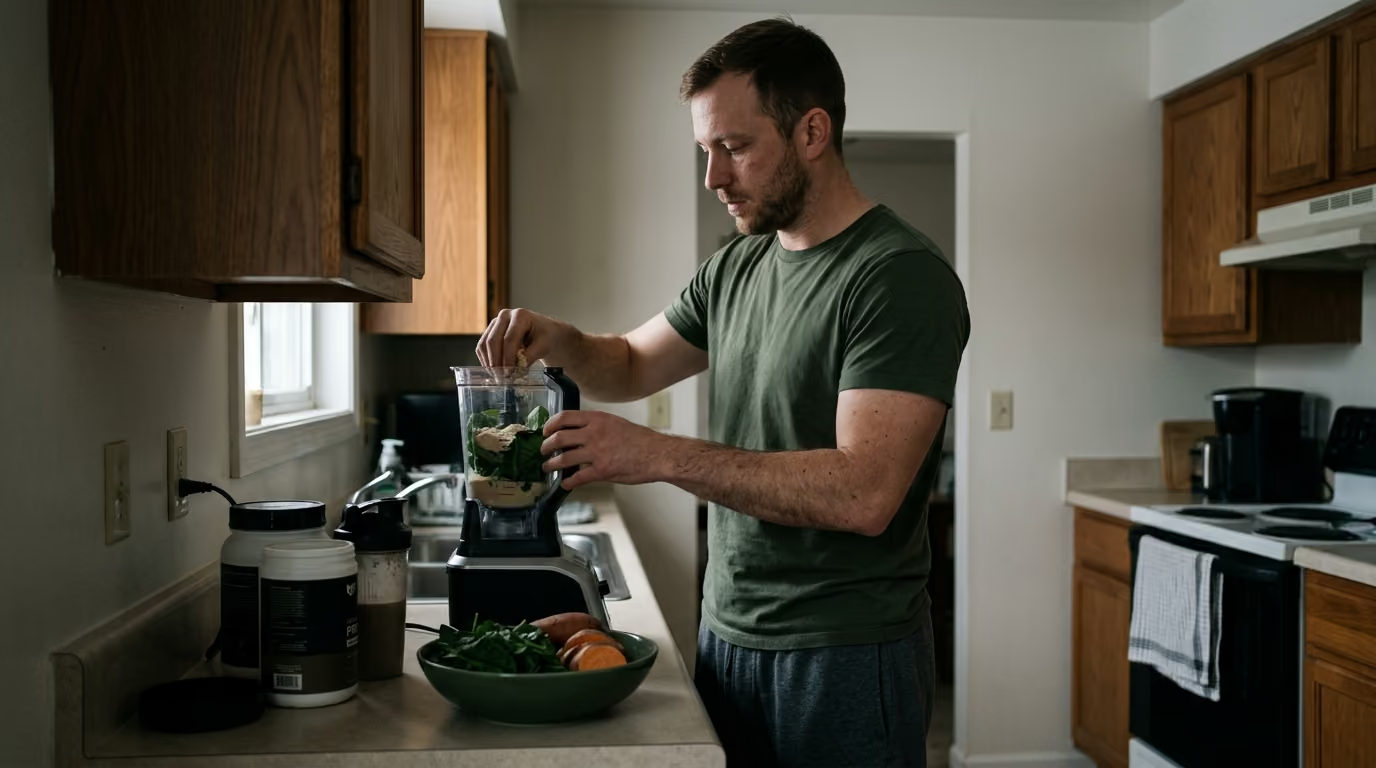

Consuming 20 to 40 grams of protein every few hours helps military personnel rebuild tissue and restore operational energy after tough training.





You wake up feeling heavy, sore, and unrefreshed despite getting seven hours of sleep. Your joints ache after yesterday's ruck march or heavy lifting session, and your afternoon energy consistently drops. Many active personnel and veterans turn to online searches looking for recovery nutrition protocols, hoping to find a clear solution for lingering fatigue and stalled physical progress. This guide provides a definitive, research backed system to fuel your body, rebuild tissue, and restore operational capability without relying on restrictive fad diets.
Nutrition for physical recovery requires a systematic approach centered on total energy balance, regular protein distribution, workload matched carbohydrates, sufficient dietary fats, precise fluid replacement, and targeted micronutrients.
To optimize recovery, service members and veterans must first consume enough total calories to prevent energy deficits, distribute 20 to 40 grams of high quality protein every three to four hours, scale carbohydrate intake between 4 and 8 grams per kilogram of body weight during heavy training periods, and replace lost fluids at a rate of 16 ounces per pound of body mass lost during exertion.
Physical recovery is far more complex than simply waiting for muscle soreness to fade. After intense training, field operations, or demanding occupational work, your body undergoes systemic stress that affects several biological systems at once. True recovery requires the coordinated restoration of cellular energy, the repair of microscopic muscle tears, the replenishment of fluid reservoirs, and the rebalancing of your endocrine and immune systems.
Muscle glycogen serves as your primary fuel during high intensity, intermittent, and loaded movement. When glycogen stores are depleted during prolonged exertion, physical output declines, cognitive reaction times slow down, and your susceptibility to injury increases. Restoring these carbohydrate reserves inside muscle cells and the liver is a central biological requirement of recovery. Without deliberate carbohydrate replenishment, your muscles remain in an energy depleted state that impairs subsequent performance.
Tissue remodeling occurs simultaneously as your body repairs structural proteins in skeletal muscle, tendons, ligaments, and bone matrix. Demanding physical activity creates micro trauma within muscle fibers, triggering an inflammatory response that initiates healing. To shift your physiology from a catabolic state of breakdown to an anabolic state of repair, your body requires a steady supply of essential amino acids. These building blocks stimulate muscle protein synthesis, allowing tissues to rebuild stronger than before.
Recovery also involves neural, endocrine, and immune restoration. Prolonged physical exertion elevates circulating stress hormones like cortisol while temporarily suppressing mucosal and systemic immune markers. Providing adequate nutrients helps normalize hormone levels, supports white blood cell production, and reduces the risk of upper respiratory infections. Exploring structured nutritional strategies for physical restoration provides the practical foundation needed to sustain these biological processes over months and years.
Veterans often experience recovery challenges that differ markedly from active duty personnel. While active personnel typically focus on rapid turnaround between consecutive training bouts, veterans frequently manage joint degeneration, chronic pain, metabolic shifts, and reduced total physical activity. For a veteran recovering from orthopedic surgery or rehabilitating a service connected injury, the goal shifts toward preserving lean muscle mass without consuming excess calories. Recovery nutrition must always be tailored to the individual's current physical demands, health status, and long term functional goals.
The most critical factor in recovery nutrition is total energy balance. No combination of post workout shakes, vitamins, or supplements can compensate for a chronic daily calorie deficit. Energy intake refers to all calories consumed through food and beverages, while energy expenditure includes your resting metabolic rate, the thermal effect of feeding, daily occupational movement, and physical exercise. When energy intake consistently falls below total expenditure, your body enters a state known as low energy availability.
Military reference standards outline broad daily energy requirements for tactical personnel. Standard planning figures suggest roughly 3,400 calories per day for active males and approximately 2,300 calories per day for active females. United States Army nutritional guidance further stratifies daily requirements based on operational intensity. Under light training conditions, daily energy needs average around 3,000 calories for men and 2,100 calories for women. During sustained heavy physical activity, these requirements rise to approximately 3,700 calories for men and 2,700 calories for women, with extreme field environments requiring even more.
These numbers serve as general planning baselines rather than rigid personal targets. An individual's true energy expenditure varies widely based on body mass, biological sex, ambient temperature, equipment load, and daily mileage. For example, rucking across rough terrain with a 45 pound pack dramatically elevates energy expenditure far beyond standard gym workouts. If daily food intake does not scale up to match these demands, physical recovery quickly stalls.
Low energy availability occurs when the energy left over after exercise is insufficient to maintain normal physiological functions. The International Olympic Committee has established that prolonged exposure to low energy availability can lead to Relative Energy Deficiency in Sport, also known as REDs. While initially identified in competitive sports, this clinical condition is highly relevant to military service members exposed to sustained field training, limited rations, appetite suppression, or rapid weight cutting.
Chronic low energy availability triggers several systemic health complications:
Monitoring your energy balance requires attention to subtle performance and health indicators. Persistent fatigue, unexplainable drops in strength, unintentional weight loss, frequent minor illnesses, and slow healing of minor injuries are warning signs that you are underfueled. If you suspect severe low energy availability, you should seek a comprehensive clinical evaluation from a qualified medical professional. Pairing proper fueling with comprehensive sleep and recovery protocols ensures your hormonal and metabolic systems remain resilient under physical stress.
Protein provides the essential amino acids required to repair damaged muscle fibers, synthesize enzymes, support immune cells, and rebuild connective tissue. For service members and veterans, optimizing protein intake is essential for maintaining physical capability, accelerating rehabilitation, and protecting lean mass during demanding training cycles or periods of caloric restriction.
General military guidance reports a baseline protein range of 0.8 to 1.6 grams per kilogram of body weight per day. However, this lower baseline is primarily intended to prevent nutritional deficiency in sedentary conditions. Sports nutrition research and tactical position stands consistently show that exercising individuals require higher intakes, typically between 1.4 and 2.0 grams of protein per kilogram of body weight daily. For females across various phases of hormonal function, research supports a target range of 1.4 to 2.2 grams per kilogram per day to optimize recovery and lean tissue preservation.
An 85 kilogram service member engaged in rigorous physical training should aim for roughly 119 to 170 grams of protein daily. If that same individual is operating in a calorie deficit to cut body fat, keeping protein near the upper end of that range helps prevent the breakdown of existing skeletal muscle.
Total daily protein quantity is important, but how you distribute that protein across the day strongly influences muscle protein synthesis. Eating a minimal amount of protein at breakfast, a light lunch, and a massive 90 gram serving at dinner is suboptimal for tissue repair. Research shows that muscle protein synthesis is maximized when high quality protein is provided in moderate doses of roughly 0.25 to 0.30 grams per kilogram per meal, consumed every three to four hours.
For most adults, this translates to a practical meal target of 20 to 40 grams of protein per feeding. Distributing your intake across three main meals and one or two snacks ensures that your muscles receive a steady supply of amino acids throughout waking hours. An evening protein feeding of 20 to 30 grams before sleep can also support overnight tissue remodeling and recovery.
Protein quality depends on the concentration of essential amino acids, which your body cannot manufacture on its own. Leucine is particularly important because it serves as the primary biochemical trigger that activates the mTOR signaling pathway, initiating muscle protein synthesis. High quality, leucine rich whole food sources include:
While animal proteins naturally contain complete amino acid profiles with high leucine content, service members following plant based diets can easily meet their recovery needs. Achieving this requires combining diverse plant sources, such as grains with legumes, or consuming slightly larger serving sizes to reach the required amino acid threshold. Structuring meals around high quality protein supports long term body composition and strength maintenance across every phase of military and veteran life.
Carbohydrates are the primary fuel source for the central nervous system and the working musculature during moderate to high intensity exertion. Despite popular dietary trends that restrict carbohydrates, tactical research clearly demonstrates that carbohydrate availability directly dictates endurance, work capacity, and cognitive clarity during prolonged physical stress.
Tactical nutrition position stands recommend consuming 4 to 8 grams of carbohydrate per kilogram of body weight per day during sustained, intense training. For extreme operational scenarios involving multi-day field exercises or prolonged endurance movements, carbohydrate needs can rise as high as 8 to 10 grams per kilogram. In general military dietary guidelines, carbohydrates typically make up roughly 50 to 55 percent of total daily calories when total energy intake is adequate.
Carbohydrate periodization involves matching your carbohydrate intake to your daily physical output:
On days with minimal physical exertion, lower carbohydrate targets of 3 to 4 grams per kilogram of body weight are sufficient to maintain baseline glycogen stores while allowing room for healthy fats and protein.
For standard training days involving one to two hours of lifting or conditioning, moderate intakes of 4 to 6 grams per kilogram provide steady energy and prevent performance declines.
During heavy loaded rucking, high mileage endurance blocks, or multi-session days, high intakes of 6 to 8 or more grams per kilogram are necessary to sustain glycogen reserves and accelerate recovery.
When training sessions or field movements extend beyond 70 to 90 minutes, intra-workout carbohydrate consumption becomes valuable. Consuming 30 to 60 grams of easily digestible carbohydrate per hour during prolonged work maintains blood glucose levels, spares stored muscle glycogen, and reduces perceived exertion. Practical, portable options include carbohydrate electrolyte beverages, energy gels, dried fruit, pretzels, honey packets, and standard ration components.
Post workout carbohydrate timing depends heavily on how much time you have before your next demanding physical effort. If you have 24 hours or more before your next hard session, simply eating balanced, carbohydrate rich meals throughout the day will fully restore muscle glycogen. In this scenario, there is no need to consume large amounts of fast acting sugars immediately after your workout.
However, when rapid recovery is required and your next intense session occurs within four hours, aggressive refueling protocols are justified. In these rapid turnaround situations, research supports consuming approximately 1.2 grams of carbohydrate per kilogram of body weight each hour. Alternatively, consuming 0.8 grams of carbohydrate per kilogram combined with 0.2 to 0.4 grams of protein per kilogram achieves similar rates of rapid glycogen synthesis while initiating muscle repair. Familiarizing yourself with these principles through military physical health resources helps keep your training sustainable and injury free.
Dietary fat is an essential macronutrient that supports cellular integrity, steroid hormone synthesis, the absorption of fat soluble vitamins, and systemic thermal regulation. Because fats supply 9 calories per gram compared to 4 calories per gram from carbohydrates and protein, they provide a dense, efficient energy source that is particularly valuable when total caloric demands are elevated.
Military deployment guidelines recommend that fat constitute approximately 20 to 30 percent of total daily caloric intake. Dropping dietary fat below 20 percent for prolonged periods can impair the absorption of vitamins A, D, E, and K, disrupt lipid membrane structures, and negatively affect circulating androgen levels. Conversely, consuming excess fat at the expense of carbohydrates can impair high intensity work capacity and slow down gastric emptying during intense operational movements.
Fat sources should prioritize mono- and polyunsaturated fatty acids that support cardiovascular health and help modulate exercise induced inflammation. Excellent dietary sources include:
In austere field settings or high energy military deployments, highly palatable, energy dense fat sources are vital for preventing severe caloric deficits. When service members struggle to consume 4,000 or more calories per day from standard rations, adding nuts, seeds, nut butters, and shelf stable dairy fats prevents involuntary weight loss and preserves physical strength.
For veterans managing cardiovascular risk factors, diabetes, or reduced mobility, fat quality becomes especially important. Shifting away from heavily processed trans fats and excessive saturated fats toward omega-3 fatty acids and monounsaturated fats supports metabolic health, arterial elasticity, and long term recovery. Veterans can look to resources on healthy aging and veteran wellness for strategies that balance joint health, inflammation control, and cardiovascular protection.
Effective hydration is essential for cellular recovery, waste clearance, blood volume maintenance, and thermal regulation. Dehydration exceeding 2 percent of total body mass reliably degrades aerobic performance, reduces muscular endurance, impairs cognitive processing, and increases the physiological strain of physical exertion. However, proper hydration requires maintaining fluid balance rather than simply drinking water without limits.
Fluid requirements fluctuate significantly based on ambient temperature, relative humidity, body mass, metabolic work rate, and the weight of personal protective equipment or body armor. Wearing body armor and heavy uniforms restricts evaporative cooling, substantially increasing sweat rates even in moderate climates. Sweat contains not only water but also essential electrolytes, predominantly sodium and chloride, with smaller amounts of potassium, magnesium, and calcium.
You can determine your fluid loss by weighing yourself immediately before and after a hard training session. For every pound of body mass lost during physical exertion, tactical guidelines recommend consuming roughly 16 fluid ounces of fluid. When rapid rehydration is required before another immediate training bout, international sports nutrition consensus supports replacing approximately 150 percent of the lost body weight over the following two to four hours, alongside adequate sodium.
Overdrinking plain water without replacing sodium can dilute serum sodium levels, causing a potentially dangerous condition called exercise associated hyponatremia. Symptoms of hyponatremia include severe headaches, nausea, confusion, swelling in the hands and feet, and in extreme cases, seizures. To prevent this, service members engaging in prolonged, heavy sweating should consume electrolyte beverages, salt their meals adequately, or eat sodium rich snacks like pretzels, pickles, or broth.
Cold weather operations introduce unique hydration challenges that are frequently overlooked. In cold environments, the body expends extra energy warming and humidifying inhaled dry air, increasing respiratory fluid loss. Cold induced peripheral vasoconstriction also increases central blood pressure, triggering cold induced diuresis that increases urination frequency. Because the sensation of thirst is often blunted in cold weather, service members must follow scheduled fluid intake plans rather than relying solely on thirst cues.
Monitoring your hydration status is best accomplished by evaluating three indicators together: body weight stability, urine color, and thirst. A pale straw urine color typically reflects adequate hydration, while dark, concentrated urine suggests a fluid deficit. Relying on any single metric can be misleading, but tracking all three provides a reliable, field ready assessment of your daily fluid balance.
While macronutrients provide calories and structural building blocks, micronutrients serve as the biochemical catalysts that regulate energy metabolism, oxygen delivery, bone remodeling, and antioxidant defenses. Military research consistently reveals that service members can meet or exceed their daily caloric needs while remaining deficient in essential vitamins, minerals, and dietary fiber.
A comprehensive nutritional study examining military recruits discovered that vitamin D was the most prevalent dietary shortfall. The study reported that 55 percent of male recruits and 70 percent of female recruits consumed less than one-third of the military dietary reference intake for vitamin D. The same investigation identified widespread shortfalls in dietary fiber, potassium, magnesium, vitamin E, and essential fatty acids across both sexes, as well as significant calcium and iron shortfalls among female personnel.
A 2024 study evaluating Marine officer candidates over 10 weeks of rigorous training documented marked declines in both vitamin D and serum ferritin concentrations over the training cycle. These declines in micronutrient status correlated with increased bone fatigability and higher rates of musculoskeletal stress injuries. Similarly, systematic reviews of active duty Navy personnel have identified widespread vitamin D deficiency, with submariners facing particularly acute risks due to prolonged periods without natural sunlight exposure.
Iron status requires careful clinical attention, particularly in female service members and high mileage endurance athletes. Iron forms the core of hemoglobin and myoglobin, which transport oxygen through the bloodstream to contracting muscle fibers. Intense physical training accelerates iron loss through heavy sweating, gastrointestinal microbleeding, and foot strike hemolysis, while post exercise inflammation elevates the hormone hepcidin, temporarily blocking dietary iron absorption. Iron deficiency, with or without clinical anemia, impairs aerobic endurance, elevates heart rate at submaximal workloads, and causes persistent physical exhaustion.
Nutritional strategies should prioritize a food first approach before introducing standalone supplements. Building your meals around nutrient dense whole foods provides natural combinations of vitamins, minerals, and phytonutrients that work synergistically:
Routine, high dose micronutrient supplementation without clinical testing is not recommended. Indiscriminate supplementation of minerals like iron can cause gastrointestinal distress, induce oxidative stress, and interfere with the absorption of other minerals like zinc and copper. If you experience persistent fatigue, unexplained muscle weakness, or localized bone pain, schedule a medical evaluation and comprehensive blood panel to identify and treat specific deficiencies.
To translate nutritional science into daily practice, service members and veterans can use a structured five-part operational model called the Restore Five framework. This systematic approach organizes recovery into actionable steps that can be applied in garrison, in the field, or during veteran civilian life.
Evaluate your daily workload and ensure your total caloric intake matches your expenditure. Never attempt to accelerate recovery while maintaining an unplanned, severe caloric deficit.
Distribute 20 to 40 grams of high quality, complete protein across three to four meals and snacks throughout the day, aiming for roughly 0.25 to 0.30 grams per kilogram per feeding.
Scale your carbohydrate intake to match the intensity and volume of your physical output, consuming 3 to 4 grams per kilogram on light days and 6 to 8 or more grams per kilogram on heavy training days.
Measure your sweat loss when practical, drink 16 ounces of fluid for every pound of body mass lost, and include electrolytes during prolonged, heavy sweating.
Base your daily diet on whole, minimally processed foods, including lean meats, fish, eggs, dairy, vegetables, fruits, whole grains, nuts, and legumes to cover essential vitamin and mineral requirements.
Applying this framework varies depending on your operational situation:
One to two hours before physical training or field movements, consume a balanced meal containing 30 to 60 grams of easily digestible carbohydrates, 15 to 25 grams of moderate protein, and 16 to 20 ounces of fluid. Avoid heavy, high fat, or excessively high fiber meals immediately before intense running or loaded movements to prevent gastrointestinal distress.
For physical events lasting longer than 70 to 90 minutes, consume 30 to 60 grams of simple carbohydrates per hour using sports drinks, gels, chews, or portable field snacks. Practice your fueling strategies during training sessions rather than testing new foods during operational field exercises or physical testing.
Within two hours after strenuous exertion, consume a recovery meal or snack containing 20 to 40 grams of protein and 50 to 100 grams of carbohydrates. Practical examples include chocolate milk with a banana, a turkey wrap with fruit, Greek yogurt with honey and granola, or chicken with rice and vegetables.
An 85 kilogram service member completing back to back 12 mile rucks must prioritize aggressive carbohydrate intake of 6 to 8 grams per kilogram daily, equating to 510 to 680 grams of carbohydrates. Immediately after each movement, they should consume a carbohydrate and protein recovery shake, followed by substantial meals centered on rice, potatoes, pasta, and lean meats, alongside 16 ounces of fluid per pound lost.
Thermal stress increases energy expenditure while suppressing natural hunger cues, creating a high risk for rapid weight loss and dehydration. In hot environments, use liquid and semi-solid calories, such as fruit smoothies, drinkable yogurt, carbohydrate electrolyte beverages, and pre-portioned salty snacks to meet energy and sodium needs without feeling uncomfortably full.
A female service member experiencing severe fatigue, declining running performance, and localized shin pain should not simply take random over the counter supplements. She should undergo clinical blood testing for ferritin, vitamin D, and metabolic markers while evaluating her total energy intake to rule out low energy availability and bone stress injuries.
A veteran recovering from knee or shoulder surgery experiences a significant drop in daily energy expenditure due to limited mobility. To prevent unwanted fat gain while protecting lean muscle mass, they should reduce total carbohydrates to 3 to 4 grams per kilogram while maintaining steady protein intake of 1.6 to 2.0 grams per kilogram spread evenly across four daily meals.
Understanding the difference between established scientific facts and emerging, uncertain findings allows you to make informed decisions about your recovery nutrition.
Extensive peer reviewed literature confirms that total daily caloric balance, total daily protein intake, workload matched carbohydrates, and proper fluid replacement form the essential foundation of physical recovery. Without adequate calories and protein, tissue repair and hormonal recovery are fundamentally compromised. Replacing fluids and sodium prevents acute performance declines, heat illness, and dangerous hyponatremia.
The concept of a narrow 30 minute anabolic window immediately following exercise has been re-evaluated by modern research. Current evidence indicates that muscle tissue remains receptive to protein feedings for several hours after training. While immediate post workout nutrition is helpful, meeting your total daily protein target and distributing it evenly every three to four hours is far more important for long term recovery than rushing to drink a shake within minutes of finishing a workout.
Pre-sleep protein consumption is another area of active research. While studies show that consuming 30 to 40 grams of slow digesting protein before sleep can support overnight muscle protein synthesis, this strategy primarily benefits individuals who failed to consume adequate protein during the day. If your total daily protein intake and meal distribution are already optimal, pre-sleep protein provides a modest benefit rather than a dramatic transformation.
Several widespread beliefs in fitness and military cultures lack robust scientific support:
This guide is designed strictly for educational and informational purposes. Nutritional requirements vary widely based on individual health status, medical history, metabolic demands, and prescribed medications. Service members and veterans must consult with qualified healthcare professionals, such as registered dietitians, primary care physicians, or Veterans Affairs medical providers, before initiating significant dietary changes or taking new supplements.
Veterans managing chronic medical conditions must approach nutritional modifications with appropriate medical oversight. Individuals with chronic kidney disease, hepatic impairment, cardiovascular disease, type 2 diabetes, or gastrointestinal disorders often require personalized macronutrient and micronutrient targets that differ from general athletic guidelines. For example, high protein diets may require modification in the presence of impaired renal function, while carbohydrate intake must be carefully managed alongside insulin or oral hypoglycemic medications.
Service members experiencing chronic fatigue, unexplainable weight loss, recurring bone stress injuries, menstrual irregularities, or persistent mood disturbances should not attempt to self treat these symptoms with dietary supplements alone. These symptoms may reflect underlying medical conditions, such as Relative Energy Deficiency in Sport, thyroid dysfunction, clinical iron deficiency anemia, or endocrine disorders that require formal diagnostic laboratory testing and clinical management.
The Department of Veterans Affairs Whole Health program provides an excellent framework for veterans seeking to optimize their nutrition within a broader personal wellness plan. Working alongside healthcare teams ensures that nutritional choices support long term physical function, joint preservation, metabolic health, and quality of life throughout civilian life.
Active service members engaged in regular physical training generally require between 1.4 and 2.0 grams of protein per kilogram of body weight each day. For an 80 kilogram individual, this equates to roughly 112 to 160 grams of daily protein. During periods of intense physical exertion, caloric restriction, or injury rehabilitation, protein targets at or slightly above the upper end of this range help protect lean muscle mass and support tissue repair.
The post-workout anabolic window is much wider than the traditional 30 minute timeframe often promoted in fitness culture. While consuming protein and carbohydrates within two hours after strenuous exercise helps initiate recovery, achieving your total daily protein goal and distributing protein every three to four hours across the day is far more important for muscle repair and long term adaptation.
Key indicators of chronic underfueling include persistent daily exhaustion, declining physical performance, unintentional weight loss, frequent minor illnesses, lingering muscle soreness, poor sleep quality, and recurring bone stress injuries. If you notice these symptoms during demanding training periods, you should systematically assess your daily caloric intake and consult a healthcare provider to rule out low energy availability or metabolic deficiencies.
The most reliable method is to weigh yourself before and after training and consume 16 fluid ounces of water or an electrolyte beverage for each pound of body weight lost. When sweating is heavy or prolonged, make sure your fluids contain sodium, or eat a sodium rich snack alongside plain water to maintain electrolyte balance and prevent hyponatremia.
Applying recovery nutrition principles does not require complicated meal plans or expensive commercial products. You can build a sustainable, resilient recovery system by following this practical checklist this week:
Follow BattleVet for practical guidance on military and veteran health, strength, recovery, testosterone, sleep and healthy aging. Stay connected for new articles, research backed insights and clear information to help you stay capable for the years ahead.


Build better habits around strength, recovery, sleep, hormones and healthy aging with practical guidance for active military personnel and veterans.
Explore BattleVet