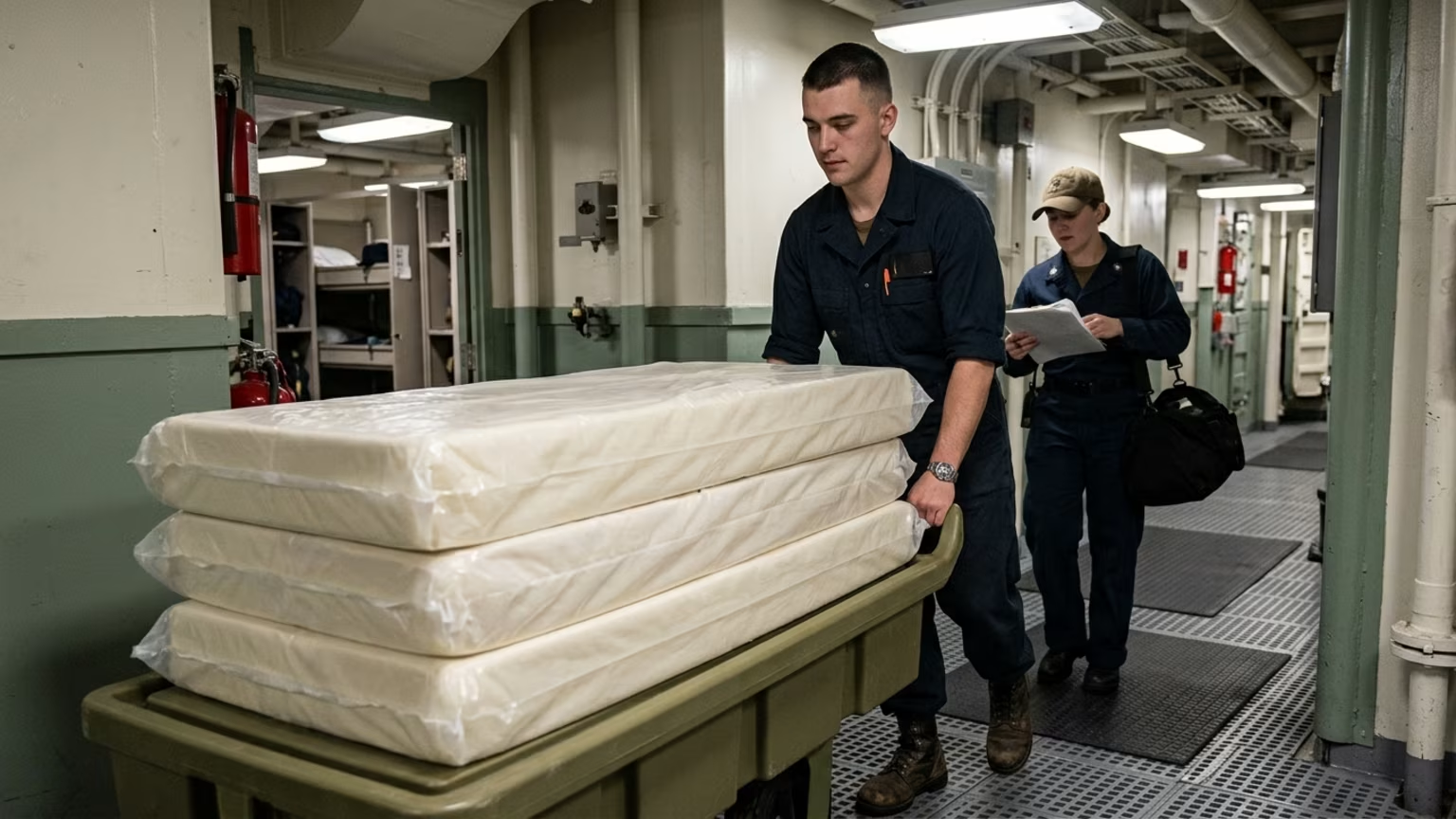

The Navy is evaluating engineered foam mattresses aboard USS Paul Hamilton to study shipboard sleep quality, rest and operational fatigue.





On October 1, 2026, the Naval Health Research Center announced a comprehensive operational evaluation of newly engineered foam mattresses. These custom prototypes were loaded aboard the guided-missile destroyer USS Paul Hamilton on September 14, 2026, according to Navy image captions. The Navy installed the replacement sleeping surfaces in every berthing rack on the ship. Researchers initiated this installation to assess real-world effects on sailor rest, recovery and readiness during deployment conditions.
This evaluation represents the most comprehensive mattress study to date for the Naval Health Research Center. The project follows a sequence of initial surveys, laboratory testing and smaller shipboard evaluations. The Office of Naval Research supports this work to inform future mattress modernization across U.S. Naval Surface Forces. Official outcome data from the current Paul Hamilton deployment remains pending.
Shipboard environments create distinct friction for physical restoration and operational readiness. Compact berthing spaces present challenges related to noise, motion and temperature control. This evaluation matters because restorative sleep directly influences both immediate physical performance and long-term health. Upgrading fundamental equipment addresses one controllable variable in a demanding operational setting.
Focusing on physical berthing equipment marks a practical step toward managing fatigue. Active personnel face physical strain that requires adequate overnight recovery to maintain capability. A more supportive mattress cannot create additional hours for sleep during a busy deployment. It can, however, help sailors maximize the limited rest periods they actually receive.
Consistent recovery periods support joint health, tissue repair and proper hormone function. These factors align closely with broad goals for military health. Veterans often recognize how environmental factors continue to shape their sleep long after service. Evaluating sleep surfaces under operational conditions ensures that future procurement decisions rely on practical evidence.
Military leadership must rely on practical systems that function effectively under pressure. Replacing standard innerspring units with engineered foam reflects an updated approach to human performance. It demonstrates an effort to align basic shipboard living conditions with modern recovery standards. Small improvements in sleep architecture can yield measurable benefits for daily physical capability.
The current evaluation builds upon a foundation of previous data collection efforts. The process began with a 2024 upgrade to a specialized sleep laboratory. This upgrade added a simulated shipboard berthing compartment to the testing facility. An initial pilot study found that participants rated a commercial soft-foam mattress more favorably than standard-issue Navy innerspring options.
Researchers moved testing to an operational setting aboard USS Germantown in April 2025. The Naval Health Research Center reports that softer foam performed better across nearly all subjective measures. Sailors reported improvements in physical comfort, perceived sleep quality and feeling rested upon waking. In late 2025, researchers tested a batch of prototype mattresses with more than 100 sailors aboard USS Essex.
The Navy characterized these Essex evaluations as positive. Alongside these shipboard tests, a separate survey gathered responses from almost 900 sailors. The Naval Health Research Center noted that most respondents rated their sleep quality as poor. These sailors also stated that their standard mattresses increased their fatigue.
Evan Chinoy, the principal investigator for the Naval Health Research Center, outlined specific sailor preferences. He noted that sailors wanted softer sleeping surfaces with ergonomic support and improved temperature regulation. These specific criteria informed the design of the custom prototypes currently undergoing evaluation. Engineers built the new units to meet shipboard material and safety specifications while prioritizing fatigue recovery.
Broader research illustrates the stark realities of sleep deficits across the fleet. A Military Times account analyzed data from nearly 16,000 sailors via the Navy Afloat Climate Assessment Survey. This data, collected between 2021 and 2024, covered multiple ship classes. The findings highlight a significant gap between required rest and actual time spent sleeping.
Survey respondents reported having an average of 5.7 hours of sleep opportunity per day while underway. Within that specific window, sailors actually slept for about 5.4 hours. However, these same respondents stated they needed an average of 7.7 hours of sleep to feel rested. This data confirms that equipment upgrades must function within severely restricted timeframes.
These findings reinforce the critical difference between sleep surface quality and total sleep opportunity. A comfortable mattress can improve physical alignment and ease joint pressure during rest. It cannot solve systemic issues related to restricted sleep schedules or continuous operations. Personnel must view equipment upgrades as just one component of a broader strategy for sleep, stress and resilience.
The ongoing evaluation also provides vital context for managing fatigue through napping. A 2026 paper in the Journal of Sleep Research examined napping habits among U.S. Navy sailors. The authors reported that nap frequency was associated with lower odds of high job stress and impaired functioning. However, frequent napping was also linked with higher odds of burnout.
Sailors napping on five or more days per week showed higher odds of reporting elevated poor-mental-health days. The study authors found no significant association between napping and poor physical-health-day counts. They explicitly cautioned that naps are not a substitute for sufficient sleep opportunity. Naps remain a temporary response to acute fatigue rather than a permanent health solution.
Readers focusing on recovery and sleep should prioritize consistent rest periods whenever the mission allows. Active service members often have to rely on fragmented rest to maintain daily capability. Veterans transitioning to civilian life should focus on rebuilding uninterrupted overnight sleep routines. An ergonomic sleeping surface supports physical recovery best when paired with adequate total rest time.
The shift toward engineered foam aligns with standard recommendations for long-term joint health. Pressure relief and temperature control remain essential for achieving deep, restorative sleep cycles. You can apply these exact principles to your own health decisions at home. Optimizing your personal sleep environment represents a foundational step in preserving physical capability.
Quality sleep acts as the foundation for maintaining strength and healthy body composition over time. The body requires deep sleep stages to release hormones that repair muscle tissue. Disrupting these cycles through uncomfortable environments can compound the wear and tear of physical exertion. Investing attention in your sleep setup directly supports healthy aging and long-term joint mobility.
Look for equipment that provides clear ergonomic support for your specific body composition. Temperature regulation is a critical factor for maintaining sleep quality throughout the night. Active personnel rarely control their assigned berthing environments. Veterans, however, can intentionally select materials that facilitate better overnight recovery.
Always recognize the functional limits of any single piece of equipment. The Navy survey data clearly demonstrates that sailors need more total hours of rest. No mattress technology can replace the biological requirement for sufficient sleep duration. Build your daily habits to protect your total sleep window alongside using supportive physical equipment.
The current operational test aboard USS Paul Hamilton will eventually yield valuable objective data. Researchers will document exactly how these engineered prototypes impact operational readiness over time. This information could significantly influence how the military approaches physical restoration for future deployments. Will this comprehensive evaluation finally set a new standard for prioritizing adequate sleep opportunity alongside modern equipment upgrades?
Follow BattleVet for practical guidance on military and veteran health, strength, recovery, testosterone, sleep and healthy aging. Stay connected for new articles, research backed insights and clear information to help you stay capable for the years ahead.


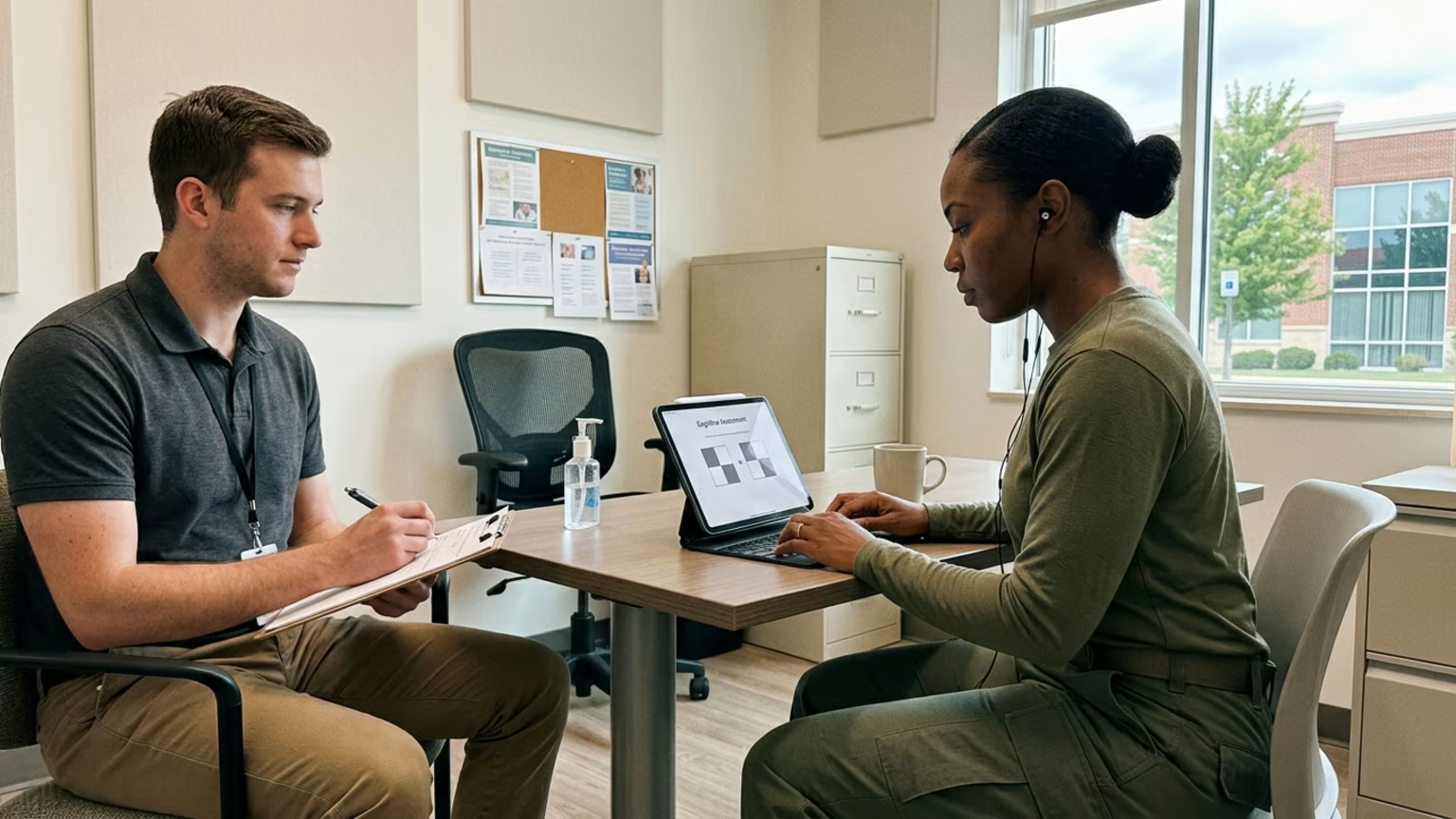
The Army reports 97 percent of Soldiers have completed its cognitive baseline assessment. Learn how this data tracks blast exposure and supports veteran health.

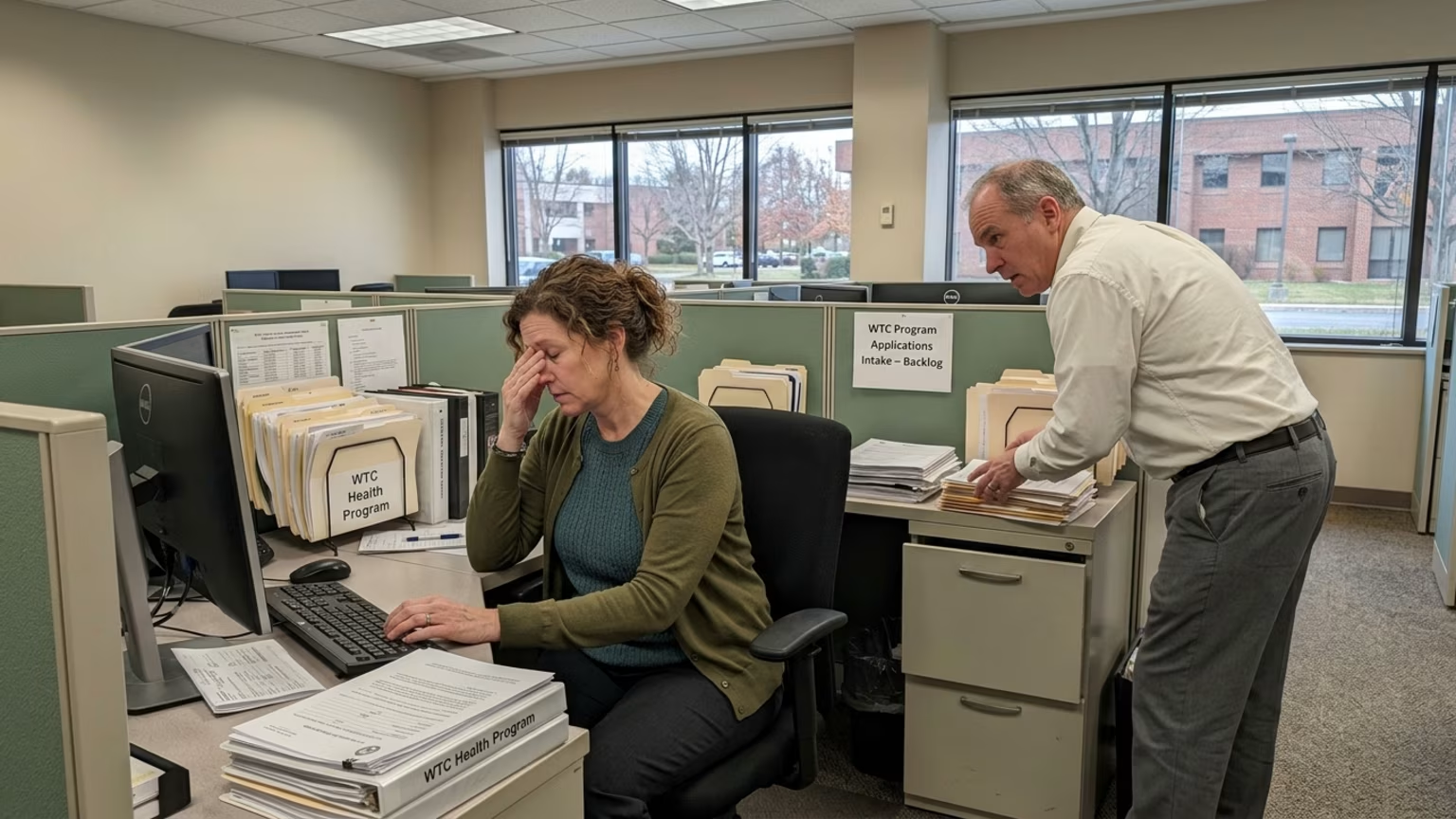
In August 2026, reports showed the World Trade Center Health Program operating 18% below its planned workforce. Learn how veterans can navigate these delays.
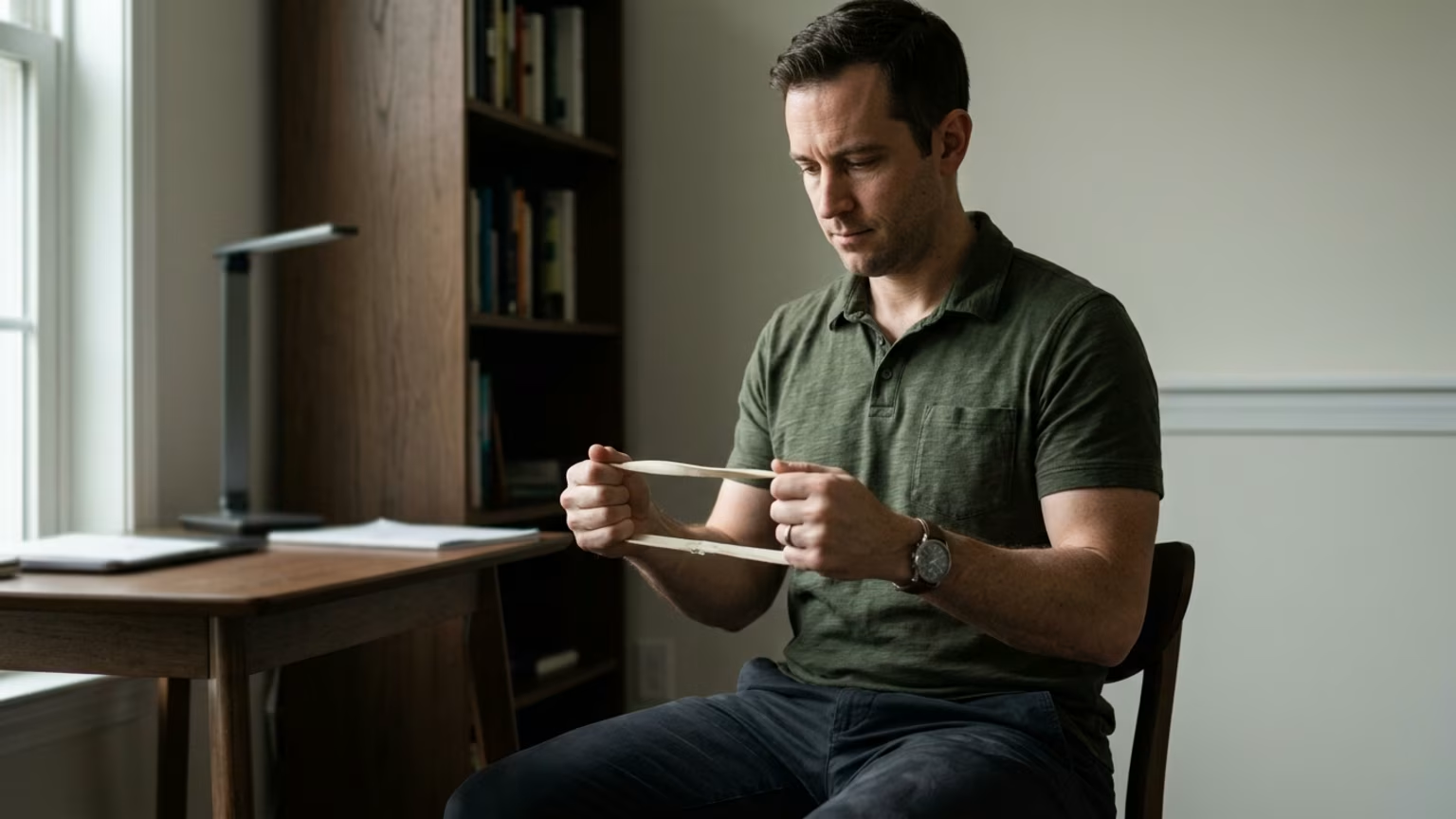
The proposed movement span framework focuses on adaptable physical capacity. Read how this emerging concept impacts veteran mobility and long term independence.
Build better habits around strength, recovery, sleep, hormones and healthy aging with practical guidance for active military personnel and veterans.
Explore BattleVet