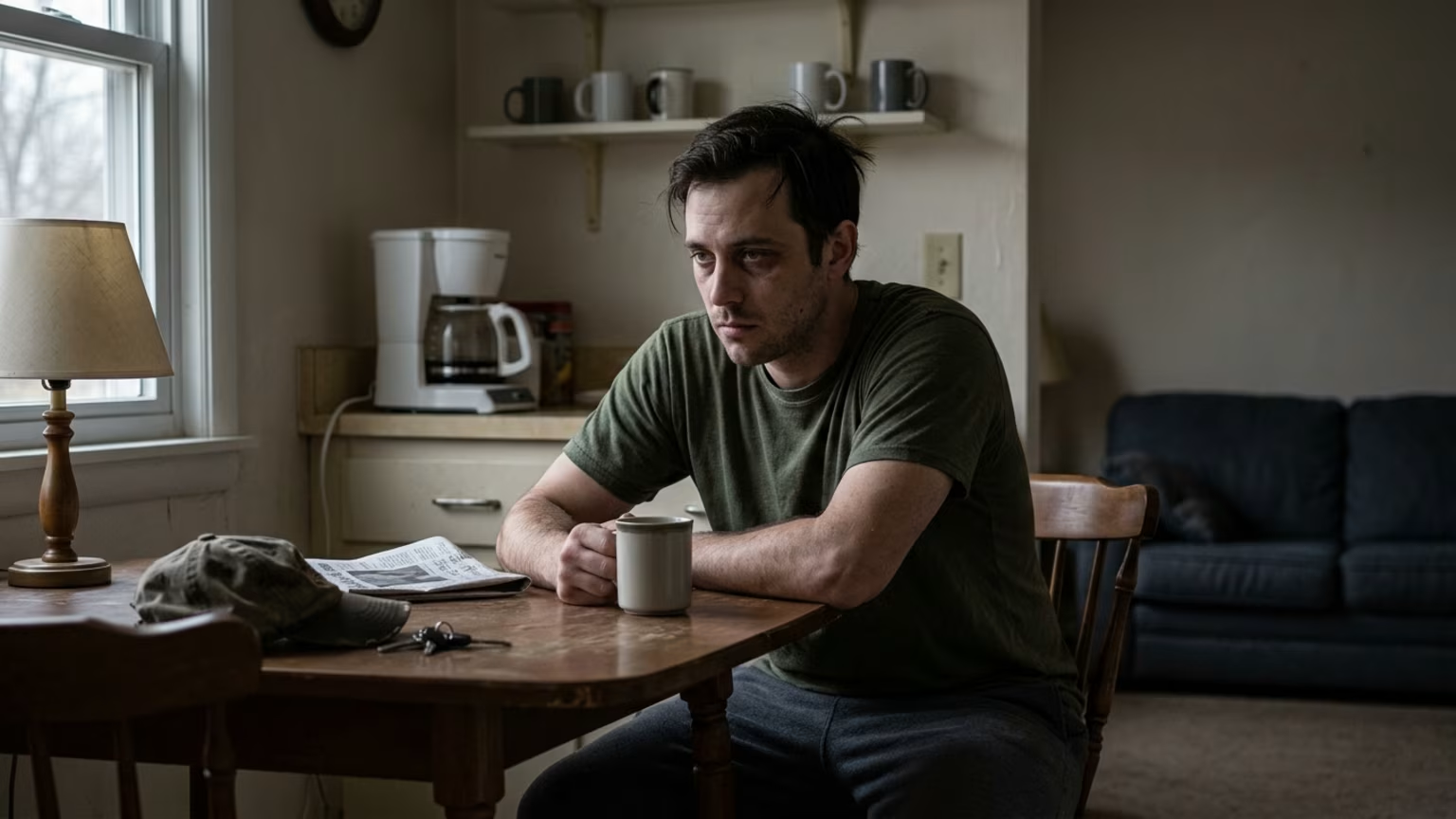

A September 2026 analysis examines how occupational trauma, chronic stress, and sleep disruption impact military readiness and long term veteran health.





If you or someone you know is in immediate danger, call 911.
If you are facing an immediate crisis, contact the 988 Suicide & Crisis Lifeline. Veterans can press 1 or text 838255 for support.
When navigating mental health challenges, work with a clinician or a trusted person to safely store medications and firearms.
On September 14, 2026, American Police Beat published an article examining trauma exposure and officer suicide prevention. This publication highlights the intense physical and mental demands placed on uniformed professionals. A closely related analysis from the Health Care Leadership Forum frames police suicide risk as a combination of occupational trauma, chronic stress, and sleep disruption. It also identifies mental health symptoms, relationship strain, and stigma as major contributing factors.
This civilian analysis coincides with a September 2026 military health policy update. The Department of War policy emphasizes continuity of mental health care for transitioning service members. This is achieved through coordination with the Department of Veterans Affairs and specific mental health assessment requirements. Current military health policy is placing greater emphasis on continuity of psychological care during transitions. This includes transitions between duty stations, different services, and veteran status.
Law enforcement personnel face repeated exposure to violence, severe injury, threats to personal safety, and unpredictable schedules. They must also manage rotating shifts, mandatory overtime, and interrupted sleep. These occupational demands closely mirror the realities of active military service and the transition to veteran life. Proper organizational culture helps personnel navigate this chronic stress safely.
Available analysis describes police suicide risk as the interaction of occupational trauma, chronic stress, and sleep disruption. It is rarely the result of a single isolated incident. Recognizing these interacting factors helps service members prioritize their health before symptoms escalate. Sustainable capability relies heavily on adequate recovery practices.
Sleep disruption is a critical warning sign that requires immediate attention. I remember waking up after a poor night of sleep and realizing that my training recovery was taking much longer than it used to. I realized that readiness is more than just pushing through the fatigue. It requires a dedicated approach to sleep and hormonal health, which completely shifted how I view long term capability. Proper recovery habits are crucial for consistent physical restoration.
Sleep problems, behavioral changes, increased alcohol use, and withdrawal from family often appear early. Declining performance, anger, and disciplinary concerns may also appear before an acute suicidal crisis. Treating these signs as reasons to initiate a professional check in can prevent emergencies. This proactive approach supports a stronger framework for both active duty and veteran health.
The available analysis argues that individual coping cannot substitute for organizational reform. Reform includes attention to workload, staffing, overtime, supervision, and exposure management. It also requires clear leave policies, confidentiality, health benefits, and family support. Evaluating these elements creates safer environments for all service personnel.
Research highlights specific statistical outcomes while noting limitations in the current evidence base. A 2024 systematic review included nine eligible studies from an initial pool of 119, underscoring limitations in the evidence base. John Violanti and colleagues have cautioned against overstating the certainty of suicide rate estimates. This caution is necessary because studies use different populations, comparison groups, periods, and statistical methods.
A national assessment by John Violanti and Andrea Steege analyzed death certificate data covering more than 4.4 million people from 26 states. Violanti and Steege reported a proportionate mortality ratio of 154 in the death certificate dataset they analyzed. This means suicide represented a 54 percent greater proportion of deaths among law enforcement personnel than the comparison group. It does not mean that every officer had a precisely measured 54 percent increase in individual suicide risk.
The available evidence does not support a single profile for personnel at risk. Instead, risk may accumulate across occupational exposure, exhaustion, and mental health symptoms. It also involves substance use, relationship strain, organizational culture, and access to care. Available police suicide statistics have important limitations because occupation may be inconsistently recorded on official death certificates. Furthermore, retired officers may no longer be identified as law enforcement personnel on official records.
In one department study summarized by the Health Care Leadership Forum, 26 percent screened positive for specified symptoms. These symptoms involved depression, anxiety, and post traumatic stress disorder. Some personnel also reported suicidal ideation or self harm. However, only 17.6 percent of those who screened positive reported recent mental health care. The analysis cites a national study in which more than 90 percent of police personnel said stigma negatively affected willingness to seek care.
Veterans experience substantial sleep related health burdens that intersect with mental health. VA research summaries report elevated sleep apnea prevalence among veterans and increased sleep disorder risk among veterans with TBI. Specifically, 21 percent of veterans had sleep apnea compared with 9 percent of non veterans.
Deployed veterans had 64 percent higher odds of obstructive sleep apnea than non deployed veterans. Veterans with traumatic brain injury were 41 percent more likely to develop a sleep disorder than veterans without a TBI history. This data comes from a study involving nearly 200,000 veterans evaluated over a 14 year period.
Any level of PTSD symptoms was associated with twice the rate of suicide death one month after assessment compared with no PTSD symptoms. Worsening PTSD symptoms were associated with a 25 percent greater long term suicide mortality rate. Evaluating sleep is a necessary step for managing these interconnected health risks.
The evidence supports early identification and organizational prevention over isolated crisis reactions. Suicide prevention should begin before an individual expresses suicidal intent. Prevention efforts must extend across the entire career rather than relying only on annual training. Individual protective factors include sleep, physical activity, and social connection. Proper peer support and early medical treatment also protect personnel.
Leaders and supervisors play a vital role in connecting personnel to resources. They do not need to diagnose mental health conditions. Instead, they should be trained to notice behavioral changes, initiate respectful conversations, and respond without unnecessary punishment. Properly structured peer support programs should include adequate supervision, clinical consultation, and release time for peer supporters.
Recent Military Health System initiatives combine peer support, leader involvement, continuity of care, and structured interventions. The inTransition program is designed to help service members and veterans establish or transition psychological health care when support is needed. Service members moving between assignments should use military health resources to maintain their care. Never allow treatment to lapse during a military to veteran transition.
Ask explicitly how confidentiality works before using a workplace mental health service. This is particularly important when concerns involve fitness for duty rules, career effects, or access to assignments. Anonymous peer support groups can help personnel discuss stress without fear of negative career impacts. One recognized Army initiative created an anonymous peer support group for exactly this reason.
The Department of War has recognized military suicide prevention programs that build strong partnerships. These programs equip leaders, connect personnel with resources, and create supportive environments. The SAFEGUARD initiative includes Operation Life Force to actively support service members in distress. This is a virtual program delivering five group interventions for Soldiers identified as having a high predicted risk.
Sleep should be treated as a readiness issue, not merely a comfort preference. You should seek evaluation for possible sleep apnea, trauma related nightmares, or insomnia. Do not rely solely on stimulants, alcohol, or self management to navigate persistent fatigue. Military health authorities continue to treat sleep as part of broader warfighter performance optimization.
Anyone facing immediate suicide risk should contact emergency services or the 988 Suicide & Crisis Lifeline. Military Health System materials identify 988 as a crisis resource. Developing a layered support model is essential for navigating challenging transitions. This involves trusted peers for initial connection, culturally competent clinicians for treatment, and crisis services for immediate safety.
Sustainable readiness depends on early disclosure, trusted relationships, and appropriate clinical care. True resilience requires recovery conditions that make restful sleep and healthy aging practices possible. Maintaining these habits builds a solid foundation for long term physical capability.
As both law enforcement and military organizations shift toward systemic prevention, the focus is moving from individual toughness to sustainable readiness. A credible prevention system connects peer support, chaplains, family education, and supported transitions to higher levels of care. It also requires the elimination of systemic barriers to timely clinical assessment. Will future organizational policies successfully remove the stigma of seeking care and ensure long term physical restoration for transitioning service members?
Follow BattleVet for practical guidance on military and veteran health, strength, recovery, testosterone, sleep and healthy aging. Stay connected for new articles, research backed insights and clear information to help you stay capable for the years ahead.


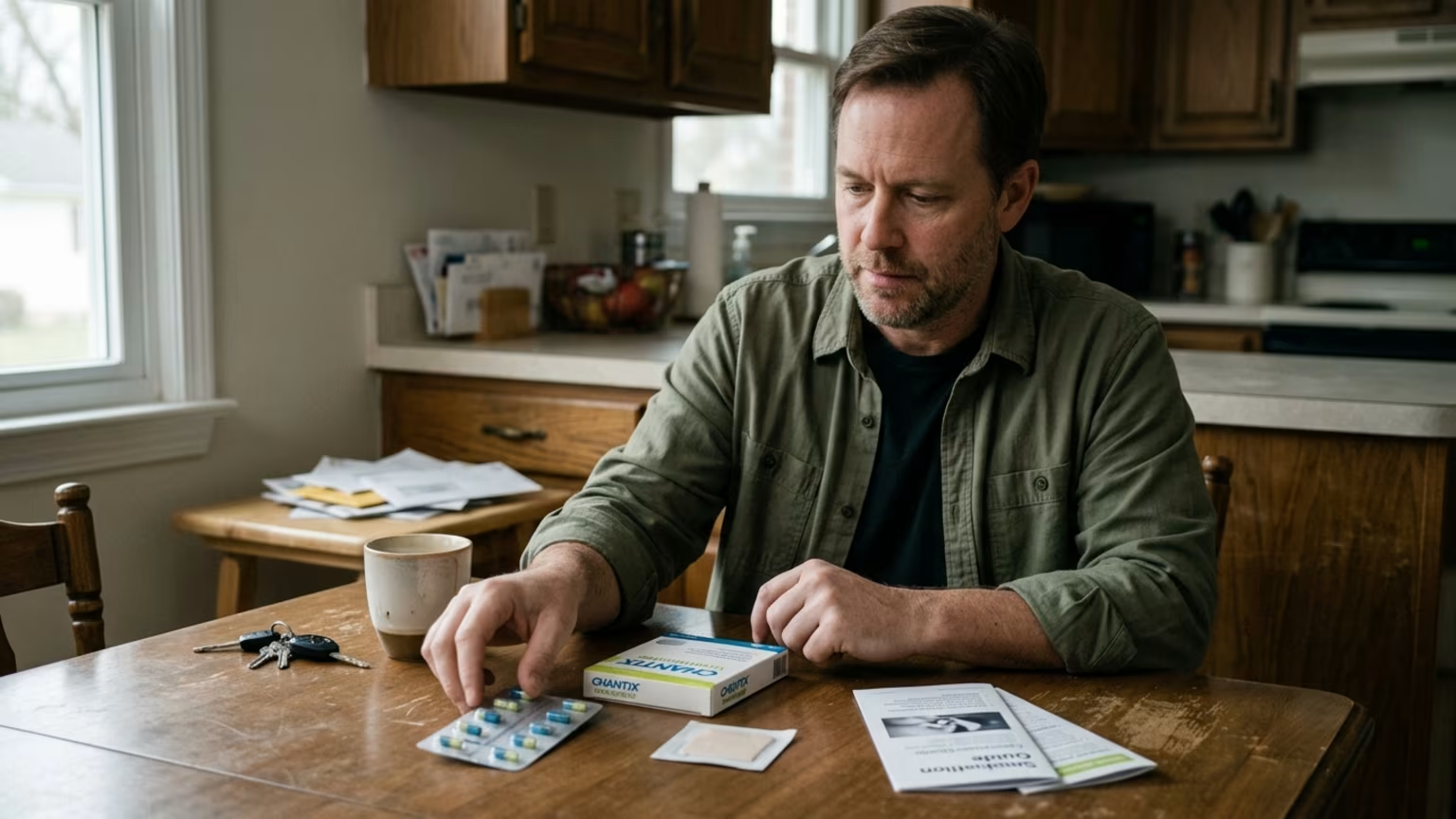
The 2026 VA/DoD clinical guideline recommends varenicline and combination NRT as preferred tobacco cessation treatments, shifting focus to medical care.

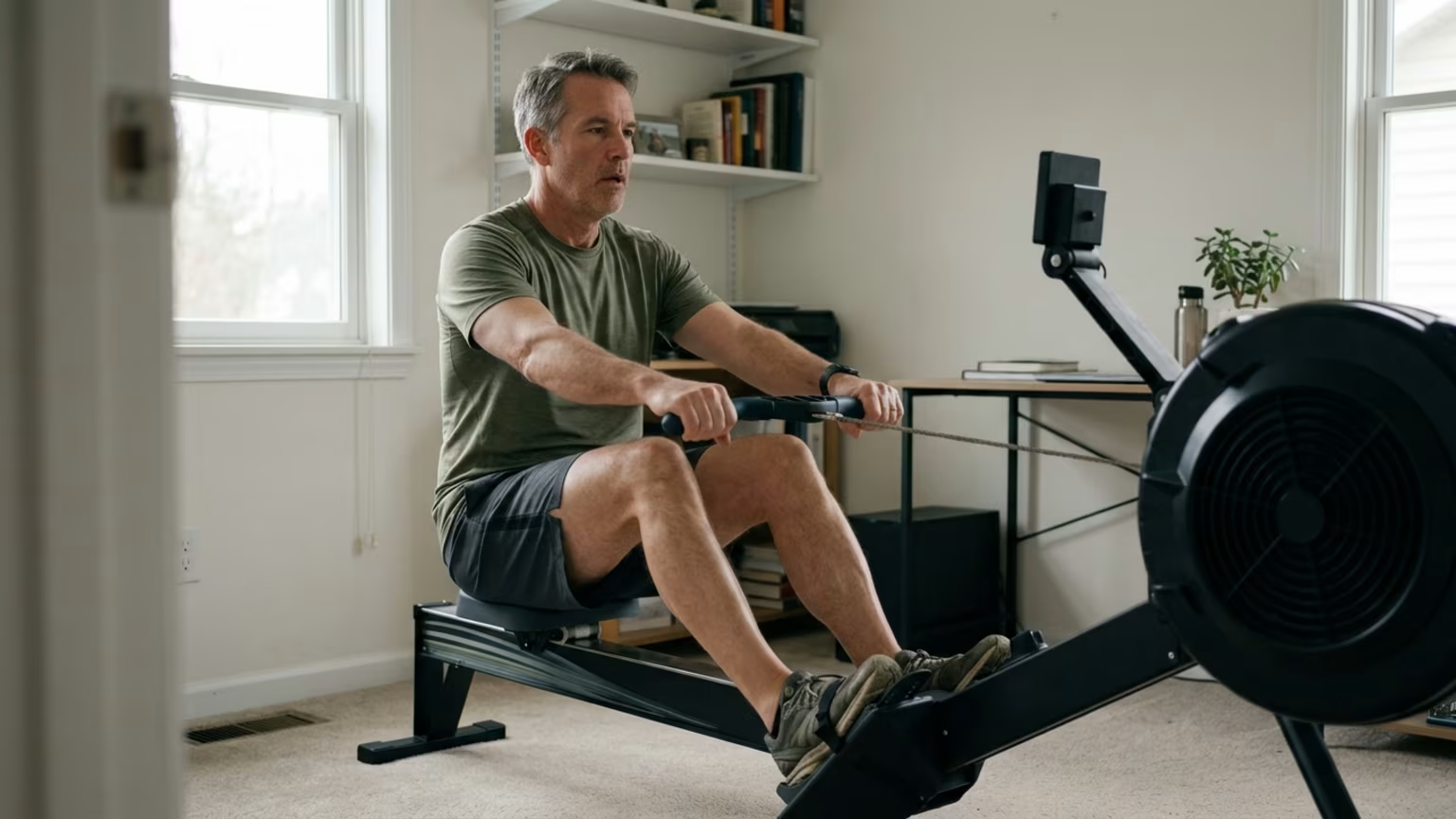
Andrew Huberman shared a weekly workout plan for staying capable after 50. Learn how veterans can adapt this fitness framework for long-term healthy aging.
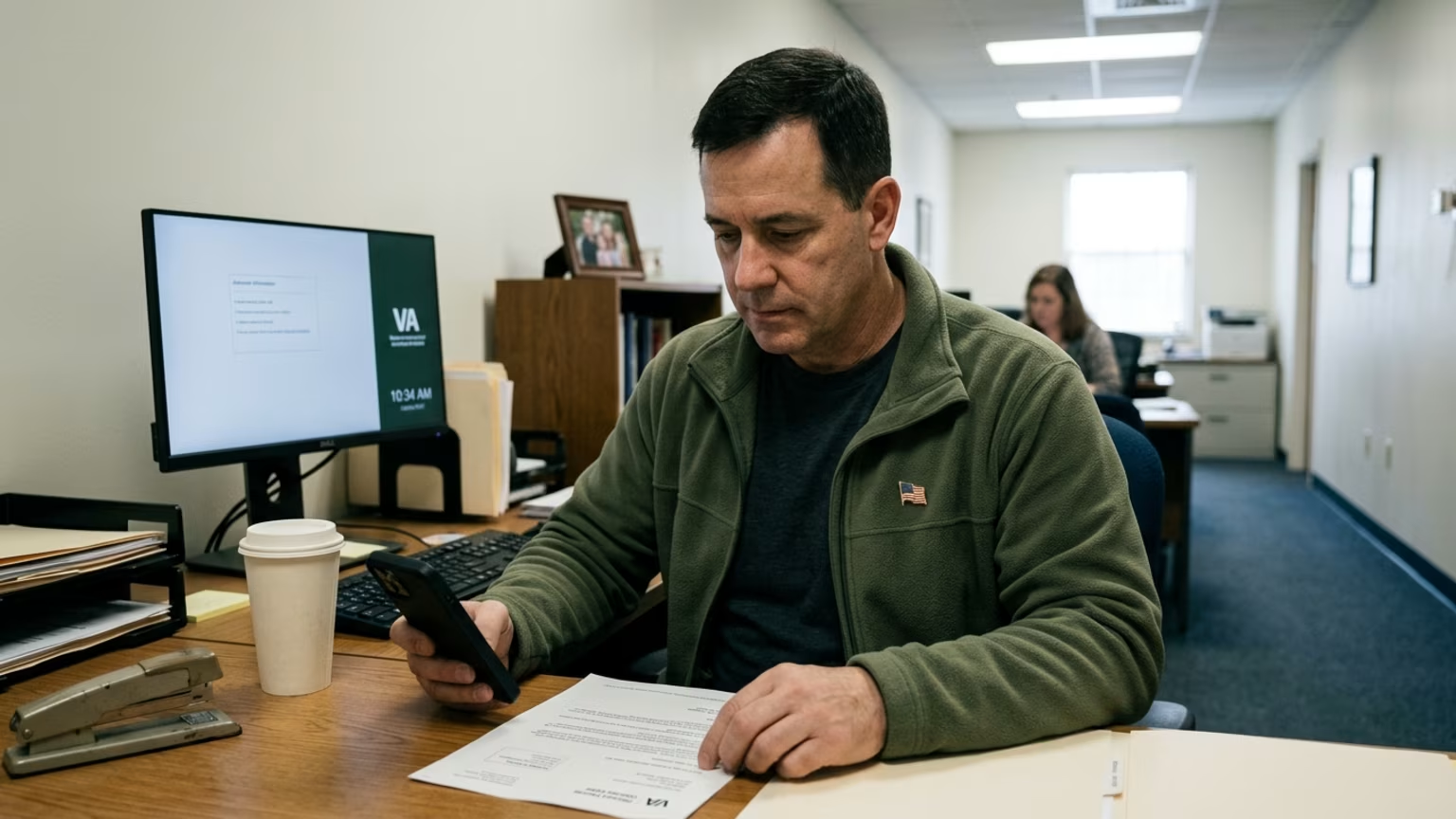
The VA processed over 3 million disability claims in fiscal year 2026. Read how updated decision timelines and evidence rules impact veteran healthcare access.
Build better habits around strength, recovery, sleep, hormones and healthy aging with practical guidance for active military personnel and veterans.
Explore BattleVet