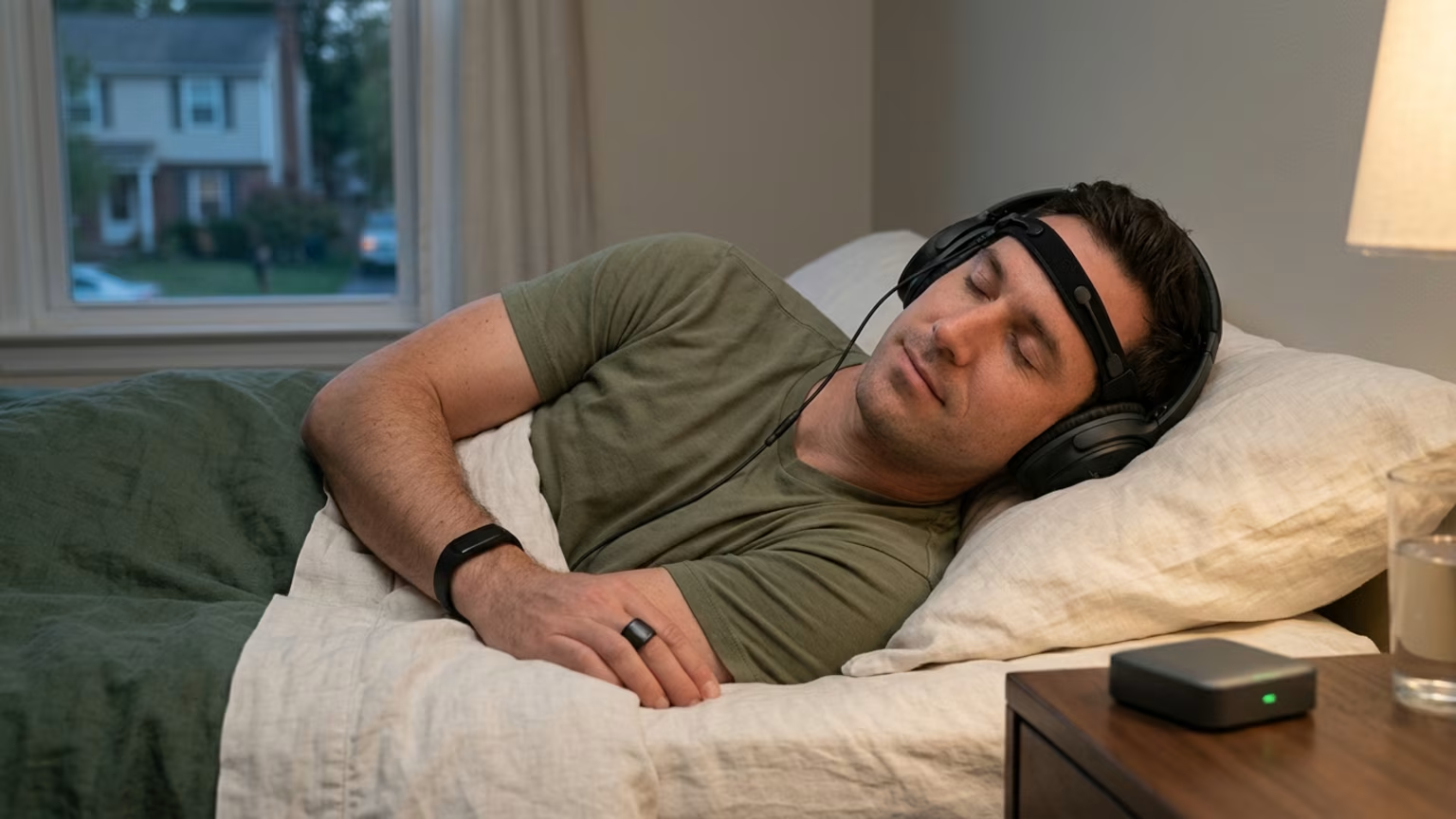

A September 2026 update from the journal Sleep examines the effectiveness of standalone audio apps and the physiological link between sleep spindles and pain.





In September 2026, the journal Sleep published Volume 49, Issue 9. This issue features new research on sleep regularity, app based sleep interventions, and sleep related pain mechanisms. The collection provides clinicians with updated data on digital tools and physiological markers. The findings directly impact how medical professionals evaluate recovery protocols for working adults.
Our team at BattleVet constantly evaluates research that impacts physical restoration. I remember waking up after a poor night of sleep and realizing that my training recovery was taking much longer than it used to. I realized that readiness is more than just pushing through the fatigue. It requires a dedicated approach to sleep and hormonal health, which completely shifted how I view long term capability.
This new journal issue matters deeply for active military personnel and veterans. Digital tools and audio apps are heavily marketed as simple solutions for physical and mental restoration. Service members often download these apps hoping for an immediate improvement in their daily capability. However, evaluating these tools requires objective data rather than relying on optimistic marketing claims.
The BattleVet approach focuses on connecting physical performance with long term health rather than treating them as separate subjects. The latest findings provide clinicians with clearer evidence on whether inexpensive audio tools actually work. They question whether these apps outperform basic digital engagement. This helps separate proven medical utility from basic user engagement.
Active personnel need interventions that actually support their daily physical requirements. Proper sleep supports healthy testosterone levels, muscle recovery, and joint restoration. When an app fails to deliver meaningful improvements over a simple control activity, it represents lost recovery time. Service members cannot afford to waste weeks on ineffective recovery methods during demanding deployment cycles.
Additionally, the research highlights physiological connections between sleep architecture and physical discomfort over time. Veterans frequently manage chronic physical issues resulting from their service years. Understanding how specific sleep patterns relate to bodily pain helps veterans manage their long term health. This allows for more informed discussions during medical evaluations.
Connecting sleep consistency with pain management creates a more realistic approach to healthy aging. Veterans should not treat their physical conditioning and their rest as separate subjects. They are entirely dependent on one another for sustained physical performance. This updated data supports a more capable approach to healthy aging strategies.
The September 2026 issue presents specific statistical outcomes across two major studies. The first study is a multi arm randomized controlled trial titled "USleep: efficacy of app-based audio interventions to improve sleep disturbance in working adults". This trial was conducted by Jessica Vazzaz and colleagues. The journal issue page describes it as the first study to assess standalone bedtime audio interventions against a digital control condition.
The USleep researchers evaluated these audio based bedtime interventions against a specific control. The digital control involved brief daytime engagement that was not focused on sleep. The study found that the audio interventions were safe, acceptable, feasible, and well received. However, the authors reported that the audio tools did not appear to provide greater benefits than the digital control activity.
The issue also features a study by Matthew J. Reid and colleagues. This article is titled "Sleep spindles reveal sexually dimorphic trajectories of long-term bodily pain: a large-scale secondary analysis with implications for clinical biomarker development". The researchers examined the relationship between specific sleep patterns and physical discomfort over time. They found significant sex specific associations in their analysis.
Women with a higher baseline density of slow spindles showed remarkably better outcomes. They were reported to be 67 percent less likely to report severe pain at follow up. Furthermore, these women were 19 percent more likely to be completely pain free. These specific associations were not reported for the men in the analysis.
The data showed a different measurable outcome for male participants. For men, a longer slow spindle duration was associated with a 66 percent lower likelihood of severe pain. Men with this longer duration were also 21 percent more likely to be pain free at follow up. These specific duration associations were not reported for the women in the study.
It is crucial to note the observational nature of these findings. These are secondary analysis associations rather than direct clinical trials. They do not constitute evidence that changing sleep spindles will directly prevent or treat chronic pain. The issue also includes a separate prospective analysis of UK Biobank data. That article examines sleep regularity and age related eye disease using retinal imaging and multimorbidity assessment.
These findings reinforce a cautious approach to digital health tools and physical recovery protocols. The USleep results suggest that service members should treat standalone audio apps as low cost experiments. They should not view them as guaranteed clinical treatments. While these apps are easy to use, feasibility does not equal proven clinical superiority.
The control condition in the USleep trial involved basic digital engagement. Since the audio interventions did not outperform this basic control, users must adjust their expectations. Active personnel should not rely solely on audio apps to fix serious sleep disturbances. If sleep problems persist, veterans should pursue evidence based clinical care.
Digital self management might serve as a helpful adjunct to structured treatment. However, it should never replace thorough medical evaluation for underlying conditions. Veterans experiencing severe fatigue should seek testing for sleep apnea or insomnia. Proper clinical assessment remains the foundation of a reliable military health protocol.
Furthermore, the secondary analysis on sleep spindles reinforces the importance of sleep architecture in pain management. This observational data highlights the need for comprehensive sleep care. Veterans managing physical rehabilitation should track their sleep behavior alongside their pain intensity. This comprehensive tracking provides clinicians with better information for treatment adjustments.
Clear explanations of healthy aging require communicating the limits of early research. The spindle study shows associations, not direct causation or immediate treatment protocols. Therefore, veterans should not assume that targeting sleep spindles alone will resolve their chronic pain. Instead, they should maintain a broad focus on overall sleep regularity and physical conditioning.
Service members must connect their sleep concerns directly with their readiness and physical recovery. Good rest supports optimal testosterone production and healthy body composition. Therefore, addressing sleep disturbances is a fundamental requirement for maintaining strength and fitness. Veterans should discuss these factors with their healthcare providers to build better recovery routines.
Clinicians serving this population can use this updated data to refine their guidance. They can advise patients that while digital audio tools are safe, they are not a medical cure. This prevents veterans from wasting time on ineffective interventions when they need structured care. Direct and capable medical advice is essential for maintaining long term physical resilience.
The focus must remain on evidence led strategies that actually support human performance. Relying on basic digital engagement is simply not enough for severe physical or mental fatigue. Veterans must advocate for comprehensive evaluations that address both their physiological sleep patterns and their daily pain levels. This proactive approach ensures better management of chronic conditions as service members transition into civilian life.
As researchers continue to evaluate scalable digital health tools, the focus must remain on measurable outcomes rather than general popularity. Will future clinical trials identify specific digital interventions that consistently outperform basic control activities for veterans managing chronic pain and sleep disruption?
Follow BattleVet for practical guidance on military and veteran health, strength, recovery, testosterone, sleep and healthy aging. Stay connected for new articles, research backed insights and clear information to help you stay capable for the years ahead.


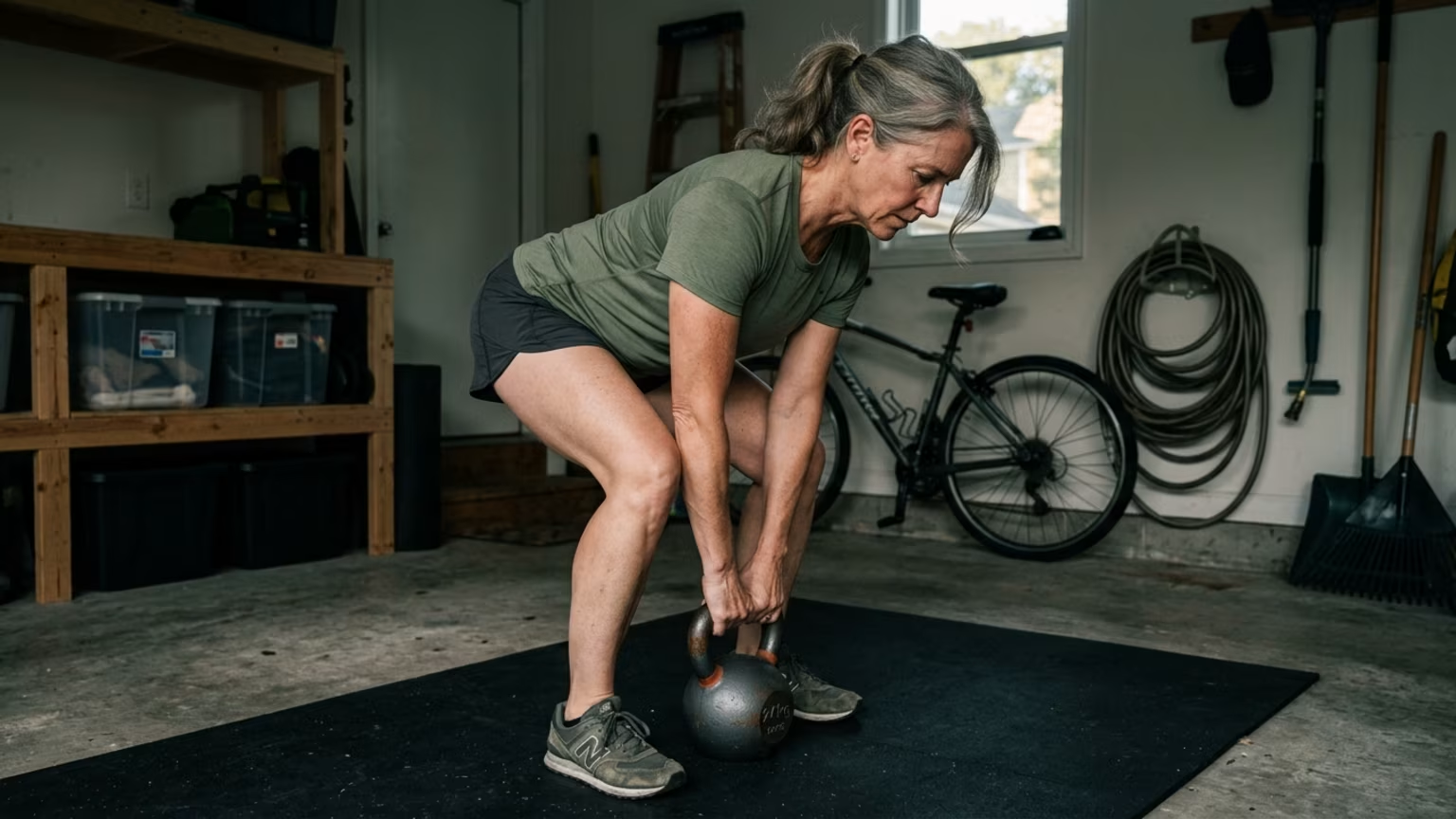
Updated 2026 ACSM guidance emphasizes power training for older adults. Read why adding intentional speed to workouts helps veterans maintain physical capability.

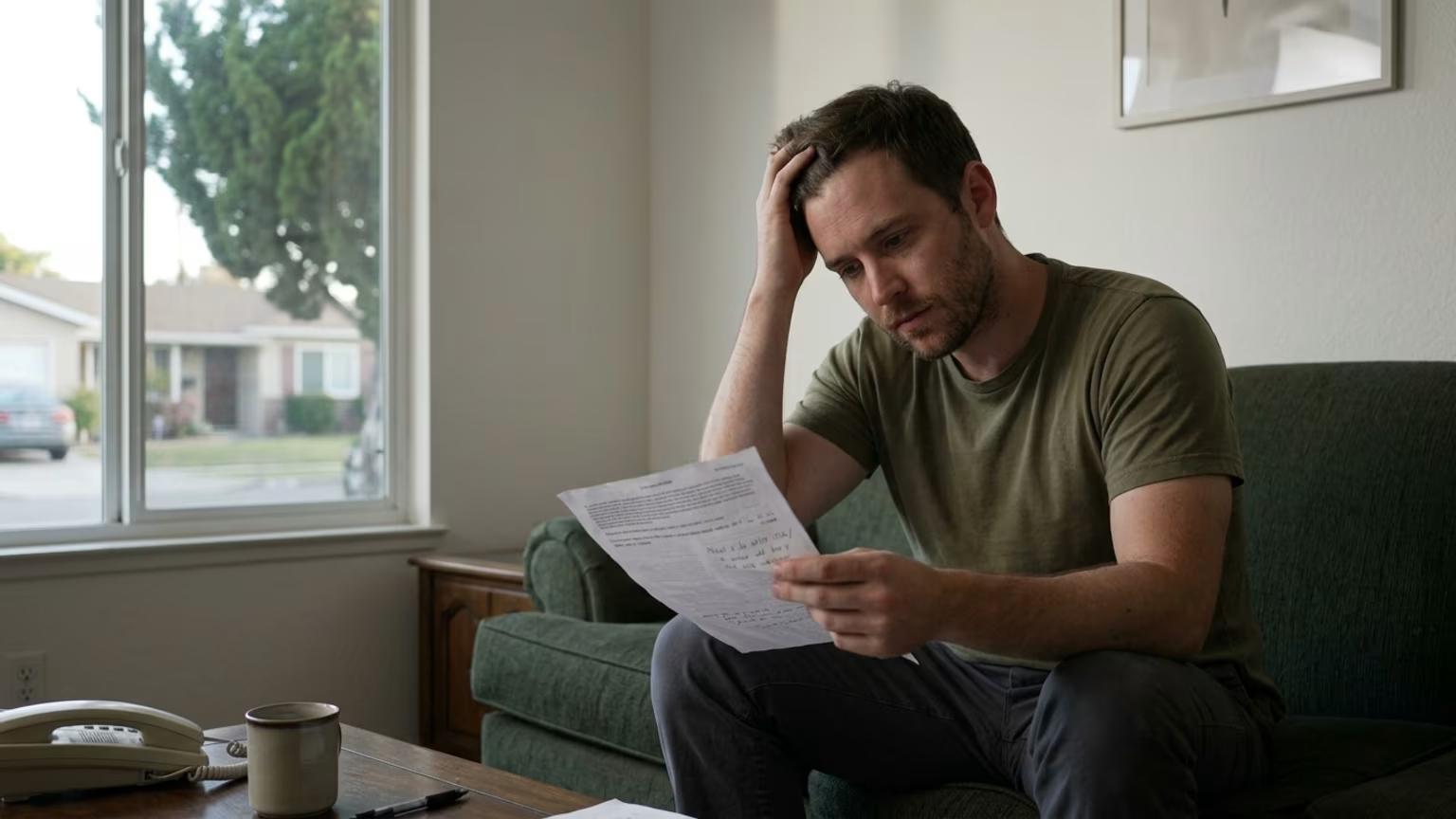
A San Diego report examined VA mental health wait times and emergency care access. Learn how veterans can navigate scheduled appointments and crisis pathways.
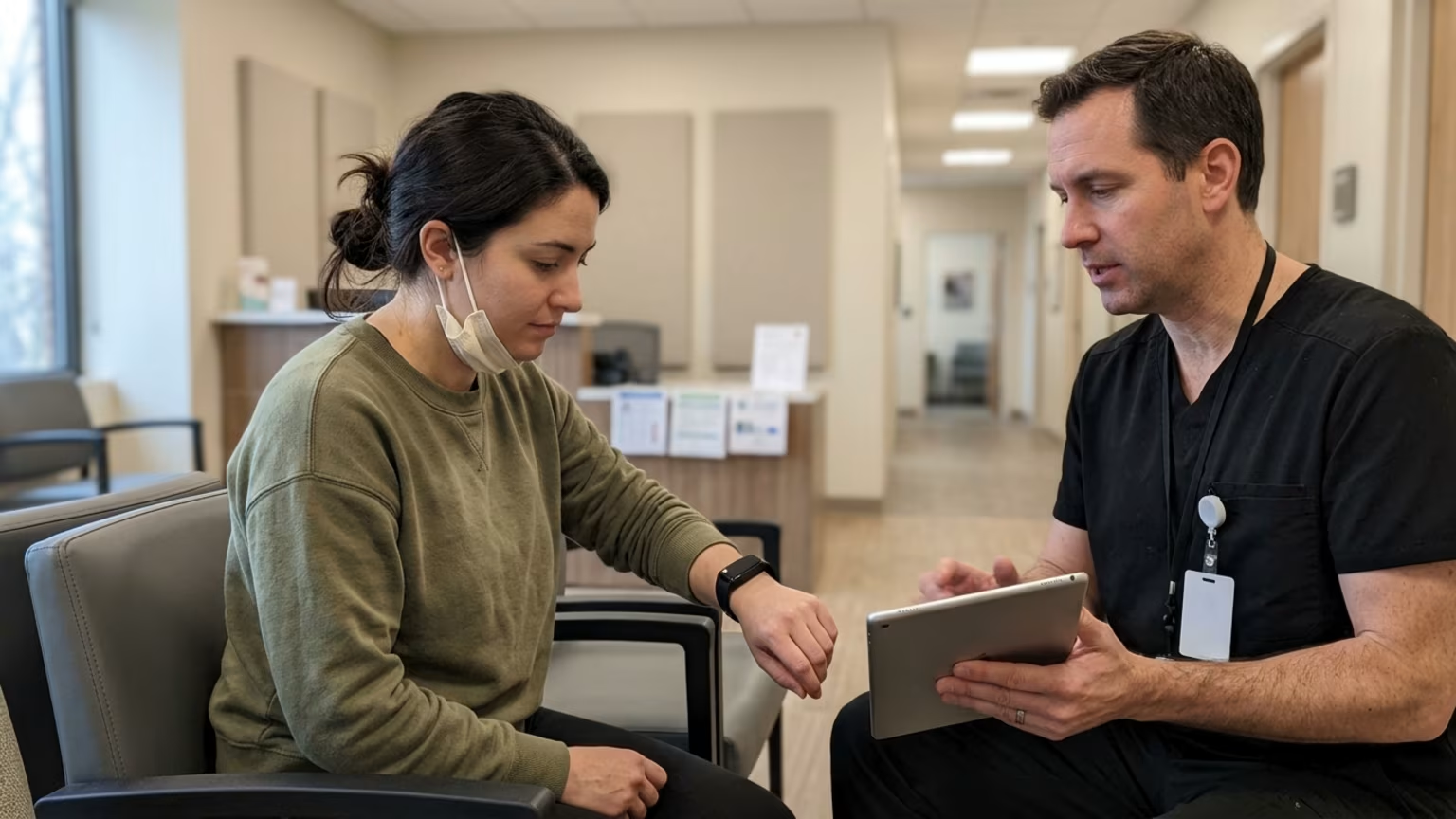
Reviewing the September 2026 missile strike in the Strait of Hormuz, and why returning to duty requires ongoing monitoring for traumatic brain injuries.
Build better habits around strength, recovery, sleep, hormones and healthy aging with practical guidance for active military personnel and veterans.
Explore BattleVet