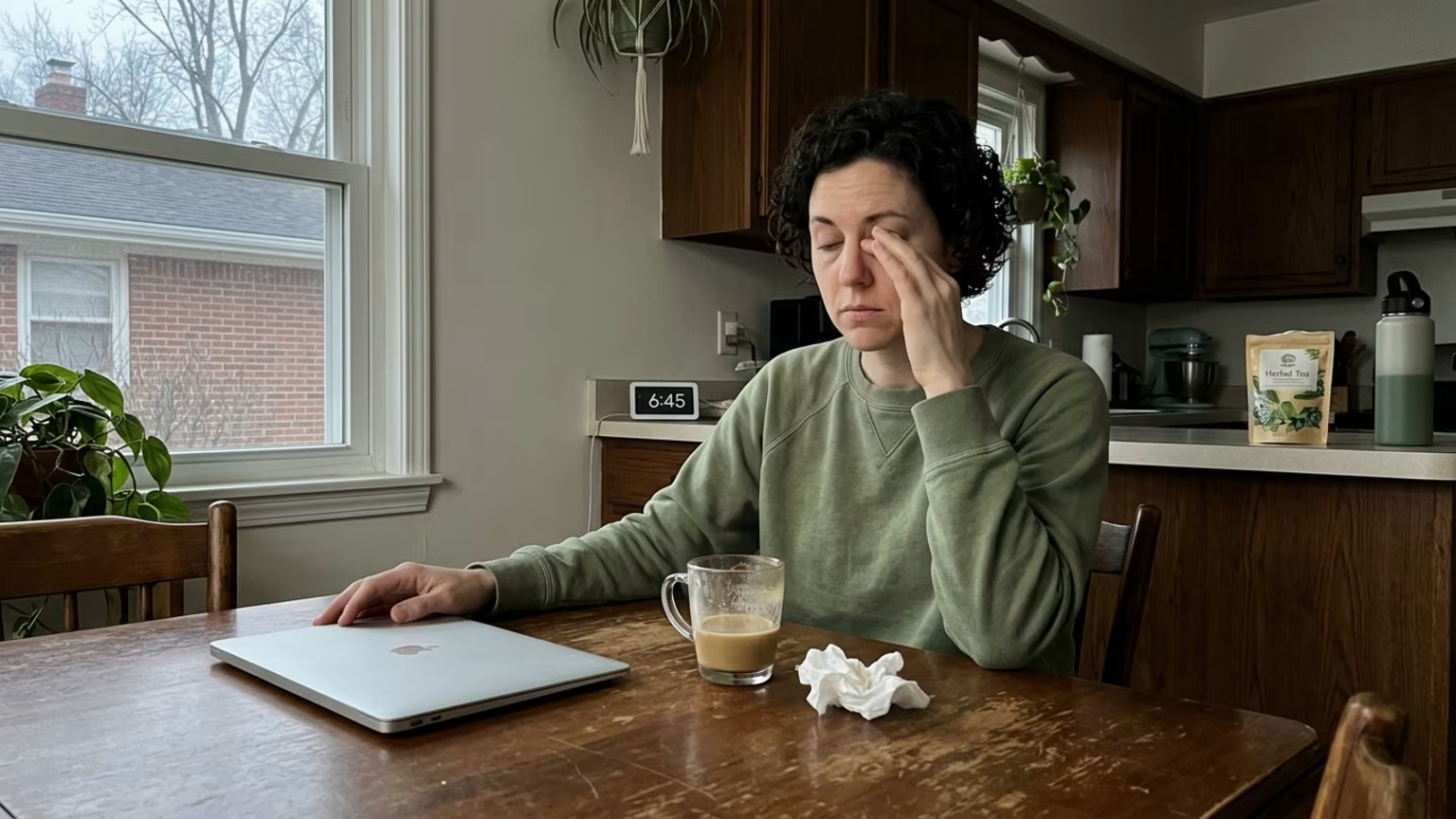

Texas A&M research highlights how genetics influence individual sleep needs. Learn why an eight-hour target may not fit everyone and how it impacts recovery.





On September 28, 2026, FOX on Health aired a segment titled "Genetics of Sleep: Beyond Eight Hours." The broadcast detailed Texas A&M research examining how genetics influence the exact amount of sleep an individual requires. The segment highlighted that proper rest matters for preventing serious disease. It also prompted questions about whether a strict eight-hour target is truly universal.
Separate coverage by Times Now quoted Alex Keene, a Texas A&M biology professor who studies sleep science and genetics. Keene stated that there is no single sleep duration number that works for everyone. His assessment challenges the standard assumption that every adult needs exactly eight hours of rest. This evolving scientific perspective carries immediate weight for military personnel and veterans.
Our team at BattleVet provides research backed guidance on military and veteran health. We focus on clear explanations of complex health topics without hype or exaggerated military language. Understanding how genetics impact rest helps separate credible evidence from marketing claims. When we review research on sleep metrics, we prioritize practical takeaways over hypothetical fears.
This research matters heavily for active duty personnel and veterans who prioritize their health. Military culture often treats sleep deprivation as an unavoidable reality of the job. However, the connection between physical performance and proper rest is undeniable. Some individuals naturally need more than eight hours of sleep to function well. A smaller number might require much less, but the science does not support intentional sleep restriction.
I remember waking up after a poor night of sleep and realizing that my training recovery was taking much longer than it used to. I realized that readiness is more than just pushing through the fatigue. It requires a dedicated approach to sleep and hormonal health, which completely shifted how I view long term capability. Restorative rest is a fundamental pillar of physical strength and resilience. When we see research questioning the rigid eight-hour rule, the takeaway is not that sleep matters less.
The real implication is that recovery protocols must acknowledge biological reality. If genetics determine baseline sleep requirements, leaders and healthcare providers must focus on actual recovery outcomes. You cannot simply will yourself into needing less rest. Trying to force biological adaptation through chronic sleep restriction leads to systemic fatigue. This Texas A&M genetics discussion should not be used as an excuse to avoid sleeping.
Our bodies follow complex genetic instructions that we cannot override with discipline alone. Keene described families with rare single gene mutations that are associated with naturally shorter sleep. However, these naturally short sleepers appear to be quite rare in the general population. For most people, sleep duration is governed by a complex genetic landscape. This intricate system may involve hundreds or thousands of genes working together.
BattleVet focuses on connecting physical performance with long term health rather than treating them as separate subjects. We cover Recovery and sleep Articles to support better health decisions. Rest is essential for maintaining strength, mobility, and fitness as we age. Recognizing that individual sleep needs vary helps us build more effective and personalized recovery routines.
Most personnel surviving on minimal rest do not possess a rare genetic mutation. They are simply operating in a constant state of fatigue due to environmental and operational demands. This discrepancy between biological need and actual rest creates compounding health risks over time. Recognizing the difference between a natural short sleeper and a sleep deprived service member is vital. We provide a Sleep, stress and resilience Resources library to help address these exact challenges.
Because individual needs vary, military leaders must shape sleep culture through intelligent scheduling. Adequate rest is not solely an individual responsibility when operational demands dictate the timeline. Leaders must protect sleep time and make daily schedules more compatible with actual rest opportunities. Treating eight hours as a perfect universal prescription may be flawed, but dismissing chronic short sleep is dangerous.
Commanders have practical levers to improve unit readiness and overall health. Protecting dedicated sleep windows directly impacts a unit's ability to operate effectively. Organizational actions hold more weight than simply telling individuals to go to sleep earlier. When schedules align with sleep opportunities, service members can better meet their biological requirements.
The physical demands of military service require a foundation of solid recovery. Without proper sleep, the body struggles to repair muscle tissue or maintain healthy hormone levels. Our evidence led approach clearly communicates these biological limits rather than ignoring them. You cannot outwork a poor sleep schedule, regardless of your mental toughness. Rest is a non-negotiable requirement for anyone looking to stay capable for the long haul.
This genetic research reinforces the need for structural changes in how the military manages fatigue. A recent Army article frames sleep opportunity directly as a readiness issue. The publication recommends using all available sleep windows to support cognitive and physical restoration. It advises keeping sleep timing steady whenever mission requirements permit. Consistency in sleep timing often matters just as much as total duration.
The Army also recommends treating a short strategic nap as a proven recovery tool. These official guidelines focus on maximizing whatever rest periods exist during active duty. A strategic nap is not a sign of weakness but a pragmatic method to sustain capability. Incorporating naps into a daily routine can mitigate some effects of chronic sleep restriction. This approach aligns perfectly with our focus on Training and performance Articles for active personnel.
Maintaining steady sleep timing can be incredibly difficult during deployments or shift work. However, prioritizing a consistent schedule when at home provides significant health benefits. The body relies on predictable patterns to regulate hormones and initiate cellular repair. Focusing on what you can control helps build long term physical resilience. Using an available chance to sleep is a smart tactical decision.
We believe in navigating healthcare information and health decisions with better context. Understanding these recommendations helps leaders make informed choices about unit welfare. A healthy command culture recognizes that genetics cannot overcome inadequate sleep. Leaders must prioritize creating environments where restorative rest is possible.
For veterans managing their health, this new perspective on genetics offers practical clarity. Individual variation is a reason to avoid treating eight hours as a perfect personal prescription. If you constantly feel unrecovered, your body might simply possess a higher baseline sleep requirement. Persistent fatigue should never be chalked up to an assumed genetic trait. Warning signs like loud snoring or gasping during the night require professional medical evaluation.
Veterans must pay close attention to whether their sleep actually feels restorative. Transitioning out of active duty provides an opportunity to rebuild a broken sleep schedule. A healthy baseline requires listening to your biological feedback rather than holding onto military habits. There is currently no validated clinical way to infer your personal sleep need from genetics. Seek proper medical care if your sleep issues prevent you from functioning optimally.
Navigating civilian healthcare requires proactive communication about your sleep history. Many veterans carry the physical toll of chronic sleep restriction into their civilian lives. We explore Veteran life Articles to help former service members adapt to these new health priorities. Addressing sleep apnea, insomnia, or general fatigue is crucial for healthy aging. Individualized care is the only proven path forward.
We aim to improve knowledge around sleep, recovery, stress, and physical restoration. Understanding that your sleep needs might differ from your peers is a massive relief. It removes the pressure of comparing your routine to an arbitrary societal standard. The available sources support a cautious message for all former service members.
How will emerging genetic research ultimately shift the way the military and veteran healthcare systems prescribe sleep protocols?
Follow BattleVet for practical guidance on military and veteran health, strength, recovery, testosterone, sleep and healthy aging. Stay connected for new articles, research backed insights and clear information to help you stay capable for the years ahead.


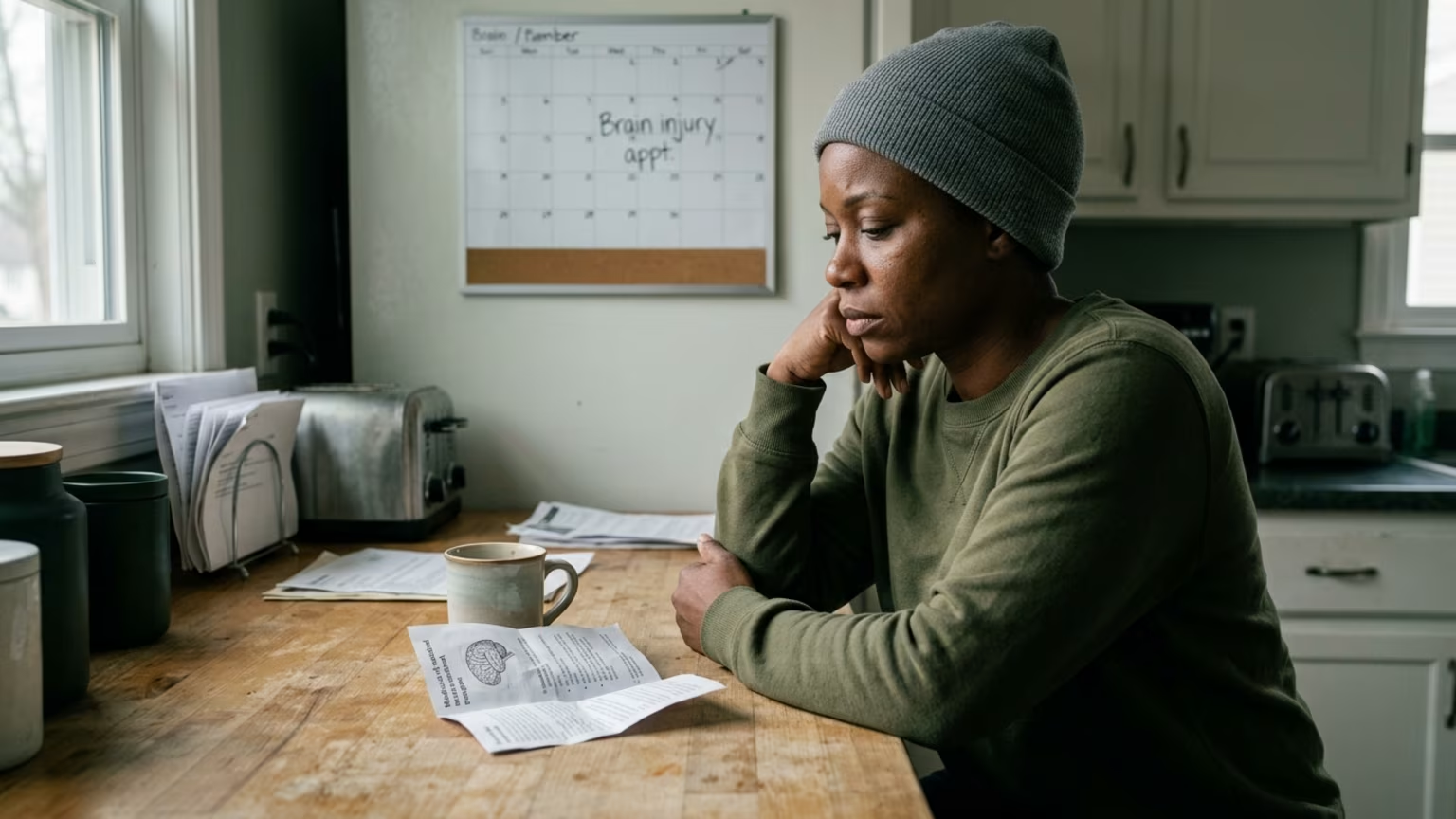
Stanford neurosurgeon Odette Harris discusses treating concussion as a brain injury and addresses the overlooked effects of TBI in women veterans.

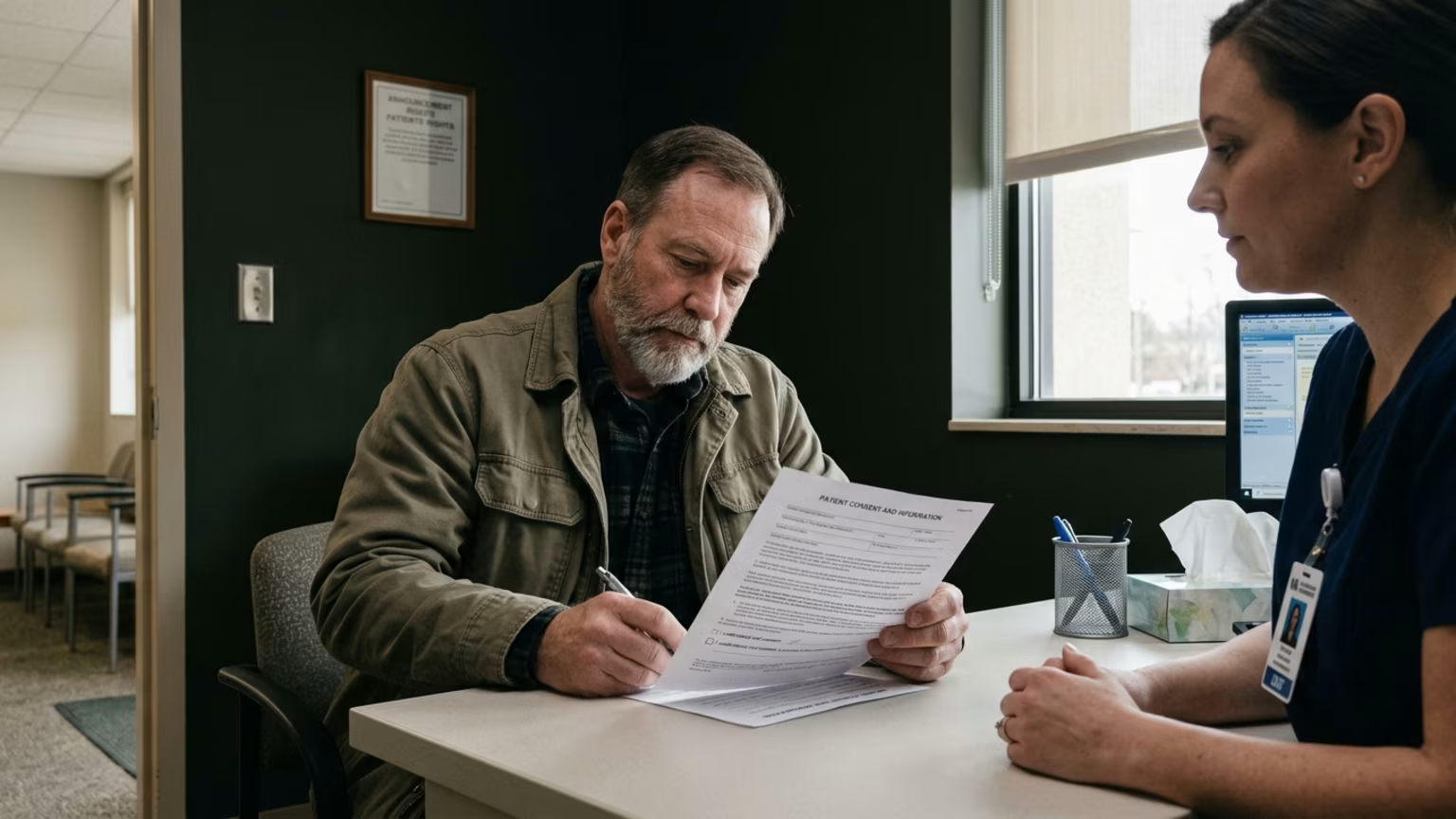
The VA announced new informed-consent steps for psychotropic medications starting in 2027. Learn how this policy updates patient education and consent rules.
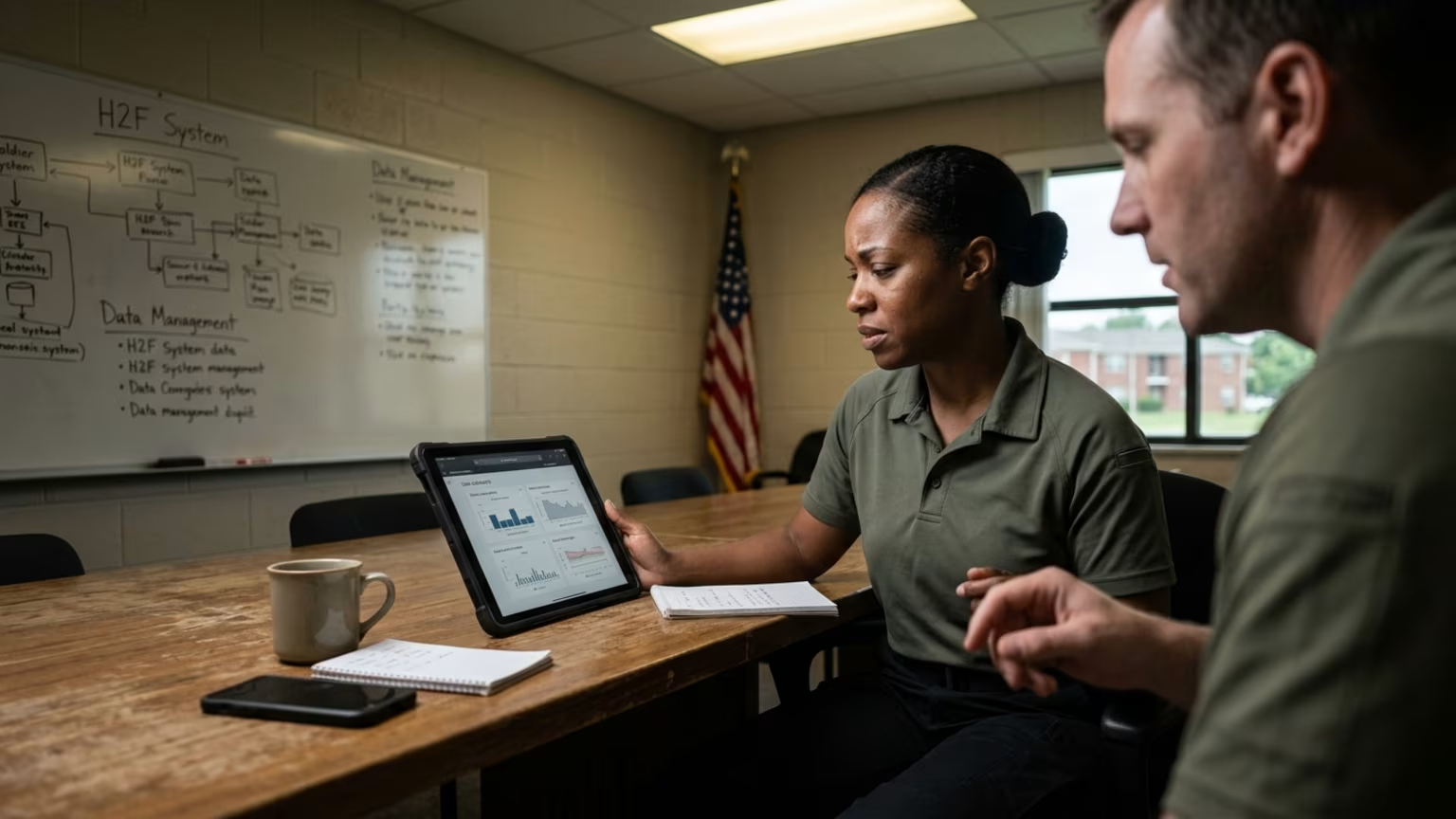
Army leaders are evaluating the new H2F Management System while raising concerns over data fatigue. Learn how this software aims to track military readiness.
Build better habits around strength, recovery, sleep, hormones and healthy aging with practical guidance for active military personnel and veterans.
Explore BattleVet