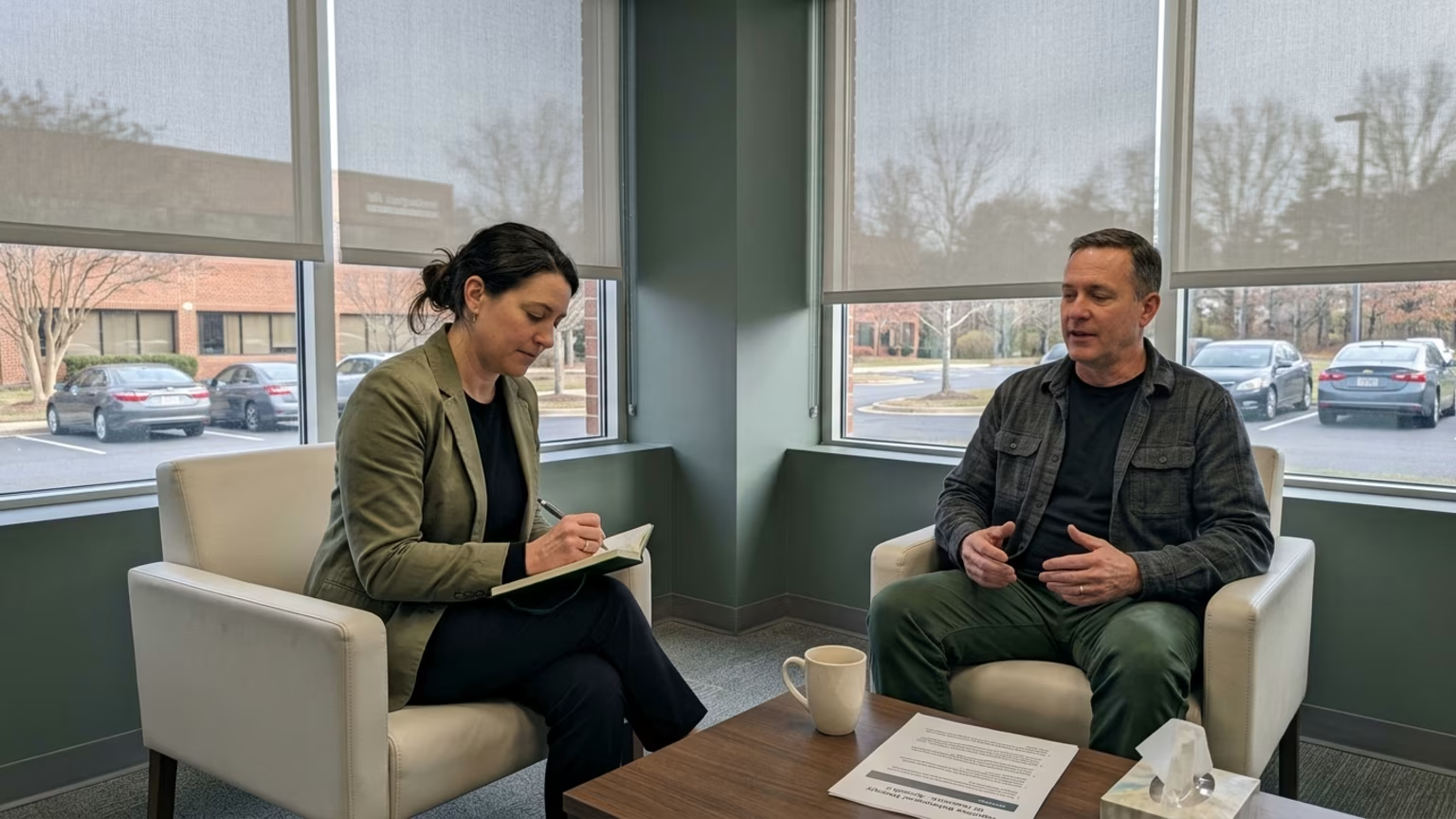

Military.com reports the VA offers an average six-session behavioral treatment for chronic insomnia. Learn how veterans can access this non-drug care option.





On September 30, 2026, Military.com reported that the Department of Veterans Affairs offers cognitive behavioral therapy for insomnia. This structured treatment provides a non-drug option for managing chronic sleep problems. The VA’s Veterans Health Library states that the treatment averages six sessions. Veterans can receive this care through in-person visits, online platforms, and telehealth appointments.
This development highlights an organized approach to addressing sleep issues without relying solely on medication. The report details how the therapy focuses on the underlying habits and thought patterns that sustain insomnia. It marks a clear effort to provide structured alternatives for veterans struggling to maintain healthy sleep routines. By standardizing this approach, the VA aims to offer consistent care across different delivery methods.
Understanding how insomnia affects daily capability is essential for former service members. Chronic sleep deprivation compromises physical recovery, mental sharpness, and stress tolerance. The recent reporting matters because it outlines a practical method for addressing the root causes of poor sleep. Cognitive behavioral therapy for insomnia specifically targets the daily schedules and mental habits that keep veterans awake.
This includes directly addressing the persistent worry about sleep that often makes the problem worse. Many individuals develop a weakened association between their bed and actual rest. Over time, the bedroom becomes linked with frustration and wakefulness rather than recovery. The therapy aims to rebuild that essential association through structured behavioral changes.
Addressing these specific patterns offers a more sustainable path to better sleep. This clear focus on habits provides an alternative for veterans who want to avoid long-term medication use. Living with chronic sleep disruptions affects every area of a former service member's life. Lack of rest steadily degrades the body's ability to recover from physical training.
It also lowers the baseline tolerance for daily stress. Over time, these combined effects make it harder to maintain a high level of physical capability. Finding a reliable way to restore healthy sleep patterns is a top priority for maintaining long-term wellness. A structured behavioral approach offers a path forward that focuses on fundamental habits.
Therapy sessions give veterans a dedicated space to examine their evening routines. A clinician can help identify specific behaviors that accidentally signal the brain to stay awake. This might include spending too much time in bed while frustrated or anxious. The goal is to retrain the brain to recognize the bed strictly as a place for rest.
Logistical barriers often prevent veterans from receiving consistent medical care. Attending six separate in-person appointments can be incredibly difficult for those with demanding schedules. Work obligations, school commitments, and family care responsibilities leave little time for weekly clinic visits. Furthermore, many veterans live far from a dedicated VA medical center.
A lack of reliable transportation can make consistent in-person treatment nearly impossible. The availability of telehealth delivery directly addresses these practical challenges. Remote appointments allow veterans to receive structured care from their own homes. Reducing the friction of travel and scheduling makes it easier to complete the full treatment program.
Better access to care supports long-term physical capability and healthy aging. Veterans interested in improving their daily resilience can find more information in our Recovery and sleep articles. Providing flexible delivery methods reflects an understanding of modern veteran life. Not every former service member has the flexibility to take time off work for medical appointments.
Offering online and telehealth options respects the reality of their daily obligations. This flexibility is a critical component of effective military health management. When care is easier to access, veterans are more likely to seek out the help they need. Maintaining physical strength and mental focus requires consistent, high-quality rest.
Sleep is the primary mechanism the body uses to repair tissue and manage stress. When chronic insomnia disrupts this process, overall health slowly degrades. Having a documented, multi-session framework to repair these sleep patterns is a valuable resource. It empowers veterans to take an active role in their own recovery process.
This clear framework removes the guesswork from treating severe sleep disruptions. Veterans now have a documented timeline and multiple access points for care. Building these structured options helps former service members regain control of their physical recovery.
The reporting outlines clear steps for veterans who want to address their sleep problems. The first shift in guidance is treating cognitive behavioral therapy as a primary option to discuss with a doctor. Veterans with persistent insomnia should ask their local VA provider if this specific therapy is available to them. They should also inquire about which delivery formats are offered in their area.
Because local arrangements vary, veterans cannot assume every format is available at their nearest clinic. Asking specific questions about telehealth and online options is critical for those facing scheduling barriers. If distance or transportation is an issue, telehealth might be the most practical path forward. Veterans must advocate for the delivery method that best fits their daily responsibilities.
This proactive communication ensures they receive care that is actually sustainable. Transitioning to a behavioral approach requires a clear commitment to the process. Veterans must actively participate in identifying their disruptive sleep habits during these sessions. The average six-session timeline relies on the patient doing the required work between appointments.
Treatment success depends heavily on consistently applying the new routines at home. Taking ownership of this process is a key element of effective health management. When speaking with a VA clinician, veterans should clearly explain their specific barriers to care. If leaving the house is difficult, they must explicitly ask about the telehealth option.
If their work schedule changes weekly, they need to communicate that constraint immediately. Clinicians can only recommend the best delivery format if they understand the veteran's daily reality. Open communication ensures the final treatment plan is actually manageable. This self-advocacy is a critical skill for navigating any healthcare system successfully.
For veterans currently taking sedative medication, the guidance is extremely clear. The therapy is presented as a non-drug treatment option, but this does not mean veterans should abandon their current prescriptions. The Military.com article specifically cautions against stopping sedative medication abruptly. Veterans must never discontinue sleep aids on their own without medical supervision.
Any changes to a medication routine must be managed in direct consultation with a clinician. Treating this therapy as a supplementary option initially is the safest approach. Veterans can discuss starting the behavioral sessions while safely managing their current medication plan. Over time, the clinician may adjust the prescription based on the progress made during therapy.
This cautious integration prevents sudden disruptions to a veteran's established health routine. Safe management of treatment changes is a key focus of our Veteran life resources.
The VA also provides different timelines and resources for varying levels of need. The recent reporting mentions Brief Behavioral Treatment for Insomnia as an alternative pathway. This abbreviated version is described as generally taking one to four visits. This shorter format may appeal to veterans who cannot commit to the average six-session timeline.
It offers a condensed approach to repairing disruptive sleep habits. Additionally, the VA offers self-guided resources for veterans who prefer to manage their own routines. Options include the SleepEZ program and the Insomnia Coach application. While these tools are readily available, they are not a complete substitute for individualized clinical care.
The report advises veterans to discuss their sleep problems with a provider before deciding if self-guided treatment is appropriate. A clinical assessment ensures that the chosen intervention actually matches the severity of the sleep issue.
As the Department of Veterans Affairs expands its non-pharmaceutical options, the integration of technology becomes increasingly important. Offering structured therapy through video connections and digital applications changes how care is delivered. Will the growing reliance on telehealth and self-guided apps eventually become the standard starting point for all veteran sleep health programs?
Follow BattleVet for practical guidance on military and veteran health, strength, recovery, testosterone, sleep and healthy aging. Stay connected for new articles, research backed insights and clear information to help you stay capable for the years ahead.


A Nature Aging study explains how aging muscle trades power for protection. Learn what this biological shift means for veteran health and strength training.

Sampled received a $27.1 million VA contract to expand the Million Veteran Program. Learn how this genetic data impacts veteran health research and care.

California signed new laws expanding reproductive healthcare access for veterans. Learn how to navigate these state changes alongside federal VA benefits.
Build better habits around strength, recovery, sleep, hormones and healthy aging with practical guidance for active military personnel and veterans.
Explore BattleVet