Stay ready for the years ahead
Build better habits around strength, recovery, sleep, hormones and healthy aging with practical guidance for active military personnel and veterans.
Explore BattleVet
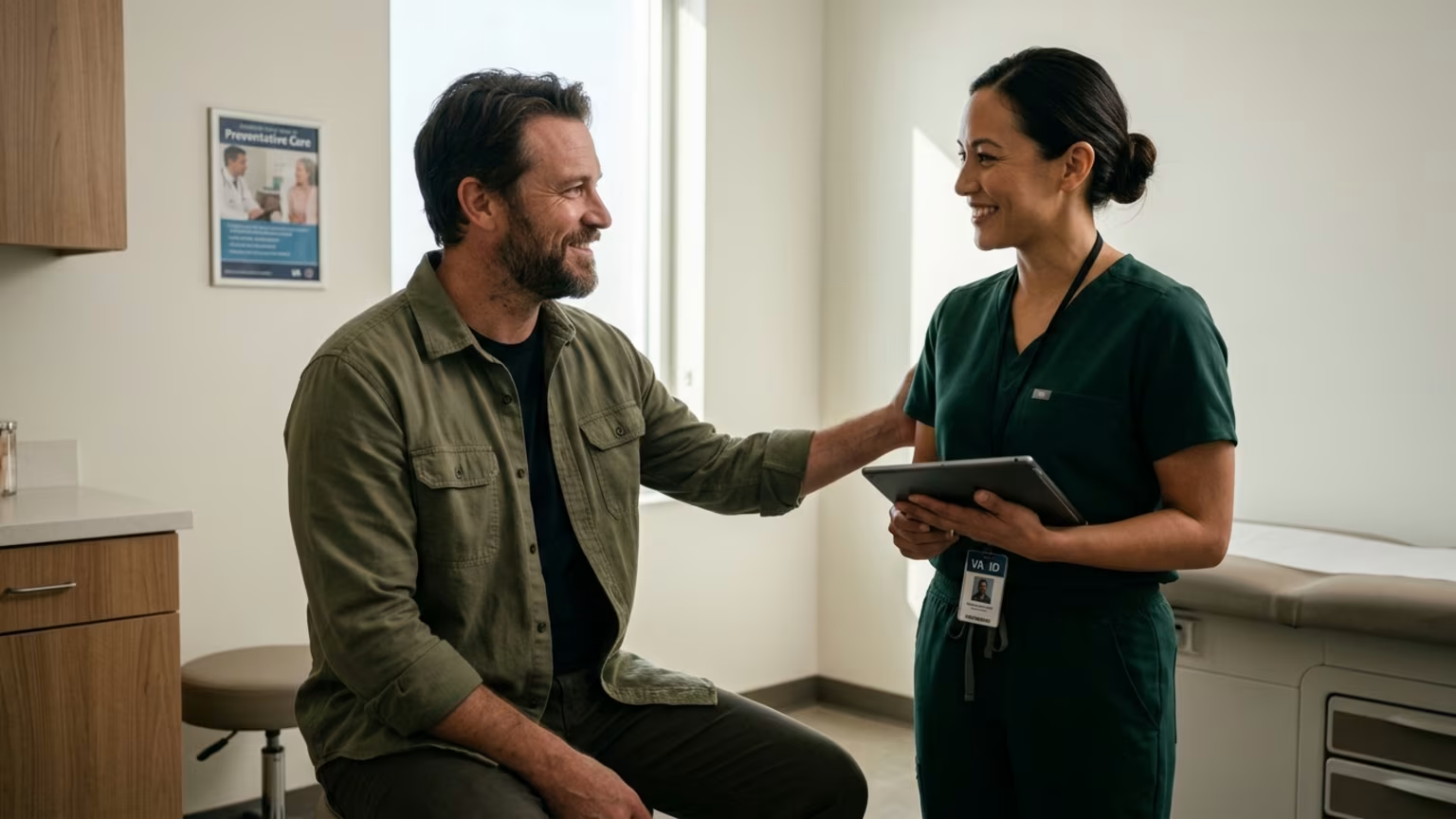
The VA reports veteran trust remained above 80 percent for a fourth consecutive quarter. Learn how this data impacts health planning and community care.


Recent 2026 data from the Royal British Legion and the UK Ministry of Defence highlights the co-occurrence of fatigue and musculoskeletal symptoms in veterans.
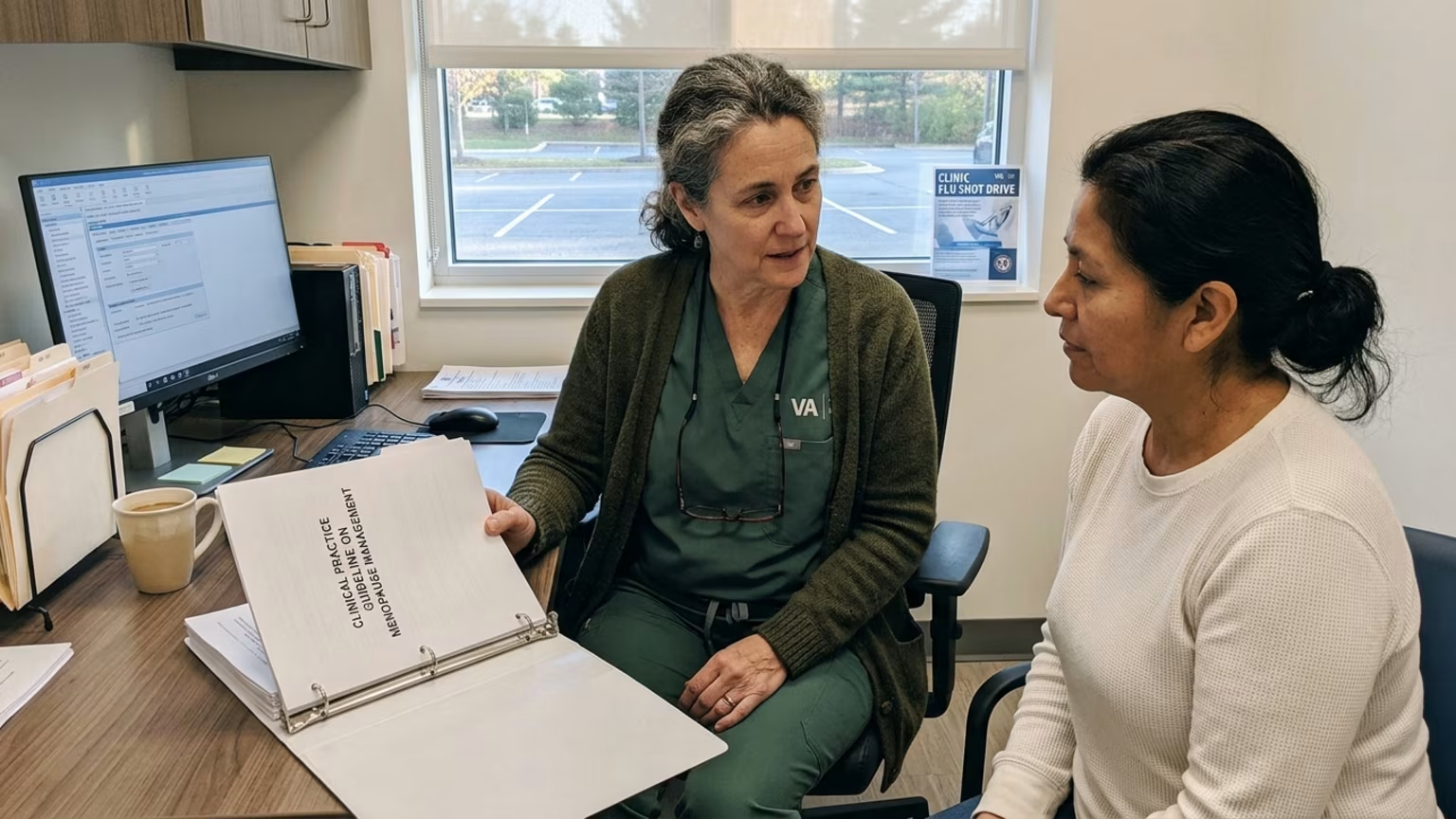
The VA and DoD released the 2026 Clinical Practice Guideline on Menopause. Learn how the 43 evidence-based recommendations impact military and veteran care.

An expert analysis of the Arizona State University hockey incident reveals why team-building workouts require clear planning and explicit stop-work authority.
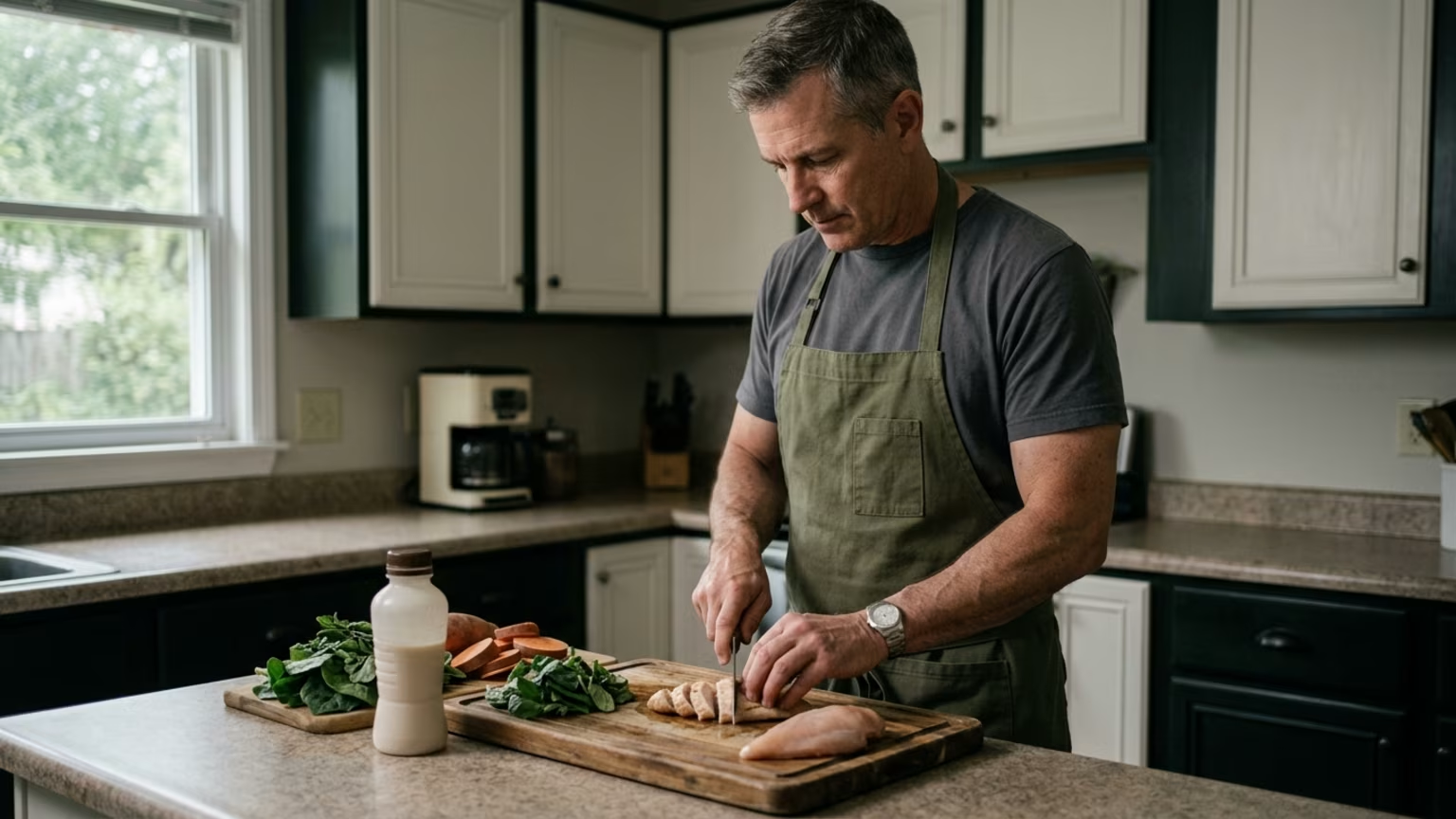
Learn how veterans can preserve muscle health and prevent sarcopenia with clinical strategies for resistance training, endurance work, and targeted protein intake.
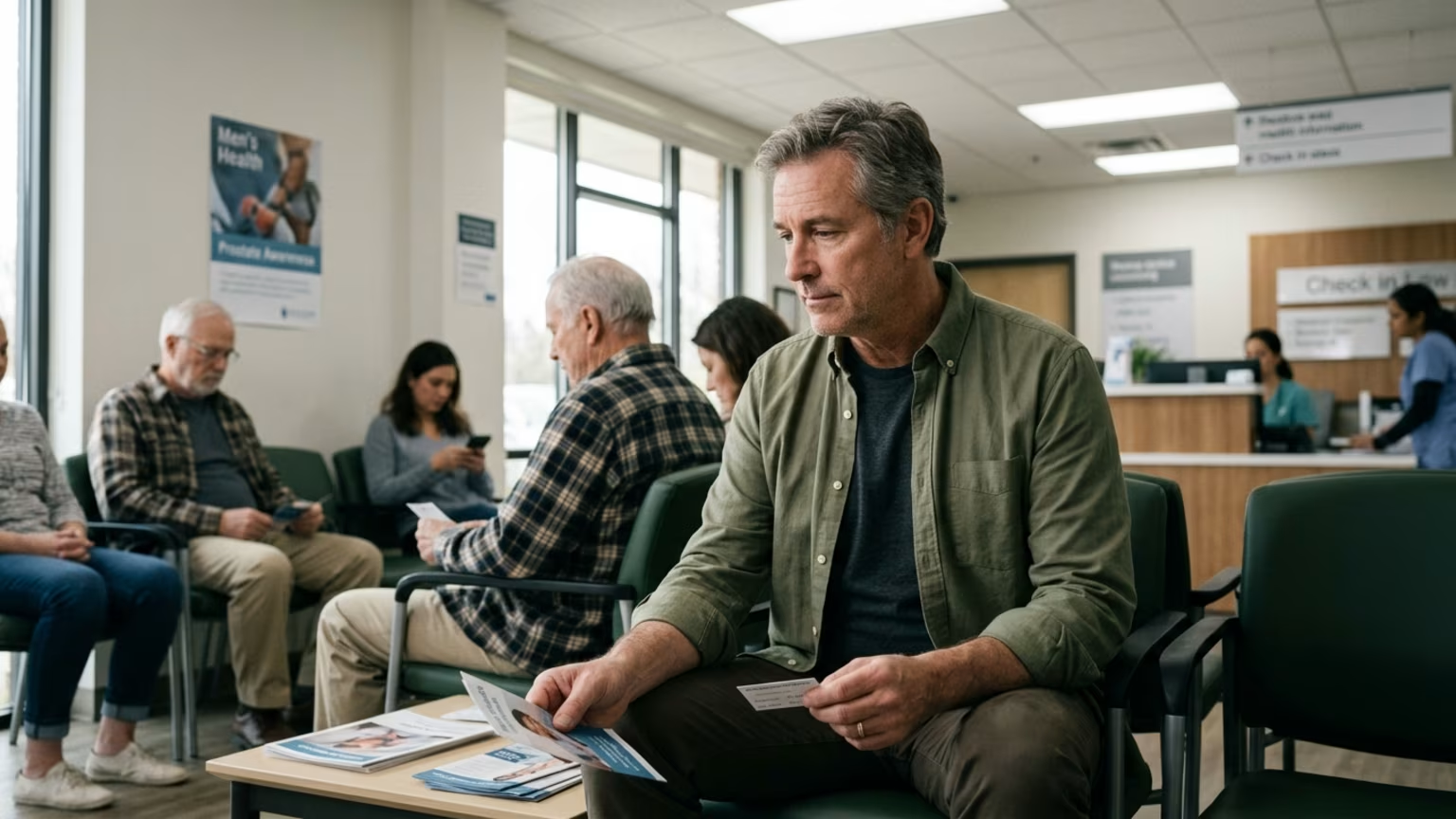
Recent updates from Urology Times and the Pentagon shift the conversation on hormone therapy. Learn how new clinical data impacts veteran health decisions.
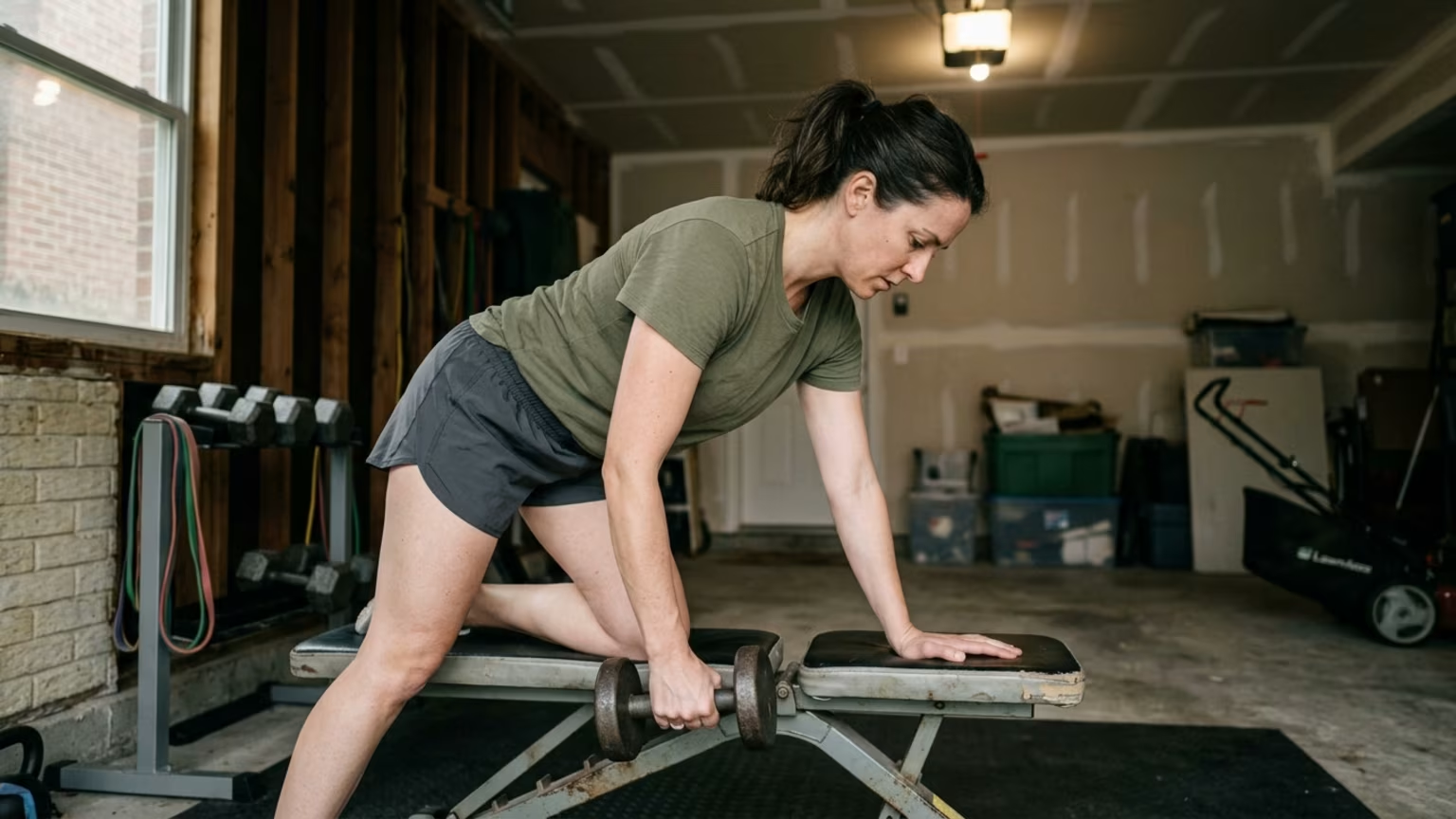
A recent study shows that moderate and heavy resistance training can lower MRI-estimated brain age in older adults. Learn how veterans can apply these findings.

A JAMA Cardiology analysis shows physical decline can precede heart events by years, giving veterans a clear metric for early medical discussions.
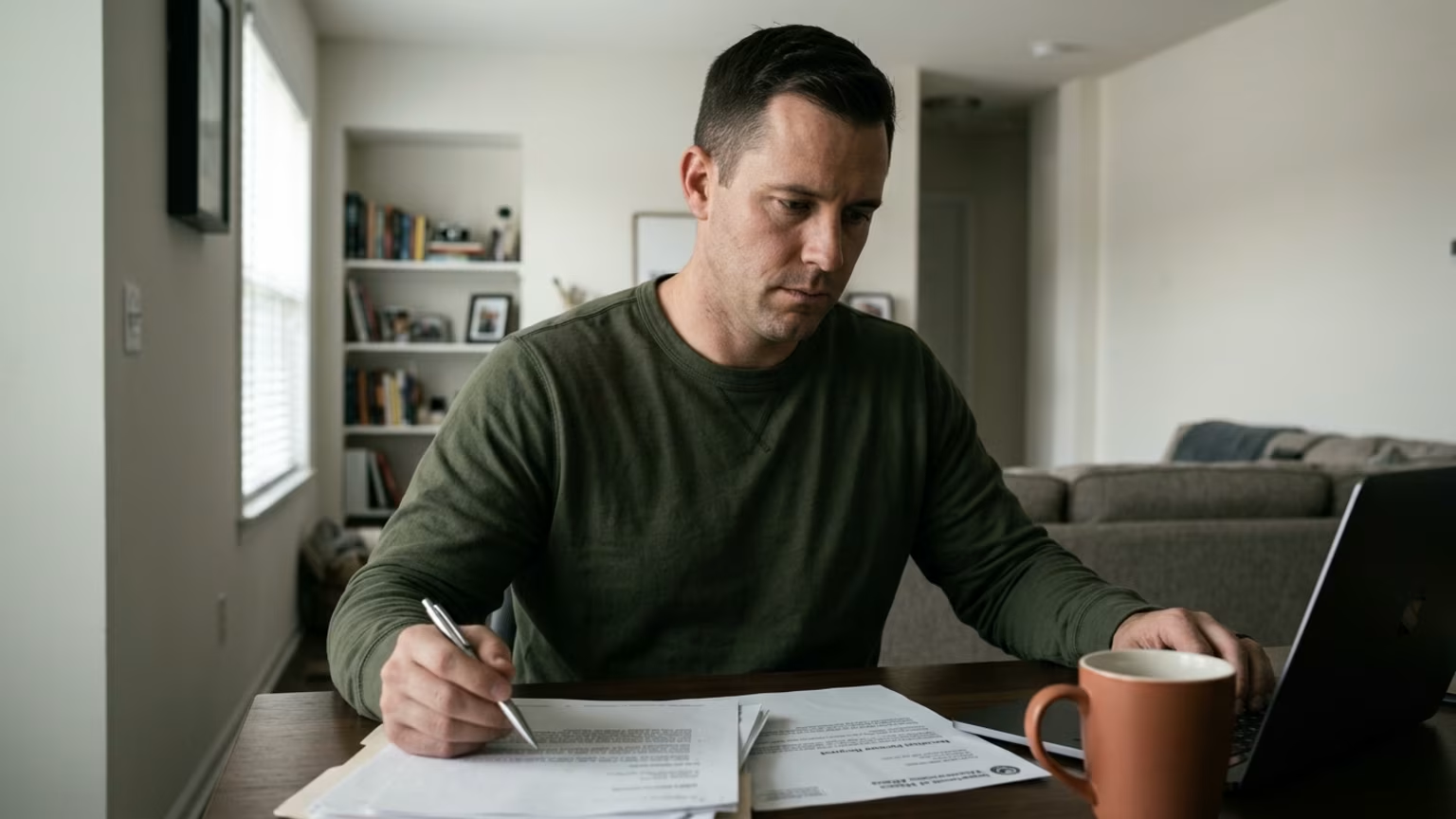
Learn how one veteran navigated a VA healthcare denial and explore the VA's updated 2026 decision review process, eligibility rules, and benefit guidelines.

A September 2026 study found AI chatbots often drop sleep apnea referral advice when users minimize symptoms. Veterans must rely on clinical medical screening.

An ABC investigation highlighted concerns over DVA-funded medicinal cannabis and esketamine prescribing for veterans, leading to tightened rules and oversight.
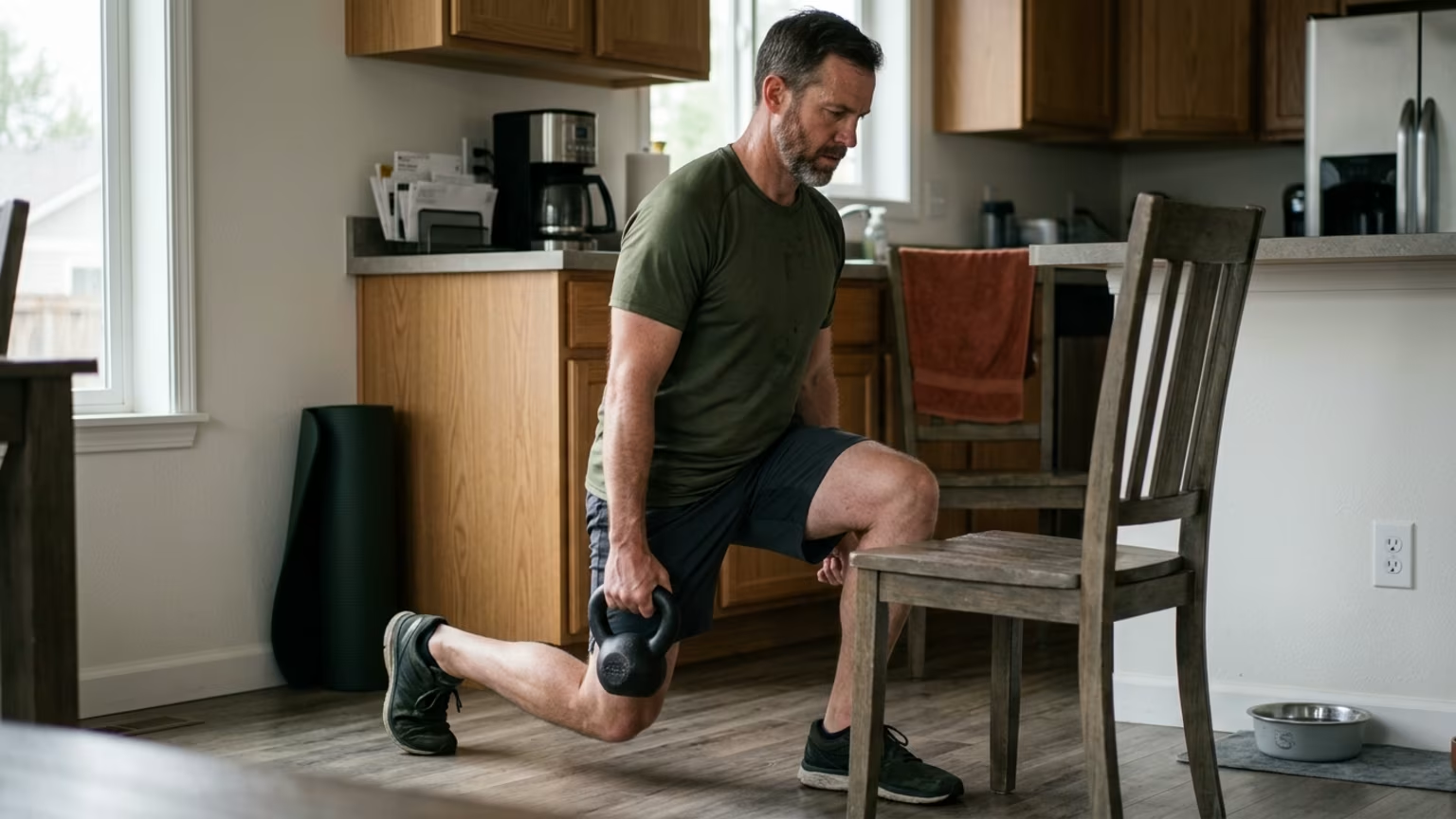
Recent reports highlight a 10-minute daily resistance habit for adults over 40. Learn how brief fitness routines compare to federal strength guidelines.

New European Association of Urology guidance outlines targeted early-morning testosterone, glucose, and lipid testing to properly evaluate men with symptoms.

A September 2026 review shows pre-workout caffeine improves endurance but can degrade sleep quality, requiring careful timing for military and veteran health.
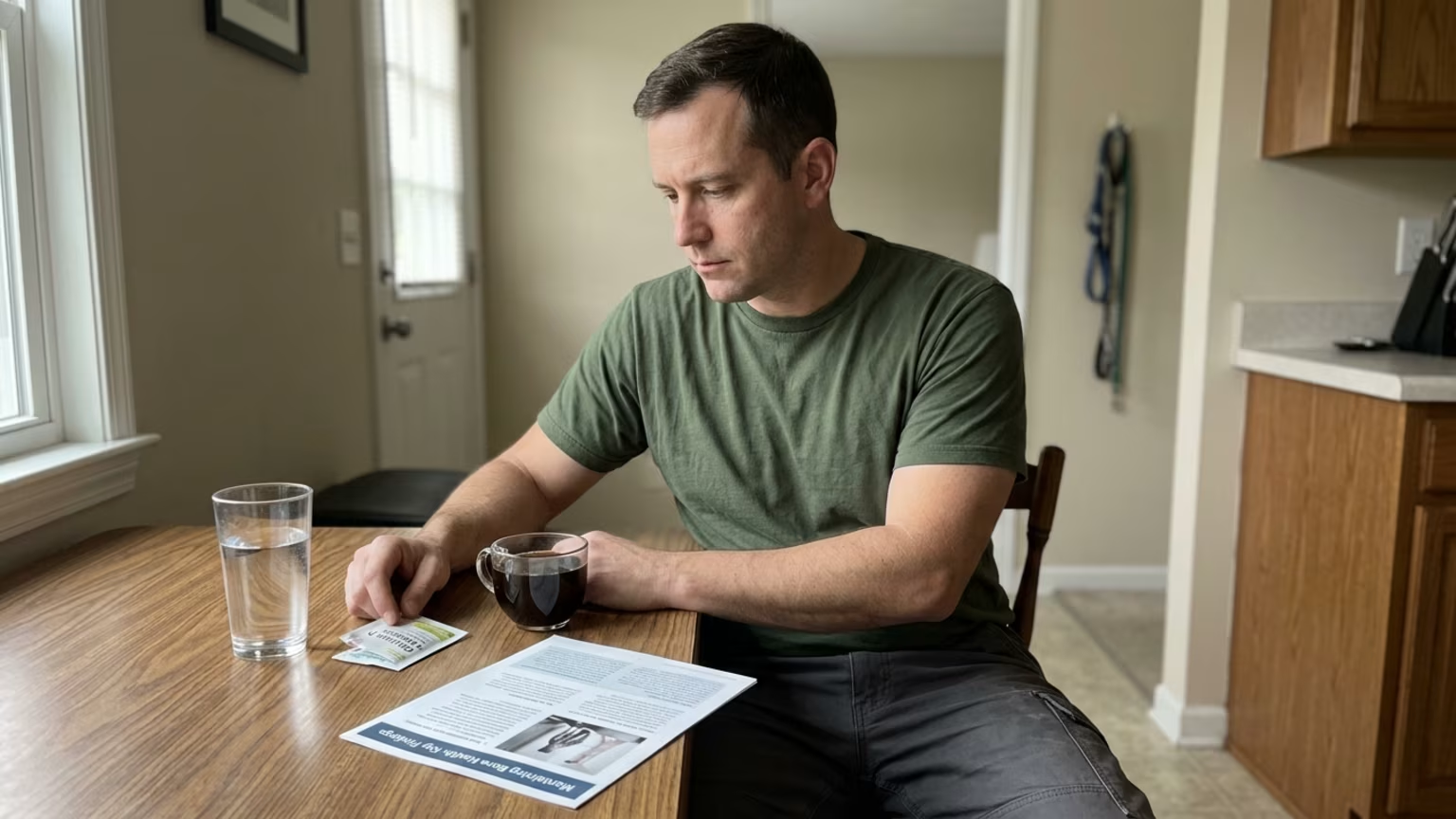
A 2026 review of 124 trials found brisk walking and jogging offer modest bone density benefits. Learn how veterans can adapt these findings for healthy aging.
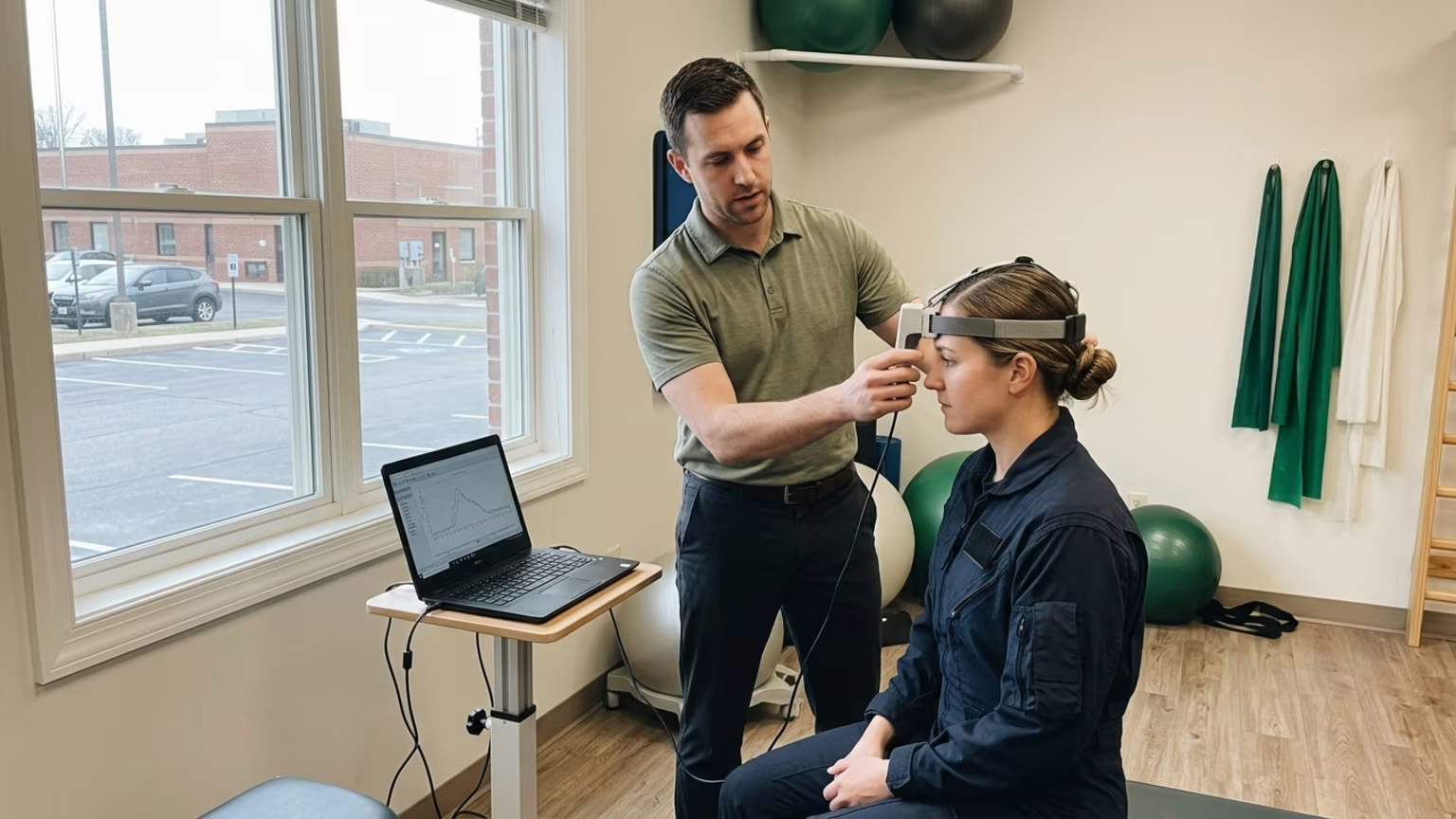
A recent practitioner report details an ongoing, task-specific neck-training program for F-16 student pilots using quantifiable testing and loading methods.
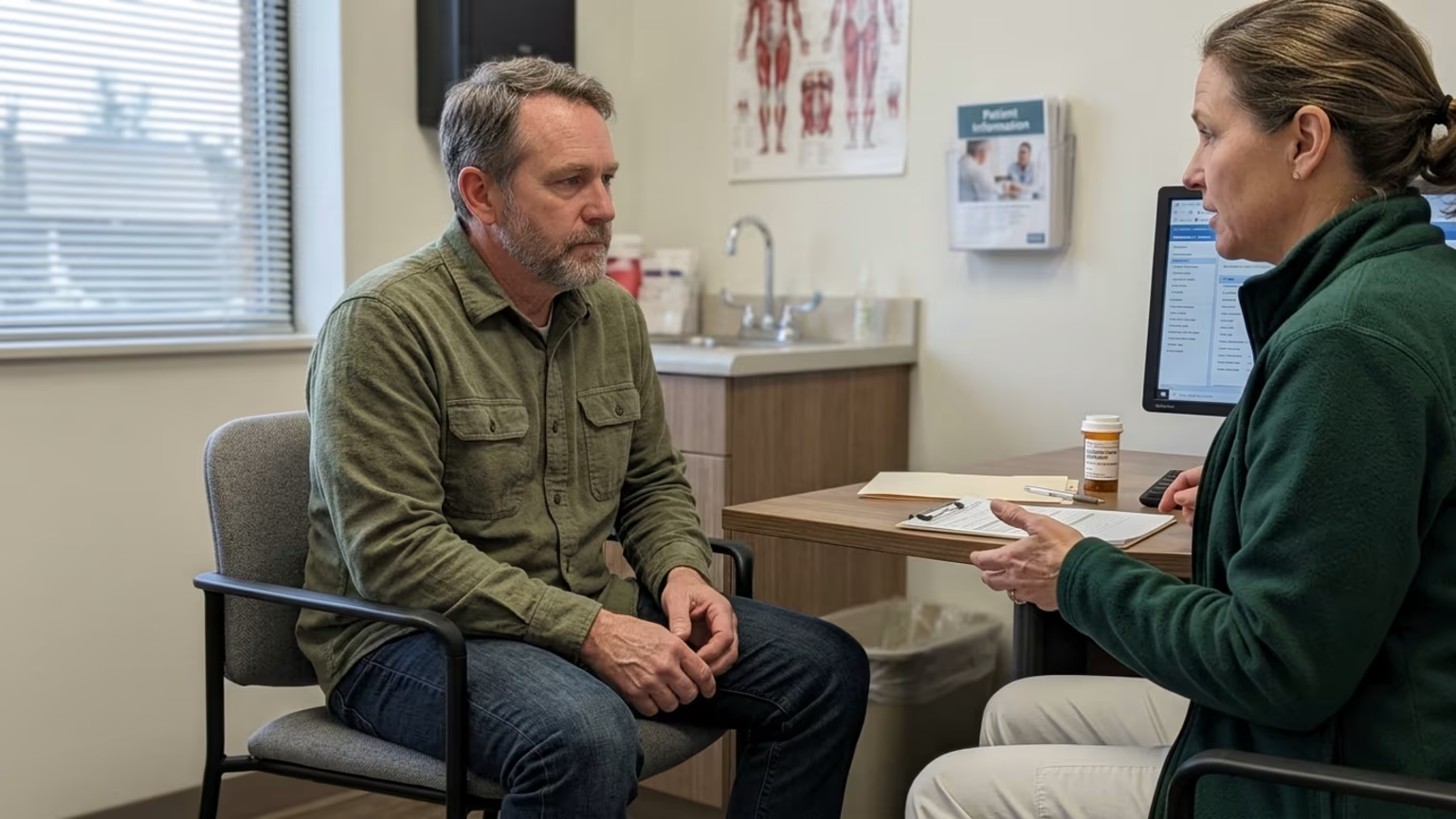
A 2013 retrospective review of 120 men found testosterone therapy did not universally worsen prostate symptoms, though clinical monitoring remains necessary.

The Major Richard Star Act remained in committee in October 2026. Read how eligible Chapter 61 retirees can navigate existing CRSC claims and DD Form 2860.
Build better habits around strength, recovery, sleep, hormones and healthy aging with practical guidance for active military personnel and veterans.
Explore BattleVet



