Stay ready for the years ahead
Build better habits around strength, recovery, sleep, hormones and healthy aging with practical guidance for active military personnel and veterans.
Explore BattleVet
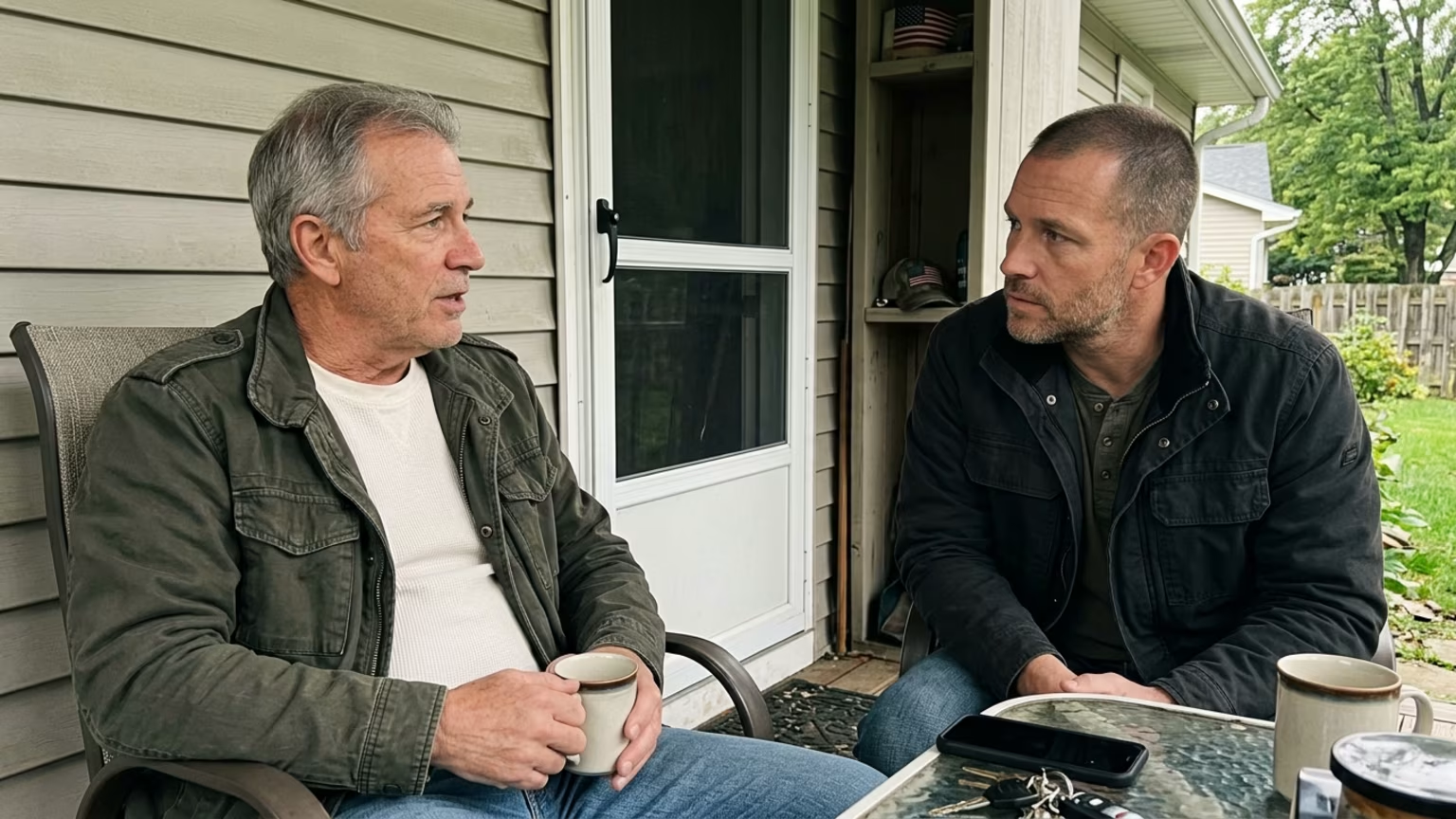
Duke-NUS research identifies major shifts in immune-cell gene activity around ages 40 and 60. Learn what these nonlinear biological changes mean for veteran health.

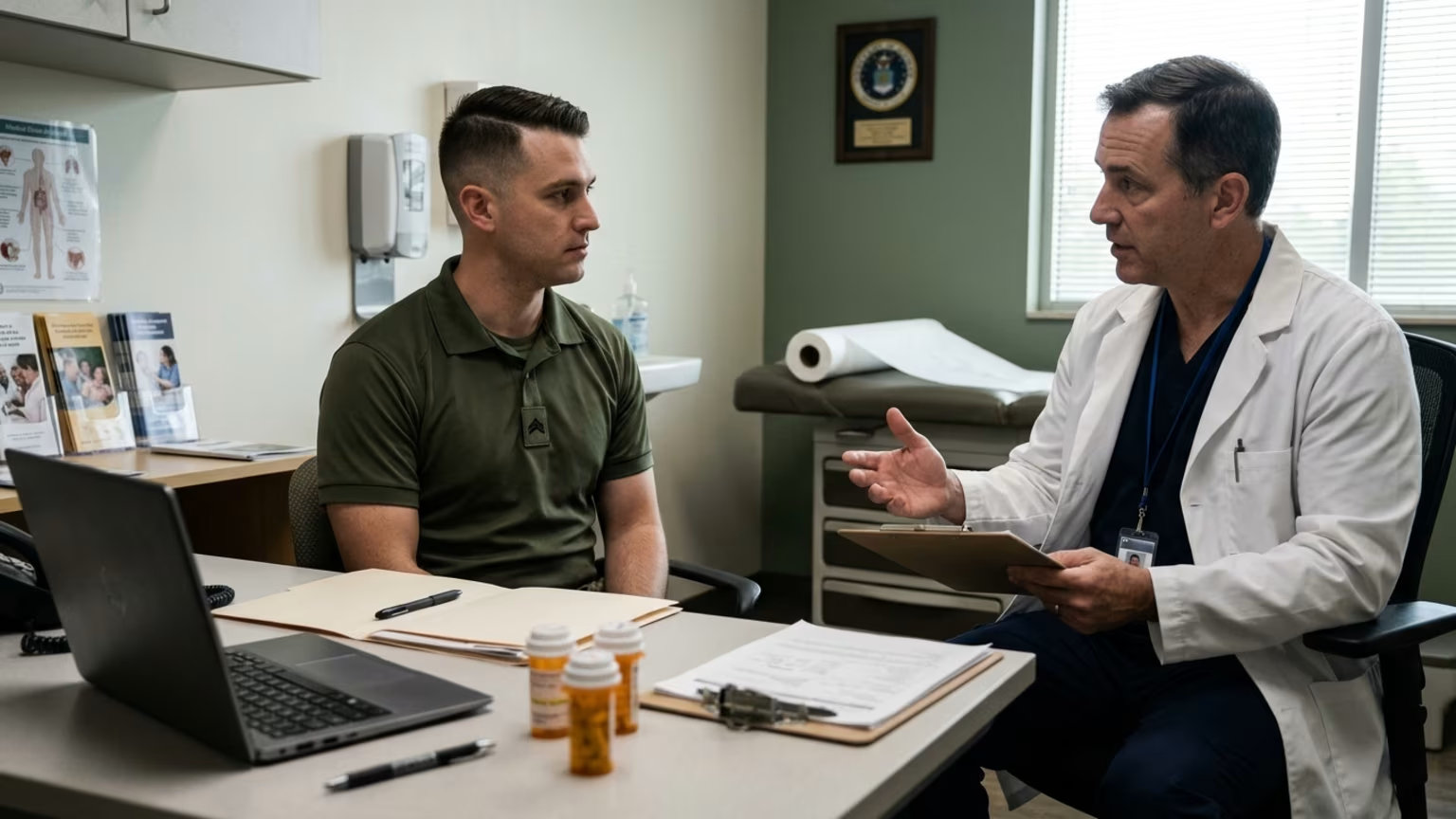
A review of the September 2026 DHA guideline for testosterone deficiency in male service members. Learn about new testing protocols, alternative treatments, and fertility preservation risks.
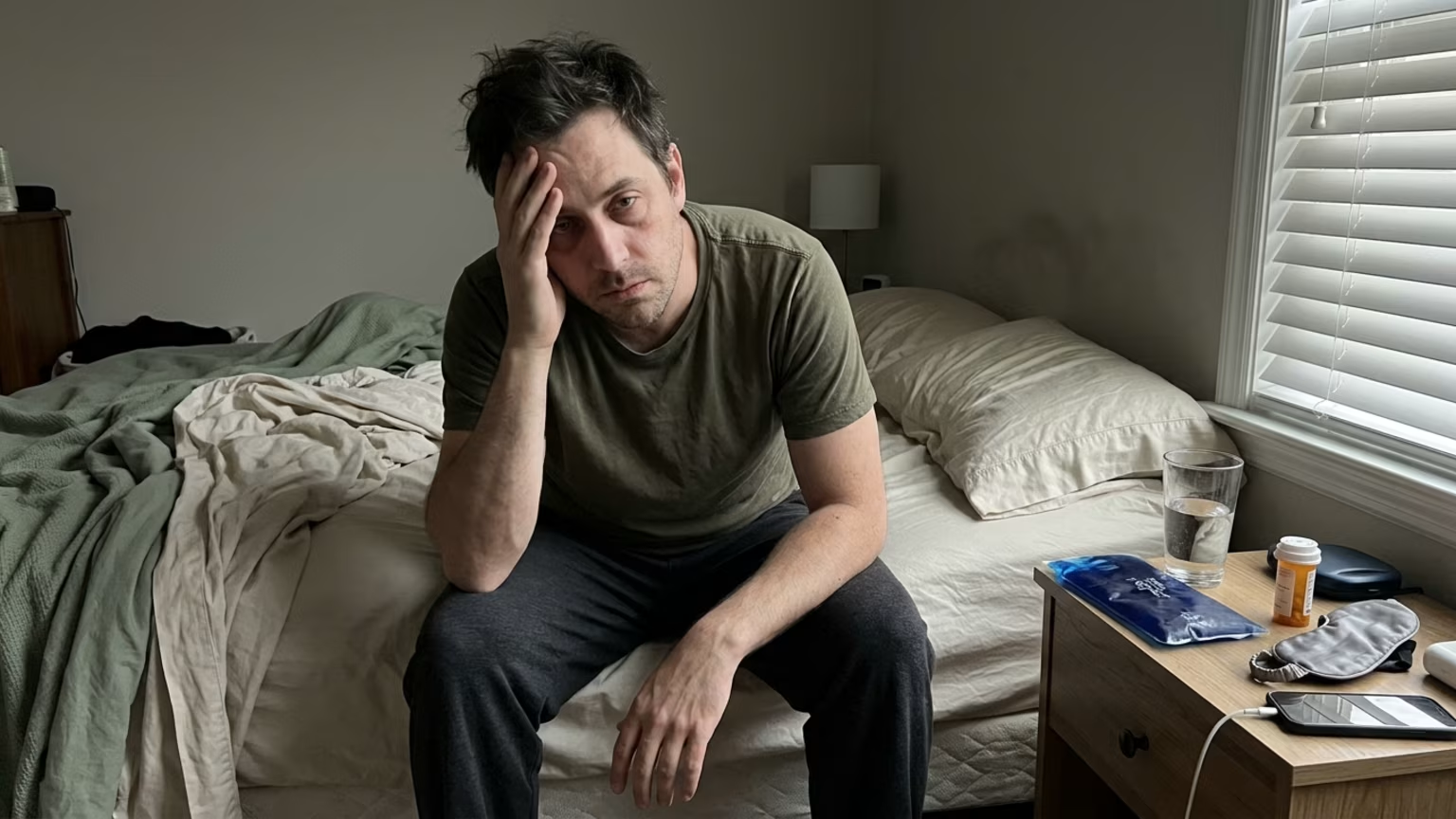
A 2026 Curtin University report associates preexisting sleep disorders with persistent concussion symptoms. Learn how baseline rest impacts veteran head injury recovery.
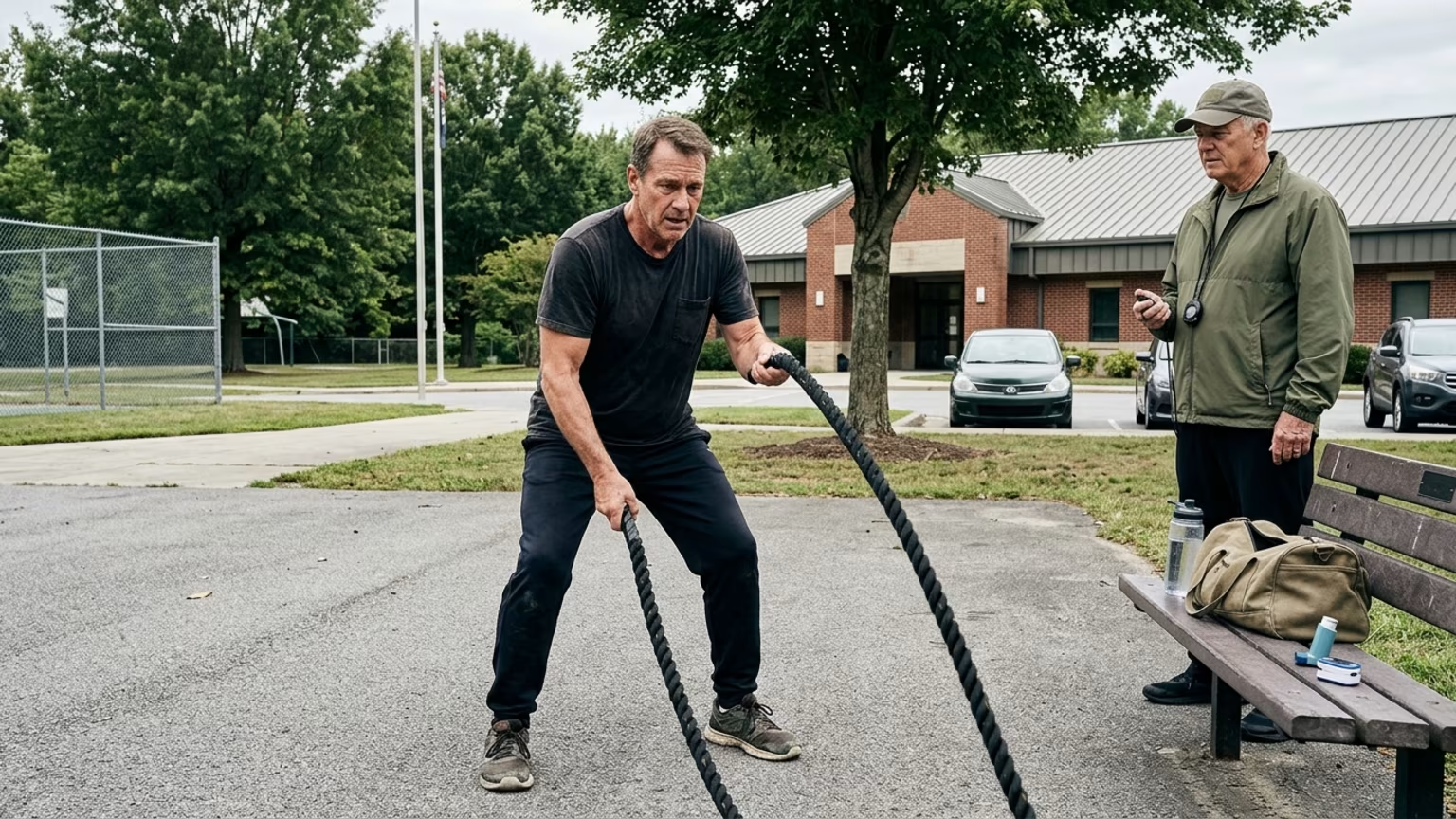
A pilot study evaluated a 12-week high-intensity interval training program for veterans with deployment-related respiratory disease. Review the early findings.
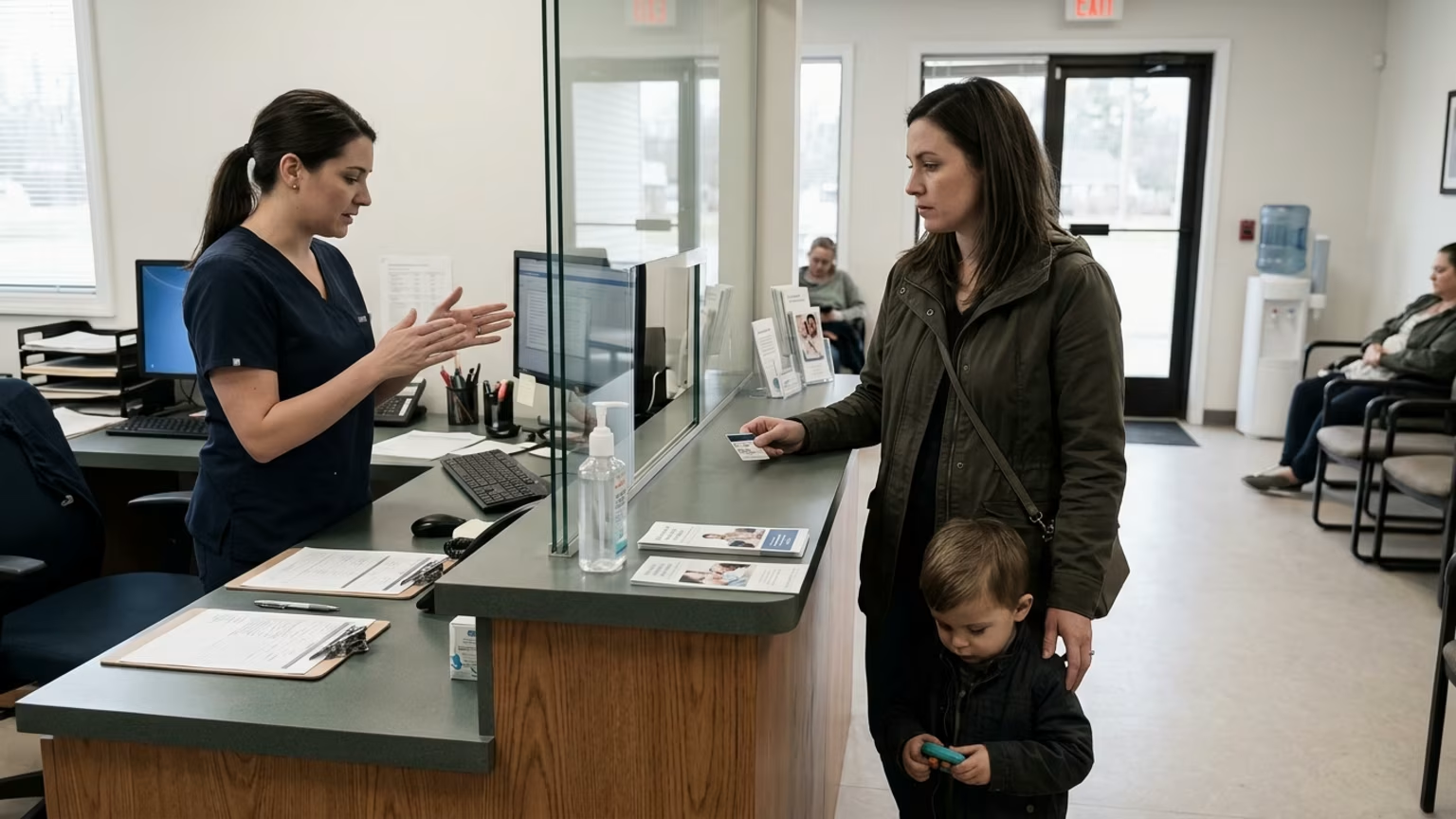
A planned October DEERS outage temporarily limits TRICARE eligibility verification. Learn how this cloud migration affects pharmacies and Open Season updates.
A Stanford study tracked special forces veterans following ibogaine therapy, observing sustained remission in some while emphasizing the need for more research.
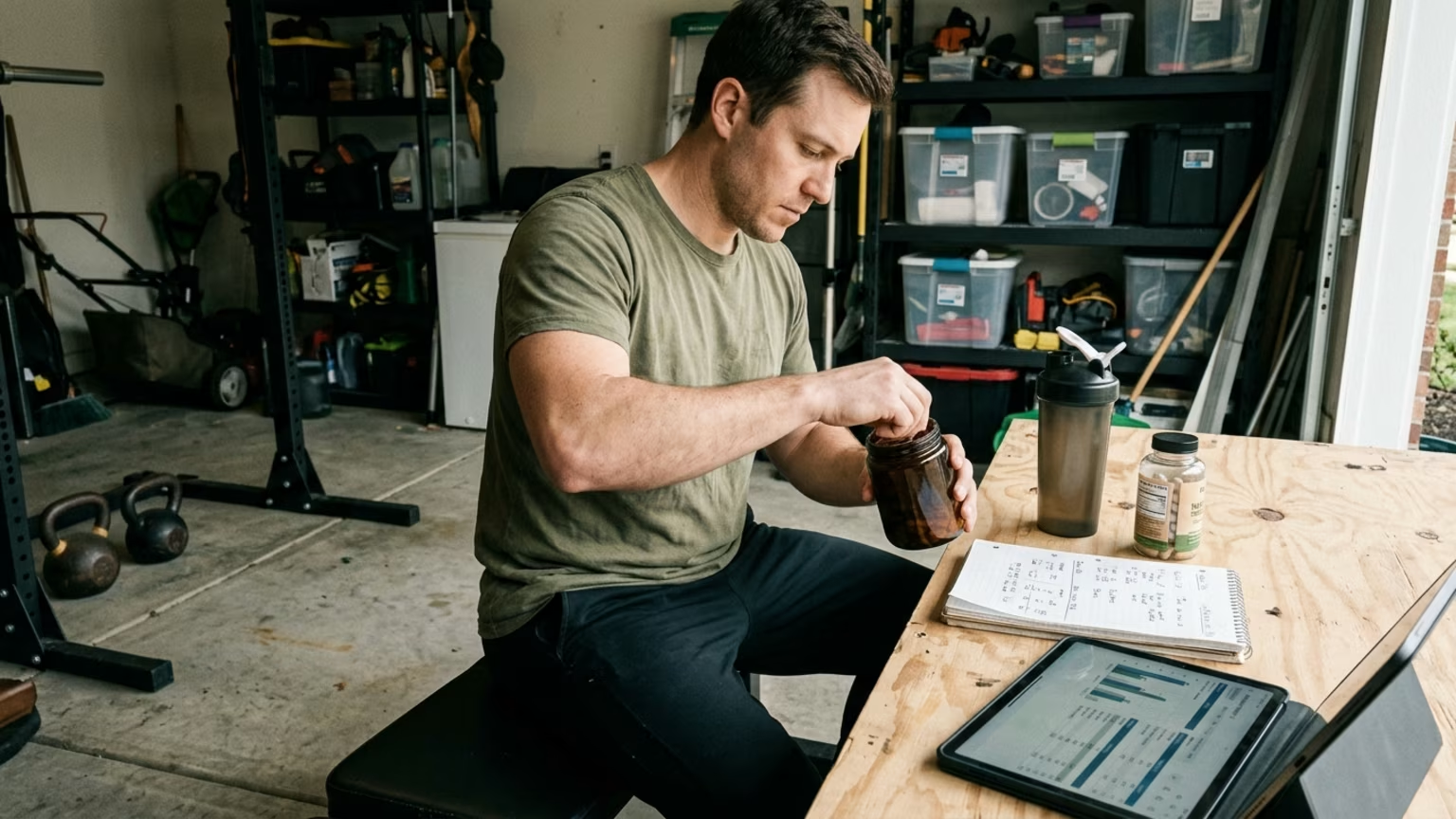
A 90-day randomized trial reported that AshwaSR improved strength and endurance in active adults. Learn what this specific evidence means for veteran health.
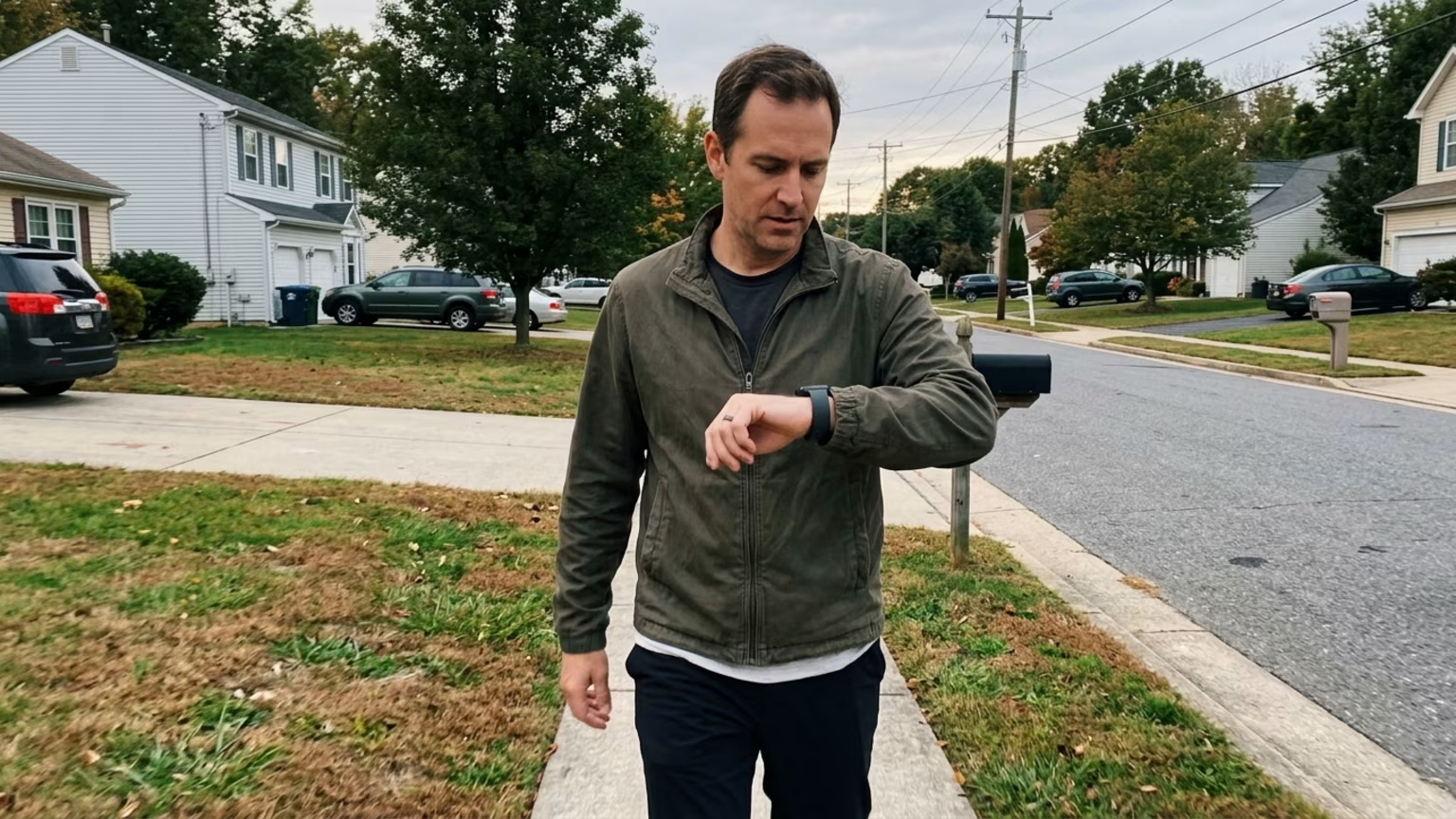
A 2026 NUS Medicine study analyzed wearable data to show how replacing 30 minutes of daily sitting with light activity can improve cardiometabolic markers.
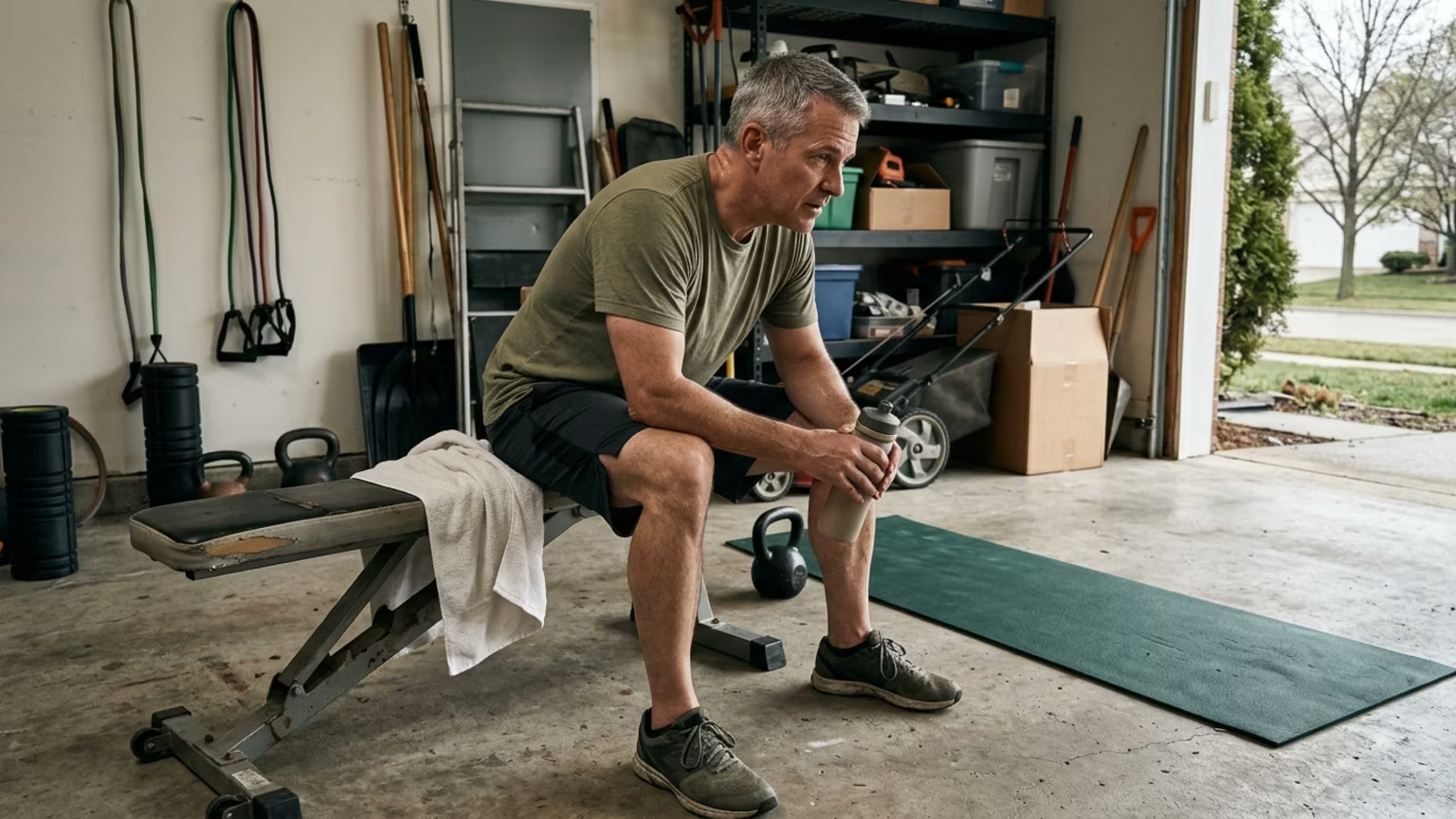
The 2026 NeuroFit trial found that three months of combined aerobic and resistance training significantly improved mood in midlife adults, without short-term cognitive gains.
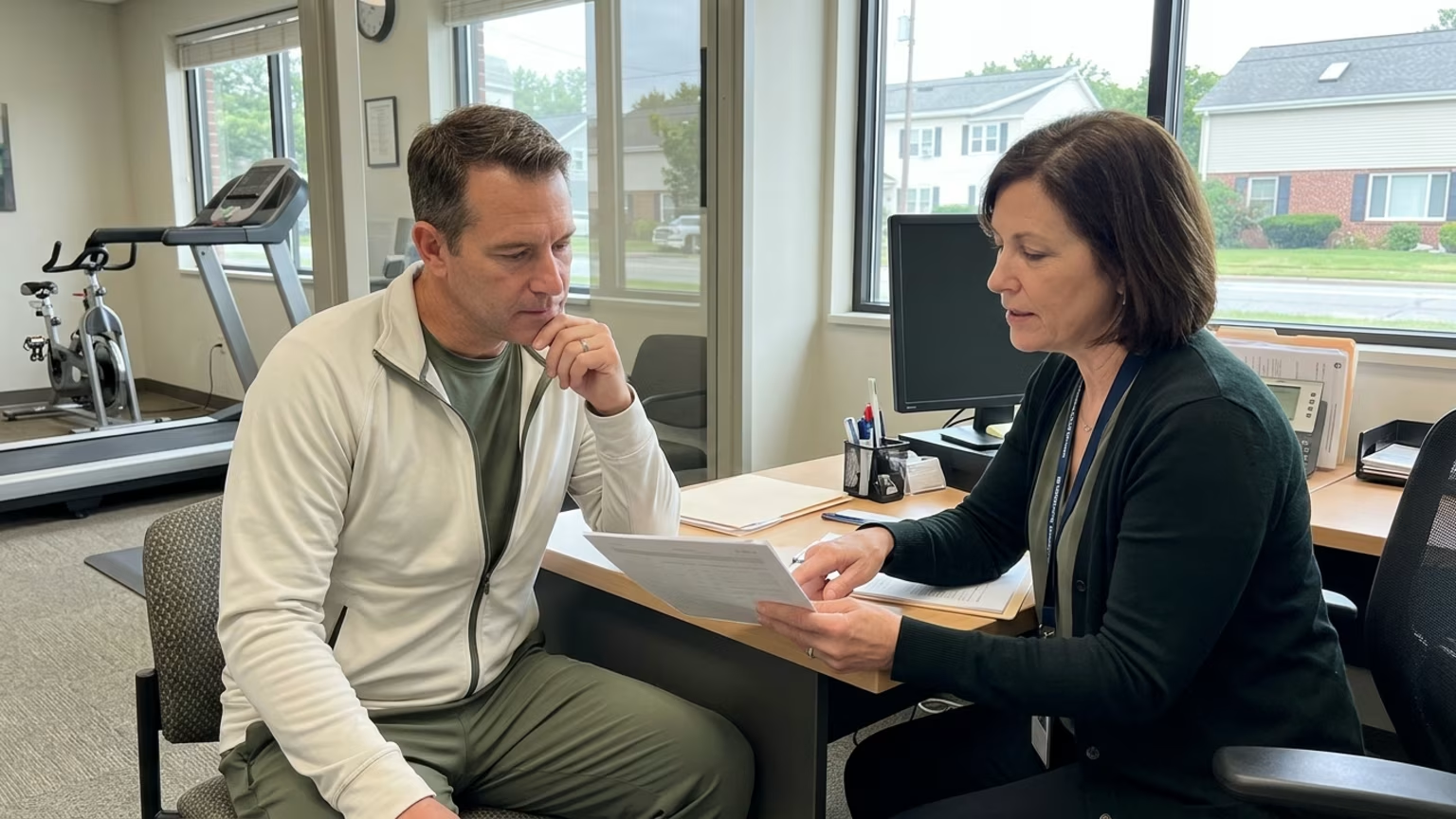
A recent study associates 9 to 10 hours of weekly exercise with lower cardiovascular risk. Experts advise veterans to use 150 minutes as a practical baseline.
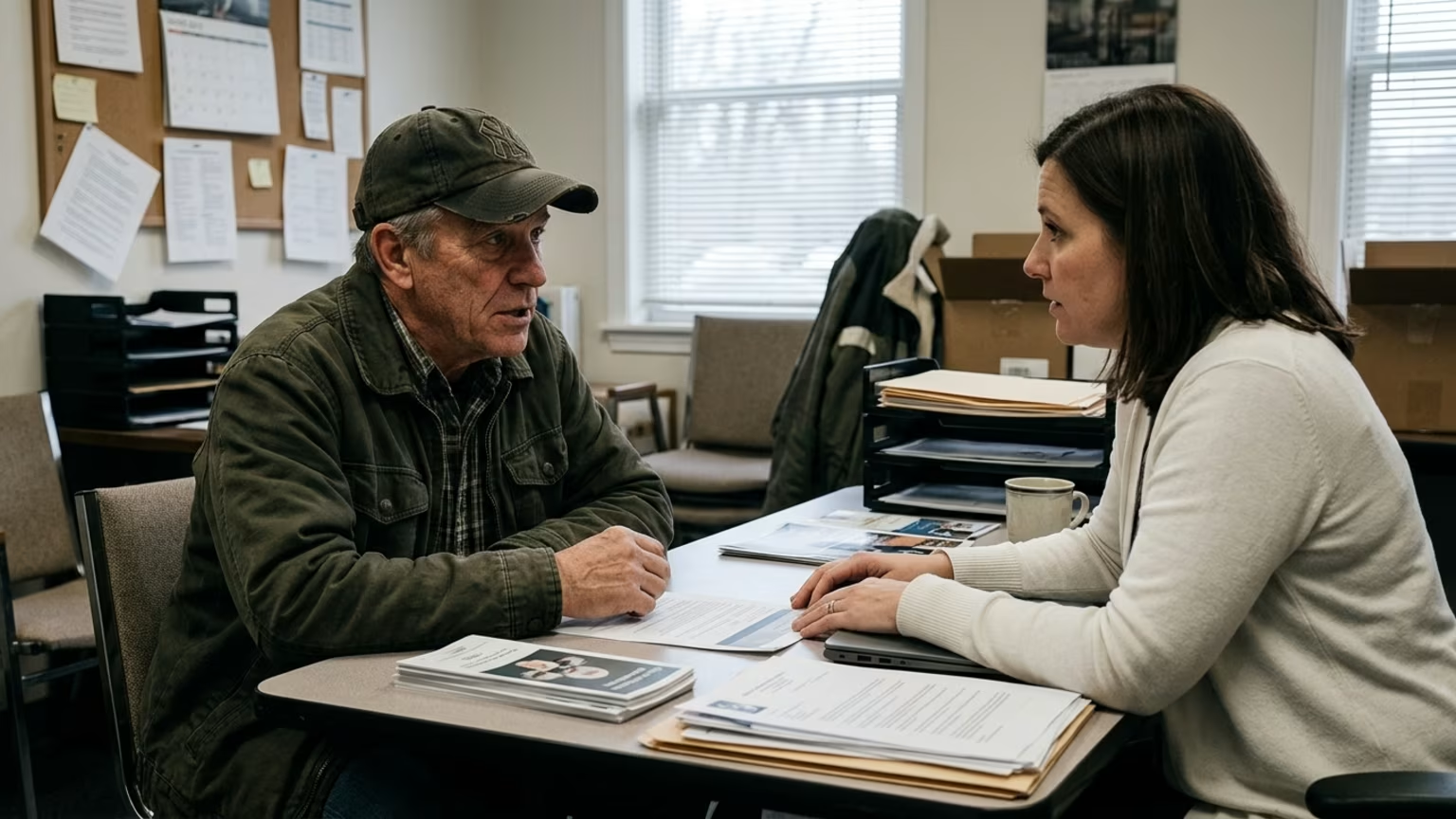
Retired FBI agent and 9/11 responder Jeffrey Miller is advocating for updated cancer screening policies in the World Trade Center Health Program. Here is what it means.

A 2026 cohort study links balance, lower-body strength, and aerobic fitness to lower mortality risk in older adults, offering key insights for veteran health.
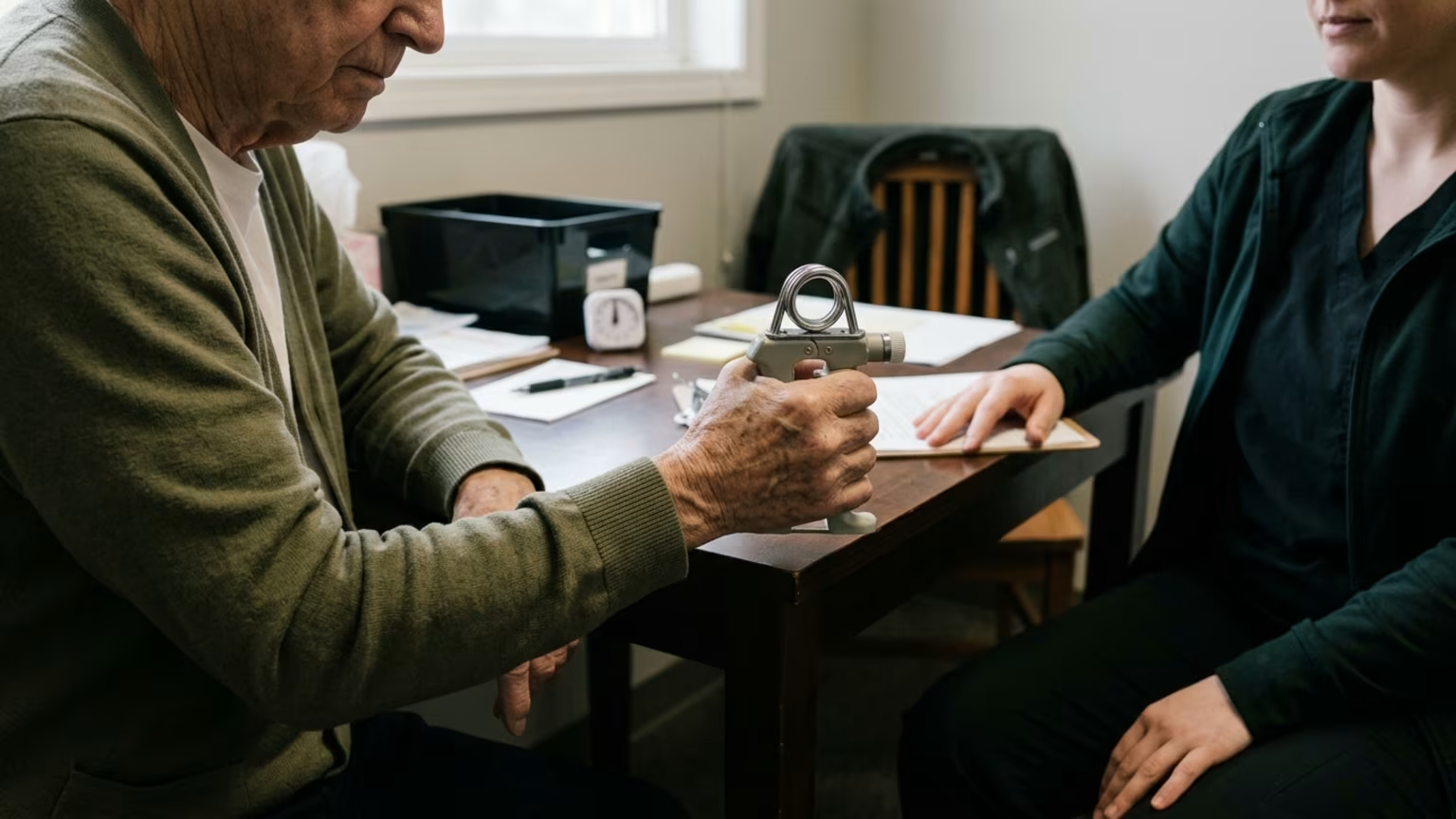
Recent reporting highlights how neural coordination may contribute to age-related handgrip weakness. Learn why proven strength and aerobic routines still matter.

The VA reports its Choose VA outreach supported over 6,900 new health care enrollments in 2026. Learn how eligibility rules and private insurance impact care.

The Uniformed Services University published its 2026 to 2029 strategic plan focusing on prolonged field care, digital transformation, and medical readiness.
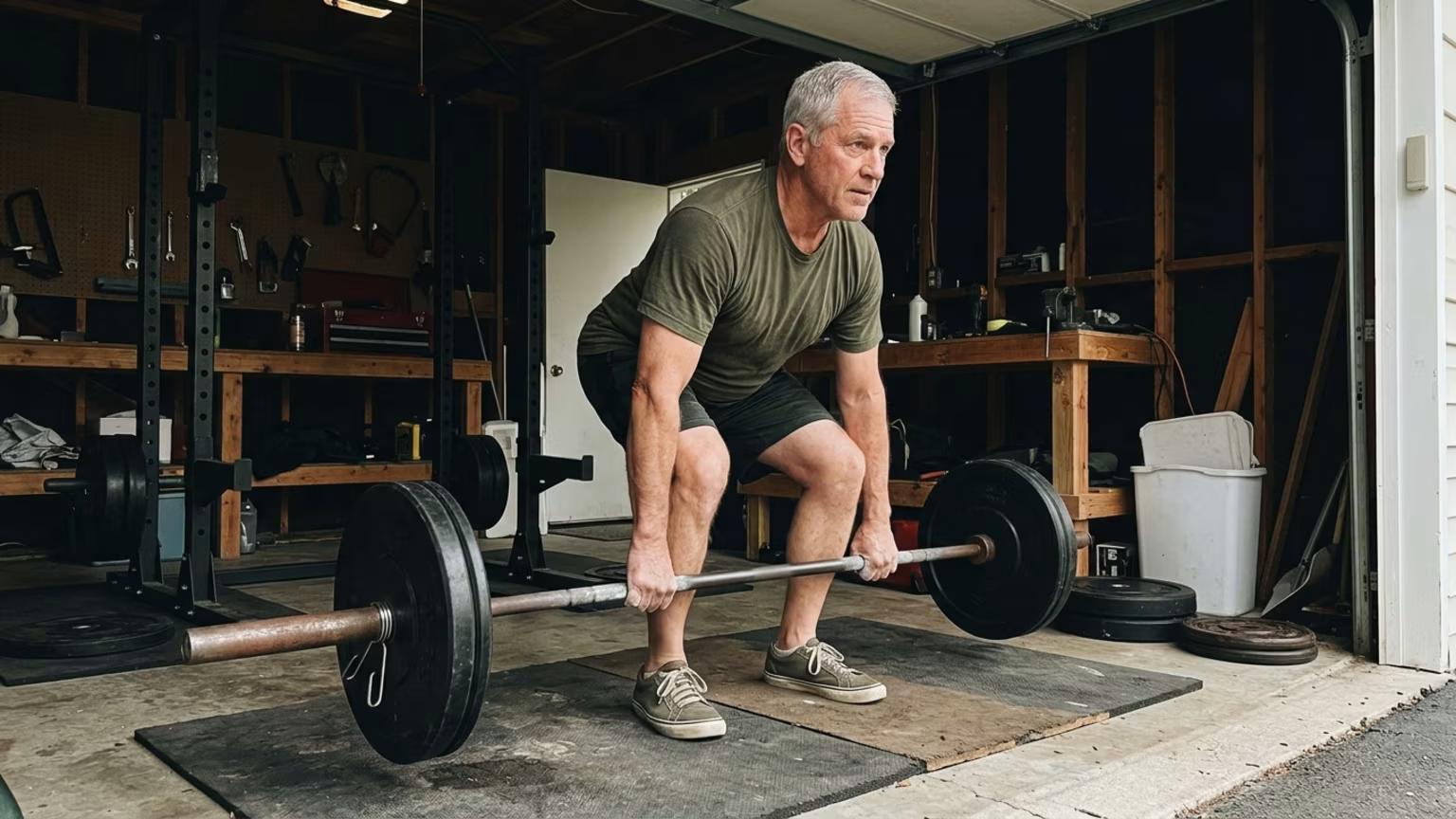
A recent 12 week trial reveals that high intensity lifting produces better lower body strength gains than blood flow restriction routines for older men.
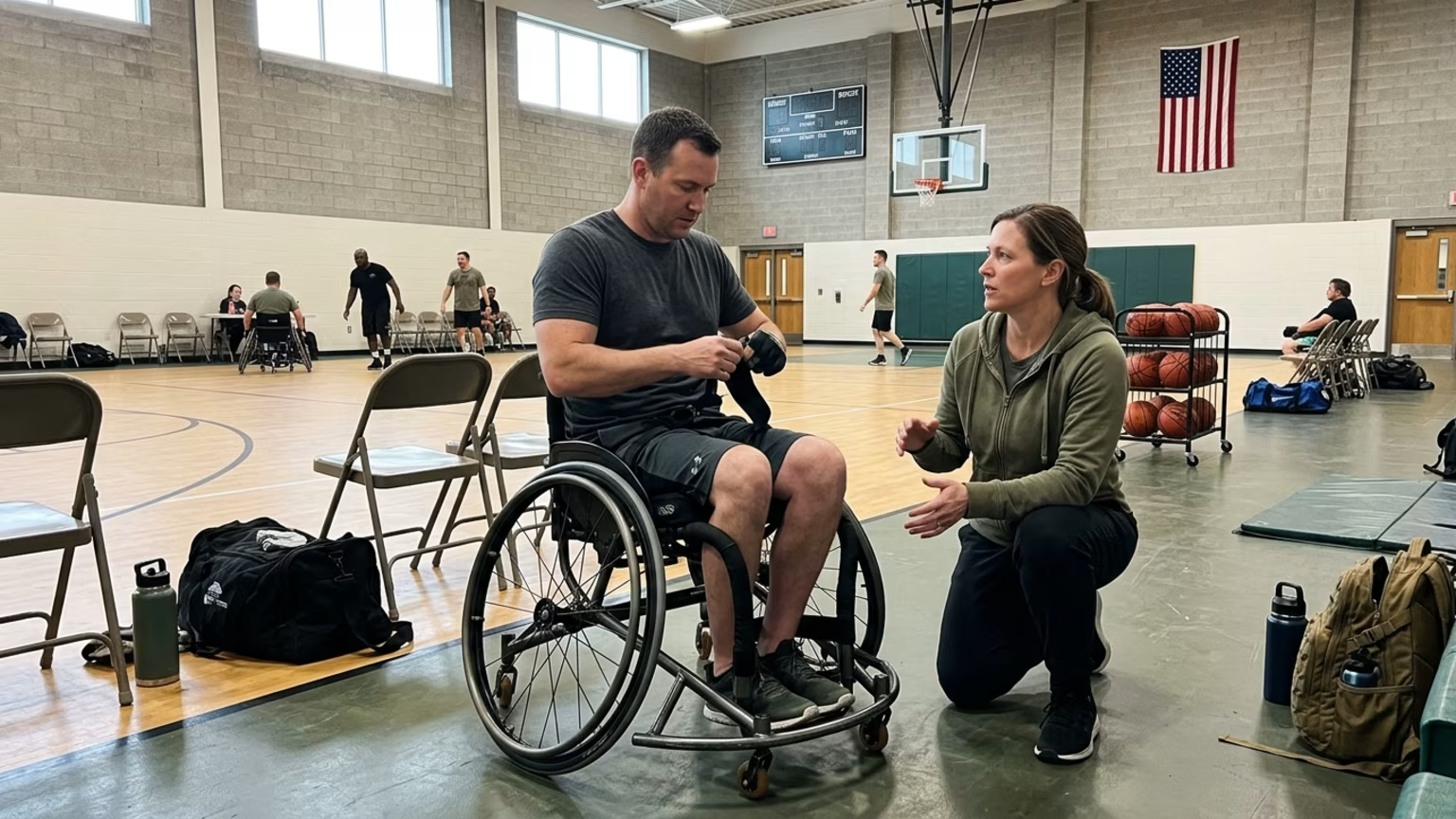
The VA awarded $16 million to 91 organizations for veteran adaptive sports. Learn how these community programs support mobility, strength, and recovery.

Fort Leonard Wood Soldiers completed the Norwegian Swim Badge assessment. Read what this event reveals about aquatic endurance and military fitness standards.
Build better habits around strength, recovery, sleep, hormones and healthy aging with practical guidance for active military personnel and veterans.
Explore BattleVet