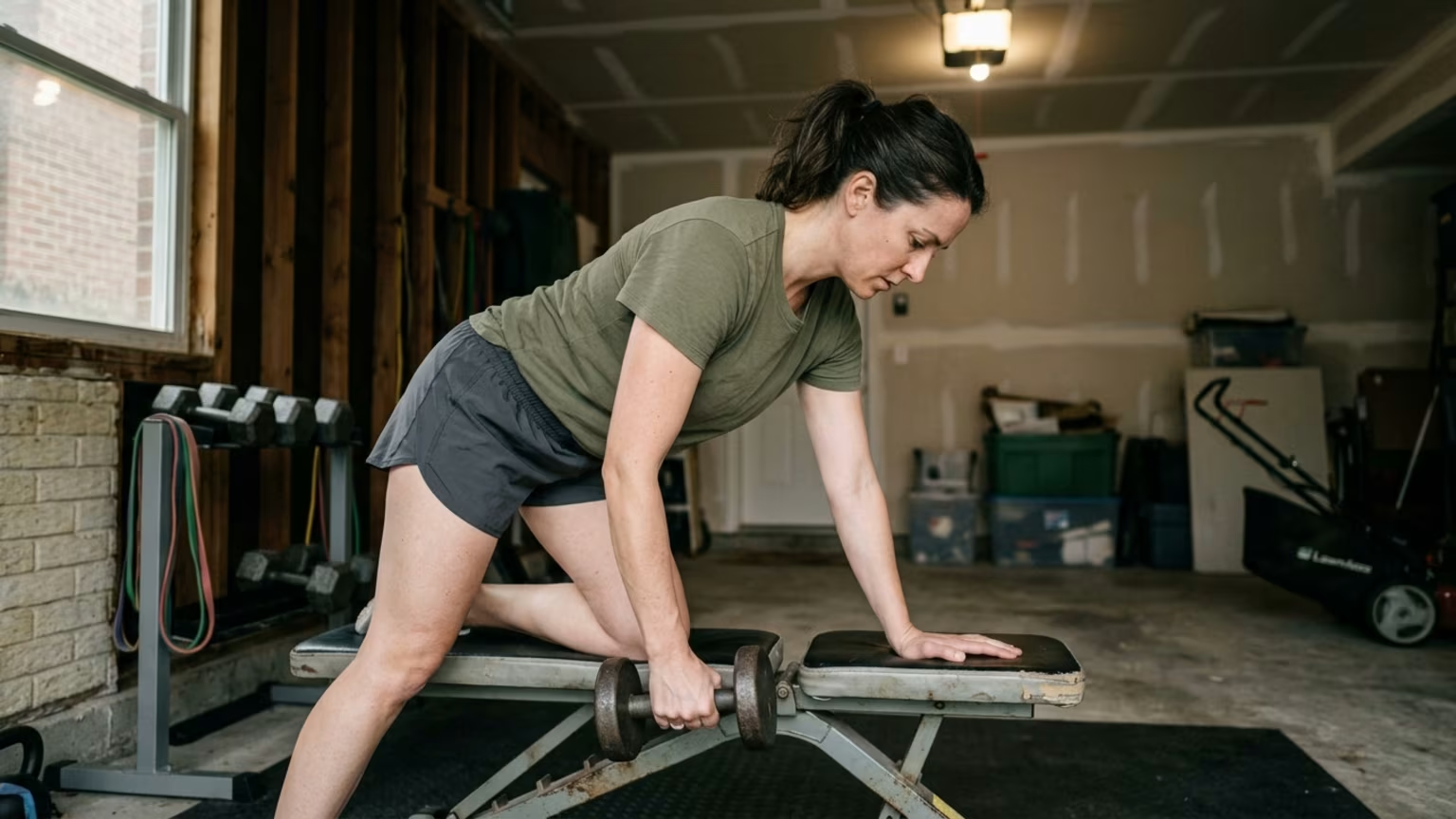

A recent study shows that moderate and heavy resistance training can lower MRI-estimated brain age in older adults. Learn how veterans can apply these findings.





In September 2026, researchers reported new findings connecting regular strength training to improved brain health in older adults. A study published in the journal GeroScience examined 309 older adults from the Live Active Successful Aging randomized trial. The researchers assigned the participants to heavy resistance training, moderate intensity training, or a non exercise control group. Both resistance training groups demonstrated significantly younger estimated brain age trajectories compared to the control group.
The study utilized resting state MRI scans and machine learning models to estimate biological brain age rather than literal chronological age. The use of an inactive comparison group strengthens the study design relative to purely observational research. Depending on the specific brain age model used, the apparent slowing ranged from approximately 1.4 to 2.3 years.
These findings represent a major shift in how we evaluate the long term benefits of physical exercise. Service members and veterans typically use strength training to build operational readiness or maintain general physical capability. However, this new data suggests that maintaining muscle strength could be directly linked to neurological resilience. This is particularly relevant for veterans focused on comprehensive healthy aging and cognitive preservation.
Integrating resistance work into a daily routine addresses both physical decay and potential cognitive decline. This research provides a highly practical perspective on managing health after military service. The reported outcome is an MRI derived biological age signal rather than direct proof that lifting weights prevents dementia. The results do not mean that a person physically reverses the aging process by stepping into a gym.
Instead, they indicate that a consistent training stimulus helps preserve the structural integrity of the brain over time. Understanding this distinction helps veterans set realistic expectations for their own health protocols. While the study focused on older adults rather than a confirmed military population, the underlying principles apply broadly. The evidence firmly places resistance training into the category of essential preventative care.
Veterans returning to exercise after deployment related health problems often face steep barriers to entry. Establishing a baseline of strength can help mitigate the compounding effects of a sedentary lifestyle on cognitive health. The medical community is increasingly recognizing that physical deterioration and cognitive decline share common pathways. Addressing both issues simultaneously through a single intervention like weightlifting simplifies the healthcare burden for veterans.
A proactive approach to healthy aging focuses on building a buffer against physical and mental decline. When veterans prioritize structured lifting, they are actively supporting their nervous system against future vulnerabilities. This mindset shift changes the gym from a purely physical training ground into a vital longevity tool. The resulting strength gains provide the daily physical capability needed to tackle life with confidence.
Veterans often face unique physical challenges and orthopedic limitations after years of service. Knowing that you can support your brain health without relying exclusively on high impact activities provides a clear path forward. This gives veterans more options for maintaining their health without aggravating old injuries. Readers can find more guidance in our Military health Articles | BattleVet section to support these daily habits.
The researchers trained their brain age models using resting state MRI data from 2,433 healthy adults before applying them to the study participants. This extensive baseline data allowed the researchers to establish a highly reliable comparative model. The reported effects were observed at the whole brain level rather than being limited to isolated networks. A separate summary detailed the specific trajectories for both training intensities over a two year period.
The heavy training group saw an estimated brain age change of approximately 1.42 years after one year and 1.85 years after two years. The moderate intensity group showed changes of approximately 1.39 years after one year and 2.26 years after two years. These timelines illustrate that the neurological benefits of resistance training compound over extended periods of consistent effort. They also highlight that heavier weights do not automatically guarantee superior structural results.
The heavy training group also showed specific neurological adaptations that stood out in the MRI scans. Heavy resistance training was associated with increased local functional connectivity in the brain. This connectivity increase was particularly noticeable in the prefrontal cortex, an area involved in executive functions like decision making. While this does not guarantee improved daily judgment, it provides a plausible neurofunctional benefit for heavy lifting.
Other recent trials provide additional context for the relationship between strength training and brain structure. A separate randomized trial of 155 older women compared once weekly resistance training against twice weekly routines and balance exercises. The two year follow up found improvements in executive function in both resistance training groups relative to the toning group. Furthermore, additional memory and white matter findings were reported specifically for the twice weekly training group.
Even alternative methods of resistance training show potential for supporting brain health in older adults. Another reported trial involved 24 older women participating in supervised water based resistance training. After 12 weeks, the researchers noted increases in several gray and white matter measures alongside changes in biochemical markers. While the small sample size limits direct comparison, it highlights the versatility of resistance exercise.
The most practical finding from this research is that both moderate and heavy loading produced significant study findings. This suggests that older adults and veterans have more than one viable intensity option when designing a training plan. You do not need to pursue maximal loading to achieve a favorable brain age trajectory. For veterans managing chronic pain, moderate intensity training offers a highly effective and safe alternative.
A summary of the study by MindBodyGreen recommends a highly specific but manageable practical routine. Their interpretation advises completing two to three weekly strength sessions focused on compound movements. These fundamental movements include squats, deadlifts, rows, and presses. They also emphasize the necessity of progressive overload, meaning you must steadily increase weight or repetitions over time.
While the study did not test this exact prescription, it serves as excellent foundational programming. For more comprehensive programming insights, review our Training and performance Articles | BattleVet. Veterans must adapt these general recommendations to fit their individual physical realities and injury histories. If a standard barbell squat causes joint pain, a machine based alternative can provide the same systemic stimulus.
Building a training habit requires understanding that consistency over years matters far more than maximum intensity in a single session. Many veterans hesitate to start a strength program because they assume high intensity workouts are the only valid option. This study directly counters that assumption by demonstrating the neurological value of moderate exertion. By prioritizing excellent technique and sensible loading, veterans can build resilient bodies without unnecessary joint wear.
The Department of Veterans Affairs incorporates strength training alongside endurance, flexibility, and neuroplasticity exercises in their rehabilitation resources. They also recently noted a telehealth physical therapy study recruiting veterans with physical difficulties. Individualized physical therapy is crucial for anyone returning to exercise after prolonged inactivity. You can find comprehensive breakdowns of proper pacing in our Recovery and sleep Articles | BattleVet.
The focus should always remain on consistency and functional outcomes rather than chasing a specific brain age number. Track your improvements in practical metrics like carrying capacity, balance, and general fatigue. Maintaining physical strength helps ensure you stay capable and active as you age. Those seeking deeper strategies for maintaining functionality can review our Healthy aging and longevity Resources | BattleVet.
This growing body of research clearly links physical resistance training with measurable preservation of brain structure in older adults. However, the unique occupational hazards and injury profiles of military veterans introduce variables that civilian trials rarely capture. As the scientific community continues to validate MRI derived brain age models, a critical question emerges for our community. How will future trials adapt these imaging techniques to measure the specific neurological impacts of physical rehabilitation in veterans with service connected injuries?
Follow BattleVet for practical guidance on military and veteran health, strength, recovery, testosterone, sleep and healthy aging. Stay connected for new articles, research backed insights and clear information to help you stay capable for the years ahead.


A JAMA Cardiology analysis shows physical decline can precede heart events by years, giving veterans a clear metric for early medical discussions.


Learn how one veteran navigated a VA healthcare denial and explore the VA's updated 2026 decision review process, eligibility rules, and benefit guidelines.

A September 2026 study found AI chatbots often drop sleep apnea referral advice when users minimize symptoms. Veterans must rely on clinical medical screening.
Build better habits around strength, recovery, sleep, hormones and healthy aging with practical guidance for active military personnel and veterans.
Explore BattleVet