

An expert analysis of the Arizona State University hockey incident reveals why team-building workouts require clear planning and explicit stop-work authority.





Matthew Mayich is a 21-year-old Arizona State University hockey player who collapsed during an outdoor workout on August 20, 2026. KJZZ reported on October 5 that Mayich remained on life support and was not expected to recover. This event has prompted a necessary review of how organizations plan and execute demanding athletic activities. The situation highlights the critical need for strict oversight when pushing physical boundaries in group settings.
According to an ESPN report, Arizona State University released a preliminary review outlining several administrative details. The institution stated that the coaching staff did not submit the outside trainer’s activity plan to the university’s strength-and-conditioning coaches before the event. The university’s account also noted that the athletes received two water breaks during the outdoor session. However, seven players later disputed the university’s account regarding the workout conditions and access to water.
The university's preliminary review reported temperatures in the high 80s and relative humidity between 46 percent and 51 percent. These figures describe the environmental conditions reported by the institution, though they do not necessarily reflect what every individual participant experienced during the session. Arizona State University noted that coaches requested permission for former Green Beret Tim Ziesel to speak to the team. The intended setting was a three-day team-building event, but the specific training plan remained unreviewed.
To address the outstanding questions, Arizona State University commissioned former Arizona Supreme Court Chief Justice Scott Bales. The Associated Press reported that Bales will conduct an independent review of the facts surrounding the incident. His task is to make recommendations concerning planning and approval processes. He will also review staffing levels, policies and procedures for outdoor athletic activities. Meanwhile, KJZZ reported that the university placed head coach Greg Powers on administrative leave while the review remained unresolved.
Group physical training is a standard component of military service and veteran fitness culture. Many veterans continue to participate in challenging group workouts to maintain a sense of community. Dr. Adam Annaccone, a clinical associate professor of kinesiology at the University of Texas at Arlington, discussed the Arizona State University case on KJZZ. He serves as the university's chief health and performance adviser and offered expert analysis on workout design.
During the interview, Annaccone noted that a military-style workout is not a recognized or standardized training method. Instead, he characterized these events as team-building components that often rely on ordinary physical movements. These exercises typically include running, crawling and burpees rather than highly specialized technical lifting. Planners often design these sessions to build trust, communication and unity under stress.
While unity is a valid goal, organizers must clearly separate team-building objectives from the actual physical demands placed on participants. Treating a demanding physical session solely as a mental exercise ignores the profound physiological stress occurring in the body. This distinction is especially important for veterans who design fitness programs or lead civilian group training. A group might want to seek a challenge together, but that shared goal does not replace the need for careful workload planning.
When veterans transition to civilian life, their training and performance priorities often require adjustments. The physical readiness of a mixed group is rarely identical to an active-duty unit. Matching a session to the specific prior training of the participants is necessary for maintaining physical capability. Failing to align the workout intensity with current fitness levels increases the risk of serious medical emergencies.
The ongoing dispute between the Arizona State University preliminary account and the players highlights the complexities of monitoring group activities. Because the details of the event remain contested rather than settled findings, the exact breakdown in protocol is still under review. However, the incident clearly demonstrates why organizations must establish unambiguous rules before a demanding group activity begins. The practical takeaway involves recognizing that team unity cannot override basic human physiology.
The situation at Arizona State University presents two distinct questions for the athletic community to consider. The first question focuses on what actually happened during the specific workout, which remained under review as of October. The second question addresses how an organization should set up clear planning and stop-work authority before a demanding group activity begins. While the exact details of the August workout are still contested, the broader operational lessons are immediately applicable to other organizations.
The expert discussion surrounding this incident highlights essential planning principles for any strenuous group activity. Before starting a challenging session, organizers must clarify exactly who designed and approved the physical plan. They also need to establish who will monitor the environmental conditions, such as heat and humidity, throughout the entire activity. These administrative steps ensure that physical demands align with safe operational practices.
Annaccone emphasized that planners must account for multiple physiological variables during the design phase. These factors include the duration, volume and intensity of the planned movements. Organizers must also consider weather, environmental conditions and the current readiness of the participants. This readiness assessment should factor in the specific conditions in which the athletes had been training previously.
Proper strength, fitness and body composition planning requires understanding individual physical limitations. Organizers should not assume that every person in a group can safely tolerate the identical workload. Annaccone provided a relevant example from his experience with professional basketball training. In that professional environment, performance and medical staff discussed the session in advance and adjusted the activity based on individual limitations.
By adjusting the activity, the professional staff avoided simply reproducing a program that might be used with military units. Clear governance during the actual event is just as critical as this initial planning phase. Annaccone stated that a central governance point is to define roles and make authority clear before the workout begins. Participants and staff must know exactly who holds the authority to pause, stop or reevaluate the activity.
Making this stop-work authority explicit prevents dangerous confusion when environmental or physical conditions change unexpectedly. Relying on participants to manage their own limits during a high-stress team event often fails. Individuals should never have to guess whether they are allowed to speak up when something seems physically wrong. Calling a timeout must be an explicit part of the plan rather than a decision participants improvise under pressure.
The expert discussion on KJZZ did not supply a military-specific heat-safety standard, a hydration prescription, a work-rest ratio or a medical response protocol. Annaccone did not provide numerical limits for workload, temperature, rest or hydration during his analysis of the event. Instead, the focus remained entirely on the structural planning and the governance of the activity itself. This lack of standardized numerical guidance further underscores why individual organizations must carefully establish their own safety thresholds.
When planning a session, leaders must evaluate the specific conditions in which the athletes had been training previously. This step prevents placing individuals in a high-stress environment without adequate physiological preparation. A sudden shift in volume or environmental exposure can overwhelm even fit participants if they lack proper acclimatization. Therefore, the responsibility falls on the organizers to match the workout intensity to the verified readiness of the group.
Veterans understand that true military conditioning operates on progressive overload and highly structured recovery periods. Arbitrary difficulty without a clear physiological purpose does not reflect modern military training standards. When civilian organizations attempt to replicate military intensity, they often copy the outward stress without adopting the underlying safety frameworks. Annaccone's emphasis on matching the session to the participant's prior training directly addresses this common structural flaw.
Establishing these rules supports long-term physical performance and basic physiological safety. Annaccone did not identify a specific cause of Mayich’s collapse or say whether the session followed his suggested planning principles. His comments serve as expert analysis of workout design rather than a finding about the university's exact conduct. However, his guidance provides a clear framework for any organization planning demanding physical events.
It is important to note that the expert did not claim all team-building workouts are inherently unsafe. Annaccone recognized the potential team-building aims of these sessions while warning that planning and clear authority matter immensely. By treating the physical conditioning and the team-building purpose as separate design questions, leaders can mitigate risk. This structured approach protects both the organizational goals and the health of the individuals participating.
The independent review at Arizona State University will eventually provide formal recommendations regarding outdoor athletic policies. The central issue remains how organizations balance the desire for intense team building with the absolute necessity of physiological safety. As health experts continue to advocate for clearer planning and strict stop-work authority during group conditioning, how will future fitness programs adapt to ensure that team unity never comes at the expense of participant health?
Follow BattleVet for practical guidance on military and veteran health, strength, recovery, testosterone, sleep and healthy aging. Stay connected for new articles, research backed insights and clear information to help you stay capable for the years ahead.


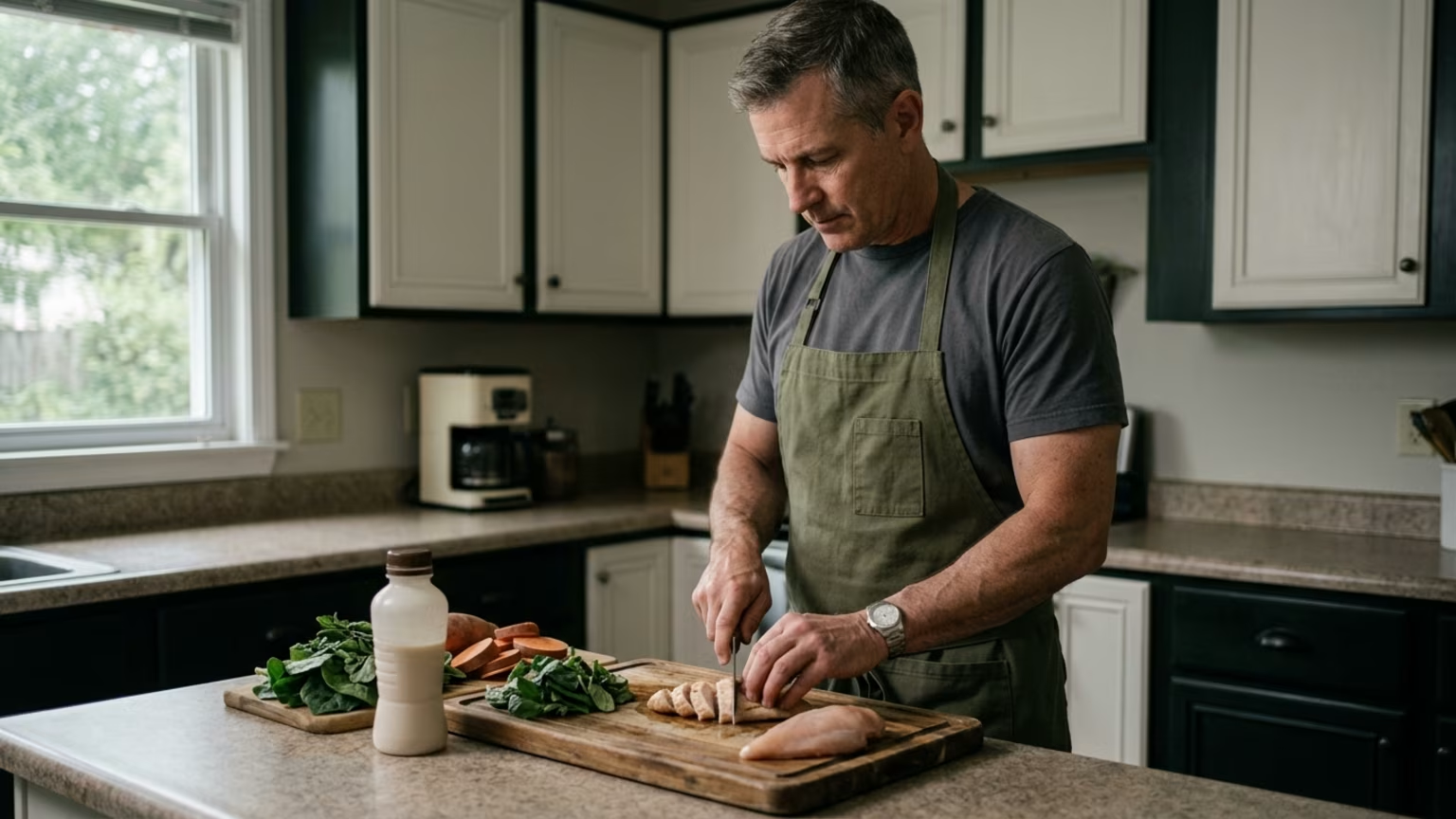
Learn how veterans can preserve muscle health and prevent sarcopenia with clinical strategies for resistance training, endurance work, and targeted protein intake.

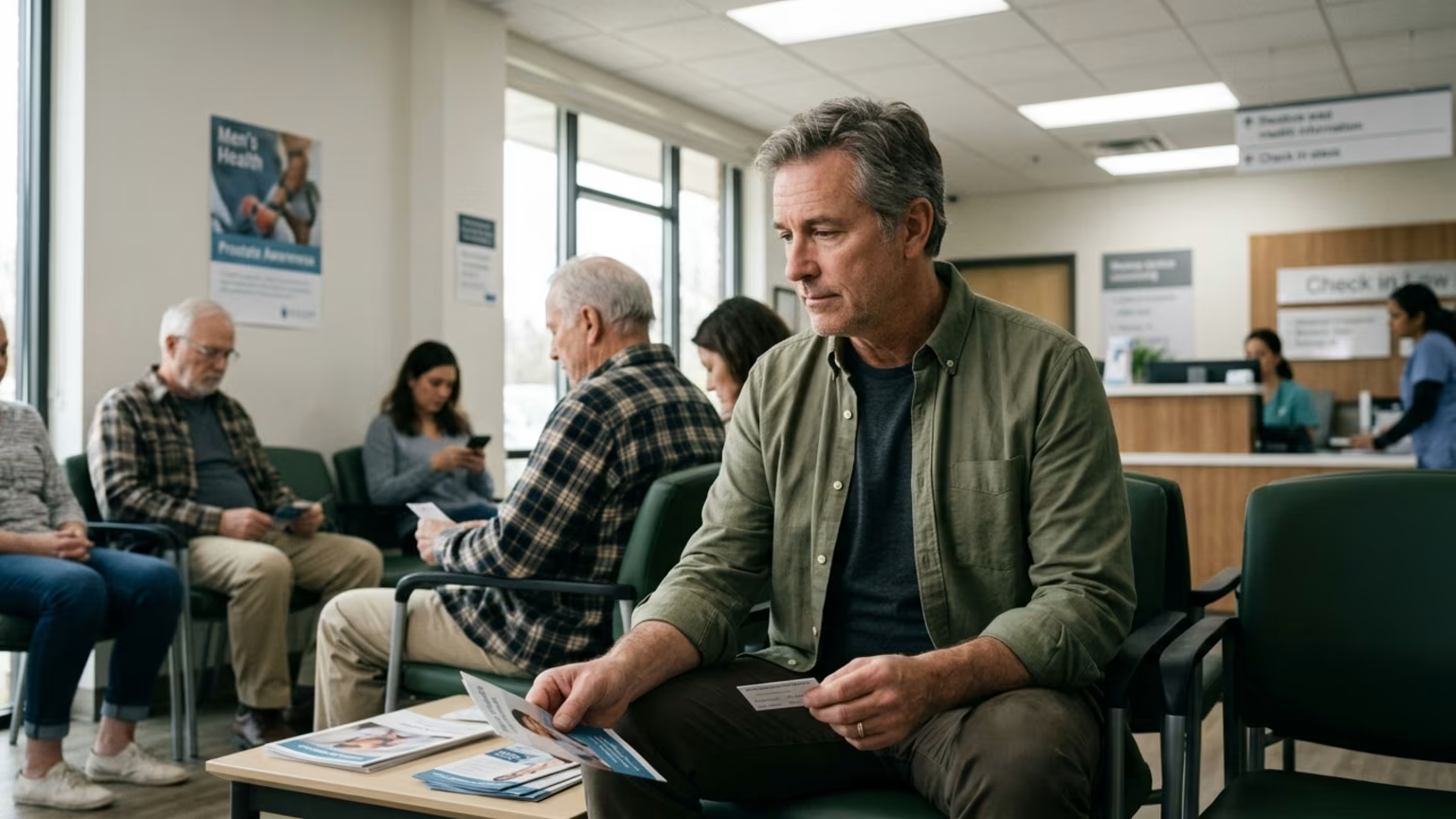
Recent updates from Urology Times and the Pentagon shift the conversation on hormone therapy. Learn how new clinical data impacts veteran health decisions.
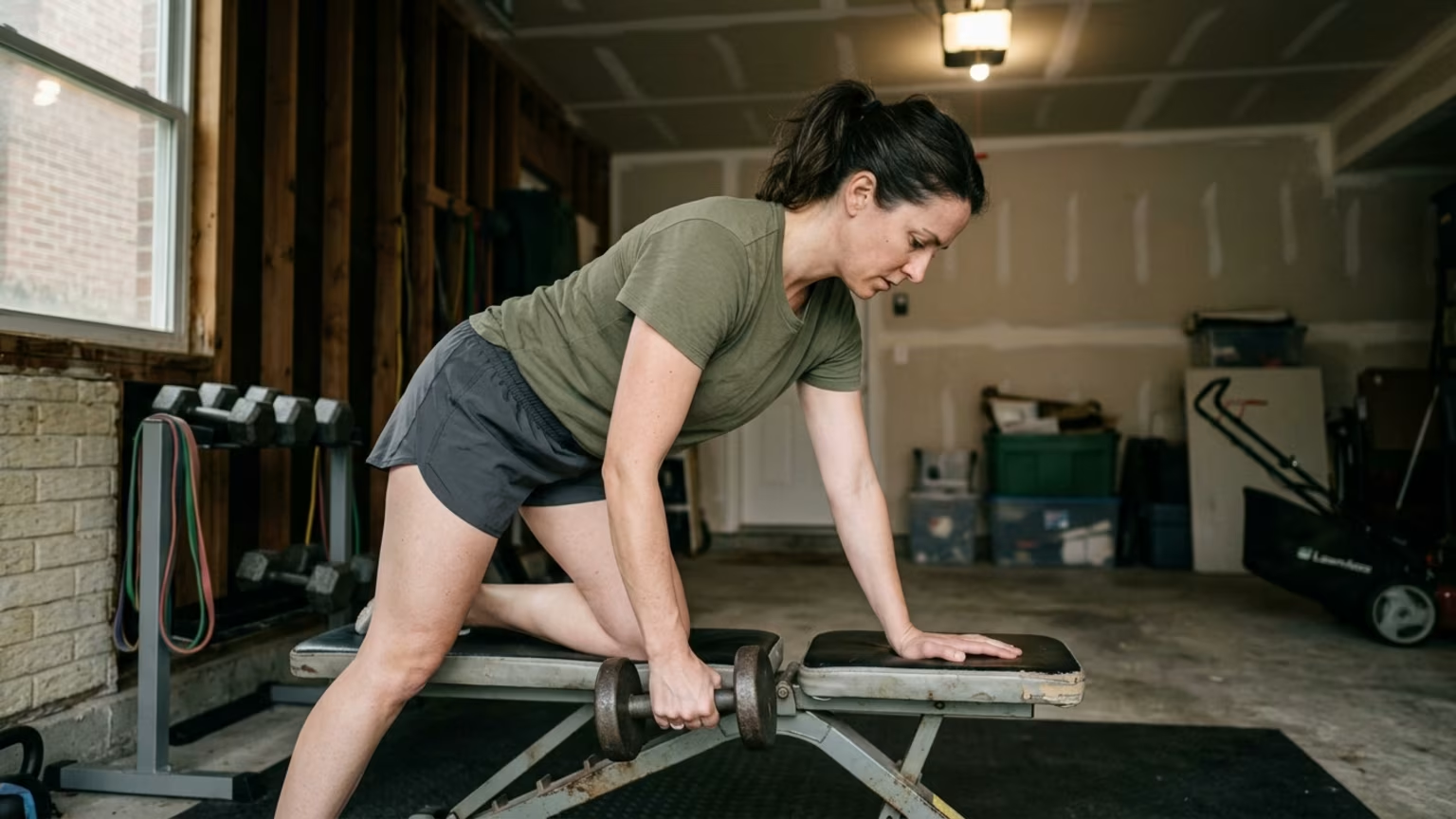
A recent study shows that moderate and heavy resistance training can lower MRI-estimated brain age in older adults. Learn how veterans can apply these findings.
Build better habits around strength, recovery, sleep, hormones and healthy aging with practical guidance for active military personnel and veterans.
Explore BattleVet