

The VA reports veteran trust remained above 80 percent for a fourth consecutive quarter. Learn how this data impacts health planning and community care.





In the third quarter of fiscal year 2026, the Department of Veterans Affairs reported that overall veteran trust remained above 80 percent for the fourth consecutive quarter. The VA described this as the longest streak above 80 percent in its trust report history. The result came from approximately 33,000 veterans who responded to the quarterly, department-wide Veteran Signals survey. For this specific quarter, 80.4 percent of respondents said they trusted the VA to fulfill the national commitment to veterans.
This update holds direct value for active personnel and veterans who are evaluating their long-term health plans. Trust and satisfaction metrics provide a broad baseline for how individuals experience the system. High national trust scores suggest that the department is maintaining stable service delivery across its many programs. For readers managing their physical performance and healthy aging, consistent care access is a material factor.
The overall 80.4 percent figure covers multiple VA functions, including health care, benefits, and memorial services. Therefore, this number should not be interpreted as a standalone clinical quality score. The survey measures broad perceptions rather than independently verified clinical outcomes. Veterans can use this data to understand national trends while recognizing that local facility experiences may differ.
Maintaining physical capability and long-term health requires a predictable medical system. The department's consistent scoring over 80 percent provides a data point for veterans relying on these services for routine checkups, bloodwork, and recovery management. Tracking these results helps veterans understand which areas of the system are operating smoothly. You can learn more about our approach to evidence-based health decisions on our core military health and wellness platform.
Understanding how the VA functions is a critical part of maintaining readiness for transitioning service members. A reliable medical home allows veterans to address physical wear and tear from their service years. This predictable care environment supports long-term recovery goals and proper hormone health management.
The VA uses this survey information to identify what is working and address ongoing concerns. This improvement process impacts everything from primary care visits to complex disability claims. By monitoring these administrative reports, veterans can better understand systemic changes over time. You can read more about navigating these systems in our military health articles to build a clearer picture of available services.
The quarterly Veteran Signals survey measures perceptions across care, benefits, and other interactions with the department. It relies on four key measures, which are trust, ease, effectiveness, and emotion. The emotion category specifically reflects whether veterans feel valued by the VA. The latest responses provide a detailed look at how veterans view these specific areas of interaction.
The survey found that 75.6 percent of respondents said it was easy to obtain the care or service they needed. A separate 79.6 percent stated they received the care or service they needed. In addition, 77.8 percent of respondents said they felt like a valued customer. These numbers highlight the reported ease of access across the broader VA system based on respondent perceptions.
Health care trust results were particularly strong during the third quarter of fiscal year 2026. Trust in Veterans Health Administration outpatient care increased from 93.4 percent in the second quarter to 93.5 percent. Trust in inpatient care saw a slightly larger increase, moving from 90.9 percent to 92.3 percent over the same period. These specific figures are distinct from the overall department average and focus strictly on medical treatment.
These distinct health care figures provide a useful metric for veterans focused on physical restoration. High inpatient trust scores suggest that the VA is delivering capable care during major medical events. Meanwhile, outpatient scores reflect the day-to-day interactions veterans have with primary care physicians and specialists.
The VA facility pages provide another layer of information regarding patient experiences at the local level. These pages report facility-specific trust and appointment access results to help patients make informed choices. The VA facility pages state that inpatient and outpatient patient experience is measured using Consumer Assessment of Healthcare Providers and Systems family surveys. Strong national trust results do not prove that every veteran can obtain an appointment without delay.
Beyond the quarterly survey, the VA also reported results from 181 targeted Veteran Signals surveys. These targeted surveys cover specific interactions with health care, appeals, and other programs. They generated more than 3.5 million survey responses and 600,000 free-text responses in the third quarter. The VA stated that it uses this written feedback to focus service recovery and improve service processes across the board.
Trust and confidence in VA Community Care rose from 80.2 percent to 81.5 percent between the second and third quarters. This program is relevant for veterans who receive authorized care from outside medical providers. The VA also reported gains in several non-health care areas during the latest quarter. Trust in the Veterans Benefits Administration Education Service increased from 78.9 percent to 81.3 percent.
Trust in Board of Veterans’ Appeals decisions rose from 56.3 percent to 57.7 percent. While many areas improved, the department noted that disability compensation requires additional attention moving forward. The survey results also varied by age group across the demographic spectrum. Veterans ages 40 to 49 had the largest quarter-to-quarter change in trust, while veterans ages 50 to 59 and age 60 and older had the smallest changes.
These recent figures reinforce how veterans should approach their health care planning and scheduling. National averages provide good background information, but local access remains the most practical priority. Veterans should check the VA Access to Care site for their specific facility. It is important to distinguish facility-level appointment access information from national trust scores.
Navigating the VA system effectively requires a proactive approach from the patient. Veterans should view national trust surveys as a starting point rather than a guarantee of uniform service. Checking the Access to Care site ensures that expectations align with local reality. You can review more strategies for managing your health choices in our veteran lifestyle and healthcare materials.
When planning primary or specialty care, veterans should ask their specific facility about expected appointment timelines. The VA states that average wait times are only a guide for patients. Eligibility for community care is based on the time required for an individual veteran to obtain a specific type of care, not simply on an average facility wait time. Understanding this distinction helps veterans manage their scheduling expectations and seek alternatives if necessary.
Veterans who plan to use Community Care should confirm that their treatment is authorized before proceeding. It is necessary to understand the applicable coordination requirements before scheduling an appointment with an outside provider. For more guidance on managing civilian transition and health routines, visit our collection of veteran life guides. Knowing the proper administrative steps for outside referrals prevents unexpected issues.
The VA uses written feedback to identify concerns and improve its operational processes. Veterans can take a practical approach by providing specific comments about what worked and identifying barriers they faced. Active military personnel preparing for separation should learn how enrollment and primary care assignments work before they require urgent treatment.
Taking these steps early ensures a more reliable health routine after active service. We cover more on this topic across our military and veteran health resources.
As the Department of Veterans Affairs continues to gather millions of targeted responses, how will this feedback reshape the administrative processes surrounding disability compensation and specialized community care in the coming year?
Follow BattleVet for practical guidance on military and veteran health, strength, recovery, testosterone, sleep and healthy aging. Stay connected for new articles, research backed insights and clear information to help you stay capable for the years ahead.


Recent 2026 data from the Royal British Legion and the UK Ministry of Defence highlights the co-occurrence of fatigue and musculoskeletal symptoms in veterans.

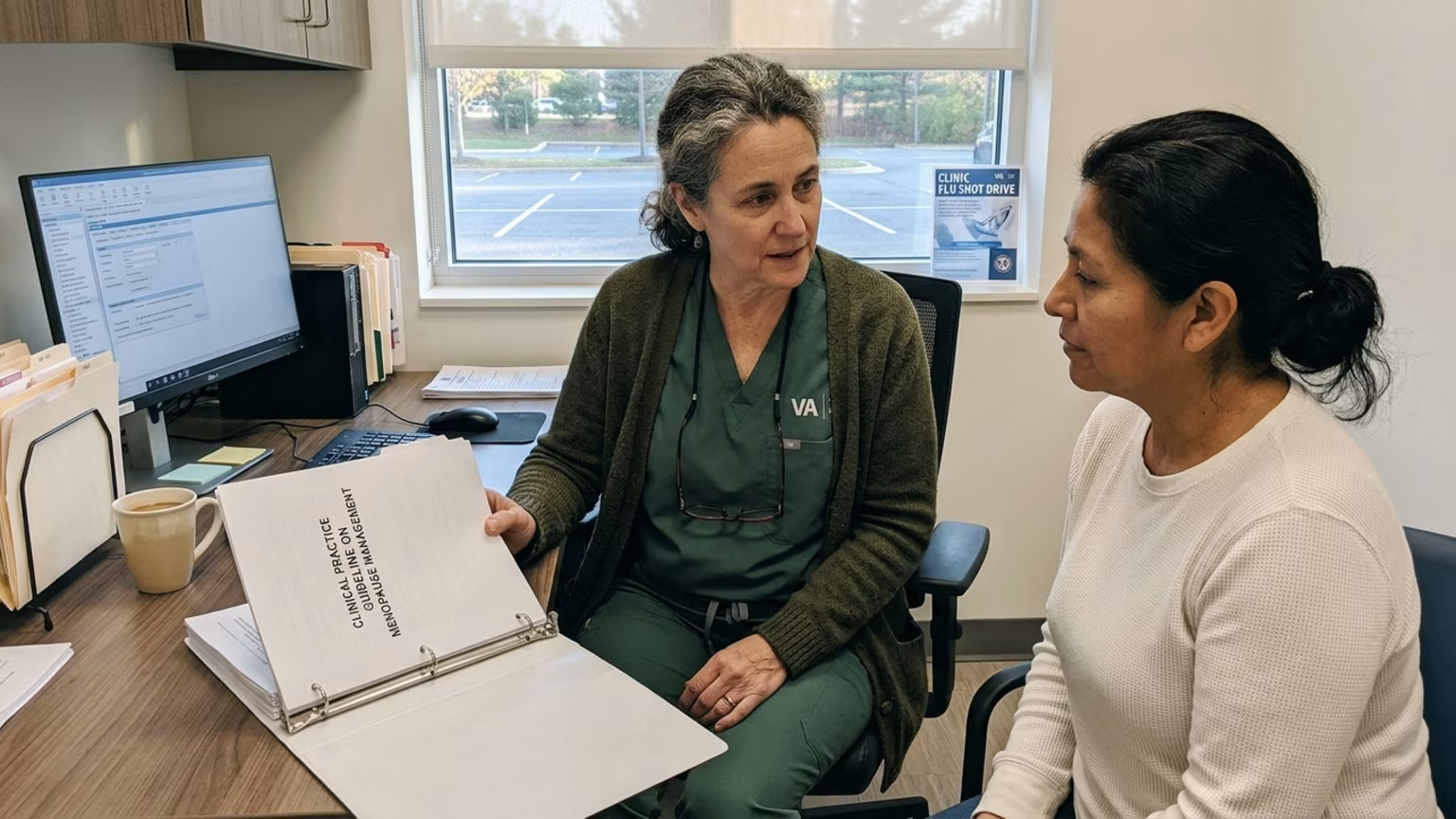
The VA and DoD released the 2026 Clinical Practice Guideline on Menopause. Learn how the 43 evidence-based recommendations impact military and veteran care.

An expert analysis of the Arizona State University hockey incident reveals why team-building workouts require clear planning and explicit stop-work authority.
Build better habits around strength, recovery, sleep, hormones and healthy aging with practical guidance for active military personnel and veterans.
Explore BattleVet