

An ABC investigation highlighted concerns over DVA-funded medicinal cannabis and esketamine prescribing for veterans, leading to tightened rules and oversight.





If you or a veteran you know are in immediate crisis, help is available right now. Call 911 for immediate danger, dial 988 (press 1 for the Veterans Crisis Line), or text 838255. Establishing a safe plan and securing medications or firearms with a trusted clinician or family member is a vital step for long-term health.
In October 2026, an ABC investigation named "Defenceless" reported on how some for-profit providers prescribe medicinal cannabis and esketamine to Australian veterans. The report examined practices surrounding alternative therapies funded by the Department of Veterans' Affairs. It highlighted documented cases concerning dosage levels, billing practices, and the degree of direct medical oversight provided to patients. The reporting details specific allegations rather than establishing that every provider follows the practices described.
This reporting matters deeply for veterans navigating the modern healthcare system. Former service members increasingly encounter advertisements for alternative therapies aimed at treating chronic pain and service-related trauma. Finding effective and safe care is a primary goal for many veterans transitioning into civilian life. However, rapid growth in private veteran-service providers requires careful navigation by patients and their families.
The government invested more than half a billion dollars after a royal commission highlighted harms associated with slow claims processing. This investment was designed to streamline care and support for those who served. By 2025, Department of Veterans' Affairs spending reached $10 billion on compensation and $5 billion on care. This massive expansion of funded care provides more treatment options for veterans across the country.
It also creates a highly lucrative market for healthcare companies offering specialized treatments. The Department of Veterans' Affairs states that it funds clinical treatment but does not regulate the companies providing these services directly. Doctors remain solely responsible for prescribing appropriately and determining suitable treatment for each individual patient. For veterans evaluating treatment claims, understanding the difference between government funding and clinical safety is essential. Accessing reliable BattleVet research can help clarify the evidence around emerging medical treatments before making a decision.
The ABC investigation presented specific data on the growing scale of government spending for these alternative treatments. Over a three-year period, spending on medicinal cannabis more than tripled to reach $125 million. Additionally, the department spent more than $11 million on esketamine in the first eight months of 2026 alone. This esketamine spending amounted to almost $27,000 per patient.
The report detailed the clinical experience of former Army medic Steve Johnstone. He sought treatment for service-related post-traumatic stress disorder, chronic pain, and a history of substance use. After responding to an advertisement from a company called VeteranCann, his daily THC dose was increased dramatically. ABC reported that his requested THC dose rose from 25 mg to 1,220 mg per day in less than a month.
Crucially, the prescribing doctor did not speak to Johnstone during this rapid dose escalation. Medical professionals expressed severe alarm at the dosage levels reported in this case. Three experienced medicinal cannabis prescribers told Four Corners that a 1,220 mg daily dose was far beyond what they had seen prescribed. General practitioner and associate professor Vicki Kotsirilos called the dose "ghastly."
The physical delivery of the medication also raised questions among experienced prescribers. Johnstone received his cannabis delivered to his home in 5-kilogram bags. The treatment protocol included gummies that each contained 40 mg of THC. He later reported that he was taking more than recommended and felt addicted to the medication.
The clinical outcome for this specific patient was severe. By early 2026, Johnstone became paranoid and suicidal. Following an emergency hospital admission, he spent almost three months receiving inpatient psychiatric care. Medical experts emphasize that the treatment of complex conditions requires consistent professional oversight.
The investigation also examined how complex clinical care was billed to the government system. A coordinated veteran care plan is intended to provide a regular general practitioner with more than $2,500 a year. This funding is designed to help doctors coordinate care for patients with complex ongoing needs. Johnstone found bills for care plans completed by nurses rather than doctors.
His records showed no conversation with the Total Veteran Healthcare doctors who were billing for his care until his acute crisis. Total Veteran Healthcare rejected any suggestion of fraud in relation to these billings. The company told ABC it was working with the department to correct any claims that did not meet requirements. VeteranCann stated its clinical model now complies with updated rules and that Total Veteran Healthcare was responsible for Johnstone's care.
Other veterans reported unusual marketing approaches for clinical treatments during this period. Andrea and Daryl Duckett received medicinal cannabis through a provider called Valentius. ABC reported that Andrea later received unsolicited calls about esketamine, a nasal-spray form of ketamine used for treatment-resistant depression. GoodMind Therapeutics, the company involved in the calls, stated it did not cold-call members of the public.
These issues occur within a broader regulatory environment across Australia. The Therapeutic Goods Administration notes most medicinal cannabis products are not on the Australian Register of Therapeutic Goods. Furthermore, Ahpra has taken regulatory action against 80 practitioners since 2019 regarding medicinal cannabis prescribing or dispensing. Staying informed through military health articles helps veterans track these ongoing clinical shifts.
In response to growing utilization and clinical concerns, the department tightened its medicinal cannabis funding rules earlier in 2026. Veterans must now have a face-to-face consultation with a specialist or general practitioner to qualify for funding. The government will fund no more than three products at a time for any patient. Furthermore, the department no longer funds THC gummies under any circumstances.
Veterans should verify current coverage requirements directly with their treating clinician before starting treatment. Because the department changed these rules recently, patients need to ask specific questions about their care plans. A veteran evaluating a provider should ask exactly who the responsible treating doctor will be. They should also confirm whether that specific doctor will meet them face-to-face for initial assessments.
Checking how clinical follow-up is handled is a critical step for safely managing veteran life transitions. Veterans must distinguish a provider's marketing materials from a personalized clinical recommendation based on their history. A thorough medical assessment is especially vital for patients with a history of substance abuse or severe health challenges. A DVA-funded treatment is not an automatic guarantee of a particular provider's quality.
It is equally important to remember that proper medical oversight can lead to positive outcomes. A separate report in The Canberra Times detailed a veteran who found success with ketamine infusions for complex trauma. That specific clinic provided 1,000 infusions to more than 300 patients since 2019. Veterans were the largest patient group in that program, showing that safe administration is possible with correct oversight. When clinical protocols are followed carefully, these treatments can provide relief for patients who have not responded to standard therapies.
As government spending increases and regulatory oversight tightens, will future healthcare models successfully balance veteran access to emerging therapies with the strict clinical standards required to keep patients safe?
Follow BattleVet for practical guidance on military and veteran health, strength, recovery, testosterone, sleep and healthy aging. Stay connected for new articles, research backed insights and clear information to help you stay capable for the years ahead.


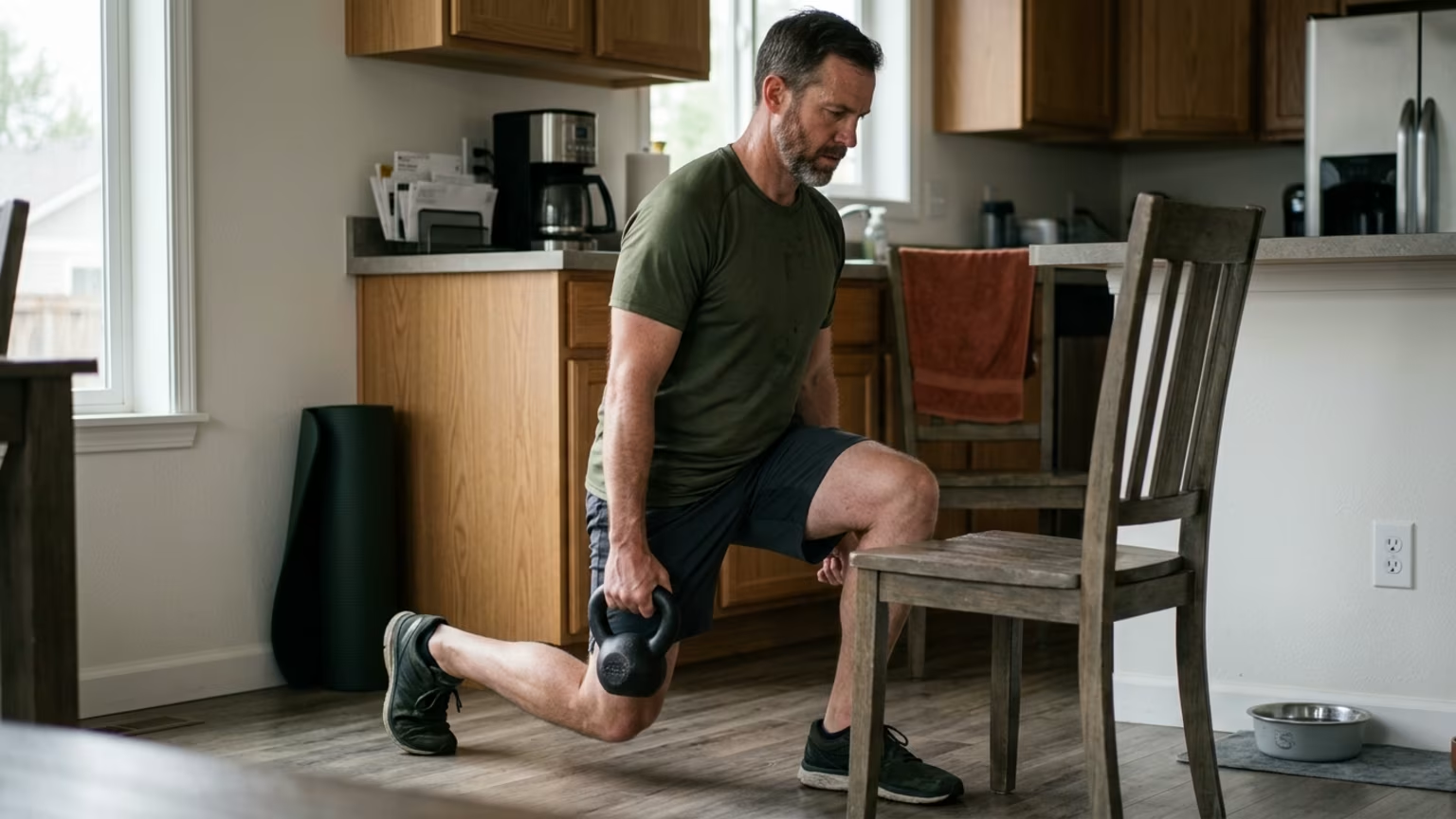
Recent reports highlight a 10-minute daily resistance habit for adults over 40. Learn how brief fitness routines compare to federal strength guidelines.


New European Association of Urology guidance outlines targeted early-morning testosterone, glucose, and lipid testing to properly evaluate men with symptoms.

A September 2026 review shows pre-workout caffeine improves endurance but can degrade sleep quality, requiring careful timing for military and veteran health.
Build better habits around strength, recovery, sleep, hormones and healthy aging with practical guidance for active military personnel and veterans.
Explore BattleVet