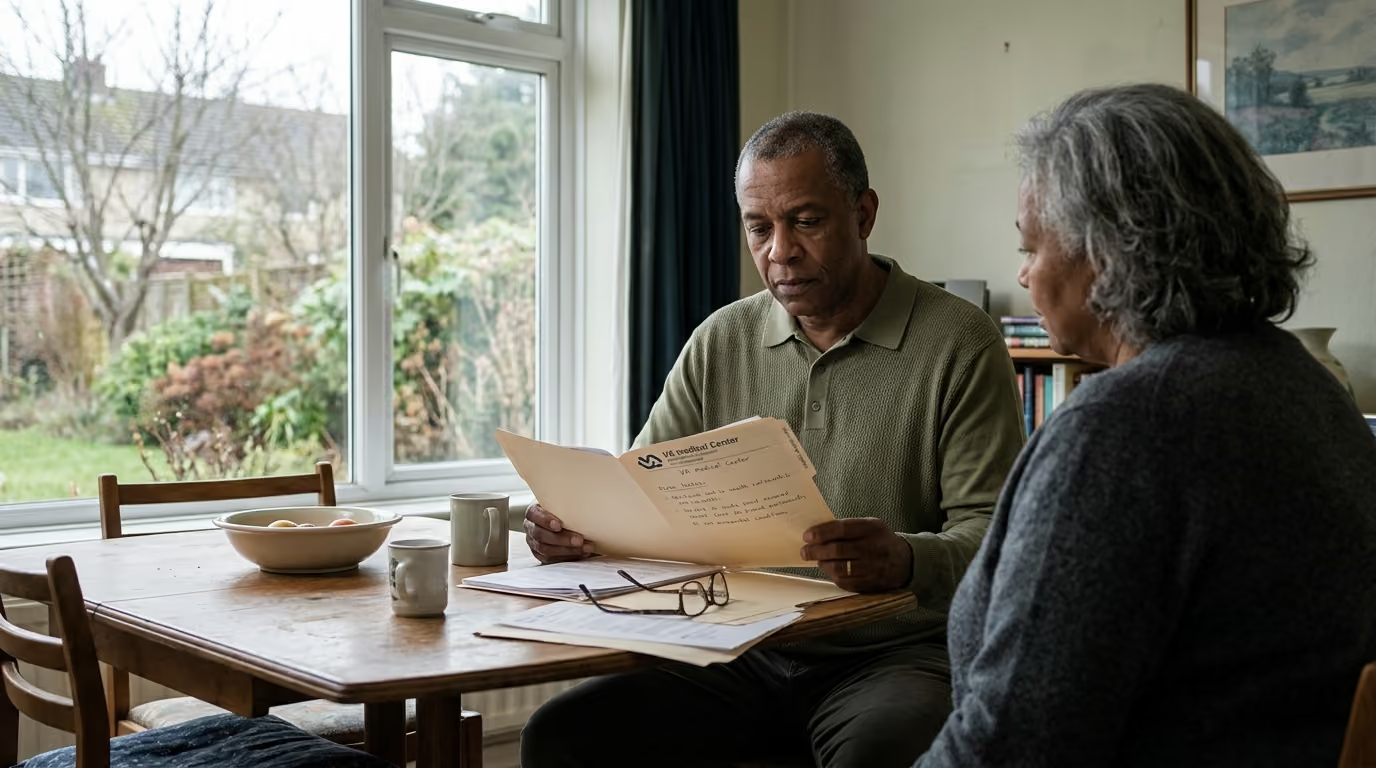
Clear insight into military exposure categories helps veterans evaluate toxic hazards, biological dose factors, and long-term organ health risks effectively.

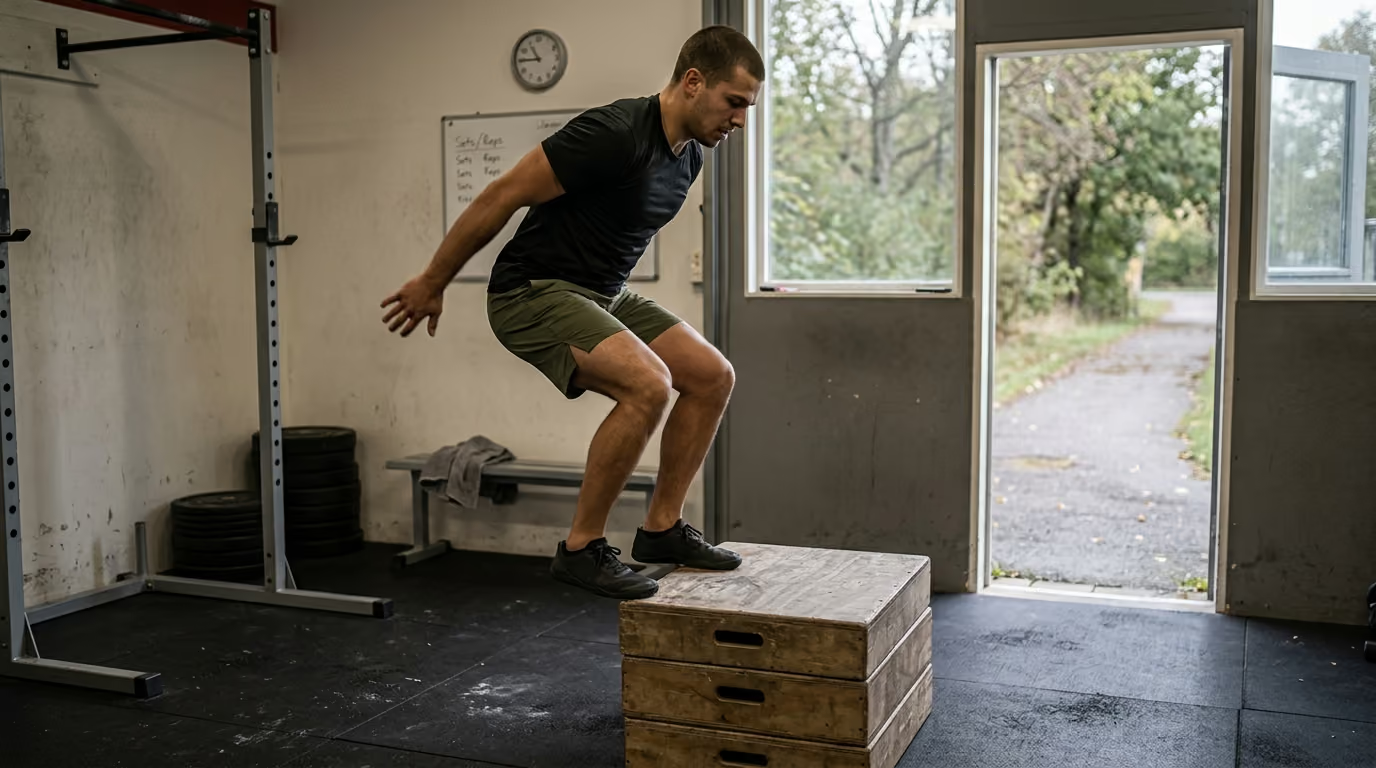
Dropping from a high obstacle with heavy body armor requires progressive plyometric conditioning to absorb extreme forces and prevent joint injuries.

Long-term PTSD recovery for aging veterans requires a whole-body approach combining evidence-based therapy, consistent sleep habits, and physical wellness strategies.
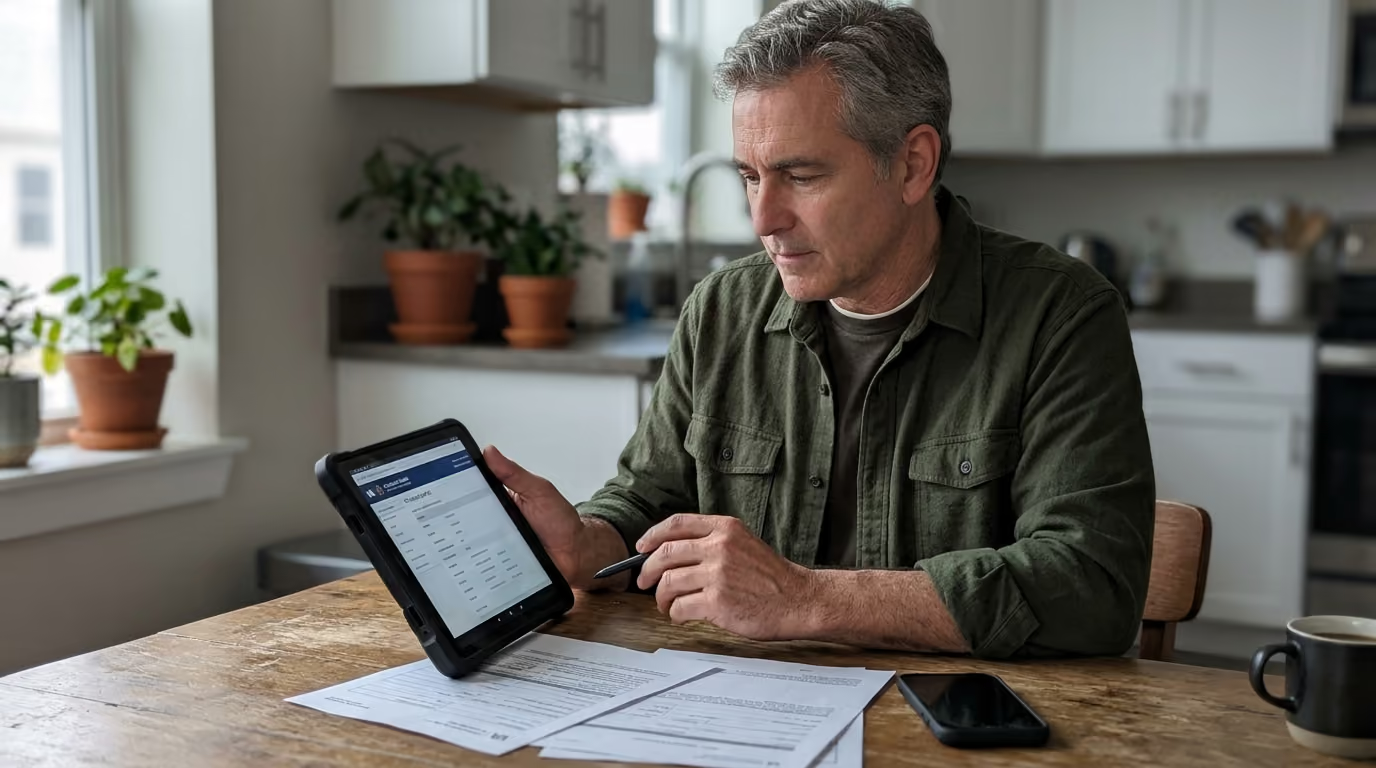
Complete digital privacy control over your VA health records becomes simple with proven strategies for secure portal access and data exchange.

Eight core functional measures, physical performance tests, and vital trends help veterans track mobility, balance, and independence over time.
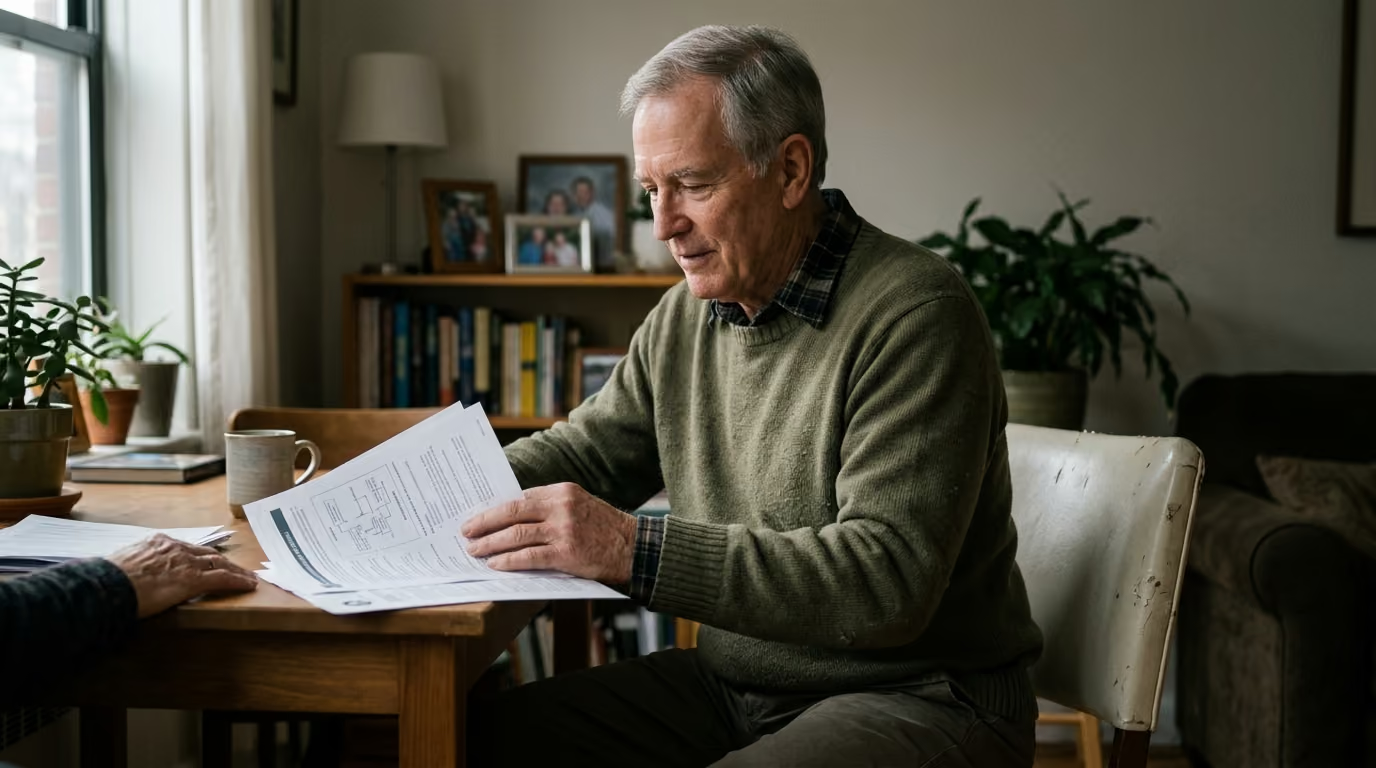
While medical care seems essential, daily factors like housing, transit, and social support truly shape healthy aging for military veterans.
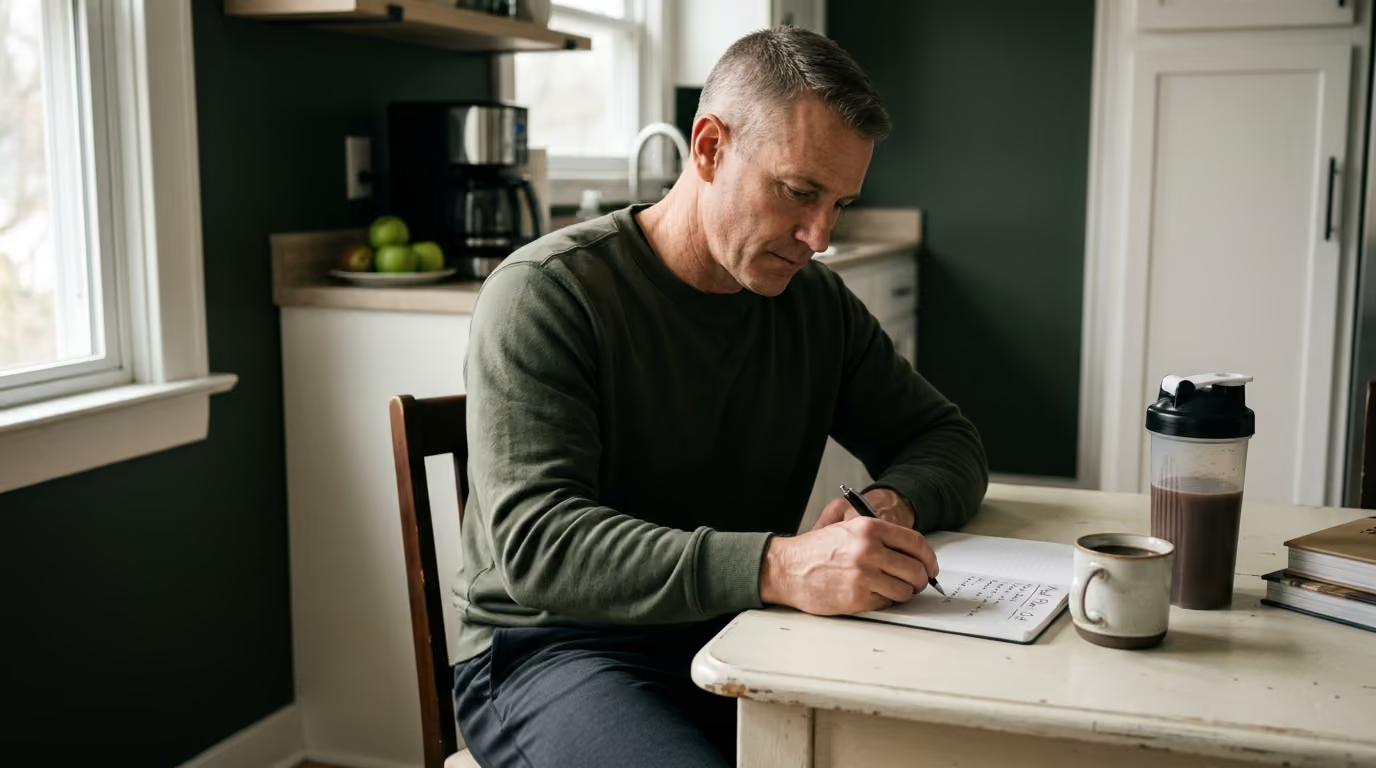
Aggressive bulking often causes unwanted fat gain, whereas structured caloric surpluses paired with targeted training build functional military lean mass.

Ten dimensions of care intensity and a five-pillar resilience framework provide military families with practical tools to reduce chronic caregiver distress.
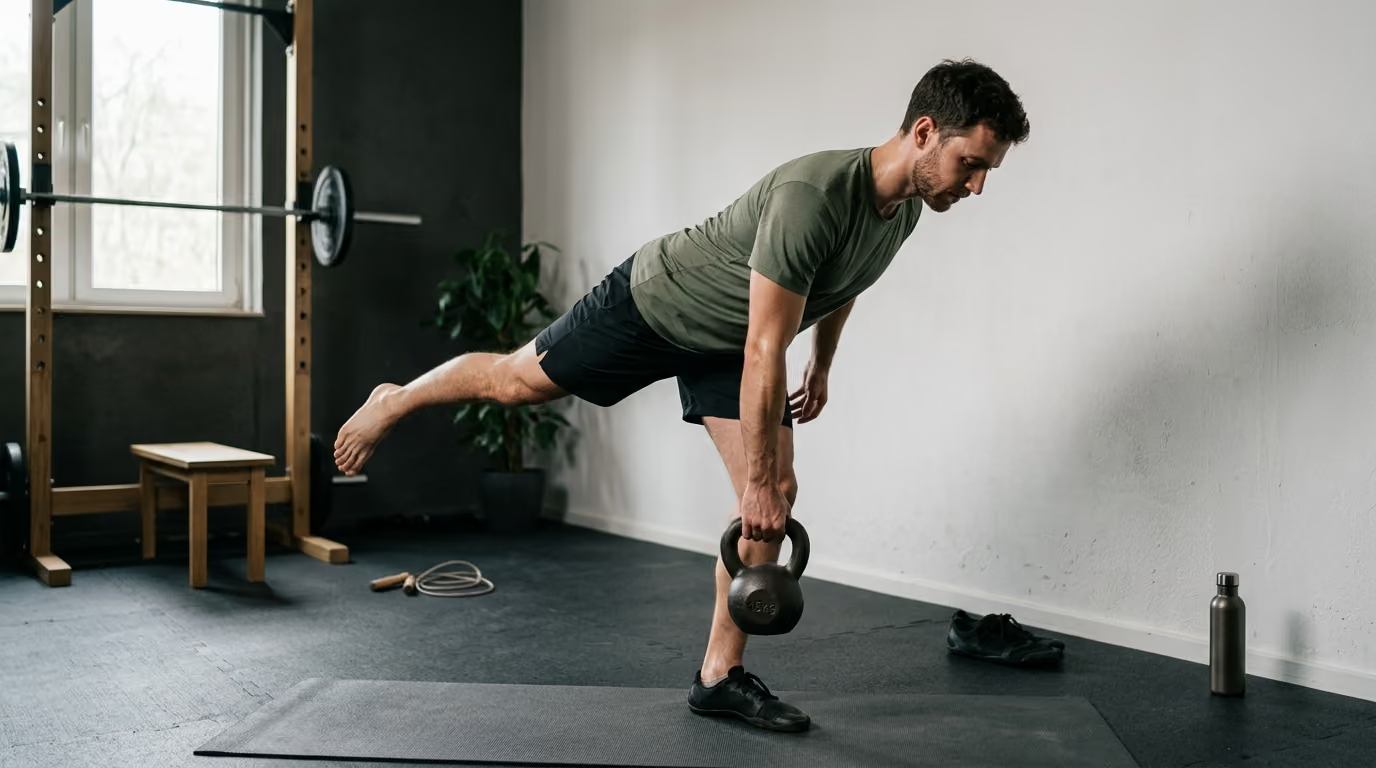
A well-rounded strength training program becomes effortless to build when you master fundamental movement patterns across both lower and upper body planes.
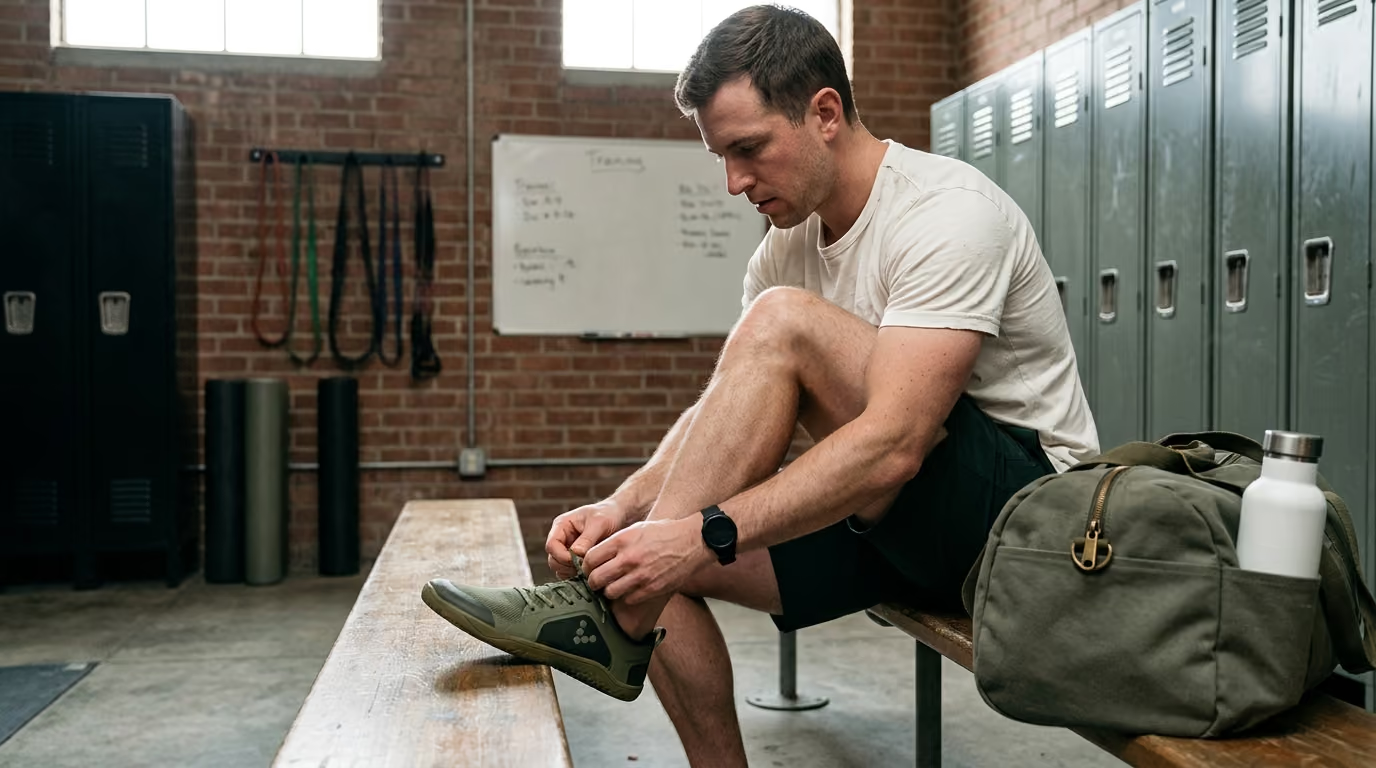
Peak physical readiness on test day comes from building foundational strength and aerobic capacity through balanced workouts instead of daily exhaustion.
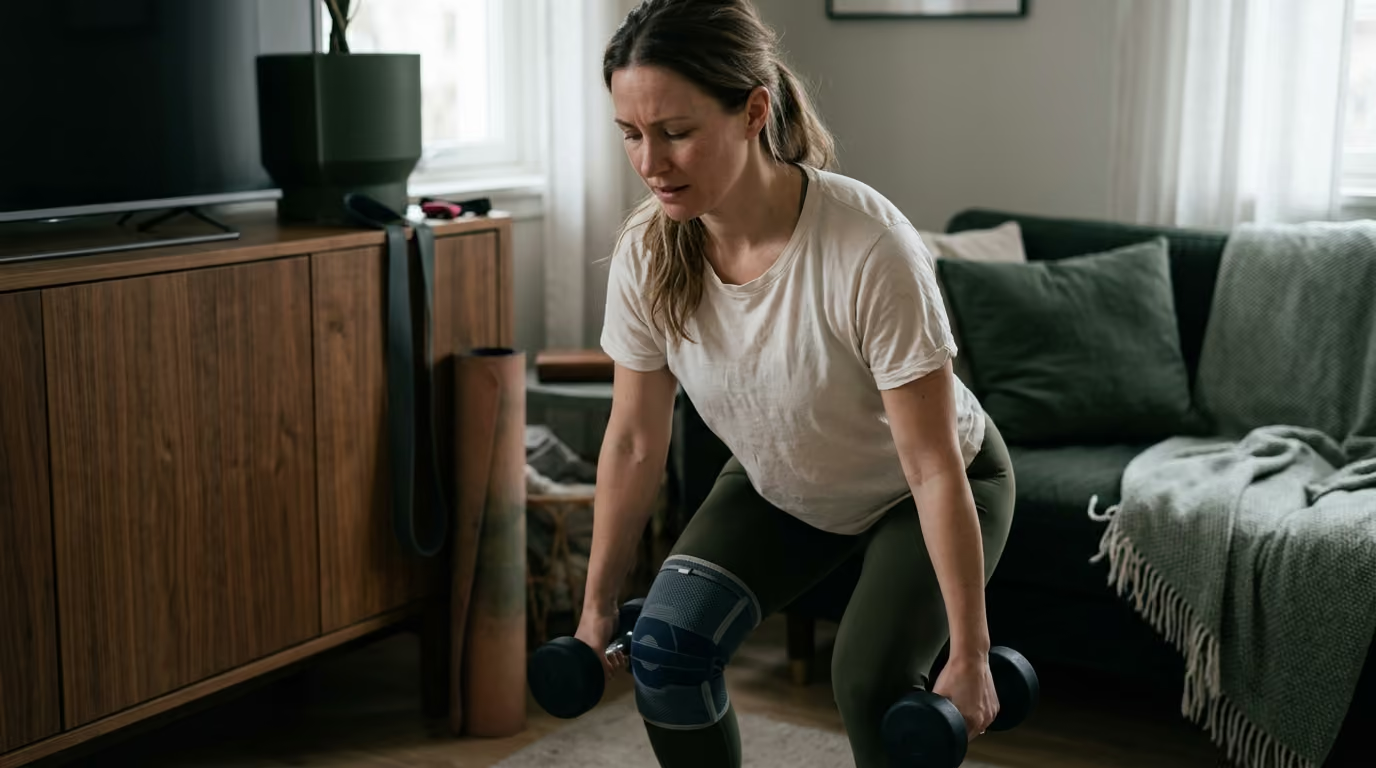
Three months of persistent discomfort does not prevent safe strength training when you assess your baseline and modify key movement patterns.
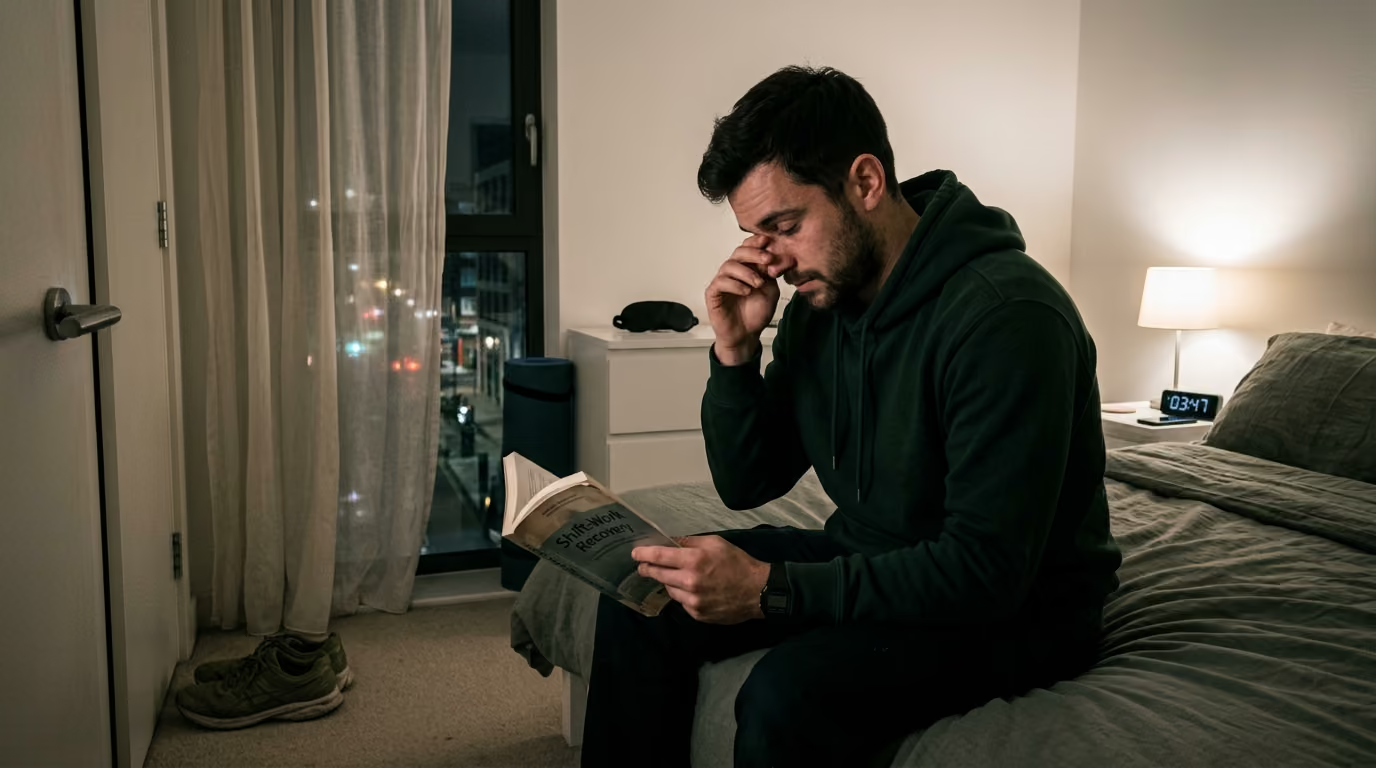
Shift workers protect their long-term health and alertness by combining circadian timing techniques with strategic napping and managed light exposure.
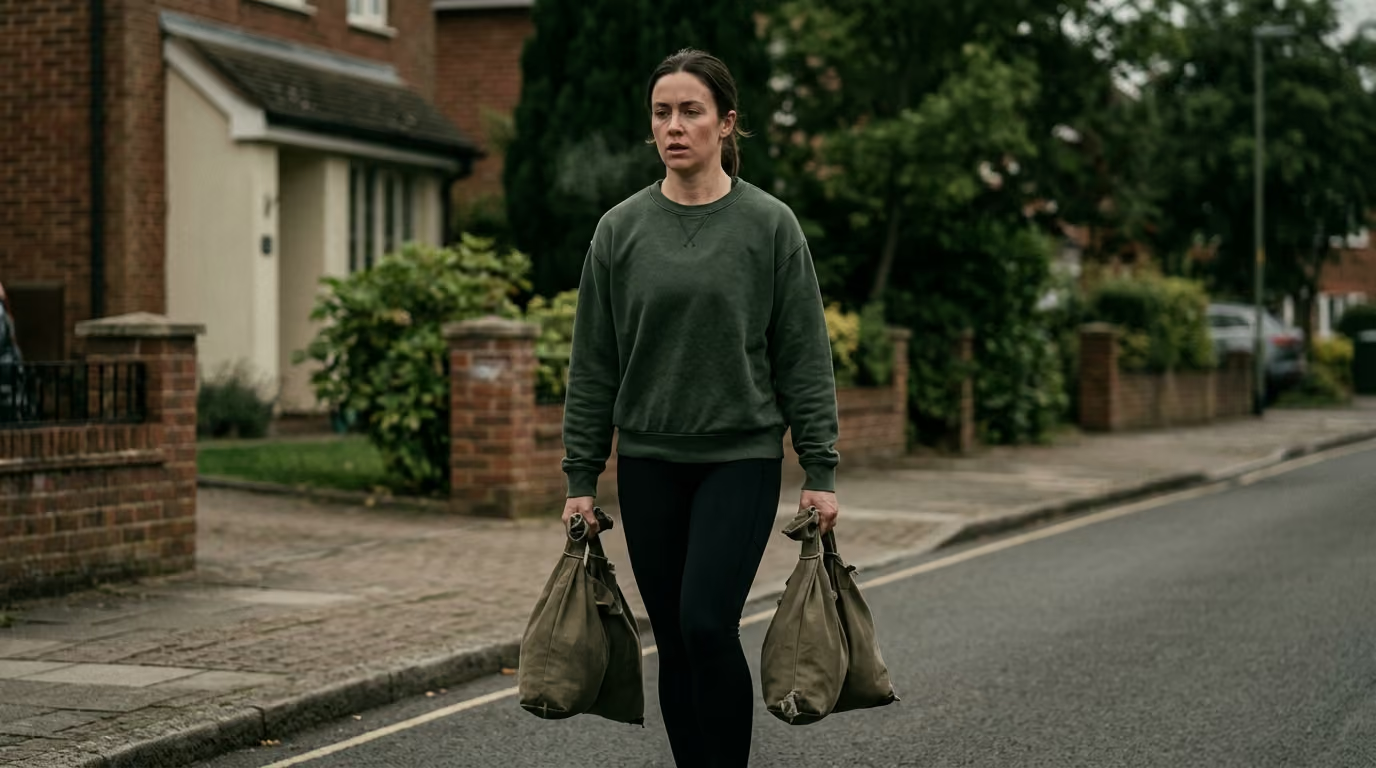
Although static barbell exercises maximize stationary force, heavy carries and sled work bridge the gap to real-world locomotion and resilient core stability.
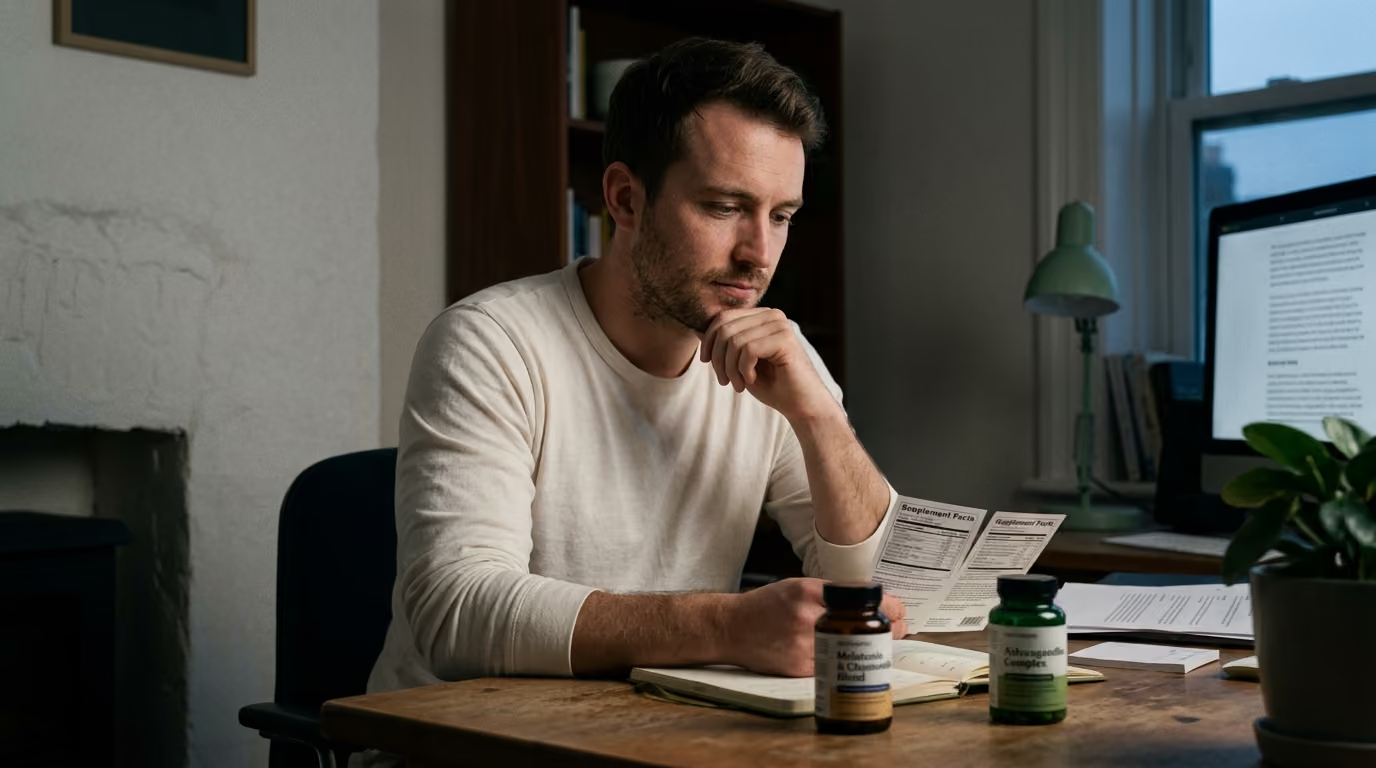
Five tiers of scientific evidence assess six common ingredients like melatonin and ashwagandha to help target specific sleep and stress parameters.
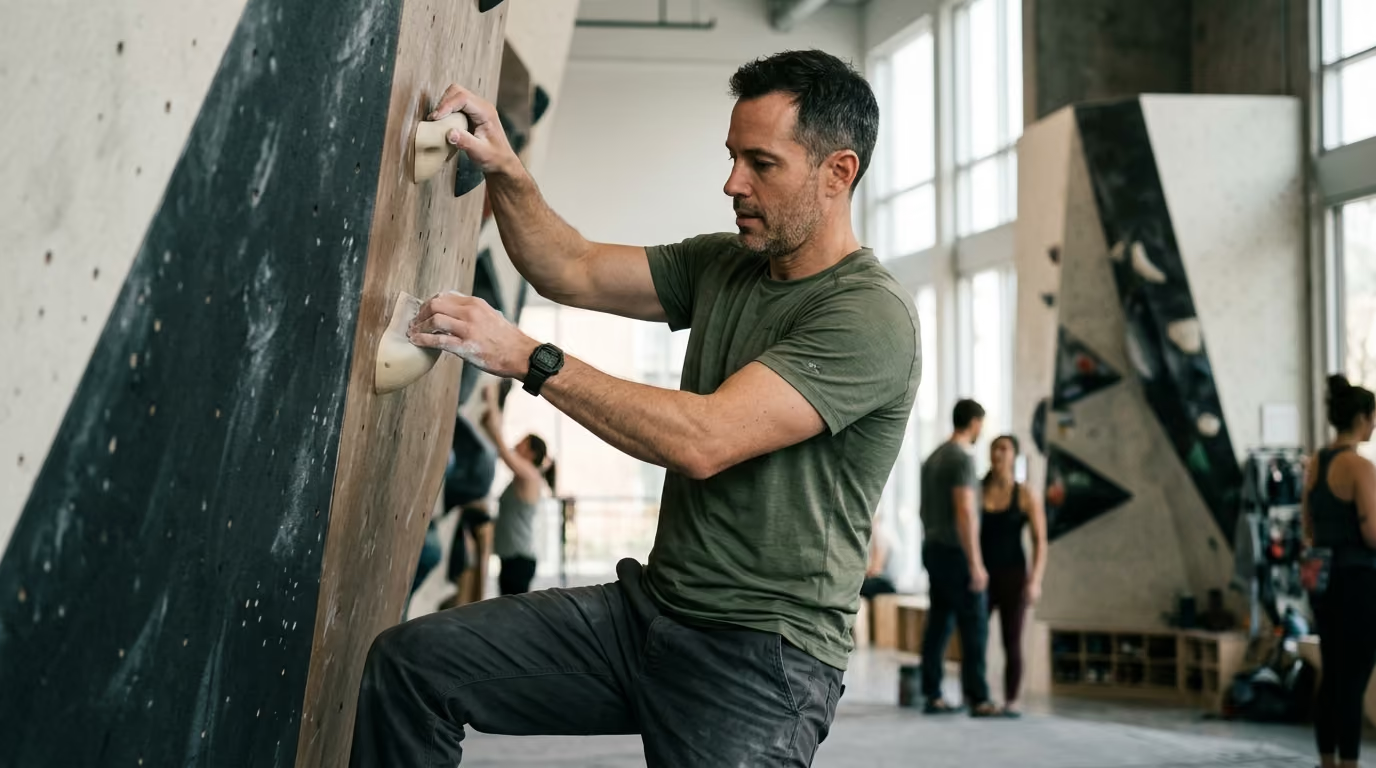
Lower fracture risk and stronger bones reward veterans who combine impact training with key nutritional habits and endocrine health monitoring.
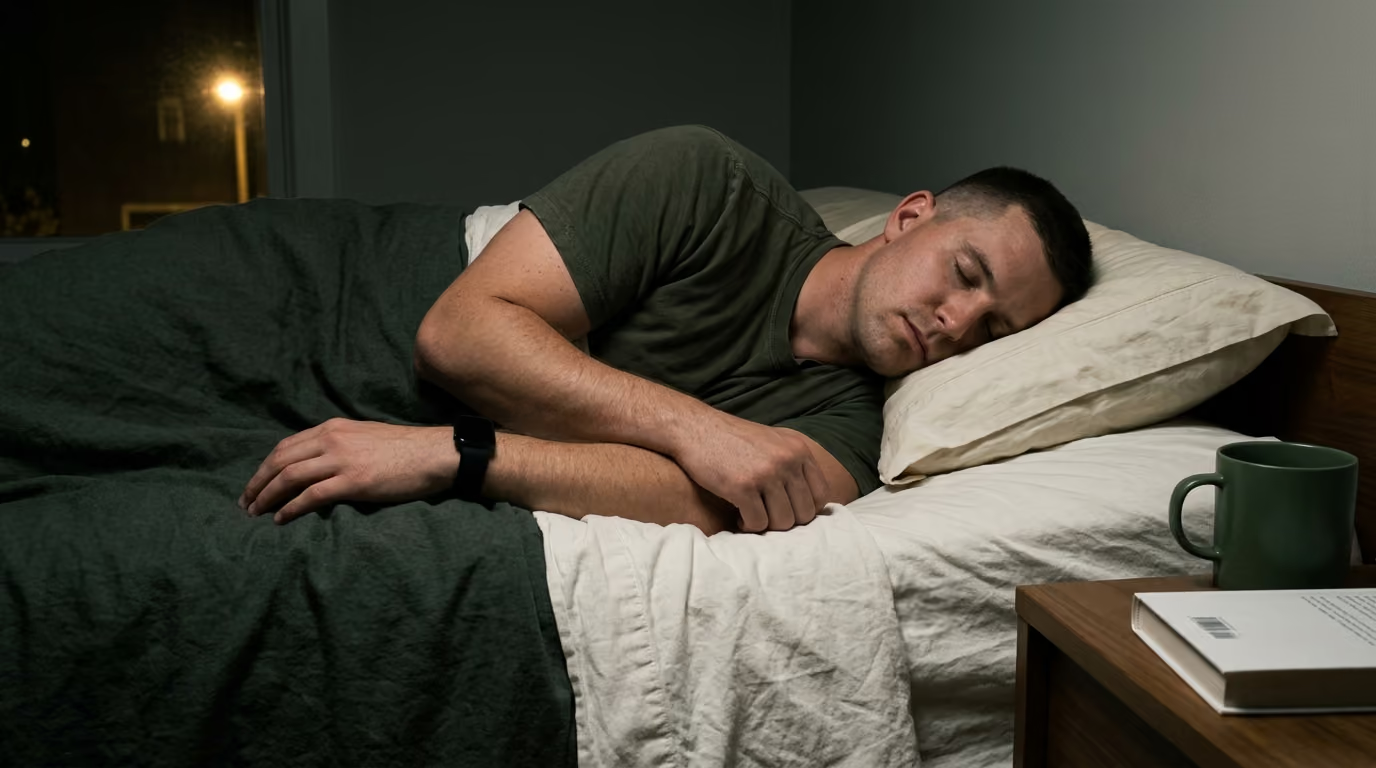
Military service disrupts natural sleep biology by uncoupling the internal circadian clock from homeostatic sleep pressure during demanding operations.

Past head trauma does not make rapid cognitive decline inevitable, as structured symptom tracking and proactive clinical care safeguard aging veterans.
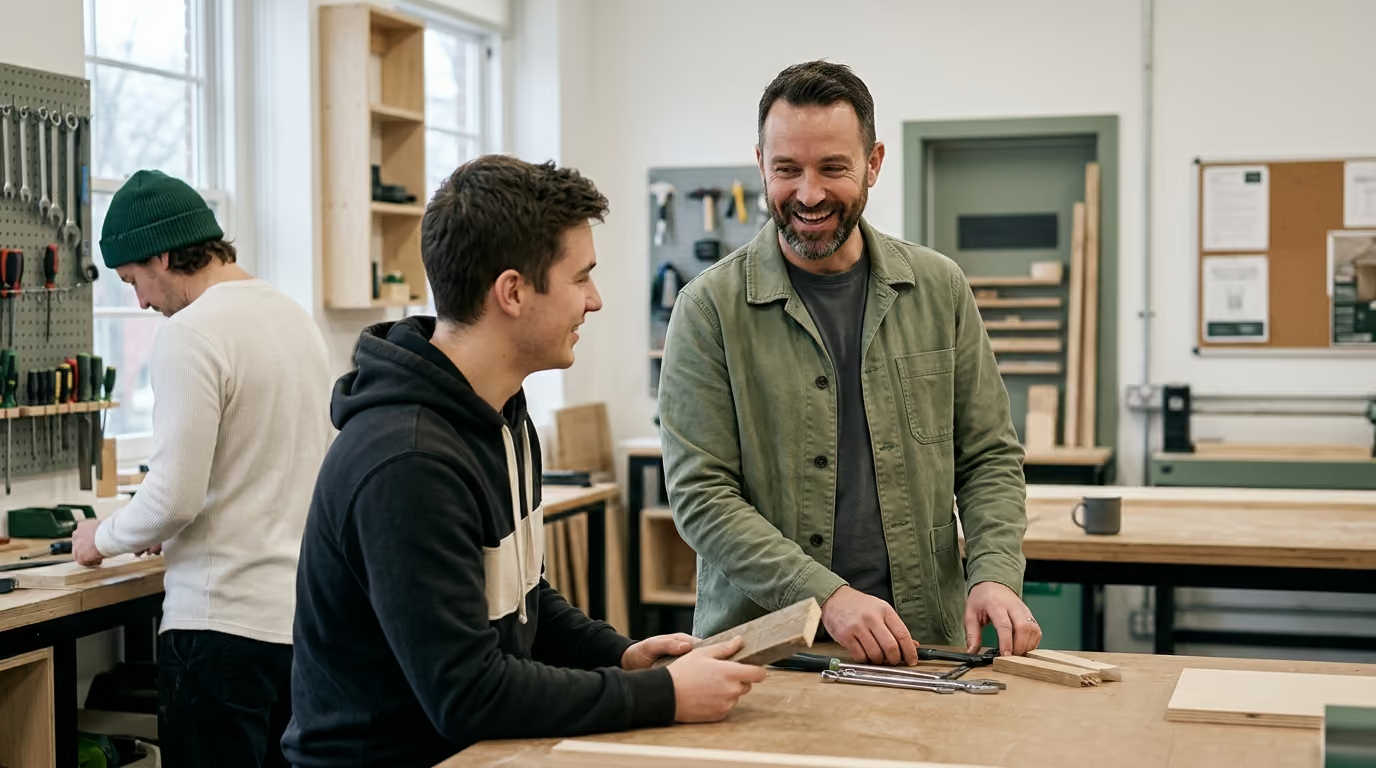
Sitting in a crowded civilian workplace feels isolating when shared military camaraderie disappears, making structured community support essential for lasting connection.
Build better habits around strength, recovery, sleep, hormones and healthy aging with practical guidance for active military personnel and veterans.
Explore BattleVet