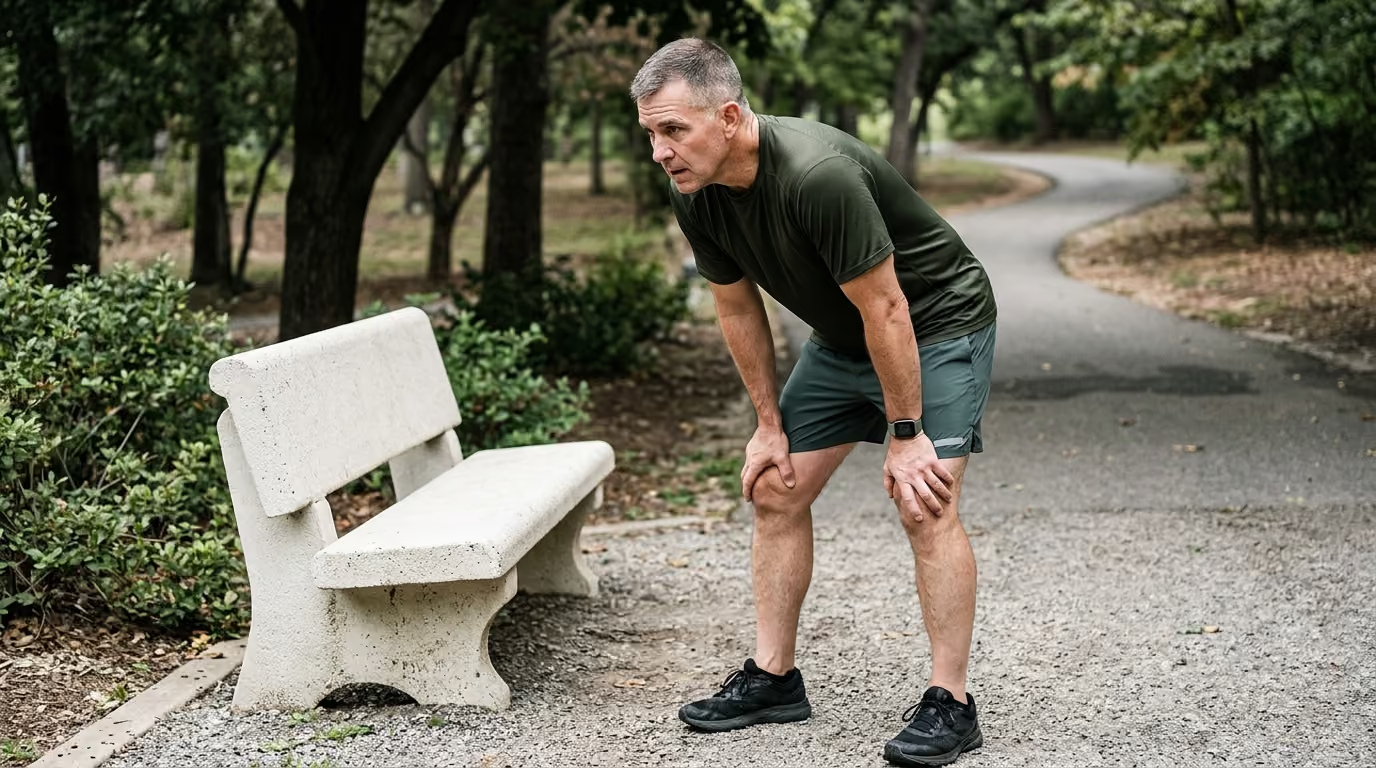

Long-term PTSD recovery for aging veterans requires a whole-body approach combining evidence-based therapy, consistent sleep habits, and physical wellness strategies.





If you are in immediate danger, call 911. For 24/7 support, call or text 988 and press 1 for the Veterans Crisis Line, or text 838255.
You wake up at 0300 with your heart hammering, the sheets tangled around your legs, and the familiar sense of being on high alert. You managed your symptoms for twenty or thirty years while working, raising a family, and keeping busy, but lately the irritability and broken sleep have started creeping back. When you search for answers about why trauma symptoms return decades after military service, you need plain facts rather than vague advice or motivational slogans. This guide provides a definitive, research-backed framework for managing post-traumatic stress disorder while protecting your physical health, cognitive capacity, and independence across the second half of life.
Quick Take: Healthy aging with post-traumatic stress disorder is built on durable daily functioning, trauma-focused clinical treatment, consistent sleep practices, physical training, and proactive relapse planning rather than total symptom eradication.
A long-term recovery model treats post-traumatic stress disorder (PTSD) as a whole-body health condition that interacts with cardiovascular health, metabolic function, sleep architecture, brain health, and social connection. Research shows that PTSD is neither an inevitable downward spiral nor something you simply age out of. Symptoms can fluctuate, re-emerge after decades of stability, or intensify during major life transitions like retirement, bereavement, or physical illness. By addressing trauma through evidence-based therapies and supporting the body with targeted lifestyle habits, veterans can maintain high physical capability and emotional stability throughout their older years.
Understanding long-term recovery requires clear definitions of trauma exposure and clinical diagnoses. Trauma exposure refers to experiencing, witnessing, or learning about life-threatening events, serious injury, or sexual violence. Many service members experience severe trauma without developing a chronic psychiatric disorder. Post-traumatic stress disorder is diagnosed only when a specific cluster of symptoms persists for more than a month and causes clinically significant distress or functional impairment.
Subthreshold PTSD occurs when a veteran experiences meaningful, disruptive symptoms that do not meet every single diagnostic criterion for a full diagnosis. In a nationally representative sample of 3,001 older U.S. veterans, 8.5 percent screened positive for subthreshold PTSD, while 1.7 percent met the criteria for full PTSD. Subthreshold symptoms still carry a heavy physical and emotional burden. Veterans with subthreshold symptoms frequently experience sleep disruption, elevated cardiovascular stress, and strained relationships, yet they often miss out on care because they assume their symptoms are not severe enough to warrant medical attention.
Clinical assessment and personal self-monitoring are organized around four core symptom domains:
Symptoms rarely follow a straight line across a veteran's life span. A study of older U.S. veterans found that approximately 9.9 percent experienced a clinically significant exacerbation of PTSD symptoms nearly three decades after their worst trauma. These late-life resurgences often coincide with retirement, the death of peers, physical limitations, or reduced daily structure. Durable functioning means having the clinical tools, physical routines, and social support systems ready to respond whenever symptom intensity changes.
Post-traumatic stress disorder is not solely a psychological challenge. It is a systemic condition that places continuous demands on the autonomic nervous system, endocrine glands, and immune pathways. When a veteran lives in a persistent state of fight-or-flight, the body continually secretes cortisol and catecholamines like adrenaline and noradrenaline. Over several decades, this prolonged allostatic load accelerates physiological wear and tear, directly influencing longevity and physical capability.
In a clinical study of 2,309 veterans, current PTSD was significantly associated with accelerated rates of biological aging measured through cellular biomarkers. Chronic nervous system activation promotes systemic, low-grade inflammation, which contributes to endothelial dysfunction and metabolic dysregulation. A systematic review and meta-analysis confirmed that PTSD is associated with a 47 percent greater mortality risk in studies reporting odds ratios and a 32 percent increased risk in studies reporting hazard ratios. While these observational findings do not mean PTSD directly causes premature death, they highlight how unmanaged trauma interacts with physical disease processes over time.
Cardiovascular disease is particularly prevalent among veterans managing long-term PTSD. Persistent sympathetic nervous system arousal elevates resting heart rate, increases blood pressure variability, and stiffens arterial walls. Furthermore, the behavioral adaptations used to cope with chronic distress, including cigarette smoking, alcohol misuse, poor dietary choices, and physical inactivity, compound these cardiometabolic risks. Older veterans in primary care settings who report broad PTSD symptoms show higher rates of smoking, obesity, diabetes, and functional disability compared to their peers without trauma symptoms.
Cognitive health is another critical area affected by decades of trauma-related distress. Cross-sectional and longitudinal research demonstrates a clear association between long-standing PTSD and elevated rates of cognitive decline and dementia in older adults. Chronic stress hormones can impair hippocampal neurogenesis, while fragmented sleep disrupts the brain's glymphatic clearance system, which removes metabolic waste products during deep rest. Managing post-traumatic stress through comprehensive veteran healthy aging strategies is essential for preserving cardiovascular health, physical mobility, and mental clarity as you age.
The foundation of long-term trauma recovery is formal, evidence-based clinical treatment. The VA/DoD Clinical Practice Guideline for the Management of Posttraumatic Stress Disorder and Acute Stress Disorder strongly recommends individual, manualized, trauma-focused psychotherapies as the first-line standard of care. These therapies are scientifically validated to change trauma-related thought patterns, reduce avoidance behaviors, and recalibrate autonomic nervous system reactivity.
Cognitive Processing Therapy (CPT) helps veterans identify, evaluate, and modify maladaptive beliefs stemming from traumatic events. Traumatic experiences often generate rigid "stuck points" such as believing the entire world is dangerous, that showing emotion is dangerous weakness, or that one is personally responsible for events beyond one's control. CPT is not generic positive thinking. It is a systematic, structured examination of cognitive distortions, helping veterans develop balanced, realistic perspectives regarding safety, trust, control, esteem, and intimacy.
Prolonged Exposure (PE) operates on the principle of emotional processing and extinction learning. Avoidance provides temporary comfort, but it reinforces the brain's belief that trauma reminders are active dangers. Under the guidance of a trained clinician, PE involves gradual, repeated engagement with trauma memories and safe, avoided real-world situations. Over time, the nervous system learns that recalling the past or being in public spaces is emotionally uncomfortable, but not inherently dangerous.
Eye Movement Desensitization and Reprocessing (EMDR) is another strongly supported trauma-focused psychotherapy. EMDR combines the focused recall of distressing trauma memories, images, and bodily sensations with bilateral sensory stimulation, typically guided lateral eye movements. This process helps the brain integrate unprocessed traumatic memories into standard long-term memory networks, diminishing the physiological intensity of flashbacks and emotional triggers.
When trauma-focused therapies are unavailable, contraindicated, or declined, the VA/DoD clinical guidelines suggest alternatives. Cognitive Therapy for PTSD and Written Exposure Therapy (WET) offer brief, highly structured protocols with solid empirical backing. Present-Centered Therapy (PCT) serves as a validated non-trauma-focused option. PCT focuses on solving current, daily life challenges and relational difficulties related to PTSD symptoms rather than directly processing past traumatic memories.
The VA/DoD clinical guidelines recommend trauma-focused psychotherapy over medications whenever feasible because psychotherapies produce larger, more durable clinical gains. However, medications provide essential support when therapy is inaccessible, poorly tolerated, or declined. Selective serotonin reuptake inhibitors (SSRIs) and serotonin-norepinephrine reuptake inhibitors (SNRIs) have the strongest scientific evidence, specifically:
Prescribing medications to older veterans requires careful clinical monitoring. Aging changes renal clearance, hepatic metabolism, and drug sensitivity. Clinicians must actively monitor for orthostatic hypotension, dizziness, fall risks, cognitive blunting, drug-to-drug interactions, and gastrointestinal bleeding. Medication decisions should always be made collaboratively through shared decision-making between the veteran and their prescribing physician.
The 2023 VA/DoD guidelines explicitly recommend against using benzodiazepines for the treatment of PTSD. Benzodiazepines do not treat underlying trauma pathology, interfere with psychotherapy outcomes, cause tolerance and physical dependence, and significantly increase the risk of falls, motor vehicle accidents, and cognitive impairment in aging adults.
The guidelines also recommend against cannabis and cannabis-derived products due to a lack of evidence regarding long-term efficacy and documented risks of dependence, cognitive disruption, and symptom rebound. Furthermore, while activities such as outdoor recreation, service dogs, and creative arts offer valuable social and emotional benefits, clinical guidelines note there is insufficient evidence to recommend them as standalone primary treatments for PTSD. They serve best as complementary, health-promoting practices alongside validated medical and psychological care.
Chronic sleep disruption is both a central symptom of PTSD and an independent driver of physical and psychological decline. Nighttime awakenings, trauma-related nightmares, and hyperarousal prevent the brain from moving through restorative slow-wave sleep and rapid eye movement (REM) cycles. Over years, fragmented sleep impairs emotional regulation, worsens daytime pain sensitivity, elevates blood pressure, and diminishes working memory.
Cognitive Behavioral Therapy for Insomnia (CBT-I) is the gold-standard, first-line clinical treatment for chronic insomnia in veterans with PTSD. Research published by the VA shows that CBT-I produces significant, clinically meaningful improvements in sleep efficiency, sleep onset latency, and total wake time after sleep onset, with gains maintained at six-month follow-ups. CBT-I works by dismantling counterproductive sleep habits, realigning homeostatic sleep drive with circadian rhythms, and eliminating conditioned arousal associated with the bed.
A structured sleep restoration protocol includes specific behavioral rules:
Trauma-related nightmares require specialized evaluation. The alpha-1 adrenergic receptor antagonist prazosin has historically been prescribed off-label for PTSD nightmares. However, while early small trials showed positive results, a large, multi-site VA cooperative trial found no significant difference between prazosin and placebo for distressing nightmares or overall sleep quality. Consequently, the 2023 VA/DoD guideline concluded there is currently insufficient evidence to recommend prazosin universally for nightmares, though physicians may still consider it on an individualized basis. Non-pharmacological therapies, such as Imagery Rehearsal Therapy (IRT), remain valuable evidence-based alternatives for reshaping repetitive traumatic nightmares.
Aging veterans must also be screened for obstructive sleep apnea (OSA). PTSD and sleep apnea frequently co-occur, with untreated apnea worsening daytime fatigue, heart failure risk, and nocturnal panics. Integrating targeted recovery and sleep protocols allows veterans to stabilize their nervous systems, reduce allostatic load, and enhance the physical benefits of daily exercise.
Physical exercise is one of the most powerful interventions available for maintaining functional autonomy, cardiometabolic health, and cognitive resilience throughout older age. However, exercise should be understood as a vital health-promoting framework rather than an outright cure for PTSD. The VA/DoD clinical guidelines state that evidence is insufficient to recommend aerobic or resistance exercise as a standalone primary treatment for PTSD in place of validated psychotherapies.
A structured training regimen builds muscular strength, preserves bone mineral density, improves balance, and enhances metabolic regulation. Resistance training directly combats sarcopenia, the age-related loss of skeletal muscle mass and strength that accelerates frailty and fall risk. Aerobic conditioning improves mitochondrial density, enhances heart rate variability, and helps lower systemic inflammatory markers like interleukin-6 and C-reactive protein.
Veterans with heightened hypervigilance, joint pain, or traumatic brain injuries often encounter unique barriers in traditional gym environments. Loud noises, dropping weights, bright fluorescent lights, and crowded spaces can trigger autonomic arousal and prompt immediate avoidance. Adapting your training environment ensures long-term adherence:
Training routines must be tailored to chronic pain patterns and past service-related musculoskeletal injuries. Emphasize low-impact aerobic conditioning, progressive resistance training, and daily mobility work. Utilizing evidence-based strength and physical fitness resources helps veterans safely build physical capacity without aggravating pre-existing spinal, hip, or knee conditions.
Using substances to cope with unmanaged trauma is a frequent and serious challenge among veterans. Alcohol, cannabis, prescription opioids, and sedatives are often used to numb emotional pain, reduce hypervigilance, and induce sleep. A study of older veterans found that psychiatric comorbidity is high, with substance-use disorders affecting up to 11.3 percent of older veterans with PTSD.
A common, outdated medical myth is that a veteran must achieve long-term abstinence from substances before they are allowed to begin evidence-based PTSD treatment. The 2023 VA/DoD clinical guidelines clearly state that co-occurring substance-use disorder should not preclude immediate participation in trauma-focused therapies like Prolonged Exposure or Cognitive Processing Therapy. Evidence summarized by the Defense Health Agency confirmed that integrated trauma-focused treatment is highly effective for reducing drinking and superior for resolving core PTSD symptoms compared to standard addiction treatments alone.
A sustainable substance management plan requires identifying the predictable sequence of events that leads to substance use:
A lapse must be viewed as useful operational data rather than moral failure or proof that recovery is impossible. If a lapse occurs, execute a pre-planned rapid re-engagement protocol: contact your healthcare team immediately, identify the exact breakdown point in your coping strategy, and resume your recovery routines without shame.
Social isolation is one of the strongest predictors of poor health outcomes and premature mortality in older adults. Research demonstrates that perceived social support is robustly associated with PTSD symptom severity in multi-era veterans. However, PTSD often erodes the very relationships needed for long-term health. Chronic emotional numbing, irritability, hypervigilance, and avoidance lead many veterans to withdraw from partners, children, and friends.
Clear communication scripts bridge the gap between hyperarousal and family life. Veterans should clearly distinguish between true situational safety needs and trauma-driven controlling behaviors. When interpersonal tension rises, implement pre-negotiated time-outs to prevent destructive arguments. Couples or family therapy can provide structured environments to help spouses and adult children understand trauma symptoms, set healthy emotional boundaries, and prevent caregiver burnout.
Cognitive changes in older veterans require careful, multi-disciplinary medical assessment rather than panic. Many older veterans assume that memory lapses or concentration problems indicate early dementia. In reality, persistent sleep deprivation, depression, chronic pain, sensory hearing loss, polypharmacy, and trauma-related intrusive thoughts all degrade executive functioning and memory recall.
When cognitive complaints arise, coordinate with primary care, neurology, and mental health specialists. A comprehensive medical review should assess medication side effects, test for obstructive sleep apnea, evaluate hearing and vision health, and measure metabolic parameters. Addressing underlying physiological stressors frequently restores cognitive clarity and daily performance. Exploring comprehensive veteran lifestyle and healthcare resources ensures you have the clinical support necessary to navigate these coordinated evaluations.
The transition into older age involves major life changes: retirement, shifts in family dynamics, physical limitations, and the loss of military peers. For decades, the structure and identity of a demanding career provide a framework that holds trauma symptoms at bay. When retirement removes that operational structure, unresolved trauma and unprocessed grief frequently resurface.
Long-term stability requires building intentional daily purpose and structure. Purpose is not about staying frantically busy to avoid internal feelings. It is about actively engaging in valued, meaningful activities that express personal identity. Whether through volunteering, mentoring younger generations, creative projects, or civic involvement, veterans need routines that foster connection, autonomy, and capability.
A written maintenance plan serves as an operational roadmap for healthy aging. This document should list personal early warning signs, established triggers, rapid self-regulation protocols, and primary clinical contacts. Review and update this plan annually or whenever navigating major life transitions like relocation, surgery, or personal loss. By treating recovery as an ongoing maintenance discipline, veterans can protect their independence and physical capability across every decade of life.
Building a reliable recovery strategy requires separating firmly established clinical facts from emerging research, early hypotheses, and unproven claims. The following breakdown categorizes current scientific knowledge regarding PTSD and healthy aging.
Developing personal stability requires focusing on sleep, stress, and nervous system resilience through validated medical, behavioral, and psychological practices.
A long-term recovery framework succeeds through consistent, small, daily execution. Use the following structured checklist to establish baseline metrics, organize medical care, and build physical capacity this week.
Late-life symptom reactivation is a documented clinical phenomenon, with research showing nearly 10 percent of older veterans experience symptom exacerbations decades after trauma. Major life changes like retirement, the death of friends, children moving away, or physical health limitations remove the structured daily routines that previously kept symptoms contained. Additionally, age-related changes in sleep quality and nervous system resilience can make emotional regulation more difficult, allowing unresolved trauma to surface.
Physical exercise is vital for cardiovascular health, preserving muscle mass, improving insulin sensitivity, and supporting general mood, but it is not a standalone cure for PTSD. The 2023 VA/DoD clinical practice guidelines concluded there is insufficient scientific evidence to recommend exercise alone as a primary treatment for PTSD. Exercise should be utilized as a powerful, health-promoting adjunct alongside validated trauma-focused psychotherapies like CPT, PE, or EMDR.
Clinical guidelines from the VA and Department of Defense recommend against using cannabis or cannabis-derived products to treat PTSD. While cannabis may provide short-term sedation or emotional numbing, research indicates it can lead to psychological dependence, worsen cognitive functioning, interfere with REM sleep, and trigger rebound anxiety when effects wear off. Evidence-based psychotherapies and approved non-addictive medications offer safer, durable recovery outcomes.
Trauma-related concentration problems, chronic hypervigilance, depression, and severe insomnia frequently mimic symptoms of cognitive impairment. PTSD-related memory difficulties typically involve problems focusing or recalling details when stressed or sleep-deprived, but the ability to learn and retain core information remains intact. True neurodegenerative decline involves progressive, irreversible loss of learned information, spatial disorientation in familiar environments, and impaired basic daily functioning. A comprehensive medical evaluation by a neurologist, primary care physician, and neuropsychologist is necessary to determine the exact cause.
This article is published strictly for educational and informational purposes and does not constitute individual medical advice, clinical diagnosis, or formal treatment plans. Post-traumatic stress disorder, chronic insomnia, cardiovascular conditions, and substance-use challenges are complex medical issues that require comprehensive evaluation by licensed healthcare professionals. Active military personnel and veterans should discuss all diagnostic screenings, medication adjustments, psychotherapy choices, and exercise programs directly with a qualified physician or VA healthcare provider. If you are experiencing thoughts of self-harm or a mental health crisis, contact the Veterans Crisis Line immediately by dialing 988 and pressing 1.
Follow BattleVet for practical guidance on military and veteran health, strength, recovery, testosterone, sleep and healthy aging. Stay connected for new articles, research backed insights and clear information to help you stay capable for the years ahead.


Build better habits around strength, recovery, sleep, hormones and healthy aging with practical guidance for active military personnel and veterans.
Explore BattleVet