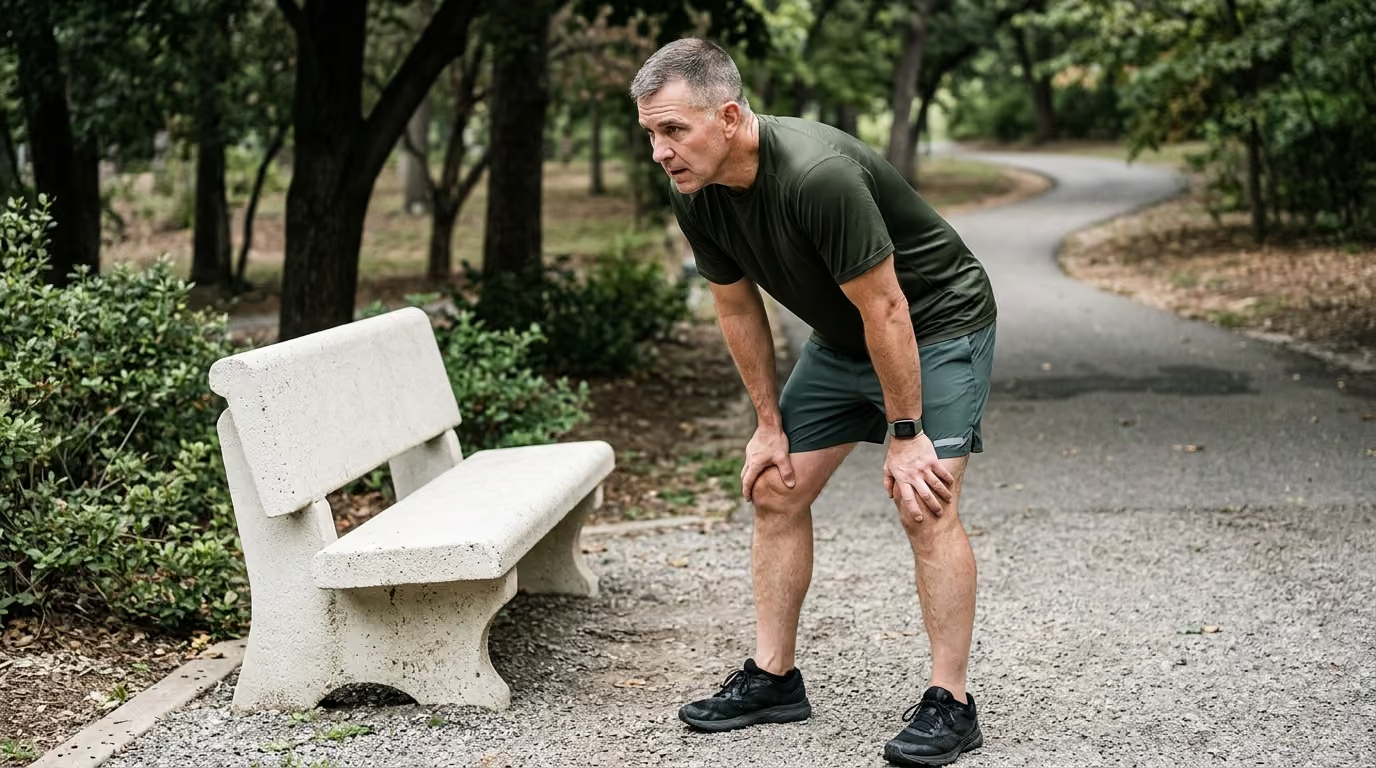

Past head trauma does not make rapid cognitive decline inevitable, as structured symptom tracking and proactive clinical care safeguard aging veterans.





You wake up before sunrise, reach for your boots, and pause as a brief wave of dizziness washes over you. You walk into the kitchen, scan the counter for your keys, and realize you cannot remember where you set your notebook the night before. Managing your day requires deliberate effort, from tracking daily blood pressure readings to pacing your physical work so headaches do not flare up. These daily friction points are common for service members and veterans who sustained a head injury years or decades ago.
Aging with a traumatic brain injury is not a passive downhill slide, but an active management process focused on preserving physical capability, protecting cognitive reserve, and adapting daily routines to support long-term independence.
Living well with a history of traumatic brain injury requires a functional approach that separates old physical trauma from new, treatable health conditions. While a prior brain injury introduces distinct neurological vulnerabilities, long-term health outcomes depend heavily on cardiovascular fitness, restorative sleep, fall prevention, and structured daily routines. By identifying modifiable risks and using targeted compensatory strategies, veterans can protect their cognitive health and maintain an active, independent life as they age.
Traumatic brain injury, commonly referred to as TBI, occurs when an external physical force alters normal brain function. This can happen through direct impacts, blast waves, rapid acceleration, deceleration, or penetrating trauma. In military populations, these injuries range from mild concussions sustained during training or combat to severe, penetrating wounds requiring complex acute care.
A long-term perspective requires understanding that head injuries exist along a wide clinical spectrum.
A mild TBI does not mean the event was trivial. Research in veteran populations shows that even mild concussions without documented loss of consciousness can influence long-term neurological resilience. However, a diagnosis of mild TBI is not a guarantee of future cognitive decline. Most individuals recover fully within days or weeks, while a smaller group experiences persistent symptoms that require long-term management.
Medical providers categorize head injury recovery into distinct phases. The acute phase covers the immediate days following the event. The post-acute phase begins seven days after the injury, when clinicians evaluate whether initial physiological recovery is progressing normally.
Persistent symptoms represent functional disruptions that continue beyond the typical recovery window. Chronic effects refer to lasting neurological, cognitive, or physical limitations that persist over months or decades.
Understanding these phases prevents two common errors. The first error is assuming that every symptom experienced in later life is an irreversible consequence of an old military injury. The second error is ignoring new, treatable health problems by assuming they are just part of an old injury.
A helpful way to understand day-to-day symptom changes is the reserve and load model.
When your total load exceeds your current reserve, symptoms appear or intensify. If a veteran feels clear-headed on a quiet morning but struggles with concentration in a loud store after poor sleep, the underlying brain injury has not worsened. Instead, the total environmental and physiological load has temporarily overwhelmed their available reserve. Managing health in later life means building up that reserve while keeping daily loads manageable.
Veterans looking to build reserve can review evidence-based healthy aging and longevity resources that detail lifestyle interventions designed for long-term health.
As the body ages, natural physiological shifts interact with old neurological injuries. Changes in vision, inner ear function, vascular health, and sleep architecture can amplify baseline vulnerabilities. Categorizing these challenges into clear functional domains helps veterans and their healthcare teams target the exact mechanism behind their symptoms.
Cognitive challenges after a head injury generally fall into four distinct categories. Identifying which specific process is struggling allows for practical, targeted adjustments.
Aging naturally slows mental processing speed to a modest degree. When natural aging combines with a history of brain injury, multitasking becomes significantly harder. A veteran who could easily handle noisy environments in their thirties might find those same environments exhausting in their sixties. This change does not necessarily indicate disease, but reflects a need to adjust daily cognitive strategies.
Headaches are among the most persistent physical complaints following a head trauma. With aging, tension headaches, migraines, and cervicogenic headaches originating from neck injuries can become complicated by arthritis, poor posture, or medication overuse.
The Department of Veterans Affairs and Department of Defense clinical practice guidelines emphasize non-pharmacological rehabilitation therapies for managing long-term pain. Relying on chronic opioid therapy is discouraged because it can worsen cognitive fog, increase fall risk, and disrupt sleep architecture.
Tracking headache patterns helps identify specific triggers. Veterans should log the duration, intensity, time of day, hydration levels, screen time, and neck strain associated with each headache episode.
Sleep architecture changes naturally as humans age, leading to lighter sleep and more frequent night awakenings. Following a brain injury, however, sleep problems can be more pronounced. Veterans frequently report insomnia, disrupted circadian rhythms, restless legs, or obstructive sleep apnea.
Sleep disruption directly impairs brain health. During deep sleep, the brain clears metabolic waste products and consolidates memory.
When sleep is fragmented by chronic pain or airway obstruction, cognitive processing speed, emotional regulation, and physical balance deteriorate the following day. Addressing sleep apnea through continuous positive airway pressure devices or behavioral sleep therapy often produces measurable improvements in memory and daytime energy.
You can explore detailed strategies in our recovery and sleep guidance section to help optimize your nightly rest.
Mood alterations, irritability, and anxiety frequently co-occur with a history of head trauma. The frontal lobes of the brain regulate emotional control, impulse restraint, and social judgment. If these areas were damaged, emotional regulation requires more conscious energy.
In older veterans, psychological stress, depression, and post-traumatic stress disorder often overlap with head injury symptoms. Depression can mimic cognitive impairment by causing severe concentration deficits, apathy, and slowed thinking.
Distinguishing between primary mood disorders and neurological symptoms is essential. Treating underlying depression or anxiety frequently resolves what initially looked like progressive memory loss.
Balance requires constant coordination between three distinct systems: the inner ear vestibular system, visual input, and sensory nerves in the joints and feet. A brain injury can disrupt how the brain processes these signals.
As age-related vision changes and reduced nerve sensitivity in the feet develop, balance problems can worsen. Dizziness, light-headedness, and unsteady walking significantly increase the risk of physical falls.
Because falls are the leading cause of initial and recurrent head injuries in older adults, protecting balance is an absolute priority for long-term health.
Photophobia, which is light sensitivity, and phonophobia, which is sound sensitivity, can persist for years following a head injury. Aging eyes develop weaker pupillary responses and slower dark adaptation, making glare from headlights or fluorescent lighting particularly fatiguing.
Sensory sensitivity often forces veterans to withdraw from social settings, family gatherings, or public spaces. Total avoidance, however, can lead to social isolation, depression, and reduced physical activity.
A more sustainable strategy involves planned exposure using practical tools like polarized sunglasses, brimmed caps, or targeted noise-filtering earplugs.
Understanding the relationship between traumatic brain injury and long-term cognitive health requires evaluating large-scale veteran research. Observational studies demonstrate a statistical link between head injuries and later cognitive disorders, but the data must be interpreted with clinical context.
A major nine-year study led by Dr. Kristine Yaffe examined more than 188,000 older veterans. The study found that 16% of veterans with a recorded history of TBI developed dementia, compared to 10% of veterans without a head injury history. After adjusting for other health factors, the researchers identified an adjusted hazard ratio of 1.57. This indicates that veterans with a head injury had an elevated statistical likelihood of receiving a dementia diagnosis during the follow-up period.
A broader systematic review and meta-analysis analyzing 13 cohort studies and over 7.1 million veteran observations confirmed this overall trend.
Further research examining more than 350,000 veterans demonstrated that even mild injuries without documented loss of consciousness were associated with an increased rate of later dementia diagnoses.
Data from the Veterans Health Administration Cooperative Studies Program indicates how common these diagnoses are. Among 6,363,592 veterans using VA healthcare services in fiscal year 2019, 94,440 had a documented TBI diagnosis. Of those recorded cases, 83.2% were classified as mild, 9.2% as moderate, and 0.7% as severe or penetrating.
These numbers demonstrate the value of long-term cognitive monitoring, but they must not be mistaken for an individual prognosis. Statistical hazard ratios from large population registries show relative risk across groups, not an inevitable outcome for any single person. Many veterans with a history of head injury live full, mentally sharp lives well into their eighties and nineties.
The evidence clearly demonstrates that cardiovascular and metabolic health play a massive role in long-term outcomes. When high blood pressure, high cholesterol, coronary artery disease, or diabetes go untreated, they restrict blood flow to an already vulnerable brain.
Treating vascular risk factors directly protects brain tissue. Managing hypertension, remaining physically active, avoiding tobacco, and treating sleep apnea provide direct neuroprotective benefits that lower practical dementia risk.
For more evidence-based information on physical fitness and metabolic care, review our strength and fitness principles.
Long-term management depends on consistent, structured monitoring rather than waiting for a major health crisis to occur. The Department of Veterans Affairs and Department of Defense recommend a primary-care centered approach for managing persistent post-concussion symptoms.
Routine healthcare should track functional capacity, identify new physical changes, and treat emerging health conditions before they disrupt daily life.
Veterans and their families can use a straightforward, four-step cycle to manage their health over time.
Veterans must distinguish between familiar, daily symptom fluctuations and acute warning signs. If an older veteran develops a brand-new symptom decades after their initial military service, it should never be dismissed as an old injury.
The VA/DoD clinical guidelines specifically recommend evaluating any new symptom developing more than 30 days after a head injury for alternative medical causes.
A new tremor, sudden vision changes, or progressive memory loss could indicate a medication interaction, a minor stroke, a thyroid imbalance, or a neurological disorder. Prompt medical workups ensure that treatable medical problems are caught early.
Clinical success is measured by daily capability and safety, not by the total elimination of every minor symptom.
Real progress shows up in concrete daily milestones:
Focusing on functional outcomes keeps the care plan grounded in what matters most for maintaining personal independence.
Rehabilitation is not limited to the weeks immediately following a physical trauma. Periodic rehabilitation throughout older adulthood helps veterans learn new compensatory skills, adjust to age-related physical changes, and maintain high levels of daily functioning.
Cognitive rehabilitation teaches practical, systematic strategies to reduce strain on working memory and executive processing. Rather than trying to force the brain to memorize every detail, veterans use external tools to manage mental load.
Vestibular therapy uses specialized physical exercises to recalibrate how the brain coordinates balance signals from the eyes, inner ears, and joints.
A physical therapist trained in vestibular care can prescribe gaze stabilization exercises, habituation drills to reduce motion sensitivity, and progressive balance routines. Combining balance training with lower-body strength work significantly improves stability, making navigating uneven terrain, stairs, and dimly lit hallways much safer.
Occupational therapists evaluate how veterans interact with their home and work environments. They recommend practical ergonomic modifications, bathroom safety additions, and energy conservation techniques.
Using assistive tools, shower chairs, or smart home technology is not a sign of declining capability. It is a proactive strategy that conserves physical energy and eliminates unnecessary fall risks.
Speech-language pathologists assist with more than basic speech mechanics. They help veterans optimize word retrieval, improve conversational focus in noisy rooms, and organize complex information.
These clinicians provide structured communication strategies that reduce daily misunderstandings, making interactions with family members, friends, and healthcare providers far less stressful.
To understand how practical adaptations support healthy aging transitions, explore our veteran life transitions articles.
Preventing a second head injury is one of the most vital health priorities for an aging veteran. The brain becomes more vulnerable to trauma as it ages, and recovery from a repeat injury is often slower and less complete.
Because falls account for the vast majority of traumatic brain injuries in older adults, comprehensive fall prevention is essential.
Data from the Centers for Disease Control and Prevention indicates that nearly half of all fatal and non-fatal falls occur within the home environment. Modifying living spaces dramatically lowers this risk.
Medication side effects are a leading, preventable cause of dizziness and unsteadiness. Many common medications, including sleep aids, muscle relaxants, blood pressure drugs, and nerve pain treatments, can cause drowsiness or sudden blood pressure drops when standing.
Veterans should bring all their prescription drugs, over-the-counter medications, and supplements to their primary care provider every year for a comprehensive medication review.
Annual eye exams are equally critical. Updating prescription lenses, screening for cataracts, treating glaucoma, and adjusting to changes in depth perception ensures the brain receives clear visual information to maintain physical balance.
Maintaining safe driving habits protects against severe motor vehicle impacts. Veterans who experience slowed reaction speeds, visual blind spots, sudden bouts of dizziness, or frequent navigation confusion should undergo a formal driving evaluation.
Using public transit, family rides, or veteran transportation services ensures independence without compromising physical safety.
Physical activity should never be abandoned out of fear. Exercise is essential for preserving muscular strength, joint mobility, and mental sharpness.
Veterans simply need to choose smart, low-impact forms of exercise that match their balance abilities. Always wear a properly fitted, activity-specific helmet when cycling, skiing, riding an off-road vehicle, or engaging in higher-speed recreational sports.
Long-term brain health depends on the daily habits that support overall physical resilience. Protecting the brain requires a whole-body approach that optimizes cardiovascular function, metabolic health, physical strength, and mental wellness.
Physical exercise provides direct neurological benefits. Aerobic activity promotes blood circulation to the brain, supports the health of cerebral blood vessels, and stimulates the release of neurotrophic factors that support cellular health. Resistance training builds muscular stability and bone density, protecting joints and reducing the severity of injuries if a fall does occur.
Social connection is an equally powerful component of healthy aging. Meaningful social engagement challenges the brain to process complex emotional and verbal information in real time.
Veterans who remain socially active, participate in community groups, or pursue creative hobbies show greater cognitive resilience over time.
For additional strategies on managing mental stress and daily recovery, visit our sleep and resilience resources.
Understanding how brain injury history presents in later life is easier when looking at common clinical scenarios. These five patterns illustrate how symptoms interact with daily life and demonstrate practical paths forward.
A 62-year-old veteran sustained a mild concussion during military training thirty years ago. For decades, he managed occasional mild headaches and slightly slower reading speeds without major difficulty. Recently, after taking on added family caregiving duties and experiencing poor sleep, he notices severe mental fog, frequent irritability, and trouble organizing his daily schedule.
A 68-year-old veteran with a history of a blast-related head injury reports two near-falls over the past four months. He feels dizzy when standing quickly from his favorite chair and struggles to walk steadily in dim lighting.
A 59-year-old veteran visits his doctor worried that he is developing early dementia. He frequently forgets recent conversations, loses his train of thought at work, and feels exhausted every afternoon. He also reports chronic lower back pain and frequent night awakenings from nightmares.
A 74-year-old veteran with a history of a moderate brain injury from combat begins repeatedly missing utility bills, getting lost while driving on familiar neighborhood streets, and asking the exact same questions multiple times an hour. His spouse notes that these challenges have steadily worsened over the past eighteen months.
A 65-year-old veteran who sustained a head trauma during service thirty-five years ago suddenly develops intense, throbbing headaches that wake him from sleep. He assumes these are just an old service-connected symptom flaring up with age.
No. A history of mild concussion is not a guarantee of future dementia. Large veteran cohort studies show an increased statistical relative risk across large populations, but absolute risk depends heavily on overall health, genetics, and lifestyle factors.
Many veterans with a history of head injury maintain strong cognitive function throughout their lives. Managing blood pressure, exercising regularly, treating sleep disorders, and staying socially active significantly protect long-term brain health.
Normal cognitive aging typically involves minor, occasional changes, such as taking slightly longer to recall a name or needing more time to process complex instructions, without losing the ability to live independently. Persistent brain injury symptoms often involve specific weaknesses in processing speed, attention, or sensory tolerance that have been present since the injury.
A progressive, sustained decline in daily functioning, such as getting lost in familiar places, forgetting how to perform routine daily tasks, or struggling to manage personal medications, is not normal aging and requires medical evaluation.
No. Exercise is one of the most effective ways to preserve brain health, maintain physical balance, and prevent falls as you age.
Unless your doctor gives specific restrictions, you should continue regular physical exercise. If you experience dizziness or balance difficulties, modify your workouts by using stable resistance machines, seated exercises, stationary bikes, or water aerobics rather than high-impact or unstable movements.
The brain relies on an intricate network of blood vessels to deliver oxygen and essential nutrients. High blood pressure, high cholesterol, and diabetes damage these delicate blood vessels over time, reducing blood flow to brain tissue.
Because an injured brain already has less neurological reserve, vascular damage accelerates cognitive fatigue and increases the risk of vascular dementia. Controlling cardiovascular health directly protects brain function.
This article is published for educational and informational purposes only. It does not provide medical consultations, diagnosis, clinical coaching, or individual healthcare treatment. Veterans and service members should always discuss individual health concerns, new or changing symptoms, medication reviews, and exercise programs with a qualified healthcare professional or their primary care team. Never delay seeking professional medical evaluation for acute, progressive, or concerning neurological symptoms.
Follow BattleVet for practical guidance on military and veteran health, strength, recovery, testosterone, sleep and healthy aging. Stay connected for new articles, research backed insights and clear information to help you stay capable for the years ahead.


Build better habits around strength, recovery, sleep, hormones and healthy aging with practical guidance for active military personnel and veterans.
Explore BattleVet