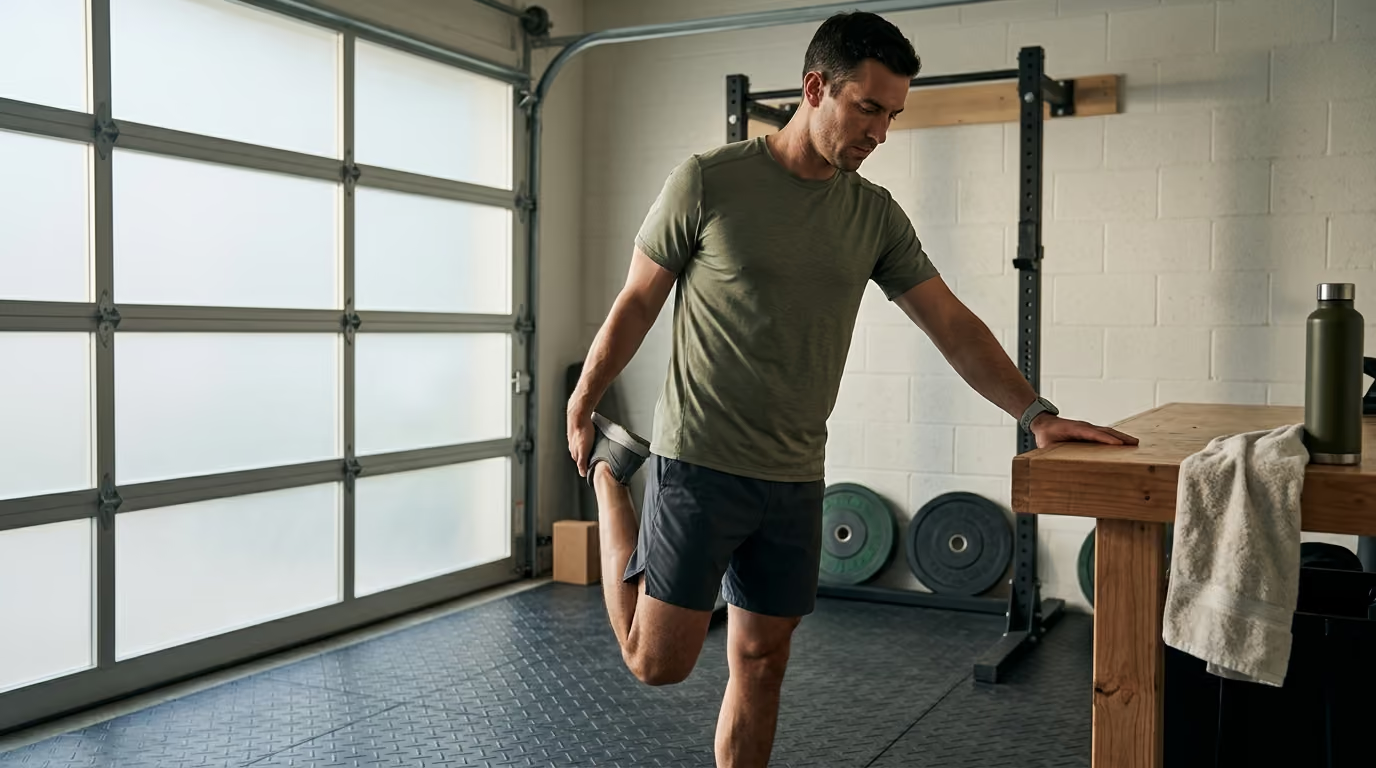
Zero load technical rehearsal and multi-planar dynamic drills prime neuromuscular pathways for peak lifting power while preventing common training injuries.


Connecting to your remote VA healthcare visit goes smoothly when you master available virtual platforms, verify your tech, and organize medical documents.

A safe return to full running volume relies on structured impact progressions, targeted readiness screening, and strategic tissue capacity management.
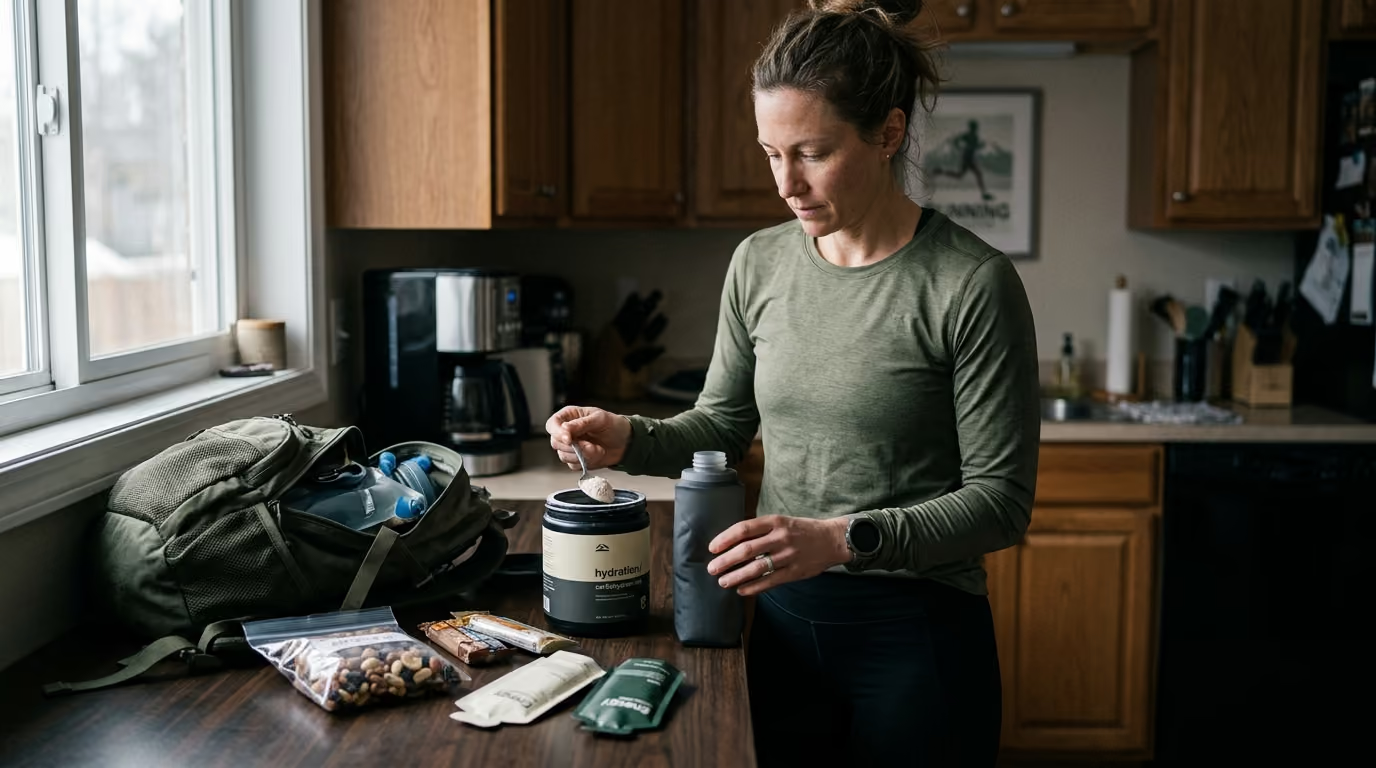
Sustained energy and faster recovery during grueling rucks come from precise carbohydrate timing, sweat rate management, and gut training strategies.

Many people assume insomnia stems from poor sleep hygiene, but physiological hyperarousal and anxiety cycles actually drive chronic sleep disruption.

Far from an inevitable consequence of aging, veteran depression stems from complex clinical factors that meaningful daily purpose and connection can overcome.
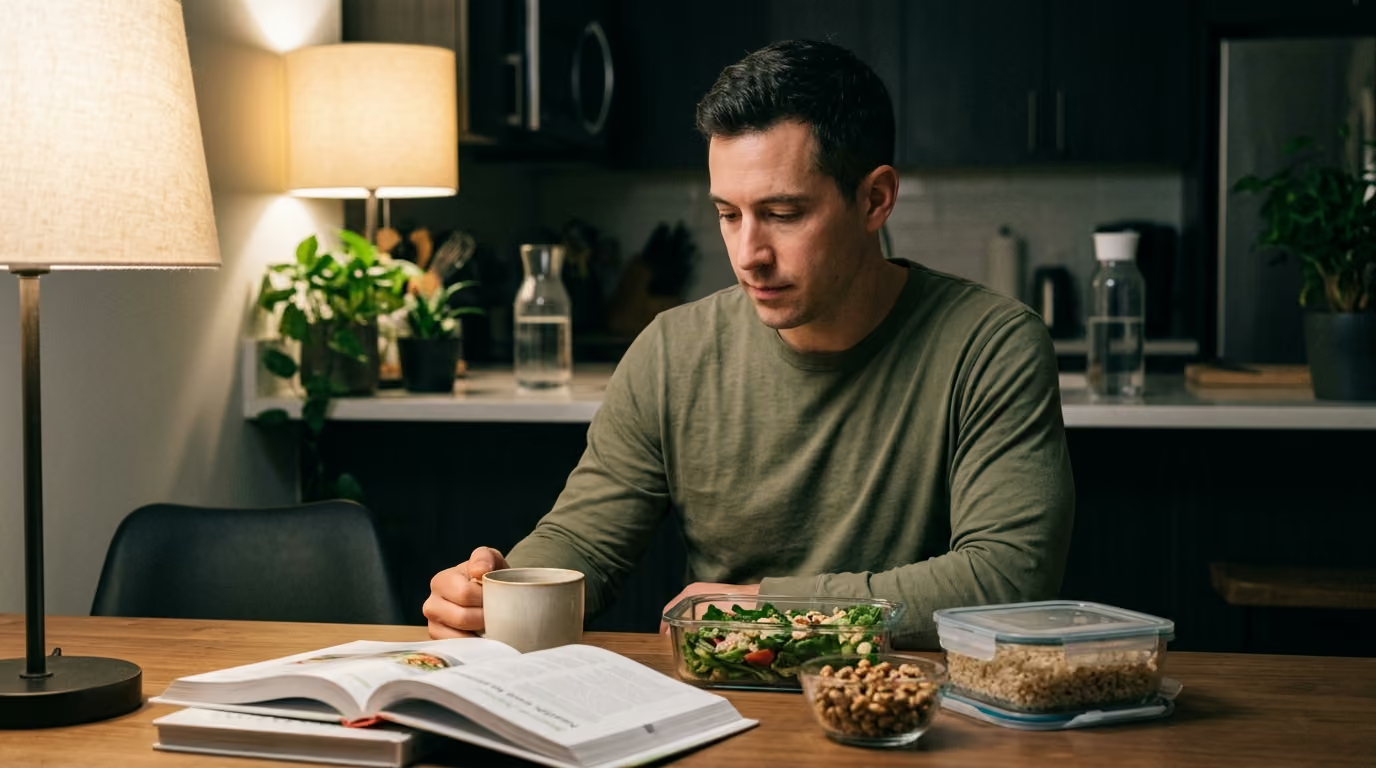
While most people treat poor rest as an unavoidable consequence of pressure, targeted dietary habits directly restore restorative sleep and stress resilience.

Waking up completely exhausted after an active morning signals the need for structured pacing to manage daily energy envelopes and stop push-crash cycles.

Three core categories of outcome, process, and context metrics help athletes accurately evaluate strength, body composition, and performance adaptations.
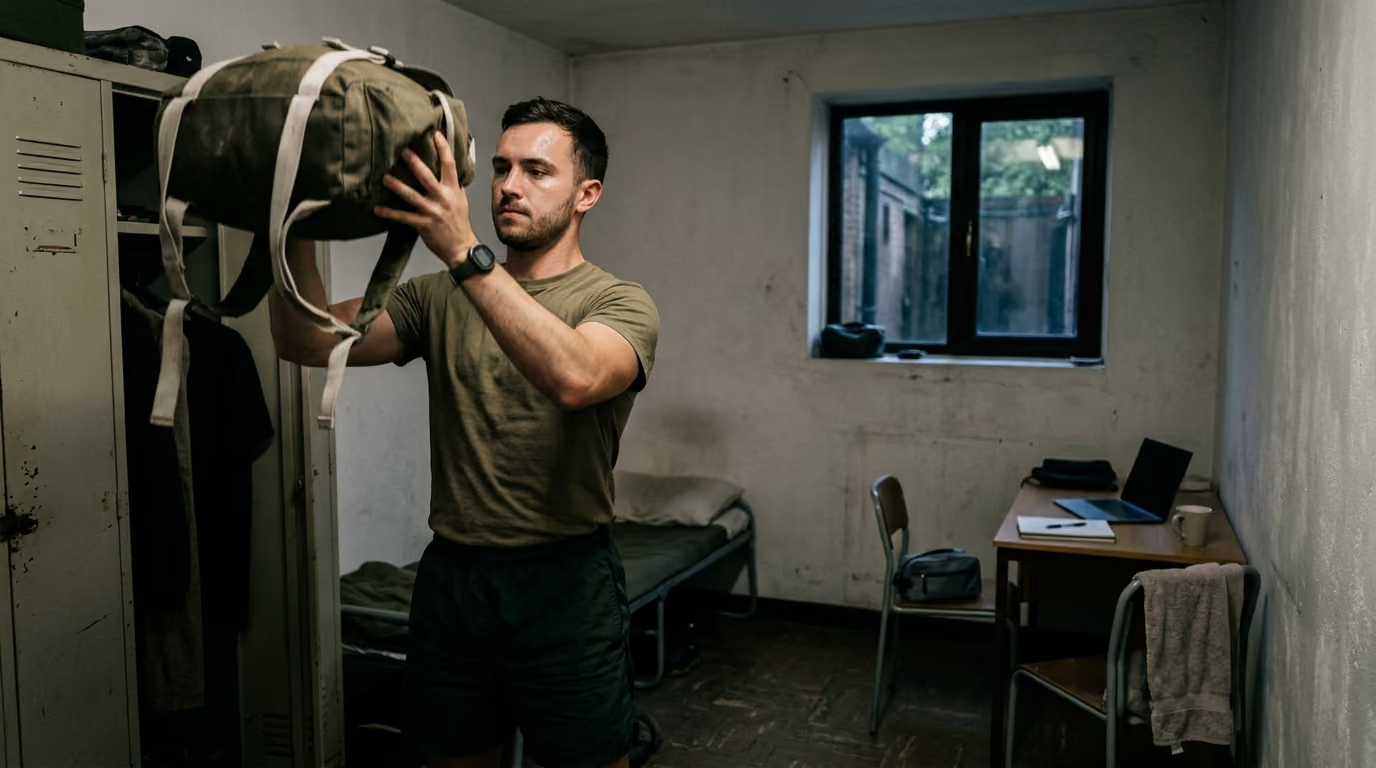
Facing disrupted sleep, delayed flights, and austere operating bases demands flexible training frameworks to maintain functional strength with minimal gear.

Struggling to hit your target weights despite intense training reveals a recovery deficit best fixed by optimizing sleep, fueling, and hydration.
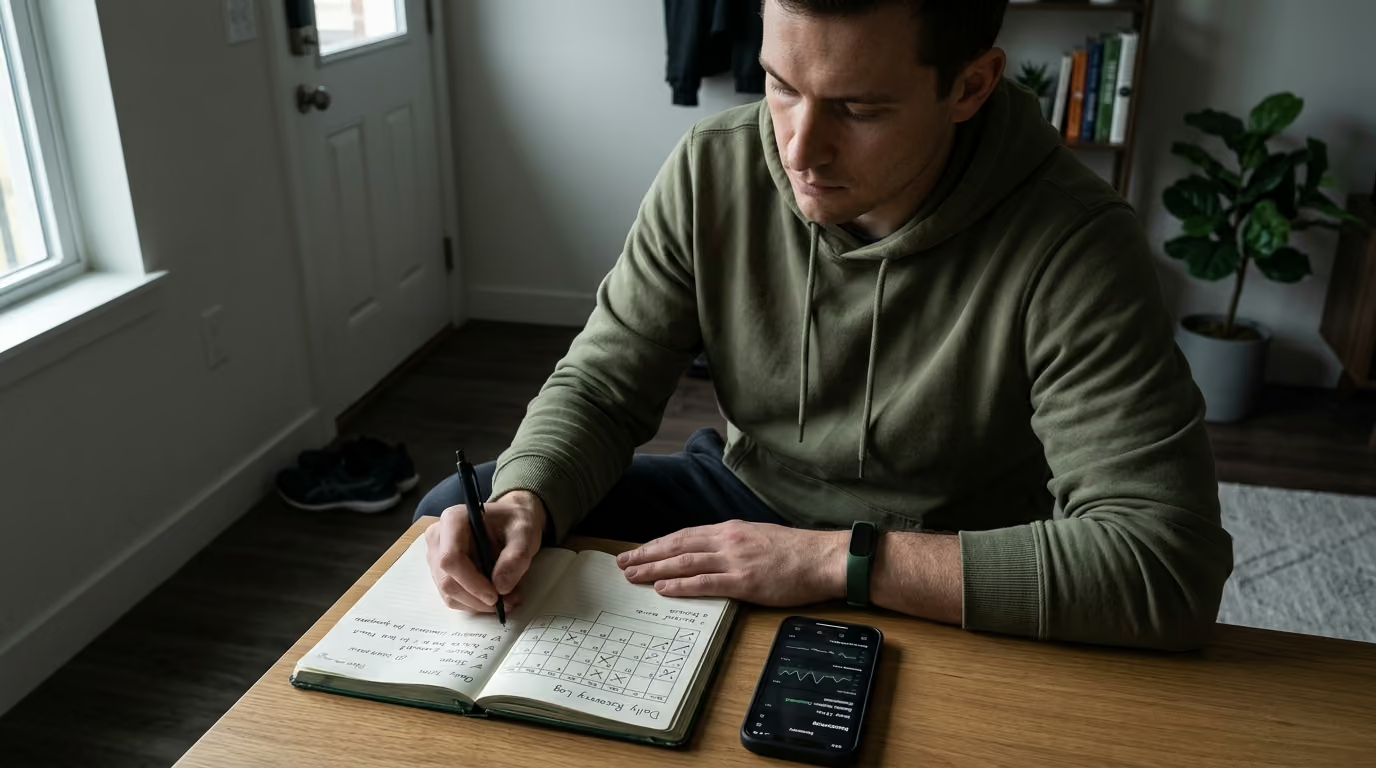
A complete physical recovery system balances sleep, nutrition, mobility, and stress management to help athletes track daily metrics and optimize performance.

Aging military veterans face unique vision risks from service exposures, making early detection of eye conditions and home safety adaptations essential.
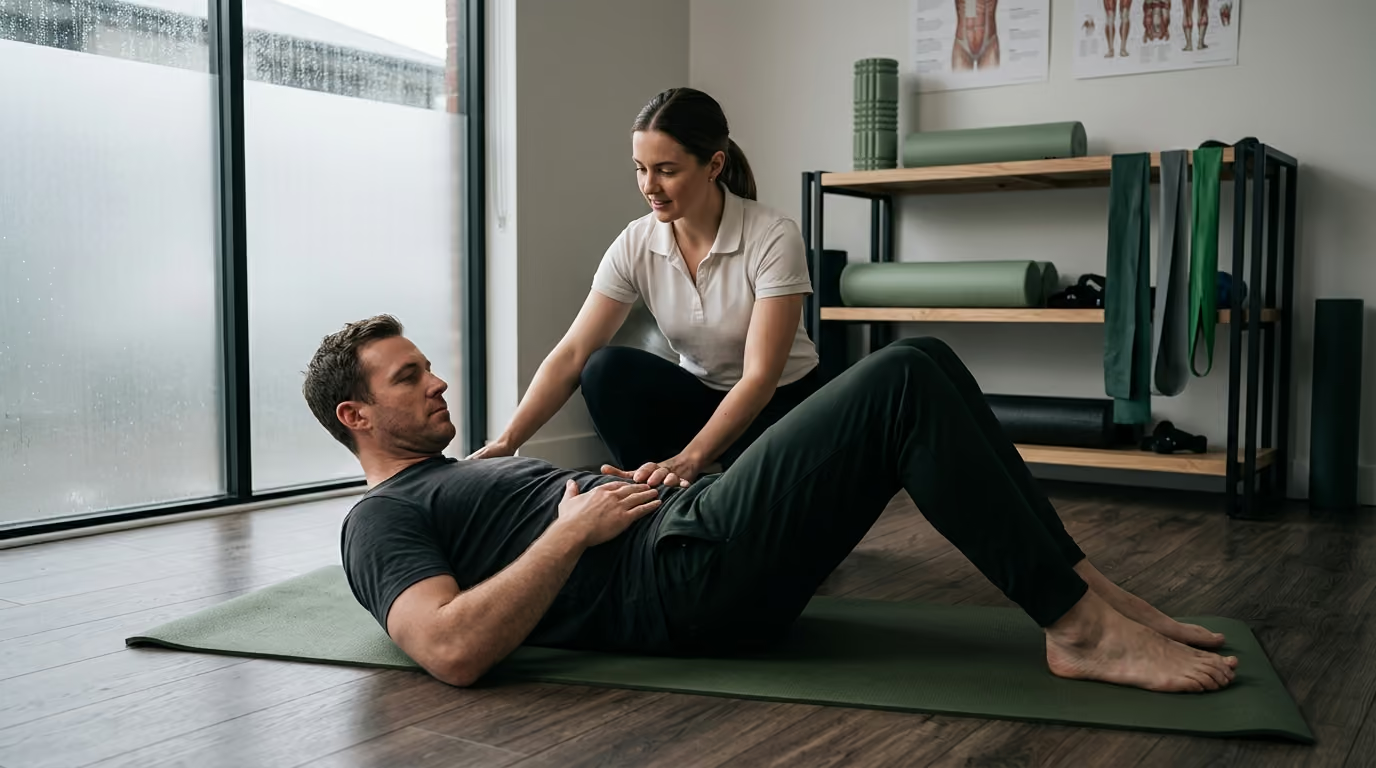
Lifting groceries or getting out of bed safely requires progressive core training that restores dynamic pressure management throughout your midsection.

Six categories of dietary supplements carry distinct health risks and potential prescription drug interactions that veterans must evaluate before daily use.
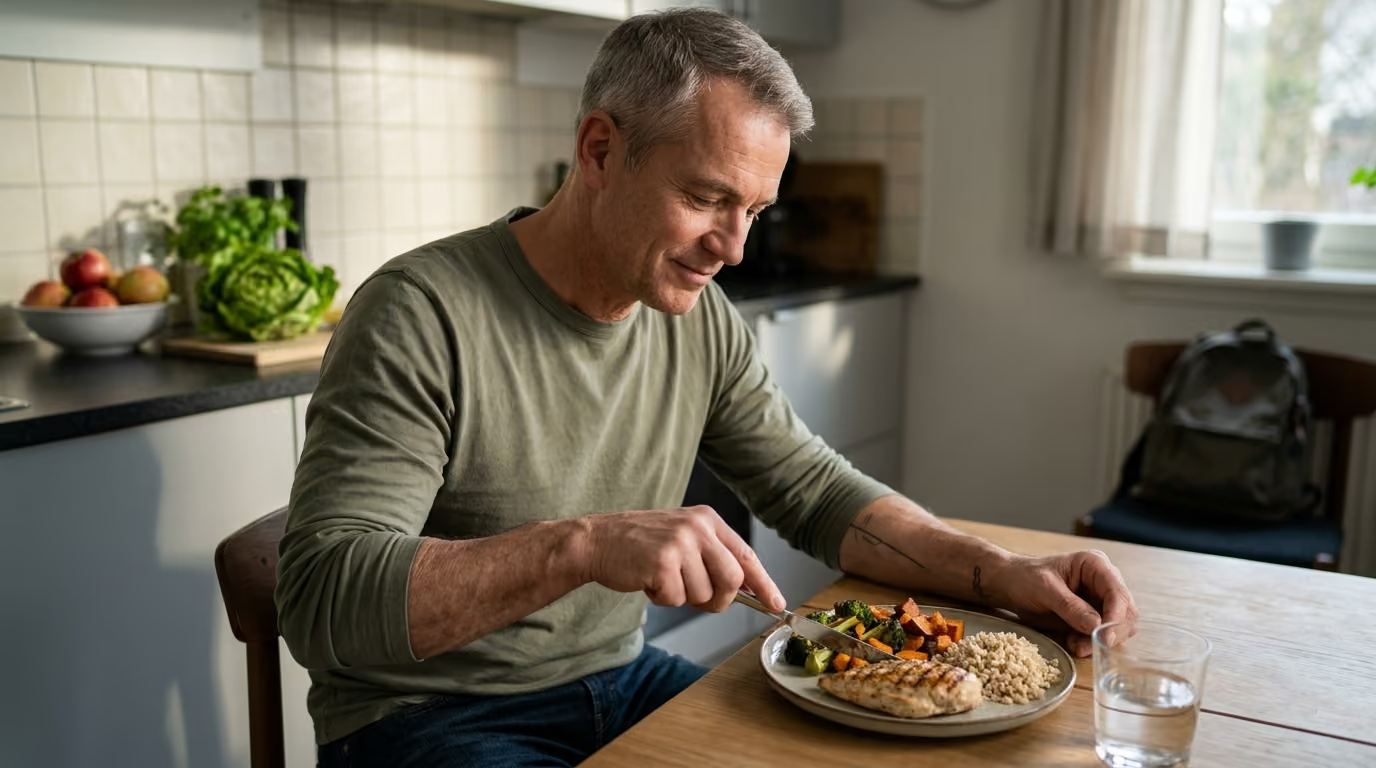
Between 40 and 77 percent of veterans experience weight challenges, demanding sustainable fueling practices and adaptive training to protect muscle reserve.
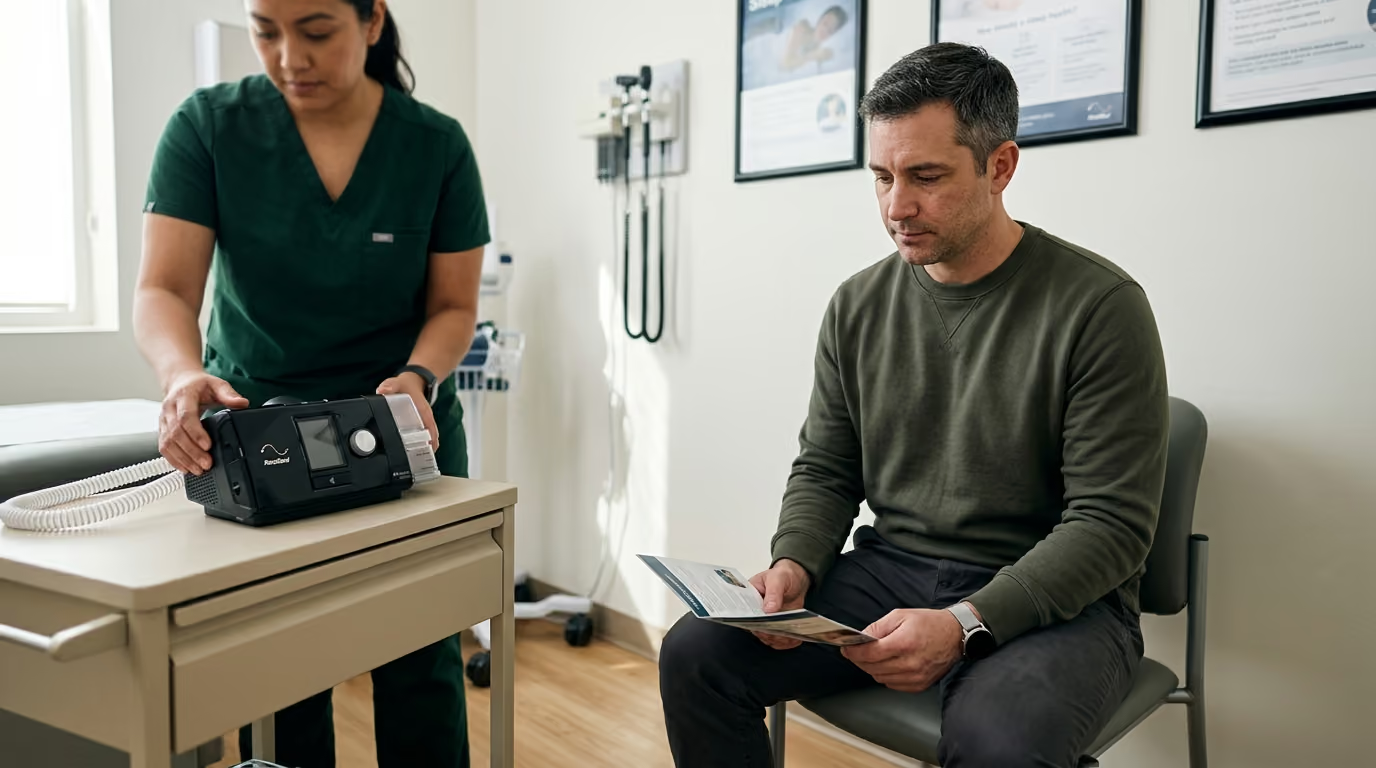
Seven functional assessment dimensions help veterans identify the root causes of insomnia and sleep apnea to pursue targeted clinical treatments.
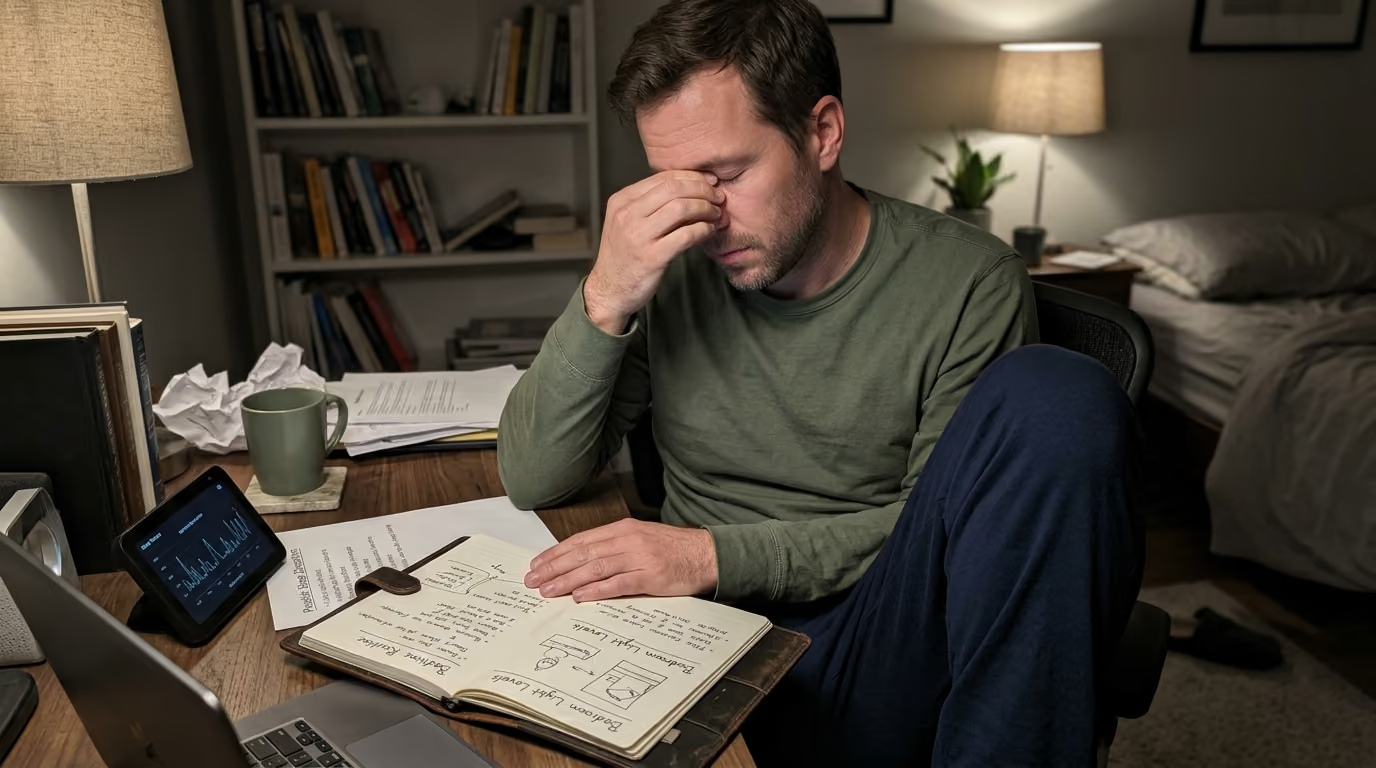
Restorative rest depends on identifying subtle chemical, schedule, and behavioral disruptors rather than simply increasing the number of hours spent in bed.
Build better habits around strength, recovery, sleep, hormones and healthy aging with practical guidance for active military personnel and veterans.
Explore BattleVet