
Far from an inevitable consequence of aging, veteran depression stems from complex clinical factors that meaningful daily purpose and connection can overcome.





If you are in immediate danger, call 911. For 24/7 support, call or text 988 and press 1 for the Veterans Crisis Line, or text 838255.
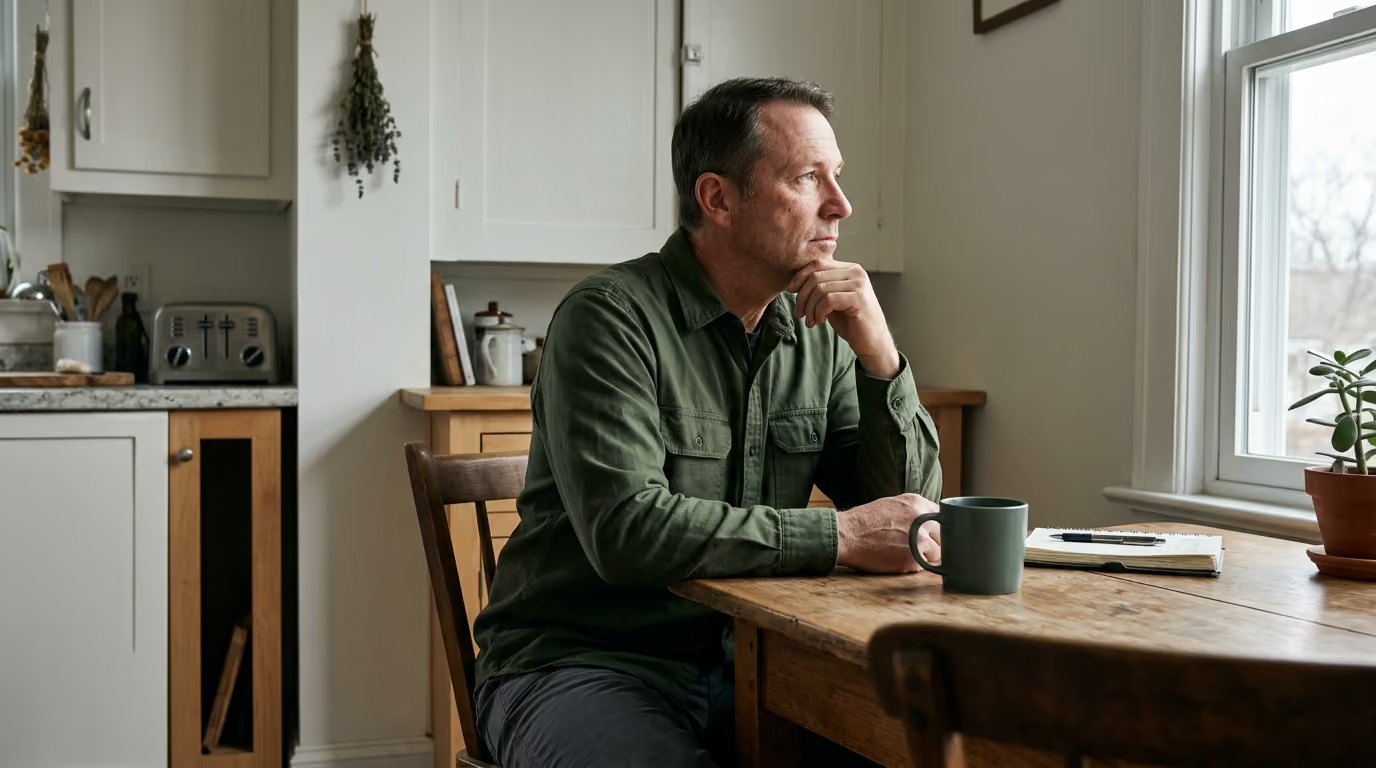
You wake up at four in the morning, stare at the ceiling, and wonder why the energy you relied on for decades has vanished. Your calendar has open space, but simple daily tasks feel unusually heavy. Routine blood tests come back normal, yet your joints ache, your sleep feels broken, and your motivation remains flat. Many former service members search online for explanations of late-life fatigue, low mood, and lost drive, hoping for a clear roadmap back to vitality.
Depression in later life is a complex health condition driven by physical, social, and psychological factors. You can manage it effectively by rebuilding daily structure, addressing sleep and inflammation, and establishing meaningful post-service purpose.
Later-life depression among military veterans is not a personal failure or an unavoidable consequence of getting older. It is a treatable health challenge that frequently develops from an intersecting cycle of physical inactivity, chronic pain, disrupted sleep, social isolation, and the sudden loss of military identity. Protecting your long-term health and mental clarity requires an integrated approach. You must address underlying medical issues, restore regular sleep patterns, engage in progressive physical movement, and construct a practical sense of purpose grounded in your core values.
Depression involves far more than temporary sadness or feeling down after a hard week. Major depressive disorder is a distinct medical condition characterized by persistent low mood, loss of interest in regular activities, changes in appetite, disrupted sleep, fatigue, reduced concentration, feelings of worthlessness, or thoughts of death. In contrast, depressive symptoms or subthreshold depression involve meaningful emotional distress that impairs daily function without meeting full diagnostic criteria. Both conditions warrant clinical attention because persistent symptoms can erode physical health and functional independence over time.
Depression often presents differently in older adults and veterans than in younger civilian populations. Rather than expressing deep sadness or crying, an older veteran may experience persistent irritability, uncharacteristic frustration, or unexplained physical complaints. You might notice marked fatigue, digestive distress, joint pain that does not match physical exam findings, or a gradual neglect of personal hygiene and home maintenance. Executive functioning complaints, such as misplacing items or struggling to focus on complex tasks, are also common.
These presentations frequently lead individuals to assume they are simply experiencing normal aging. Because military culture places a high value on stoicism and mission completion, many service members dismiss their symptoms as minor inconveniences. They push through the discomfort until physical health or relationships begin to deteriorate. Recognizing that depression can look like irritability, exhaustion, or cognitive sluggishness is the first step toward finding appropriate care.
Evaluating late-life depression requires a thorough medical evaluation because several physical health conditions mimic or worsen mood disorders. Thyroid abnormalities, particularly hypothyroidism, can produce profound lethargy, weight gain, and low mood. Obstructive sleep apnea causes severe daytime sleepiness, morning headaches, and emotional volatility by depriving the brain of restorative oxygen during sleep. Neurological conditions, such as early-stage dementia, Parkinson disease, or previous traumatic brain injuries, can also present with depressive features.
Note: Always review your full medication list with a physician, as certain blood pressure medications, sedatives, and corticosteroids can alter mood and energy levels.
The U.S. Preventive Services Task Force recommends routine depression screening for all adults, including those aged 65 and older, when adequate systems exist for accurate diagnosis, effective treatment, and structured follow-up care. A standard screening questionnaire is not a final diagnosis. It simply indicates whether you would benefit from a comprehensive evaluation by a qualified medical professional.
Late-life health challenges in veterans rarely occur in isolation. Instead, physical limitations, emotional changes, and environmental shifts interact to create a self-reinforcing downward spiral. Understanding this cycle helps you identify where to intervene before small disruptions become severe functional limitations.
The process frequently begins with a discrete event, such as a major medical diagnosis, joint replacement, retirement, or the loss of a close friend. This disruption leads to reduced daily movement and fewer social interactions. Without regular physical activity and social cues, sleep architecture deteriorates, leaving you fatigued and irritable. The resulting physical and emotional exhaustion increases systemic inflammatory signaling, which worsens pain perception and blunts motivation. Over time, this dynamic creates a powerful cycle that can feel impossible to break without a deliberate strategy.
To address the social component of this cycle, you must distinguish between social isolation and loneliness. Social isolation represents an objective, measurable lack of contact with friends, family, or community networks. Loneliness, on the other hand, is the subjective, distressing feeling that your existing relationships lack depth, emotional connection, or mutual understanding. A veteran can live alone in a remote area without feeling lonely, while another veteran can be surrounded by colleagues or family members yet feel profoundly isolated.
Objective isolation and subjective loneliness both carry serious physiological consequences. Prolonged lack of meaningful connection increases the risk of high blood pressure, cognitive decline, coronary artery disease, and premature mortality. For former service members, loneliness often stems from the loss of a shared operational culture where individuals relied on one another completely. When civilian interactions feel superficial or transactional, veterans may withdraw entirely, accelerating the cycle of physical and psychological decline.
Sleep disruption functions as both a major symptom of depression and an independent driver of its development. Insomnia patterns, such as difficulty falling asleep, waking frequently throughout the night, or waking up hours before the alarm, disturb normal neurochemical recovery. Nightmares, often tied to operational stress or trauma, trigger hyperarousal that prevents the brain from entering deep, restorative slow-wave sleep.
When sleep remains fragmented over months or years, the body struggles to regulate emotional responses and manage pain. Veterans with poor sleep quality are significantly less likely to engage in regular physical training, creating another barrier to recovery. Addressing sleep hygiene, testing for sleep apnea, and consulting providers specialized in recovery and sleep strategies are critical priorities for breaking this negative physiological loop.
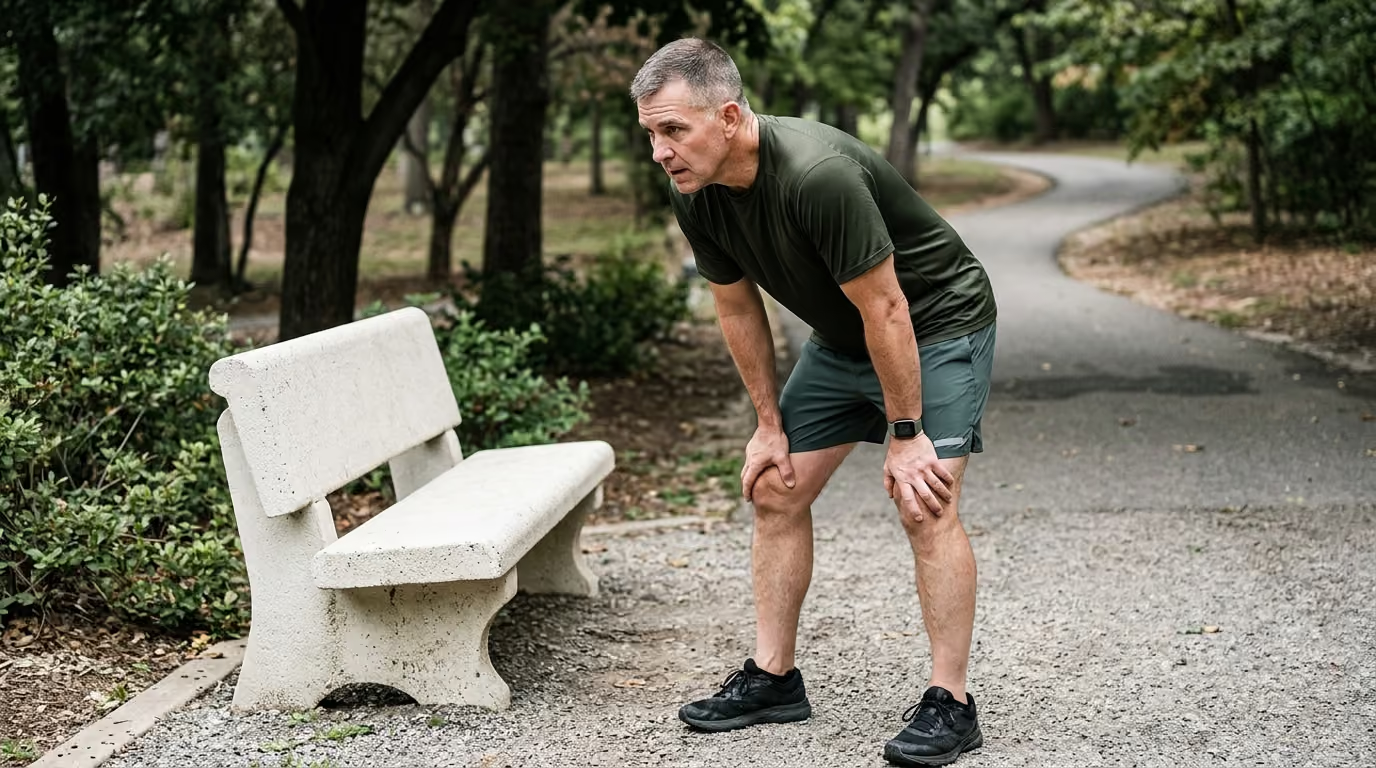
Physical movement serves as a vital regulator of mood, cardiovascular health, and cognitive clarity. When depressive symptoms emerge, physical activity is usually one of the first habits abandoned. A sedentary routine accelerates muscular atrophy, stiffens connective tissue, reduces cardiovascular output, and impairs glucose regulation.
As physical capability declines, basic daily tasks require significantly more effort. An older veteran might find carrying groceries, climbing stairs, or working in the yard increasingly exhausting or painful. This physical limitation leads to avoidance of movement, which further reduces opportunities for social interaction and rewarding experiences. Reversing this deconditioning requires a structured approach that prioritizes safe, progressive physical movement tailored to your current capabilities.
Evaluating health literature requires distinguishing between robust scientific evidence, emerging research, and unsubstantiated wellness claims. Clear distinctions between established facts and tentative findings allow veterans to make informed decisions about their daily routines and medical care.
Extensive epidemiological and clinical research confirms that mental health, social integration, and physical movement directly influence lifespan and healthspan. Multiple large-scale prospective studies have demonstrated that higher reported purpose in life is consistently associated with lower all-cause mortality and reduced cardiovascular events. For instance, meta-analytic data evaluating over 136,000 individuals found that individuals with a high sense of life direction had an approximate 17% to 24% reduction in mortality risk compared to those with low purpose.
Similarly, the National Academies of Sciences, Engineering, and Medicine confirmed that social isolation is a major risk factor for premature mortality, with health risks comparable to established hazards like smoking and obesity. Longitudinal research also proves that chronic insomnia symptoms more than double the risk of developing clinical depression. Regular physical activity consistently demonstrates powerful therapeutic benefits for improving sleep quality, reducing pain interference, and elevating mood in both veteran and civilian populations.
While the associations between purpose, inflammation, and longevity are compelling, they must be interpreted carefully. Much of the current data regarding purpose in life relies on observational cohort studies. These studies show strong statistical links, but they cannot prove direct causation. A substantial portion of the relationship may involve reverse causation. For example, individuals with undetected physical illness or early cognitive decline may naturally experience a drop in purpose while facing higher mortality risks.
Furthermore, the relationship between systemic inflammation and depression remains complex and heterogeneous. Chronic low-grade inflammation, marked by elevations in C-reactive protein or interleukin-6, is frequently observed in individuals with obesity, chronic pain, autoimmune disease, and depression. However, blood inflammatory markers cannot be used as a standalone diagnostic test for mood disorders. Lowering an inflammatory marker through diet or supplements alone is rarely sufficient to resolve major depression without comprehensive medical and behavioral care.
Understanding population-level mental health statistics helps contextualize individual experiences without promoting fatalism. According to the 2025 National Veteran Suicide Prevention Annual Report, there were 6,398 veteran suicide deaths in 2023. The unadjusted suicide rate for veterans was 35.2 per 100,000 individuals, compared to 34.7 per 100,000 in 2022. Notably, approximately 61% of veterans who died by suicide in 2023 had not accessed Veterans Health Administration care in the year prior to their death.
Older veterans represent a significant proportion of these outcomes. Historical analyses have noted that roughly 65% of veteran suicide deaths occurred among individuals aged 50 and older. However, this does not mean older veterans are universally depressed. Comparative studies indicate that rates of elevated depression among older male veterans (approximately 11%) are comparable to non-veteran peers (approximately 12.8%). The risk is not uniform across the population, which highlights the need for accessible community and clinical resources for those experiencing difficulties.
Leaving active military service, whether through retirement, end of contract, or medical discharge, requires a fundamental shift in daily life. In the military, your purpose, social network, daily schedule, and physical standards are clearly defined by the organization. You understand your exact role, know who relies on your performance, and operate within a clear chain of command. When you step away from that environment, the sudden absence of institutional structure can create a disorienting void.
Many individuals treat transition solely as a search for leisure or entertainment. While relaxation is valuable, humans require a sense of utility and responsibility to maintain psychological well-being. Transition is fundamentally a role redesign challenge. You are not searching for a single replacement mission that matches combat or active operations. Instead, you are identifying your core operational values and applying them in sustainable civilian contexts.
A common trap for driven veterans is confusing healthy purpose with unrelenting productivity. You do not need to launch a new company, work eighty hours a week, or run a major charity to have purpose. Equating purpose exclusively with intense output often leads to physical burnout, worsening joint pain, and emotional exhaustion.
Healthy purpose is about intentional contribution and connection. It can be found in mentoring a younger person, mastering a craft, raising grandchildren, maintaining a garden, or caring for a service animal. It does not require public acclaim or extreme physical exertion. It simply requires engaging in activities that provide a sense of personal responsibility, align with your values, and make a positive difference in your immediate environment.
Some veterans attempt to fill the void of service by volunteering for every committee, non-profit board, or community project available. While service is admirable, taking on excessive responsibilities can quickly become overwhelming, especially when managing chronic pain or family obligations. When the veteran eventually becomes exhausted and must step back, they often experience intense guilt and feelings of failure.
Sustainable purpose requires clear boundaries. You must evaluate your physical energy, sleep requirements, and family priorities before committing to new roles. Choosing one or two meaningful, manageable commitments is far more protective for your long-term health than overextending yourself across multiple demanding organizations.
Managing mood, maintaining physical capability, and supporting longevity requires a systematic approach. The four-domain framework organizes your daily health practices into distinct, manageable areas: Body, Mind, Connection, and Meaning. This structure ensures that you do not rely solely on one intervention, such as exercise or medication, while neglecting other essential foundations of health.
The physical domain forms the biological base for mental and emotional health. When your physical body is chronically exhausted, inflamed, or undernourished, maintaining mental clarity is exceptionally difficult.
The cognitive and psychological domain focuses on emotional regulation, processing past experiences, and maintaining mental clarity as you age.
The relational domain focuses on building and maintaining authentic, reliable social networks that offer mutual support and shared accountability.
The existential domain centers on values, personal direction, and the knowledge that your actions have significance beyond your immediate comfort.
For more resources on sustaining physical function and mental focus as you age, review our educational materials on healthy aging and longevity.
When depression sets in, waiting for motivation to appear before taking action is an ineffective strategy. Depression blunts natural drive and creates internal resistance to effort. Behavioral activation is an evidence-based approach that bypasses this barrier by focusing on structured action before emotional motivation arrives.
Behavioral activation relies on a simple premise: your actions directly influence your internal neurochemistry and emotional state. By scheduling and completing small, manageable behaviors, you generate momentum, experience mastery, and re-engage with rewarding environmental cues.
To implement this protocol, select an activity so simple that the barrier to entry is minimal. Do not plan a ninety-minute high-intensity workout if you have been sedentary for months. Instead, commit to walking around the block for five minutes immediately after breakfast. Write the task down, execute it at the designated time, and check it off. Track your execution rather than how you felt during the task. As completing the baseline becomes routine, gradually expand the duration, complexity, or social engagement of the activity.
Physical activity is an essential component of behavioral activation and long-term health management. The World Health Organization recommends that adults aged 65 and older complete at least 150 to 300 minutes of moderate-intensity aerobic physical activity weekly, or 75 to 150 minutes of vigorous aerobic activity, combined with muscle-strengthening exercises on two or more days per week. For individuals with reduced mobility, incorporating balance training on three or more days per week helps prevent falls and preserve functional independence.
If chronic pain or medical conditions prevent you from hitting these targets immediately, remember that guidelines indicate a direction rather than a pass-fail requirement. Any movement is significantly better than remaining sedentary. Chair squats, light resistance band work, pool walking, or brief bodyweight circuits can safely build capacity. You can learn more about developing a sustainable physical baseline through our guidance on veteran lifestyle and healthcare strategies.
Restoring consistent sleep is critical for stabilizing mood and lowering systemic stress. Without predictable sleep-wake cycles, the brain struggles to regulate cortisol, glucose, and neurotransmitter balance.
If severe insomnia, daytime gasping, loud snoring, or chronic nightmares persist despite solid sleep habits, pursue a comprehensive clinical sleep evaluation. Specialized therapies, such as Cognitive Behavioral Therapy for Insomnia (CBT-I), provide highly effective, non-pharmacological relief for long-term sleep issues.
While lifestyle adjustments, physical movement, and social engagement are foundational, they are not always sufficient on their own. Severe depression, unmanaged post-traumatic stress, and chronic suicidal ideation require professional clinical intervention. Knowing how to access these services ensures you or your fellow veterans receive timely, competent care.
Navigating healthcare systems can feel daunting, but primary care mental health integration makes accessing psychological support simpler. Within the Veterans Health Administration, mental health professionals are embedded directly inside primary care clinics. This setup allows you to discuss mood, sleep, or stress concerns with your primary care provider and meet with a behavioral health specialist during the same visit.
Care pathways may include individual psychotherapy, evidence-based trauma processing, medication evaluation, group support, or physical therapy for pain rehabilitation. You can also explore community care options or private healthcare networks if you do not use VA services. For additional perspective on navigating health systems, read our overview of military and veteran life.
Veterans, family members, and friends should learn to recognize the warning signs of an acute mental health crisis. Warning signs require immediate, proactive attention rather than waiting to see if things improve on their own.
If you notice these signs in a fellow veteran, ask them directly and calmly about suicide. Asking clear questions like "Are you thinking about killing yourself?" does not plant the idea in their mind. It creates an opening for honest communication and allows you to connect them with life-saving professional support.
Lethal means safety is one of the most effective suicide prevention strategies available. A substantial portion of suicidal crises are acute, temporary surges of distress. Creating physical distance and time between an individual in crisis and access to lethal methods significantly reduces the likelihood of a fatal outcome.
Safe firearm storage during challenging transitions is a practical, protective measure. Options include using cable locks, locking firearms in a secure gun safe, storing ammunition separately, or temporarily transferring firearms to a trusted friend, family member, or secure commercial facility. These measures do not infringe on personal autonomy or rights. They represent responsible risk management that protects veterans during their most vulnerable moments.
Examining common life scenarios helps illustrate how late-life depression, physical health, and loss of purpose interact. These examples highlight practical ways to navigate complex situations and identify constructive paths forward.
A 72-year-old Marine Corps veteran lived an active life until his closest friend and former squadmate passed away. Following the loss, he stopped attending his weekly breakfast group, spent most of his day watching television, and began sleeping past noon. When his adult children expressed concern, he insisted that he was simply tired and stated that nothing really mattered anymore.
The combination of grief and the loss of his primary social routine triggered a rapid functional decline. A comprehensive intervention began with a medical checkup and depression screening. His family helped him re-establish a structured morning routine, starting with a ten-minute walk outside each morning at 0800. He gradually joined a local veteran peer group and agreed to help manage a community garden project. This plan rebuilt his daily routine and restored a sense of shared responsibility.
A 68-year-old Army veteran suffered from degenerative disc disease and chronic knee osteoarthritis. Because walking caused discomfort, he stopped all exercise and gained twenty-five pounds over two years. He slept only four hours a night, waking repeatedly due to joint stiffness, and began consuming three to four drinks of whiskey each evening to fall asleep. He denied feeling sad but became increasingly irritable, snapping at his spouse over minor issues.
This scenario illustrates how physical pain, sleep loss, and alcohol use can mask underlying depression. The clinical priority focused on tapering his evening alcohol use, which was actively disrupting his sleep architecture. He completed a clinical sleep study, received treatment for mild obstructive sleep apnea, and began water-based physical therapy. The buoyancy of the water allowed him to build cardiovascular fitness and core strength without irritating his joints. As his sleep stabilized and pain decreased, his irritability subsided.
A 76-year-old Air Force veteran maintained a clean home, attended all scheduled medical appointments, and kept his yard in pristine condition. However, he gradually stopped calling his extended family, abandoned his woodworking shop, and stopped attending church. When his daughter visited, he repeatedly remarked that his family would be better off financially once he was gone and that he was just taking up space.
The absence of outward chaos or functional failure can easily mislead family members. Statements about being a burden to loved ones represent high-risk warning signs for suicide. His daughter took these comments seriously and asked him directly about suicidal thoughts. She accompanied him to his primary care clinic for an immediate mental health evaluation. His care plan combined outpatient therapy with structured weekly family commitments. He agreed to teach his teenage grandson woodworking basics twice a week, which gave him a tangible reason to stay engaged.
A 64-year-old Navy veteran who served in high-tempo deployments experienced intense nightmares, night sweats, and hypervigilance in crowded public settings. Because crowds triggered severe anxiety, he isolated himself at home, ordered all supplies online, and avoided community events. Over time, his isolation led to profound apathy, poor physical conditioning, and deep feelings of hopelessness.
Post-traumatic stress and clinical depression frequently coexist. Treating this combination requires addressing the hyperarousal that drives social avoidance. The veteran began evidence-based trauma-focused therapy through the VA and worked with a psychiatrist to manage his severe nightmares. He initiated a structured strength routine in his garage and walked in local parks early in the morning when crowds were minimal. As his nervous system stabilized, he expanded his comfort zone and began attending small in-person veteran gatherings.
A 70-year-old veteran felt empty following retirement from his civilian job. Wanting to maintain his service orientation, he volunteered to lead three different local charity committees. Within six months, he was working fifty hours a week on administrative tasks, dealing with interpersonal conflicts among volunteers, and neglecting his own health. He developed severe fatigue, high blood pressure, and deep resentment, which caused him to spiral into a depressive episode.
This case demonstrates that purpose is not protective when it leads to chronic exhaustion and unmanaged stress. Purpose must be sustainable and aligned with your physical capacity. The intervention involved helping the veteran set firm boundaries and step down from two of the administrative boards. He focused all his volunteer energy on a single hands-on role: mentoring transitioning service members entering the technical trades. This transition reduced his administrative stress while providing a rewarding, focused avenue for contribution.
A 79-year-old Army veteran adamantly rejected the idea of seeing a counselor, stating that mental health therapy was only for weak individuals. However, he presented to his primary care doctor complaining of persistent exhaustion, a ten-pound unintentional weight loss, slowed walking speed, and an inability to enjoy reading or watching baseball.
Arguing with an individual about diagnostic terminology is counterproductive when they hold deep-seated stigma regarding mental health. His physician conducted a thorough workup to rule out physical illness, then framed the treatment plan around improving energy, sleep quality, and physical resilience. The doctor introduced a primary care behavioral health consultant as a health performance specialist focused on sleep and fatigue management. By addressing his physical symptoms without forcing a diagnostic label, the clinical team helped him regain his strength, appetite, and vitality.
For additional insight into managing stress, rest, and long-term capability, explore our guide on sleep, stress, and resilience.
Misconceptions about aging and military culture often prevent veterans from seeking timely medical care. Examining these assumptions clearly helps dismantle unnecessary barriers to recovery.
A widespread assumption is that feeling exhausted, hopeless, or chronically low is simply part of getting older. It is true that physical recovery slows down, maximum aerobic capacity declines, and joint wear accumulates over decades. However, clinical depression, severe apathy, and persistent insomnia are not normal aspects of aging.
Normal aging involves adjusting to physical changes while maintaining curiosity, emotional balance, meaningful relationships, and a desire to engage with life. When you accept persistent fatigue and low mood as inevitable, you risk overlooking treatable conditions like sleep apnea, hormonal imbalances, depression, or vitamin deficiencies.
Military service teaches personnel to compartmentalize physical pain and emotional distress to accomplish high-stress tasks. While tactical stoicism is essential in combat and operational environments, applying it unconditionally to personal health in civilian life can be harmful.
True resilience is not about ignoring serious symptoms until your health collapses. It involves accurately assessing reality, recognizing when your current tools are insufficient, and using every available resource to solve the problem. Seeking medical or psychological care is a sensible decision that preserves your long-term capability and ensures you remain a reliable resource for your family and community.
Physical activity is one of the most powerful lifestyle interventions available, but it should not be viewed as a universal cure for every psychological condition. High-volume exercise cannot single-handedly resolve deep-seated moral injury, clinical depression, or severe neurochemical imbalances.
Furthermore, pushing through acute joint injuries or training through severe exhaustion can cause significant orthopedic harm. Exercise functions best as an essential pillar of a comprehensive health strategy that also includes proper sleep, nutrition, social connection, and professional medical care when necessary.
This article is published strictly for educational and informational purposes. It does not constitute individual medical advice, psychological diagnosis, or personalized healthcare recommendations. Mental health conditions, chronic pain syndromes, and sleep disorders require comprehensive evaluation by qualified medical and behavioral healthcare providers. Always consult with a licensed physician, clinical psychologist, or accredited healthcare team before starting new exercise regimens, changing medications, or altering your treatment plans. If you are experiencing thoughts of self-harm or a mental health emergency, contact emergency medical services or call 988 immediately.
Fatigue frequently stems from overlapping physical and psychological causes. A thorough medical workup by a physician is necessary to evaluate your thyroid function, red blood cell count, metabolic markers, and sleep apnea risk. If your laboratory work and physical exams show no clear abnormalities, but you also notice reduced interest in hobbies, irritability, changes in appetite, and disrupted sleep, depression may be a primary or contributing factor.
Avoid arguing about clinical labels or trying to force them to admit they are depressed. Focus instead on concrete, observable changes in their physical health, daily energy, sleep patterns, or joint pain. Offer to help them schedule an appointment with their primary care physician to discuss fatigue or pain management. Framing the visit around physical capability and overall health is often much more acceptable to individuals who resist traditional mental health labels.
Meaningful activity and personal purpose are protective for long-term health, but they do not automatically replace medical or psychological treatments. Major depressive disorder involves complex neurochemical, genetic, and physiological factors that often require evidence-based psychotherapy, structured behavioral activation, or medication to stabilize. Purpose-driven activities work best in combination with professional clinical care.
Chronic pain and depression share common neurobiological pathways and frequently reinforce each other. Persistent physical pain disrupts sleep, restricts physical activity, and depletes cognitive resources, increasing vulnerability to low mood. Conversely, depression lowers pain tolerance and increases systemic inflammatory signaling, making existing joint and back pain feel more severe. Effective treatment requires addressing both the physical pain and the mood disturbance simultaneously.
Taking systematic action helps break the cycle of inertia and builds momentum toward improved health. Use this checklist to structure your efforts over the next seven days.
Follow BattleVet for practical guidance on military and veteran health, strength, recovery, testosterone, sleep and healthy aging. Stay connected for new articles, research backed insights and clear information to help you stay capable for the years ahead.


Build better habits around strength, recovery, sleep, hormones and healthy aging with practical guidance for active military personnel and veterans.
Explore BattleVet