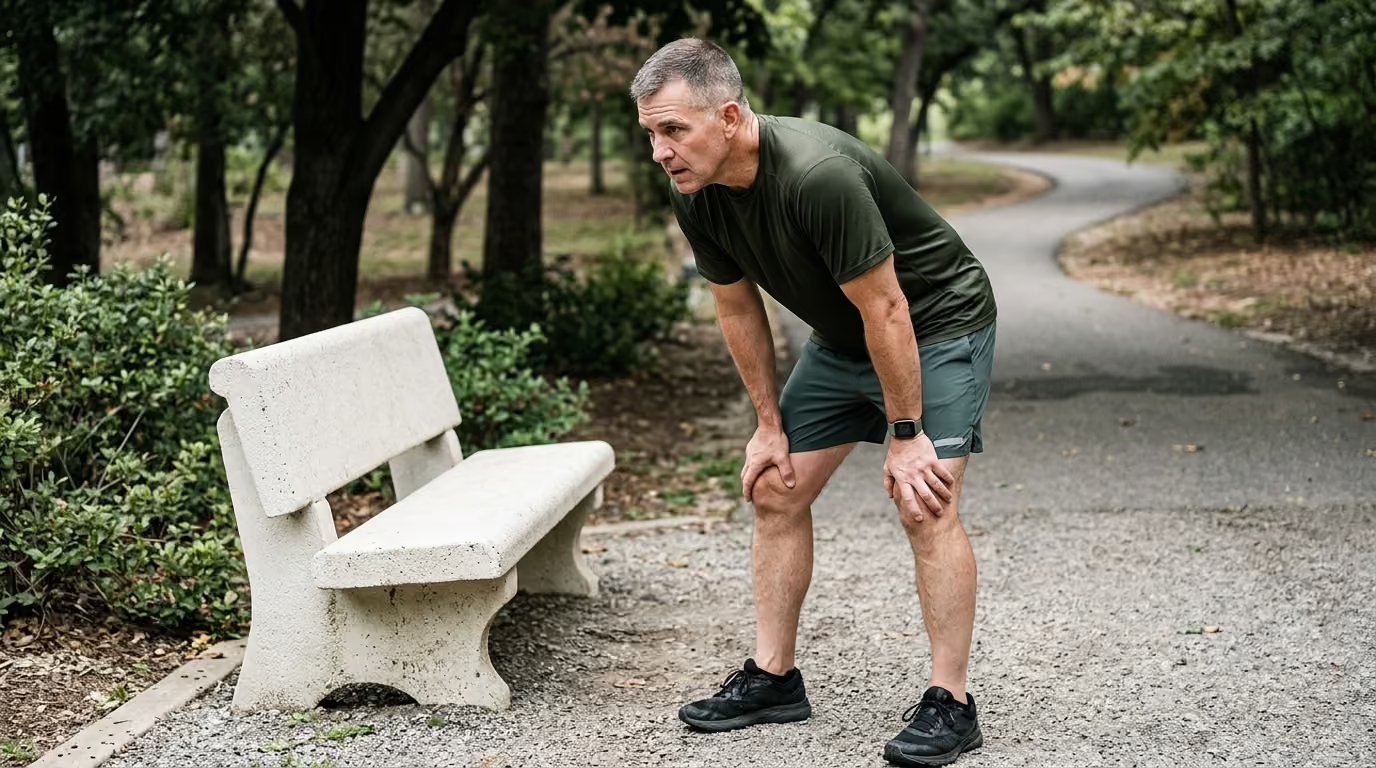

Between 40 and 77 percent of veterans experience weight challenges, demanding sustainable fueling practices and adaptive training to protect muscle reserve.





If you are in immediate danger, call 911. For 24/7 support, call or text 988 and press 1 for the Veterans Crisis Line, or text 838255.
You wake up after five broken hours of sleep, your lower back aching before your feet touch the floor. A routine VA lab panel shows your fasting glucose and blood pressure creeping higher each year. The standard advice is simply to lose thirty pounds, but past attempts left you feeling drained, irritable, and injured.
Sustainable weight management for older veterans requires protecting muscle mass, maintaining physical mobility, and supporting metabolic health rather than pursuing rapid weight loss.
Weight management across a lifespan differs fundamentally from short term dieting. For active personnel and veterans, long term health depends on maintaining physical strength, joint function, bone density, and metabolic stability. When older adults lose weight rapidly through severe calorie restriction or unmonitored medications, a substantial portion of that lost weight comes from muscle and bone. Preserving physical independence requires a balanced approach. This framework combines progressive resistance training, adequate protein distribution, sleep restoration, structured mental health support, and medication management.
Weight loss simply means a reduction in total body mass on a scale. That number includes fat, muscle tissue, water, and bone mineral content. Weight management focuses on body composition, metabolic health, and physical capability over time. It includes losing excess fat when appropriate, preventing unwanted weight gain, and maintaining strength even when scale weight stays level.
Standard body mass index calculations often fail to provide a complete picture of veteran health. BMI relies entirely on height and weight. It cannot distinguish between skeletal muscle and visceral fat. A heavily muscled veteran may carry an elevated BMI while possessing excellent metabolic health and low systemic inflammation. Conversely, an older veteran with a normal BMI might carry very little muscle mass and high amounts of visceral abdominal fat.
Waist circumference provides a more practical screening tool for central adiposity. Excess fat around the midsection correlates strongly with insulin resistance, cardiovascular disease, and systemic inflammation. Tracking functional performance, blood pressure, fasting blood glucose, and lipid panels offers far better clinical insight than monitoring bathroom scale fluctuations alone. Our library on healthy aging and longevity resources examines these vital health markers across the lifespan.
Sarcopenia is the age-related loss of skeletal muscle mass, strength, and function. When an older adult reduces calories drastically, the body breaks down muscle tissue alongside fat stores. This loss of lean mass reduces resting metabolic rate, increases the risk of dangerous falls, and reduces physical independence. Functional reserve represents your body's physical capacity to handle illness, injury, surgery, and daily physical demands. A healthy aging strategy preserves this reserve at all costs.
Obesity affects a large portion of the military and veteran population. Clinical analyses of primary care patients within the Veterans Health Administration show an overall obesity prevalence above 40 percent, with overweight prevalence reaching another 37 percent. VA research notes that roughly three out of four Iraq and Afghanistan veterans present with overweight or obesity at their initial VA healthcare encounter. Rates are especially pronounced among veterans aged 45 to 64 and those living with service-connected disability ratings.
Chronic pain and physical injuries create significant barriers to conventional exercise. Veterans frequently manage degenerative disc disease, joint replacements, amputations, peripheral neuropathy, or traumatic brain injuries. Standard civilian fitness advice telling people to perform high-impact cardiovascular exercise often triggers severe pain flares. These flares lead to prolonged immobility, muscle wasting, and subsequent weight gain.
Mental health conditions strongly influence appetite regulation, food choices, and eating behaviors. Research from VA medical centers indicates that veterans screening positive for depression have over seven times the odds of meeting criteria for binge eating. Those screening positive for post-traumatic stress disorder face more than triple the odds of binge eating compared to peers without PTSD. Emotional eating among veterans frequently functions as an attempt to manage hyperarousal, insomnia, anger, loneliness, or physical discomfort.
Sleep disruption directly disrupts metabolic hormones. Service-connected sleep disorders like obstructive sleep apnea, chronic insomnia, and shift work alter leptin and ghrelin signaling. Sleep restriction increases overall appetite, cravings for calorie-dense foods, and the likelihood of late-night eating occasions. Readers can review our sleep, stress and resilience resources for evidence-backed strategies on improving restorative rest.
Prescription medications represent another major driver of weight changes among veterans. Many common medications used for pain, mental health, seizures, and sleep promote weight gain or increase appetite. Antipsychotics such as quetiapine and risperidone carry documented risks for metabolic changes and increased body weight. Certain antidepressants, including mirtazapine and tricyclic antidepressants, frequently increase appetite and lower resting energy expenditure.
Scientific evidence clearly separates established health interventions from emerging treatments that require caution. Decades of clinical trials establish that progressive resistance training combined with adequate dietary protein preserves lean mass during caloric restriction. Structured lifestyle programs focused on modest, consistent calorie reductions improve blood pressure, glycemic control, and lipid profiles. The Veterans Health Administration MOVE! program demonstrates that consistent participation produces measurable, clinically meaningful weight loss alongside improvements in mobility.
Emerging research highlights critical nuances regarding anti-obesity medications. Glucagon-like peptide-1 receptor agonists, known as GLP-1 RAs, produce substantial total weight loss in clinical studies. However, systematic reviews indicate that 25 to 40 percent of the total weight lost on these medications can be lean muscle mass. For older adults or veterans already experiencing sarcopenia, this rapid drop in muscle tissue can impair balance, bone density, and long-term functional independence.
Current clinical research is still evaluating the long-term effects of pharmacologic weight loss on fall risks, fracture rates, and functional mobility in older populations. While these medications provide clear benefits for glycemic control and cardiovascular risk reduction, their impact on muscle quality requires active management. Clinical practice guidelines emphasize pairing medical weight loss treatments with targeted resistance exercise and structured protein intake.
Uncertainty remains regarding the optimal macronutrient ratios for older adults managing chronic metabolic disease. While low-carbohydrate and Mediterranean dietary patterns both demonstrate efficacy for glycemic management, individual responses vary widely based on baseline insulin sensitivity, physical activity levels, and gastrointestinal tolerance. The strongest scientific consensus points toward overall diet quality, adequate protein distribution, and long-term behavioral consistency rather than rigid adherence to a single branded diet.
Sustainable nutrition avoids rigid food bans and extreme restriction. Diets that eliminate entire food groups often increase psychological stress, trigger binge-restrict cycles, and prove impossible to maintain during family gatherings or travel. A sustainable dietary pattern emphasizes nutrient-dense foods that support satiety and muscle preservation while fitting personal food preferences and budgets.
Protein distribution throughout the day is essential for stimulating muscle protein synthesis in aging bodies. Research in older adults suggests daily protein targets approaching 1.6 grams per kilogram of body weight during weight loss to protect muscle mass. Distributing this protein evenly across three or four meals proves far more effective than consuming the vast majority at dinner. Practical protein sources include eggs, Greek yogurt, poultry, fish, lean meat, cottage cheese, tofu, and legumes.
Managing physical hunger requires foods with high volume and high fiber content. Non-starchy vegetables, berries, beans, lentils, and whole grains slow gastric emptying and stabilize post-meal blood sugar. Drinking adequate water throughout the day prevents confusing thirst signals with hunger. Establishing consistent meal times helps regulate circadian hunger cues, reducing the urge to graze continuously in the evening hours.
Food insecurity affects many veterans and requires practical, cost-effective nutrition strategies. Eating well does not require expensive specialty items, organic labels, or commercial diet meal deliveries. Canned tuna, canned beans, frozen vegetables, eggs, plain oats, and peanut butter provide dense nutrition at low cost. For deeper nutritional strategies tailored to physical recovery, consult our nutrition and fueling resource guide.
Resistance training serves as the primary physical tool for maintaining functional independence and metabolic health. Lifting weights or working against resistance signals your body to retain muscle tissue while drawing energy from fat stores. Muscle tissue acts as a metabolic sink for circulating glucose, directly improving insulin sensitivity. Veterans should aim for two to three resistance sessions each week, focusing on movements that match their joint tolerance.
An adaptation ladder allows veterans with injuries to train effectively without triggering chronic pain flares:
Veterans with good joint tolerance can perform standard multi-joint movements. These include barbell or dumbbell squats, deadlifts, overhead presses, pull-ups, and brisk outdoor walking. These movements build whole-body strength, improve bone density, and train functional movement patterns used in daily tasks.
Veterans managing osteoarthritis or back injuries benefit from supported exercises. Useful options include seated chest presses, cable rows, leg presses, resistance band exercises, and stationary cycling. Swimming and water aerobics provide resistance and cardiovascular conditioning without joint impact.
Veterans with severe mobility limitations, balance disorders, or advanced joint degeneration can use chair-based routines. Movements include seated leg extensions, seated resistance band pulls, wall push-ups, and guided transfers. Physical therapists can tailor these exercises to build core stability and protect remaining function.
During an acute pain flare or illness, the priority shifts from progressive loading to active recovery and symptom control. Gentle range-of-motion work, slow walking within pain tolerance, diaphragmatic breathing, and adequate hydration prevent deconditioning. Once the flare subsides, the veteran gradually steps back up the adaptation ladder.
Measuring progress through functional markers proves far more motivating than watching the scale. Useful functional metrics include the number of unassisted sit-to-stands completed in thirty seconds, total walking distance without stopping, and single-leg balance time. Improved stamina on stairs, reduced joint stiffness, and better carrying capacity reflect meaningful physiological progress. You can explore structured exercise strategies within our strength, fitness and body composition resources.
A comprehensive medication review should precede any major weight management intervention. Veterans managing multiple chronic conditions often take prescriptions that alter metabolic rate, appetite, fluid balance, or physical energy. Scheduling an appointment with your primary care provider or clinical pharmacist allows you to review each medication on your active list.
Never discontinue or alter the dose of psychiatric, pain, cardiovascular, or seizure medications on your own. Abruptly stopping medications like antidepressants, mood stabilizers, or beta-blockers can cause severe withdrawal symptoms and dangerous health complications. Instead, ask your provider if weight-neutral or weight-favorable alternatives exist within the same therapeutic class. For example, some blood pressure medications or antidepressants carry less metabolic liability than others.
Anti-obesity medications can serve as valuable clinical tools when lifestyle modifications alone do not achieve necessary metabolic improvements. The 2025 VA and DoD Clinical Practice Guidelines recognize medications like GLP-1 receptor agonists and combination therapies as evidence-based options for eligible veterans. These medications work by slowing gastric emptying, improving insulin secretion, and reducing central appetite signaling in the brain.
Pharmacotherapy must always be paired with structured lifestyle support to safeguard lean muscle and bone density. Veterans using appetite-suppressing medications must consciously plan protein intake, as reduced appetite can lead to severe undernutrition. Regular follow-up appointments allow clinicians to monitor blood pressure, kidney function, gastrointestinal side effects, and changes in lean body mass. Maintaining open communication with your healthcare team ensures that medication therapies support long-term capability rather than creating new health deficits.
Emotional eating is a physiological and behavioral response to stress, trauma, or emotional pain, not a moral failure or lack of discipline. For many veterans, food serves as a readily accessible tool to manage hypervigilance, blunt traumatic memories, or soothe chronic physical discomfort. Understanding the emotional patterns behind eating behaviors allows for meaningful, compassionate change without self-judgment.
A functional analysis log helps identify the specific triggers that drive non-hunger eating:
Suppressing emotional urges through sheer willpower rarely works over the long term. Sustainable change requires replacing food with alternative soothing and grounding behaviors. When trauma reminders or acute stress trigger intense cravings, somatic grounding techniques can lower nervous system arousal. Cold water on the face, progressive muscle relaxation, or stepping outdoors for a change of environment can interrupt the automatic eating loop.
Veterans experiencing frequent loss-of-control eating, binge eating, or severe distress around meals should seek specialized clinical care. The VA healthcare system provides evidence-based therapies, including Cognitive Behavioral Therapy and Acceptance and Commitment Therapy, tailored for eating behaviors and trauma recovery. Treating underlying depression, anxiety, and PTSD creates the psychological stability required for lasting physical health. Our veteran lifestyle and healthcare resources provide guidance on accessing integrated VA clinical programs.
Sustainable health improvements rely on the minimum effective dose of behavioral change. Attempting to overhaul your diet, exercise routine, sleep schedule, and stress management all at once leads to burnout and rapid abandonment. Selecting one or two high-impact, manageable habits allows you to build momentum and establish durable routines.
The staged care pathway outlines a structured progression for sustainable progress:
To implement this pathway effectively, avoid several common pitfalls that derail long-term progress:
Do not rely exclusively on standard height-weight charts. Track waist circumference, blood pressure, fasting glucose, functional strength, and daily energy levels instead.
Losing weight too fast accelerates muscle and bone loss, especially in older adults. Aim for a gradual rate of fat loss that preserves muscle mass and keeps your metabolic rate healthy.
Avoid standard fitness programs that aggravate old service injuries. Use the adaptation ladder to find joint-friendly movements that build strength safely.
Never stop taking psychiatric, pain, or cardiovascular prescriptions to avoid weight gain. Work collaboratively with your prescribing clinician to explore weight-neutral alternatives safely.
Placing moral labels on food and using strict diets worsens binge-restrict cycles. Focus on regular nutrition, stress reduction tools, and trauma-informed psychological care.
Real-world case patterns demonstrate how this framework adapts to distinct veteran health scenarios:
A 62-year-old veteran gained forty pounds over five years as worsening knee pain reduced his daily walking. Previous attempts to walk three miles daily caused severe swelling and pain flares. The framework shifted his exercise to seated resistance bands, stationary cycling, and pool walking. He increased his daily protein to protect lean mass and focused on sit-to-stand strength. Within six months, his functional independence and joint comfort improved dramatically despite a modest eight-pound scale weight change.
A 38-year-old veteran struggled with severe insomnia and hyperarousal, leading to heavy snacking between midnight and three in the morning. Rather than imposing a restrictive diet, the clinical focus addressed his sleep disruption and mental health. He enrolled in trauma-focused therapy, underwent evaluation for sleep apnea, and established a structured, protein-rich evening snack at eight o'clock. As his sleep quality stabilized and night-time awakenings decreased, late-night binge eating dropped by eighty percent.
A 45-year-old veteran experienced an unexpected twenty-pound weight gain over three months following a medication adjustment for mood stabilization. She felt fatigued and discouraged. Working closely with her psychiatrist, she reviewed the timing of the weight change and transitioned to an alternative medication with a lower metabolic side effect profile. Simultaneously, she began two weekly resistance training sessions and established regular meal timing. Her energy levels returned, and her metabolic markers stabilized over the following six months.
A 67-year-old veteran with type 2 diabetes and obesity began a prescribed GLP-1 medication through his primary care clinic. His appetite dropped significantly, leading to missed meals and reduced physical energy. His care team instituted a structured nutrition plan emphasizing small, protein-dense meals and daily hydration. He was enrolled in physical therapy to start an adapted dumbbell resistance program twice per week. This strategy protected his skeletal muscle mass and functional balance while he successfully improved his glycemic control.
This educational resource is provided for informational purposes only and does not constitute personalized medical advice, diagnosis, or treatment. Veteran health management involves complex interactions among service-connected injuries, prescription medications, mental health conditions, and individual metabolic profiles.
Always consult a qualified healthcare provider, such as your VA primary care physician, a registered dietitian, or a physical therapist, before beginning any new exercise regimen, altering your dietary intake, or changing your prescription medications. If you experience severe chest pain, shortness of breath, dizziness, joint swelling, or thoughts of self-harm, seek immediate professional medical attention.
Clinical research suggests that older adults undergoing weight loss benefit from consuming approximately 1.2 to 1.6 grams of protein per kilogram of body weight each day. This higher intake helps overcome age-related anabolic resistance and protects skeletal muscle mass while calories are reduced. However, veterans with pre-existing kidney disease, liver conditions, or specific metabolic disorders must consult their physician or a registered dietitian before increasing their daily protein intake.
The VA MOVE! weight management program provides evidence-based behavioral support across the national VA healthcare system. Systematic reviews indicate that veterans who consistently engage with the program achieve modest, clinically meaningful weight loss alongside improvements in blood pressure and glycemic markers. The program provides the greatest long-term benefit when veterans maintain regular attendance, access follow-up coaching, and integrate adapted physical activity into their daily routines.
Yes. Muscle protein synthesis and strength gains occur whenever skeletal muscle fibers are worked against sufficient resistance, regardless of the equipment used. Body-weight exercises like wall push-ups, chair sit-to-stands, resistance bands, cable machines, and aquatic exercise all provide effective resistance stimuli. The primary goal is applying progressive tension to muscles within a pain-free range of motion rather than lifting maximum loads.
If you suspect a prescription medication is causing unwanted weight gain or increased appetite, schedule an appointment with your prescribing provider for a comprehensive medication review. Do not stop taking or alter the dosage of your medications on your own. Discuss your concerns openly and ask if weight-neutral or less weight-promoting alternative medications exist that can effectively manage your underlying health condition.
Revisit this framework whenever you face a major life transition, an injury flare, a new prescription medication, or a shift in your physical capability. Sustainable weight management is an ongoing, adaptable process that evolves alongside your changing health needs across the lifespan.
True physical capability is measured by your strength, mobility, and metabolic resilience, not by a single number on a bathroom scale.
Follow BattleVet for practical guidance on military and veteran health, strength, recovery, testosterone, sleep and healthy aging. Stay connected for new articles, research backed insights and clear information to help you stay capable for the years ahead.


Build better habits around strength, recovery, sleep, hormones and healthy aging with practical guidance for active military personnel and veterans.
Explore BattleVet