
Sustained energy and faster recovery during grueling rucks come from precise carbohydrate timing, sweat rate management, and gut training strategies.





You wake up at five in the morning, lace your boots, and step onto the road with a forty-pound ruck on your back. By mile eight, your pace slows, your lower back aches, and your focus begins to drift. You drank plenty of plain water, yet your legs feel heavy and your energy drops sharply. This common breakdown is rarely a lack of mental toughness, as it usually comes down to depleted fuel and mismanaged fluid balance.
Proper endurance fueling is not about consuming unlimited sugar or drinking gallons of water. It is the systematic coordination of energy availability, muscle glycogen preservation, fluid replacement, and post-session recovery.
To fuel long workouts, rucks, and endurance sessions effectively, you must consume adequate daily carbohydrates, drink fluids to match your sweat rate without gaining weight, replace lost sodium on sessions exceeding an hour, and consume thirty to ninety grams of carbohydrates per hour during extended work.
When you engage in prolonged exercise, your body relies primarily on stored carbohydrates and fats to produce energy. Fats provide a dense fuel source for low-intensity efforts, but carbohydrates are the primary fuel for moderate to high-intensity work. Carbohydrates are stored in skeletal muscle and the liver as glycogen. Muscle glycogen supplies local energy to the working muscles, while liver glycogen breaks down into glucose to maintain stable blood sugar levels for your central nervous system.
Carbohydrate stores in the human body are strictly limited. Most individuals store roughly 400 to 500 grams of glycogen in their muscles and 80 to 100 grams in the liver. During continuous exercise such as running, cycling, or loaded marching, these stores deplete over time. As glycogen levels decline, your ability to maintain a target pace, climb hills, or carry external loads drops.
Rucking introduces a unique metabolic demand compared to unloaded running. Carrying a heavy rucksack increases mechanical load, recruits more upper body and trunk musculature, and elevates your heart rate. This added work raises your metabolic cost and accelerates glycogen consumption. An easy walking pace that normally burns mostly fat can quickly become carbohydrate-dependent once you add a heavy pack and steep terrain.
Running out of glycogen does not happen all at once. Instead, physical and cognitive performance decline gradually as fuel availability drops. You may notice slower reaction times, reduced coordination, heavier legs, and a higher perceived effort for the exact same pace. Consuming carbohydrates before and during training protects your blood glucose levels, spares liver glycogen, and delays muscular fatigue.
Managing carbohydrate intake requires looking at four specific timeframes: daily baseline intake, pre-workout meals, during-session fueling, and post-workout recovery. Treating every training day the same way often leads to under-fueling on hard days and over-consuming calories on rest days. Matching your intake to your daily output ensures optimal training quality without unnecessary fat gain.
Your daily carbohydrate target depends directly on your total training volume and intensity. Sports nutrition research published in consensus guidelines outlines clear daily intake ranges:
For an 80-kilogram individual, a daily endurance target of 7 grams per kilogram equals 560 grams of carbohydrate. These carbohydrates should come primarily from nutrient-dense whole foods such as rice, oats, potatoes, fruit, and whole grains. Adjust these numbers based on your body composition goals, appetite, and total weekly volume.
The primary goal of the pre-exercise meal is to top off liver glycogen and ensure adequate blood glucose before movement begins. Sports nutrition literature recommends consuming 1 to 4 grams of carbohydrate per kilogram of body mass within the 1 to 4 hours leading up to exercise.
The timing of this meal dictates its size and composition:
When planning pre-workout meals, limit high-fat and high-fiber foods close to training. Fat and fiber slow gastric emptying, which can cause cramping, reflux, or nausea when you begin moving at a hard pace.
During exercise lasting longer than 60 minutes, consuming exogenous carbohydrates maintains blood glucose and preserves muscle performance. Exogenous carbohydrates refer to fuels consumed during the session rather than drawn from internal storage.
For sessions lasting 60 to 150 minutes, an intake of 30 to 60 grams of carbohydrate per hour is standard. For events exceeding two and a half to three hours, increasing intake up to 90 grams per hour provides additional performance benefits.
To absorb more than 60 grams of carbohydrate per hour, you must use multiple-transportable carbohydrates. Single carbohydrate sources like glucose or maltodextrin rely on the SGLT1 intestinal transporter, which saturates at roughly 60 grams per hour. Combining glucose or maltodextrin with fructose allows your gut to use the separate GLUT5 transporter. This dual-pathway approach increases total carbohydrate absorption up to 90 grams per hour while reducing the risk of stomach distress.
After demanding endurance work, your muscles are primed to absorb glucose and rebuild glycogen stores. If you have 24 to 48 hours before your next hard workout, simply eating regular carbohydrate-rich meals will restore your glycogen levels over time.
However, if you must perform another demanding session within eight hours, rapid glycogen restoration is critical. In this scenario, research supports consuming 1.0 to 1.2 grams of carbohydrate per kilogram of body weight per hour for the first four hours after exercise. Combining this carbohydrate intake with 0.3 to 0.4 grams of protein per kilogram optimizes both muscle protein synthesis and glycogen resynthesis.
Hydration planning requires balancing fluid intake with sweat losses. Entering a long session dehydrated impairs cardiovascular function, raises core body temperature, and elevates perceived exertion. However, drinking excessive amounts of plain water can lead to exercise-associated hyponatremia, a dangerous drop in blood sodium levels.
The American College of Sports Medicine defines significant dehydration as a loss of more than 2% of your baseline body weight during exercise. For an 80-kilogram individual, a 2% loss equals 1.6 kilograms of water weight. Losing this amount of fluid can compromise physical output, especially in hot environments.
Because sweat rates vary widely based on genetics, body size, fitness level, temperature, and pack weight, you should calculate your individual sweat rate using a simple field test:
The final number gives your total sweat loss in liters per hour. For example, if you lose 0.8 kilograms, drink 0.5 liters of water, and do not urinate, your total sweat loss for that hour is 1.3 liters.
Once you know your sweat rate, aim to replace roughly 60% to 80% of your hourly sweat losses during exercise. Attempting to replace 100% of fluid loss in real time is often difficult for the stomach to process, especially during high-intensity efforts.
Most endurance athletes maintain fluid balance with an intake of 0.4 to 0.8 liters of fluid per hour. Heavier individuals training in warm, humid conditions may require more fluid, while lighter individuals in cool conditions require less.
The International Olympic Committee provides a critical safety guideline: never drink so much fluid that you gain body weight during exercise. Gaining weight indicates overdrinking, which dramatically increases the risk of hyponatremia.
Sweat contains both water and essential minerals known as electrolytes. Sodium is by far the most abundant electrolyte lost in sweat, alongside smaller amounts of potassium, magnesium, and chloride. Sodium plays a vital role in maintaining blood plasma volume, stimulating thirst, improving fluid absorption in the small intestine, and regulating nerve transmission.
Sweat sodium concentrations vary widely between individuals, typically ranging from 0.5 to 1.5 grams of sodium per liter of sweat. A person who loses significant salt may notice white salt crusting on their skin, clothing, or pack straps after long sessions. While salt marks show that you are sweating out sodium, they do not give an exact measurement of your sodium concentration.
For exercise lasting under an hour, plain water is generally sufficient because your body can easily manage short-term mineral losses. For training sessions lasting longer than an hour, consuming beverages with added sodium helps maintain fluid balance and blood sodium levels:
Always check nutrition labels carefully to distinguish between sodium and sodium chloride (table salt). Table salt is only about 40% elemental sodium by weight. If a product contains 1 gram of table salt, it provides roughly 400 milligrams of actual sodium.
A widespread belief in fitness culture is that all muscle cramps stem directly from low sodium or dehydration. While severe electrolyte depletion can contribute to full-body cramping, scientific research shows that most exercise-associated muscle cramps are caused by neuromuscular fatigue.
Neuromuscular fatigue occurs when a muscle is worked beyond its current conditioning, pace, or duration. This fatigue causes abnormal reflex activity within the muscle spindle and Golgi tendon organ, leading to sustained involuntary contractions.
To reduce cramping, focus on structured progressive training, disciplined pacing, and adequate carbohydrate intake alongside your hydration and sodium plan. Relying on salt tablets alone will not fix cramps caused by physical overload.
Consuming 60 to 90 grams of carbohydrate per hour while moving with a heavy pack can cause gastrointestinal distress if your digestive system is unprepared. Common issues include bloating, nausea, abdominal cramps, and diarrhea. These symptoms occur when carbohydrates sit in the stomach without emptying, or when the intestinal transporters are overwhelmed by high sugar concentrations.
The gastrointestinal tract is highly adaptable. Just as skeletal muscle adapts to progressive physical stress, your stomach and intestines adapt to the repeated processing of fluids and nutrients during exercise. This adaptation process is known as gut training.
Scientific studies show that two to four weeks of gut training increases stomach comfort, improves gastric emptying rates, and upregulates intestinal carbohydrate transporters. In one study using repeated carbohydrate challenges at 90 grams per hour, athletes experienced significantly fewer digestive symptoms and lower carbohydrate malabsorption after just two weeks of practice.
To train your gut safely, follow a progressive protocol:
Endurance athletes and military personnel have access to a wide variety of fueling products, ranging from specialized sports nutrition items to everyday whole foods. Each option offers specific advantages depending on session duration, exercise intensity, climate, and carrying capacity.
During long, lower-intensity rucks lasting four hours or more, relying solely on sweet gels and drinks can cause flavor fatigue and stomach irritation. Solid foods digest more slowly, provide steady energy, and satisfy hunger during extended field movements.
Effective real-food options for loaded rucking include:
A mixed strategy often works best for long field sessions: use sports drinks and gels during high-tempo running or uphill rucking, and switch to solid, savory foods during flat or moderate walking phases. You can explore structured programs in our training and performance articles to align your workouts with this fueling approach.
Every training session has different demands based on body mass, movement speed, environmental conditions, and session goals. Below are five practical scenarios showing how to apply these fueling rules in real-world training.
Endurance fueling is surrounded by extreme marketing claims, rigid diet trends, and outdated training lore. Separating established scientific consensus from emerging concepts or outright myths helps you make informed fueling decisions.
Extensive research from organizations like the American College of Sports Medicine, the International Olympic Committee, and the International Society of Sports Nutrition confirms several core principles:
A successful nutrition plan requires organizing your fueling across the entire training week. By matching your daily carbohydrate intake to your scheduled training load, you properly fuel hard workouts while maintaining body composition control on easier days.
While carbohydrates provide immediate fuel for physical output, dietary protein provides the raw materials for tissue repair, structural adaptation, and recovery. Research from the International Society of Sports Nutrition recommends a daily protein intake of 1.4 to 2.0 grams per kilogram of body weight for active individuals.
Distribute this protein intake evenly across the day, consuming 25 to 40 grams of high-quality protein every three to four hours. Pairing protein with carbohydrates in your post-workout meals accelerates recovery and supports lean muscle preservation. For more detailed nutrition strategies, consult our recovery and physical restoration resources.
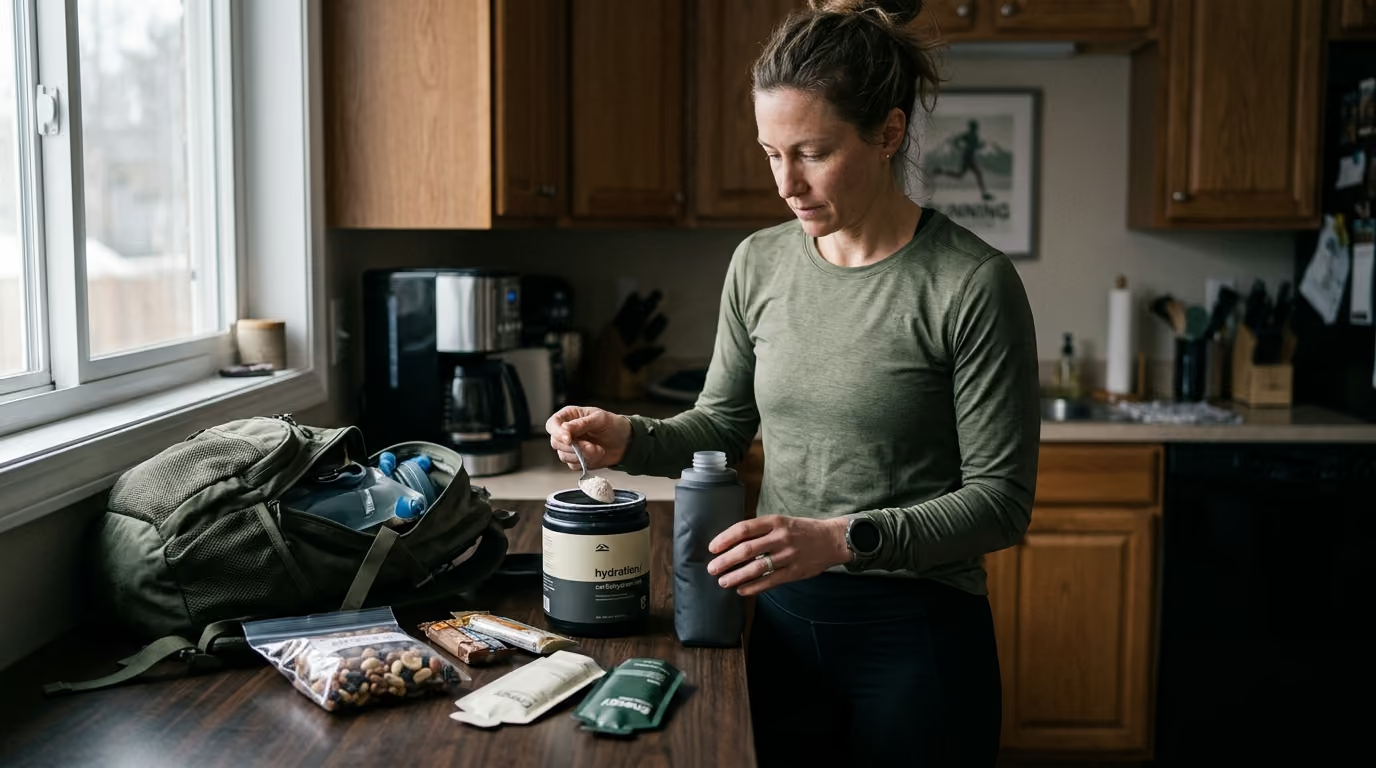
To execute your fueling and hydration plan consistently during field training or long rucks, prepare your gear the night before using a systematic checklist:
Proper fueling is a trainable skill that directly impacts your physical output, cognitive clarity, and long-term joint and muscle health. Treating your nutrition and hydration with the same discipline as your mileage and pack weight ensures you stay strong, durable, and capable across years of hard training. For broader guidance on physical health and long-term performance, review our comprehensive military and veteran health resources, explore our healthy aging articles, and inspect our strength, fitness, and body composition guides.
This article is provided strictly for educational, informational, and editorial purposes. It does not constitute medical advice, individualized nutritional prescriptions, or clinical diagnosis. Endurance training, heavy load carriage, and extreme dietary changes place significant demands on the cardiovascular, renal, and musculoskeletal systems. Always consult a qualified physician, registered sports dietitian, or licensed healthcare professional before making major changes to your diet, hydration strategies, or training regimen.
You can complete short, low-intensity walks or easy recovery rucks in a fasted state to promote fat oxidation. However, performing long, heavy, or high-intensity rucks while fasted impairs your pace, elevates cortisol levels, and accelerates muscle breakdown. If your session exceeds 90 minutes or involves heavy pack weights, consuming carbohydrates before and during training ensures higher training quality and better recovery.
If commercial energy gels cause nausea or cramping, first ensure that you drink four to six ounces of plain water with each gel. Concentrated carbohydrates require fluid to empty smoothly from the stomach into the intestines. If problems persist, try switching to a 2:1 glucose-to-fructose formula, reduce your hourly dose to 25 to 30 grams, or test simple real-food options such as white bread with honey, boiled baby potatoes, or bananas.
The clearest warning sign of overdrinking is weight gain during exercise. If you step on a scale immediately after a long, hot ruck and weigh more than you did before starting, you are consuming more fluid than you are losing in sweat. Other symptoms of overdrinking and mild hyponatremia include a sloshing stomach, bloated fingers, headache, confusion, and mild nausea. Adjust your intake to replace 60% to 80% of your sweat loss rather than forcing fluids.
While sweat rates are generally lower in cold weather, you still lose fluid through respiration and sweating under heavy cold-weather clothing layers. If your cold-weather session lasts longer than two hours or involves intense climbing and heavy pack loads, you will still lose measurable amounts of sodium. Include a modest electrolyte mix containing 0.3 to 0.5 grams of sodium per liter of fluid to maintain hydration balance and stimulate normal thirst in the cold.
Follow BattleVet for practical guidance on military and veteran health, strength, recovery, testosterone, sleep and healthy aging. Stay connected for new articles, research backed insights and clear information to help you stay capable for the years ahead.


Build better habits around strength, recovery, sleep, hormones and healthy aging with practical guidance for active military personnel and veterans.
Explore BattleVet