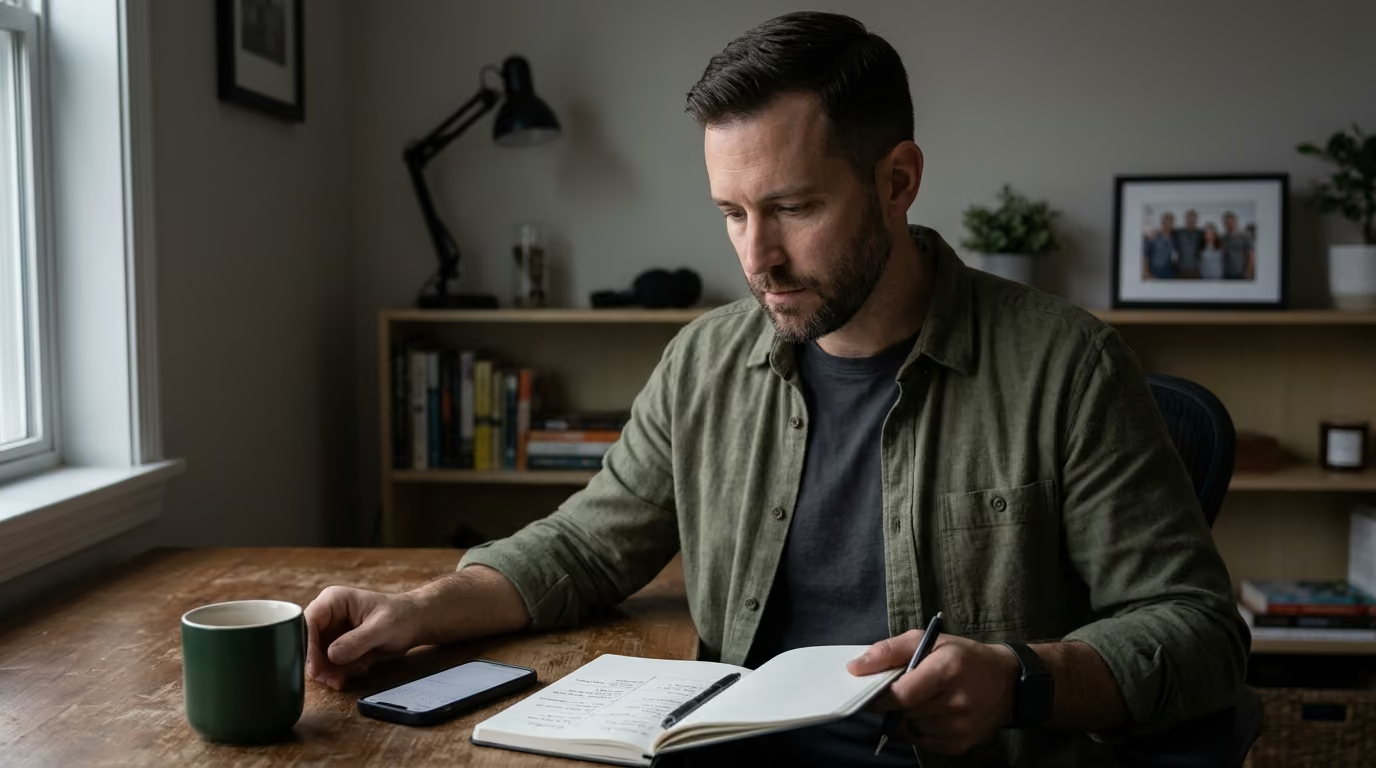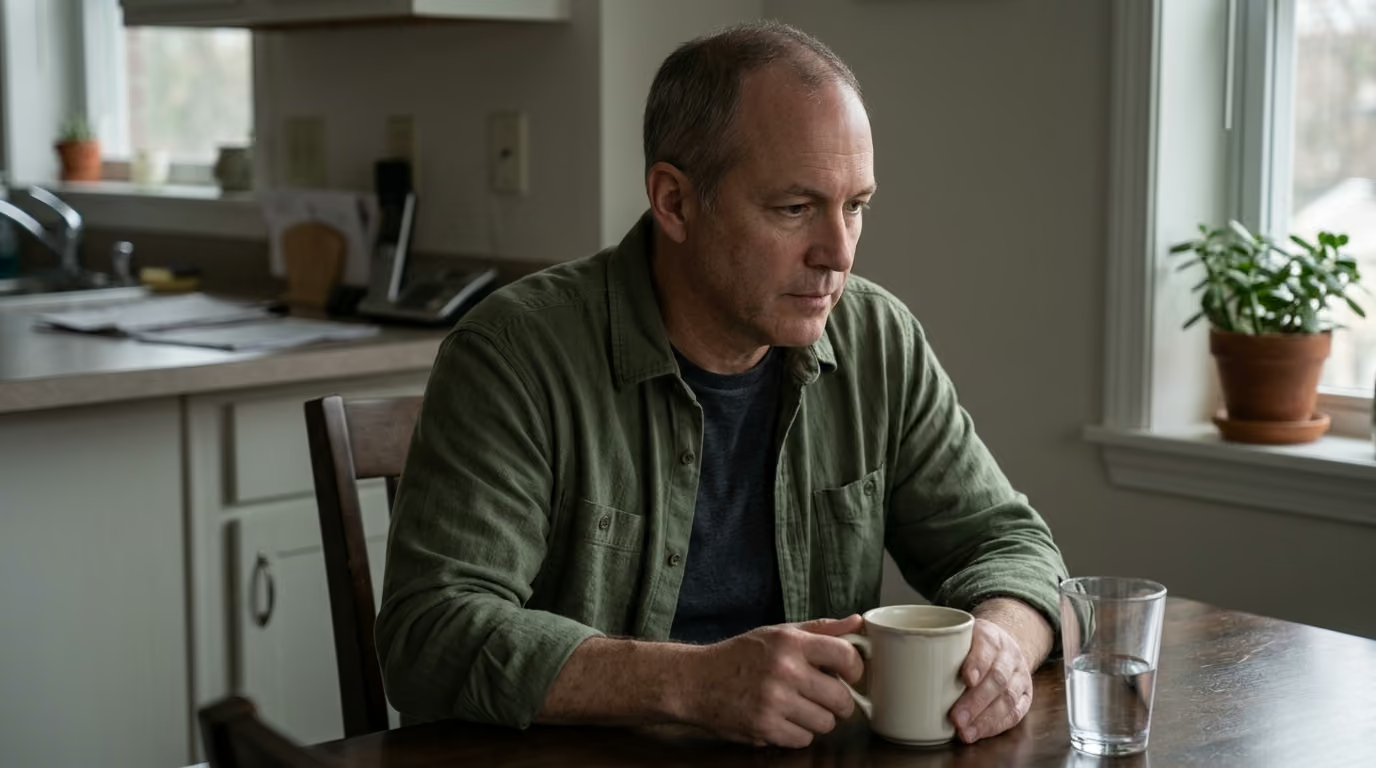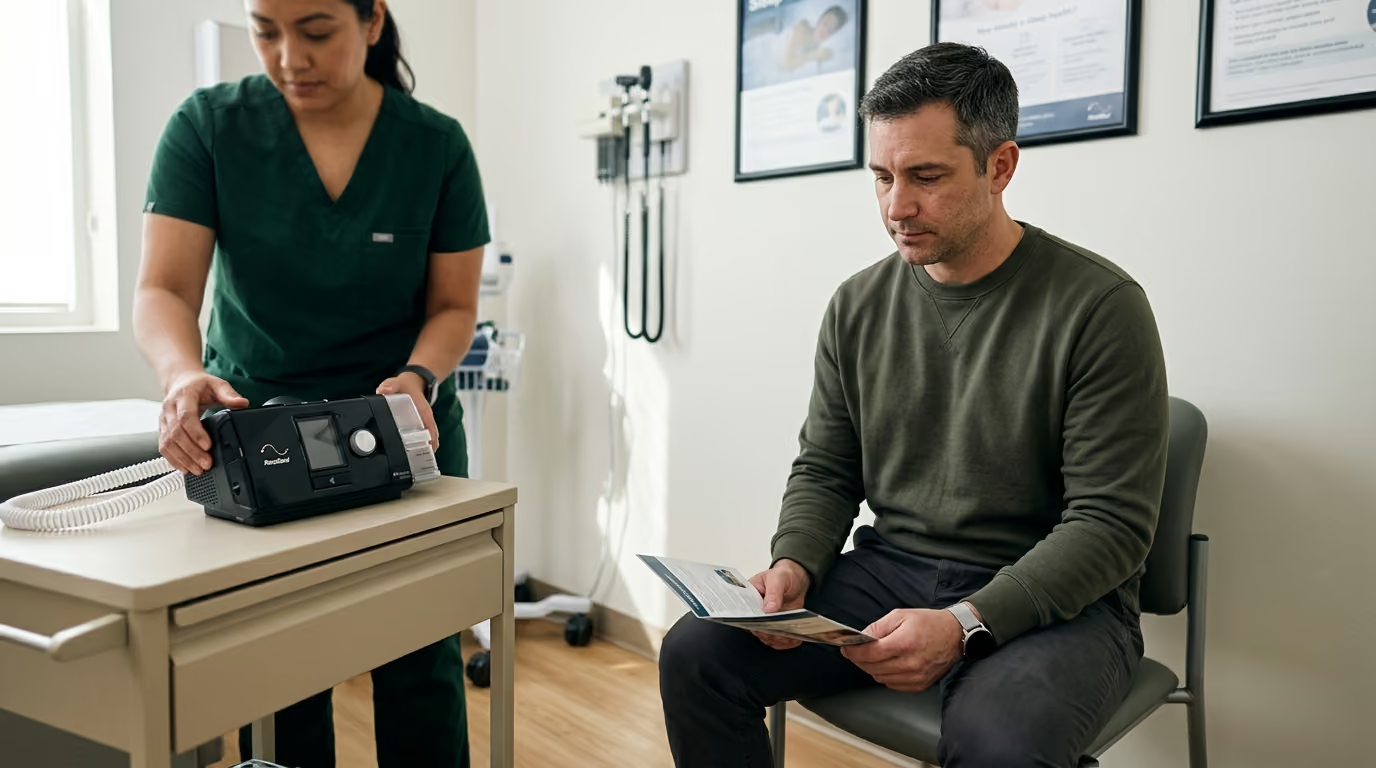

Seven functional assessment dimensions help veterans identify the root causes of insomnia and sleep apnea to pursue targeted clinical treatments.





If you are in immediate danger, call 911. For 24/7 support, call or text 988 and press 1 for the Veterans Crisis Line, or text 838255.
You lie awake at two in the morning, listening to the quiet house while your mind runs through tomorrow's schedule. You spent eight hours in bed, but you wake up feeling like you never slept at all. When you finally drift off, sudden awakenings or vivid dreams break your rest. Many veterans search for answers to these exact nighttime disruptions, wondering whether their exhaustion is just a normal part of life after service or a sign of a treatable medical condition.
Sleep problems after military service are common, measurable, and highly treatable when you identify the exact underlying condition rather than treating all sleep disruption as standard stress.
Post-service sleep difficulties usually stem from distinct, co-occurring clinical issues rather than a single flaw in discipline or routine. Chronic insomnia, obstructive sleep apnea, circadian rhythm disruption, post-traumatic stress, and substance-induced sleep fragmentation require specific, evidence-based treatments. Improving your rest begins by identifying whether your primary problem involves sleep opportunity, physical airway obstruction, conditioned nervous system arousal, or schedule misalignment.
Military service demands operational flexibility, high vigilance, and irregular schedules. These demands often mask underlying sleep disorders for years. When service members transition to civilian routines, chronic sleep debt and conditioned arousal patterns become obvious. Sorting out sleep problems requires a systematic assessment framework rather than generic advice.
Clinicians evaluate sleep across seven distinct functional dimensions. Reviewing these dimensions helps you separate daily lifestyle habits from clinical disorders.
Sleep opportunity represents the total time and environmental quality you allow for rest. If work shifts or family duties limit your time in bed to five hours, you face sleep restriction rather than insomnia. Sleep ability describes your biological capacity to fall asleep and stay asleep when the opportunity exists. A person with pure insomnia often has plenty of sleep opportunity but lacks sleep ability due to conditioned hyperarousal.
Sleep timing focuses on circadian biology. Sleeping from four in the morning until noon may provide restorative rest for a night worker, but it creates severe impairment if an employer requires a seven o'clock morning arrival. Sleep breathing evaluates upper airway stability and oxygen saturation. If your airway collapses during sleep, your brain must repeatedly wake up to restore breathing, destroying restorative deep sleep.
Sleep content addresses the psychological and neurological experiences occurring during rest. Recurrent combat nightmares, night terrors, physical thrashing, and trauma-related awakenings alter sleep architecture and cause intentional sleep avoidance. Daytime consequences measure real-world functional impairment. These consequences include morning headaches, poor workplace focus, irritability, and dangerous driving fatigue. Finally, persistence evaluates how long the problem has lasted. A few nights of poor sleep after a major life transition is an acute reaction, while problems lasting several months require formal clinical attention. You can explore structured sleep, stress, and resilience resources to understand how these dimensions influence long-term health.
The terms used to describe poor sleep are often mixed up in daily conversation. Using precise medical definitions helps you communicate effectively with your primary care provider or Veterans Affairs clinic.
Sleep deficiency is the broadest diagnostic category. It occurs when your total sleep is insufficient, when your sleep occurs at the wrong biological time, or when your sleep quality is degraded by medical disorders. Sleep deficiency is not a single diagnosis. It is an umbrella condition caused by lifestyle constraints, environmental disturbances, or untreated sleep disorders.
Insomnia disorder is a specific medical diagnosis defined by difficulty initiating sleep, maintaining sleep, or waking too early with an inability to return to sleep. Crucially, these difficulties occur despite having adequate time and a safe environment for rest. A clinical diagnosis of insomnia requires daytime impairment, including fatigue, cognitive sluggishness, mood changes, or reduced performance at work. Spending eight hours in bed does not rule out insomnia. If you spend three of those eight hours staring at the ceiling in frustration, insomnia disorder is present.
The 2019 to 2020 National Health and Resilience in Veterans Study showed that 11.4% of surveyed veterans screened positive for clinical insomnia disorder. An additional 26.0% reported subthreshold insomnia symptoms. Overall, 37.4% of veterans in the study reported poor sleep quality. This evidence confirms that persistent sleep disruption is an extensive challenge across the veteran community rather than an isolated personal issue.
Obstructive sleep apnea, commonly abbreviated as OSA, is a sleep-related breathing disorder. In people with OSA, the soft tissues in the back of the throat collapse repeatedly during sleep. These collapses partially or completely block the airway. Partial blockages are called hypopneas, while complete blockages are called apneas. These events cause blood oxygen levels to drop and force the brain to wake briefly to reopen the airway.
The severity of sleep apnea is measured using the Apnea-Hypopnea Index, or AHI. The AHI represents the average number of breathing pauses per hour of sleep. The 2025 VA and DoD Clinical Practice Guideline classifies mild-to-moderate OSA as 5 to fewer than 30 events per hour. Severe OSA involves 30 or more events per hour. A veteran with severe OSA might stop breathing 40 times every hour, meaning their brain experiences micro-awakenings every 90 seconds without their conscious awareness.
Common warning signs of OSA include heavy snoring, witnessed breathing pauses, choking or gasping during the night, waking with a dry mouth, morning headaches, and frequent nighttime urination. However, the absence of loud snoring does not completely rule out sleep apnea. Many veterans with sleep apnea report only profound daytime fatigue and fragmented sleep.
There is a significant gap between veterans who screen positive for sleep disorders and those who receive formal medical diagnoses. Research examining veteran medical records revealed that 52.1% of participants screened positive for sleep apnea on standard questionnaires, but only 20.5% had a documented diagnosis in their charts. In the same group, 39% screened positive for insomnia, but only 3.8% had a formal diagnosis. This gap occurs because veterans frequently assume poor sleep is an unavoidable consequence of military service, leading them to delay clinical evaluation.
Insomnia and obstructive sleep apnea frequently occur together. When a patient meets the clinical criteria for both conditions simultaneously, the diagnosis is comorbid insomnia and sleep apnea, often abbreviated as COMISA.
COMISA is especially prevalent among active-duty service members and military veterans. A military personnel study revealed that 38.2% of participants had both insomnia and OSA together. In that study, 25.5% had insomnia alone, and 24.5% had sleep apnea alone. Another military study showed similar results, with 36.9% of patients meeting criteria for COMISA, 32.7% having insomnia alone, and 30.4% having OSA alone.
COMISA creates distinct diagnostic and treatment challenges. A veteran suffering from COMISA may report waking up six times a night and attribute the problem entirely to insomnia. The underlying airway blockages trigger the awakenings, but the subsequent difficulty falling back asleep is driven by conditioned insomnia hyperarousal. Treating only one condition leaves the patient struggling with the other.
A common scenario involves a veteran who receives a Continuous Positive Airway Pressure, or CPAP, machine for sleep apnea. The machine successfully eliminates the airway obstructions, but the veteran continues to lie awake for two hours every night. If the patient and clinician do not recognize the presence of comorbid insomnia, the patient may assume the CPAP therapy has failed and stop using it. In reality, the CPAP resolved the breathing disorder, but the insomnia requires a targeted behavioral therapy protocol.
The National Veteran Sleep Disorder Study analyzed administrative data from nearly 9.8 million veterans treated within the Veterans Health Administration between fiscal years 2000 and 2010. Among veterans diagnosed with any sleep disorder during that decade, sleep apnea accounted for 47% of diagnoses and insomnia accounted for 26%. The age-adjusted prevalence of diagnosed sleep disorders in this population rose from less than 1% in 2000 to nearly 6% in 2010. This increase reflects improved clinical screening and diagnostic awareness across the health system. If you want to understand how chronic rest deficits impact physical capability, review our recovery and sleep strategies.
Sleep disturbance and post-traumatic stress disorder share a complex, bidirectional neurobiological relationship. Insomnia can develop before PTSD, emerge alongside traumatic stress, or persist long after other trauma symptoms have stabilized.
Hypervigilance involves continuous autonomic nervous system activation. In combat environments or high-threat assignments, maintaining constant situational awareness is an essential survival skill. When a service member returns home, this heightened state of physiological arousal often remains active. The brain continues scanning the environment for threats throughout the evening, elevating cortisol, heart rate, and core body temperature. This sympathetic nervous system activation directly opposes the parasympathetic state required to initiate deep sleep.
Data from the VA National Center for PTSD shows that clinical insomnia occurs in 90% to 100% of Vietnam-era veterans with PTSD across evaluated studies. Findings from the Millennium Cohort Study demonstrated that 92% of active-duty personnel with PTSD experienced clinically significant insomnia, compared to only 28% of service members without PTSD.
Sleep-related breathing disorders also overlap heavily with post-traumatic stress. A systematic review published by the VA noted that sleep apnea rates among individuals with PTSD ranged from 43.6% to 75.7%, depending on the diagnostic criteria used. This strong overlap occurs because chronic sleep fragmentation lowers stress tolerance, while the physiological stress of airway obstruction triggers panic-like awakenings that mimic trauma responses.
Disturbed dreaming represents another major sleep challenge. It is critical to differentiate between occasional bad dreams and formal nightmare conditions.
Trauma-related nightmares often trigger nighttime awakenings accompanied by rapid heart rate, sweating, and intense panic. Over time, veterans may develop conditioned sleep avoidance, staying up late to delay the onset of dreams. When dream-enactment behaviors occur, involving physical movements like punching or swinging, a specialized neurological evaluation is necessary to assess the sleep motor pathways.
Targeted treatment for sleep apnea, insomnia, or PTSD frequently reduces the frequency and intensity of nightmares. For pharmacological management of trauma nightmares, the medication prazosin has been studied extensively. Early clinical trials showed positive results, but a large, multisite VA trial found no significant difference between prazosin and a placebo. As a result, current VA and DoD guidelines state that evidence is insufficient to recommend prazosin universally for all trauma-related nightmares, though clinicians may consider it for selected individual patients.
The biological clock, located in the suprachiasmatic nucleus of the brain, controls the timing of hormone release, body temperature, and sleepiness. Military service routinely conditions the brain to ignore normal circadian cues.
Night operations, 24-hour duties, rotating watch schedules, early morning formations, and long deployments force service members to sleep whenever possible. Over years of service, this conditioning weakens the brain's association between darkness and sleep. After separating from the military, many veterans enter careers that involve rotating shift work, law enforcement, private security, transportation, or emergency response. These occupations perpetuate irregular sleep schedules.
Shift work sleep disorder occurs when there is a fundamental conflict between your internal biological clock and your required work hours. A veteran with this condition may sleep soundly on scheduled days off but find it impossible to sleep during the daytime following an overnight shift. This pattern is clinically distinct from primary insomnia, though a person can suffer from both conditions at once.
Managing circadian misalignment requires strict environmental and behavioral controls. Light exposure is the primary signal used by the brain to set circadian timing. Exposing your eyes to natural sunlight or bright light boxes upon waking helps advance your biological clock. Conversely, wearing dark sunglasses during the morning commute home from a night shift prevents bright sunlight from signaling the brain that it is time for wakefulness.
When adjusting shift schedules, rotating work hours forward in a clockwise direction, from morning shift, to evening shift, to night shift, is significantly easier on human biology than rotating backward. Establishing a fixed sleeping window that you protect from light, family interruptions, and noise remains essential for maintaining restorative rest.
Many veterans turn to alcohol, over-the-counter sleep aids, or unprescribed substances to manage sleep difficulties. While these substances may cause drowsiness, their underlying physiological effects severely disrupt sleep quality.
Alcohol acts as a central nervous system depressant. It interacts with gamma-aminobutyric acid, or GABA, receptors in the brain, creating an initial calming sensation that can shorten the time it takes to fall asleep. Because of this effect, many veterans view alcohol as an effective sleep aid.
However, medical research shows that alcohol substantially alters sleep architecture. As the liver metabolizes alcohol during the night, blood alcohol levels drop, triggering a severe rebound effect in the sympathetic nervous system. This rebound disrupts the second half of the sleep period, reducing Rapid Eye Movement, or REM, sleep and causing frequent micro-awakenings.
Alcohol also relaxes the muscles of the upper airway, which substantially worsens the severity of obstructive sleep apnea. An individual with mild sleep apnea may experience severe airway collapse after consuming alcohol in the evening. Furthermore, chronic alcohol use disrupts the internal circadian pacemaker, leading to shorter total sleep duration and chronic insomnia.
Veterans who drink heavily to manage sleep problems should never stop drinking abruptly without medical supervision. Severe alcohol withdrawal can cause dangerous elevations in blood pressure, seizures, and delirium tremens. A structured, medically supervised detoxification plan is essential for safe recovery.
Prescription sedatives and over-the-counter sleep medications also involve substantial risks. Antihistamine-based sleep aids quickly lose their effectiveness as the body builds tolerance, and they frequently cause next-day grogginess, dry mouth, and cognitive sluggishness. Prescription sedative-hypnotic medications can cause physical dependence, complex sleep behaviors like sleepwalking, and increased fall risks. When sedatives are combined with alcohol or prescribed opioids, the risk of life-threatening respiratory depression rises dramatically. Medical treatments should focus on addressing the root cause of the sleep disorder rather than masking symptoms with sedatives.
Modern clinical guidelines strongly favor structured behavioral therapies and targeted physical devices over long-term sedative medications for treating chronic sleep disorders.
The 2025 VA and DoD Clinical Practice Guideline recommends Cognitive Behavioral Therapy for Insomnia, known as CBT-I, as the primary, first-line treatment for chronic insomnia disorder. CBT-I is a structured, evidence-based therapy that typically takes place over four to eight sessions. It targets the learned behaviors, cognitive patterns, and physiological arousal that maintain insomnia over time.
Stimulus control is a core component of CBT-I. When you spend hours tossing and turning, your brain gradually associates the bed with frustration, alertness, and anxiety. Stimulus control breaks this association through clear rules: go to bed only when sleepy, use the bed only for sleep and intimacy, and leave the bed if you remain awake for roughly twenty minutes. You return to bed only when sleepiness returns.
Sleep restriction, more accurately termed sleep consolidation, temporarily matches the time you spend in bed to the actual amount of time you are sleeping. If you spend nine hours in bed but sleep for only five hours, your sleep is fragmented and light. By setting a structured six-hour window in bed, mild sleep pressure builds up, allowing you to fall asleep faster and stay asleep more consistently. As your sleep efficiency improves, the time in bed is gradually lengthened. Sleep restriction is implemented systematically and should be adjusted carefully for individuals with underlying medical conditions or safety-sensitive jobs.
Brief Behavioral Therapy for Insomnia, or BBT-I, is a shorter, four-session alternative suggested by clinical guidelines. BBT-I focuses primarily on behavioral changes, such as maintaining a rigid wake time and restricting time in bed, making it an excellent option when access to a full CBT-I program is limited. Digital tools and mobile applications, such as the VA's CBT-i Coach, provide helpful access to these methods, though they work best alongside guidance from a healthcare provider.
For obstructive sleep apnea, positive airway pressure, or PAP therapy, is the gold-standard medical intervention. A CPAP machine delivers a gentle, continuous stream of pressurized air through a mask, acting as a pneumatic splint that prevents the airway from collapsing.
The 2025 VA/DoD guidelines recommend PAP therapy as initial treatment for severe OSA. For mild-to-moderate OSA, clinical options include PAP therapy or custom mandibular advancement devices fitted by a qualified dental sleep specialist. Mandibular advancement devices reposition the lower jaw forward during sleep, mechanically widening the airway space. Surgical interventions, including structural airway modification and hypoglossal nerve stimulation, represent secondary options for patients who cannot tolerate oral devices or positive airway pressure.
Medications play a limited, secondary role in the treatment of chronic insomnia. The American Academy of Sleep Medicine notes that sleep medications should be reserved for short-term support, for individuals unable to participate in CBT-I, or for patients with persistent symptoms following behavioral therapy. The 2025 VA/DoD guideline advises clinicians against prescribing trazodone for chronic insomnia disorder, due to limited evidence of long-term efficacy and potential side effects. If you are taking prescribed sleep medications, discuss any adjustments directly with your doctor rather than stopping medications abruptly.
Sleep disorders rarely present in isolation. The following clinical profiles illustrate how different conditions develop and how targeted medical care resolves them.
A 34-year-old former infantry soldier spends two hours trying to fall asleep every night. He regularly gets out of bed to check exterior door locks and perimeter windows. Every small sound outside jolts him wide awake with a racing pulse. He spends nine hours in bed but averages only four and a half hours of broken sleep.
This pattern represents conditioned hyperarousal and chronic insomnia, complicated by post-traumatic stress. The patient has adequate sleep opportunity, but his autonomic nervous system prevents sleep ability.
The clinical pathway for this veteran includes a formal trauma assessment alongside CBT-I. Stimulus control helps him stop associating his bed with anxious checking behaviors. Scheduled worry time earlier in the evening and progressive muscle relaxation lower his bedtime sympathetic arousal. An evaluation for sleep apnea is also conducted to ensure physical airway blockages are not contributing to his sudden nighttime awakenings.
A 48-year-old veteran reports that he suffers from severe insomnia because he wakes up choking six or seven times every night. His spouse sleeps in another room due to his heavy, irregular snoring and witnessed breathing pauses. He feels exhausted throughout the day and experiences morning headaches.
This presentation represents obstructive sleep apnea presenting with secondary sleep-maintenance insomnia. The patient believes his primary problem is insomnia, but his awakenings are driven by airway collapse.
The diagnostic pathway requires an objective sleep study, conducted either in a laboratory or with a validated home sleep apnea test. If moderate-to-severe OSA is confirmed, initiating CPAP therapy is the primary treatment. Once airway patency is restored, the nighttime choking awakenings resolve. If conditioned awakenings persist after breathing stabilizes, a brief course of behavioral therapy resolves the residual insomnia.
A 29-year-old veteran working overnight security shifts sleeps well on weekends but experiences severe insomnia during the workweek. During his morning drive home at seven in the morning, he struggles with extreme drowsiness, occasionally drifting across road lanes. When he gets into bed at eight in the morning, he cannot stay asleep for more than three hours.
This case represents shift work sleep disorder with high-risk daytime safety impairment. The conflict between his internal circadian clock and his required work schedule prevents restorative daytime sleep.
The clinical pathway focuses on strict circadian management. The veteran uses dark, wraparound sunglasses during his morning commute to block sunlight from hitting his retina. In his bedroom, he installs blackout shades, uses a white noise machine, and sets the room temperature to 66 degrees. He schedules a protected seven-hour sleep window immediately after his shift and takes a strategic 30-minute nap before reporting to work at night.
A 42-year-old veteran drinks four to six beers every evening to quiet racing thoughts and fall asleep quickly. While the alcohol helps him fall asleep within fifteen minutes, he consistently wakes at three in the morning with a dry mouth, sweating, and an elevated heart rate. Over the past year, he has increased his drinking to achieve the same sedative effect.
This pattern demonstrates substance-induced sleep fragmentation and a developing alcohol use disorder. The alcohol suppresses REM sleep during the first half of the night, leading to an autonomic rebound awakening during the second half.
The clinical pathway begins with a medical assessment to evaluate for alcohol withdrawal risks. The care team develops a safe, structured tapering or detoxification plan. Once alcohol is removed, the underlying insomnia is treated directly with CBT-I, teaching the veteran natural, evidence-based methods for managing bedtime anxiety without chemical sedation.
A 55-year-old veteran received a CPAP machine for severe obstructive sleep apnea six months ago. Her device usage data confirms excellent compliance, with zero mask leaks and an AHI reduced from 34 events per hour to 2.1 events per hour. Despite this medical success, she continues to lie awake in bed for ninety minutes each night, feeling anxious about her inability to sleep.
This case represents treated sleep apnea with persistent comorbid insomnia (COMISA). The CPAP machine corrected her physical airway obstruction, but the behavioral patterns of chronic insomnia remain active.
The clinical pathway does not involve abandoning the CPAP or taking higher doses of sedatives. Instead, the clinician refers the veteran for a four-to-six-week course of CBT-I. Stimulus control and sleep consolidation techniques eliminate the conditioned anxiety surrounding sleep, allowing her to gain the full restorative benefits of her airway therapy.
A 38-year-old veteran wakes up drenched in sweat three nights a week from graphic dreams recalling a vehicle explosion during deployment. Fear of these dreams leads him to stay awake playing video games until four in the morning, resulting in severe daytime exhaustion and cognitive fatigue at work.
This case represents trauma-related nightmare disorder accompanied by intentional sleep avoidance and sleep restriction.
The clinical pathway combines trauma-focused behavioral therapy, such as Cognitive Processing Therapy, with nightmare-specific interventions like Imagery Rehearsal Therapy. In Imagery Rehearsal Therapy, the veteran works with a clinician to rewrite the nightmare script into a neutral or positive scenario while awake, practicing the new mental imagery daily. The clinician also assesses whether medication adjustments or co-occurring sleep apnea treatments can further reduce dream-related awakenings. For more insights on navigating healthcare systems after military service, read our veteran lifestyle and healthcare resources.
Effective treatment requires an accurate clinical assessment. Rather than guessing which sleep problem is affecting you, gather objective data about your sleep patterns to share with your medical provider.
A two-week sleep diary provides valuable clinical insight. Standard sleep tracking should document specific, observable data points rather than general impressions.
Reviewing this data helps your clinician determine whether your symptoms stem from poor sleep opportunity, circadian misalignment, primary insomnia, or fragmented breathing.
A clinical evaluation for sleep apnea typically includes a diagnostic sleep study. A home sleep apnea test uses portable sensors to measure breathing effort, airflow, and blood oxygen levels in your own bed. While home tests are convenient and accurate for detecting moderate-to-severe OSA, an in-laboratory polysomnography test is recommended if you have significant cardiovascular disease, severe lung disorders, suspected neuromuscular conditions, or non-respiratory sleep disorders like narcolepsy or parasomnias. A negative home sleep test does not completely rule out sleep apnea if your clinical symptoms remain high; in such cases, your physician may order a follow-up laboratory study.
If you experience any of these high-risk medical warning signs, seek immediate medical care through an emergency department, primary care clinic, or urgent care facility. If you are experiencing thoughts of suicide, call or text the Veterans Crisis Line at 988 and press 1 to connect with qualified support.
While clinical disorders require professional evaluation, building strong, evidence-based sleep routines creates the physiological foundation for restorative rest. These steps optimize your sleep opportunity and reduce baseline nervous system arousal.
Your physical environment plays a direct role in sleep consolidation. The bedroom should remain dark, quiet, and cool. Using blackout curtains, high-density eye masks, and neutral white noise machines helps block external disturbances. The bed should remain a dedicated sanctuary for sleep and intimacy, never an office for answering emails, watching television, or reviewing paperwork.
If you struggle to fall asleep within twenty minutes, do not stay in bed tossing and turning. Get up, move to a dimly lit room, and engage in a quiet, non-stimulating activity, such as reading a physical book or listening to calm music. Return to bed only when your eyelids feel heavy and you experience genuine drowsiness.
To transition from reading about sleep to improving your daily recovery, apply these concrete steps over the next seven days:
Insomnia involves difficulty falling asleep, staying asleep, or waking up too early despite having plenty of time and a quiet space to rest. It is driven primarily by nervous system hyperarousal and conditioned frustration around sleep.
Obstructive sleep apnea is a physical breathing disorder where your airway narrows or collapses, causing snoring, gasping, choking, and sudden drops in blood oxygen. If you wake up frequently feeling gasping or dry-mouthed, or if a partner notices you stop breathing, you should be evaluated for sleep apnea. Because insomnia and sleep apnea frequently occur together as COMISA, a comprehensive evaluation by a healthcare provider is often necessary to check for both.
Evidence-based PTSD treatments, such as Cognitive Processing Therapy and Prolonged Exposure therapy, often improve sleep quality and reduce trauma-related nightmares. However, PTSD treatment does not automatically cure all co-occurring sleep disorders.
Conditioned insomnia behaviors and physical airway blockages from sleep apnea can persist even after PTSD symptoms improve. A veteran may require targeted Cognitive Behavioral Therapy for Insomnia or CPAP therapy alongside their mental health treatment to fully resolve their sleep difficulties.
Alcohol is a central nervous system depressant that increases GABA activity in the brain, creating drowsiness and shortening the time it takes to drift off. However, as your liver processes the alcohol during the night, your body experiences a chemical rebound that activates your sympathetic nervous system.
This rebound fragments your sleep during the second half of the night, reduces restorative REM sleep, and increases nighttime awakenings. Alcohol also relaxes your throat muscles, which significantly worsens snoring and sleep apnea.
Continuous Positive Airway Pressure is the most effective and widely recommended first-line treatment for severe obstructive sleep apnea. However, it is not the only clinical option available.
For mild-to-moderate sleep apnea, custom-fitted mandibular advancement devices provided by qualified dental sleep specialists are an evidence-based alternative. Other medical options include positional therapy devices, upper airway surgery, and hypoglossal nerve stimulation implants for patients who meet specific clinical criteria and cannot tolerate CPAP therapy.
This article is published strictly for educational and informational purposes and does not constitute medical advice, clinical diagnosis, or personalized treatment recommendations. Sleep disorders, post-traumatic stress, substance dependence, and respiratory conditions require individual medical evaluation by qualified healthcare professionals. Veterans and service members should consult a primary care physician, a board-certified sleep medicine specialist, or a VA healthcare provider before starting, stopping, or changing any medical treatment, behavioral therapy protocol, or prescription medication. If you are experiencing a medical emergency, severe alcohol withdrawal symptoms, or thoughts of self-harm, seek immediate emergency medical care or contact the Veterans Crisis Line by dialing 988 and pressing 1.
Follow BattleVet for practical guidance on military and veteran health, strength, recovery, testosterone, sleep and healthy aging. Stay connected for new articles, research backed insights and clear information to help you stay capable for the years ahead.


Build better habits around strength, recovery, sleep, hormones and healthy aging with practical guidance for active military personnel and veterans.
Explore BattleVet