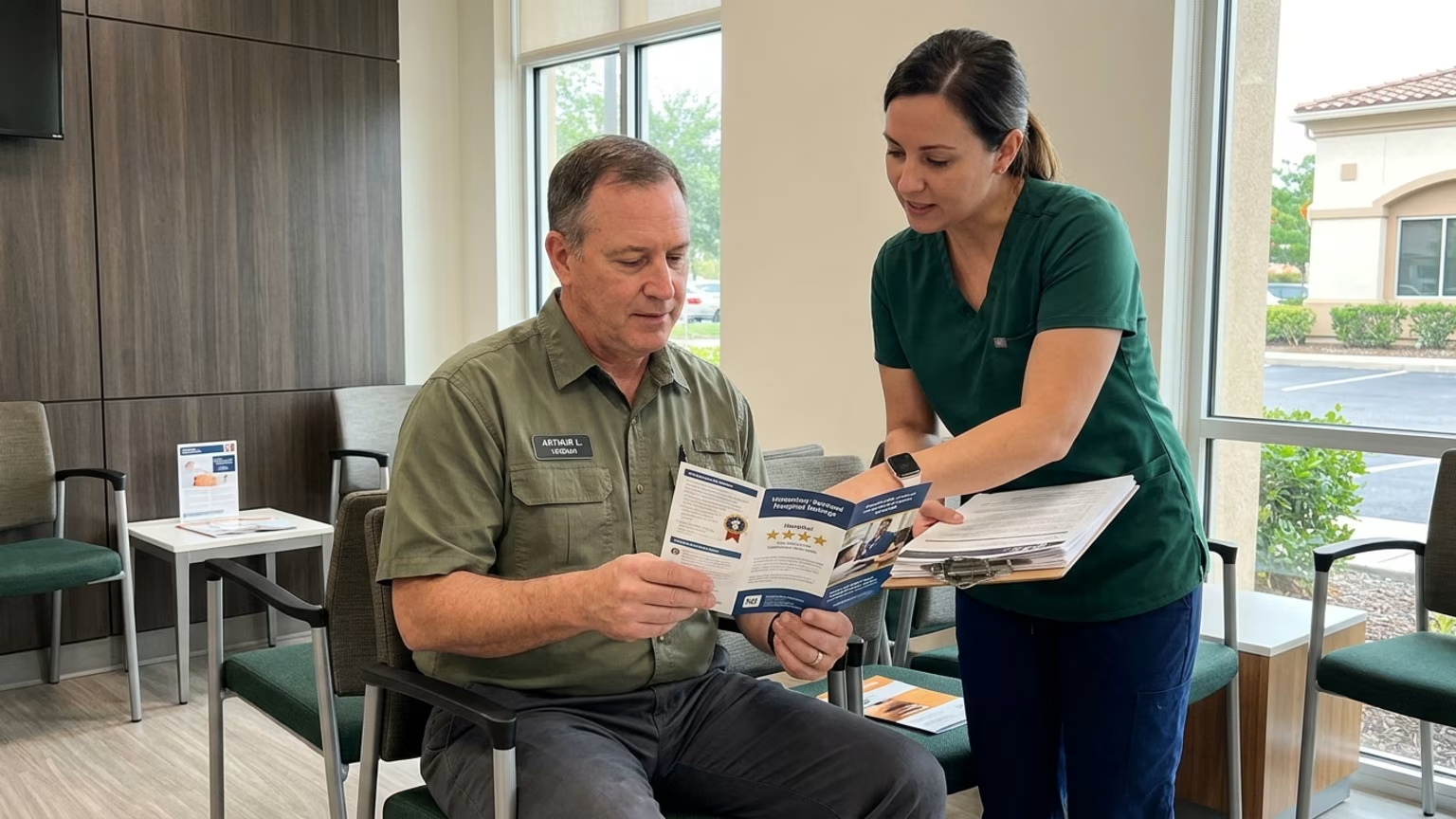

A new CMS report reveals 78 percent of VA hospitals earned four or five stars in overall quality. Learn what these ratings mean for your healthcare choices.





On September 25, 2026, a new Centers for Medicare and Medicaid Services report revealed that 78 percent of VA hospitals received four or five stars for overall hospital quality. The latest data covered by FOX 7 Austin shows 87 VA facilities earning these top rating tiers. This marks the highest share of top performing hospitals since the CMS rating system began tracking VA facilities in 2023. The ratings measure dozens of individual metrics to give veterans a standardized look at hospital performance.
The overall rating system combines these dozens of measures into a single score ranging from one to five stars. The scoring covers five major areas of healthcare delivery. These categories include mortality and safety of care. The ratings also evaluate hospital readmissions, patient experience, and timely and effective care. By aggregating these distinct data points, the CMS provides a baseline snapshot of how a facility operates on a national level.
This update provides veterans with a clear metric to evaluate their healthcare options. Choosing where to receive treatment often feels complicated for former service members transitioning out of active duty. Objective hospital quality ratings offer a useful tool for comparing VA facilities against local community alternatives. The results suggest a broad baseline of safety and capability across the national network.
Veterans managing chronic conditions need reliable information to plan their care effectively. High ratings indicate strong performance in patient safety and readmission rates. These specific factors matter deeply for long term health management and physical recovery. Understanding these quality metrics helps veterans make informed choices about their immediate healthcare priorities.
Transitioning from active duty medical care to the VA system requires a highly strategic approach to personal health. Objective data points allow veterans to approach their local facilities with reasonable expectations. Rather than relying entirely on word of mouth, patients can review established safety and quality metrics. This data driven approach aligns perfectly with maintaining long term capability and independence.
The ability to compare hospital performance directly impacts how veterans schedule diagnostic testing and routine screenings. When a facility demonstrates high scores in timely and effective care, patients can feel more confident in their treatment timelines. This confidence is essential for individuals actively managing complex health profiles. Reliable data reduces the friction often associated with navigating large medical networks.
The CMS uses a standardized one to five star scale to evaluate hospitals based on patient experience and effective care. The September 2026 report identified 50 VA hospitals that achieved a perfect five star rating. Another 37 facilities earned a highly respectable four star rating. Together, these 87 facilities represent 78 percent of the total VA hospital network.
The VA provided additional context regarding their performance against private sector facilities across the country. FOX 7 reports that the VA claims its facilities have outperformed non VA hospitals for four consecutive years. Furthermore, the VA reported that zero VA hospitals received a one star rating for the second year in a row. VA Secretary Doug Collins stated, "We look forward to continuing to deliver the results Veterans have earned at VA facilities across the nation."
While the national percentage is high, it functions as an aggregate score rather than a complete departmental picture. A five star rating combines dozens of separate measures across the entire hospital infrastructure. It does not guarantee identical performance across every single metric or specialized medical department. The reported comparisons between VA and non VA facilities are based on VA statements, and the news report did not provide the underlying comparison data.
Veterans should note that national ratings summarize broad operational success. The news report provides the national share and hospital counts but does not supply the underlying hospital by hospital results. The article also omits the detailed methodology for the measure level scores. This means readers should not automatically infer that every highly rated facility performed equally well on every single internal metric.
At BattleVet, our editorial team focuses on connecting physical performance with long term health. We know that clear, research backed guidance for stronger military and veteran health requires understanding the healthcare systems that provide it. I remember waking up after a poor night of sleep and realizing that my training recovery was taking much longer than it used to. I realized that readiness is more than just pushing through the fatigue. It requires a dedicated approach to sleep and hormonal health, which completely shifted how I view long term capability.
Finding a medical facility that supports those specialized needs requires looking beyond the surface. When veterans experience issues with physical restoration, finding the right specialist matters more than an overall hospital score. A high facility rating indicates a solid operational foundation for general care. However, veterans still need to verify that a specific clinic can handle their unique performance requirements.
Our primary services include publishing editorial articles and maintaining a research resource library. We design these resources specifically for the military and veteran health domain. Readers interested in these topics often consult our recovery and sleep articles to better prepare for doctor visits. Understanding the baseline quality of your local hospital makes it much easier to advocate for specialized treatments.
A veteran seeking guidance on joint mobility or hormonal balance needs a highly capable facility. The CMS ratings indicate that many VA locations maintain strong safety and patient experience protocols. This solid operational foundation makes it easier to pursue specialized healthy aging treatments within the VA system.
This data reinforces the need to use facility ratings as a starting point rather than a final verdict. Veterans can use the CMS scores as one data point when mapping out their personal healthcare strategy. A highly rated hospital is a positive indicator for general safety and hospital readmission metrics. However, readers should always verify specific department metrics directly with their local administrators.
Veterans should continue to track specific service availability directly with their local facility. While an overall hospital score provides a helpful baseline, actual appointment availability can vary by department. A five star rating does not establish whether a particular clinician or treatment option is right for an individual veteran. The rating serves best as background information used alongside direct care team guidance.
The best approach pairs these broad quality scores with direct communication with your primary care team. Quality ratings provide confidence in the facility's overall safety protocols and basic standards. They do not replace the need for targeted research when planning your specific physical restoration. For a broader look at managing these choices, reviewing our veteran lifestyle and healthcare resources can help frame the conversation.
Veterans navigating specialized treatments should ask their doctors about department specific outcomes. An overall five star rating does not mean a hospital has the shortest wait time for an MRI or the best orthopedic clinic. Use the CMS star rating to confirm the hospital runs safely, then ask direct questions about the exact treatment you need. This proactive strategy ensures that veterans receive care tailored to their actual health requirements. Visit the BattleVet homepage for more insights on managing military health effectively.
As the VA continues to expand its network and integrate more community care options, tracking these objective quality measures will remain vital. The consistent improvement in star ratings suggests a positive trajectory for institutional safety and patient experience across the country. How will these aggregate quality scores evolve as the VA adapts to the changing, specialized health requirements of a new generation of veterans?
Follow BattleVet for practical guidance on military and veteran health, strength, recovery, testosterone, sleep and healthy aging. Stay connected for new articles, research backed insights and clear information to help you stay capable for the years ahead.



A Durham VA study suggests older veterans with obesity and prediabetes who double their protein intake better preserve physical function during weight loss.


Military fitness leaders are establishing new guidance on sleep readiness. Learn how the latest military protocols address performance, recovery, and hormones.

The Military Spouse Commission reviewed new directives for DoD-to-VA records transfers, childcare pilot programs, and healthcare access during transition.
Build better habits around strength, recovery, sleep, hormones and healthy aging with practical guidance for active military personnel and veterans.
Explore BattleVet