

A recent VA update details how Million Veteran Program research informs clinical care. Learn how study data shapes future veteran medical decisions.





On September 27, 2026, VA News published an update explaining how Department of Veterans Affairs research translates into clinical care. The article was written by Jennifer Deen, the associate director of Cohort and Public Affairs for the Million Veteran Program. This update details how participant data moves from broad study findings to potential healthcare applications. The VA reports that more than 1 million veterans currently participate in this massive initiative.
The Million Veteran Program aims to use research to improve healthcare for veterans across the nation. Participants contribute coded data that helps scientists study genetic patterns and associated health risks. The update clarifies that this genetic data is collected strictly for research rather than direct clinical care. As a result, individual genetic results are not routinely returned directly to the participating veterans.
Gathering health data is only useful if it eventually informs better medical decisions. For active personnel and veterans, understanding how the VA utilizes research helps clarify what to expect from medical programs. Participating in a large study does not instantly change your personal medical treatment or daily health protocol. The VA clearly states that its massive genetic dataset serves broad research goals rather than immediate clinical application.
However, these large studies eventually inform the screening tools and treatments available in standard practice. At BattleVet, our team relies on clear information to make practical health decisions. I remember waking up after a poor night of sleep and realizing that my training recovery was taking much longer than it used to. I realized that physical readiness requires more than just pushing through the fatigue.
It requires a dedicated approach to sleep and hormonal health, which completely shifted how I view long term capability. Tracking personal metrics changed my approach to consistent recovery and physical restoration, just as large-scale data changes systemic clinical care. Maintaining strength, mobility, and fitness requires accurate information. Separating credible evidence from early research prevents you from making premature changes to your healthcare routine.
Active military personnel and veterans want to stay strong and capable as they age. They need clear explanations of how early studies eventually translate into actual longevity protocols. The VA uses this deliberate process to ensure that early findings actually improve long term capability. When researchers identify a new health pattern, the medical system requires strict validation before applying it to patients.
This measured approach protects veterans from unproven treatments while building a foundation for highly effective care. Understanding this process prevents frustration when new research takes time to reach the local clinic. Patience is necessary when translating complex scientific findings into daily medical practice. It highlights the importance of volunteering for studies that slowly shape the future of military medicine.
The recent VA update highlights two specific examples of research moving toward clinical application. The first involves the MVP Return of Actionable Results study, known as MVP-ROAR. Researchers used genetic data to identify veterans with a genetic risk for familial hypercholesterolemia. This specific condition can cause dangerously high cholesterol and often goes undiagnosed in the general population.
Following this finding, researchers contacted a small group of affected veterans to offer follow-up steps. These individuals consented to share the results with themselves and their healthcare providers. They then received additional clinical testing to formally confirm the initial genetic findings. Finally, the VA connected these veterans with a genetic counselor to discuss the appropriate next steps.
The genetic counselor's role is critical in bridging the gap between raw data and actual medical treatment. They ensure that patients understand the implications of a finding before any clinical decisions are made. VA genetic counselor Morgan Danowski explained that her team contacted veterans directly once results were returned. They then shared these findings with primary care providers to facilitate informed clinical decisions.
The second research example focuses on evaluating prostate cancer risk among veterans. VA scientists utilized data from more than 585,000 male participants to develop a new assessment tool. This tool aims to help identify men who face a higher risk of advanced or metastatic prostate cancer. The sheer scale of this research highlights the unique value of veteran health data.
Gathering detailed health information from hundreds of thousands of individuals allows scientists to spot subtle trends. These trends might remain hidden in smaller, conventional medical studies. Currently, the VA is evaluating this tool in the Prostate Cancer, Genetic Risk, and Equitable Screening Study. This initiative is frequently referred to as the ProGRESS study.
The experimental tool is being tested alongside standard screening methods to determine its clinical value. Evaluating the tool alongside standard screening ensures that patients do not lose the protection of established medical practices. The recent article does not report trial outcomes and does not present the tool as a definitive diagnostic test.
These updates clarify how veterans should approach both research participation and individual veteran lifestyle and healthcare choices. First, joining a study like MVP is a contribution to broad scientific knowledge. You should not expect it to serve as a personal diagnostic service or a replacement for standard exams. If a follow-on study does identify a personal health risk, sharing that individual result requires additional consent.
Furthermore, researchers generally require confirmation through certified clinical testing before altering your medical care. If researchers contact you about a follow-on study, you can ask specific questions about the process. You should ask what the study involves and whether results would be confirmed through clinical testing. You can also ask whether the results could be shared with your primary healthcare provider.
For specific conditions like prostate cancer, new research tools remain investigational. The tool evaluated in the ProGRESS study is not a definitive diagnostic test for clinical use. Veterans must continue to rely on standard screening protocols and direct discussions with their primary care providers. You cannot replace routine medical exams with participation in a broad research program.
The VA also emphasizes that participation in additional studies is entirely voluntary. Choosing whether or not to receive results does not affect MVP participation or access to VA healthcare benefits. Understanding how health priorities change during active service and veteran life requires accurate context. Navigating healthcare information is much easier when you understand the limits of early research.
Early data might show promise, but clinical application requires extensive validation and rigorous safety checks. Veterans who understand this boundary can better manage their expectations when reading about new medical discoveries. They can focus on proven longevity strategies while researchers finalize the next generation of clinical tools. Participating in these programs can still provide valuable personal context for some individuals.
The VA shared an account from Army veteran Leland R., who learned about a genetic predisposition through a study. He stated that this information prompted him to share the study with his son. This allowed his family to discuss the potential risk with a qualified healthcare provider. While this is an individual account, it illustrates how research awareness can encourage proactive health conversations.
Finally, the VA emphasizes that veterans have a voice in how research is conducted and implemented. The VA Health Systems Research program defines engagement as active collaboration with veterans and researchers. This collaboration spans research design, conduct, and the dissemination of final findings. The program requires study proposals to include specific plans for engaging veterans and caregivers.
If you want to shape future military health tools, engaging directly with research programs provides a clear path forward. Translating massive datasets into actionable clinical practice is a complex and highly regulated process. The VA has demonstrated that programs like MVP are beginning to inform new approaches to care. However, the strict requirement for clinical confirmation ensures that safety remains the absolute priority.
As genetic research tools become more sophisticated, how will the timeline from massive data collection to routine clinical care evolve for veterans over the next decade?
Follow BattleVet for practical guidance on military and veteran health, strength, recovery, testosterone, sleep and healthy aging. Stay connected for new articles, research backed insights and clear information to help you stay capable for the years ahead.


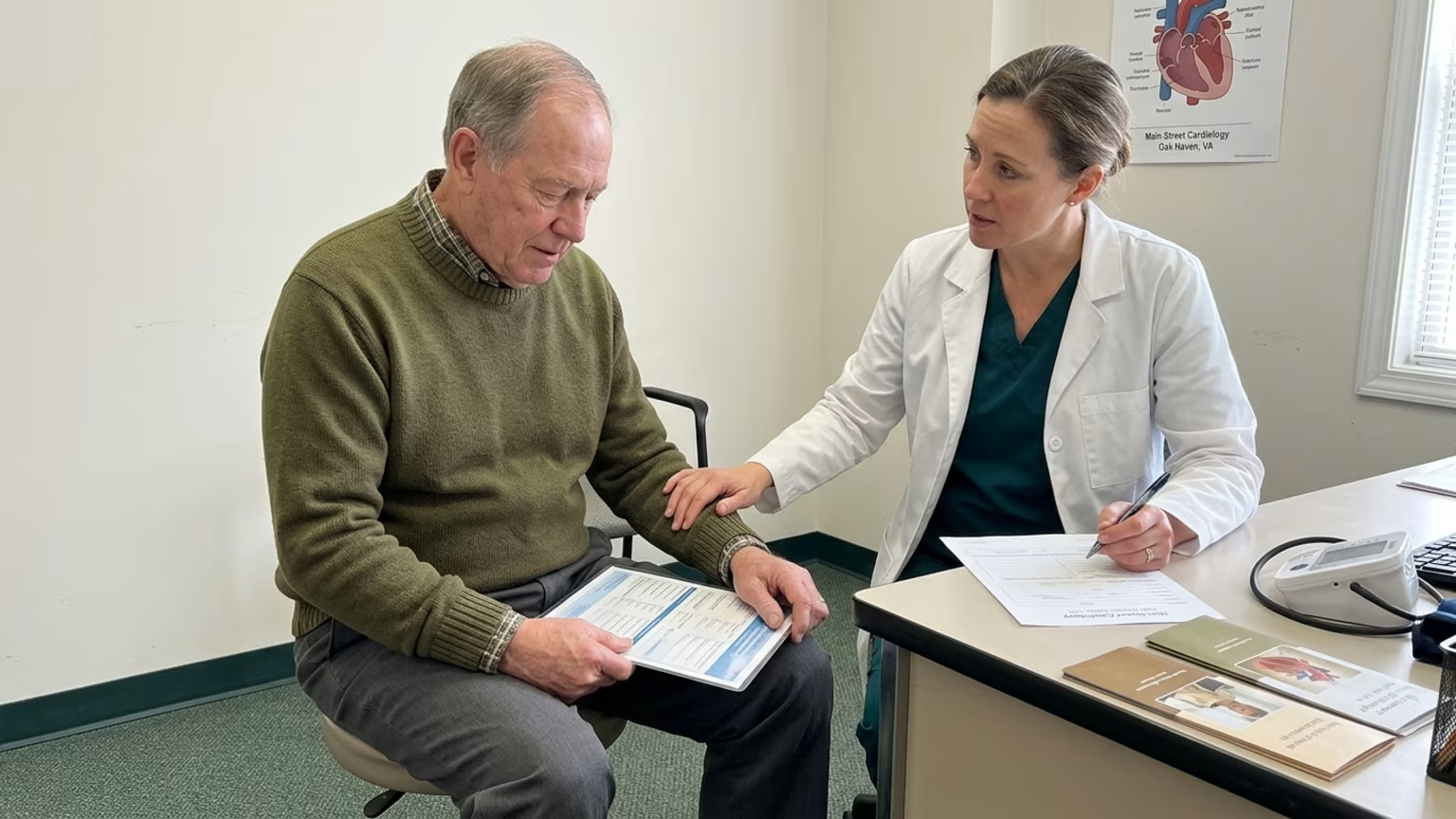
A recent Singapore study associates weaker grip strength and lower lean muscle mass with early left-atrial heart changes in older adults.

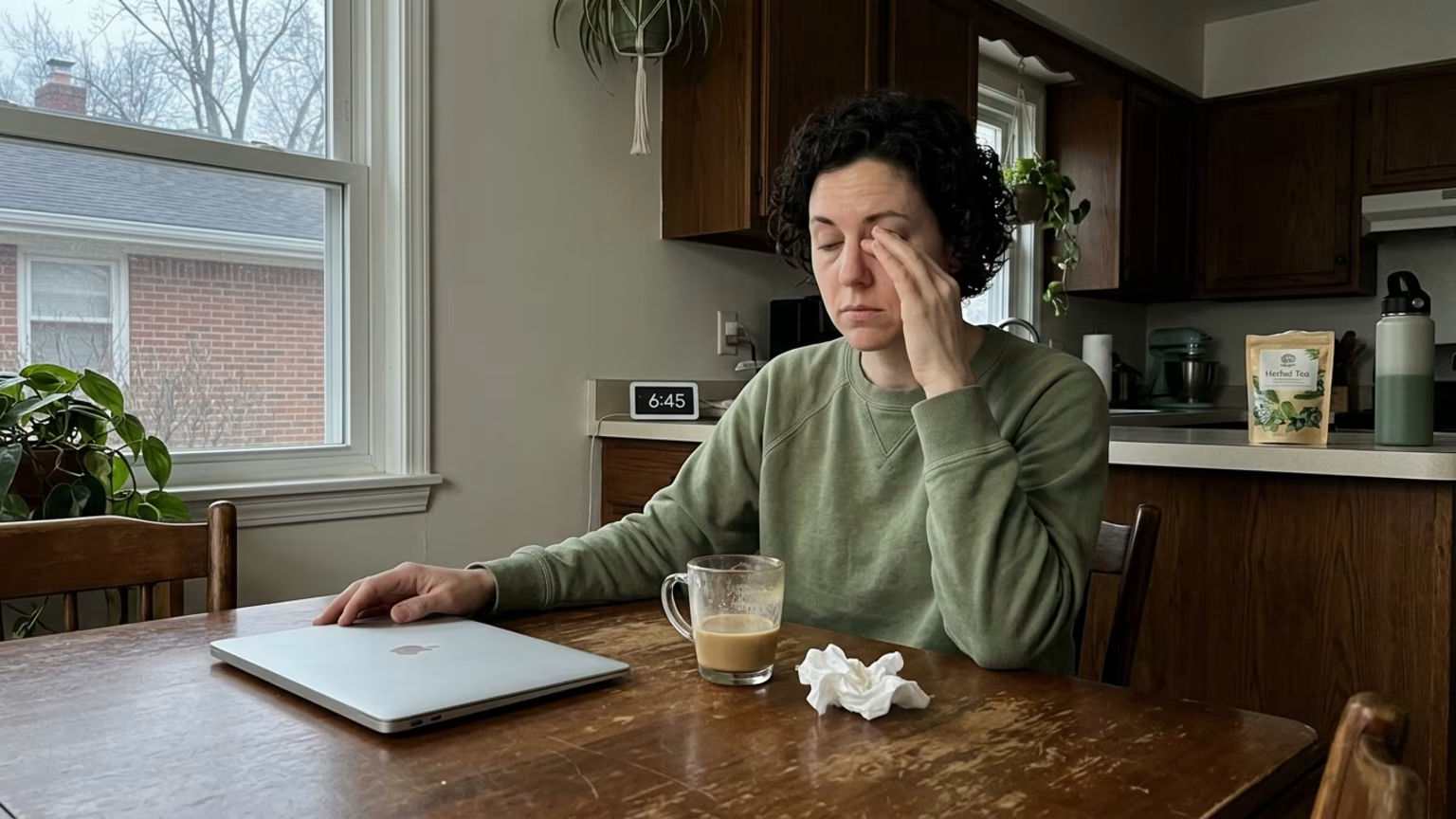
Texas A&M research highlights how genetics influence individual sleep needs. Learn why an eight-hour target may not fit everyone and how it impacts recovery.

Stanford neurosurgeon Odette Harris discusses treating concussion as a brain injury and addresses the overlooked effects of TBI in women veterans.
Build better habits around strength, recovery, sleep, hormones and healthy aging with practical guidance for active military personnel and veterans.
Explore BattleVet