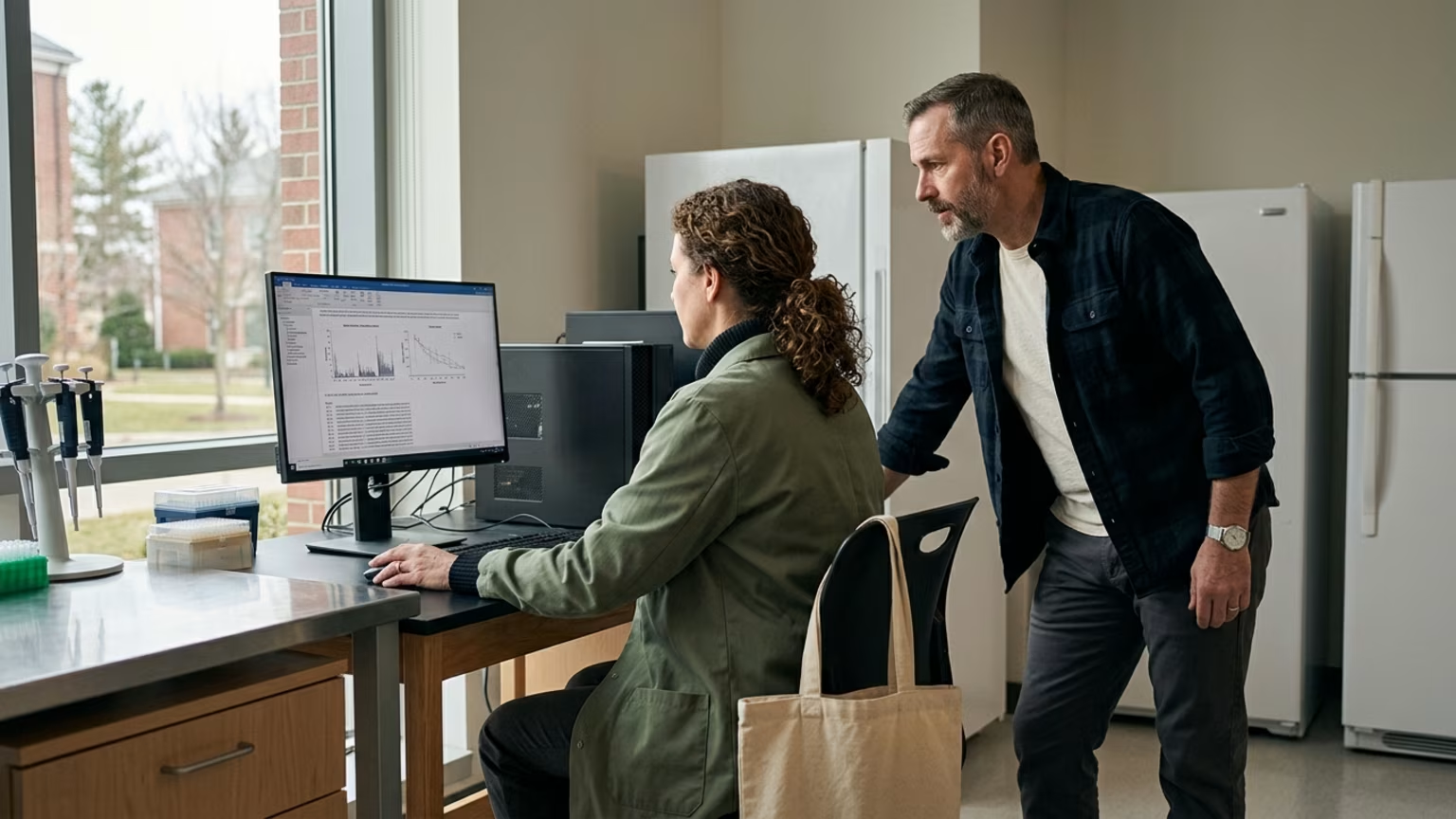

Sampled received a $27.1 million VA contract to expand the Million Veteran Program. Learn how this genetic data impacts veteran health research and care.





On September 28, 2026, Sampled announced a five-year contract valued at up to $27.1 million to conduct genomic analyses for the Million Veteran Program. The Department of Veterans Affairs awarded this contract to support ongoing research into the genetic factors affecting long term health. The announcement noted that Sampled has previously provided a variety of testing services for the initiative. These past services include array genotyping, long-read whole genome sequencing, DNA methylation analysis, and proteomics assays.
Sampled CEO John DelliSanti stated the renewed award reflects the company's scale and reliability in processing complex biological data. The primary research aim of the Million Veteran Program is to understand how molecular factors relate to health risks. Researchers examine how these biological markers interact with lifestyle choices and service-related experiences. This comprehensive approach helps the VA track long term patterns of disease across the veteran population.
Genomic research is a critical component of modern preventative medicine for former service members. The Million Veteran Program specifically investigates conditions like PTSD, cardiovascular disease, and certain cancers. These specific health issues frequently impact active personnel and veterans as they age. Understanding the biological foundations of these conditions requires massive amounts of genetic data.
Veterans often experience unique physical stress and environmental factors during their service. These occupational realities can interact with a person's baseline genetics in unpredictable ways. The VA uses large scale genomic analysis to map out how these variables combine over time. Identifying these patterns helps researchers understand why some veterans develop severe health conditions while others remain healthy.
Array genotyping and long-read whole genome sequencing provide different layers of biological information. Genotyping scans the genetic code for specific markers associated with known traits or diseases. Long-read sequencing offers a more complete picture of complex DNA structures. Combining these methods gives researchers a highly detailed map of a veteran's genetic makeup.
DNA methylation analysis and proteomics assays add even more depth to the research. Methylation analysis looks at how environmental factors might alter the way genes behave over time. Proteomics focuses on the proteins the body produces, which often indicate current health status. Together, these laboratory techniques offer a holistic view of how military service physically impacts the human body.
This research directly supports the long term goals of better clinical protocols. When medical professionals understand the genetic risk factors for cardiovascular disease, they can build better screening tools. The data gathered through the Million Veteran Program serves as a foundation for these future medical advancements. It is an investment in the future infrastructure of military health.
The newly announced contract ensures the VA has the technical capacity to process this information. Sampled brings specialized laboratory infrastructure to the project. Their public announcement highlights their CAP-accredited biobanking and CLIA-licensed laboratory operations. This level of technical capability is necessary to manage and protect the genetic material of over a million participants.
The maximum stated value of up to $27.1 million reflects the massive scale of this testing effort. This funding allows the continued processing of complex genomic arrays and biological samples. Maintaining a consistent testing pipeline ensures researchers have a steady flow of reliable data. Consistent data collection is the only way to track long term health trends accurately.
The VA originally launched the Million Veteran Program in 2011. Over the past fifteen years, it has grown into one of the most significant health databases in the world. The recent contract announcement from Sampled confirms the program has surpassed one million enrolled veterans. Building a database of this size requires sustained effort and participation from the military community.
More specific enrollment figures provide a clearer picture of the participant pool. A September 2026 account from The American Legion reported more than 1.1 million total enrollees. The demographic breakdown is heavily weighted toward male participants, reflecting historical military service patterns. The American Legion noted the enrolled group is 90 percent male and 10 percent female.
Diversity within the database is crucial for ensuring research findings apply to all veterans. The same report indicated that more than 25 percent of participants come from minority racial backgrounds. This demographic variety helps researchers identify genetic risk factors that might be unique to specific populations. A broad and representative sample size strengthens the validity of any resulting medical insights.
The sheer volume of genetic data allows researchers to isolate specific health trends. The VA reports that researchers used data from more than 585,000 male participants for a recent study. This massive sample size was necessary to develop and test a tool for identifying men at higher risk of prostate cancer. Evaluating half a million records gives scientists the statistical power to verify their findings.
The development of the prostate cancer tool illustrates how this data eventually impacts care. By analyzing records from over 585,000 men, researchers can identify subtle genetic patterns linked to the disease. The resulting tool is still under development and testing, rather than an active clinical service. However, it shows how raw genomic data translates into practical medical resources.
The program has also demonstrated success in identifying genetic markers for cardiovascular issues. The VA states that an earlier study successfully identified veterans with a genetic risk for familial hypercholesterolemia. Identifying these specific hereditary conditions across a large population helps the VA understand broader health patterns. These population level statistics guide the future direction of medical research.
This massive contract award highlights an important distinction for veterans managing their health. The VA explicitly notes that genetic data collected for the Million Veteran Program is strictly for research purposes. It is not intended to function as routine clinical care or personal medical screening. Veterans must clearly understand the difference between contributing to research and receiving personal healthcare.
Participation in the program does not replace your standard medical evaluations. The VA clarifies that genetic results are not routinely returned directly to participants. You will not receive a personalized health report detailing your risk for cancer or cardiovascular disease. The samples are coded and analyzed to spot statistical trends across the entire population.
If researchers identify a critical finding, strict protocols govern how that information is handled. In some cases, participants may be invited to join additional, more specific studies. The VA states that additional consent would be required before any individual result is provided to a veteran. Furthermore, any personal finding would need to be confirmed through a standard clinical laboratory test.
This separation means veterans must remain proactive about their own diagnostic testing. You cannot rely on a research database to alert you to a developing health condition. If you have concerns about your heart health or cancer risk, you need traditional clinical screenings. Maintaining your physical capability and healthy aging requires regular checkups with a doctor.
Veterans should view their routine healthcare and their research participation as two separate tracks. Relying on your doctor ensures you receive timely interventions and accurate medical advice. The genomic data you submit simply helps researchers build better diagnostic tools for the future. You still need an active strategy for your own recovery and physical restoration.
For those interested in contributing to the research, the enrollment process is highly accessible. The American Legion reports that program participation is open to veterans who served in the U.S. military with an honorable discharge. You do not need to be suffering from a specific medical condition to join. Healthy veterans provide essential baseline data for comparing disease outcomes.
You also do not need to rely on the VA for your primary medical care to participate. The American Legion notes that enrollment in the VA health system is not required. This allows veterans who utilize private insurance to contribute their genetic information to the database. Expanding the participant pool beyond active VA patients creates a more comprehensive dataset.
The physical process of submitting a sample is designed to be convenient. The American Legion describes blood sample collection as occurring through a participating VA medical center. Veterans can simply schedule an appointment to provide a sample in person. This straightforward process integrates easily into a normal routine.
If a veteran does not live near a medical center, they still have options. The American Legion also notes that blood collection can be handled through a mailed kit. This remote option ensures that geography does not prevent interested veterans from joining the effort. The program aims to capture data from every segment of the veteran population.
As massive genetic databases continue to expand through new laboratory contracts, how will these detailed population insights eventually reshape the way doctors screen former service members for complex diseases?
Follow BattleVet for practical guidance on military and veteran health, strength, recovery, testosterone, sleep and healthy aging. Stay connected for new articles, research backed insights and clear information to help you stay capable for the years ahead.


California signed new laws expanding reproductive healthcare access for veterans. Learn how to navigate these state changes alongside federal VA benefits.


Recent reviews show progressive muscle relaxation and biofeedback offer practical stress support but cannot replace clinical care for veteran PTSD or insomnia.

Recent Pentagon addresses signal a shift toward stricter military fitness standards. Learn how service members can adapt their training safely.
Build better habits around strength, recovery, sleep, hormones and healthy aging with practical guidance for active military personnel and veterans.
Explore BattleVet