

The VA’s 2026 Annual Report analyzes veteran suicide data through 2024, highlighting outcomes for enrolled and unenrolled veterans alongside protocol updates.





If you or a veteran you know is in immediate danger, call 911. For urgent mental health support, contact the Veterans Crisis Line. Call 988 and press 1. You can also text 838255 or use the online chat. The service is confidential, available around the clock, and open to veterans regardless of VA healthcare enrollment status.
On September 30, 2026, the Department of Veterans Affairs released its 2026 National Veteran Suicide Prevention Annual Report. The comprehensive document analyzes veteran suicide data spanning from 2001 through 2024. The VA identified 2024 as the most recent year with complete data available for this specific release. The department named suicide prevention as its top clinical priority and outlined its ongoing operational response.
The annual publication provides necessary clarity on the current state of veteran health outcomes. Healthcare access remains a central factor in managing physical and mental wellbeing after military service. The report highlights a growing reliance on dedicated medical infrastructure over the past two decades. The VA reported that the share of veterans enrolled with the Veterans Health Administration increased significantly since the early 2000s.
In 2001, only 19.5 percent of the veteran population maintained VHA enrollment. By 2024, that figure grew to 50.1 percent of the veteran population. This shift means that half of modern former service members now interact with the VA system in some capacity. Understanding this baseline is critical for evaluating modern military health programs and support frameworks.
However, the data reveals a stark division in health outcomes based on system enrollment. A large segment of the community remains disconnected from routine medical support and designated clinical resources. This gap creates distinct challenges for public health officials managing veteran life outcomes across the country. The findings emphasize that clinical connection plays a material role in shaping long term health trajectories.
The latest release provides a precise accounting of mortality statistics for the 2024 calendar year. The VA recorded 6,488 veteran suicide deaths in 2024. This annual total equates to an average of 17.7 deaths per day across the nation. The figures require careful analysis to understand the underlying patterns of healthcare access and medical utilization.
A key finding centers on the relationship between recent medical care and crisis outcomes. The report states that 62 percent of veterans who died by suicide in 2024 were not receiving VA healthcare. This metric specifically means they had not utilized the VA system in the year they died or the prior year. This statistic underscores the difficulty of reaching individuals who operate entirely outside the established medical network.
The publication details diverging long term trends between different segments of the veteran population. From 2001 to 2024, the suicide rate for VHA enrollees fell by 2.2 percent. During that exact same period, the suicide rate for unenrolled veterans rose by 70.8 percent. The VA presents these figures as observational comparisons rather than absolute proof of direct causation.
This divergence between the two groups continued in the most recent reporting period. From 2023 to 2024, the suicide rate decreased by 4.8 percent among VHA enrollees. Over that same single year timeframe, the rate increased by 3.7 percent among unenrolled veterans. These contrasting metrics form the foundation of the department's current operational strategy.
The VA also tracks specific utilization metrics to measure the reach of its clinical interventions. Through August 2026, the department completed more than 5.5 million suicide risk screenings. This figure represents an increase of approximately 100,000 completed screenings compared to 2025. These routine evaluations help healthcare professionals identify individuals who may require additional clinical support.
The Veterans Crisis Line saw increased activity during the most recent fiscal tracking period. The VA reported that the crisis line handled more than 1.3 million calls, chats, and texts in fiscal year 2026 through the reporting date. This volume marks an increase of more than 7 percent over the comparable prior year period. The department noted that veteran satisfaction with this specific service was consistently above 97 percent.
Community integration remains a major component of the overall support structure. The VA detailed the broad reach of its Staff Sergeant Parker Gordon Fox Suicide Prevention Grants Program. This specific initiative awarded 112 million dollars to 191 separate community organizations. Through these Fox grantees, about 17,000 veterans, service members, and family members received targeted services in 2025.
Emergency provisions also show high utilization rates among the veteran population. The VA stated that nearly 50,000 veterans used the emergency suicide prevention benefit since 2023. This benefit allows individuals to access care at both VA and non-VA facilities during critical situations. These figures demonstrate the scale of the infrastructure required to manage national health operations.
The updated report reinforces established protocols for individuals seeking immediate clinical intervention. The VA confirmed that every VA healthcare facility provides veterans with same-day access to emergency mental health care when needed. This specific policy aims to remove administrative barriers and scheduling delays for urgent medical requirements. Veterans seeking professional evaluation do not need a scheduled appointment to receive initial support at these locations.
Understanding the proper channels for crisis management remains essential for former service members and their families. Standard clinical protocols emphasize the importance of creating a safe personal environment during difficult periods. Developing a clear safety plan with the assistance of a healthcare provider is a standard medical recommendation. Coordinating with a trusted person to restrict access to lethal means is also a vital component of managing acute stress and resilience challenges.
Recognizing the high percentage of unenrolled individuals, the department is actively adjusting its outreach strategy. In February 2025, the VA partnered with civilian healthcare providers through the Veterans Interoperability Pledge. This program helps private sector clinicians identify at-risk veterans and connect them with appropriate VA care. The release indicated this specific effort helped the VA identify and contact 140,000 at-risk veterans.
This civilian partnership targets the exact population driving the increased mortality rates. According to the department, 40 percent of those 140,000 identified individuals had not recently been to a VA facility. Expanding the screening process into the private sector represents a structural shift in national healthcare policy. VA Secretary Doug Collins stated the department is actively seeking to enroll more veterans and expand prevention training.
The department also highlighted necessary changes to the military separation timeline. In May 2025, the VA and the Department of War signed a formal memorandum of understanding. This agreement was designed specifically to improve the transition process for veterans leaving active military service. Establishing medical connections before a service member returns to civilian life is a priority for the department.
The transition from active duty to civilian life introduces significant changes to medical access. Leaving the military means leaving a structured, mandatory health system. Rebuilding that medical framework in the civilian world requires proactive effort from the veteran. By improving the administrative transition process, federal agencies aim to prevent dangerous gaps in routine medical care.
With new initiatives expanding risk screenings into private civilian healthcare networks, how will early identification shape veteran health outcomes over the next decade? Will the stark difference in outcomes between enrolled and unenrolled veterans drive a complete restructuring of how transition services connect service members to routine medical care?
Follow BattleVet for practical guidance on military and veteran health, strength, recovery, testosterone, sleep and healthy aging. Stay connected for new articles, research backed insights and clear information to help you stay capable for the years ahead.


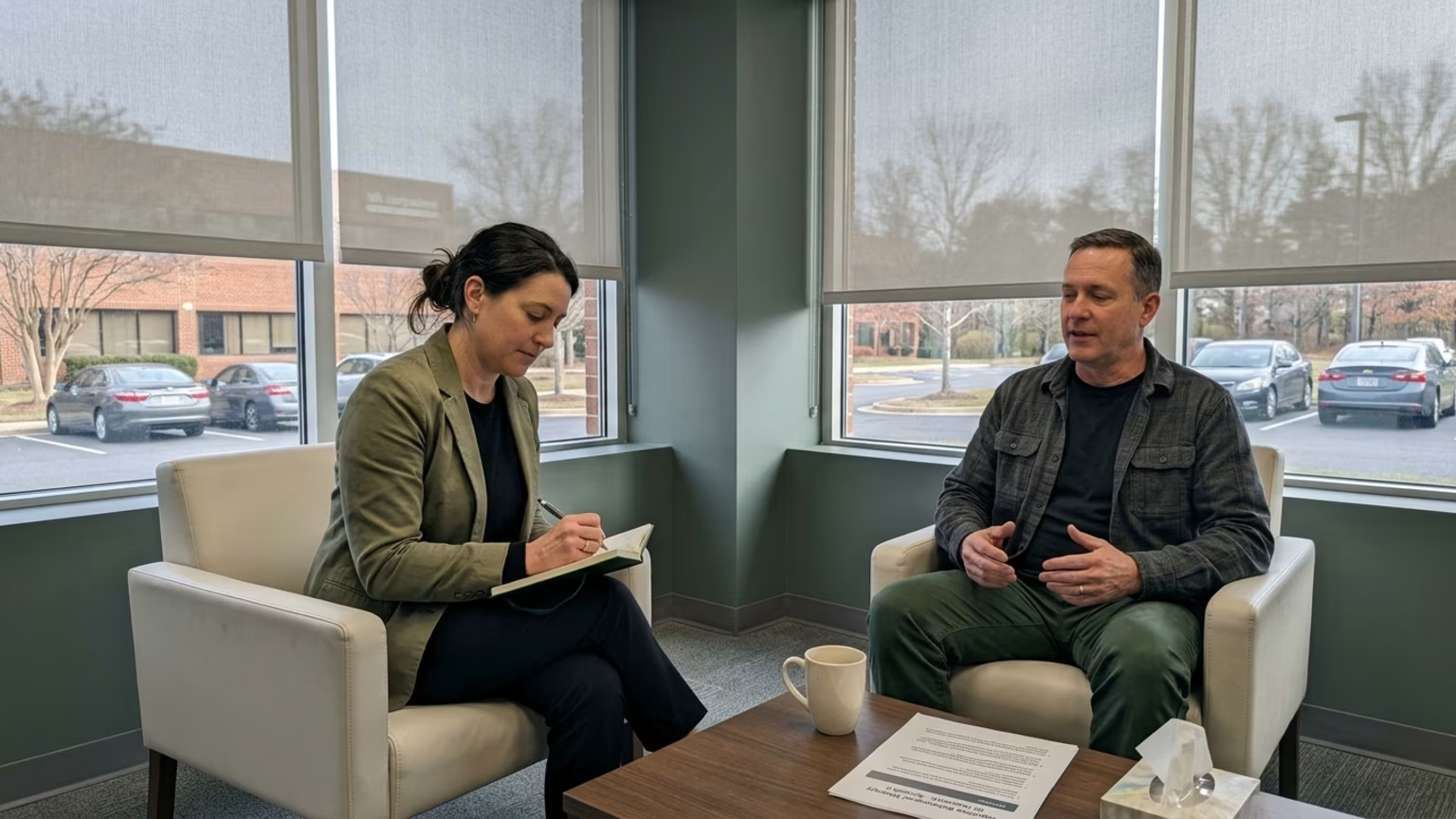
Military.com reports the VA offers an average six-session behavioral treatment for chronic insomnia. Learn how veterans can access this non-drug care option.

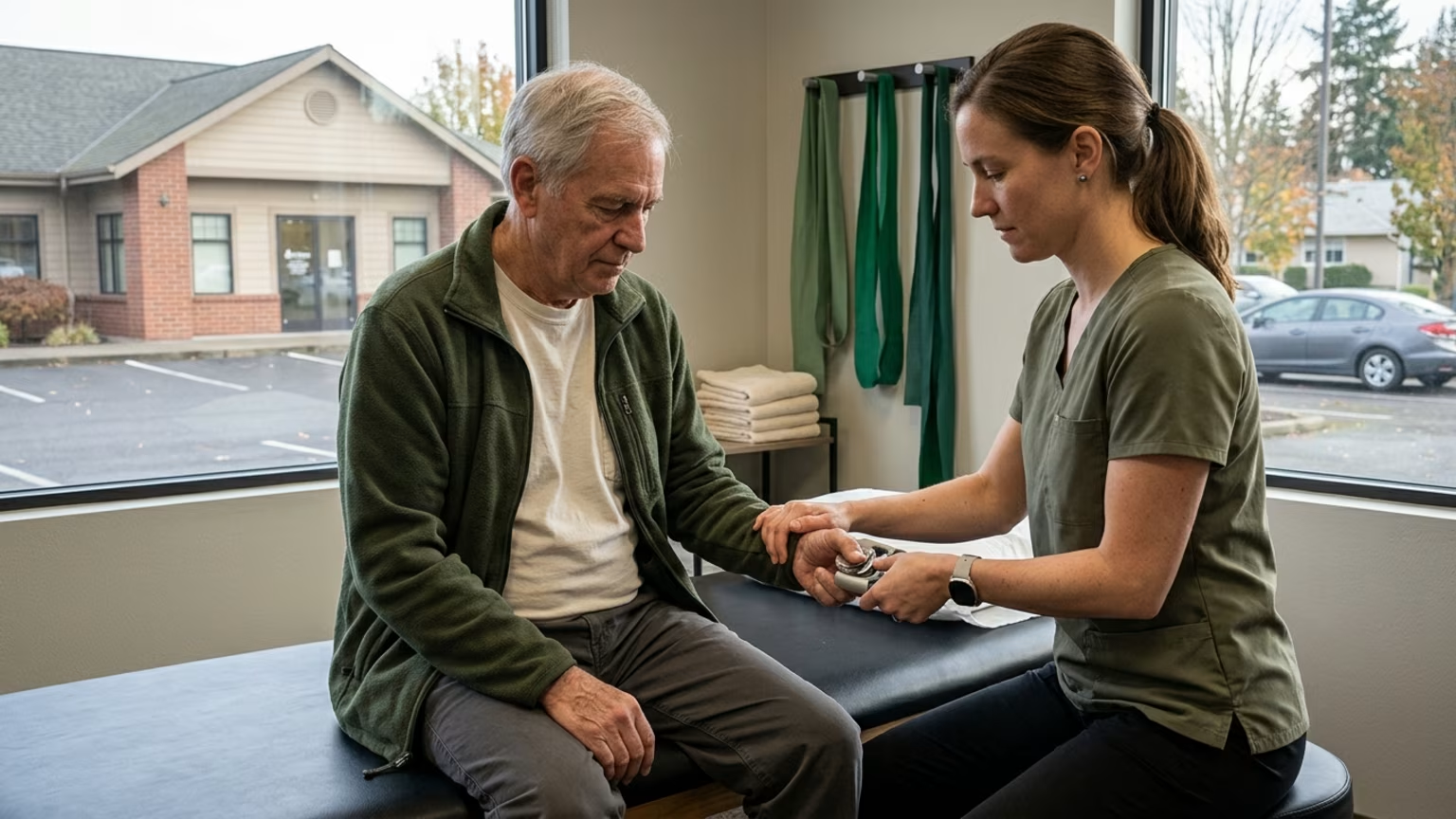
A Nature Aging study explains how aging muscle trades power for protection. Learn what this biological shift means for veteran health and strength training.
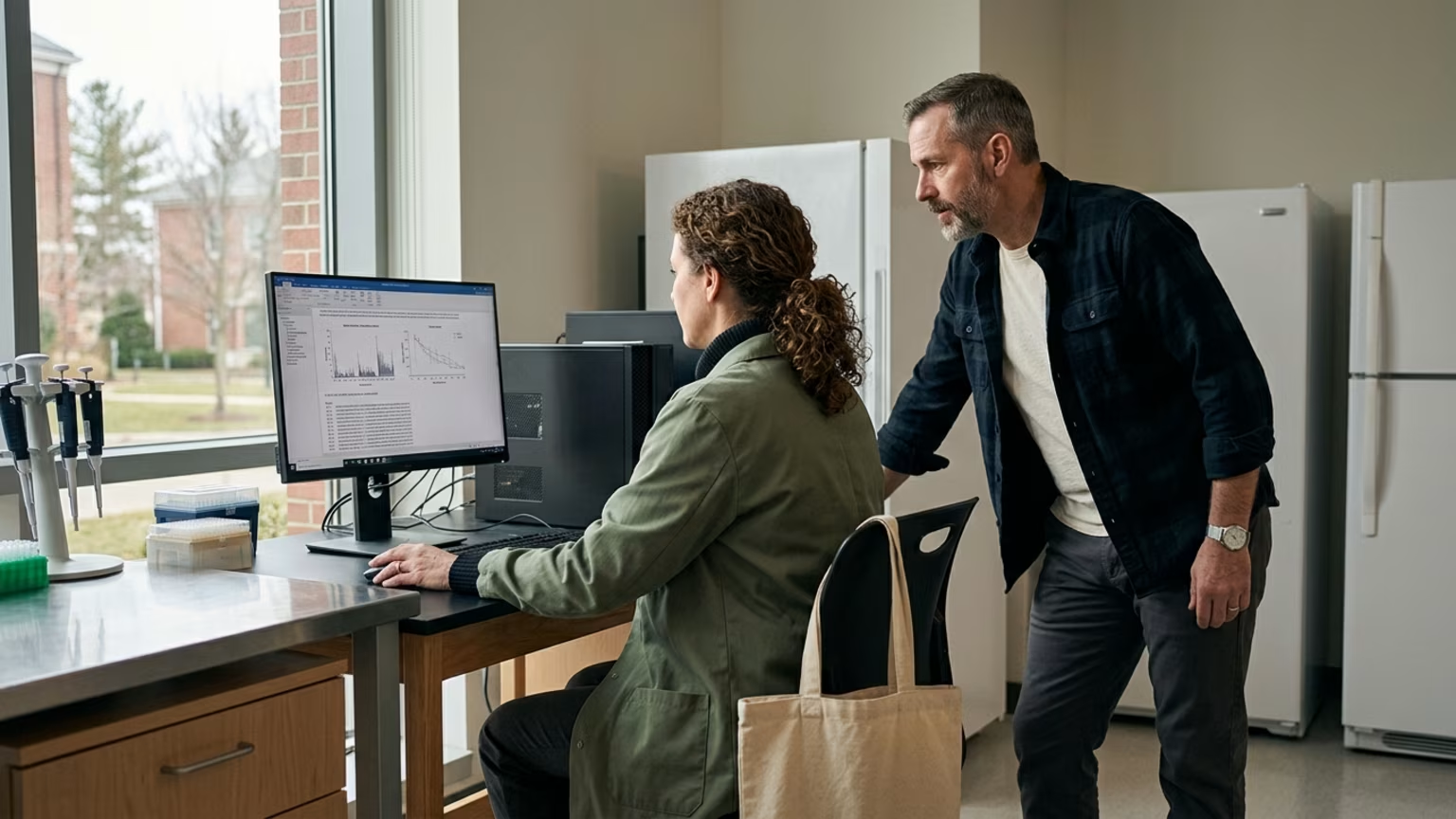
Sampled received a $27.1 million VA contract to expand the Million Veteran Program. Learn how this genetic data impacts veteran health research and care.
Build better habits around strength, recovery, sleep, hormones and healthy aging with practical guidance for active military personnel and veterans.
Explore BattleVet