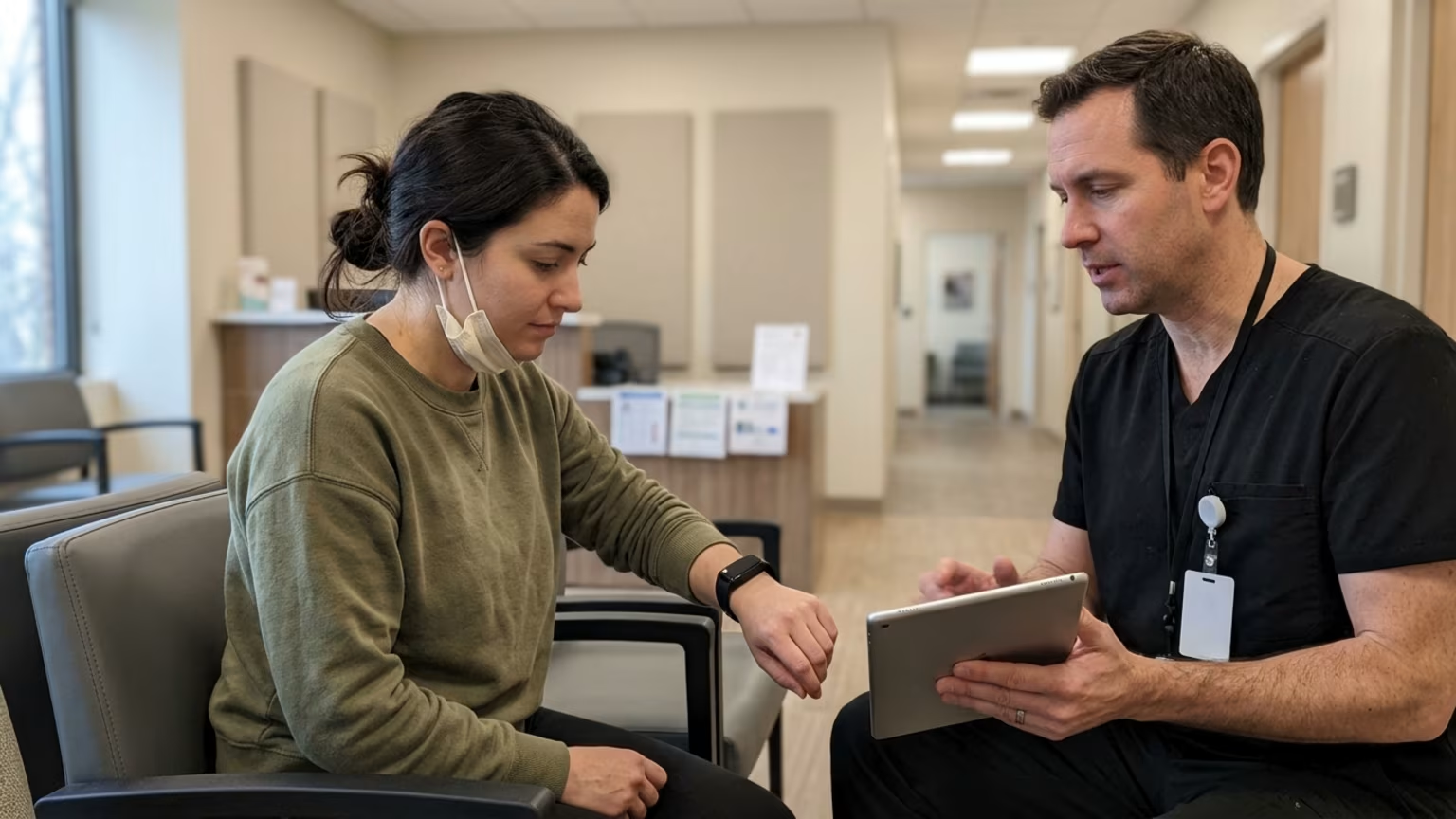

Reviewing the September 2026 missile strike in the Strait of Hormuz, and why returning to duty requires ongoing monitoring for traumatic brain injuries.





NBC News reported that eight U.S. Marines were injured when an Iranian anti-ship cruise missile struck a vessel they were operating on in the Strait of Hormuz. This event took place on September 14, 2026. The news account, which Anadolu Agency relayed, cited three unnamed U.S. officials. The officials detailed that the reported injuries included smoke inhalation and possible traumatic brain injuries.
These officials described concussion-like symptoms among the personnel, including headaches. However, they stated that the Marines were not seriously injured. The group consisted of seven enlisted Marines and one officer. They were serving with a battalion landing team at the time of the strike.
Officials noted that the vessel involved was not a U.S. Navy ship. They did not identify the specific type of vessel the Marines were operating on. The officials reported that all eight Marines returned to duty shortly after the attack. This rapid return to duty is a common initial outcome in military incident reports.
This incident highlights a familiar reality in modern military operations and active duty health tracking. Initial reports often focus on immediate survival and basic functional capacity. The physical force of a missile strike creates shockwaves that travel through the body. These waves can disrupt delicate tissues, including the endocrine system and neurological pathways.
Service members might not realize that a blast can impact sleep patterns and hormone regulation over time. This is why immediate clearance to return to duty is only the first step in the recovery process. True recovery requires observing how the body responds in the days following the event. The fact that these Marines returned to duty is a positive sign for their immediate physical capability.
However, returning to duty does not mean a medical situation is fully resolved. It is essential to distinguish between a reported symptom and a confirmed clinical diagnosis. The available public coverage does not establish whether the Marines received subsequent medical evaluation. It also does not clarify what clinical criteria were used to return them to duty.
Anadolu Agency reported that the Marines were added to the Pentagon’s Defense Casualty Analysis System nearly ten days after the strike. A U.S. official attributed this reporting delay to the possibility that symptoms may appear later. The official also noted that the casualty system does not update in real time. This reporting gap illustrates why service members must pay close attention to their own physical baselines.
Public casualty tallies do not always reflect immediate health realities. Anadolu Agency reported that the system listed 861 injured U.S. service members in the conflict as of the Wednesday before its September 28 article. The news outlet also noted that the Pentagon has faced growing scrutiny over casualty figures since the conflict began in February. However, the article did not establish that this scrutiny changed any reporting practices.
In our experience at BattleVet, recognizing a shift in your physical baseline is critical for long term health. I remember waking up after a poor night of sleep and realizing that my training recovery was taking much longer than it used to. I realized that readiness is more than just pushing through the fatigue. It requires a dedicated approach to sleep and hormonal health, which completely shifted how I view long term capability.
The same principle applies to recovering from concussive forces and environmental exposures. Service members often brush off headaches or fatigue as normal operational stress. When an official report describes injuries as not serious, it can create pressure to ignore lingering issues. We know that concussion-like symptoms require careful, ongoing observation.
Blast waves affect the body in ways that are not always visible on the first day. This makes proper documentation and continued medical evaluation essential for protecting your long term operational capability.
This event reinforces current guidance on how military medical teams handle possible mild traumatic brain injuries. A report of concussion-like symptoms is a starting point for evaluation rather than a final diagnosis. The initial medical assessment clears a service member for immediate duty based on basic functional tests. It does not replace the need for thorough follow up care.
Personnel exposed to blasts must be monitored closely for days or weeks after the event. The delay in the casualty database update serves as a practical reminder for active personnel. Symptoms of a mild traumatic brain injury can take time to fully manifest. Headaches, sleep disruptions, and cognitive fatigue might not peak until well after the adrenaline wears off.
If you experience a blast event, you must report any changes in your physical or mental state. Early documentation is vital for both immediate treatment and future healthcare planning. Current health protocols emphasize that physical performance testing alone is not enough to clear a brain injury. Service members need comprehensive screenings that assess balance, memory, and visual tracking.
We encourage readers to review Military & Veteran Health Resources to better understand these standard assessment procedures. You should never assume that clearance to work means your brain has fully healed. Consistent medical monitoring protects your health as you continue your career.
Smoke inhalation also requires ongoing respiratory monitoring and a careful approach to physical readiness. The immediate coughing or shortness of breath might subside quickly after leaving the affected area. However, lung tissue can remain inflamed for quite some time. This unseen inflammation can impact aerobic capacity and lower overall physical performance.
Active personnel should track their endurance carefully during physical training in the weeks following any smoke exposure. Any unexplained drop in cardiovascular fitness should prompt a visit to a medical provider. Incorporating rest is just as important as maintaining your physical fitness routines. You can learn more about balancing training and recovery by reading our Training and performance Articles.
The body needs adequate time to repair respiratory tissues before returning to high intensity exercise. Pushing too hard too soon can delay your full recovery. The way we think about physical recovery must include time for the nervous system to stabilize. Proper Recovery and physical restoration Resources show that rest becomes even more critical after a concussive event.
The brain needs high quality sleep to repair minor damage and restore normal cognitive function. Pushing through exhaustion can disrupt this natural healing process and worsen your initial symptoms. Prioritizing rest is a basic requirement for maintaining your operational capability.
A traumatic brain injury, even a mild one, can interfere with hormone production and regulation. The pituitary gland is highly vulnerable to the mechanical forces of a blast wave. If you experience persistent fatigue or mood changes after a concussive event, it is worth discussing endocrine testing with your doctor. You can find more information on this topic in our Testosterone and hormones Articles.
Monitoring these systemic markers ensures that hidden injuries are not overlooked during your routine physical exams. Long term brain health is a major component of a successful life after military service. Ignoring minor concussions during active duty can compound into serious cognitive issues later in life. Getting evaluated properly today prevents small problems from turning into permanent limitations.
Treating every head injury with respect is the best way to protect your future capabilities. The way the Pentagon tracks these injuries is subject to changes in classification and reporting. The Anadolu Agency report noted that the Defense Casualty Analysis System does not update instantly. This administrative reality means that service members must be their own best advocates for medical documentation.
If the system takes time to register an injury, you must ensure your personal medical file is accurate and up to date. Veterans reading about this incident should view it as a reminder to document everything. Many former service members deal with health issues that trace back to unrecorded blast exposures. If you are preparing to leave the military, ensure every headache or period of fatigue is in your medical file.
Having a clear paper trail makes a massive difference when you eventually transition to civilian healthcare systems. As the military continues to refine how it tracks delayed injuries, the process of evaluating blast exposures will likely evolve. Medical teams are learning that the immediate aftermath of a strike only tells part of the story. The delayed reporting of these specific injuries raises important points about our current medical tracking systems.
Will future screening protocols incorporate mandatory, long term follow ups to catch symptoms that emerge weeks after an initial return to duty?
Follow BattleVet for practical guidance on military and veteran health, strength, recovery, testosterone, sleep and healthy aging. Stay connected for new articles, research backed insights and clear information to help you stay capable for the years ahead.


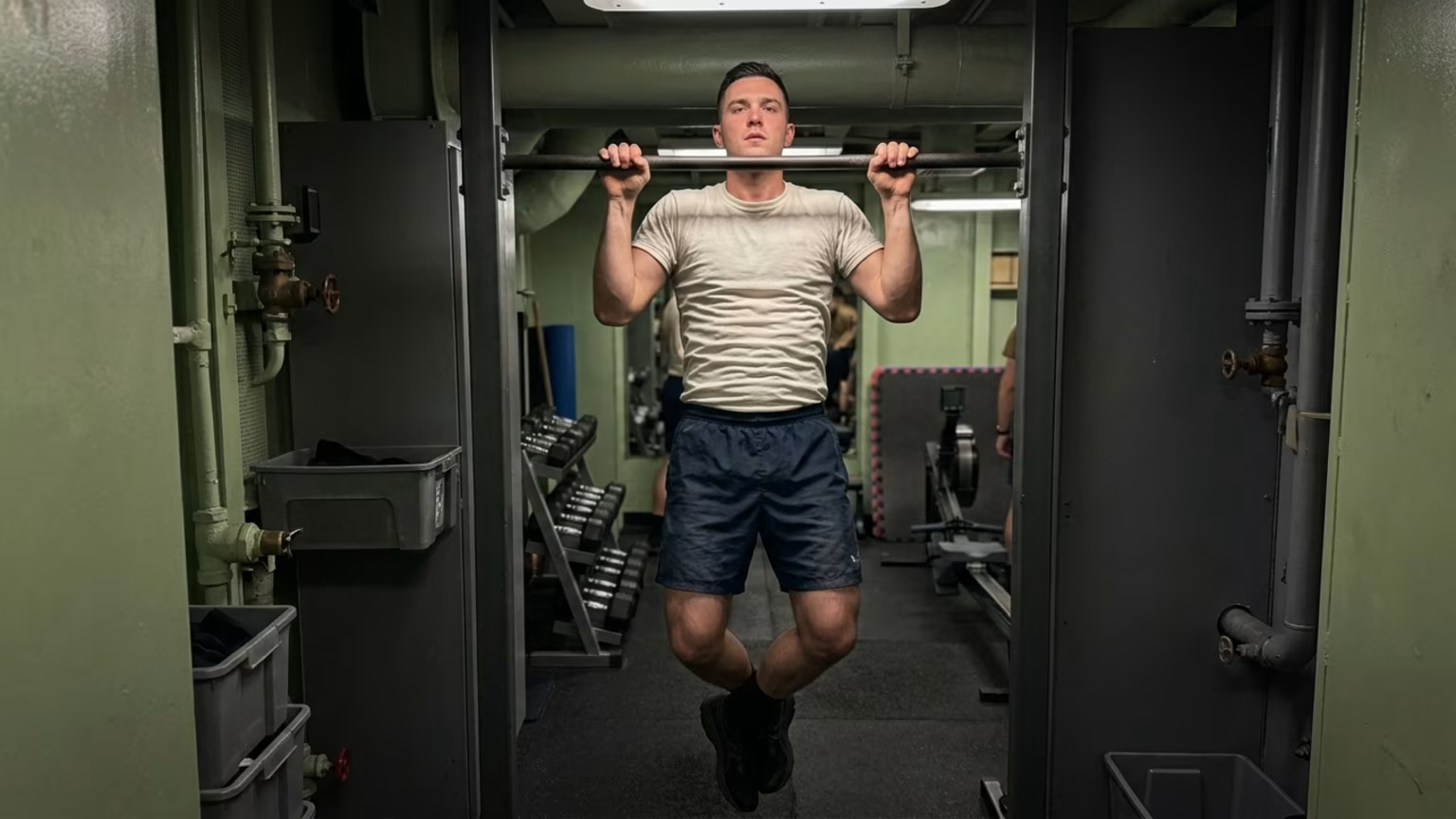
Recent reports highlight how sailors maintain strength and cardiovascular training during submarine deployments using limited space and minimal equipment.

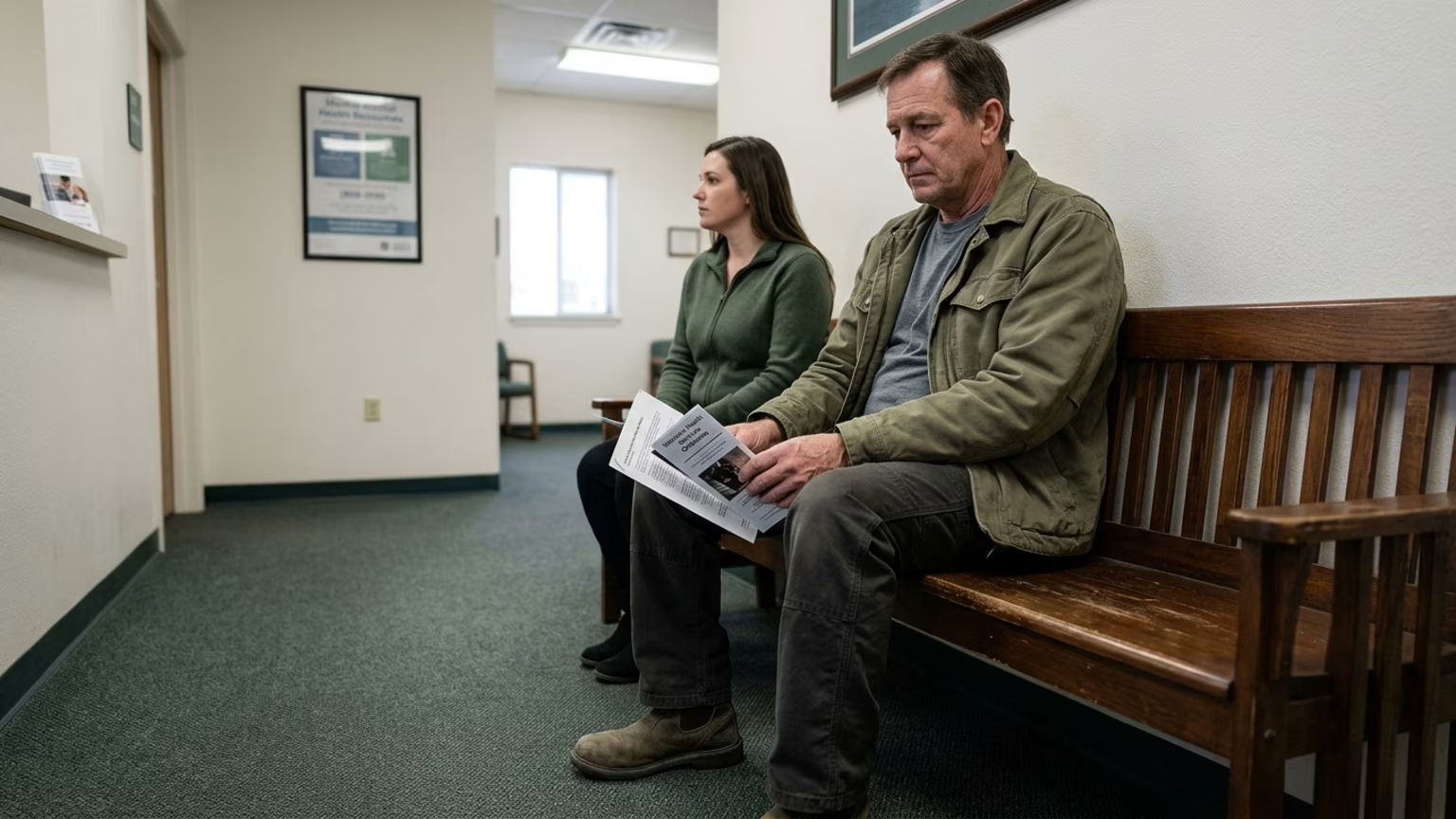
Oklahoma lawmakers recently reviewed access barriers and average mental health appointment waits for veterans. Learn how these factors impact health decisions.

NYU Langone Health details an integrated preventive care model for veterans, connecting primary care, nutrition, and mental health support during transition.
Build better habits around strength, recovery, sleep, hormones and healthy aging with practical guidance for active military personnel and veterans.
Explore BattleVet