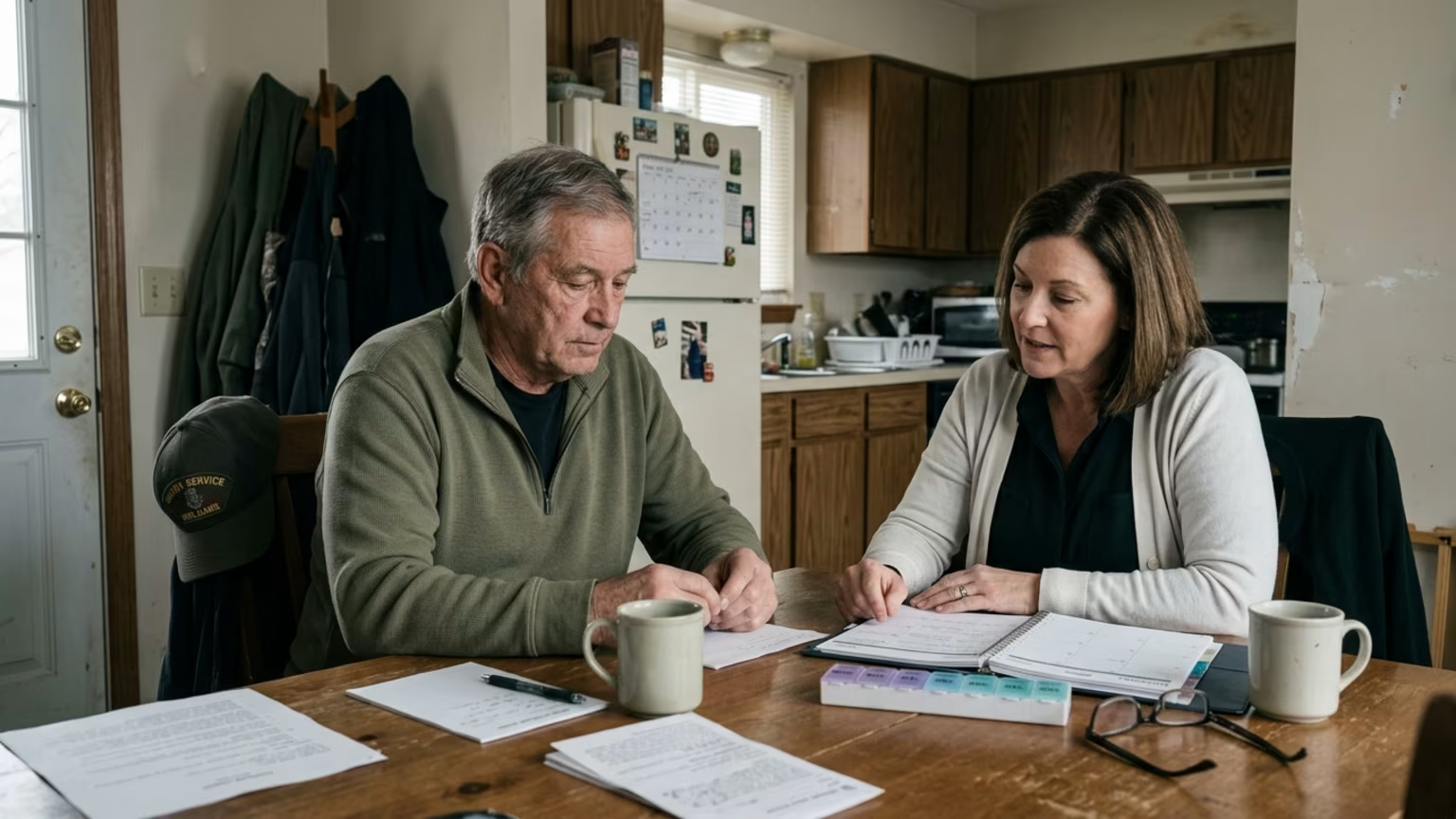
A large veteran study links PTSD and documented social needs to later cognitive impairment, reinforcing the value of connected care planning.

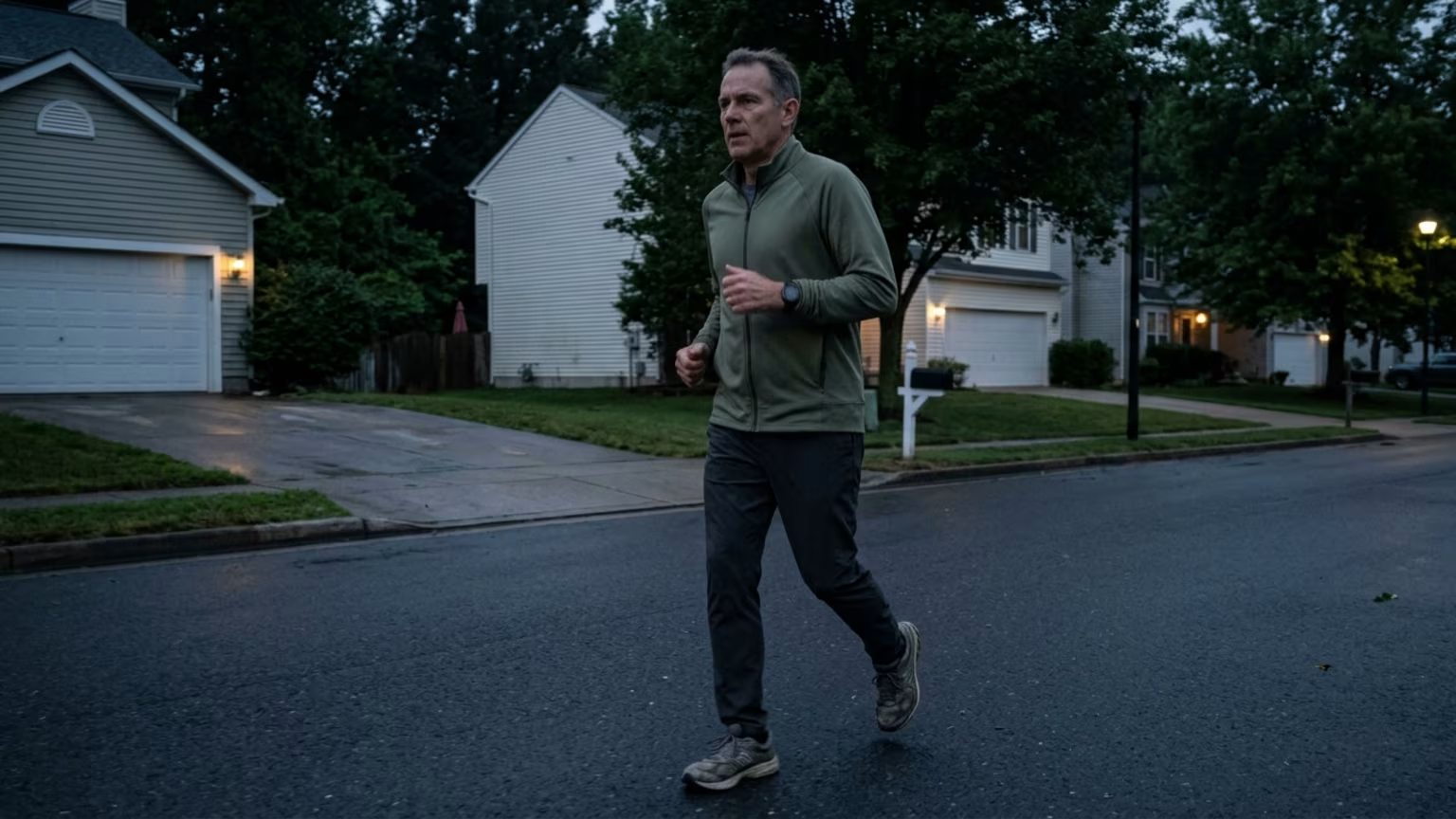
A 2026 meta-analysis links physical activity to improved cellular aging markers. Read how these findings influence long term veteran physical capability.

A 14-year observational study links two hours of weekly resistance training to lower cardiovascular disease and heart attack risks in women aged 48 to 66.
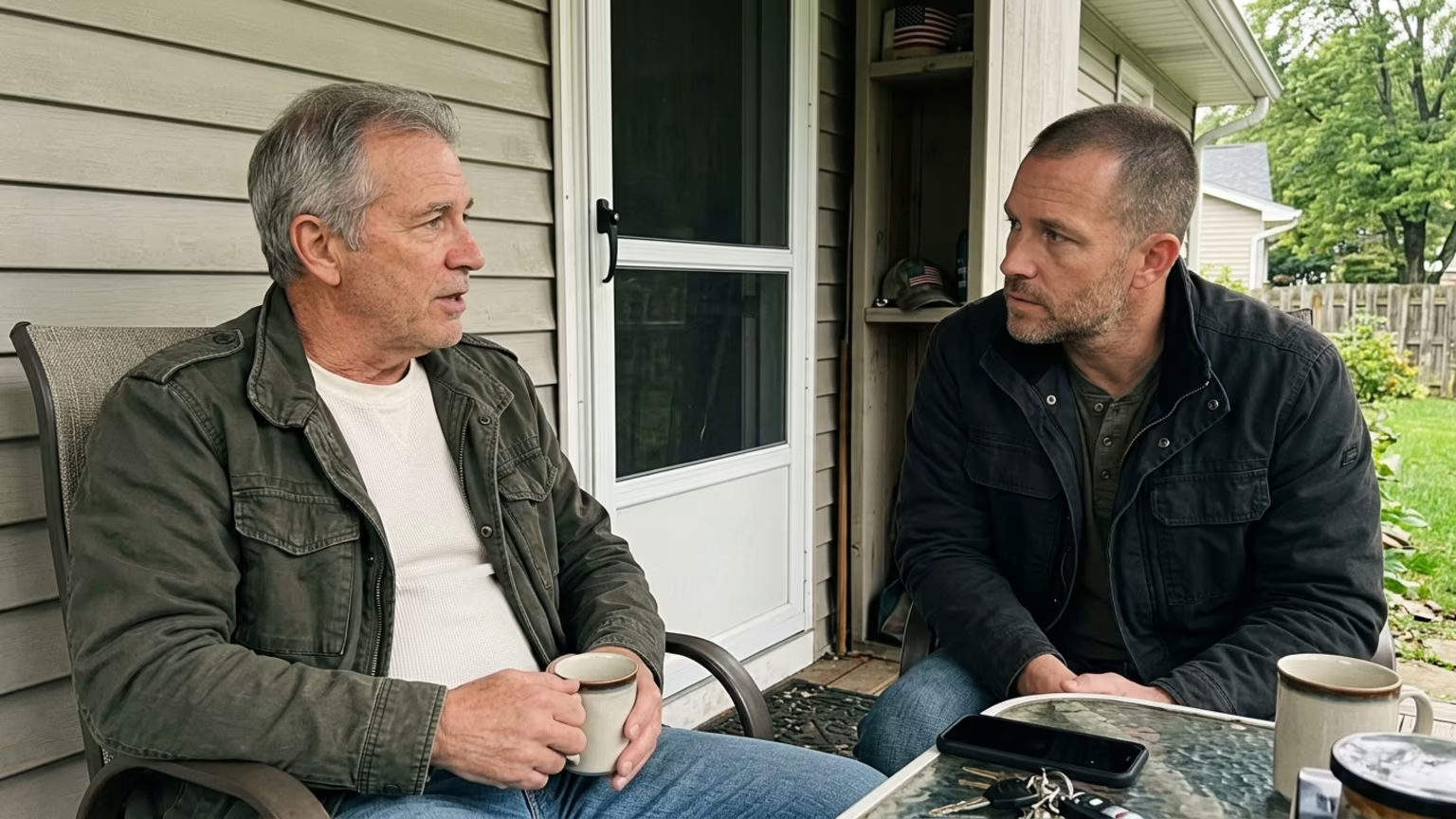
Duke-NUS research identifies major shifts in immune-cell gene activity around ages 40 and 60. Learn what these nonlinear biological changes mean for veteran health.
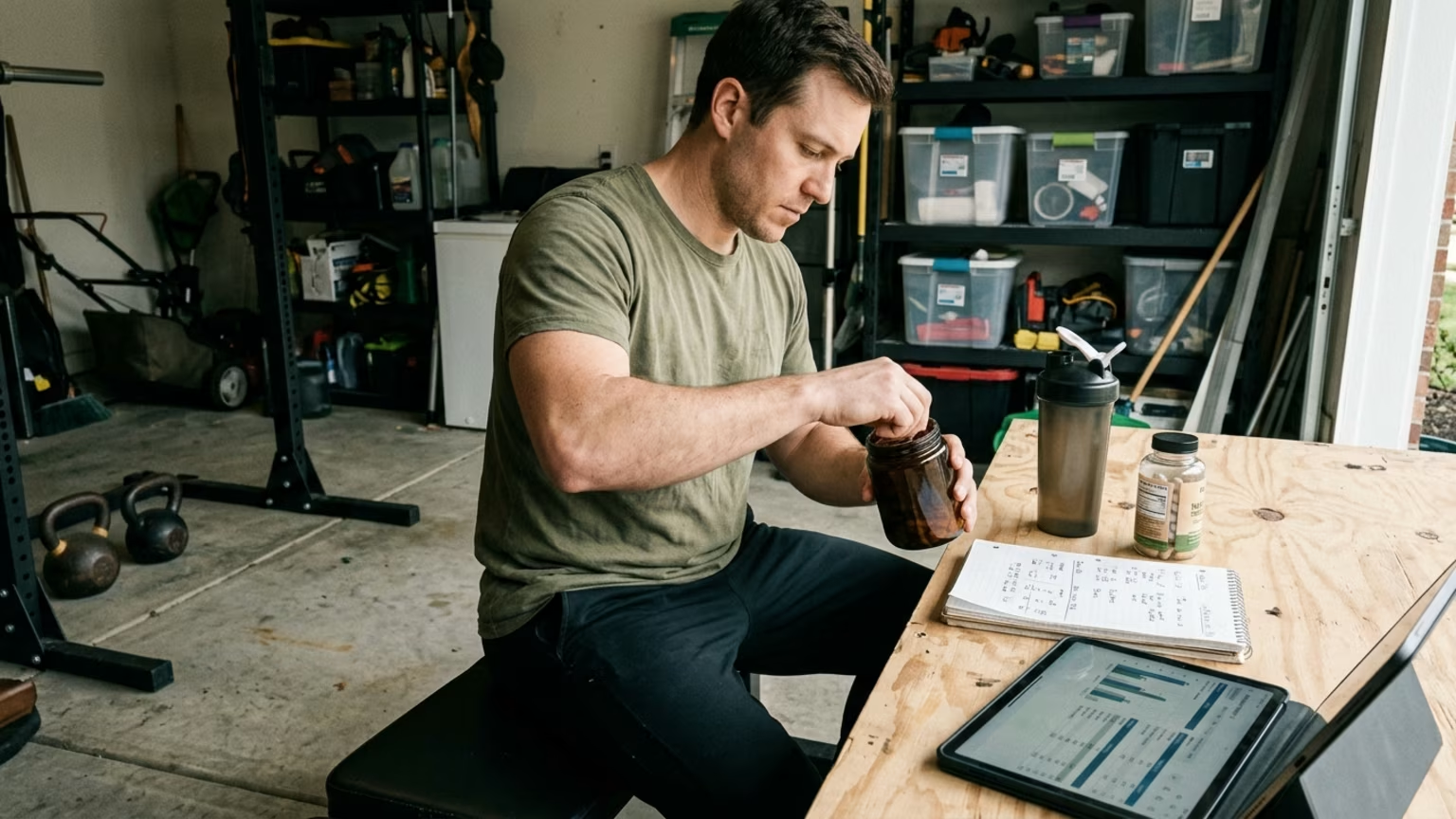
A 90-day randomized trial reported that AshwaSR improved strength and endurance in active adults. Learn what this specific evidence means for veteran health.
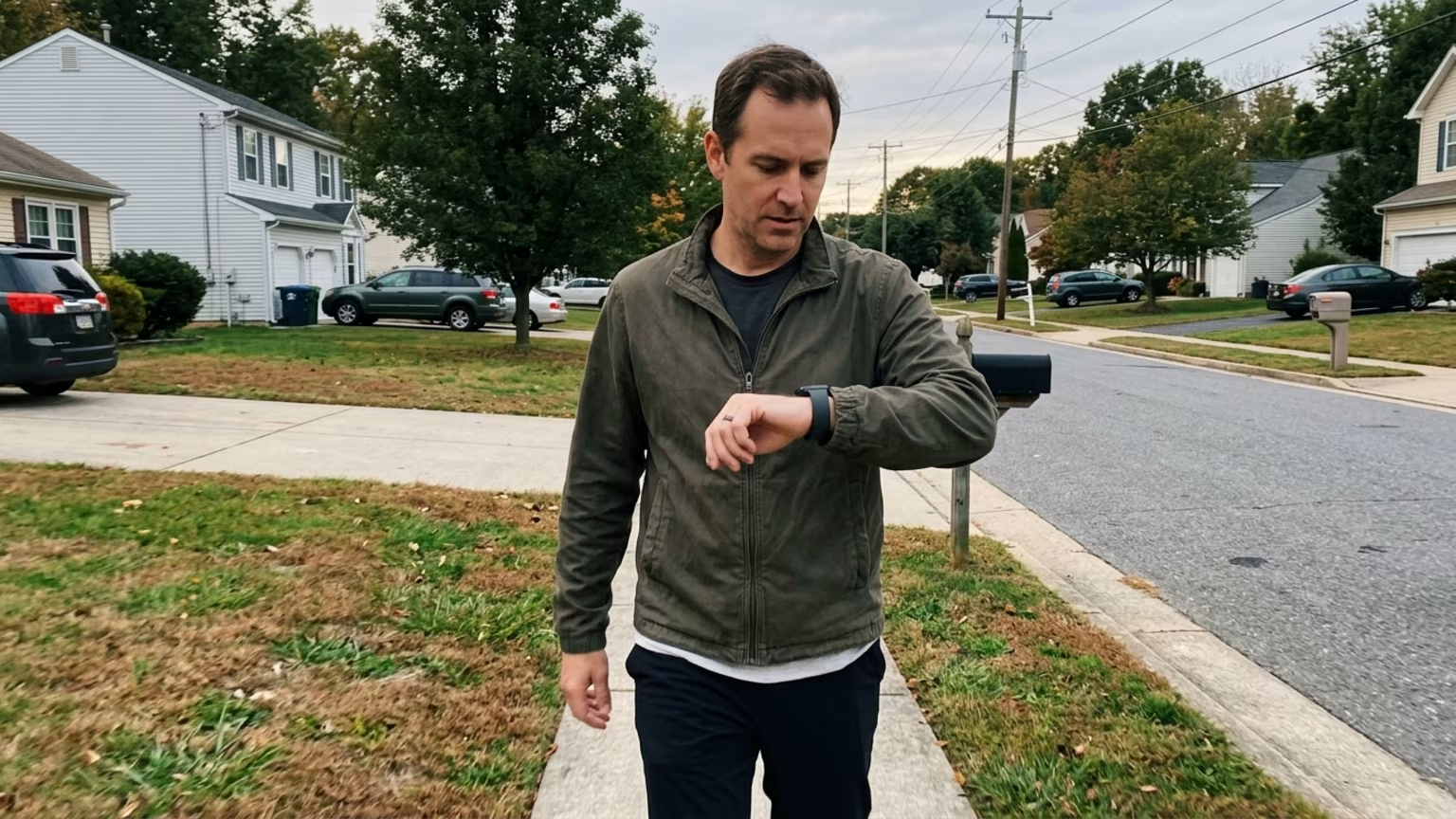
A 2026 NUS Medicine study analyzed wearable data to show how replacing 30 minutes of daily sitting with light activity can improve cardiometabolic markers.
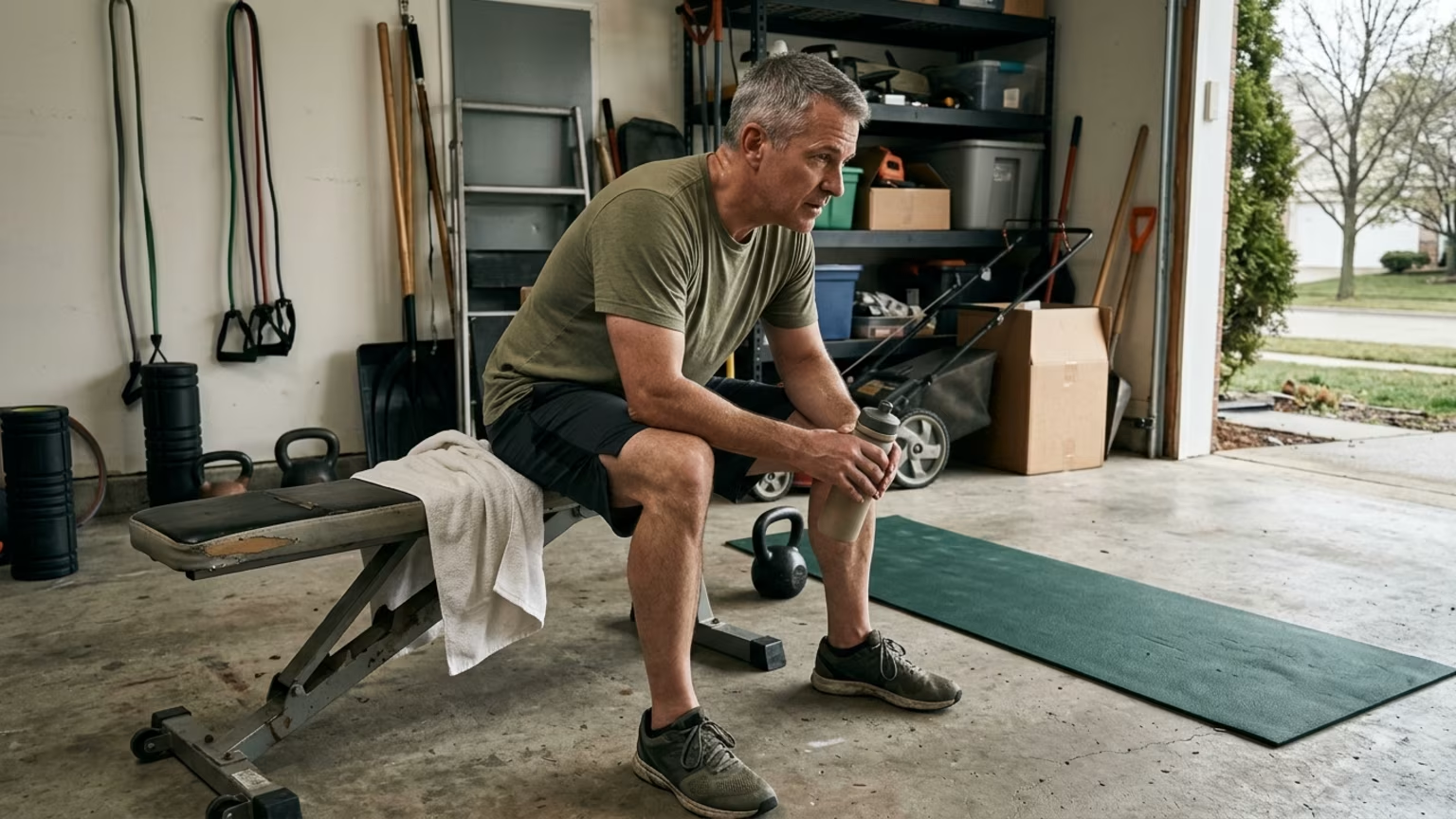
The 2026 NeuroFit trial found that three months of combined aerobic and resistance training significantly improved mood in midlife adults, without short-term cognitive gains.
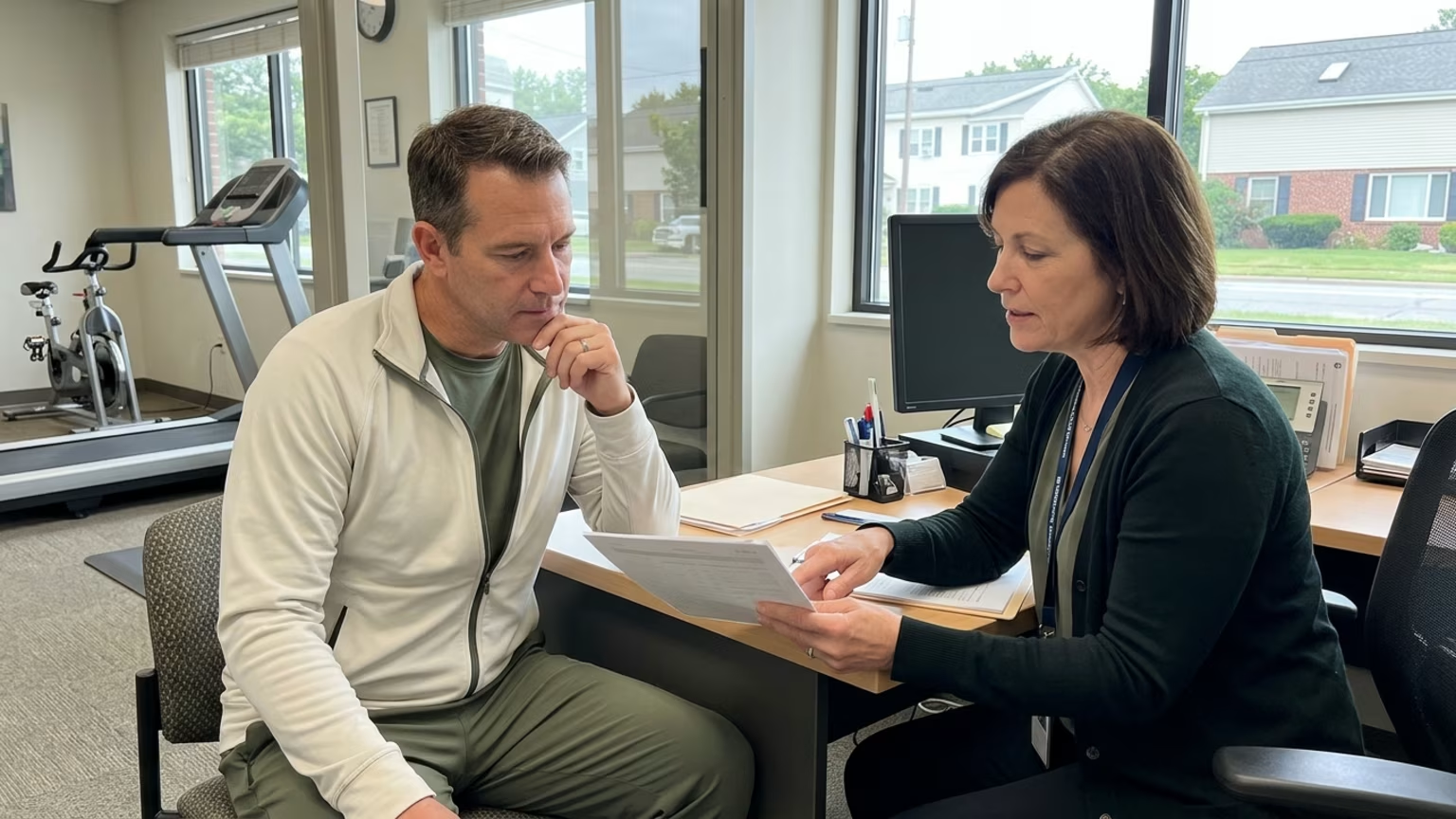
A recent study associates 9 to 10 hours of weekly exercise with lower cardiovascular risk. Experts advise veterans to use 150 minutes as a practical baseline.

A 2026 cohort study links balance, lower-body strength, and aerobic fitness to lower mortality risk in older adults, offering key insights for veteran health.
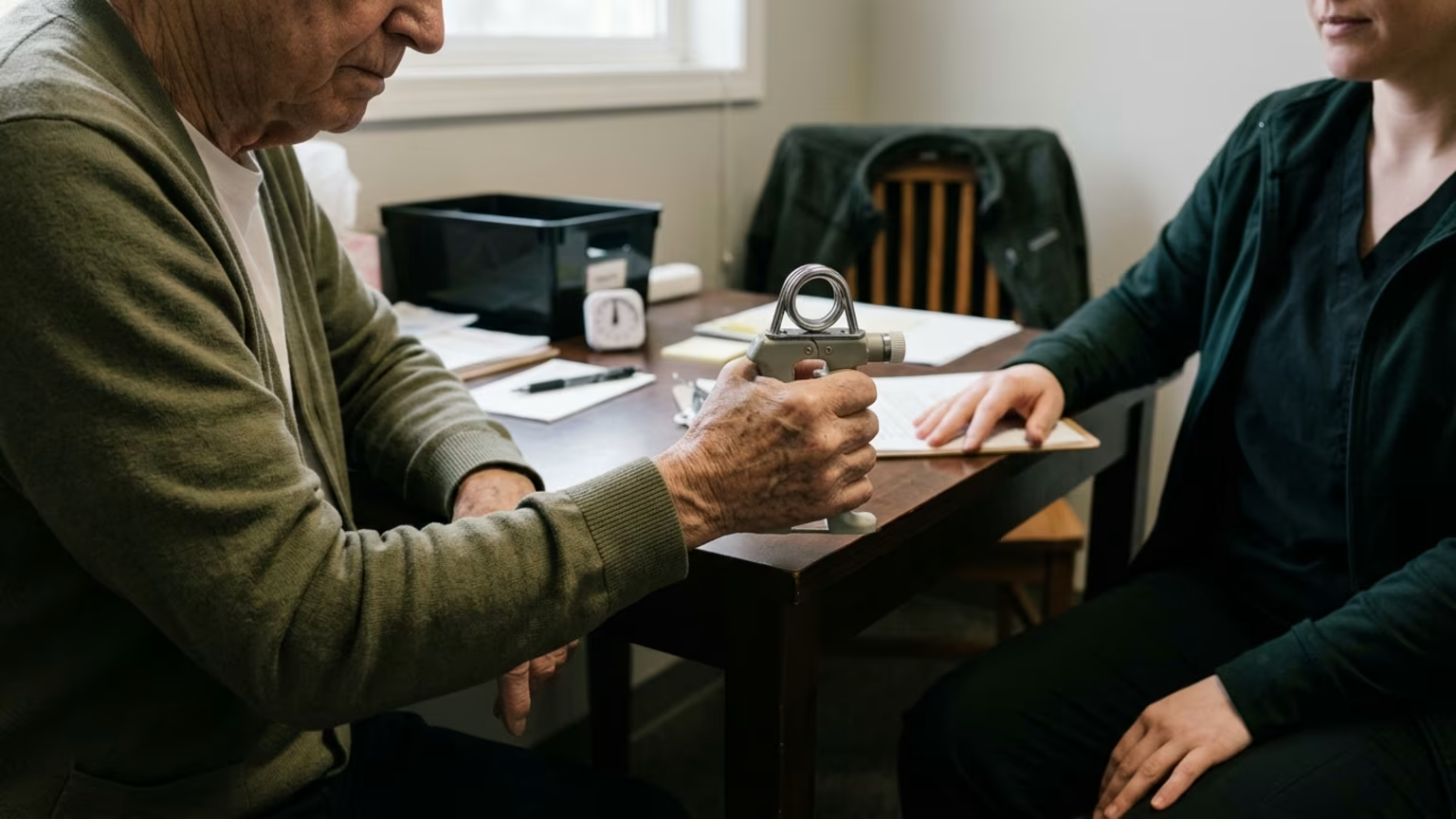
Recent reporting highlights how neural coordination may contribute to age-related handgrip weakness. Learn why proven strength and aerobic routines still matter.
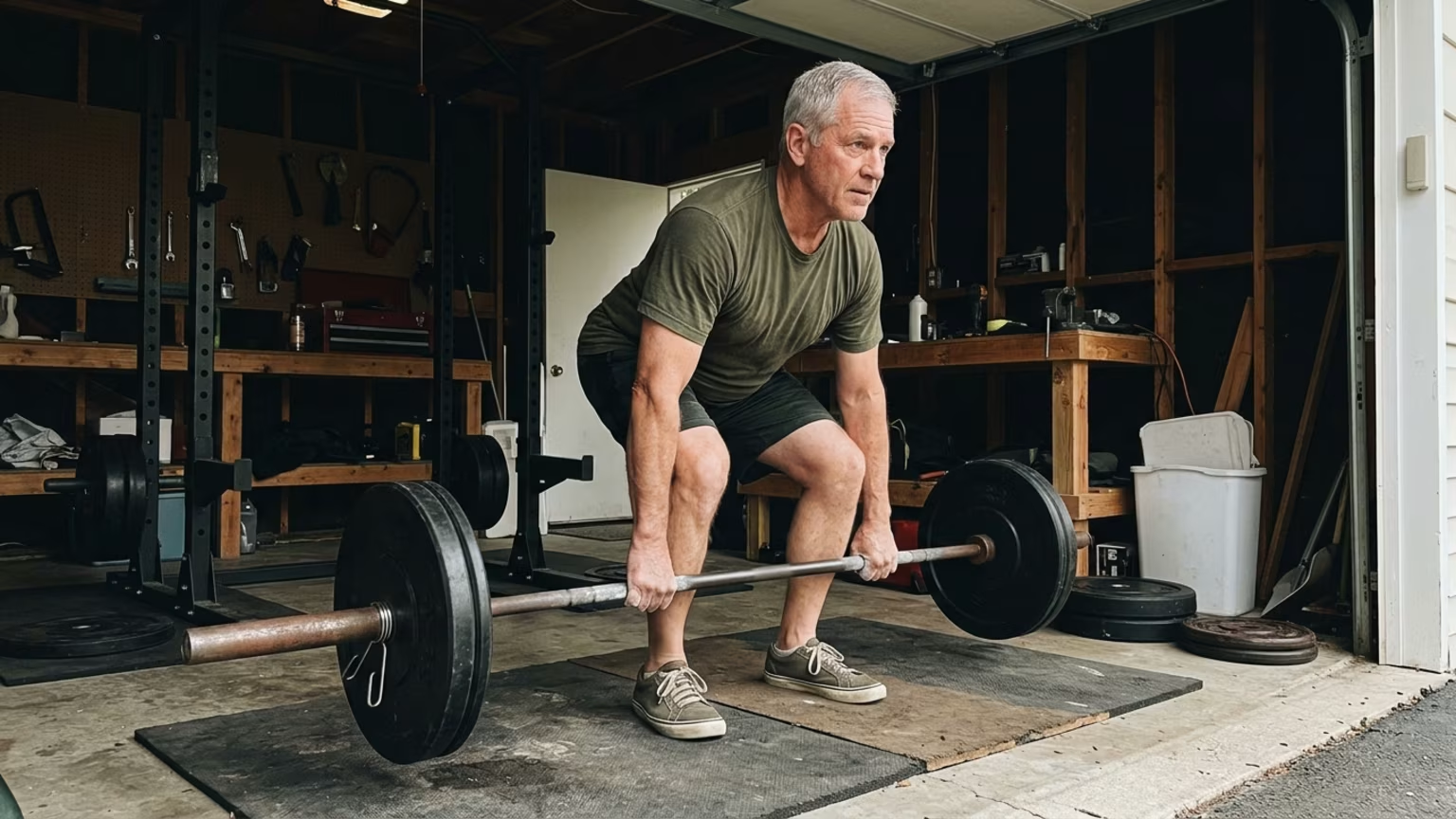
A recent 12 week trial reveals that high intensity lifting produces better lower body strength gains than blood flow restriction routines for older men.
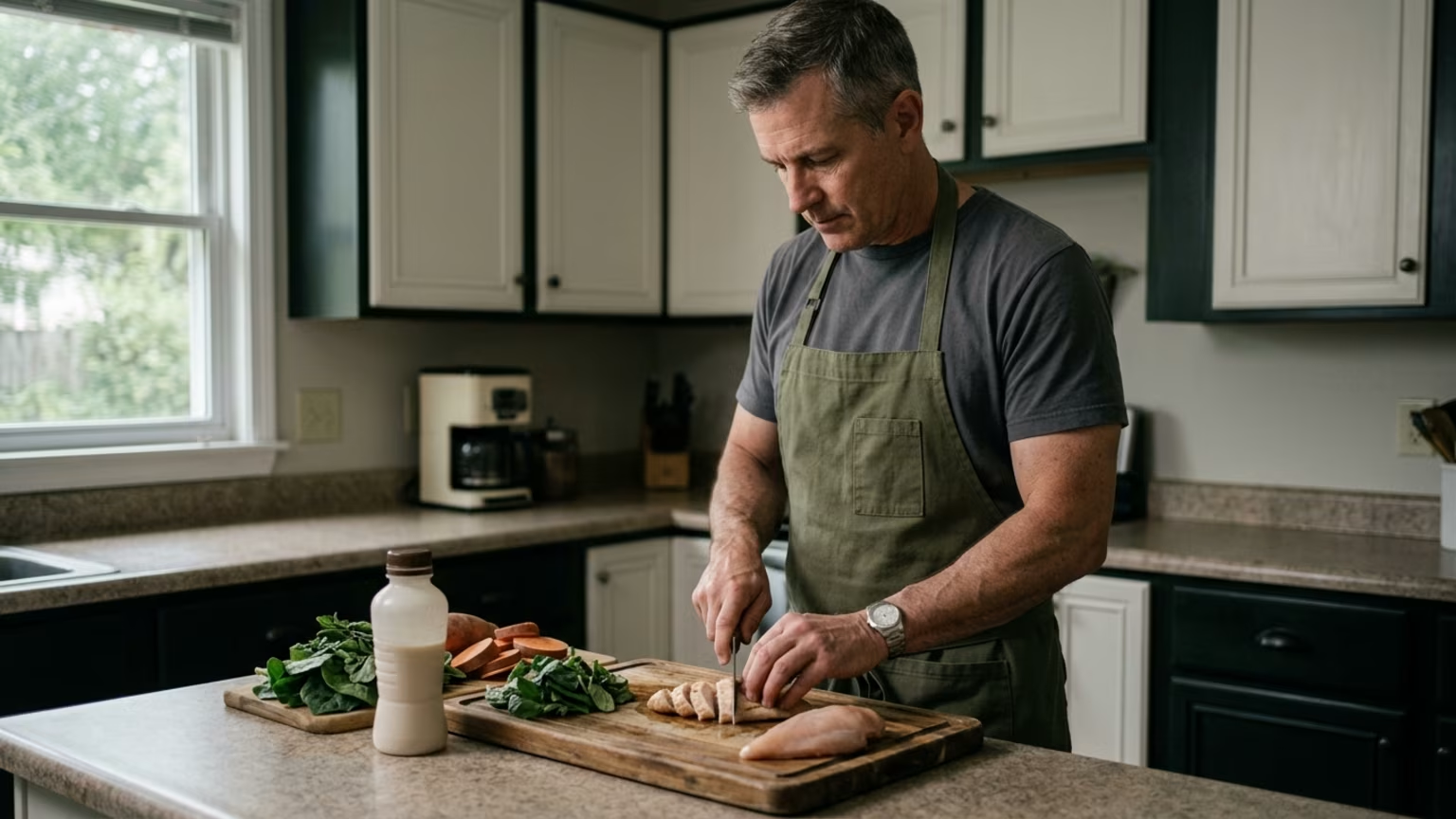
Learn how veterans can preserve muscle health and prevent sarcopenia with clinical strategies for resistance training, endurance work, and targeted protein intake.
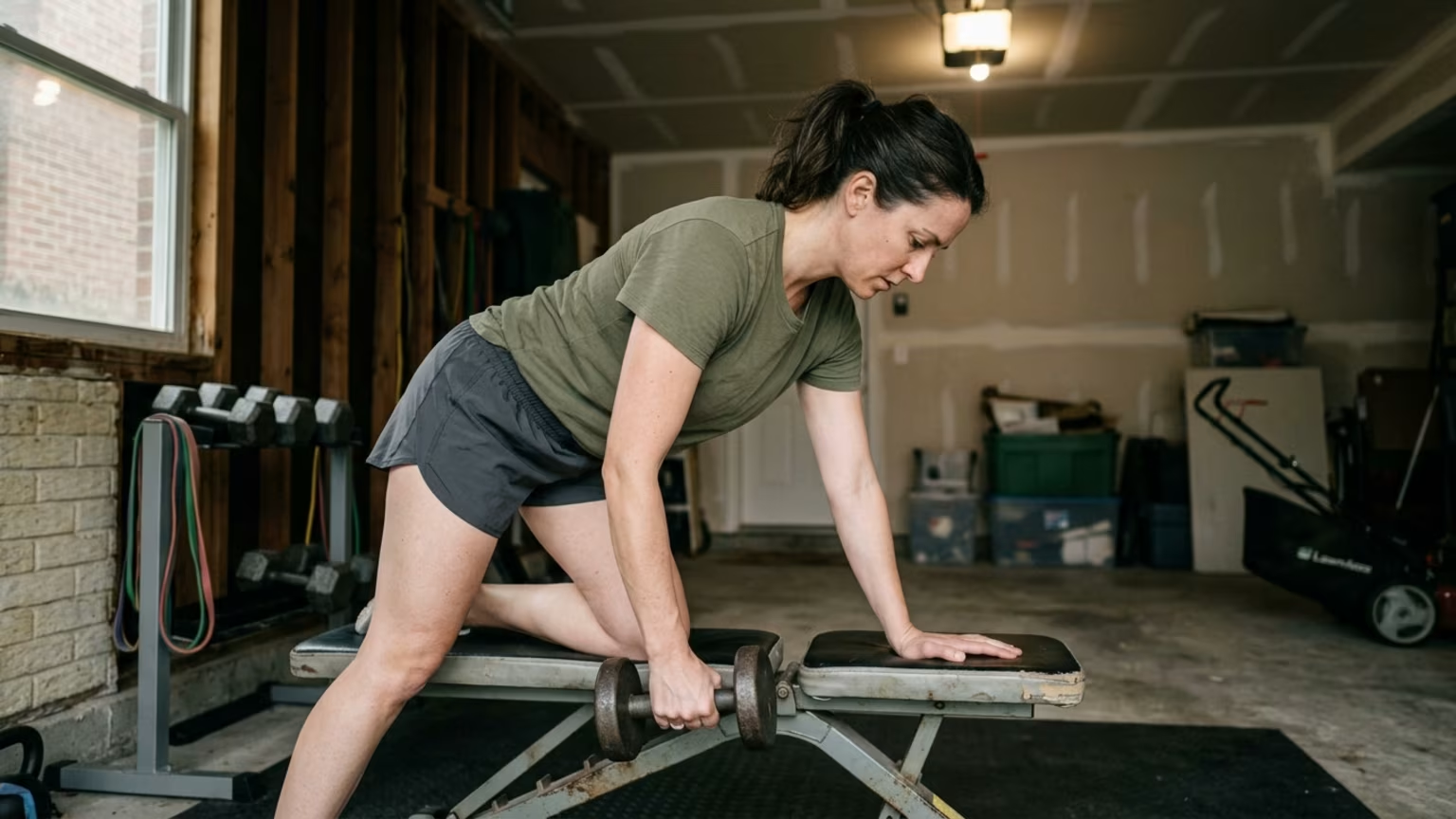
A recent study shows that moderate and heavy resistance training can lower MRI-estimated brain age in older adults. Learn how veterans can apply these findings.

A JAMA Cardiology analysis shows physical decline can precede heart events by years, giving veterans a clear metric for early medical discussions.
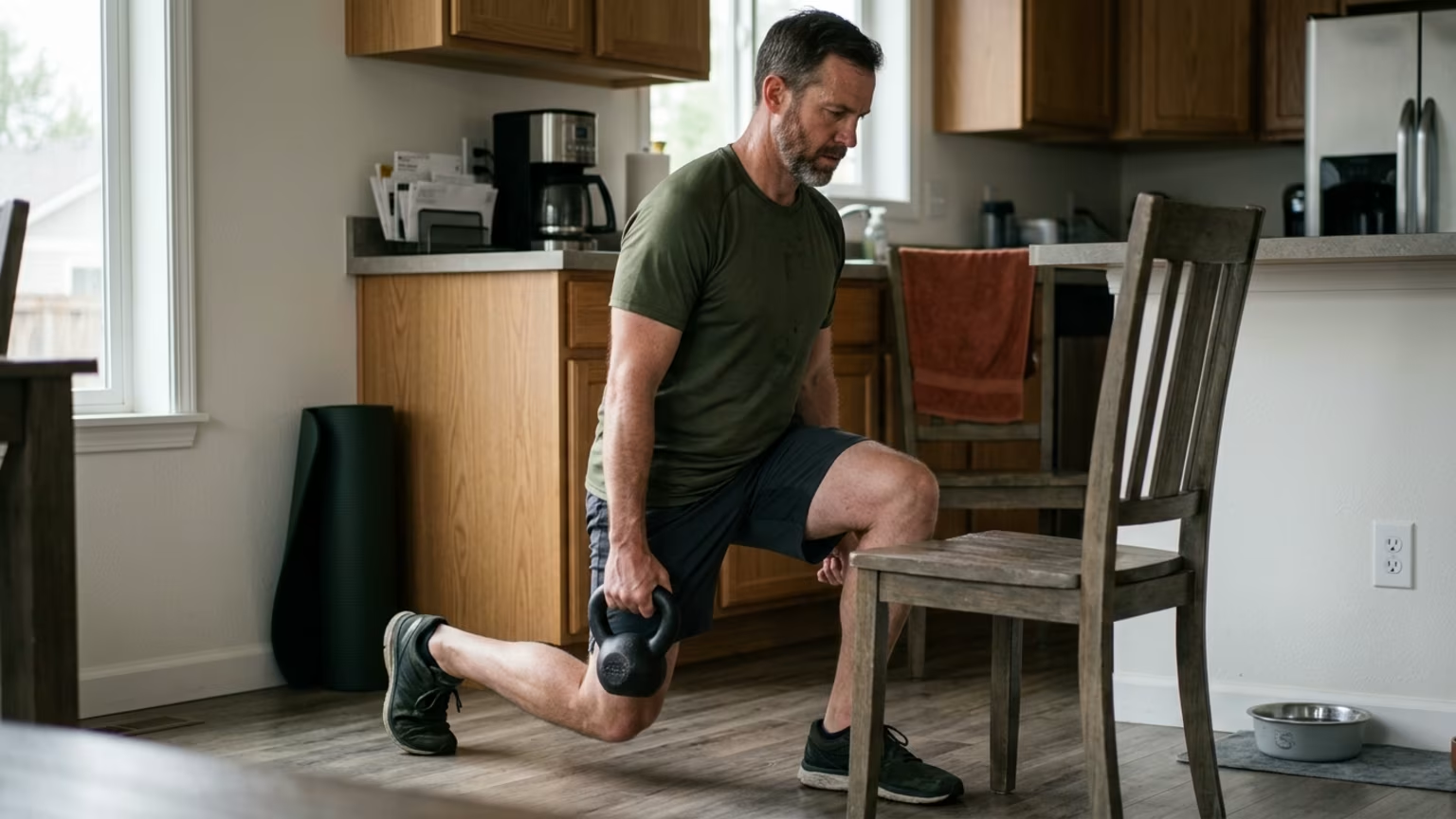
Recent reports highlight a 10-minute daily resistance habit for adults over 40. Learn how brief fitness routines compare to federal strength guidelines.
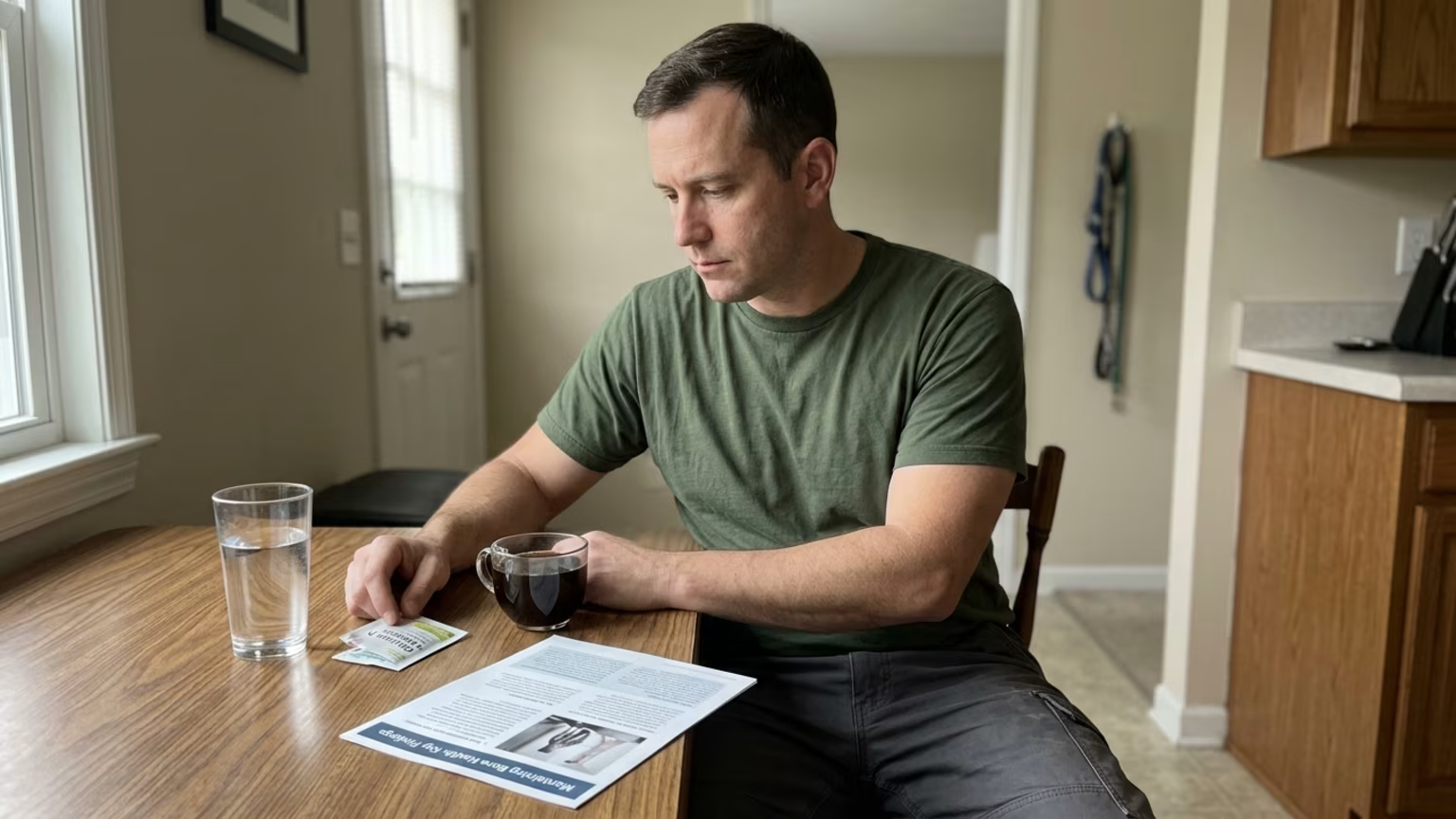
A 2026 review of 124 trials found brisk walking and jogging offer modest bone density benefits. Learn how veterans can adapt these findings for healthy aging.
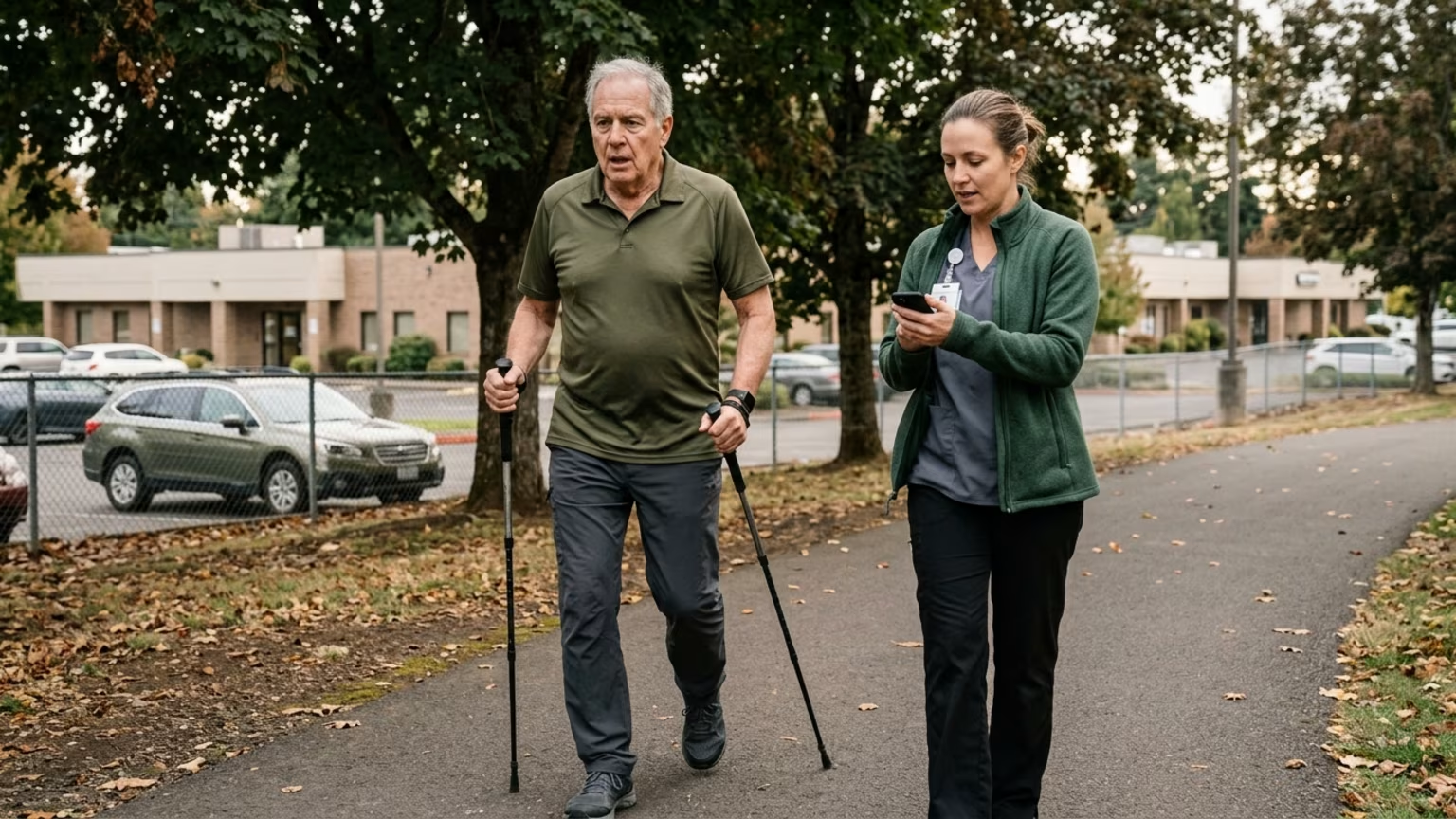
A 2026 PLOS ONE trial found that higher-intensity walking improved frailty measures more often than casual walking. Learn what this means for older veterans.

The ACC reported on the STAREE trial statin data and new ESC cardiac rehabilitation guidelines. Learn what this means for long-term veteran health outcomes.
Build better habits around strength, recovery, sleep, hormones and healthy aging with practical guidance for active military personnel and veterans.
Explore BattleVet