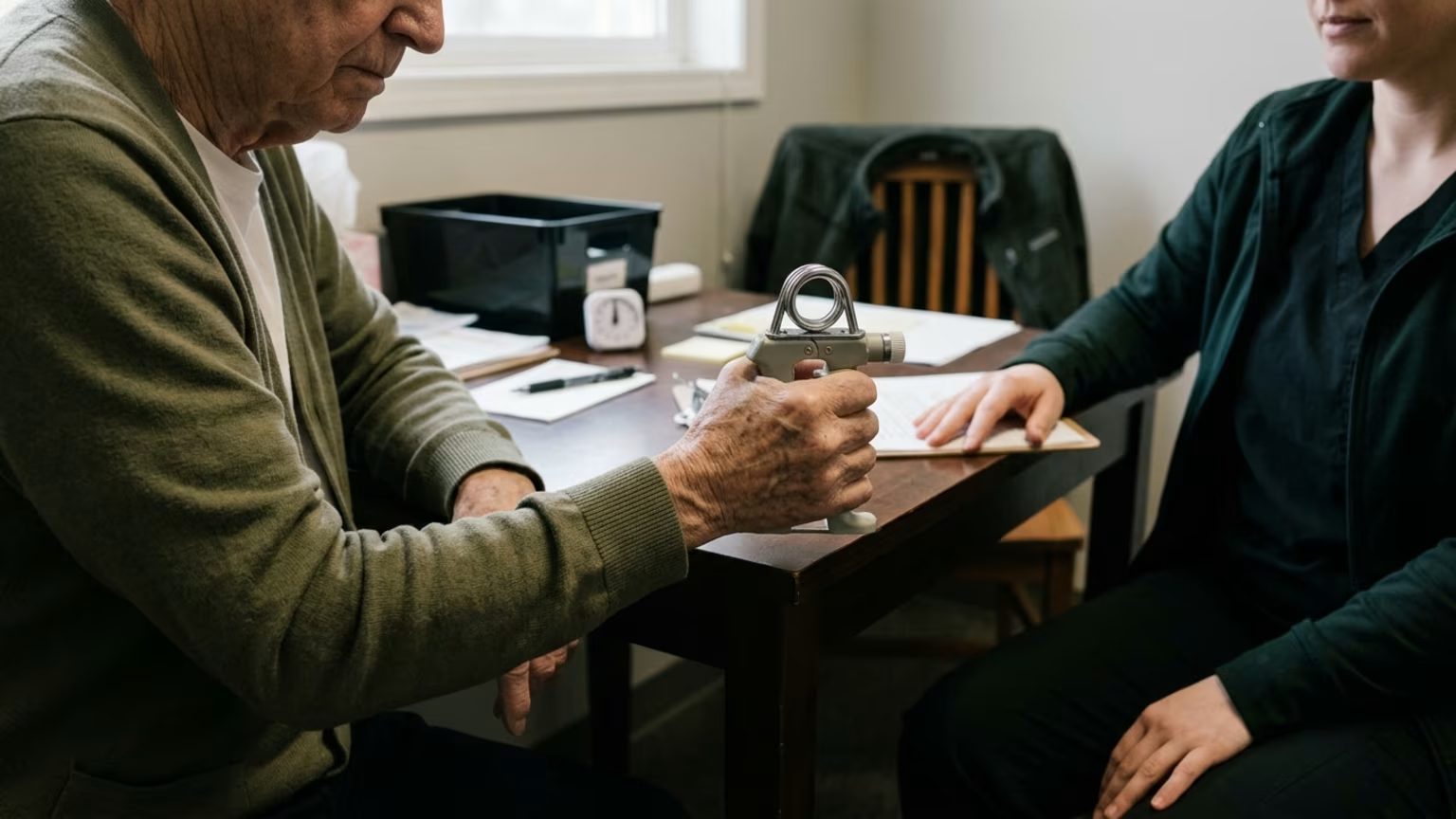

Recent reporting highlights how neural coordination may contribute to age-related handgrip weakness. Learn why proven strength and aerobic routines still matter.





On October 7, 2026, Ground News aggregated reporting on new research examining neural contributions to age-related handgrip weakness. The reporting highlighted a study investigating multi-finger force deficits and dual-task testing. The aggregator described the study as finding a multi-finger force deficit in the weakest older adults nearly twice that of their stronger peers. However, because this information comes from an aggregator page rather than independent clinical reporting, the statistic is not sufficiently verified to establish a new scientific standard.
Physical capability is a primary concern for active military personnel and veterans as they age. Grip strength frequently serves as a basic metric for overall physical function in aging populations. The central question is whether a weaker grip stems purely from shrinking muscle mass or from changes in the nervous system. This distinction matters greatly for anyone trying to maintain long-term strength and independence.
If the nervous system plays a major role in handgrip weakness, physical training might eventually need to address more than just lifting weights. Neural coordination dictates how effectively the brain communicates with muscle fibers. A veteran focused on healthy aging needs to know if current training methods adequately support this connection. Understanding the root causes of physical decline helps refine recovery and fitness strategies.
BattleVet covers military health and veteran health within one editorial system. We also discuss hormones, sleep and healthy aging. Our focus includes the everyday health decisions that support long-term capability for former service members. Training for physical performance must connect with long-term health rather than treating them as separate subjects.
Veterans often ask how their training and performance priorities should shift as they get older. Grip assessments are common in clinical settings to gauge general vitality. A strong grip usually correlates with better mobility and overall muscle condition. However, grip strength alone does not tell the whole story of a person's physical state.
Evaluating hand function involves multiple variables like dexterity and coordination. A test requiring precise finger coordination challenges the nervous system in a unique way. The nervous system and the muscular system work together to produce force. Muscle loss is a well documented part of the aging process.
However, the ability of the brain to recruit existing muscle fibers can also decline. If neural drive decreases, a person will experience weakness even if they retain adequate muscle size. This means that staying active must challenge both the muscles and the nervous system. Complex movements require more than raw muscle force to execute correctly in real life.
Current literature does not yet change established baseline recommendations for physical activity. The available reporting does not establish a military-specific program or a new clinical guideline based on this multi-finger testing. According to the NIH healthy-aging page, individuals should aim for at least 150 minutes of moderate-intensity aerobic exercise per week. The NIH also recommends completing muscle-strengthening activities at least two days per week.
Reaching the 150 minutes of moderate-intensity aerobic exercise per week requires a consistent schedule. Veterans can achieve this through brisk walking, cycling or swimming. Aerobic fitness supports cardiovascular health and ensures proper blood flow to the muscles and nervous system. Good circulation helps deliver the nutrients necessary for cellular repair and nerve function.
Building this habit early in the transition to civilian life pays massive dividends later. Completing muscle-strengthening activities at least two days per week is equally critical. Resistance training provides the stimulus needed to maintain bone density and muscle mass. Older adults who lift weights often preserve their independence longer than those who remain sedentary.
Squats, presses and rows challenge the nervous system to coordinate large muscle groups simultaneously. This comprehensive stimulation is far more beneficial than focusing solely on handgrip exercises. These proven standards remain the most reliable way to maintain function over time. The NIH healthy-aging page does not specifically address the multi-finger study.
It also does not prescribe neural-coordination training as a standard practice. Readers should avoid replacing established functional assessments with unverified coordination tests. Relying on proven methods ensures that veterans build a solid foundation of general fitness. General physical preparedness supports both muscular endurance and neural health.
Evaluating hand performance involves many distinct and separate measures. Assessing coordination and motor control might offer valuable insights, but it does not replace the need for general strength training. Building total-body strength supports the nervous system and helps prevent muscle loss. Veterans looking to preserve their physical capability should stick to consistent resistance routines.
Incorporating different types of movement can challenge coordination naturally. Activities that require balance and varied grips might support neural pathways without needing specialized clinical equipment. Maintaining fitness with age is about addressing both the muscle and the signals that control it. The human body adapts to consistent physical demands at almost any age.
Understanding how early reporting translates to daily habits is a core mission. We focus on evidence-led approaches that clearly communicate the limits in current reporting. The accessible data on multi-finger dynamometer testing is still too limited to justify changing how we train. Without the underlying methods and results, aggressive statistics remain unverified for use.
Veterans should focus on what is proven rather than chasing early research trends. Consistency in training and a balanced approach to recovery yield the best long-term results. Focusing on healthy body composition also supports the overall nervous system. Those interested in broader wellness strategies can review our recovery and sleep resources.
The fundamentals of human performance remain largely the same even as we age. Broad aerobic and resistance training provides the most protective benefit against physical decline. Active duty physical training often prioritizes immediate operational readiness and specific fitness tests. Veteran fitness requires a shift toward longevity, joint health and sustainable movement patterns.
Strength training routines should adapt to an individual's age, size and training history. Pushing through pain or ignoring recovery needs can accelerate physical decline instead of preventing it. Modifying exercises to maintain consistent activity is more effective than starting intense programs. Rest and physical restoration play massive roles in maintaining a healthy nervous system.
Chronic stress and poor sleep limit the body's ability to recover from exercise and daily life. Veterans dealing with physical limitations should work with healthcare professionals to adapt their training safely. It is always better to modify an activity than to stop moving entirely. Staying capable is a lifelong process that requires ongoing attention and intelligent adjustments.
Navigating healthcare information requires context around how reporting applies to daily life. Many people misunderstand the difference between early stage reporting and proven clinical advice. The discussion around neural contributions represents an interesting step in studying hand function. However, an aggregator summary does not constitute a mandate to change how we lift weights.
Our editorial standard prioritizes plain English explanations over complicated academic wording. We do not provide medical consultations or personalized health advice. We also do not offer specific coaching or treatment. Instead, we offer educational resources designed to help veterans make informed decisions.
An evidence-led approach means waiting for conclusive data before recommending a new training protocol. The military and veteran community deserves clear information without fear tactics or sales-driven content. Understanding the limits of new reporting helps readers avoid unnecessary worry about their health. A report indicating neural contributions to weakness does not mean that sudden physical decline is inevitable.
Maintaining capability requires managing multiple variables over decades. Proper nutrition fuels the body and provides the raw materials needed for muscle repair. Adequate protein intake supports the muscle mass that older adults need to preserve. Without the right fuel and rest, the nervous system cannot adapt to physical training.
Readers exploring healthy aging and longevity must address these foundational pillars first. Regular exercise keeps the brain engaged with the muscles and preserves vital neural pathways. Staying active is the most effective way to combat the natural changes that come with getting older. Complex biology highlights why broad lifestyle interventions work better than narrow fixes.
As science continues to explore the mechanics of aging, our understanding of physical decline will undoubtedly improve. Future studies may clarify exactly how neural coordination impacts daily tasks and overall independence for former service members. Will emerging research on multi-finger force deficits eventually create new, validated standards for veteran physical therapy?
Follow BattleVet for practical guidance on military and veteran health, strength, recovery, testosterone, sleep and healthy aging. Stay connected for new articles, research backed insights and clear information to help you stay capable for the years ahead.


The VA reports its Choose VA outreach supported over 6,900 new health care enrollments in 2026. Learn how eligibility rules and private insurance impact care.


The Uniformed Services University published its 2026 to 2029 strategic plan focusing on prolonged field care, digital transformation, and medical readiness.
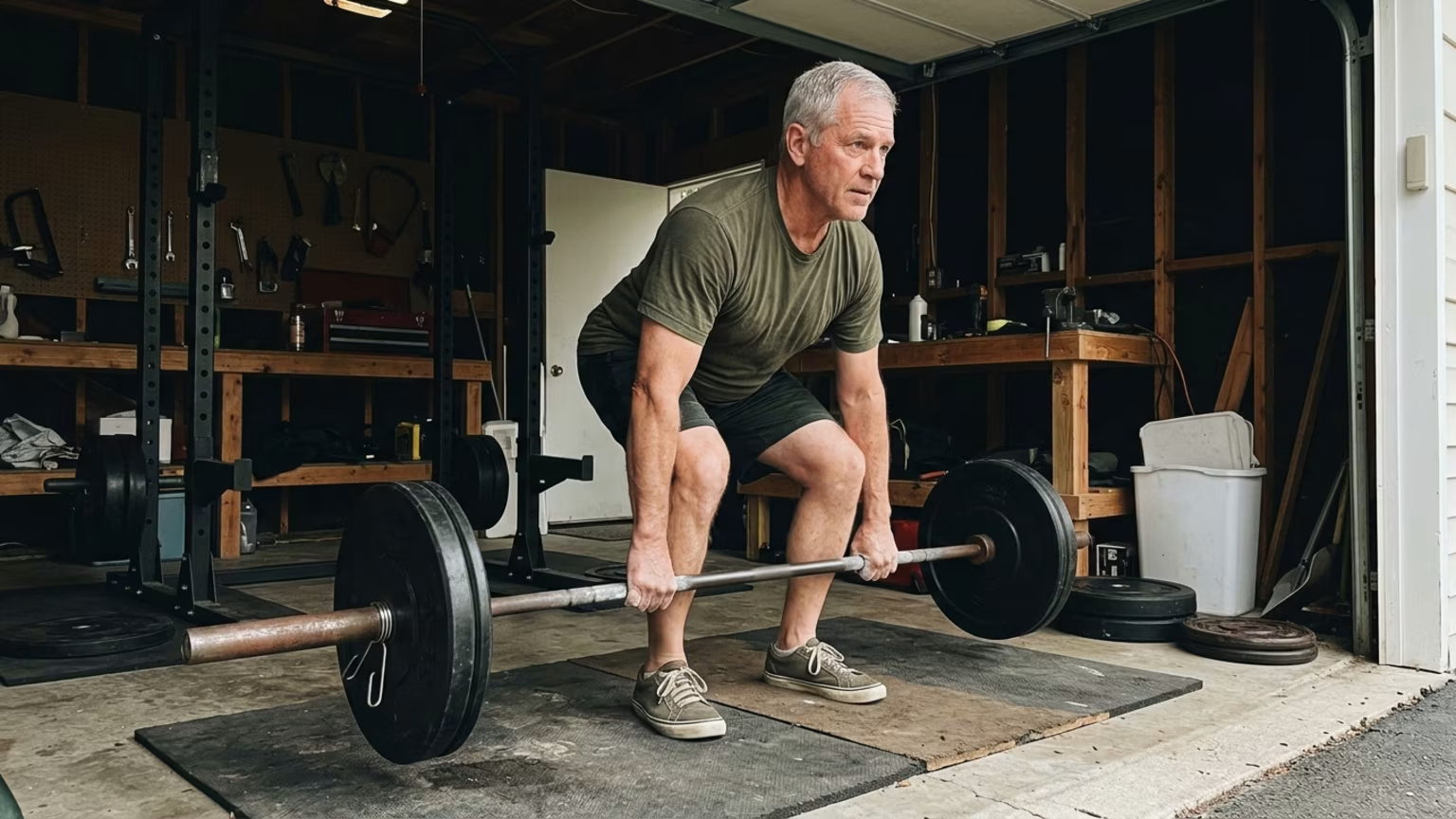
A recent 12 week trial reveals that high intensity lifting produces better lower body strength gains than blood flow restriction routines for older men.
Build better habits around strength, recovery, sleep, hormones and healthy aging with practical guidance for active military personnel and veterans.
Explore BattleVet