Stay ready for the years ahead
Build better habits around strength, recovery, sleep, hormones and healthy aging with practical guidance for active military personnel and veterans.
Explore BattleVet
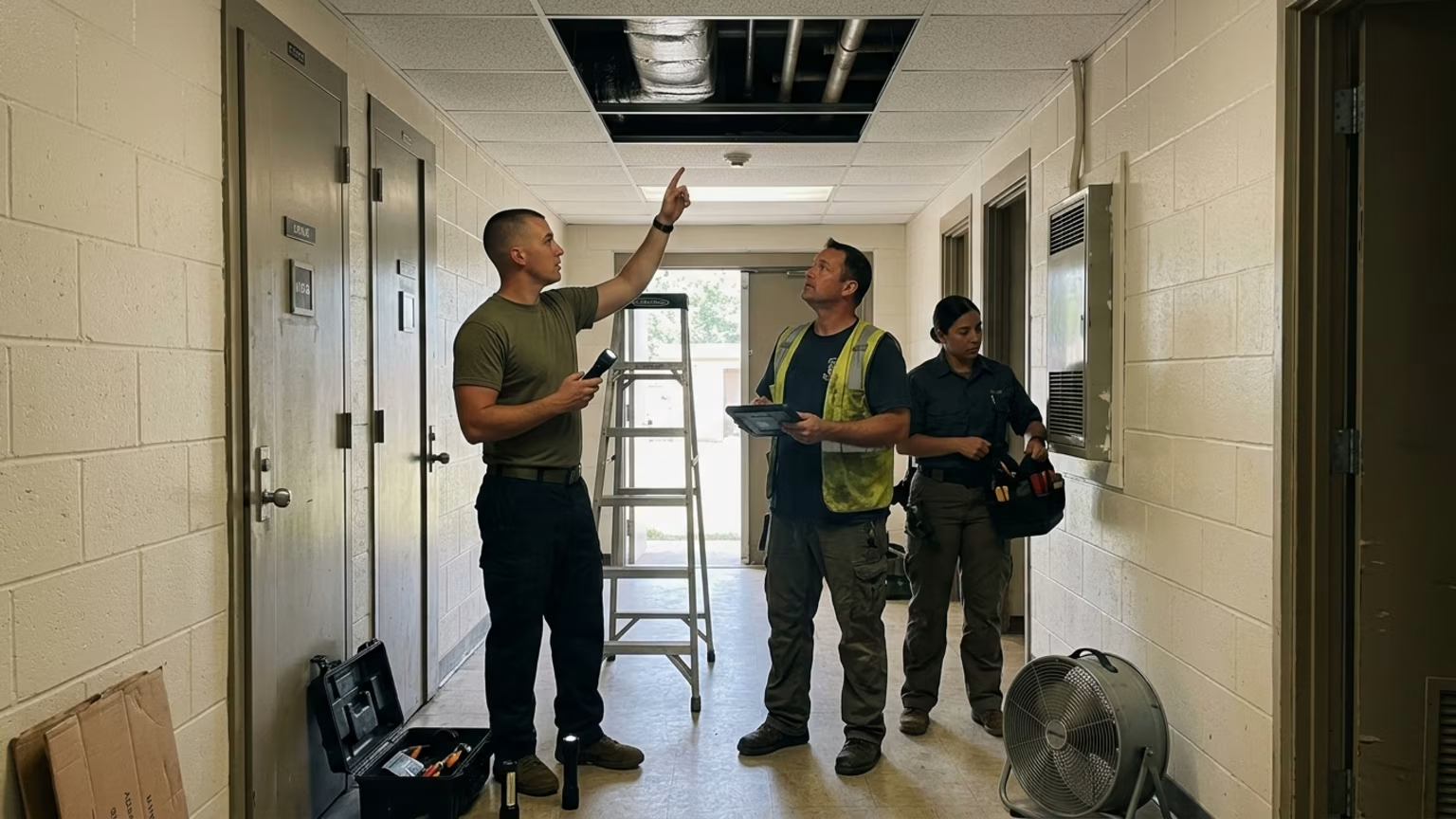
The Army’s HVAC task force targets hot barracks. Here is what its project figures mean and how to assess future housing and sleep-related claims.


The BRIDGE Act proposes a whole-family military transition pilot. Read who it would serve, what support it includes, and what remains unresolved.

Combat Stress’s workplace guidance emphasizes listening over diagnosis. Recent U.S. veteran insomnia research adds context for sleep and recovery concerns.

ErythroMer's reported storage design could matter for military care. An academic review still lists it as preclinical, with human evidence ahead.
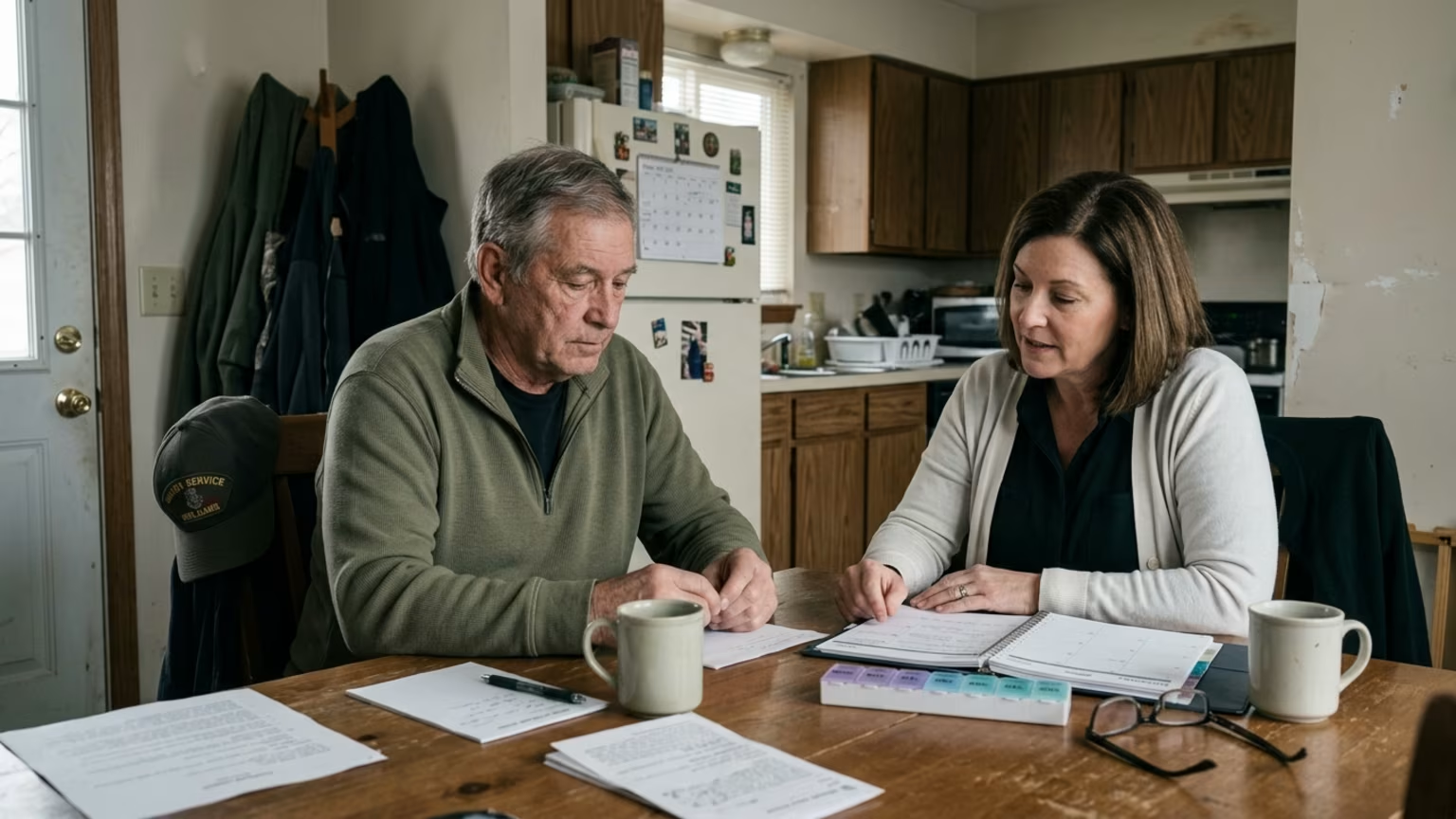
A large veteran study links PTSD and documented social needs to later cognitive impairment, reinforcing the value of connected care planning.
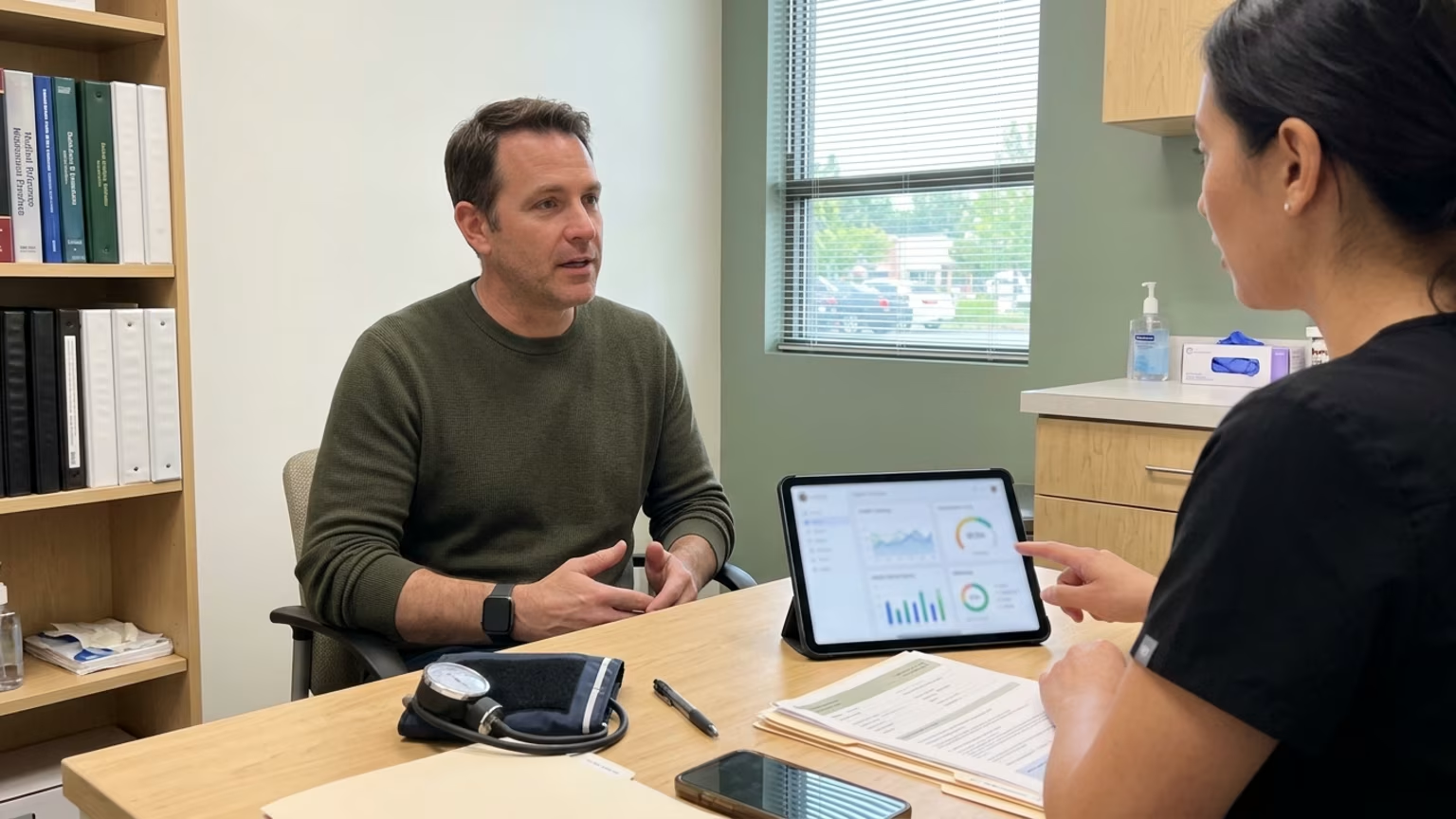
A review of the 2026 Defense Health Agency testosterone screening policy for male service members alongside InCare’s safety guide covering TRT risks and monitoring.
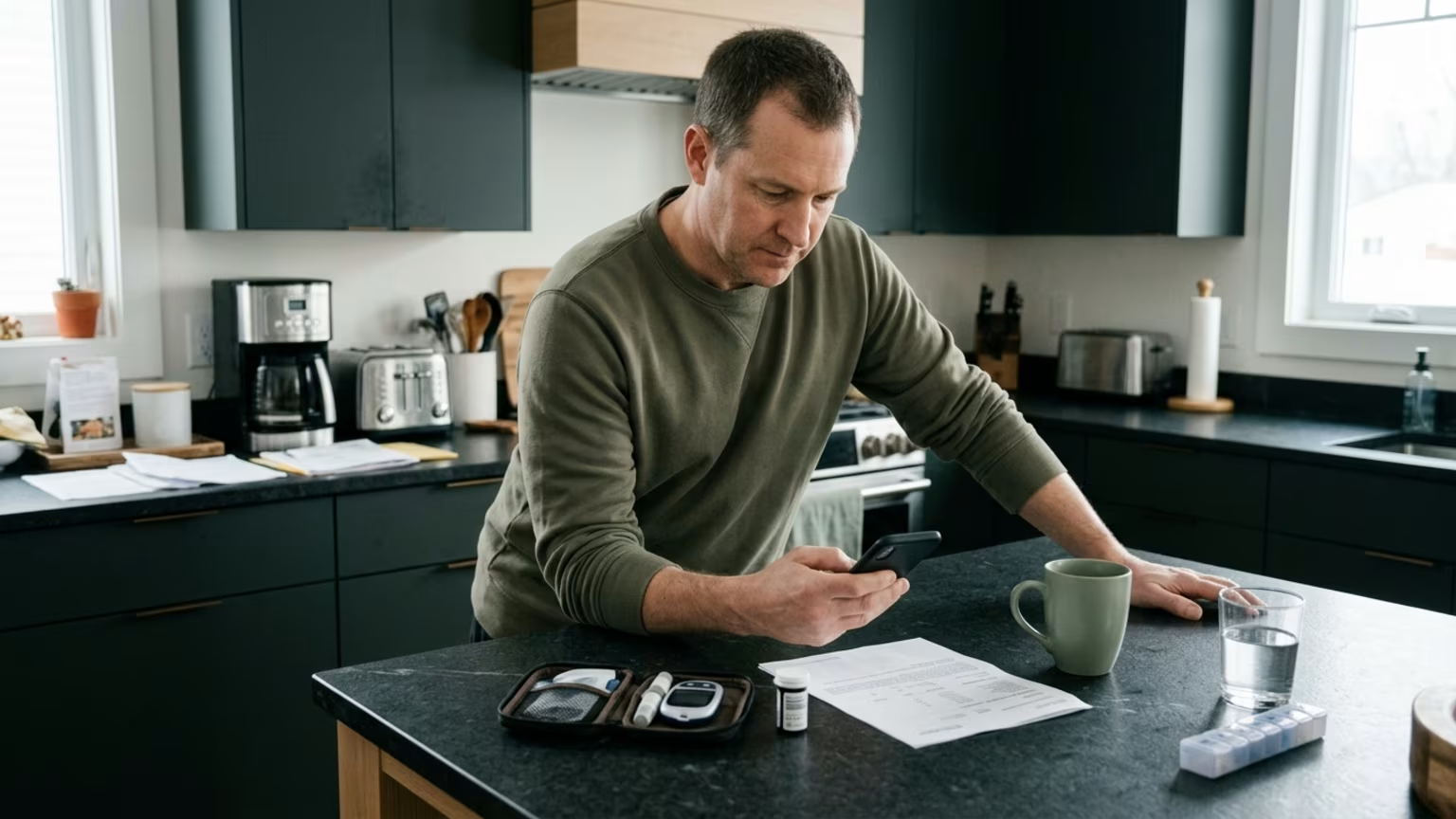
A multi-year study links modest blood sugar increases to declining erectile function, reinforcing the value of metabolic health alongside hormone evaluation.

Learn how to navigate VA community care referral delays, access standards, and individual eligibility following the October 2026 Colorado Springs roundtable.

A controlled study found nighttime heat disrupted sleep and altered stress markers. Learn how this impacts military recovery protocols and veteran health.
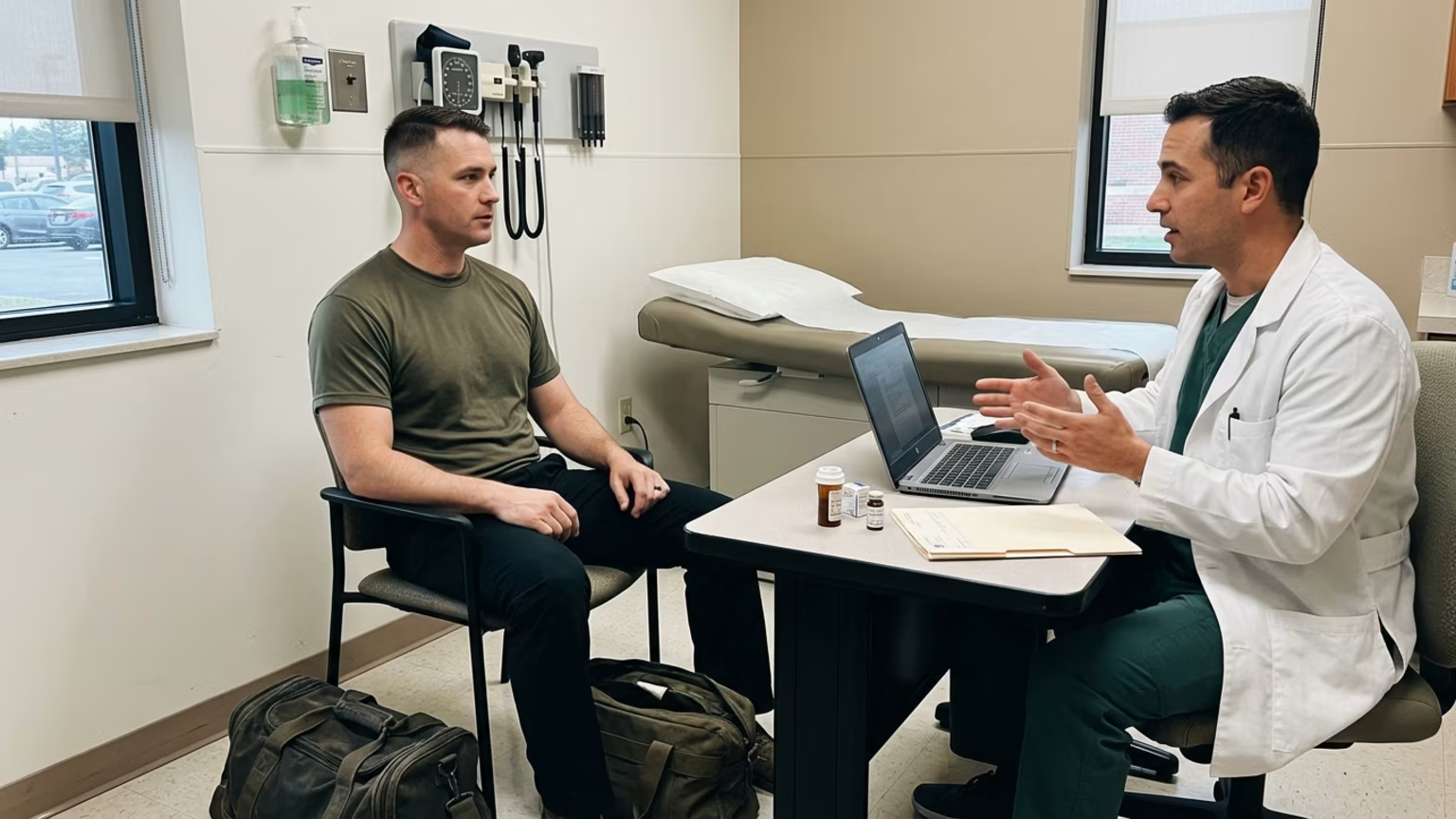
Clinical guidelines and military policies clarify when testosterone therapy is appropriate, detailing required testing, potential benefits, and health risks.

Disabled American Veterans supports H.R. 210, a proposal to expand comprehensive VA dental care eligibility to all enrolled veterans. Here is what you need to know.
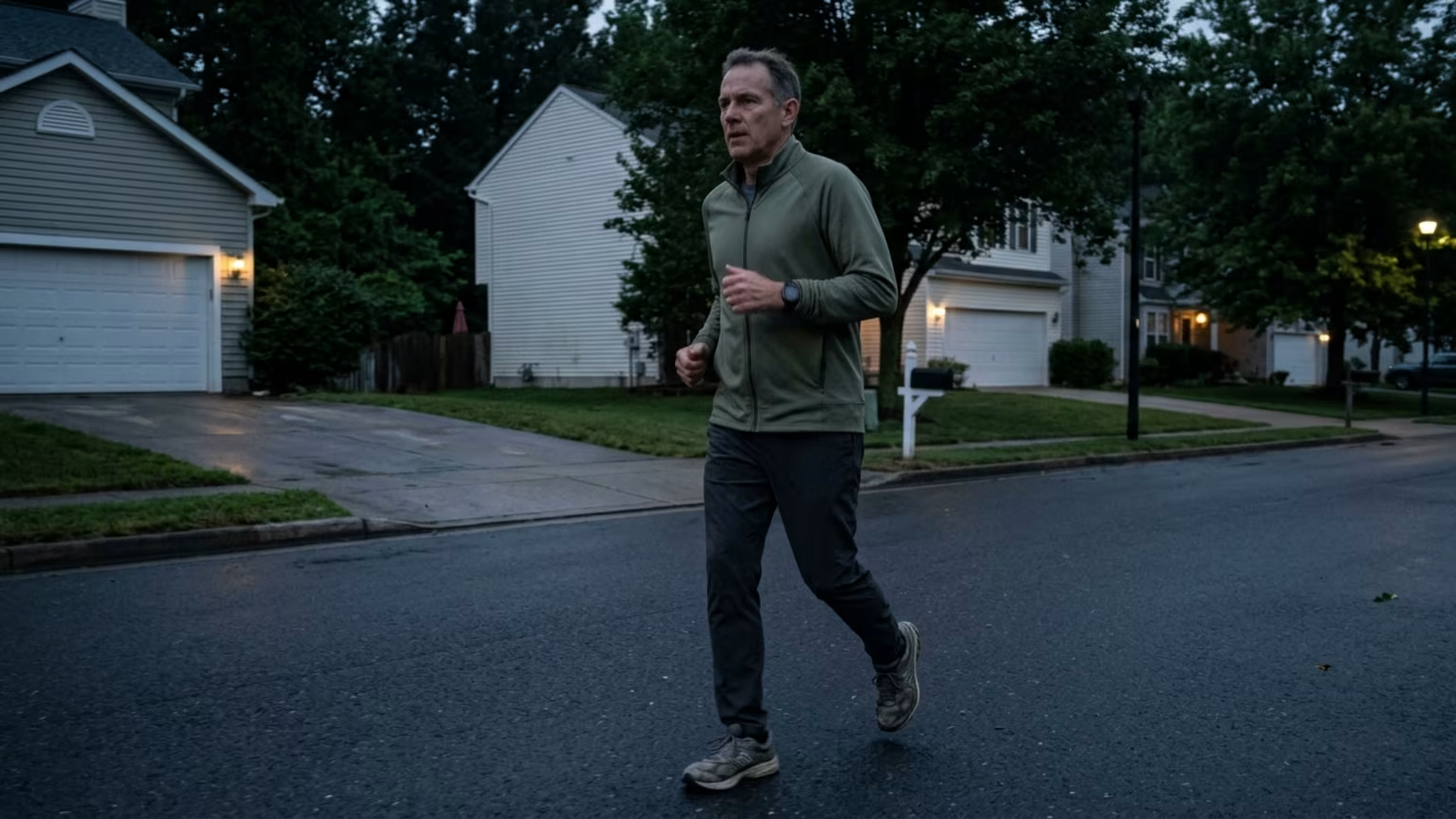
A 2026 meta-analysis links physical activity to improved cellular aging markers. Read how these findings influence long term veteran physical capability.
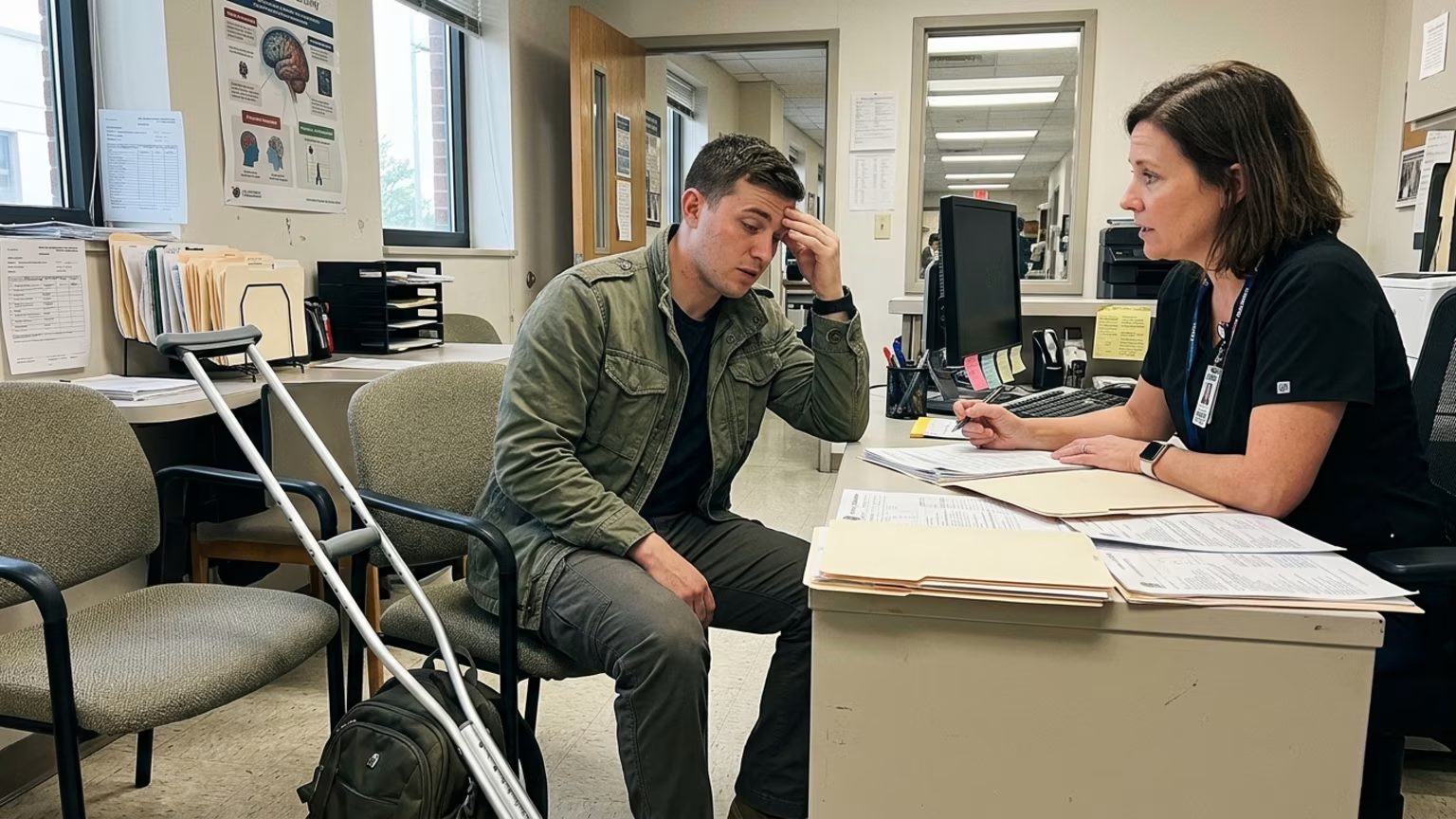
A recent investigation highlights severe gaps in battlefield medical evacuation and emphasizes the critical need for continuous traumatic brain injury tracking for troops.

New research published in Frontiers in Neuroergonomics shows mental workload and sleepiness are distinct states. Learn why feeling alert does not mean recovered.

A 14-year observational study links two hours of weekly resistance training to lower cardiovascular disease and heart attack risks in women aged 48 to 66.
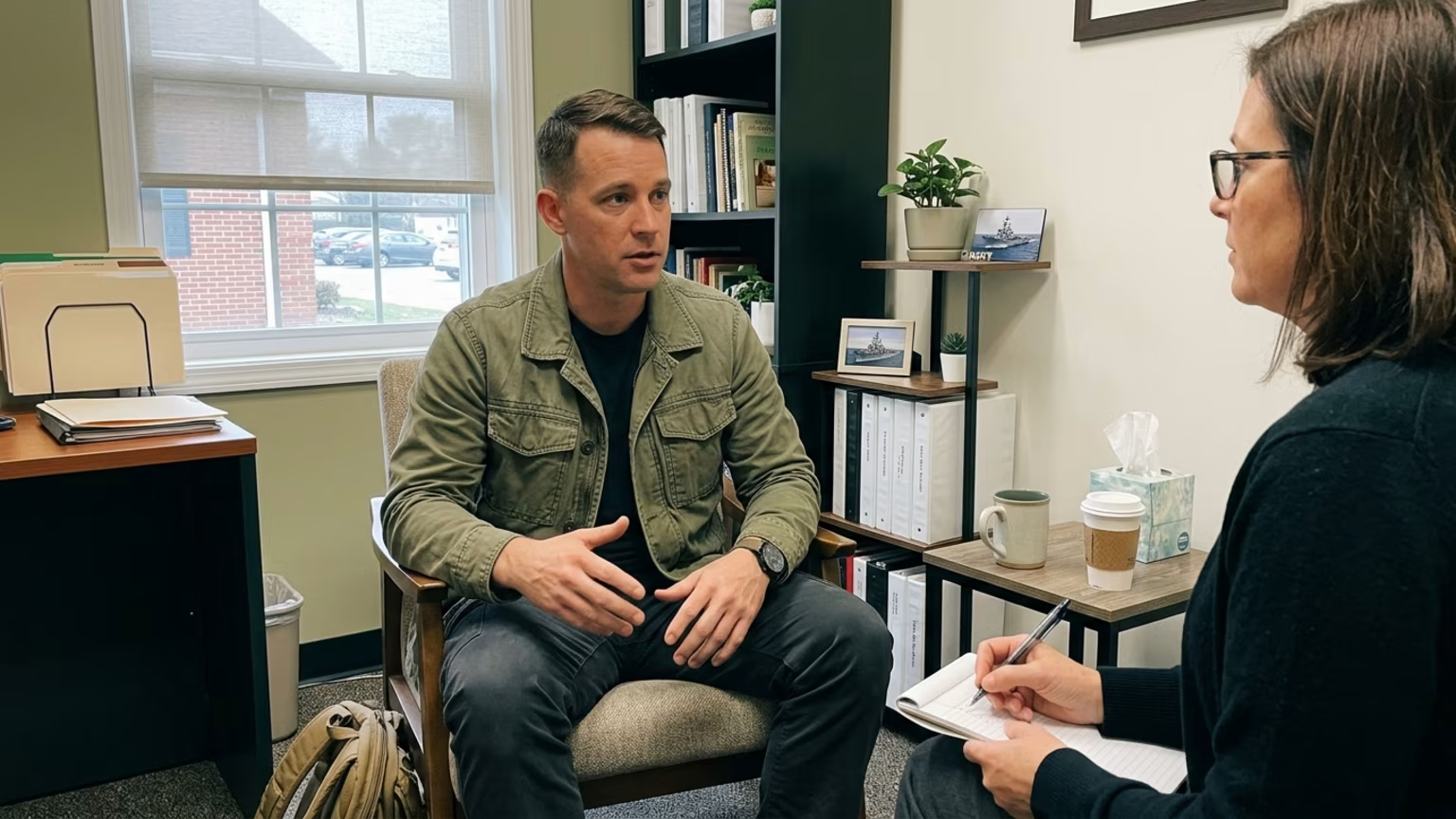
A Navy veteran details how Cognitive Processing Therapy, medication management, and structured writing exercises help manage PTSD and support long-term recovery.
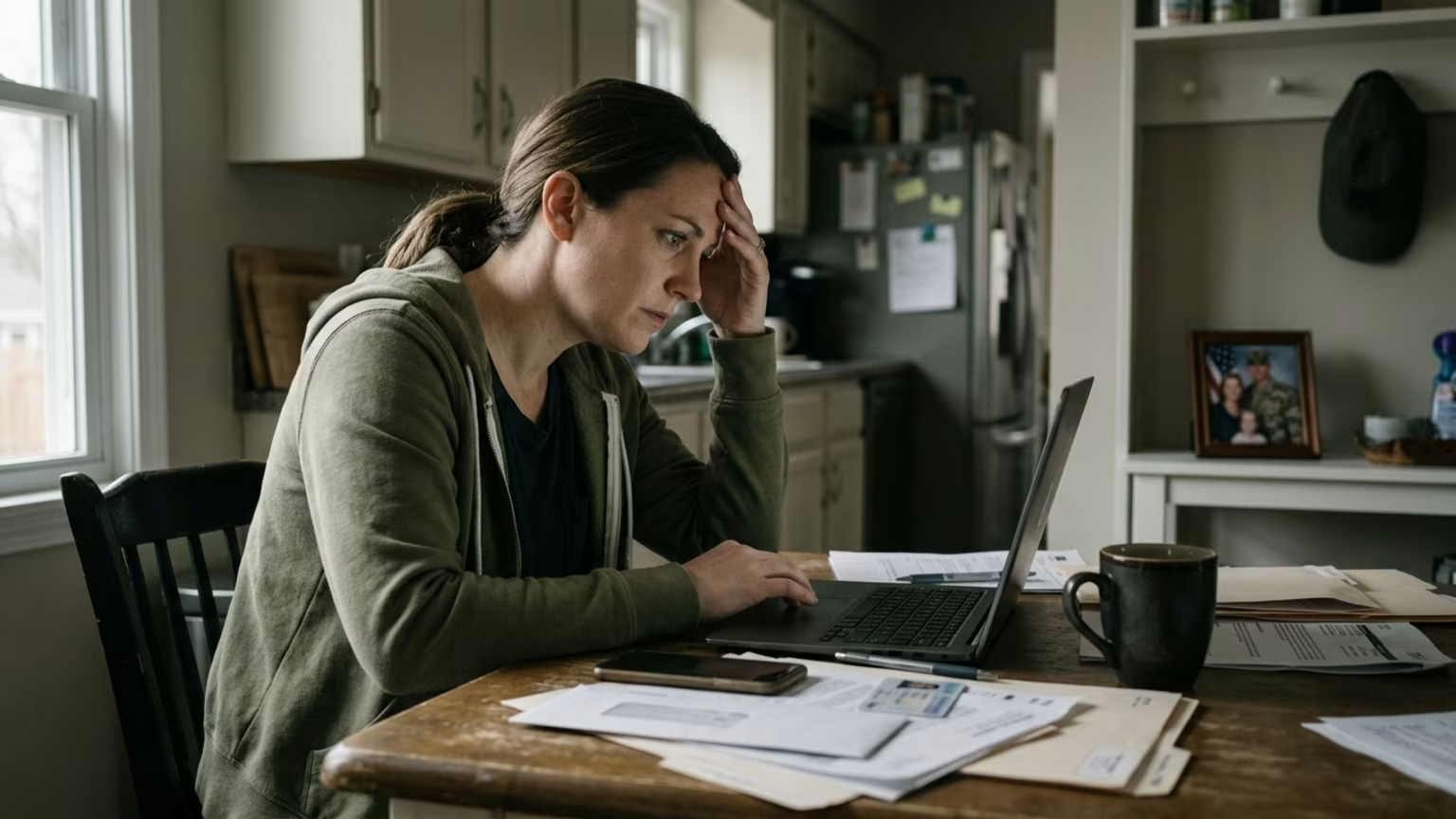
The Defense Health Agency's transition from DS Logon to myAuth disrupted MHS GENESIS record access. Learn how to navigate these patient portal login changes.
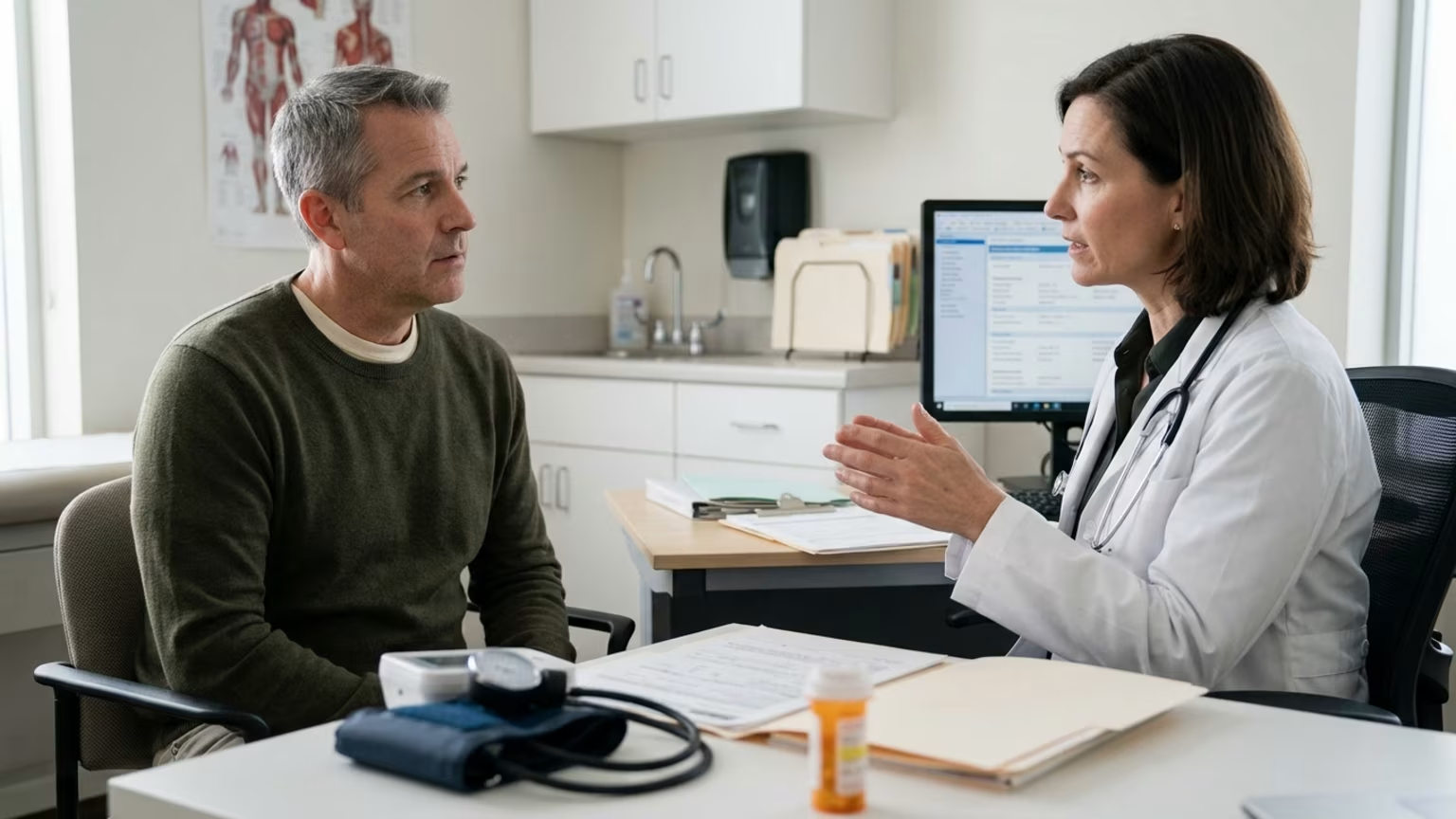
A 2026 study links off-label testosterone therapy to higher long-term cardiovascular risks, emphasizing the need for proper clinical evaluation before treatment.
Build better habits around strength, recovery, sleep, hormones and healthy aging with practical guidance for active military personnel and veterans.
Explore BattleVet