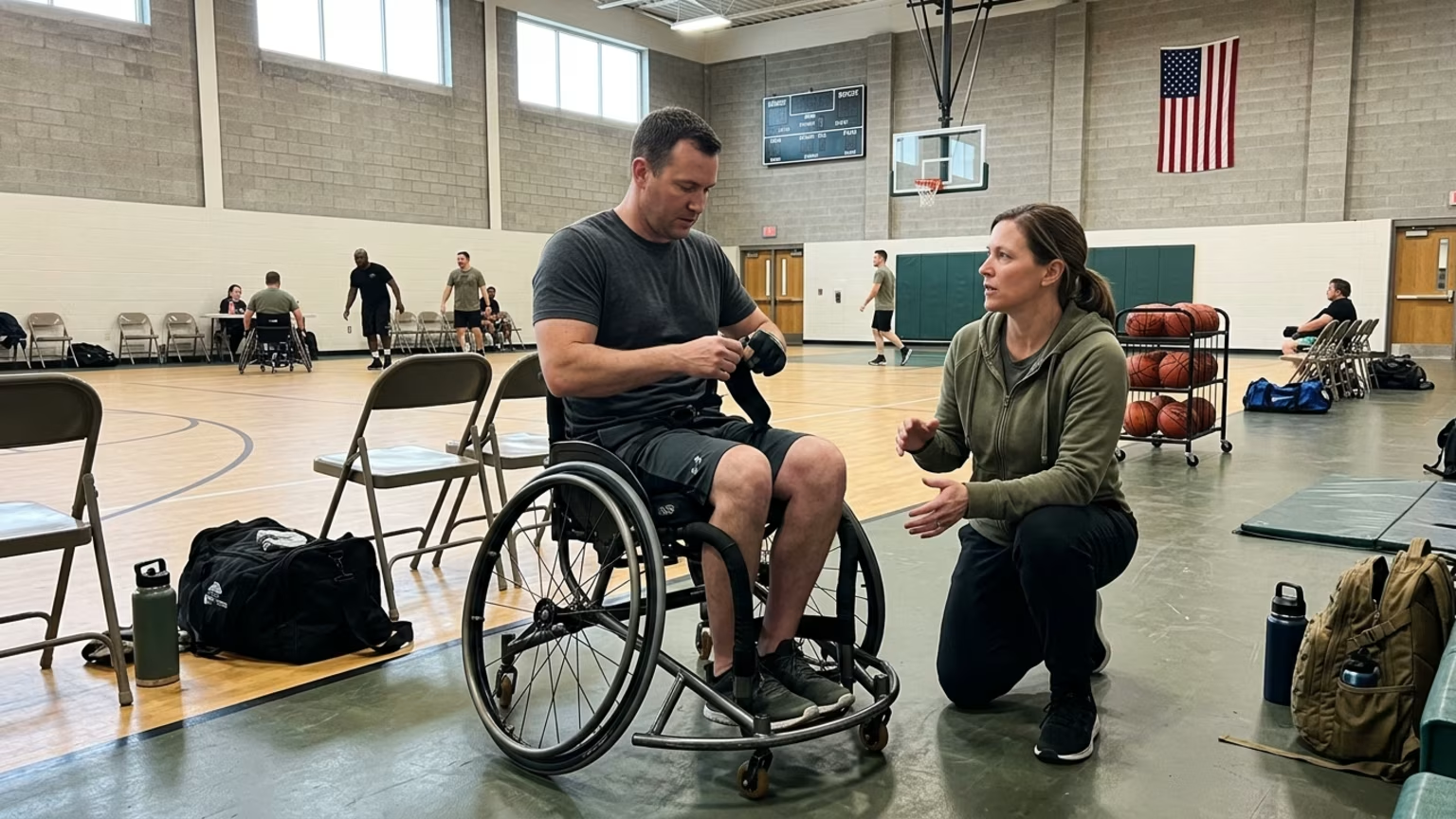

The VA awarded $16 million to 91 organizations for veteran adaptive sports. Learn how these community programs support mobility, strength, and recovery.





On October 6, 2026, the U.S. Department of Veterans Affairs announced $16 million in new grants for 91 community-based organizations. These groups provide adaptive sports programs for veterans and service members with disabilities. The announcement describes a wide variety of funded activities including archery and hunting. Competitive and recreational options like fishing, skiing, cycling, and wheelchair sports are also covered.
This funding aims to support physical rehabilitation and outdoor activity across the country. The U.S. Department of Veterans Affairs notes that it has awarded more than $150 million to expand access to adaptive sports nationwide since the Adaptive Sports Grant Program began. This ongoing investment reflects a clear priority to keep veterans active by connecting former service members with structured physical challenges. Community organizations receive the funds directly to facilitate these events and maintain the necessary equipment.
These community grants act as the primary delivery mechanism for adaptive sports. Instead of the VA running every program directly, the department relies on local experts and established recreational groups. This allows the funding to reach specific communities and specialized facilities. A community-based approach ensures that veterans can find relevant activities closer to home while accessing specialized gear.
This update matters because structured physical activity directly supports long-term capability for veterans. Maintaining physical performance is a core part of a healthy life after service. VA Secretary Doug Collins stated that the grants would help thousands of veterans form meaningful connections through recreation and competition. He also characterized adaptive sports as an opportunity to improve physical health and mobility.
Adaptive sports offer practical ways to train regardless of physical limitations or injuries. Engaging in sports like cycling or skiing requires coordination, balance, and muscular endurance. These activities promote healthy cardiovascular function and joint mobility. Access to specialized equipment through these community grants removes a common barrier to entry for veterans.
Reading veteran life articles shows that physical health and mental resilience go hand in hand. Activity reduces stress and can improve resting heart rates. Veterans dealing with physical injuries often have to adjust their fitness expectations. Adaptive programs provide a framework for setting new physical targets in a different environment.
Proper recovery is just as important as the activity itself. Veterans participating in wheelchair sports or adaptive skiing place new demands on their muscles and nervous systems. This increased physical output requires solid recovery protocols to prevent overtraining. Readers looking for recovery and sleep articles understand that rest repairs tissue and restores energy.
Consistent physical training also supports healthy hormone levels. Resistance and endurance training send signals to the body to maintain muscle mass and bone density. Staying active through community sports is a highly effective way to encourage natural physical regulation. A capable body is better equipped to handle the physical demands of daily life.
This new funding reinforces the importance of using community resources to maintain physical fitness. The $16 million is awarded to community organizations rather than being distributed as direct payments to individual veterans. This means veterans need to actively seek out local groups to take advantage of these opportunities. Incorporating an adaptive sport into a weekly routine can replace or supplement traditional gym workouts.
When planning a fitness routine, it helps to understand available local options. Service members transitioning to civilian life can use adaptive sports to structure their physical goals. Accessing strength, fitness and body composition resources can help veterans build supplementary workouts that support their chosen sport. Lifting weights or doing resistance band work at home can improve performance in sports like archery or wheelchair racing.
A key shift in modern veteran healthcare is treating recreation as an active component of rehabilitation. Veterans no longer have to view clinical physical therapy as their only option for movement recovery. Participation in hunting or fishing requires physical stamina and patience while getting veterans outdoors. Navigating varied terrain during a hunting trip challenges the body in ways a sterile clinic environment cannot replicate.
Older veterans can also use adaptive sports to maintain independence as they age. Remaining active through community programs helps preserve muscle mass and bone density. Finding credible information through healthy aging articles confirms that consistent movement delays many physical declines associated with getting older. An older veteran might switch from high-impact running to adaptive cycling to protect their joints.
Furthermore, engaging in competitive or recreational sports requires mental focus. Learning a new skill like adaptive skiing forces the brain to adapt and form new neural pathways. Veterans interested in building resilience often benefit from the structured challenges found in organized sports. Reviewing sleep, stress and resilience resources shows that managing stress improves performance in all areas of life.
Organizing a consistent training schedule requires discipline and clear priorities. Adaptive sports programs provide a set schedule of practices or events. This structure benefits veterans who miss the organized physical training of their active duty years. Knowing that a team or a community group expects your attendance creates powerful accountability for long-term health.
Each of the sports named in the recent grant announcement offers unique physical benefits. Archery demands core stability and fine motor control. Fishing and hunting require environmental awareness and sustained endurance. Wheelchair sports build substantial upper body strength and cardiovascular capacity.
Nutrition also plays a large role in how well a veteran performs in adaptive sports. Fueling the body correctly ensures sustained energy during long cycling routes or fishing trips. Eating adequate protein helps repair muscles after intense physical exertion. Veterans should treat their diet as the foundation that supports their athletic endeavors.
Healthcare providers frequently recommend physical activity as a baseline for overall health management. Veterans can discuss adaptive sports with their care teams to identify the safest and most effective options. Having access to 91 funded community organizations increases the chances of finding a suitable program locally. Taking an active role in these health decisions empowers veterans to manage their own capability.
Many programs cater to beginners and provide introductory sessions. This means prior experience is not necessary to benefit from the grant-funded activities. A veteran who has never skied can learn the fundamentals in a controlled and supportive environment. The physical and social rewards of mastering a new sport make the initial learning curve worthwhile.
Veterans looking to improve their body composition can use adaptive sports to increase their daily caloric expenditure. Consistent physical effort builds lean muscle and reduces body fat. This shift in body composition improves metabolic markers and overall cardiovascular health. Consistent energy allows veterans to fully participate in their lives and community.
Sleep quality often improves when physical exertion is part of a daily routine. The physical fatigue generated by adaptive sports helps regulate sleep cycles. Good sleep is the most effective recovery tool available. Physical capability and rest form a continuous cycle that supports long-term independence.
As the U.S. Department of Veterans Affairs directs funding toward community-based activities, veteran care is expanding beyond the hospital setting. With more than $150 million already awarded to increase access to adaptive sports nationwide, the emphasis on movement is well established. How will future investments integrate these community-based athletic programs with clinical rehabilitation to create a more unified approach to long-term veteran capability?
Follow BattleVet for practical guidance on military and veteran health, strength, recovery, testosterone, sleep and healthy aging. Stay connected for new articles, research backed insights and clear information to help you stay capable for the years ahead.


Fort Leonard Wood Soldiers completed the Norwegian Swim Badge assessment. Read what this event reveals about aquatic endurance and military fitness standards.

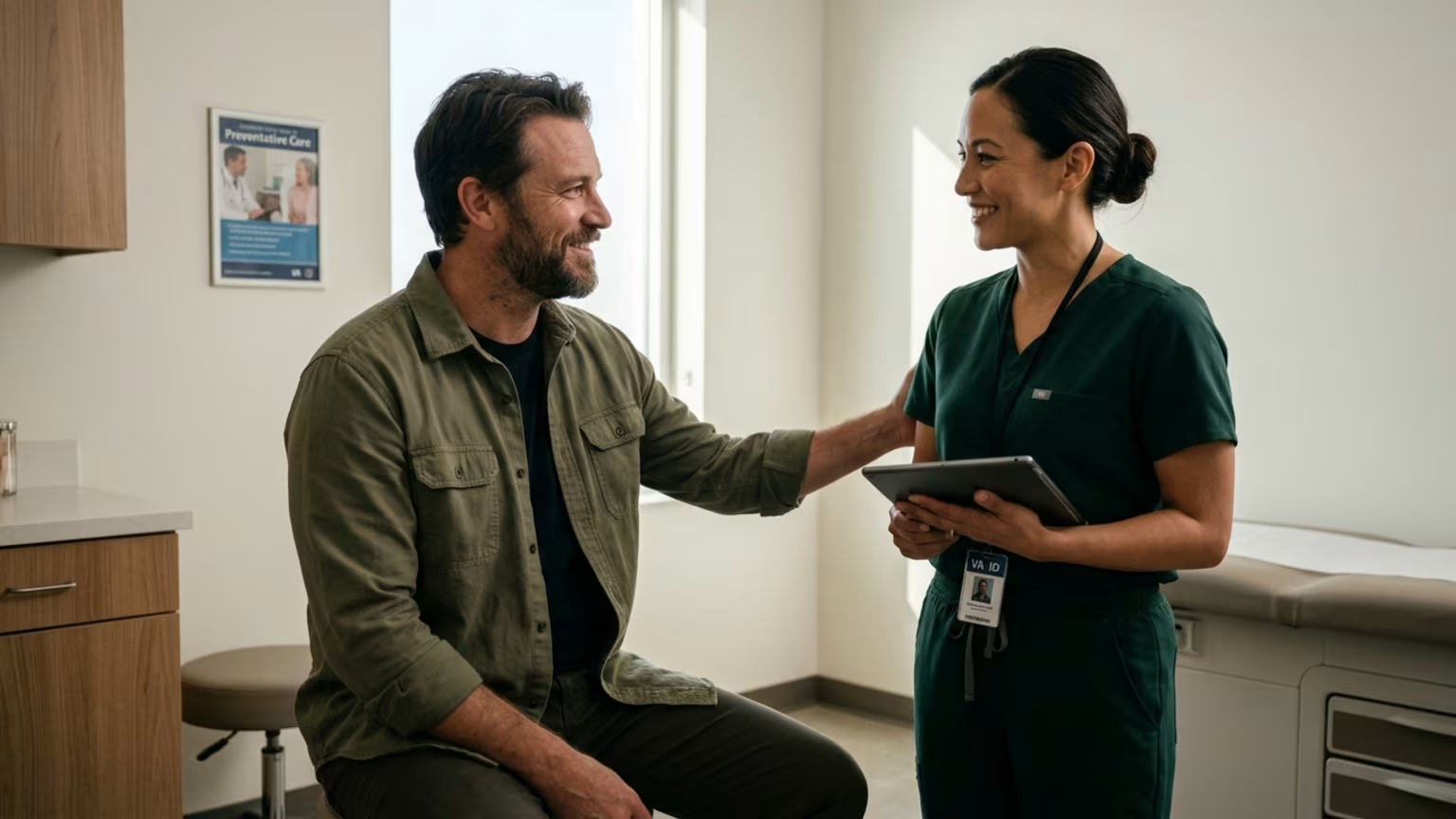
The VA reports veteran trust remained above 80 percent for a fourth consecutive quarter. Learn how this data impacts health planning and community care.

Recent 2026 data from the Royal British Legion and the UK Ministry of Defence highlights the co-occurrence of fatigue and musculoskeletal symptoms in veterans.
Build better habits around strength, recovery, sleep, hormones and healthy aging with practical guidance for active military personnel and veterans.
Explore BattleVet