

Two distinct recovery pathways for guilt and shame guide service members through responsibility mapping, moral outrage processing, and meaningful amends.


Military head pain is often dismissed as simple tension, but effective relief requires precise diagnostic classification and structured management.

Rest might seem safe, but progressive mechanical loading drives the cellular mechanotransduction required to rebuild durable tendon stiffness and strength.
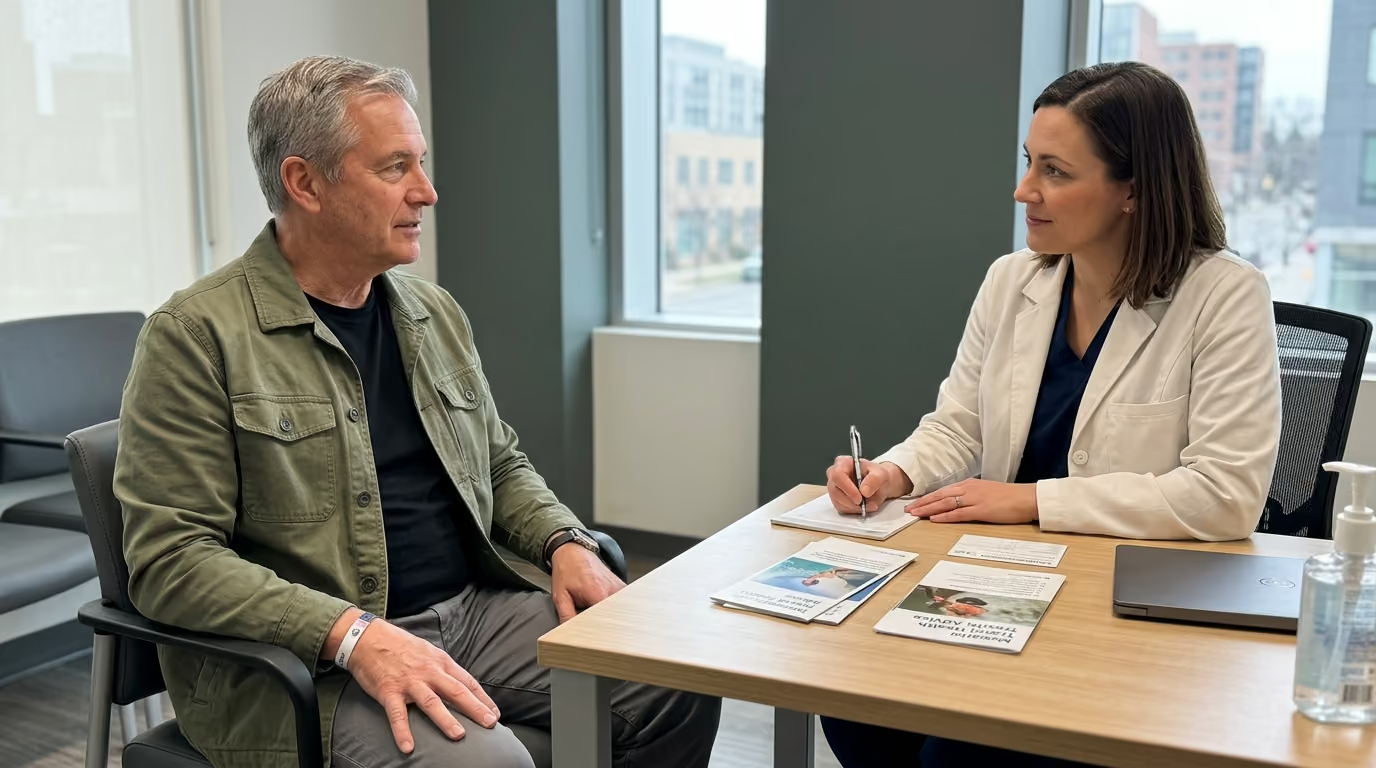
Managing chronic conditions and prescriptions away from home requires coordinated VA refills, portable medical records, and proactive transit safety planning.
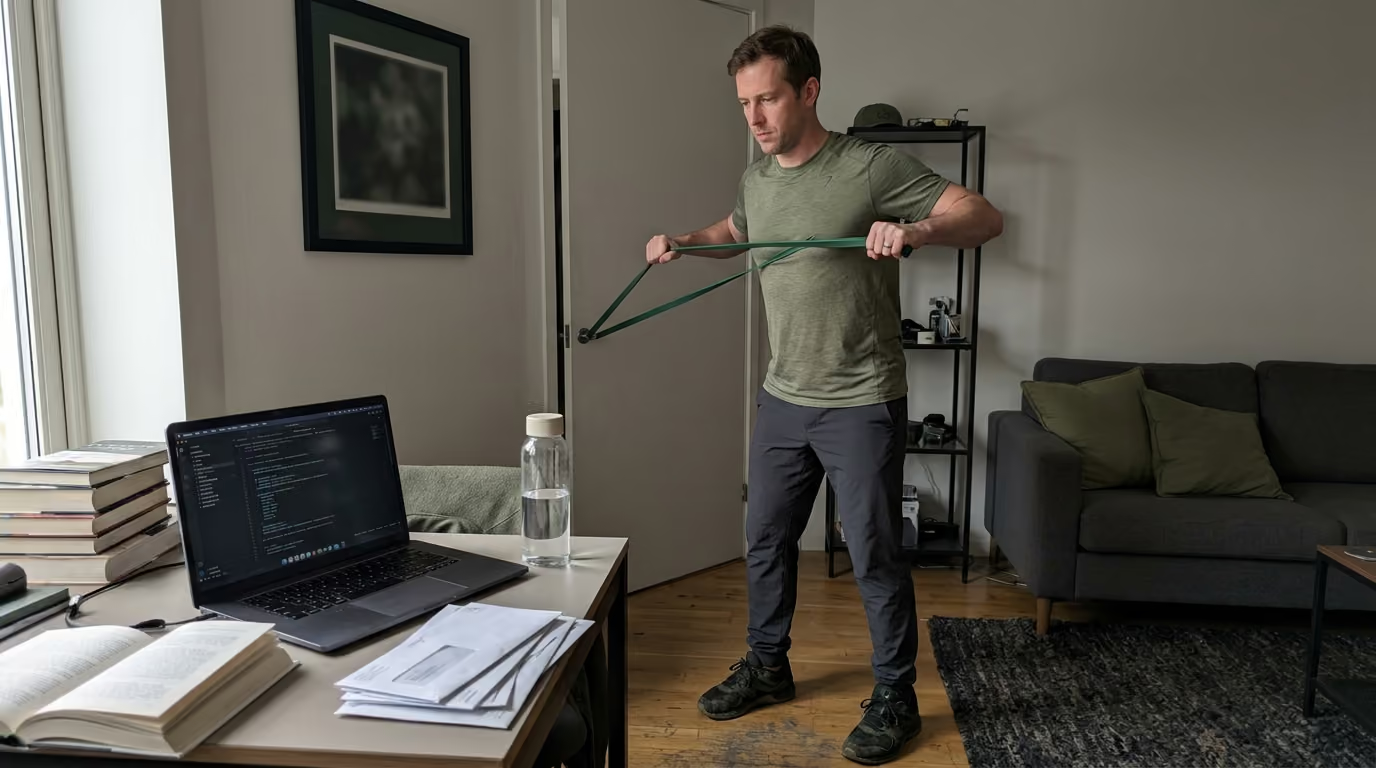
Physical deconditioning alters muscle strength and cardiovascular health, requiring a methodical, staged approach to restore daily stamina and functional movement safely.
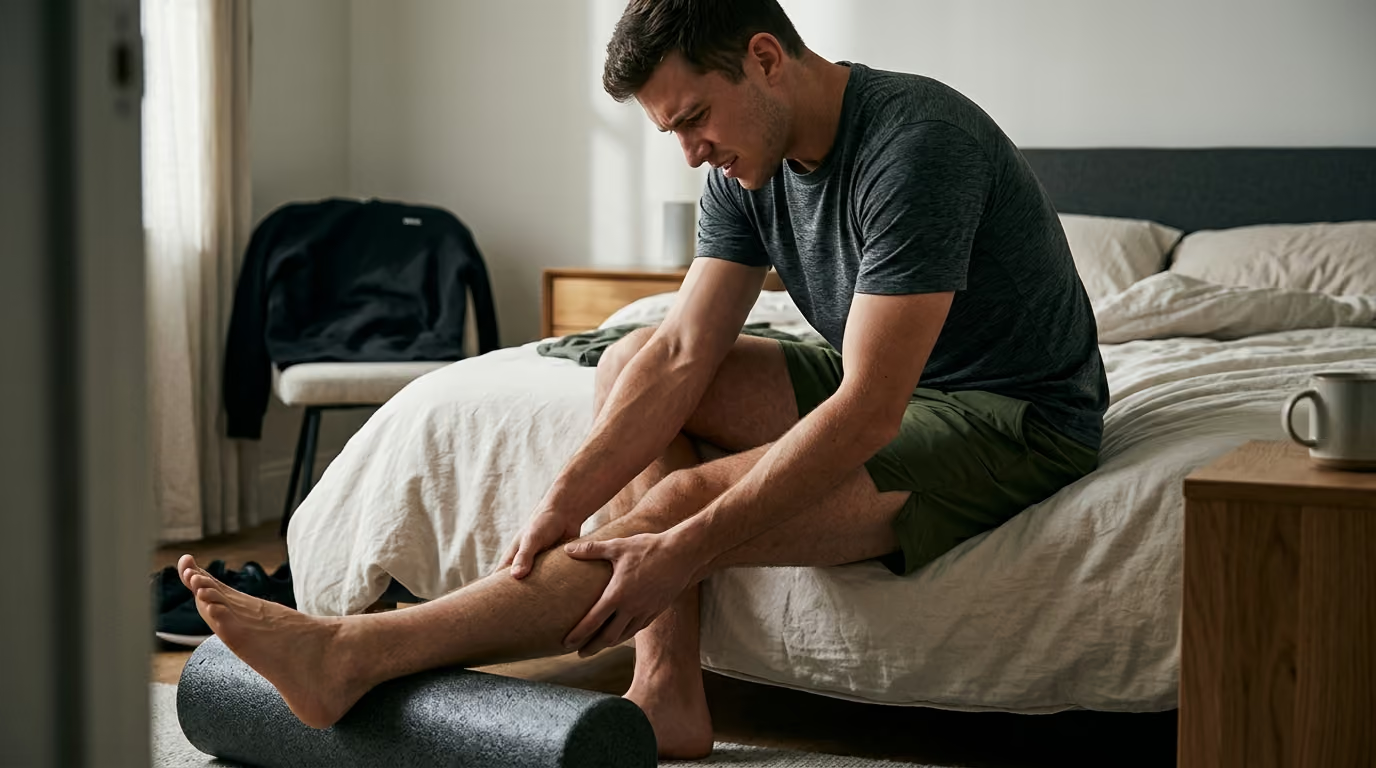
Three structured traffic light zones clarify how athletes should adjust exercise intensity when evaluating persistent aches versus sudden acute tissue trauma.
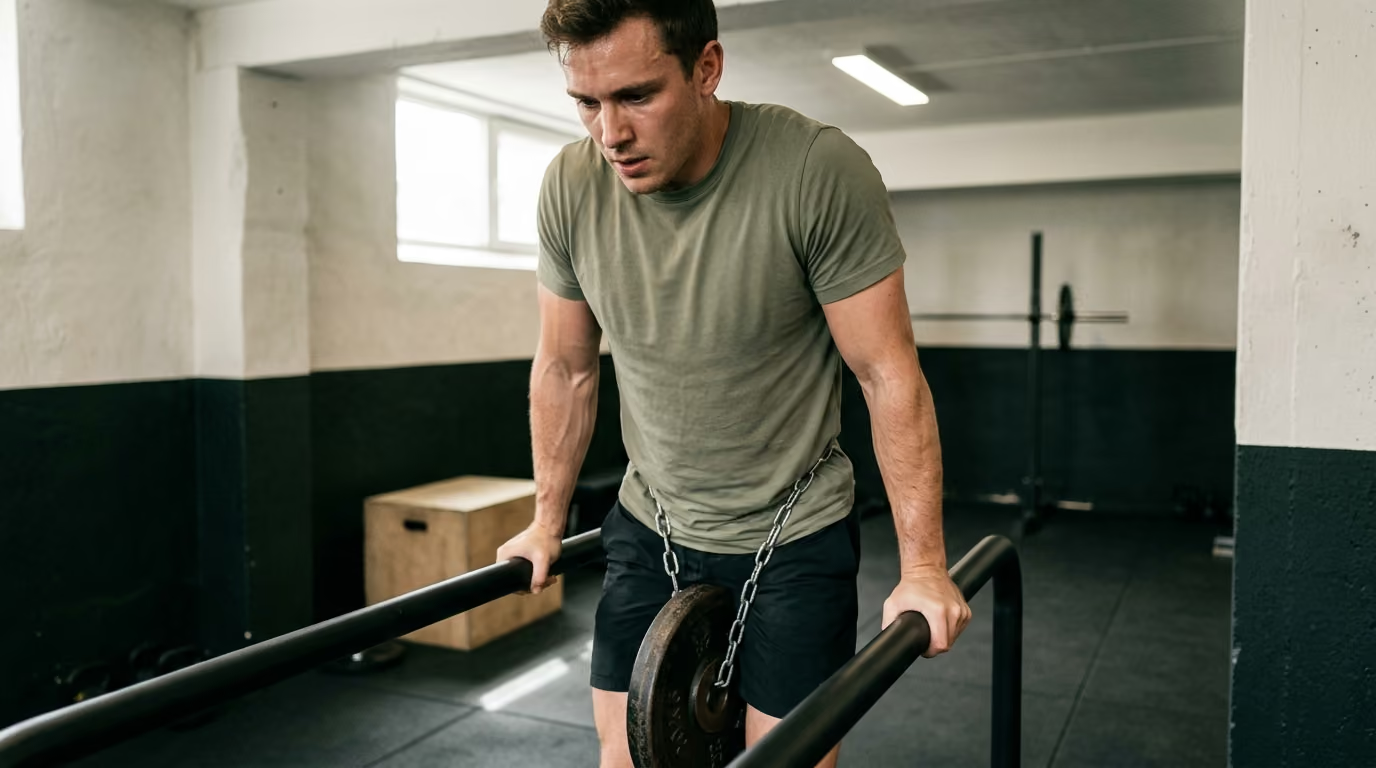
Physical training adaptations create distinct neural and muscular changes that require precise programming variables tailored to specific athletic goals.

Treating chronic conditions as separate illnesses seems standard, but veterans achieve better health by unifying all care around daily functional priorities.
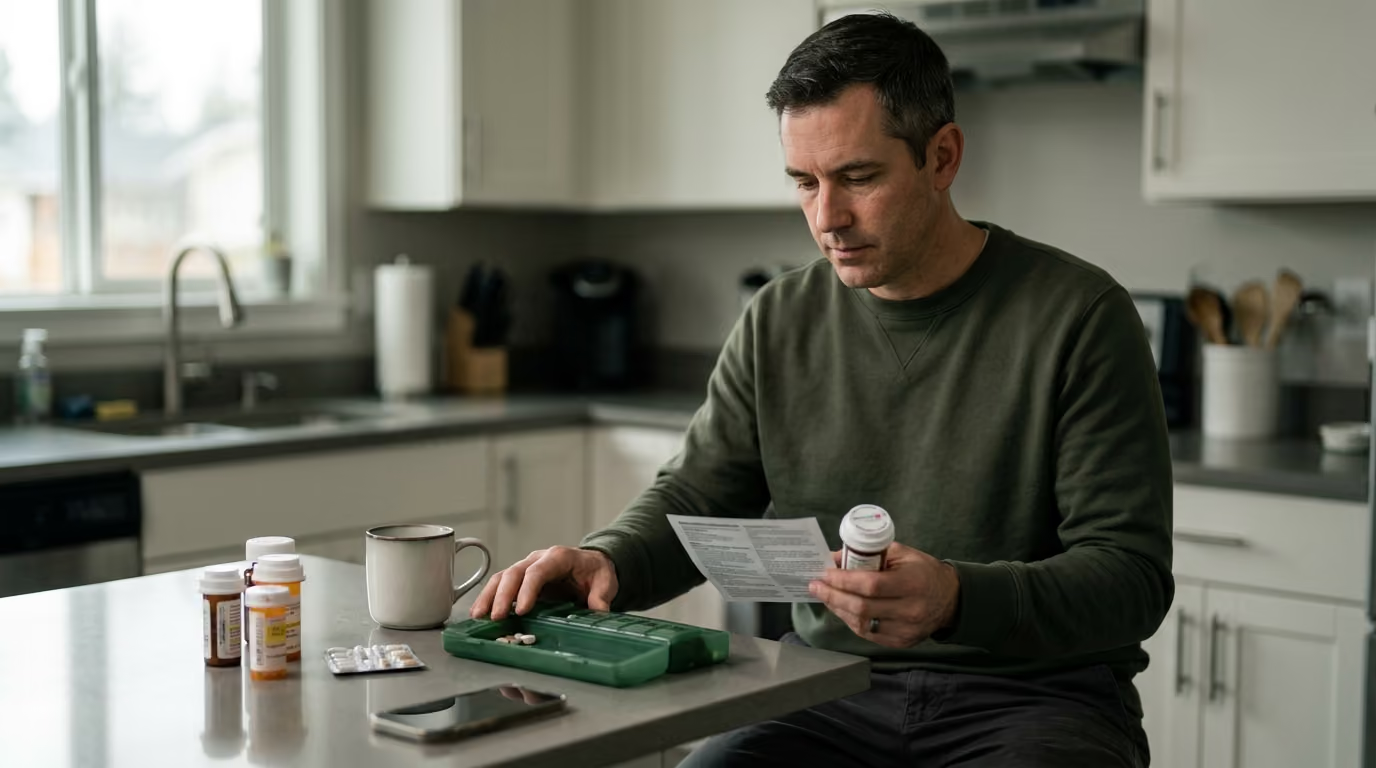
Safe and accurate medication routines protect veterans using multiple healthcare providers from dangerous drug interactions and conflicting daily prescription schedules.
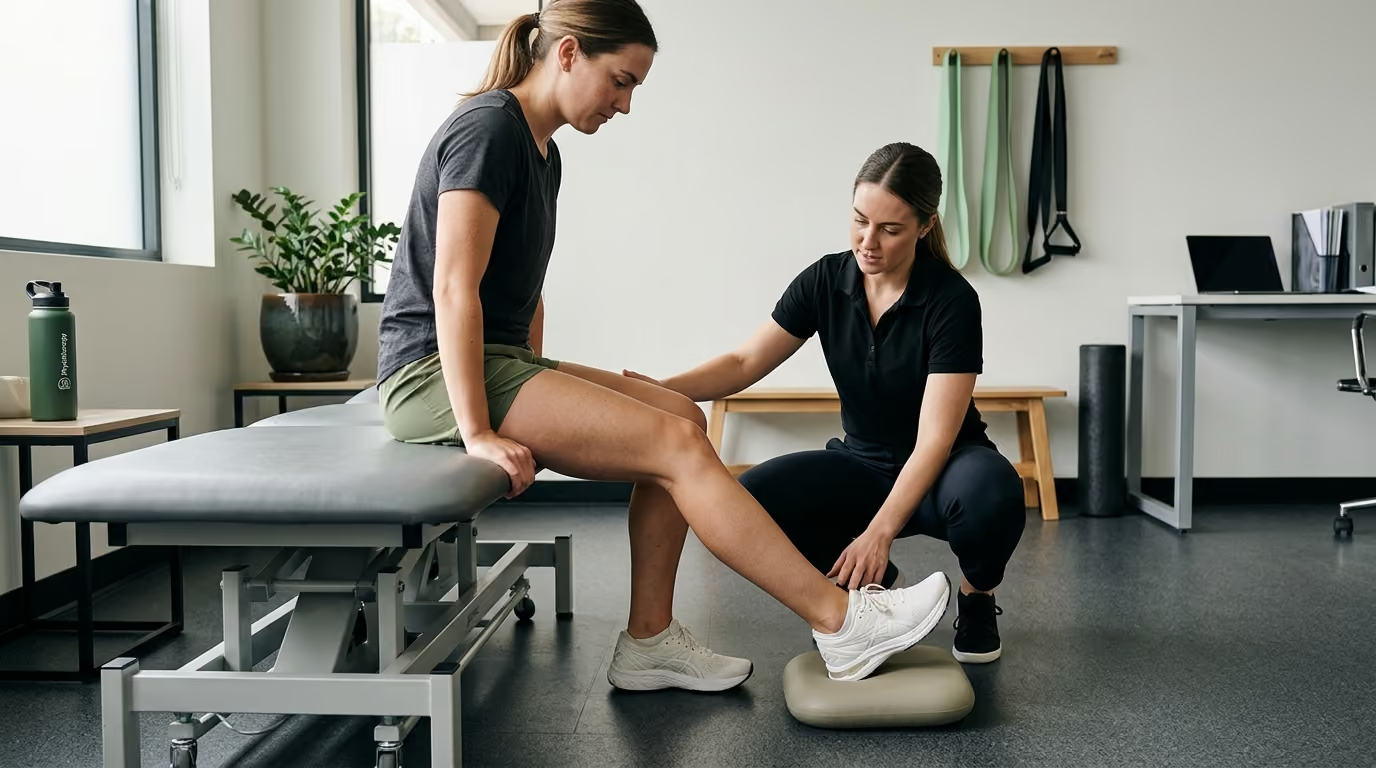
Full recovery from a bone stress injury requires a structured reloading protocol to restore skeletal strength and safely return to running.

Five core functioning domains provide a proven roadmap for moving from early stabilization into demanding real-world occupational and daily tasks.
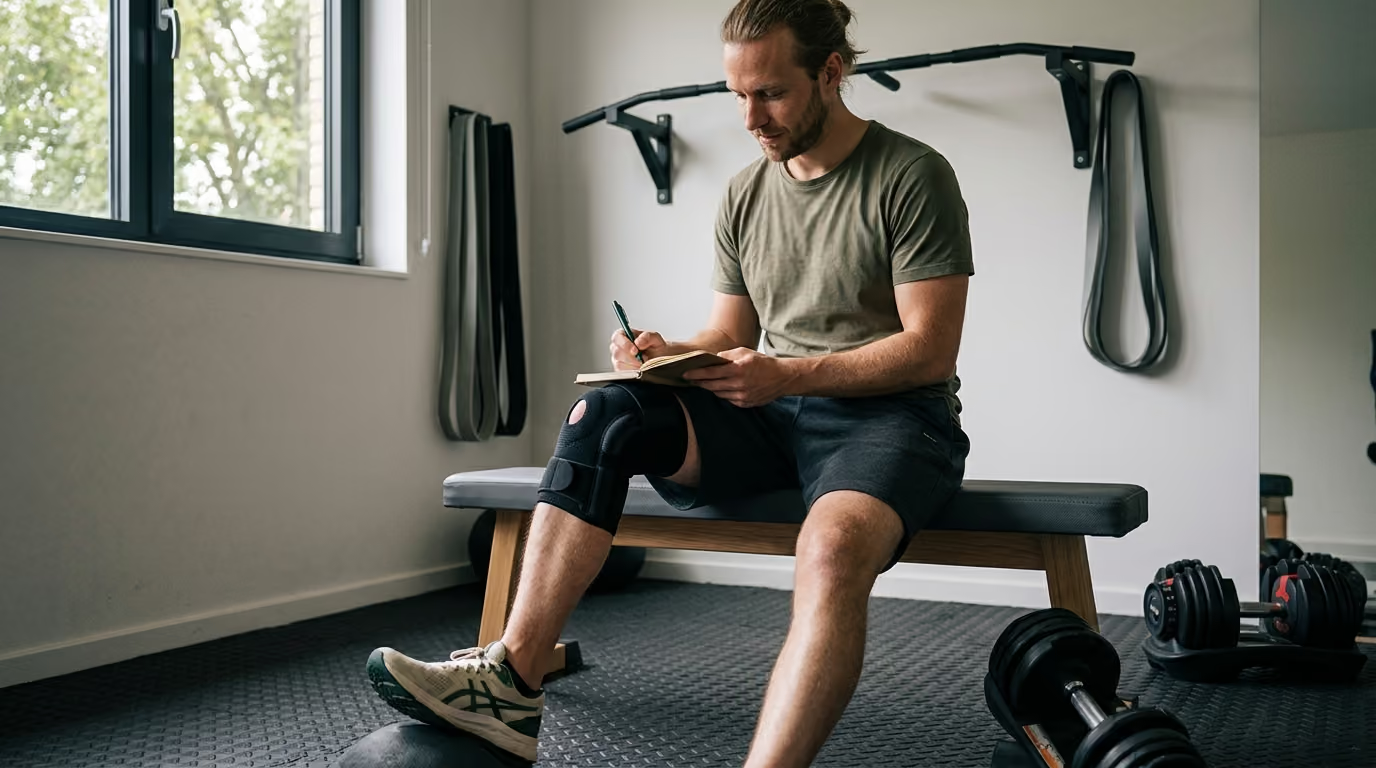
Time off does not mean losing all your fitness gains if you apply structured load management to maintain strength and physical performance.
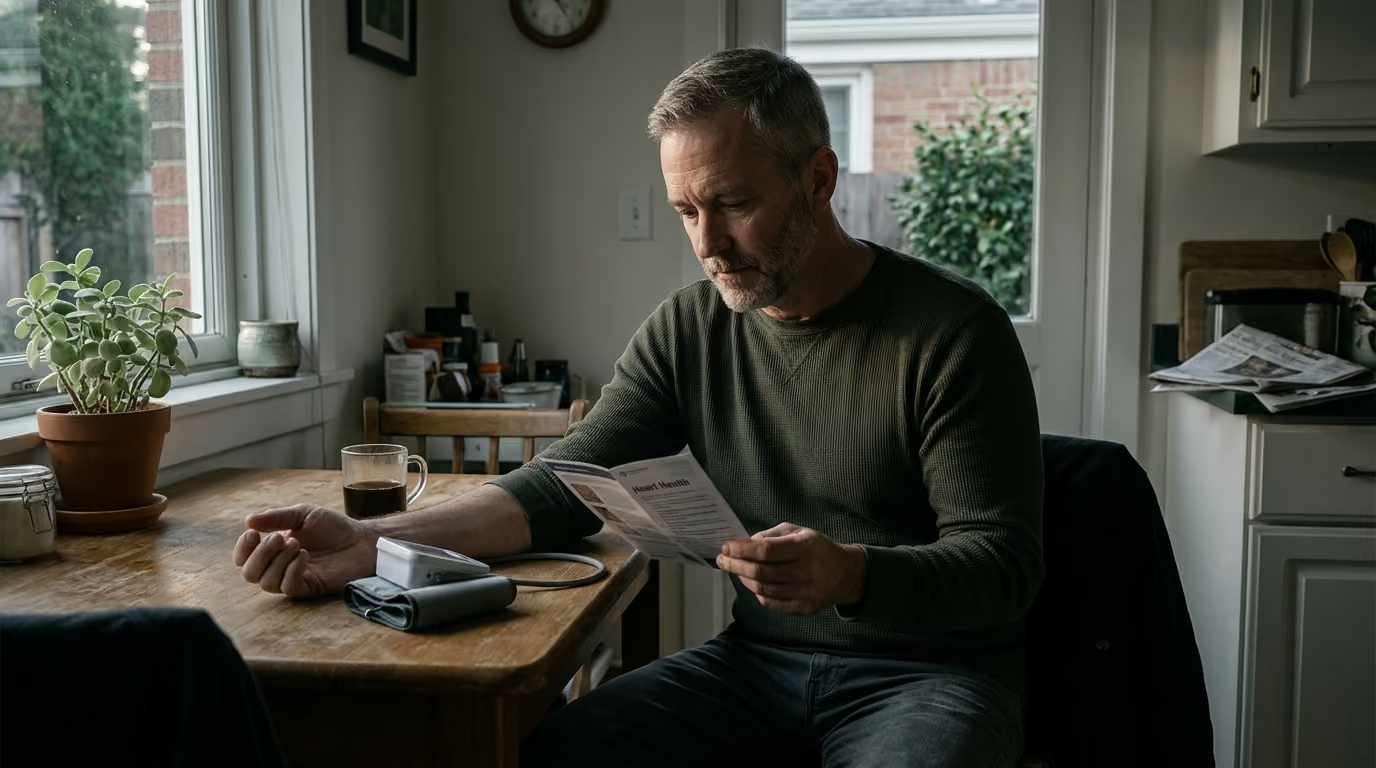
A blood pressure reading of 138 over 86 often signals the beginning of cardiovascular risk changes that veterans can actively manage through clinical care.

Struggling to balance gym days with recovery needs becomes easier when comparing scientific evidence on weekly volume, training splits, and strength gains.

Chasing fixed performance benchmarks fails in extreme conditions, while managing internal strain ensures safe progress across heat, cold, and altitude.
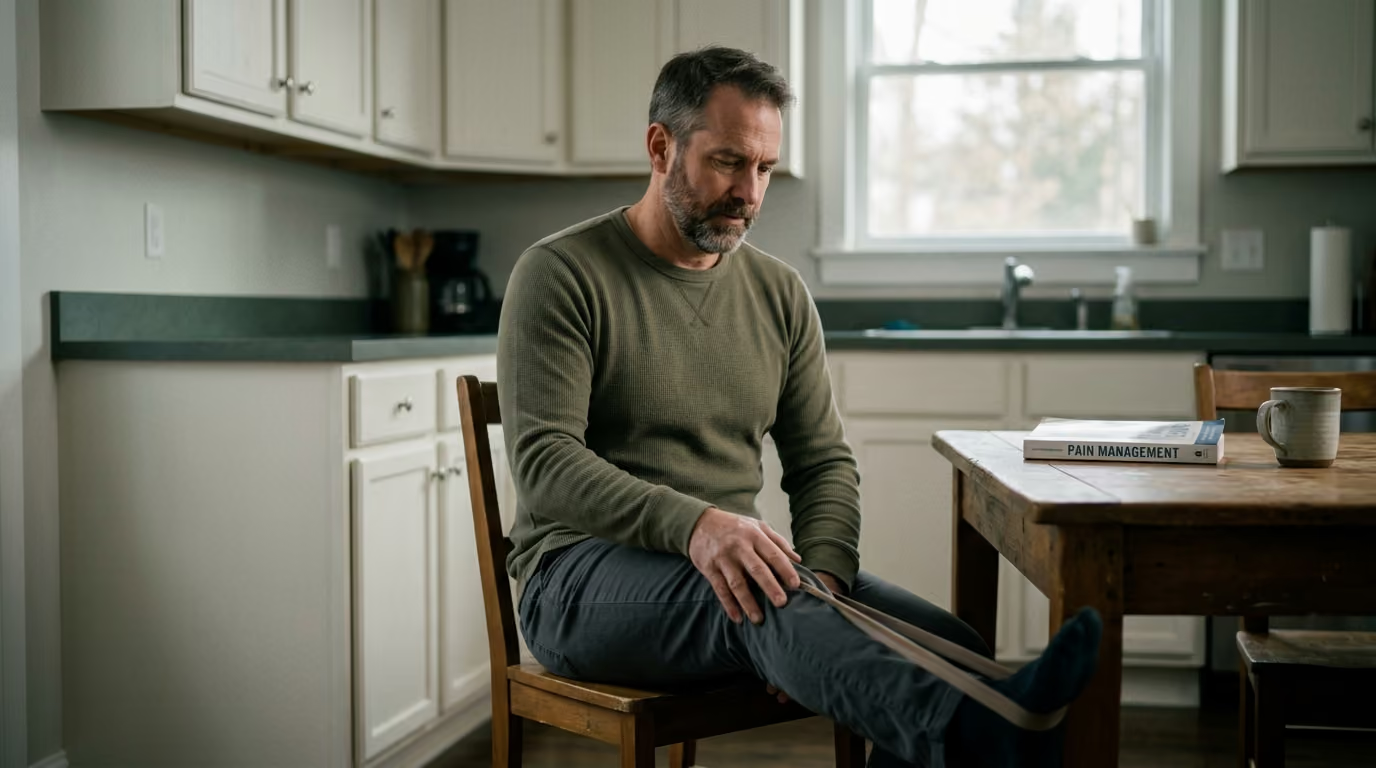
Veterans dealing with chronic pain can protect their physical capacity and maintain independence by targeting daily function rather than total symptom elimination.

Over 200 million people experience neck pain every year, but targeted rehabilitation restores mobility and builds deep muscular strength for lasting physical relief.

Long term physical capability relies on structured performance metrics and adaptable routines that protect your training consistency against everyday stress and fatigue.
Build better habits around strength, recovery, sleep, hormones and healthy aging with practical guidance for active military personnel and veterans.
Explore BattleVet



