
Veterans dealing with chronic pain can protect their physical capacity and maintain independence by targeting daily function rather than total symptom elimination.





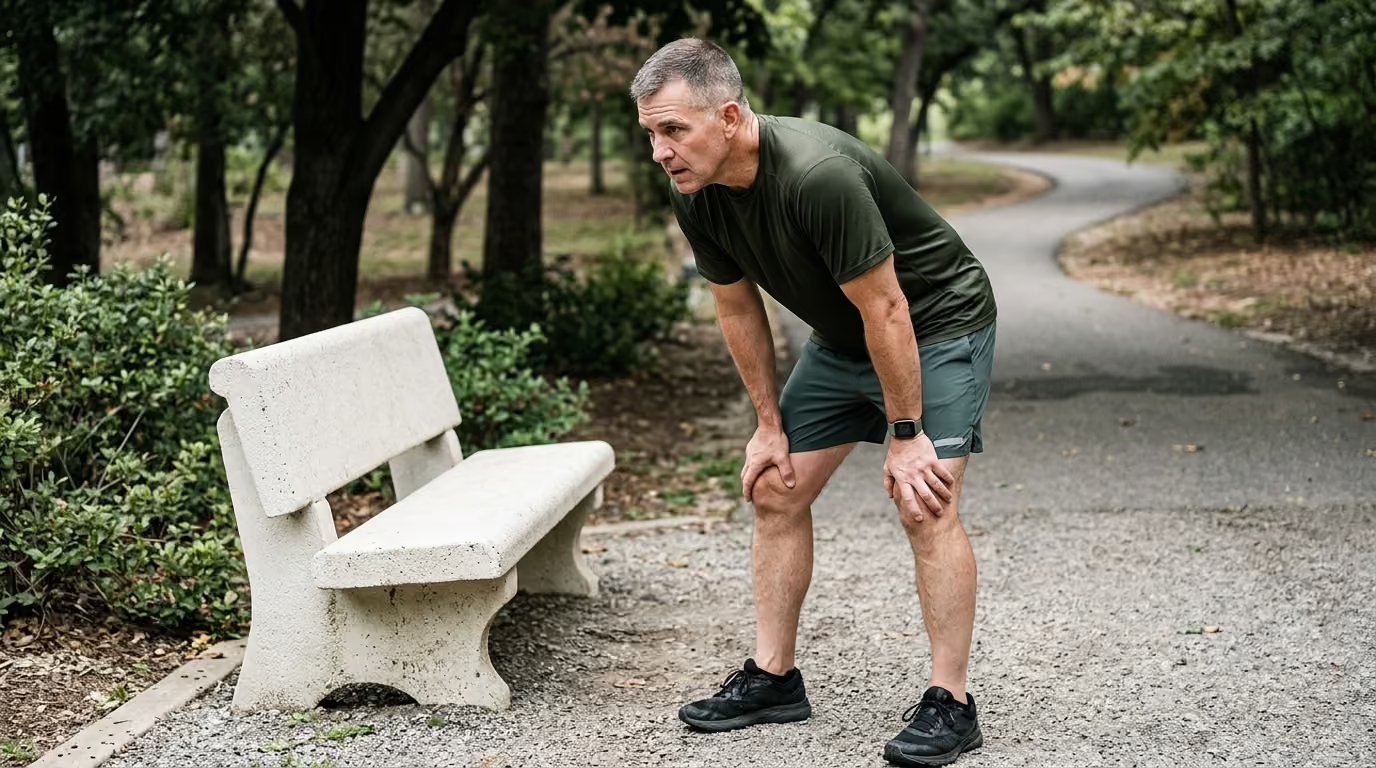
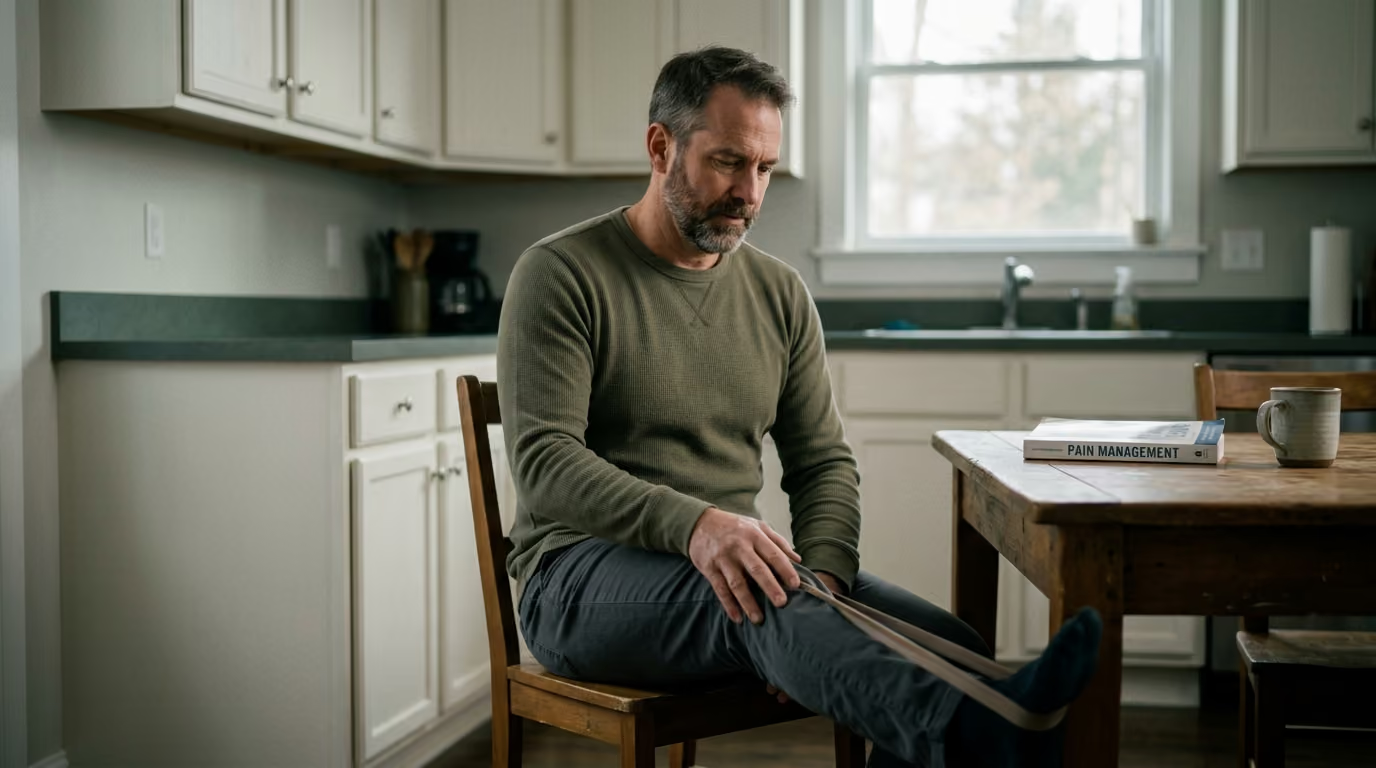
You wake up at five in the morning with a stiff lower back and a sharp ache in your right knee. Getting out of bed requires rolling onto your side, pausing to brace against the mattress, and taking several deliberate steps before your joints loosen up. You wonder if this constant physical restriction means you must accept a sedentary future, or if you are doing permanent damage every time you push through the stiffness. You need a reliable strategy to protect your mobility, maintain your physical independence, and stay capable as you age.
Living well with chronic pain requires shifting your primary focus from complete symptom elimination to restoring daily function, sleep quality, physical capacity, and long-term independence through an individualized combination of movement, behavioral skills, and medical care.
Chronic pain does not have to dictate the trajectory of your health or force you into early physical decline. Long-term capability depends on managing pain interference, which is the degree to which discomfort disrupts your ability to walk, work, sleep, exercise, and participate in your community. Research across military and veteran populations shows that combining structured physical rehabilitation, behavioral strategies, sleep optimization, and prudent medical management yields better physical function and higher quality of life than relying on rest or medication alone. By addressing chronic symptoms systematically, you can protect your joint health, preserve cardiovascular fitness, and maintain personal autonomy throughout your life.
Understanding persistent pain begins with clear definitions. Pain intensity describes how severe a physical sensation feels at any single moment. In contrast, pain interference measures the degree to which discomfort stops you from walking, lifting, concentrating, sleeping, or engaging with family and friends. Pain-related disability reflects the actual physical limitations you experience during daily tasks. A treatment that lowers pain intensity by only ten percent can still be highly valuable if it cuts your pain interference in half and allows you to return to regular exercise.
Chronic pain prevalence is substantially higher among military veterans than in the civilian population. According to data from the Veterans Health Administration Whole Health system, approximately 31.5 percent of veterans report chronic pain, compared with 20.1 percent of non-veterans. That same surveillance data indicates that severe pain is approximately 40 percent more common in veterans than in civilian peers. Other military medicine reviews report that up to 66 percent of veterans report experiencing pain, with roughly 9 percent experiencing severe pain.
These varying statistics highlight why definitions matter when evaluating health data. Some studies survey anyone who felt discomfort on the day of the questionnaire. Other studies require persistent symptoms lasting at least three to six months, or focus specifically on high-impact pain that limits major life activities. When reviewing your own health, separating the intensity of your symptoms from your actual physical capacity helps you track progress more accurately.
Physical function encompasses your muscular strength, joint mobility, cardiovascular endurance, balance, and motor coordination. Preserving these attributes as you age protects you against muscle loss, metabolic dysfunction, and frailty. If chronic discomfort leads to prolonged physical inactivity, the resulting loss of muscle mass and aerobic fitness causes more long-term harm to your longevity than the original orthopedic injury. Managing chronic pain is fundamentally a strategy for healthy aging and longevity.
Military service places unique physical and physiological demands on the human body. Years of carrying heavy combat loads, performing repetitive movements, sustaining parachute landings, or operating in austere environments create significant cumulative mechanical stress on joints and spinal structures. Many veterans manage combinations of service-connected injuries, including blast exposures, traumatic fractures, ligament tears, limb loss, and peripheral nerve damage. These physical injuries often coexist with physiological stress, sleep disruptions, and systemic inflammation.
When persistent discomfort is left unmanaged, it frequently establishes a self-reinforcing downward cycle. The cycle typically unfolds through predictable stages:
This downward trajectory is a modifiable physiological and behavioral cycle. It does not mean your symptoms are imaginary or ungrounded in physical reality. Pain processing involves the nervous system, local tissues, inflammatory pathways, stress hormones, and sleep quality. While tissue damage or degenerative changes may initiate nociceptive signals, your overall physical environment and daily habits heavily influence how those signals are amplified.
Veterans often encounter two unhelpful extremes when dealing with pain. The first is an aggressive approach that ignores all physical signals, driving the body to exhaustion and triggering severe inflammatory flares. The second is total avoidance of movement out of fear that any discomfort indicates active tissue destruction. Sustainable progress occurs in the middle ground, using graded physical progression that strengthens tissues without provoking continuous flare-ups.
An effective plan for managing chronic discomfort begins with a comprehensive, whole-person assessment. Evaluating symptoms solely through a numerical rating from one to ten provides an incomplete picture of your health. A thorough clinical evaluation identifies specific pain mechanisms, assesses functional baselines, screens for sleep and mood interactions, and rules out underlying red flags.
Pain mechanisms generally fall into three distinct categories, though many veterans experience a combination of them:
Diagnostic imaging, such as magnetic resonance imaging or radiographs, provides valuable anatomical detail but must be interpreted alongside your physical exam. Age-related degenerative disc changes, minor tears, and cartilage thinning appear routinely on the scans of completely pain-free individuals. Structural abnormalities on an image do not automatically identify the precise driver of your discomfort. Conversely, having a normal scan does not invalidate the reality of your symptoms.
Assessing sleep is an essential component of chronic pain management. Sleep deprivation impairs tissue repair, elevates systemic inflammatory markers, and lowers your neurological pain threshold. Clinical studies show that between 41 percent and 49 percent of military personnel and veterans report insomnia symptoms or poor sleep quality. Veterans who experience both obstructive sleep apnea and chronic pain report significantly worse symptom burden and lower quality of life than those with sleep apnea alone.
Screening should identify common sleep disruptions, including insomnia, untreated sleep apnea, nocturnal muscle spasms, and nighttime trauma-related hyperarousal. Sleeping in recliners or chairs due to back pain can create joint stiffness and fragmented sleep cycles. Addressing sleep hygiene, optimizing airway support, and tracking nocturnal recovery through dedicated recovery and sleep strategies directly improves daytime pain tolerance and functional stamina.
Persistent physical discomfort places sustained stress on cognitive and emotional resources. In studies evaluating veterans with co-occurring psychological health conditions, over 70 percent report moderate to severe chronic pain, with poor sleep compounding both physical and emotional strain. Evaluating depression, post-traumatic stress, and cognitive load is a practical step in understanding your physiological state.
Pain catastrophizing is a well-documented cognitive pattern where a person anticipates the worst possible outcome, feels helpless against symptoms, and ruminates continuously on discomfort. Catastrophizing is not a flaw in character or an indicator of weakness. It is a protective, threat-focused response of the nervous system that inadvertently amplifies pain perception and promotes physical avoidance. Identifying these thought patterns allows you to reframe physical sensations and rebuild confidence in your physical capabilities.
While most chronic musculoskeletal conditions can be managed with active rehabilitation, certain progressive symptoms require prompt medical evaluation. You should seek immediate clinical attention if you experience:
These warning signs indicate acute structural or neurological issues that require medical imaging and physical intervention rather than routine home self-management.
Physical movement is one of the most effective non-pharmacological tools for managing chronic symptoms and preserving long-term physical capacity. The Centers for Disease Control and Prevention and the Department of Veterans Affairs highlight regular exercise therapy as a primary approach for improving function and reducing discomfort in subacute and chronic conditions. Movement lubricates articular cartilage, strengthens stabilizing muscles, improves bone mineral density, and triggers the release of endogenous neurochemicals that regulate pain signaling.
Structuring a movement program requires distinguishing between productive physical exertion and symptom overload. You can manage this balance by understanding three distinct physiological responses:
Physical therapists help establish movement baselines, address gait abnormalities, and rebuild functional strength around compromised joints. Occupational therapists provide practical solutions for daily living, including ergonomic modifications, task simplification, and adaptive tools that protect your joints while you cook, drive, or work. Integrating structured resistance and aerobic work through targeted training and performance principles ensures that physical adaptations occur safely and progressively.
A well-rounded physical program incorporates multiple training modalities tailored to your current capabilities:
Progress should be measured by your functional capacity rather than whether you feel completely pain-free during the exercise. Adding five pounds to a lift, walking an extra quarter-mile, or standing comfortably while preparing dinner represents meaningful physical adaptation, even if your underlying baseline discomfort remains slightly elevated.
Managing persistent discomfort requires training the nervous system just as you would train muscular tissue. Behavioral interventions provide practical skills to regulate physiological arousal, modify unhelpful cognitive patterns, and reduce the emotional burden associated with chronic symptoms. The 2022 VA and DoD clinical practice guidelines emphasize behavioral health therapies as core components of chronic pain care.
Cognitive Behavioral Therapy for chronic pain focuses on identifying automatic negative thoughts regarding pain and testing alternative, constructive interpretations. If you believe that any joint cracking or stiffness indicates progressive physical harm, your body responds with muscular bracing and heightened stress hormones. Learning to reframe those sensations as normal physiological feedback reduces unnecessary muscle guarding and lowers nervous system sensitivity.
Acceptance and Commitment Therapy offers an alternative, highly effective framework. Rather than spending cognitive energy attempting to eliminate pain sensations before taking action, acceptance strategies teach you to clarify your personal values and pursue meaningful activities despite ongoing discomfort. Choosing to attend a family gathering or complete a daily walk while experiencing mild symptoms builds psychological resilience and breaks the cycle of isolation.
Mindfulness-Based Stress Reduction and paced diaphragmatic breathing directly influence autonomic nervous system tone. Slow, controlled breathing with an extended exhalation stimulates the vagus nerve, lowering heart rate and reducing sympathetic nervous system arousal. Practicing ten minutes of structured breathing daily can decrease muscular tension and provide a reliable self-regulation tool during acute symptom flare-ups.
Trauma-informed care is particularly relevant for veterans who have experienced physical trauma, blast injuries, or severe combat stress. Unresolved post-traumatic stress can keep the nervous system in a state of chronic hypervigilance, amplifying pain signaling throughout the body. Behavioral strategies that address trauma-related arousal help normalize physiological stress responses, making physical rehabilitation safer, more predictable, and significantly more effective.
Medications and interventional procedures serve as supplementary tools within a broader functional rehabilitation strategy. When used appropriately, they can reduce acute symptom severity enough to allow you to sleep, move, and participate in physical therapy. Relying on medical procedures or pharmacological agents as standalone cures rarely provides lasting functional improvement.
Current medical guidelines from the CDC and the VA recommend non-opioid medications as the preferred pharmacological approach for chronic non-cancer pain. Clinicians select medications based on the primary pain mechanism, your age, organ function, and potential drug interactions:
All medications carry trade-offs. Older adults must be particularly cautious regarding sedating medications, anticholinergic drugs, and polypharmacy, as these increase the risk of cognitive clouding, balance disruptions, and accidental falls.
The 2022 VA and DoD Clinical Practice Guideline recommends against initiating long-term opioid therapy for chronic non-cancer pain due to substantial risks of physical dependence, tolerance, overdose, hyperalgesia, and accidental death. Opioid medications blunt acute pain signals in the brain but often lose functional effectiveness over long periods, while contributing to sleep apnea worsening, constipation, and hormonal suppression.
For veterans already maintained on long-term opioid therapy, guidelines do not advise sudden, unmonitored cessation. Abrupt discontinuation can provoke severe withdrawal symptoms, intense rebound pain, psychological distress, and destabilization. Any modification to long-term opioid treatment should involve a collaborative, medically supervised taper that proceeds gradually over weeks or months. A structured taper allows the nervous system to adapt while clinicians simultaneously introduce non-opioid medications, behavioral support, and physical therapy to support daily function.
Interventional pain procedures include epidural steroid injections, joint injections, peripheral nerve blocks, radiofrequency ablation, and neuromodulation devices like spinal cord stimulators. These interventions can be helpful when tailored to specific anatomical structures. They should be evaluated by whether they create a functional window of opportunity for physical rehabilitation rather than whether they provide permanent pain relief on their own.
Before agreeing to an invasive procedure, ask your healthcare team targeted questions:
Repeatedly performing identical injections without measurable improvements in your physical mobility, daily function, or sleep quality is rarely beneficial. Surgical options, such as joint replacements or spinal decompression, are reserved for clear structural pathologies where conservative therapies have failed and neurological function or joint stability is compromised.
The Veterans Health Administration has developed the Whole Health system to help veterans manage chronic conditions through personalized self-care, clinical support, and complementary health approaches. This model organizes health around your core values, recognizing that sustained functional capability depends on your daily habits, living environment, and social connections.
A landmark study evaluating nearly 800 veterans across six VA medical centers demonstrated the effectiveness of this approach. Veterans who participated in Whole Health programs showed statistically significant improvements in pain interference compared to those receiving usual medical care or standard cognitive therapy alone. Over a 12-month period, participants experienced reductions in how much pain disrupted their daily routines, while also reporting improvements in their overall sense of well-being.
Additional VA clinical data indicates that over 40 percent of veterans with chronic musculoskeletal conditions achieve clinically meaningful improvements in pain interference when incorporating complementary and integrative health therapies. These modalities include clinical acupuncture, massage therapy, chiropractic care, and structured mindfulness training. When combined with conventional physical medicine, these therapies help modulate nervous system sensitivity and support active movement goals.
Self-management is not about dealing with physical conditions entirely on your own without professional support. Instead, it involves building practical daily competencies that you control between medical appointments. Tracking your activity levels, optimizing your nutrition, maintaining regular sleep schedules, and communicating clearly with your healthcare team ensures that you remain an active director of your care plan. Navigating these options through dedicated veteran lifestyle and healthcare resources helps you integrate clinical care with everyday self-management.
Applying pain management concepts to daily life requires adjusting your approach to your specific physical limitations, health history, and personal goals. The following clinical patterns illustrate how veterans can navigate common challenges and restore function.
A 62-year-old veteran experiences lumbar spine stiffness. On days when his discomfort feels low, he hikes several miles, works in the yard for hours, and cleans the garage. The following morning, he suffers a severe inflammatory flare that forces him to spend two full days resting in bed. This erratic pattern prevents steady physical adaptation and leads to ongoing frustration.
The solution involves establishing a consistent, repeatable movement baseline. Instead of hiking five miles on a good day, the veteran commits to walking twenty minutes every morning regardless of symptom fluctuations. Once he sustains this baseline for three consecutive weeks without triggering a severe flare, he gradually increases his daily walking time by ten percent each week. This steady approach prevents the cycle of overexertion and forced bed rest, building real cardiovascular capacity and tissue tolerance.
A 48-year-old veteran with service-connected knee and shoulder injuries reports severe daytime fatigue, poor concentration, and nighttime awakenings from pain. She routinely sleeps in a recliner chair and relies on over-the-counter sleep aids that leave her groggy the next morning. Her daytime physical activity has dropped, which has led to progressive weight gain and increased knee discomfort.
A successful management plan addresses these issues together:
A 38-year-old veteran with a history of combat-related blast exposure and chronic neck pain avoids all upper-body resistance training. He believes that any localized aching or cracking in his cervical spine means his vertebrae are deteriorating, which triggers intense anxiety and physical guarding. His upper back muscles remain in a state of continuous contraction.
His rehabilitation plan combines education, pain science, and graded physical exposure. A physical therapist demonstrates that his structural imaging changes are stable and explains how the nervous system amplifies pain signals when hyperarousal is present. He begins gentle mobility drills paired with slow, diaphragmatic breathing to regulate his autonomic nervous system. As his confidence grows, he adds light cable rows and band pull-aparts, proving to his nervous system that loading upper-body muscles can be done safely without causing injury.
A 55-year-old veteran with severe unilateral hip osteoarthritis stops attending his monthly veteran organization meetings because walking across the parking lot and sitting on hard metal chairs causes significant joint discomfort. This physical withdrawal leads to feelings of isolation and low mood.
The treatment strategy prioritizes his functional participation over complete joint pain relief. His physician prescribes a localized anti-inflammatory regimen and refers him for targeted physical therapy to strengthen his gluteal muscles and improve hip stability. He is fitted with a lightweight walking stick that offloads ten to fifteen percent of his body weight during ambulation. He arranges to arrive early to park near the entrance and brings a supportive seat cushion. By modifying his environment and using adaptive tools, he successfully returns to his regular community meetings.
A 68-year-old veteran has taken a stable, moderate dose of opioid medication for over a decade following lumbar fusion surgery. He notices that his baseline pain remains largely unchanged, while he struggles with chronic constipation, morning sedation, balance instability, and daytime fatigue. He wants to reduce his medication reliance but worries about severe withdrawal symptoms.
His clinical team designs a collaborative, slow tapering plan that reduces his daily dosage by five to ten percent every four to six weeks. During the taper, he is enrolled in a pain self-management workshop and begins working with an aquatic physical therapist. His team provides education on non-opioid pain strategies and ensures close clinical follow-up throughout the process. As his medication dose decreases, his daytime mental clarity and balance improve, allowing him to engage more actively in his physical exercise routine.
Creating an actionable plan ensures that your pain management strategy remains consistent, measurable, and adaptable. Use the following structured checklist to establish your daily and weekly routine:
Mild muscle soreness or minor joint discomfort during physical activity does not automatically indicate structural damage. Persistent pain often reflects a sensitized nervous system and protective muscle guarding rather than acute tissue tearing. If your discomfort remains mild, does not cause joint swelling, and returns to your normal baseline within twenty-four hours, the exercise is generally safe and productive. You should only pause and seek clinical guidance if you experience sudden sharp pain, joint instability, radiating numbness, or severe swelling.
Persistent pain places significant demands on your cognitive resources. When your brain processes continuous discomfort, sleep deprivation, and physiological stress, your working memory, attention span, and processing speed can decline. This cognitive fatigue is often compounded by sedating medications, untreated sleep apnea, or low mood. Improving your sleep quality, staying physically active, and working with your doctor to streamline your medications can help clear brain fog.
Both heat and cold therapy are safe, non-invasive modalities that help regulate local pain signals, so you can choose based on your specific symptoms. Cold therapy is generally best for acute injuries, joint swelling, or post-exercise inflammatory flares because it temporarily constricts blood vessels and numbs sharp pain. Heat therapy is ideal for chronic muscular tightness, morning joint stiffness, and relaxation because it increases local blood flow and relaxes connective tissues. You can use whichever modality provides the greatest comfort and functional ease.
Many veterans achieve meaningful functional improvements using non-pharmacological therapies alone. Clinical evidence shows that combining structured resistance training, low-impact aerobic exercise, sleep optimization, cognitive behavioral skills, and complementary approaches like acupuncture can significantly decrease pain interference. While medications can be helpful tools for some individuals, daily movement habits and lifestyle self-management form the foundation of long-term mobility and physical function.
This educational resource is published for informational purposes only and is not intended to serve as individual medical advice, clinical diagnosis, or personalized treatment planning. Chronic pain, spinal conditions, neurological symptoms, and physical rehabilitation require comprehensive evaluation by licensed healthcare professionals. Always consult your physician, physical therapist, or qualified healthcare team before starting a new exercise program, changing your medication dosages, or modifying your clinical treatment plan. Never ignore or delay seeking professional medical evaluation for acute injuries, progressive neurological deficits, or severe systemic symptoms.
Follow BattleVet for practical guidance on military and veteran health, strength, recovery, testosterone, sleep and healthy aging. Stay connected for new articles, research backed insights and clear information to help you stay capable for the years ahead.


Build better habits around strength, recovery, sleep, hormones and healthy aging with practical guidance for active military personnel and veterans.
Explore BattleVet