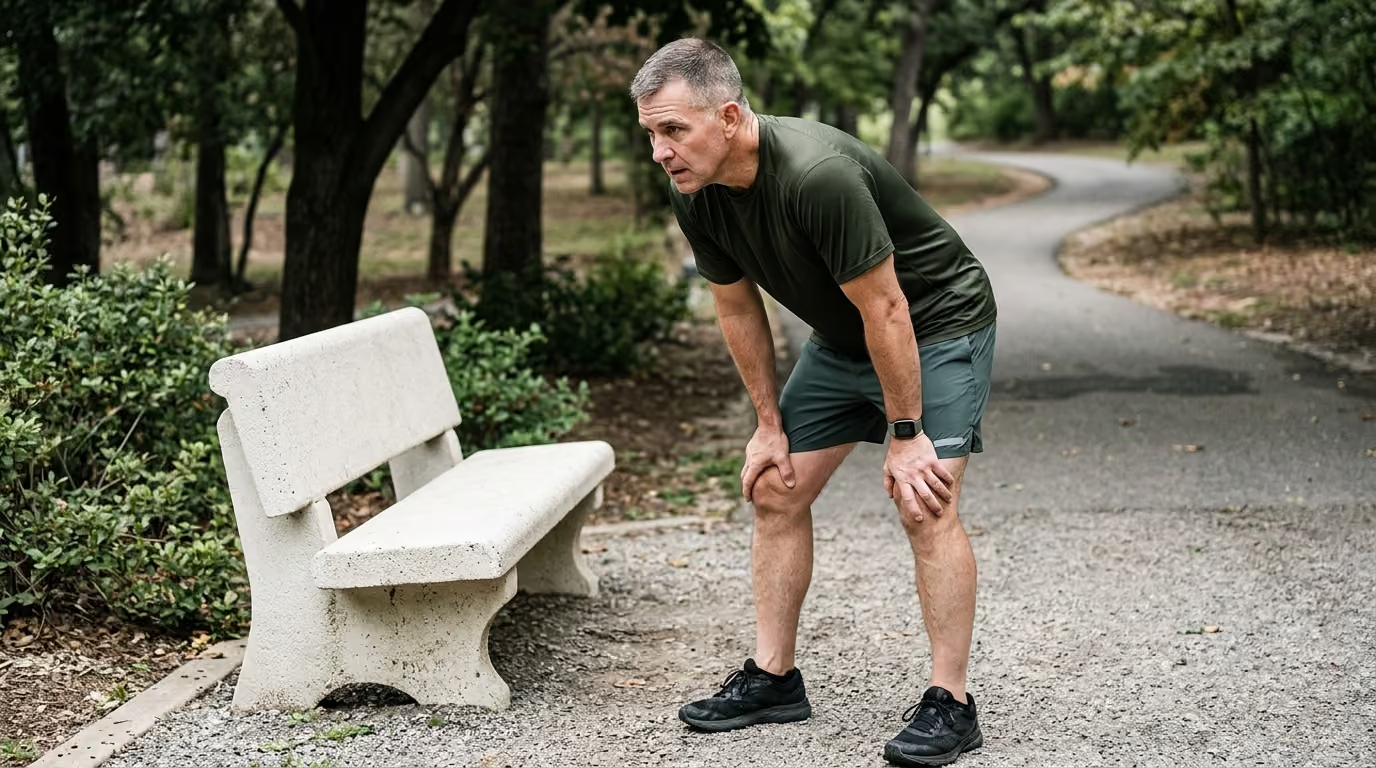

Menopause care for women veterans requires tailored strategies that address military health history, severe symptoms, bone density, and overall cardiovascular wellness.





If you are in immediate danger, call 911. For 24/7 support, call or text 988 and press 1 for the Veterans Crisis Line, or text 838255.
You wake up at three in the morning with your sheets soaked in sweat and your heart racing. Your joints feel stiff, your energy is low, and your recent routine blood work shows unexpected shifts in your cholesterol and fasting glucose. You wonder if your symptoms stem from military service, chronic pain, or the start of the menopause transition.
Menopause is a natural biological transition that requires an individualized healthcare plan addressing symptom relief, bone density, heart health, and preventive screening rather than silent endurance.
Menopause is clinically confirmed after twelve consecutive months without a menstrual period. Managing this life stage effectively involves assessing your unique medical history, service-connected conditions, and long-term health risks to select the right combination of lifestyle changes, nonhormonal therapies, and hormone treatments.
The transition into postmenopause is a gradual process rather than an overnight event. Understanding where you are on the biological timeline helps you make informed choices with your healthcare team.
Perimenopause is the phase leading up to menopause. During this stage, ovarian hormone production fluctuates unpredictably instead of declining in a smooth line. Estrogen and progesterone levels swing from high to low, causing irregular menstrual cycles, hot flashes, night sweats, sleep disturbances, mood changes, and vaginal dryness. Perimenopause can last anywhere from two to eight years. It is important to remember that ovulation can still occur during perimenopause, which means pregnancy remains possible until menopause is clinically established.
Menopause is reached when you have gone twelve consecutive months without a menstrual cycle, provided there is no other medical reason for the absence of bleeding. The average age of natural menopause in the United States is 51. Any vaginal bleeding or spotting that happens after this twelve-month milestone is considered abnormal. Postmenopausal bleeding requires prompt clinical evaluation to rule out uterine pathology.
Postmenopause describes all the years that follow the menopause milestone. During this phase, estrogen and progesterone levels remain low. The primary focus of healthcare shifts from managing acute cycle changes to long-term risk reduction. These long-term priorities include bone density preservation, cardiovascular risk management, genitourinary health, and age-appropriate cancer screenings. You can read more about broad longevity strategies in our healthy aging and longevity resources.
The timeline of menopause can vary significantly based on medical and surgical history:
The distinction between a hysterectomy and an oophorectomy is critical. A hysterectomy is the surgical removal of the uterus. If your ovaries remain in place, you will no longer have menstrual periods, but your ovaries will continue to produce hormones until they naturally decline. You cannot use the absence of bleeding to date your menopause transition if you have had a hysterectomy without ovary removal. In contrast, removing both ovaries causes an immediate and steep drop in circulating estrogen and progesterone.
Women who experience premature or early menopause face an increased lifetime risk of cardiovascular disease, osteoporosis, cognitive changes, and mood disorders. Clinical guidelines recommend specialized evaluation for these individuals, often including hormone replacement therapy until the average age of natural menopause unless clear medical contraindications exist.
Women veterans have distinct healthcare considerations that distinguish them from the general civilian population. Military service involves unique physical demands, environmental exposures, and psychological stressors that can interact with the menopause transition.
Many women veterans live with chronic service-connected conditions. These conditions include musculoskeletal injuries, chronic pain, traumatic brain injury, post-traumatic stress disorder, depression, and gastrointestinal disorders. When the menopause transition begins, changing hormone levels can amplify existing symptoms. Chronic joint pain may worsen as estrogen levels fall. Sleep disruption from night sweats can compound preexisting insomnia or night terrors. Evaluating menopause in women veterans requires looking at the whole person rather than attributing every new symptom solely to hormones.
Trauma-informed care is essential for women veterans. Research conducted by the Department of Veterans Affairs demonstrates that women veterans with a history of military sexual trauma, sexual assault, or intimate partner violence often experience a higher burden of menopause symptoms. VA studies indicate that lifetime trauma is associated with more severe hot flashes, night sweats, insomnia, vaginal dryness, and depressive symptoms.
Pelvic examinations, cervical screenings, and discussions about sexual health can trigger trauma responses or physical discomfort. Pelvic-floor muscle guarding and chronic pain can make standard exams distressing. A trauma-informed approach ensures that you maintain control during every clinical encounter. Your healthcare provider should explain each step of an examination, request your consent before touching you, offer a chaperone, and stop the exam immediately if you ask. If a physical pelvic exam is not strictly necessary for your visit, you have the right to defer or decline it.
The Veterans Health Administration provides specialized care for these exact needs. Every VA medical center has a Women Veterans Program Manager who assists patients in navigating services, coordinating specialty care, and finding designated Women's Health Primary Care Providers. You can learn more about how military service influences long-term health in our military health articles. Women veterans can also contact the Women Veterans Call Center at 855-829-6636 to receive assistance with enrollment, facility navigation, and appointments.
The menopause transition involves several distinct symptom domains. Because these symptoms interact with one another, an effective treatment plan targets each area systematically.
Vasomotor symptoms include hot flashes and night sweats. A hot flash is a sudden sensation of intense heat, usually concentrated in the face, neck, and chest, often accompanied by skin flushing, rapid heart rate, and profuse sweating. When these episodes occur during sleep, they are classified as night sweats.
Vasomotor symptoms can disrupt daytime focus, professional responsibilities, physical training, and nighttime rest. The exact mechanism involves a narrowing of the brain's thermoregulatory zone in the hypothalamus, triggered by fluctuating estrogen levels. Common triggers include spicy foods, caffeine, alcohol, warm environments, emotional stress, and tight synthetic clothing.
Basic lifestyle strategies can help reduce the frequency and severity of hot flashes:
For moderate to severe vasomotor symptoms, lifestyle changes alone are often insufficient. Prescription therapies provide significant relief. Menopausal hormone therapy is the most effective treatment for hot flashes. For women who cannot or choose not to use hormones, nonhormonal medications provide evidence-based alternatives.
Sleep disturbances are common during perimenopause and postmenopause. However, poor sleep is not caused by hormone fluctuations alone. Women veterans often experience sleep disruption from multiple overlapping sources.
Night sweats cause frequent awakenings, leaving you cold and damp. At the same time, rates of obstructive sleep apnea rise sharply after menopause as declining progesterone alters upper airway muscle tone. Chronic pain from service-connected musculoskeletal injuries can prevent comfortable sleep positioning. Furthermore, PTSD-related nightmares, anxiety, and shift work disrupt normal sleep architecture.
The Centers for Disease Control and Prevention recommends seven or more hours of sleep per night for adults aged 18 to 60, seven to nine hours for adults aged 61 to 64, and seven to eight hours for adults aged 65 and older. Sleep opportunity must be distinguished from sleep quality. Spending eight hours in bed does not produce recovery if your sleep is fragmented by breathing pauses, hot flashes, or nightmares.
According to research from the American Heart Association, peri- and postmenopausal women with poor sleep quality face a significantly higher risk of poor cardiovascular health scores. Women who are natural night owls and have an elevated risk for sleep apnea show a threefold increase in poor cardiovascular health metrics.
A comprehensive sleep evaluation should assess:
Treatment should target the underlying cause. Cognitive Behavioral Therapy for Insomnia is the gold-standard nonpharmacologic treatment for chronic insomnia. Continuous positive airway pressure therapy treats sleep apnea. Targeted medications can manage nightmares and vasomotor symptoms. Learn more about restorative rest strategies in our sleep, stress and resilience resources.
Fluctuating hormone levels influence neurotransmitter systems in the brain, including serotonin, dopamine, and GABA. During perimenopause, many women experience mood swings, heightened irritability, anxiety, and depressive symptoms.
These emotional changes frequently interact with chronic life stress, military-related trauma, pain, and sleep deprivation. Many women also report temporary cognitive symptoms, often described as brain fog. This brain fog involves mild forgetfulness, difficulty recalling words, and trouble multitasking. Research indicates that these cognitive changes are typically mild, temporary, and closely linked to sleep fragmentation and hot flashes. Menopause does not cause dementia.
It is critical to distinguish normal perimenopausal mood variability from major depressive episodes. A formal psychiatric and medical evaluation is warranted if you experience persistent feelings of hopelessness, loss of interest in activities, significant changes in appetite, or thoughts of self-harm. Immediate medical attention is required if you experience thoughts of suicide, manic episodes, or severe impairment in daily functioning. Veterans in crisis can call the Veterans Crisis Line by dialing 988 and pressing 1.
Genitourinary Syndrome of Menopause, or GSM, is a collection of symptoms affecting the vulva, vagina, urethra, and bladder. Unlike vasomotor symptoms, which often resolve after several years, GSM is progressive and typically worsens without treatment.
Estrogen receptors are distributed throughout the lower urinary tract and vulvovaginal tissues. When estrogen levels decline, the vaginal lining becomes thinner, drier, less elastic, and more susceptible to irritation. The vaginal microbiome also shifts, losing protective lactobacilli and raising vaginal pH. This environment increases the risk of recurrent urinary tract infections.
Symptoms of GSM include:
First-line treatment includes nonhormonal vaginal moisturizers applied two to three times per week to restore tissue hydration. Water-based or silicone-based lubricants should be used during sexual activity to reduce friction. If moisturizers and lubricants do not relieve symptoms, prescription local vaginal estrogen is highly effective. Local estrogen is available as low-dose creams, tablets, or flexible rings. Because local estrogen acts directly on pelvic tissues with minimal absorption into the bloodstream, it carries a favorable safety profile.
Pelvic-floor physical therapy is another critical component of pelvic health. Many women veterans carry high tone or muscle spasms in the pelvic floor due to physical training, load carriage, or trauma. Kegel exercises can worsen pelvic pain and urinary urgency if the pelvic floor is already overly tight. A specialized pelvic-floor physical therapist can evaluate muscle tone, teach relaxation techniques, and help restore normal function.
Deciding whether to use menopausal hormone therapy requires an individualized review of your symptoms, medical history, age, and personal preferences.
Systemic hormone therapy delivers hormones into the bloodstream to treat whole-body symptoms, particularly hot flashes and night sweats. It is also approved for preventing postmenopausal bone loss. Systemic therapy is available in several forms, including oral tablets, transdermal skin patches, topical gels, and sprays.
The composition of systemic hormone therapy depends on whether you have a uterus:
According to the Menopause Society, hormone therapy has the most favorable benefit-to-risk ratio when started in women under age 60 or within ten years of menopause onset. In this group, hormone therapy effectively relieves vasomotor symptoms and reduces fracture risk, with a low incidence of serious adverse events.
Transdermal estrogen patches and gels bypass liver metabolism. As a result, transdermal options do not increase blood clot risk to the same degree as oral estrogen tablets. Transdermal estrogen is often preferred for women with controlled high blood pressure, elevated triglycerides, or a higher baseline risk of venous thromboembolism.
Hormone therapy is not appropriate for everyone. Contraindications include unexplained vaginal bleeding, active liver disease, a history of estrogen-sensitive breast or uterine cancer, previous blood clots, stroke, or active coronary heart disease. Hormone therapy should never be prescribed solely to prevent cardiovascular disease or dementia.
Women who cannot take hormone therapy, or who prefer nonhormonal approaches, have several evidence-based prescription options:
Navigating menopause care requires avoiding several widespread misconceptions:
Bone mineral density declines rapidly during the first several years after menopause. Estrogen plays a direct role in maintaining bone strength by slowing bone breakdown. When estrogen levels fall, bone breakdown outpaces new bone formation, increasing the risk of osteopenia and osteoporosis.
Women veterans face several unique risk factors for accelerated bone loss. Prolonged use of glucocorticoid medications for service-related respiratory or autoimmune conditions weakens bone architecture. A history of low body weight, disordered eating, or chronic nutritional deficiencies reduces peak bone mass. Stress fractures sustained during military training, tobacco use, and chronic joint immobilization from combat injuries also increase future fracture risk.
The U.S. Preventive Services Task Force (USPSTF) recommends screening for osteoporosis using dual-energy X-ray absorptiometry (DXA) for all women aged 65 and older. The USPSTF also recommends screening postmenopausal women younger than 65 who have an increased fracture risk based on clinical risk assessment tools. If you have service-connected injuries, a history of adult fractures, or a history of smoking, discuss early DXA screening with your physician.
Maintaining bone density and muscle mass requires targeted physical activity. Walking is beneficial for cardiovascular health, but walking alone does not provide enough mechanical load to preserve bone and muscle tissue.
A comprehensive exercise plan should include:
Physical training programs should be adapted for preexisting injuries, joint replacements, spinal conditions, or limb loss. For deeper guidance on building a safe training foundation, read our strength, fitness and body composition resources.
Nutritional support is equally important. Adequate dietary protein supports muscle protein synthesis. Ensuring sufficient calcium intake through food or supplements, along with monitoring vitamin D levels through standard blood tests, provides the building blocks necessary for bone mineralization.
Cardiovascular disease is the leading cause of death among women. While menopause itself does not cause cardiovascular disease, the hormonal transition coincides with significant, adverse cardiometabolic shifts.
Estrogen supports vascular elasticity, healthy endothelial function, and favorable lipid profiles. As estrogen declines during menopause, blood pressure often rises, arterial walls stiffen, and LDL cholesterol and triglycerides increase. Concurrently, insulin sensitivity decreases, which raises the risk of prediabetes and type 2 diabetes. Body fat also shifts toward visceral abdominal storage, which contributes to chronic low-grade inflammation.
The timing of menopause strongly influences lifetime cardiovascular risk. According to research published by the American Heart Association, women who experience menopause before age 45 face a significantly higher risk of coronary heart disease. Studies indicate that reaching menopause before age 40 is associated with a 40 percent higher lifetime risk of coronary heart disease and a 1.5-fold higher risk of ischemic stroke compared to entering menopause at age 50 to 54.
Cardiometabolic symptoms can sometimes mimic other conditions. For example, sudden flushing, rapid heart rate, and chest tightness can be mistaken for hot flashes, panic attacks, or PTSD flare-ups. Any new exertional chest pressure, shortness of breath, unexplained dizziness, palpitations, or profound fatigue should be evaluated immediately by a physician to rule out cardiac disease.
An effective cardiovascular prevention strategy includes:
Maintaining health during postmenopause requires consistent preventive screenings. The following checklist reflects current evidence-based guidelines from leading national health organizations.
Cancer risk rises with age, making regular screening a vital part of your long-term health plan:
Routine vaccinations and general health reviews protect against preventable infectious diseases and age-related functional decline:
For additional information on coordinating clinical care, review our veteran lifestyle and healthcare resources.
The following case patterns illustrate how women veterans can navigate overlapping physical, mental, and hormonal health challenges during the menopause transition.
A 47-year-old veteran with service-connected PTSD reports worsening sleep quality, night sweats, daytime irritability, and severe concentration issues. She is unsure whether her symptoms are caused by a PTSD relapse, high work stress, or perimenopause.
Her clinical team takes a comprehensive approach. Her primary care provider conducts blood tests to rule out thyroid dysfunction, iron deficiency, and diabetes. A structured sleep assessment reveals that her nighttime awakenings are triggered by both vasomotor hot flashes and trauma-related nightmares.
Her care plan combines multiple targeted therapies. She begins treatment with an SNRI, which helps reduce her vasomotor symptoms while supporting mood regulation. She is referred to a VA sleep specialist for Cognitive Behavioral Therapy for Insomnia, and her mental health team adjusts her PTSD treatment protocol. Within three months, her night sweats decrease, her sleep quality stabilizes, and her daytime focus improves.
A 42-year-old veteran undergoes the surgical removal of both ovaries due to severe endometriosis. Within days of surgery, she experiences abrupt, intense hot flashes, severe vaginal dryness, and joint pain. She is also concerned about her long-term risk of heart disease and osteoporosis.
Because she entered menopause before age 45, she faces a higher lifetime risk of cardiovascular disease and accelerated bone loss. Her physician conducts a baseline cardiovascular assessment and orders a baseline DXA scan. Because she has no contraindications to hormone therapy, she starts transdermal estradiol and micronized progesterone.
Her physician also designs a progressive resistance training plan to support her bone density and muscle mass. Her hot flashes resolve, her joint pain decreases, and her long-term skeletal and cardiovascular health are actively protected.
A 55-year-old veteran experiences progressive vaginal dryness, pain during intercourse, and urinary urgency. She has avoided seeking medical care for years because pelvic examinations trigger memories of military sexual trauma.
She schedules an appointment with a designated VA Women's Health Provider and explains her history. Her provider uses a trauma-informed approach, clearly explaining the cause of Genitourinary Syndrome of Menopause without requiring an immediate, invasive pelvic exam.
Her provider prescribes low-dose local vaginal estrogen cream along with an over-the-counter vaginal moisturizer. The provider also refers her to a pelvic-floor physical therapist who specializes in trauma-informed care. Over the next several months, her vaginal tissue health improves, her urinary urgency resolves, and her pain during intercourse is eliminated.
A 58-year-old postmenopausal veteran notices sudden episodes of intense sweating, warmth, and shortness of breath. She assumes these episodes are lingering hot flashes. However, she notices that the episodes happen primarily while carrying heavy groceries or walking up steep inclines, and they are accompanied by mild chest tightness.
Her primary care physician recognizes that exertional symptoms should never be attributed solely to menopause. The provider immediately orders an electrocardiogram, cardiac biomarkers, and a treadmill exercise stress test.
Testing reveals significant coronary artery stenosis. She receives prompt interventional cardiology care, including coronary stenting, lipid-lowering statin therapy, and cardiac rehabilitation. By taking her exertional symptoms seriously, she avoids a major cardiac event.
A 53-year-old veteran has a history of long-term oral steroid use for an autoimmune condition, a low body mass index, and a wrist fracture after a minor fall from standing height. She asks her physician about bone density screening after learning that routine screening usually starts at age 65.
Her physician recognizes that her medical history places her at elevated risk for premature bone loss. Under USPSTF guidelines, early DXA screening is indicated for postmenopausal women under 65 who have clinical risk factors.
The DXA scan confirms osteopenia in her femoral neck and lumbar spine. Her clinical team initiates a comprehensive fracture-prevention program, including optimal dietary protein, vitamin D supplementation, calcium optimization, and heavy resistance training. They also schedule follow-up scans to monitor her bone density over time.
Building a personal health plan gives you the tools to manage menopause proactively. The following steps provide a clear, practical framework for working with your healthcare team.
Night sweats from menopause are caused by a sudden widening of blood vessels in response to hypothalamic temperature shifts, often accompanied by intense skin warmth and flushing. Sleep disturbances from PTSD often involve vivid nightmares, physical thrashing, and waking in a state of high psychological vigilance. However, these two conditions frequently occur together and worsen one another. A comprehensive clinical evaluation can identify both issues and establish a combined treatment plan.
Yes, many women with chronic pain and migraines can safely use hormone therapy. In fact, stabilizing fluctuating hormone levels with transdermal estrogen patches can reduce the frequency of menstrual-related migraines. Transdermal estrogen does not carry the same risk of blood clots as oral estrogen tablets. Your physician will review your migraine history, particularly whether you experience migraines with visual aura, to choose the safest formulation and delivery method.
Vasomotor symptoms like hot flashes and night sweats last for an average of seven to nine years, though some women experience them for a decade or longer. In contrast, symptoms of Genitourinary Syndrome of Menopause, such as vaginal dryness and urinary urgency, do not resolve on their own and tend to worsen over time without treatment. Effective therapies are available for both short-term and long-term symptoms.
Yes, the Veterans Health Administration provides comprehensive menopause care. This coverage includes FDA-approved systemic and local hormone therapies, nonhormonal prescription medications, specialized pelvic-floor physical therapy, and DXA bone density scans. Your facility Women Veterans Program Manager can help connect you with a designated Women's Health Primary Care Provider.
This article is provided for educational and informational purposes only. It is not intended to serve as medical advice, clinical diagnosis, or individualized treatment. Health decisions regarding menopause, hormone therapy, cardiovascular risk, and bone preservation should always be made in consultation with a qualified healthcare professional who can evaluate your unique medical history, symptoms, and risk factors.
Review this guide whenever you notice shifts in your menstrual cycle, changes in your sleep patterns, new joint pain, or symptoms of genitourinary discomfort. Revisit these sections annually before your routine preventive health exams to ensure your bone density screenings, cardiovascular labs, and age-appropriate cancer evaluations remain on schedule.
Taking an active, informed approach to your health ensures that you navigate the menopause transition with confidence, strength, and long-term physical capability.
Follow BattleVet for practical guidance on military and veteran health, strength, recovery, testosterone, sleep and healthy aging. Stay connected for new articles, research backed insights and clear information to help you stay capable for the years ahead.


Build better habits around strength, recovery, sleep, hormones and healthy aging with practical guidance for active military personnel and veterans.
Explore BattleVet