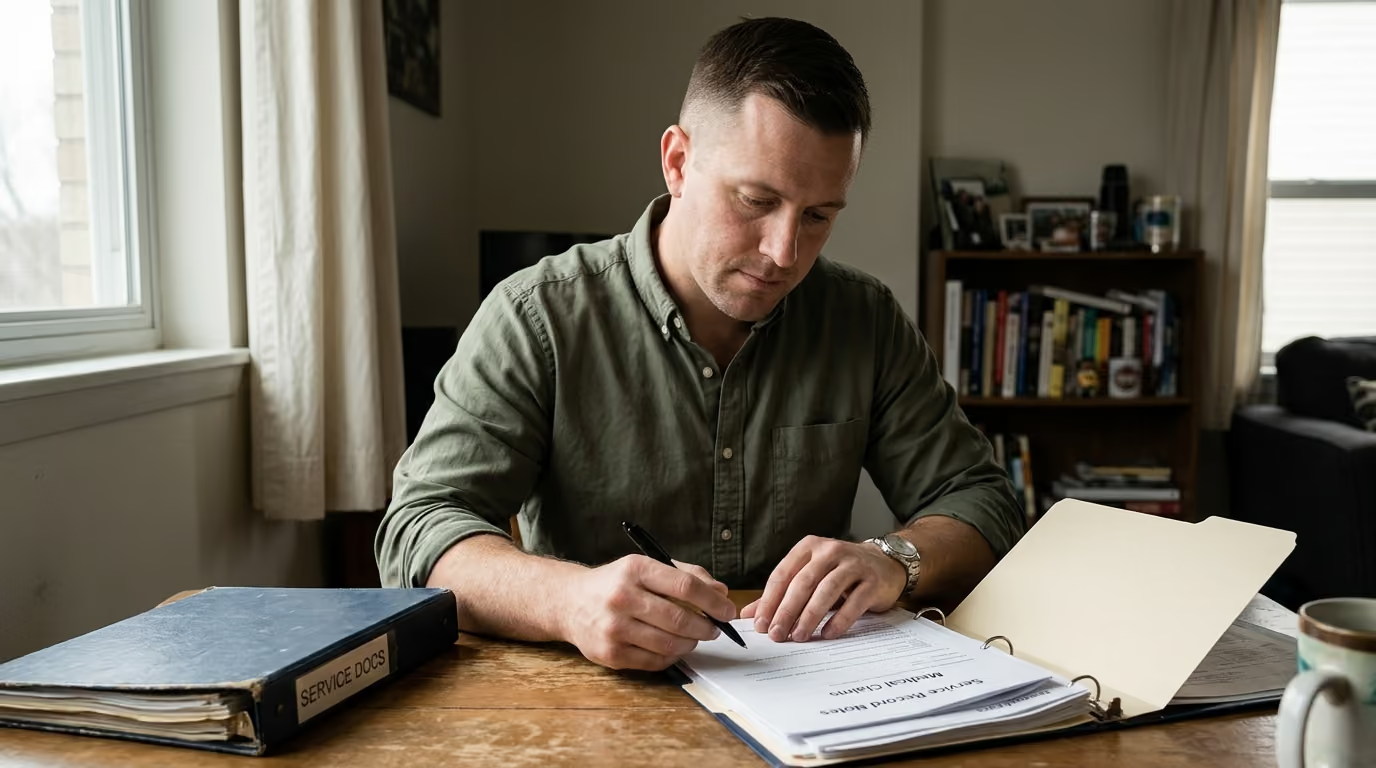

Alcohol misuse affects many military veterans navigating post-service transition challenges, trauma, chronic pain, and dangerous withdrawal symptoms.





If you are in immediate danger, call 911. For 24/7 support, call or text 988 and press 1 for the Veterans Crisis Line, or text 838255.
Most discussions about alcohol after military service treat drinking as a moral choice or an all-or-nothing identity. In clinical reality, alcohol use exists across a broad spectrum of habits, coping strategies, and biological adaptations. Shifting away from heavy drinking is rarely about finding more willpower. It requires an objective look at how alcohol affects your nervous system, sleep quality, mental health, and physical capability over time.
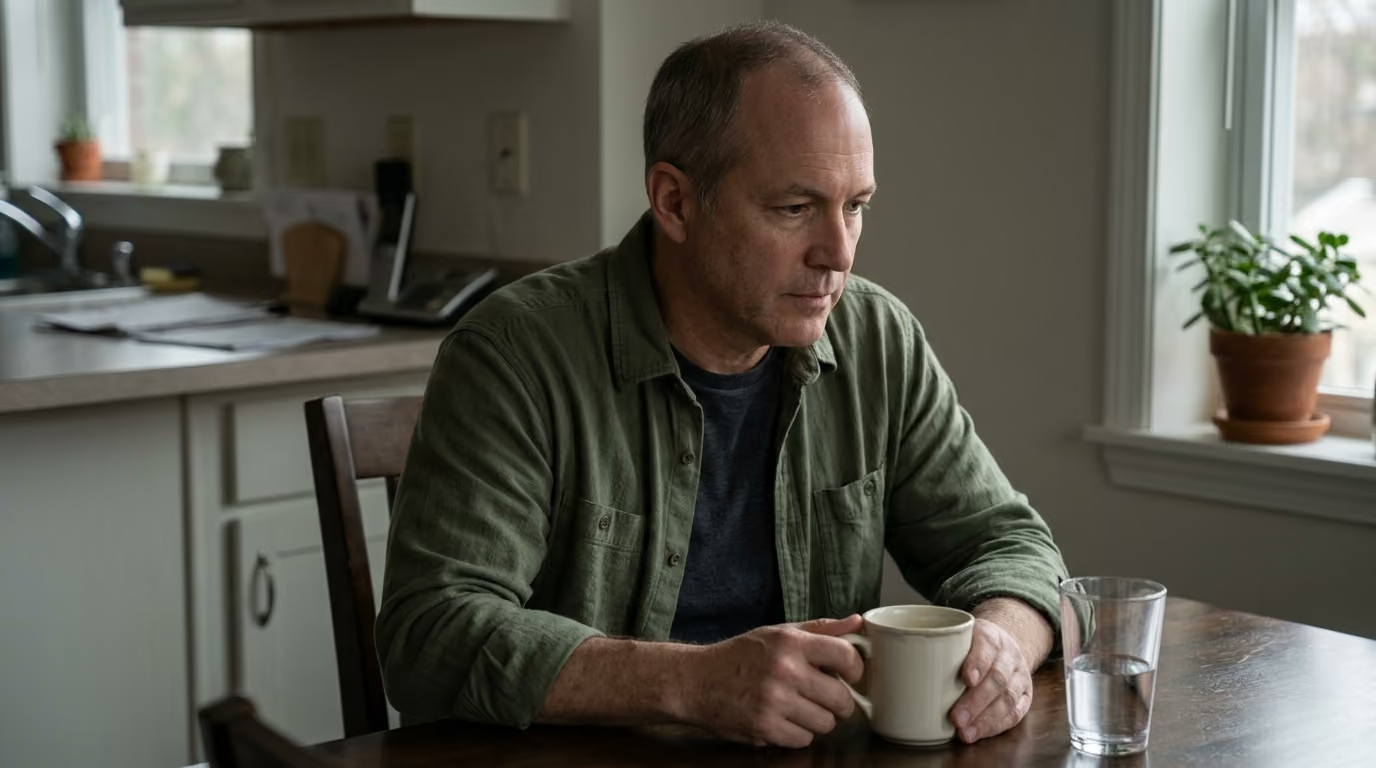
You pour a heavy glass of whiskey at nine in the evening to quiet a racing mind and ease aching joints. By two in the morning, you wake up sweating with a pounding heartbeat, staring at the ceiling and dreading the alarm. You push through the next workday on caffeine and sheer resolve, only to repeat the exact same ritual the next night. Many veterans live in this exact loop for years before realizing the drink that provides evening relief is the precise thing dismantling their recovery.
Quick Take: Evaluating your alcohol use through a practical framework of function, cost, and physical safety allows you to regain control over your sleep, mental health, and long-term vitality.
Alcohol misuse among veterans is often an understandable response to unmanaged physical pain, hyperarousal, insomnia, and the loss of military structure. Addressing it does not require hitting rock bottom or checking into an inpatient facility. You can build healthier patterns by assessing your intake against objective clinical benchmarks, understanding medication interactions, and using evidence-based medical and behavioral supports.
Popular culture frames problematic drinking as an extreme state where a person loses their job, gets arrested, or drinks all day. Clinical research paints a very different picture. In a nationally representative study of veterans, 10.5% met the criteria for past-year Alcohol Use Disorder (AUD), while 40.8% met the criteria at some point in their lifetimes. Another major veteran study found lifetime AUD rates at 42.2% and past-year probable AUD at 14.8%. The vast majority of these individuals maintain employment, manage households, and perform their daily duties while quietly bearing significant physical and psychological costs.
To evaluate your drinking accurately, you must understand what constitutes a standard drink. In the United States, a standard drink contains roughly 14 grams (0.6 fluid ounces) of pure alcohol. This equivalent is found in:
Many veterans consume craft beers, high-gravity ales, malt beverages, or large home pours that exceed these concentrations. A single 16-ounce craft beer with 8% alcohol contains more than double the pure alcohol of a standard drink. If you drink three of these tall cans in an evening, you have consumed more than six standard drinks.
Medical guidelines categorize drinking patterns into distinct categories based on consumption rates and associated risks:
The Diagnostic and Statistical Manual of Mental Disorders (DSM-5) classifies AUD as mild, moderate, or severe based on the presence of eleven specific criteria over a 12-month period. These criteria include drinking more or longer than intended, persistent failed attempts to cut down, intense cravings, building tolerance, experiencing withdrawal symptoms, and continuing to drink despite relationship strain or worsening health.
Viewing alcohol through a lens of personal weakness creates shame that keeps people isolated. A more productive approach uses the framework of function, cost, and choice:
Drinking often begins as an effective short-term tool for managing difficult post-service challenges. Over time, the physiological costs begin to outweigh the initial benefits. Recognizing this shift allows you to make deliberate adjustments based on facts rather than self-judgment.
Alcohol problems do not always appear immediately after leaving active service. A seven-year follow-up study of veterans found that 5.9% of those without AUD at their initial assessment developed the disorder during the follow-up period. New-onset AUD was strongly associated with baseline alcohol consumption, severe anxious-arousal symptoms of post-traumatic stress, past trauma, and nicotine dependence.
The shift into veteran life involves the loss of daily structure, physical training culture, and strong peer accountability. When career changes, marital strain, retirement, or chronic joint degeneration emerge years later, alcohol often fills the void. Understanding that alcohol misuse can surface a decade after discharge helps you spot creeping habits early.
If you are evaluating how post-service routines affect your health, you can explore comprehensive veteran lifestyle and healthcare resources to build stronger habits.
The relationship between psychological trauma and alcohol misuse is well-documented in veteran health research. Among veterans diagnosed with lifetime Post-Traumatic Stress Disorder (PTSD), approximately 44.6% also meet the criteria for a substance use disorder. Veterans with lifetime PTSD are twice as likely to experience alcohol problems compared to their peers without a trauma history.
Trauma alters the central nervous system, leaving many veterans in a chronic state of fight-or-flight. Hyperarousal causes physical tension, elevated resting heart rates, exaggerated startle responses, and racing thoughts. Alcohol is a central nervous system depressant that temporarily enhances GABA, the brain's primary inhibitory neurotransmitter, while suppressing glutamate, an excitatory neurotransmitter.
For two or three hours, alcohol produces a sensation of quiet and emotional relief. However, the brain quickly compensates by reducing natural GABA production and increasing glutamate receptor sensitivity. As blood alcohol levels drop, this rebound effect triggers heightened anxiety, hypervigilance, irritability, and depressive symptoms. The temporary relief directly fuels the next wave of emotional distress.
An outdated clinical belief suggested that veterans had to achieve total, unassisted sobriety before starting evidence-based trauma therapy. Modern clinical guidelines from the VA National Center for PTSD reject this sequence. Requiring a veteran to quit drinking without treating the underlying trauma removes their primary coping strategy without offering a replacement.
Integrated treatment models address PTSD and alcohol use simultaneously. Therapeutic approaches like Concurrent Treatment of PTSD and Substance Use Disorders Using Prolonged Exposure (COPE) help veterans process traumatic memories while developing healthy behavioral coping tools. Treating trauma directly reduces the distress that drives the urge to drink.
Military sexual trauma (MST) is also linked to severe PTSD symptoms and secondary alcohol misuse. Modern VA care provides specialized, trauma-informed clinical tracks for MST survivors. You do not need to share specific deployment or personal trauma details to receive compassionate medical support for alcohol reduction.
Many veterans view a nightcap as an effective sleep aid. While alcohol acts as a sedative that shortens the time it takes to fall asleep, it severely damages sleep architecture. Understanding this physiological reality is essential for anyone trying to improve daytime energy and mental clarity.
Alcohol blocks restorative rapid eye movement (REM) sleep, which is critical for emotional regulation, memory processing, and cognitive recovery. In the second half of the night, as your liver metabolizes the alcohol, the nervous system experiences an acute withdrawal-like rebound. Heart rate increases, body temperature rises, and fragmented micro-awakenings pull you out of deep sleep.
Alcohol also relaxes the muscles of the upper airway, significantly worsening obstructive sleep apnea. Veterans who already carry service-connected sleep disorders often find that regular drinking renders their continuous positive airway pressure (CPAP) therapy far less effective.
For practical steps on repairing non-restorative rest patterns, review our guide to sleep and physical recovery.
Chronic musculoskeletal pain and PTSD frequently occur together. Studies show that between 25% and 80% of veterans with PTSD also manage chronic pain conditions. Degenerative disc disease, joint damage, and nerve pain create persistent physical discomfort that disrupts daily movement and sleep.
Alcohol acts as a temporary systemic analgesic by blunting central pain perception. However, heavy regular drinking increases systemic inflammation, disrupts deep sleep stages where physical tissue repair occurs, and lowers pain tolerance the following day. This dynamic traps the veteran in a cycle where they require more alcohol each evening to manage worsening daytime pain.
Furthermore, consuming alcohol while taking over-the-counter pain medications like acetaminophen increases the risk of severe liver injury. Pairing alcohol with nonsteroidal anti-inflammatory drugs (NSAIDs) such as ibuprofen or meloxicam multiplies the risk of gastrointestinal bleeding and ulcers.
Evaluating your relationship with alcohol requires honest, structured assessment. The Department of Veterans Affairs utilizes the AUDIT-C (Alcohol Use Disorders Identification Test-Consumption) as a brief, reliable screening tool in primary care settings.
The AUDIT-C consists of three targeted questions scored from 0 to 4 points each:
Under VA and DoD clinical guidelines, a total score of 5 points or higher is considered a positive screen for unhealthy alcohol use in both men and women. A positive screen does not mean you have a severe addiction. It serves as an objective signal that your current drinking pattern elevates your risk for physical health complications, sleep failure, and mental health challenges.
Beyond standard numerical scores, you can evaluate your habits across five practical functional domains:
Answering these questions clearly helps you decide whether your goal should be structured moderation, complete abstinence, or an immediate medical consultation.
There is a critical medical distinction between changing an unhealthy evening routine and stopping chronic physical alcohol dependence. If your body has adapted to daily heavy alcohol consumption, abruptly stopping on your own can be dangerous and potentially life-threatening.
Alcohol withdrawal symptoms develop because chronic alcohol exposure suppresses the central nervous system. When alcohol is abruptly removed, the brain is left in a state of unregulated glutamate excitation and severe GABA deficiency. This neurochemical storm causes dangerous spikes in blood pressure, heart rate, and brain activity.
You must seek a medical evaluation before stopping or drastically reducing your drinking if you meet any of the following criteria:
In clinical settings, VA and DoD protocols utilize medications such as benzodiazepines, gabapentin, carbamazepine, or valproic acid under medical supervision to manage withdrawal safely. Supervised medical detoxification stabilizes your vital signs, prevents seizures, and transitions you safely into long-term recovery care without physical agony.
Many veterans are unaware that several non-addictive medications are approved to treat Alcohol Use Disorder. These medications do not replace personal effort, but they normalize brain chemistry, blunt intense cravings, and reduce the rewarding sensations associated with alcohol.
Medications should always be chosen in consultation with a qualified healthcare provider who can evaluate your medical history, kidney function, liver health, and current prescriptions.
Naltrexone is a primary first-line medication recommended by the VA/DoD clinical practice guidelines. It works by binding to endorphin receptors in the brain, blocking the pleasant, euphoric sensations normally produced by alcohol. Over time, this uncouples the psychological reward associated with drinking.
Naltrexone can be taken as a daily 50 mg oral tablet or administered as a monthly extended-release intramuscular injection (Vivitrol). It is an effective option for veterans who want to achieve total abstinence as well as those working toward significant harm reduction.
Crucial Safety Warning: Naltrexone cannot be used by anyone taking prescription opioid pain medications (such as oxycodone, hydrocodone, or tramadol) or receiving medication-assisted treatment for opioid use (such as buprenorphine or methadone). Because it is an opioid antagonist, taking naltrexone while opioids are in your system will trigger immediate, severe withdrawal. It is also contraindicated in individuals with acute hepatitis or advanced liver failure.
Acamprosate (brand name Campral) is designed for individuals who have already completed medical detoxification and achieved initial sobriety. Chronic heavy drinking disrupts the brain's balance between glutamate and GABA. Acamprosate works by stabilizing this chemical balance, reducing the baseline anxiety, restlessness, and physical discomfort that often trigger a relapse weeks or months after quitting.
Acamprosate is cleared through the kidneys rather than the liver, making it an excellent choice for veterans with documented liver inflammation or mild hepatic disease. It requires taking two tablets three times per day, so maintaining a consistent daily medication routine is essential.
While not formally approved by the FDA exclusively for AUD, topiramate and gabapentin are recognized in VA clinical practice guidelines as effective options:
Medications for AUD work best when integrated with behavioral therapies, trauma support, and structured lifestyle adjustments. They provide biological stability so you can do the psychological work of rebuilding your daily life.
To understand how metabolic and neurochemical balance affects long-term health, explore our research on hormone optimization and metabolic health.
Shifting away from alcohol requires restructuring your daily routines, managing environmental triggers, and repairing personal relationships that may have suffered.
Alcohol misuse often strains marriages, partnerships, and friendships long before it creates legal or professional crises. Spouses often carry the emotional burden of unpredictable mood swings, emotional unavailability, forgotten conversations, and financial stress.
You can repair these connections by conducting a straightforward Relationship Impact Inventory:
Military culture often ties camaraderie and decompression to drinking. Stepping back from alcohol can make you feel disconnected from your peer network. You can maintain strong social bonds without compromising your health by adopting practical social strategies:
If you set a goal to moderate or quit completely and end up having a heavy drinking night, avoid falling into shame or fatalistic thinking. A lapse is not a sign of total failure. It is valuable clinical data highlighting an unmanaged trigger, an inadequate coping tool, or an unaddressed emotional stressor.
If a lapse occurs, follow these four immediate steps:
For practical approaches to building sustainable resilience as you grow older, see our detailed guide on healthy aging across life stages.
Choosing the right level of support depends on your current consumption level, withdrawal risk, physical health, and personal goals. The medical system provides a stepped-care model that scales support to your specific needs.
Veterans have access to specialized healthcare programs designed to handle the intersection of combat trauma, military culture, and substance use:
To strengthen your broader mental and physical recovery routines, review our resources on sleep, stress, and resilience strategies.
Seeking medical care for alcohol misuse through the VA does not reduce your service-connected disability ratings. Service connection is determined by injuries, illnesses, or trauma sustained during active duty. Furthermore, healthcare visits are protected medical records under federal privacy laws. Proactively addressing alcohol use demonstrates personal responsibility, which is generally viewed favorably during periodic security clearance reviews compared to unaddressed substance misuse that leads to legal or financial problems.
During active military service, high physical demands, mandatory morning formations, and constant peer accountability create an external structure that keeps drinking contained to specific windows. When you transition to civilian life, that external structure falls away. As chronic injuries worsen with age, retirement disrupts daily routines, and the emotional distance from your service community grows, alcohol often becomes an unmanaged coping mechanism for isolation, physical pain, and delayed psychological trauma.
Planned harm reduction is a valid clinical starting point for individuals with mild-to-moderate unhealthy alcohol use who do not have physical dependence, severe liver disease, or medication contraindications. Some veterans successfully establish firm boundaries, such as capping consumption at two standard drinks on no more than two evenings per week. However, if you consistently find yourself drinking past your intended limits, experiencing cravings, or managing severe PTSD, total abstinence supported by AUD medications is often safer and easier to maintain.
Alcohol dangerously magnifies the sedative and respiratory-depressant effects of prescription opioids, benzodiazepines, muscle relaxants, and sedating sleep medications (such as zolpidem or trazodone). Combining alcohol with common antidepressants or trauma medications (like SSRIs, SNRIs, or prazosin) can cause sudden drops in blood pressure, dizziness, and heightened intoxication. You should always review your drinking habits honestly with your prescribing doctor to avoid dangerous drug interactions.
Making a meaningful change in your drinking is one of the most effective steps you can take to restore your physical strength, mental focus, and personal relationships after military service.
Follow BattleVet for practical guidance on military and veteran health, strength, recovery, testosterone, sleep and healthy aging. Stay connected for new articles, research backed insights and clear information to help you stay capable for the years ahead.


Build better habits around strength, recovery, sleep, hormones and healthy aging with practical guidance for active military personnel and veterans.
Explore BattleVet