
Sustainable daily habits and renewed civilian identity emerge through a structured transition framework designed to guide veterans through their first year.





If you are in immediate danger, call 911. For 24/7 support, call or text 988 and press 1 for the Veterans Crisis Line, or text 838255.
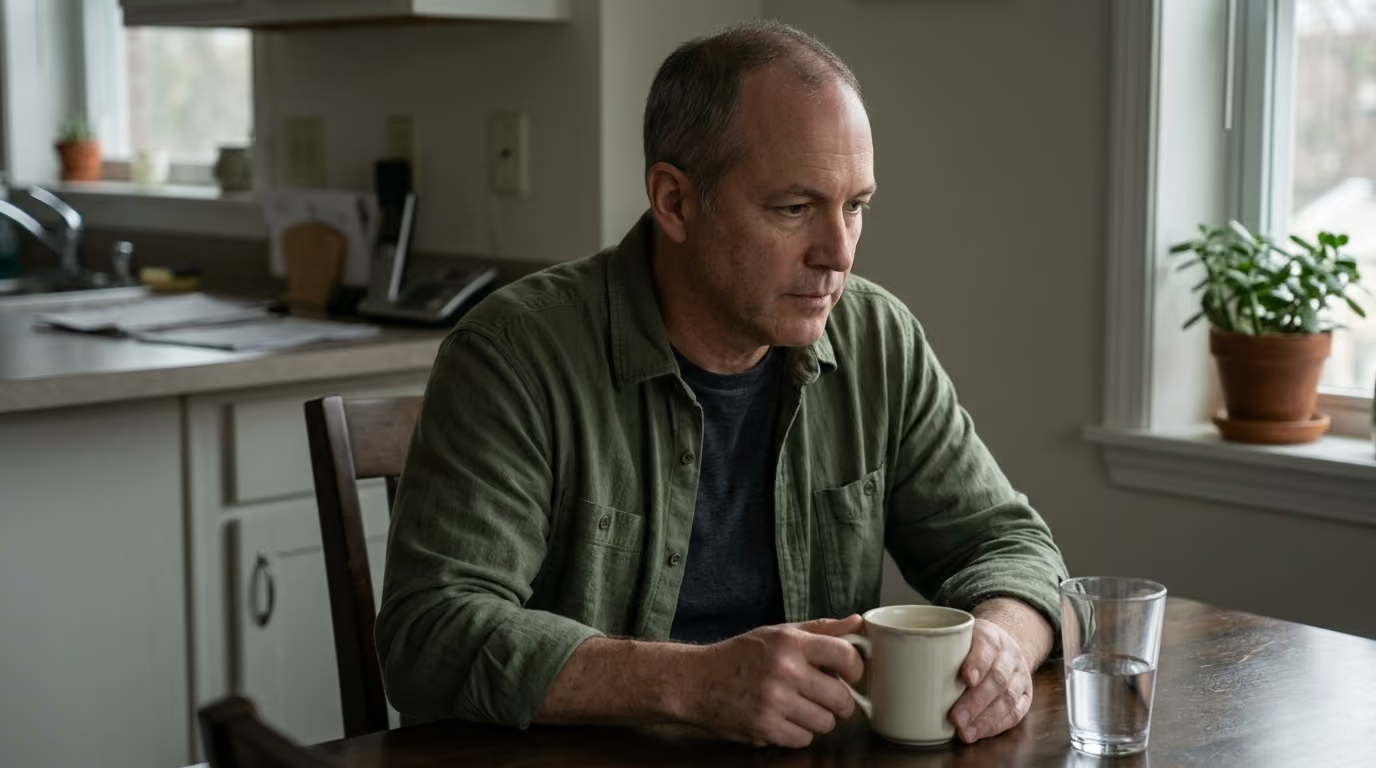
The alarm goes off at 0530, but there is no formation to attend. The uniform is gone, the phone is silent, and the living room is empty. Yesterday was defined by clear directives and a shared mission, but today offers complete autonomy without a manual. That silence can feel heavier than the hardest deployment.
Leaving military service is not merely a career change or a change of address. It is a fundamental shift in daily structure, social identity, community support, and personal purpose. Rebuilding your life after military service requires replacing top-down military systems with self-directed daily habits, proactive healthcare engagement, and structured experiments in personal purpose.
Transition is a multidimensional adaptation process rather than a single administrative event. Lasting post-service stability happens when you establish predictable daily anchors, address physical and mental health early, and gradually develop new roles that align with your core values.
Military life provides an all-encompassing external structure that dictates waking hours, physical training, meals, work tasks, and behavioral standards. When you separate from the military, that external scaffolding disappears overnight. You must suddenly generate your own schedule, your own motivation, and your own accountability systems.
Researchers divide post-service adjustment into three distinct phases: separation, reintegration, and identity reconstruction. Separation is the administrative act of leaving active duty. Reintegration is the practical process of establishing housing, employment, and community connections. Identity reconstruction is the long-term internal process of determining who you are when you no longer wear the uniform.
Many veterans confuse a sustainable routine with rigid discipline. A healthy routine is a flexible rhythm that reduces decision fatigue and keeps you grounded during stressful periods. Rigidity is an inflexible set of rules that falls apart when you face pain, illness, family demands, or unexpected schedule changes.
When a rigid routine breaks, it often leads to frustration, self-punishment, and total disengagement. A resilient civilian routine relies on wide operational windows rather than minute-by-minute control. It preserves the benefits of military structure while leaving room for physical recovery, family life, and personal autonomy.
Navigating civilian life requires separating established clinical evidence from common assumptions about veteran reintegration. High-quality research confirms that military transition affects physical health, emotional regulation, and social connection simultaneously.
Systematic reviews demonstrate that leaving military service commonly involves significant losses of military culture, community, and personal identity. Research indicates that approximately one-quarter of veterans experience meaningful difficulty integrating into civilian life. These challenges stem from differences between military and civilian social norms rather than individual character flaws.
Sleep disruption represents one of the most widespread challenges during reintegration. The Department of Veterans Affairs and Department of Defense clinical practice guidelines report that 48.6 percent of active personnel and up to 69 percent of global military cohorts report poor sleep quality. In post-9/11 veteran studies, 57 percent meet clinical criteria for insomnia disorder. Sleep issues frequently co-occur with traumatic brain injury, chronic pain, and post-traumatic stress.
Mental health research shows that post-service challenges often manifest as physical symptoms or behavioral changes. In clinical reviews of post-9/11 veterans seeking VA care, common diagnoses include post-traumatic stress disorder at 21.5 percent, depression at 18.3 percent, adjustment disorders at 11.1 percent, and anxiety disorders at 10.6 percent. Substance use challenges also emerge during this period, with roughly 11 percent receiving an alcohol or drug use diagnosis.
Suicide prevention remains a critical priority during post-service adaptation. The VA National Veteran Suicide Prevention Annual Report recorded 6,407 veteran suicide deaths in 2022, representing an unadjusted rate of 34.7 per 100,000 individuals. Firearms were involved in 73.5 percent of these deaths. Securing lethal means, building emergency plans, and accessing prompt crisis support are vital safeguards during periods of acute distress.
If you or a veteran you know is struggling, immediate support is available. In the United States, you can call the Veterans Crisis Line by dialing 988 and pressing 1, or by sending a text message to 838255.
While physical activity is known to improve health, recent longitudinal research highlights nuanced patterns in how fitness impacts transition. Studies show that more than one-third of post-9/11 veterans do not engage in weekly leisure-time physical exercise after separation. Physical activity levels often drop sharply within the first twelve months of civilian life.
Recent 2025 research indicates that high fitness levels before separation do not automatically protect veterans from declining psychological health after leaving the military. What matters most is whether you maintain consistent, sustainable physical movement after you separate. Post-service continuity in exercise provides protective benefits for sleep quality, pain management, and mood stability.
Peer support interventions represent another promising area of reintegration research. Early evidence suggests that structured veteran peer programs help restore a sense of belonging, daily rhythm, and social trust. However, research is still evaluating which specific formats, such as outdoor recreation, occupational mentoring, or clinical peer support, deliver the best long-term outcomes for different veteran populations.
The RESET framework is an evidence-informed model designed to help veterans organize their daily habits, maintain health, and build meaningful civilian roles. It shifts the focus away from unrealistic perfection and provides a systematic path toward personal autonomy.
The first phase requires honest assessment of what has changed in your life. You have left behind a clear hierarchy, daily accountability, and an instinctive sense of shared purpose. You may experience relief, uncertainty, grief, or anger simultaneously.
Recognizing the transition means acknowledging these emotional shifts without judgment. You are not starting from scratch, but you are operating in an entirely different cultural environment. Taking stock of your current health status, financial resources, and personal expectations creates a solid foundation for the changes ahead.
Civilian life requires personal anchor points to prevent days from drifting into aimlessness. An anchor is a simple, predictable action that you perform at roughly the same time every day. These actions stabilize your biological clock and provide immediate structure.
A resilient daily rhythm requires five foundational anchors:
Healthcare engagement should begin before health problems disrupt your work or home life. Roughly 47 percent of new post-9/11 veterans enroll in VA healthcare, while nearly 20 percent rely exclusively on private community providers. Establishing care early ensures you have clinical support before acute issues arise.
Stabilization includes scheduling an initial primary care exam, completing medication reconciliation, and conducting comprehensive sleep screenings. It also involves documenting service-connected injuries and reviewing mental health resources. Taking charge of your health within veteran lifestyle and healthcare resources ensures that untreated physical or psychological symptoms do not undermine your daily routine.
Purpose is not something you discover through passive thought. You construct purpose by testing different activities, observing your emotional responses, and identifying what creates genuine fulfillment.
Treat your post-service interests as small, low-risk experiments. Volunteer for a local organization for a single afternoon, enroll in a short community college course, or join an athletic club. Pay attention to which activities give you energy, create genuine social connections, and use your natural strengths.
Military skills have immense practical value, but civilian employers and community members often struggle to understand military terminology. Leading a squad translates into supervisory experience, conflict resolution, and performance management. Managing unit maintenance translates into supply chain coordination, equipment readiness, and safety compliance.
Social translation is equally critical for lasting success. Military communication relies heavily on directness, dark humor, and emotional containment. Intimate civilian relationships, however, require active listening, vulnerability, and mutual negotiation. Learning when to use direct operational language and when to adopt collaborative communication strengthens your personal relationships.
Navigating the first year out of uniform is easier when you break it into distinct operational phases. Each phase prioritizes specific tasks to keep you from feeling overwhelmed.
The first month should focus entirely on physiological recovery and establishing basic administrative stability. Do not try to solve your entire thirty-year career plan during your first three weeks at home. Focus on stabilizing your baseline health and building predictable daily habits.
Create a "Minimum Viable Day" plan to keep you grounded during periods of low motivation or high stress. This safety-net routine ensures you maintain basic healthy habits even on your most difficult days.
Once your baseline habits are steady, shift your attention to structured civilian engagement. Begin exploring employment opportunities, vocational training programs, or higher education paths. Limit your daily job search activities to three structured hours to prevent burnout and mental fatigue.
Use this period to build sustainable recovery and sleep practices alongside regular physical training. Join a local gym, an adaptive sports group, or a trail running club to re-establish physical fitness. Schedule weekly check-ins with your partner or family members to discuss household expectations, financial goals, and personal boundaries.
The second half of your first year focuses on long-term growth and preventing setbacks. Evaluate your employment, educational progress, and social connections with honest objectivity. If a job, academic path, or social group is not working, adjust your approach without treating the change as a personal failure.
Conduct an annual health review with your primary care provider to assess your sleep quality, joint mobility, blood work, and stress levels. Review your personal purpose inventory every six months to ensure your daily efforts align with what matters most to you. Long-term success comes from refining your routines to support your changing life goals.
Rebuilding a balanced life requires steady attention across multiple areas of health and lifestyle. The VA Whole Health model shows that long-term well-being depends on how well you support your body, mind, and relationships.
Sleep disruption quickly undermines emotional balance, mental focus, and physical recovery. Many veterans try to fix poor sleep by forcing an early bedtime, which often leads to tossing and turning in frustration. A better approach is to lock in a regular wake time, which naturally builds your body's sleep drive throughout the day.
Get evaluated for sleep disorders if you struggle with loud snoring, morning headaches, chronic fatigue, or frequent nightmares. Obstructive sleep apnea and clinical insomnia are common among former service members and require professional medical care. Managing sleep issues early protects your long-term cardiovascular, metabolic, and neurological health.
Physical fitness after service should prioritize long-term joint health, functional mobility, and cardiovascular resilience rather than maxing out military fitness tests. Pushing through severe joint pain or ignoring chronic injuries often leads to setbacks that keep you sedentary for weeks.
Incorporate varied strength and conditioning routines that combine resistance training, low-impact aerobic work, and targeted mobility exercises. If you manage service-connected disabilities, consult with physical therapists or adaptive fitness professionals. The real measure of success is whether you can train consistently year after year without worsening existing injuries.
Maintaining emotional stability requires checking in with yourself regularly to catch rising stress before it boils over. Military culture often trains individuals to suppress physical pain and emotional distress to accomplish the mission. In civilian life, ignoring those signals can strain relationships and lead to professional burnout.
Use a simple three-step daily emotional check-in:
Seeking professional mental health care is a proactive step that protects your overall well-being. Evidence-based therapies for trauma, depression, and anxiety provide practical tools for managing intrusive thoughts, hypervigilance, and emotional detachment. Normalizing an initial mental health consultation helps you gather useful tools before minor challenges become severe crises.
Healthy relationships require adjusting the direct, mission-focused communication typical of military service. Civilian partners, children, and colleagues may interpret curt directives as anger or emotional distance. Learning to share your decompression needs openly helps prevent unnecessary household misunderstandings.
Distinguish between being alone, feeling lonely, and experiencing social isolation. Spending time by yourself can be restful and restorative, but feeling misunderstood or isolated while around others is challenging. Build a diverse social network that includes both civilian friends and fellow veterans through shared hobbies, athletic teams, and community service projects.
The Department of Defense Transition Assistance Program (TAP) provides valuable employment workshops, benefits guidance, and educational counseling. However, completing TAP does not mean your transition is finished. A job provides an income and a schedule, but it cannot fix unresolved sleep issues, chronic pain, or a lost sense of purpose on its own.
Establish clear boundaries around your work and job-search activities. Spending endless hours scrolling through job boards often increases anxiety and self-doubt. Set structured daily limits for applications, pursue informational interviews with civilian professionals, and prioritize roles that match your personal strengths and values. Explore comprehensive veteran lifestyle guides to balance career ambitions with sustainable health habits.
Navigating transition successfully requires recognizing common misconceptions that can quietly undermine your post-service progress.
Reintegration looks different for everyone. Tailoring the RESET framework to your specific service background, physical capacity, and life circumstances ensures you build a plan that works.
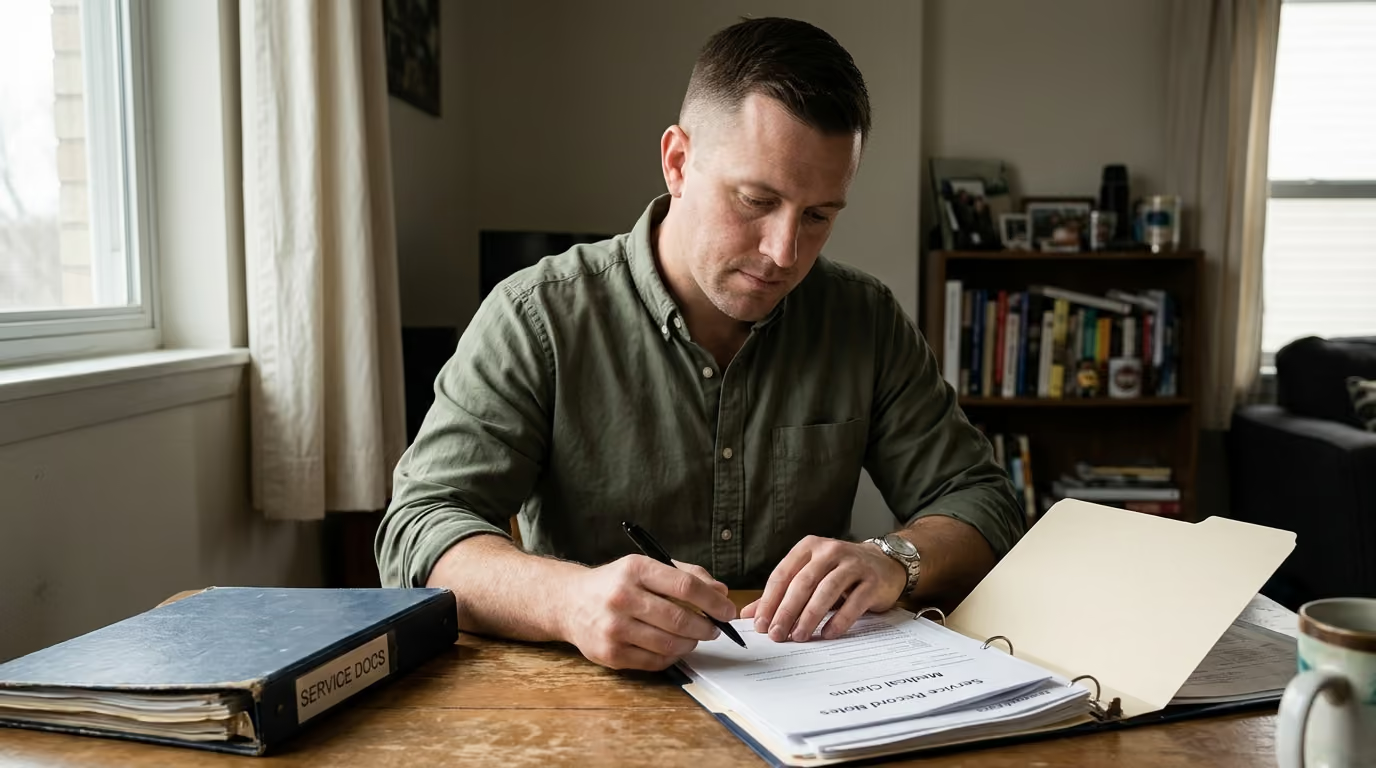
Veterans who separate due to medical conditions often face sudden changes to their career plans while managing new physical limitations. The grief of leaving the military unexpectedly can be compounded by difficult administrative hurdles during medical evaluations and disability claims.
Routines for disabled veterans should prioritize energy management, physical rehabilitation, and consistent medical treatment over high-intensity physical output. Focus on building identity around personal mentorship, intellectual growth, and creative contribution rather than purely physical capabilities.
Reserve component service members experience frequent shifts between civilian jobs, family life, and military deployments. They often return from active duty back into civilian communities without the shared camaraderie of an active duty installation.
National Guard and Reserve members need clear communication plans with civilian employers and family members before and after operational activations. Ensuring medical records remain unified between civilian doctors and military systems prevents gaps in care and makes future benefits claims much simpler.
Women veterans and minority service members often navigate civilian environments where their military background is overlooked or misunderstood. Transition research shows that women veterans frequently encounter healthcare systems and peer networks that assume military veterans are exclusively male.
Finding welcoming community groups, culturally responsive clinicians, and supportive peer networks is critical for lasting wellness. Utilizing comprehensive stress and sleep management tools helps veterans navigate the dual pressures of civilian work and post-service adjustment.
Living in rural areas offers peace, privacy, and open land, but it can also limit access to specialized healthcare, reliable internet, and in-person veteran peer groups. Long drives for basic medical appointments can lead some veterans to delay essential primary and mental healthcare.
Rural veterans should set up secure telehealth options through the VA or local community providers early in their transition. Connecting with regional community organizations, mobile clinics, and online peer networks helps bridge geographic distances and prevents social isolation.
Looking at real-world case patterns illustrates how the RESET framework helps resolve common transition hurdles.
A former non-commissioned officer keeps an early 0430 gym schedule and maintains a demanding corporate job. However, he sleeps only four hours a night, drinks alcohol heavily to fall asleep, and experiences growing irritability at home.
A separated specialist has stable disability income and affordable housing but spends most of his days playing video games and browsing social media. He reports feeling numb, unmotivated, and disconnected from his community.
An active duty fitness leader leaves the military, starts a sedentary desk job, and stops training altogether within six months. He experiences rapid weight gain, worsening lower back pain, and declining mood.
A former service member attends local community gatherings and family events but avoids talking about military experiences. She feels that civilians cannot relate to her background and slowly withdraws from personal relationships.
Reintegration timelines vary widely depending on personal health, family dynamics, and career clarity. Many veterans find their initial rhythm within six to twelve months, but identity reconstruction often unfolds over several years. Progress happens through consistent daily actions rather than meeting an arbitrary deadline.
Very few civilian jobs replicate the immediate intensity and camaraderie of military operations. Instead of expecting a single job title to replace everything, build purpose across multiple areas of your life. Combine steady civilian employment with mentoring, community volunteering, outdoor recreation, or family leadership.
Schedule a medical evaluation if sleep troubles last longer than a month, leave you chronically exhausted during the day, or involve loud snoring, gasping, or frequent nightmares. Clinical insomnia and obstructive sleep apnea are treatable medical conditions that rarely resolve on their own through willpower alone.
Recognize that irritability is often a physical signal of sensory overload, hypervigilance, poor sleep, or emotional fatigue. Step away from overstimulating environments, focus on slow nasal breathing, and let trusted individuals know when you need a quiet moment to decompress.
This resource provides educational information on health, lifestyle structure, and transition strategies for military veterans. It does not provide medical diagnoses, clinical treatment plans, or individualized medical advice. Always consult with a qualified healthcare professional or the Department of Veterans Affairs regarding specific medical conditions, mental health concerns, or changes to your prescription medications.
Follow BattleVet for practical guidance on military and veteran health, strength, recovery, testosterone, sleep and healthy aging. Stay connected for new articles, research backed insights and clear information to help you stay capable for the years ahead.


Build better habits around strength, recovery, sleep, hormones and healthy aging with practical guidance for active military personnel and veterans.
Explore BattleVet