Stay ready for the years ahead
Build better habits around strength, recovery, sleep, hormones and healthy aging with practical guidance for active military personnel and veterans.
Explore BattleVet
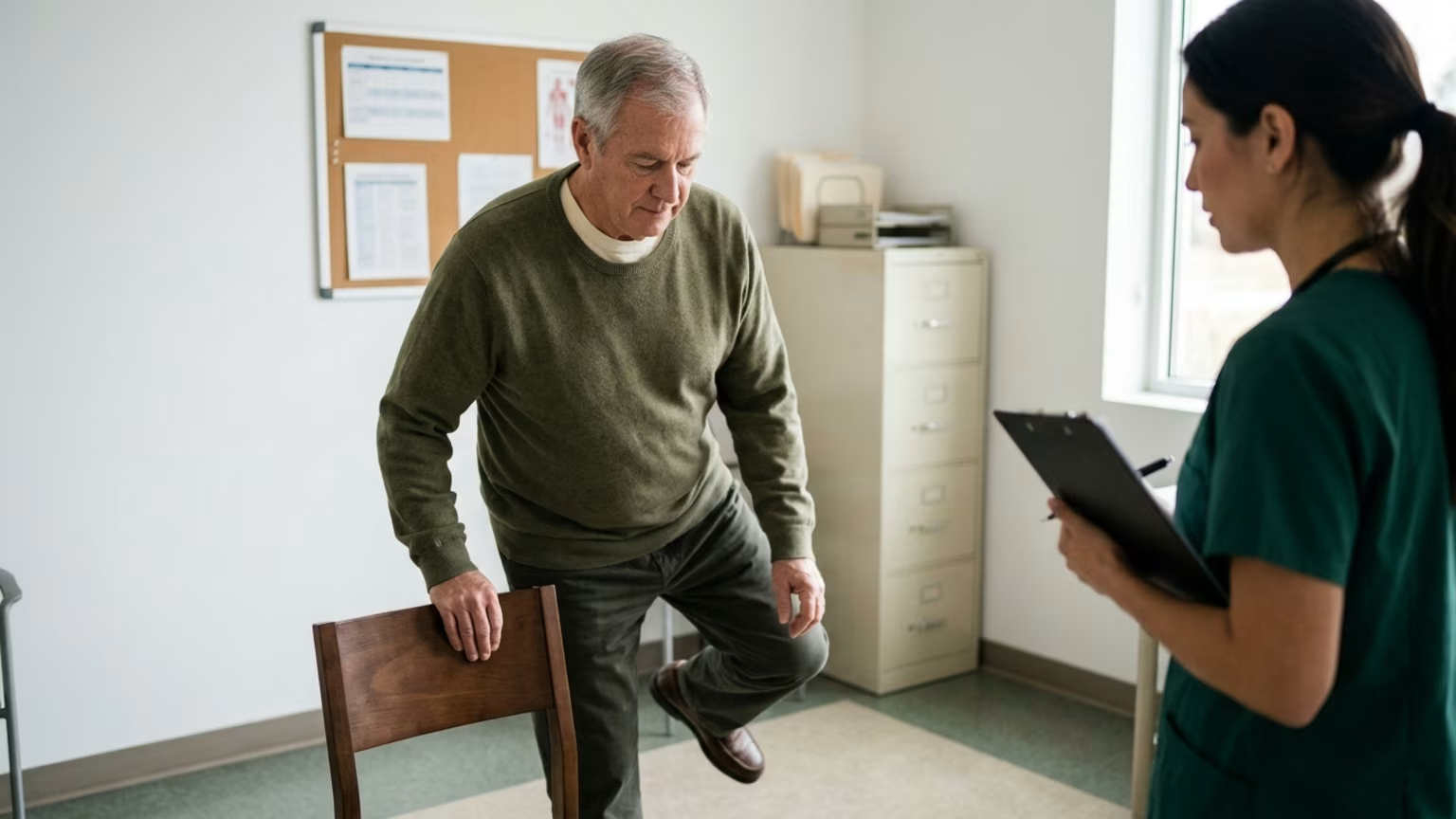
A 2024 Mayo Clinic study reveals why single-leg balance is a more sensitive marker of aging than strength loss, and how veterans can adapt their training.

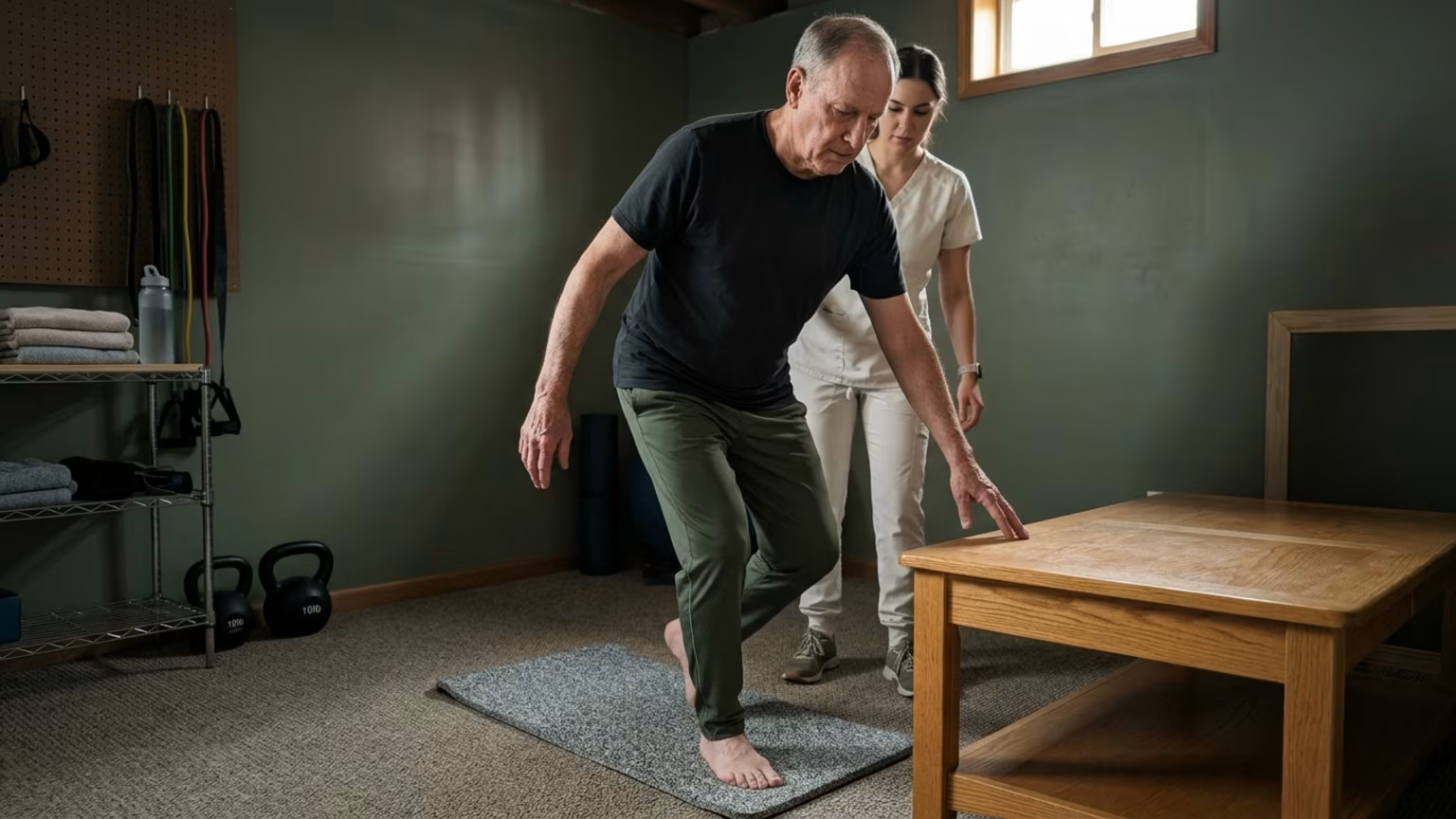
A new cohort study of 13,423 older adults highlights the link between functional physical fitness, balance, strength and lower all-cause mortality.

WBIW reports the VA is expanding the clinical use of wearable devices like Fitbits to help veterans manage chronic conditions. Learn how to use this technology.
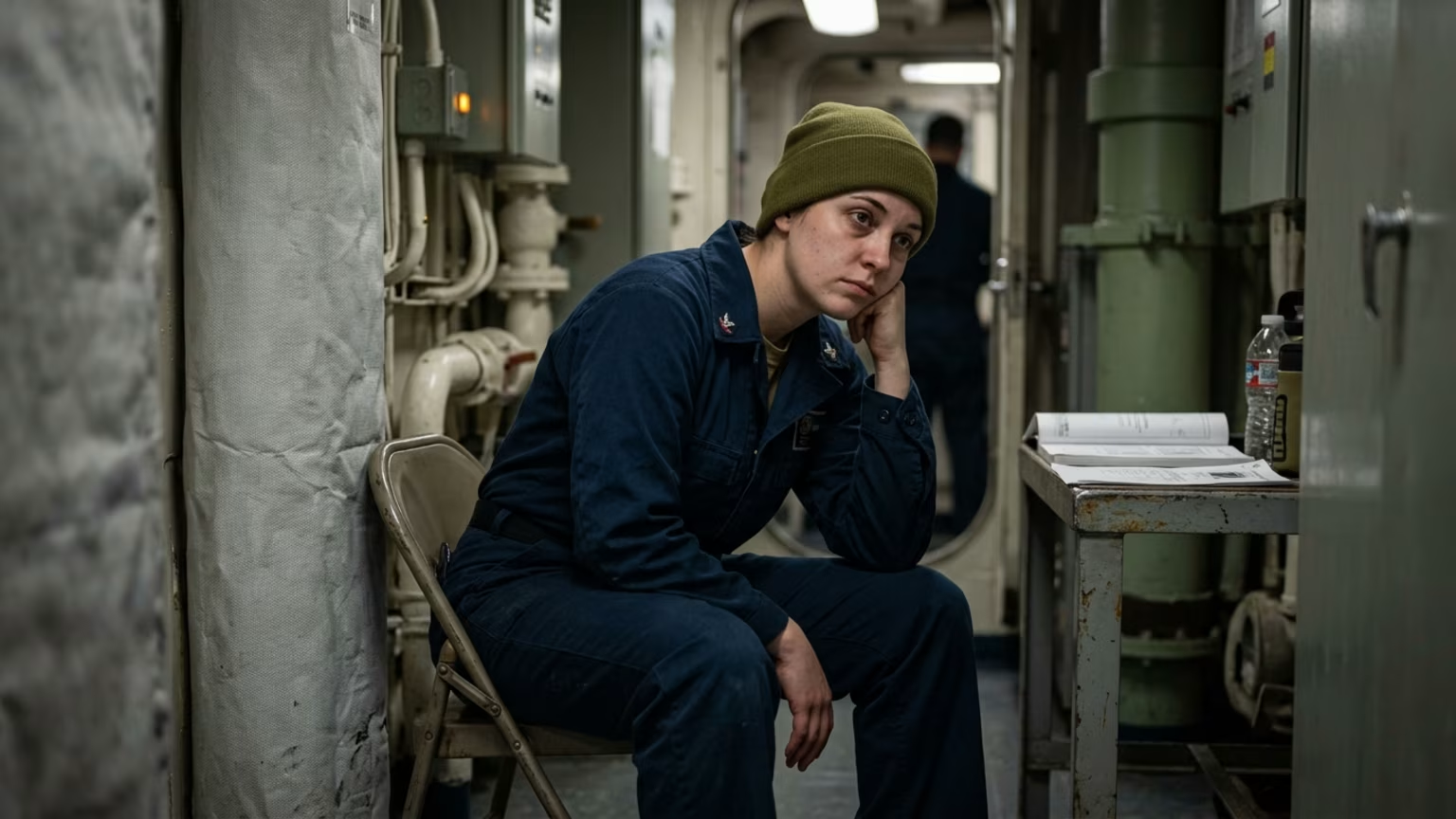
The USS Abraham Lincoln’s 266-day deployment exposes extreme operational strain. Learn why sleep deprivation and fatigue management demand immediate attention.
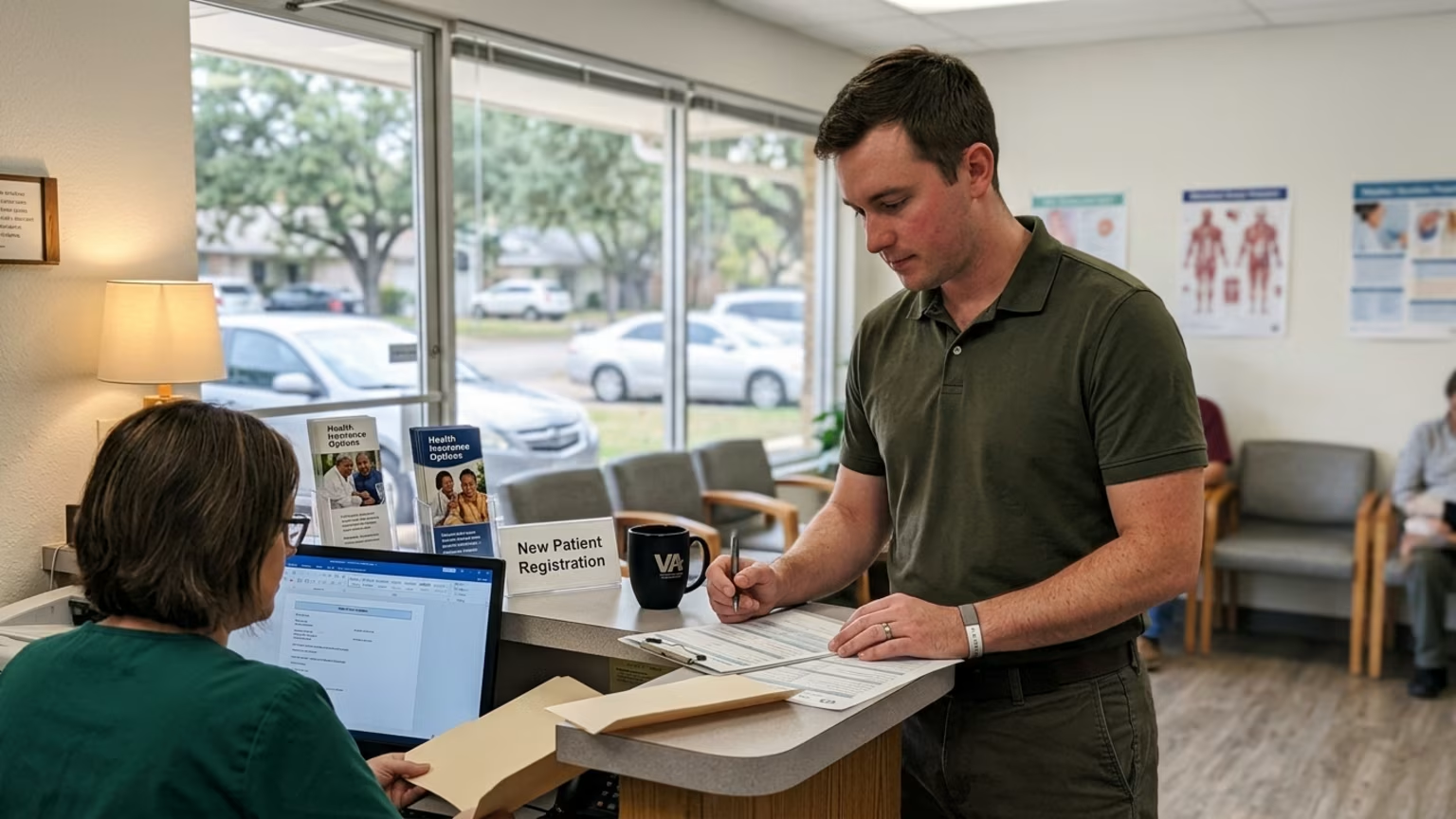
The Pentagon may close a TAMP healthcare loophole for retiring Guard and Reserve members, potentially offering a six-year reimbursement window for past care.
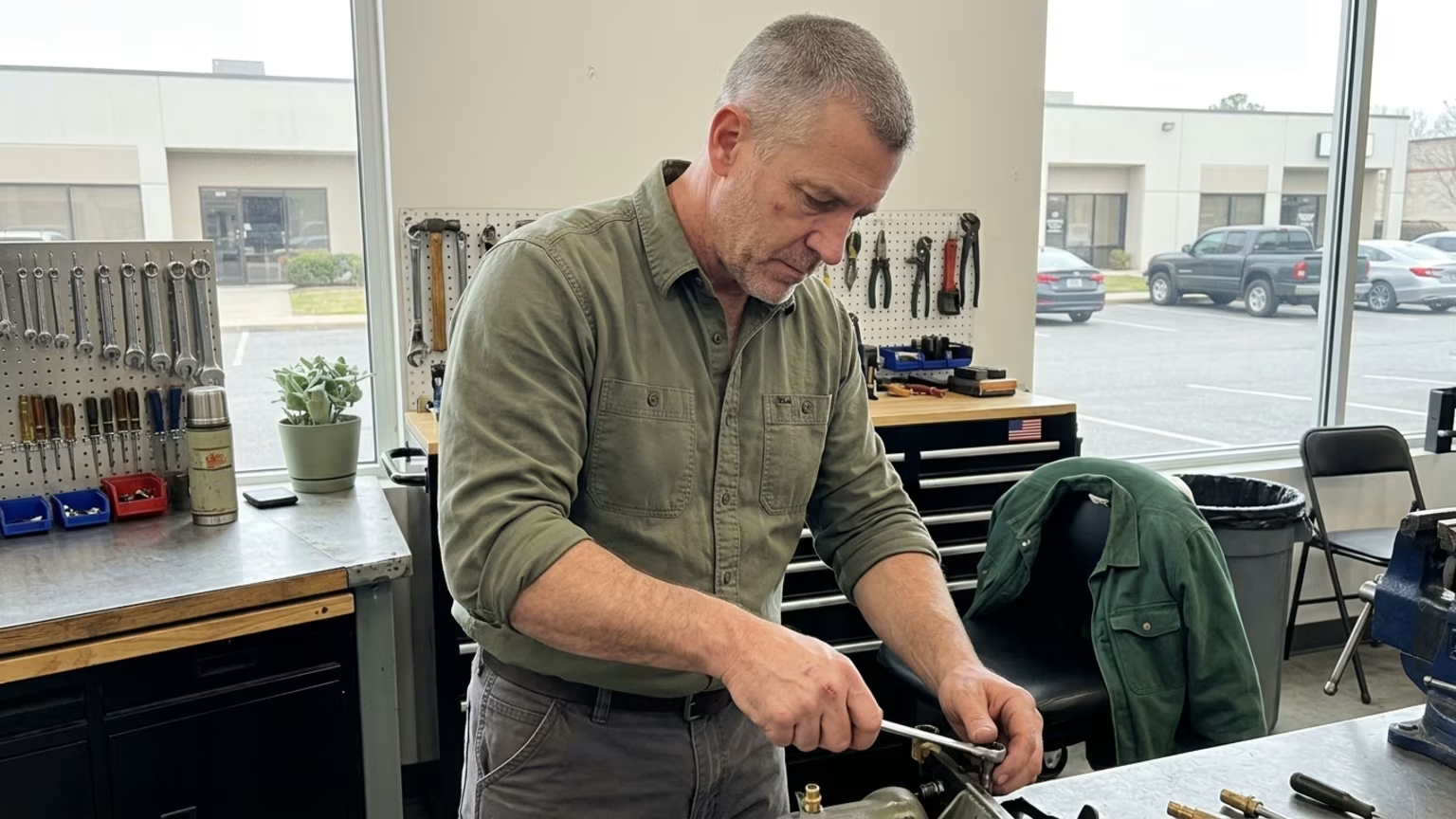
Learn the essential strength qualities that matter most after military service and how to build a scalable training protocol for long term physical capability.

A long-term study shows a strong link between cardiovascular disease and increased cancer risk in men. Learn what this means for veteran health planning.
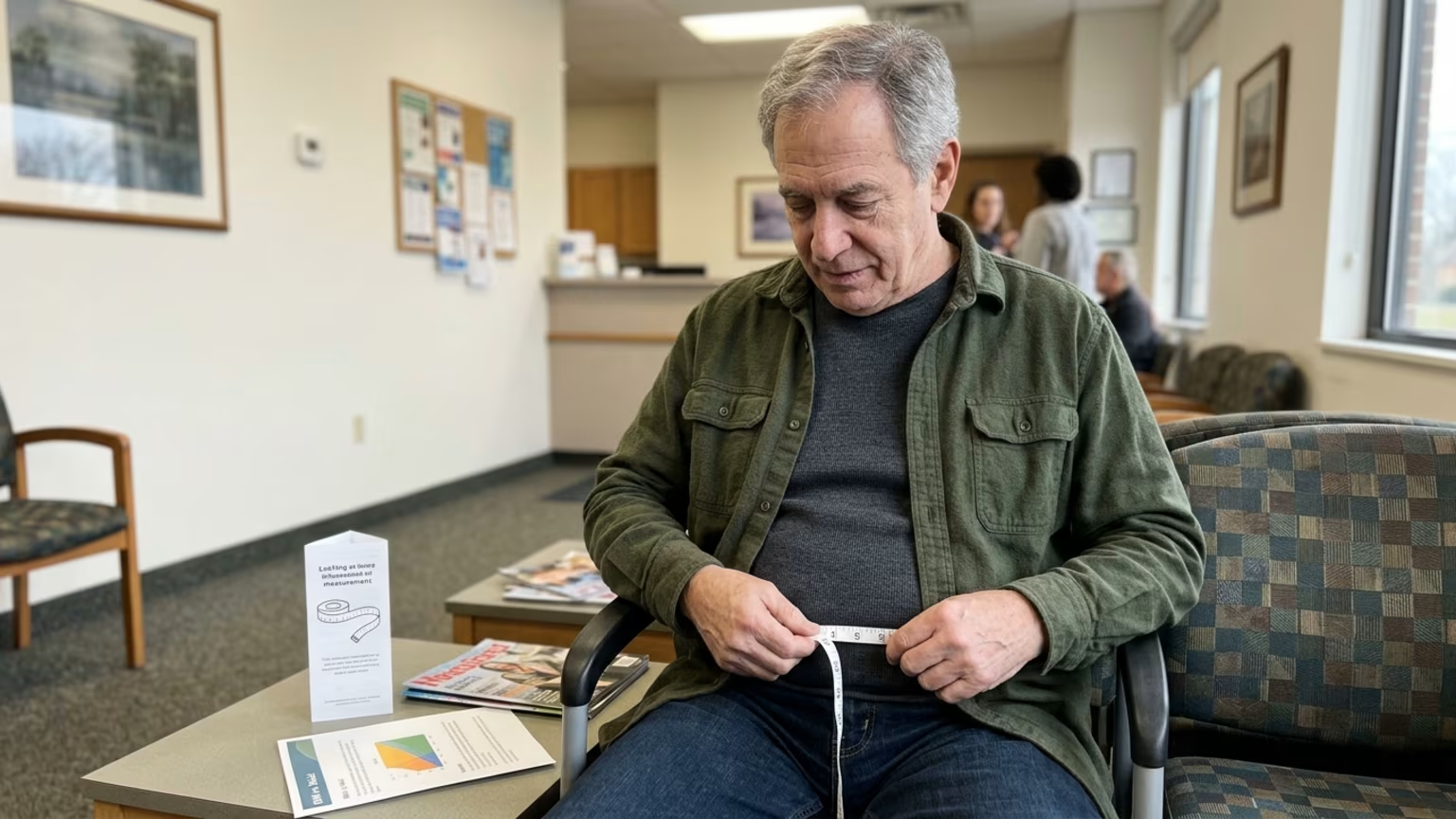
A recent study found waist circumference predicts mortality in older adults better than BMI. Learn why veterans should track waist size for metabolic health.
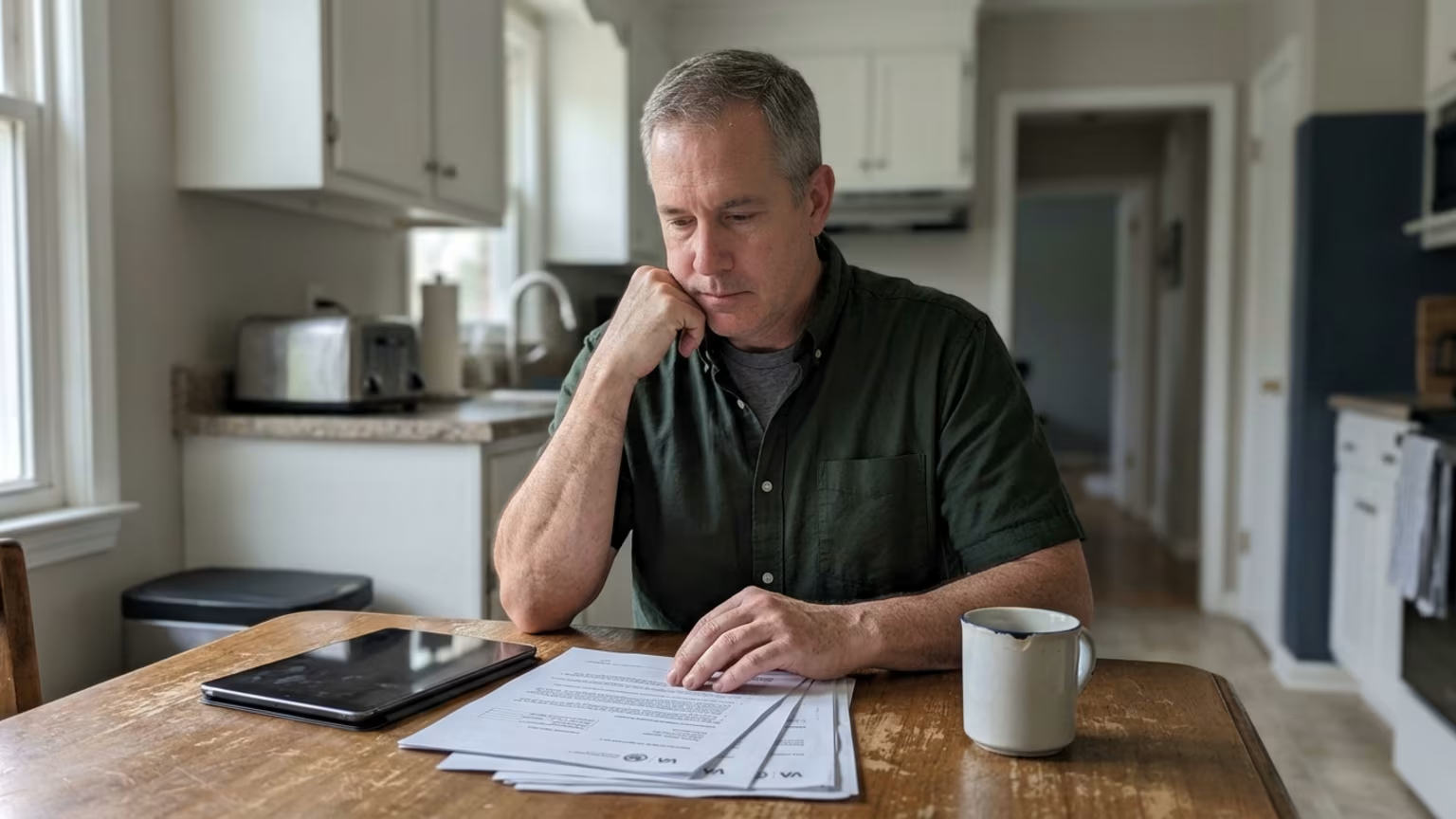
Learn how combined VA disability ratings and Special Monthly Compensation rules can provide over $3,900 monthly for eligible veterans.
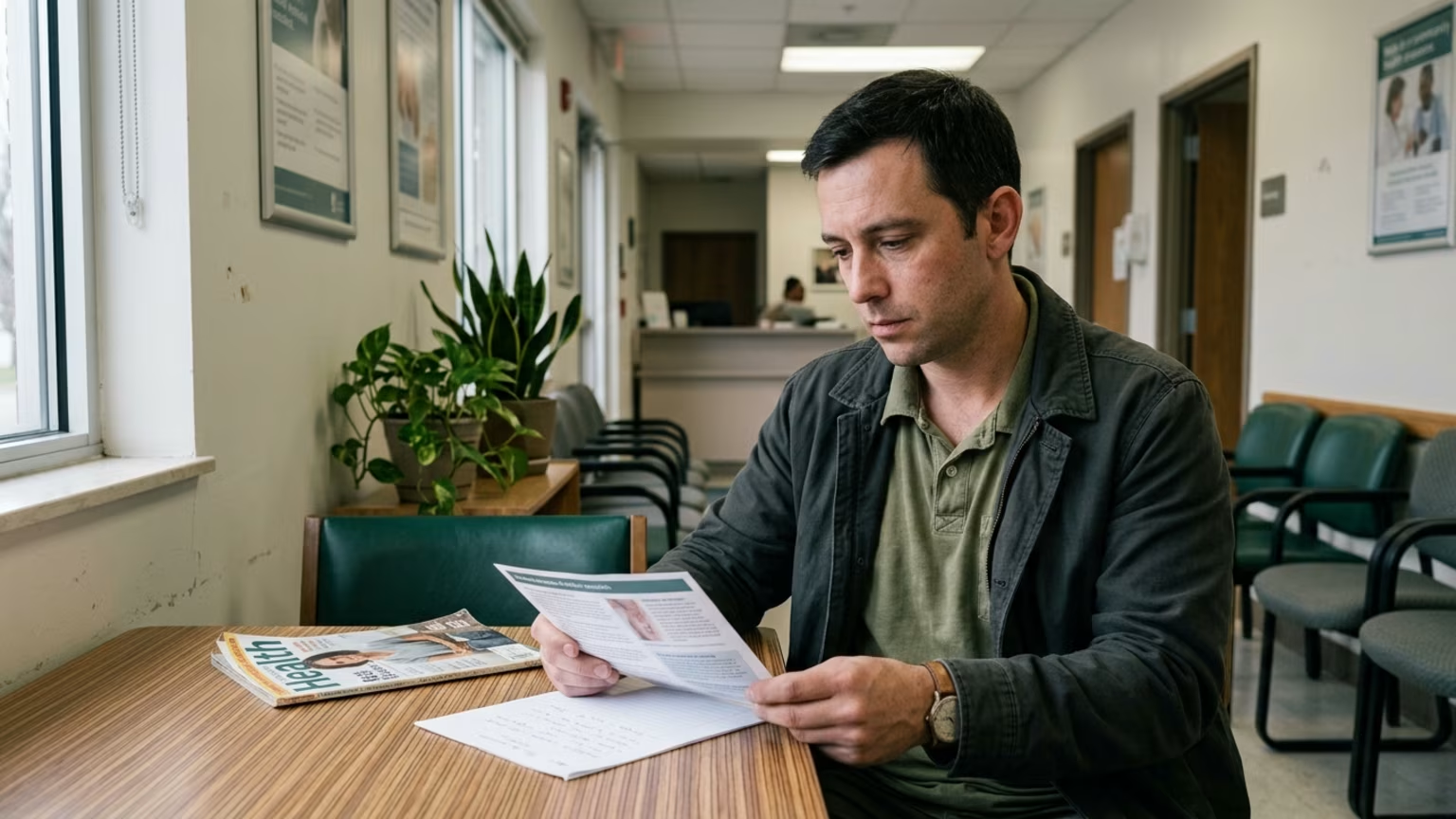
A 2026 study identifies clinical predictors for clomiphene citrate response in men with testosterone deficiency, offering a fertility-conscious alternative.
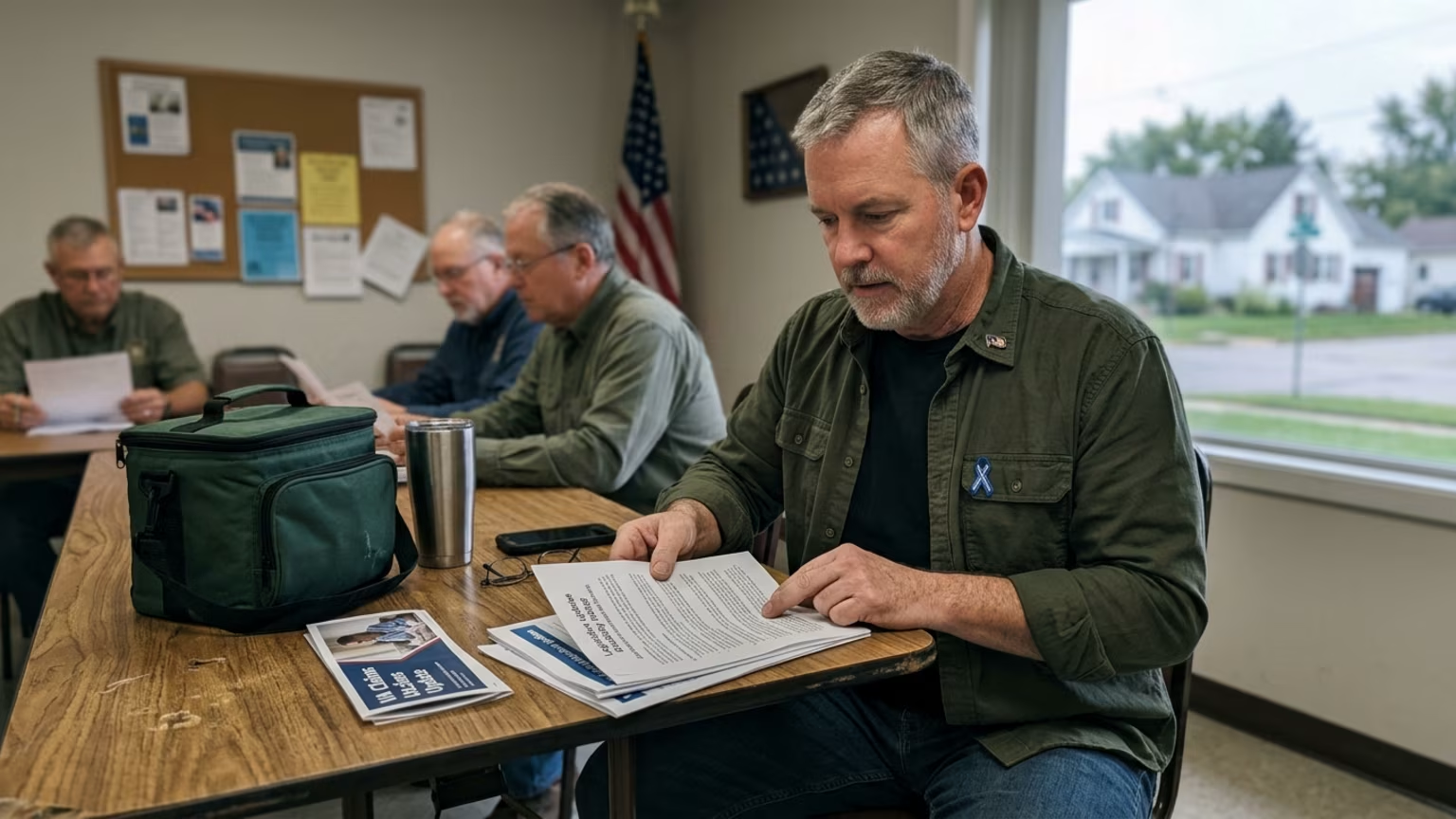
A proposed bill linking sleep apnea disability ratings to broader veteran health funding has sparked intense debate. Read the clinical and policy reality.
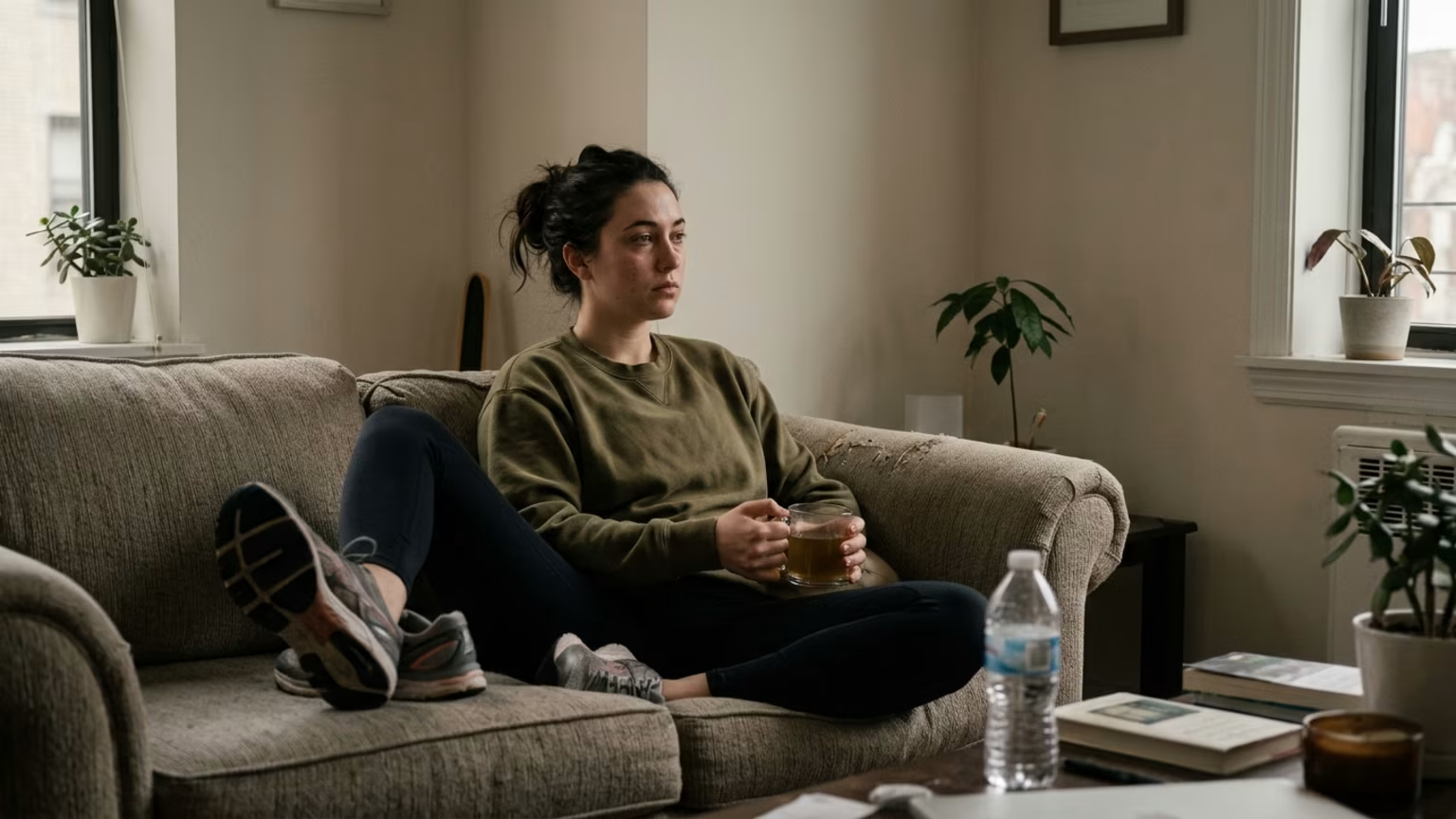
Understand how energy deficiency and high training loads impact your hormonal health. A practical guide to balancing military conditioning and nutrition.
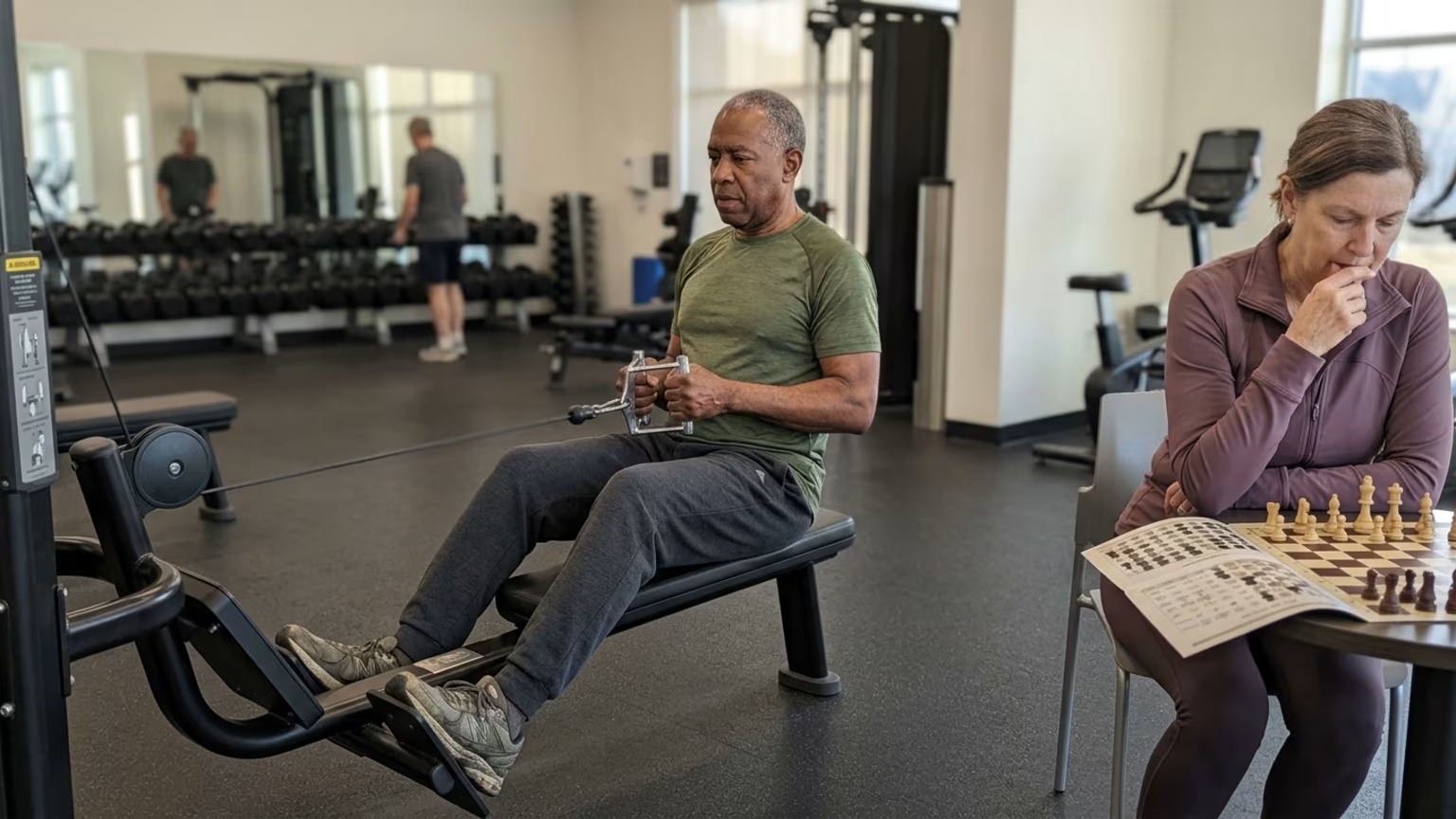
A four-year Japanese cohort study reveals that strength training and cognitive sports may lower dementia risk significantly more than walking in older adults.
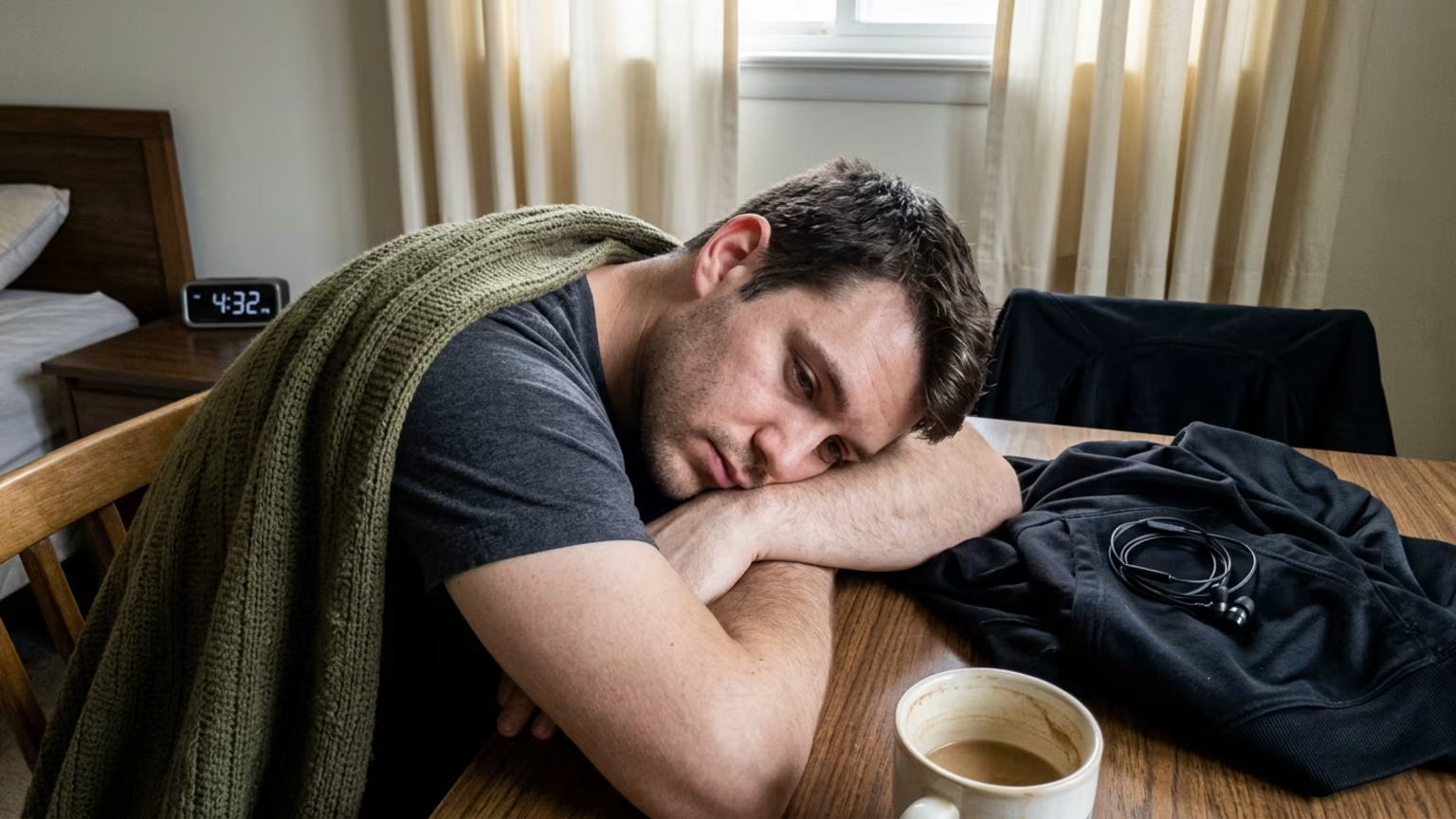
A McGill University study shows a 20-minute workout or a 90-minute nap can improve memory function by 22% after acute sleep loss.
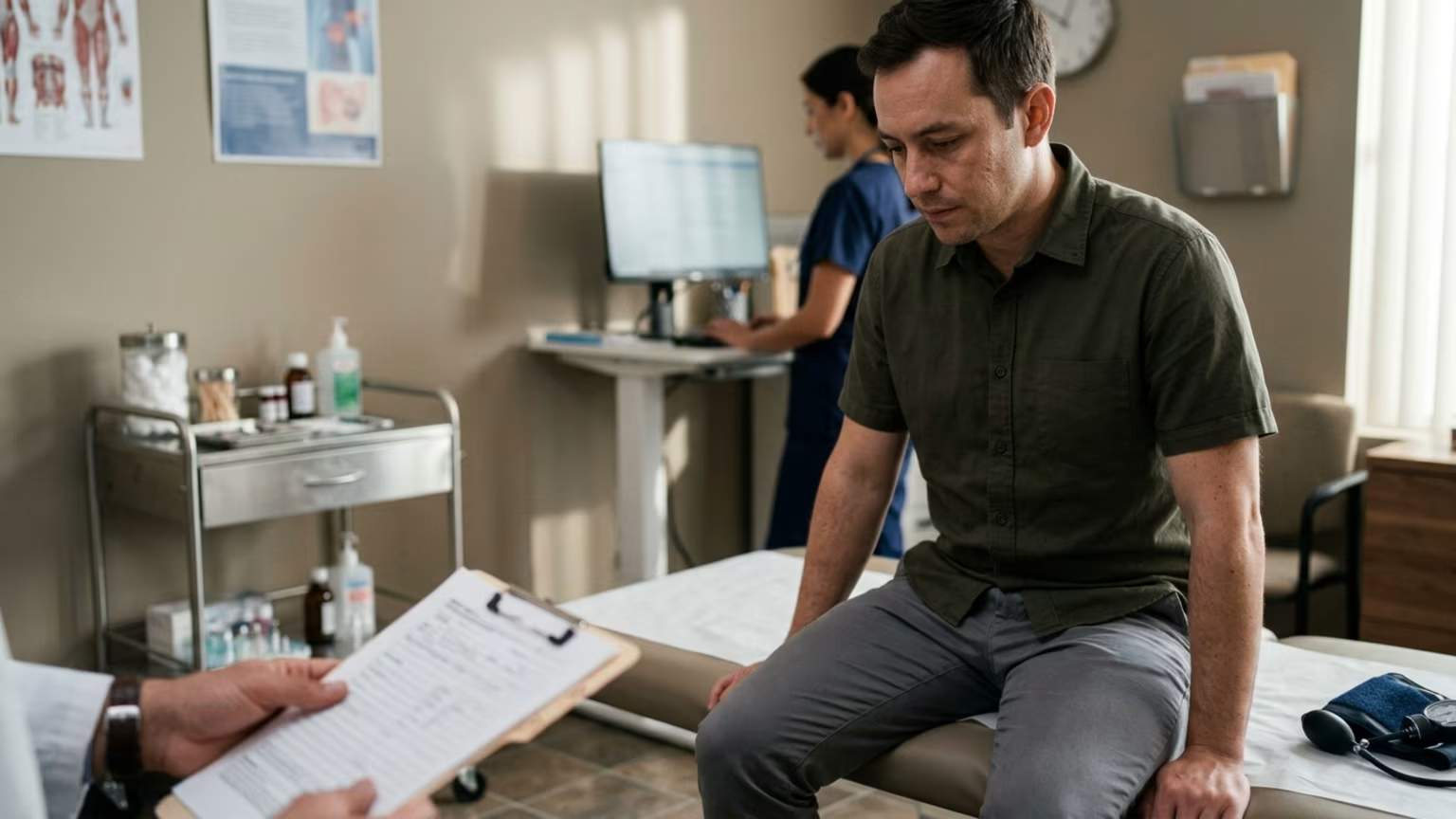
Learn what a proper evaluation for low testosterone actually involves. We explain the testing guidelines, symptom analysis, and factors affecting your lab results.
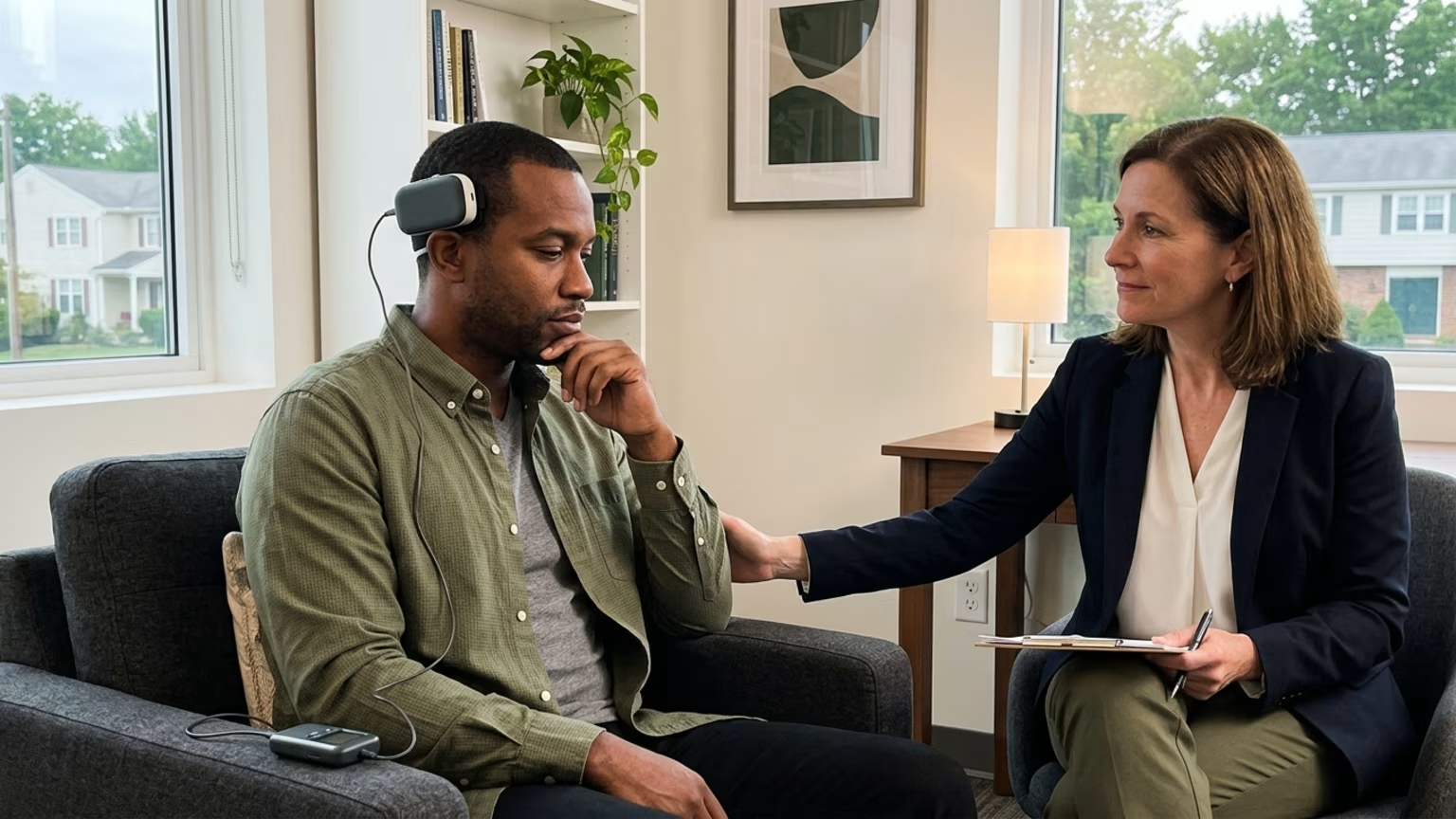
The FDA cleared a personalized brain-targeted PTSD therapy. Read how this non-medication alternative to SSRIs works and what veterans should ask their doctors.
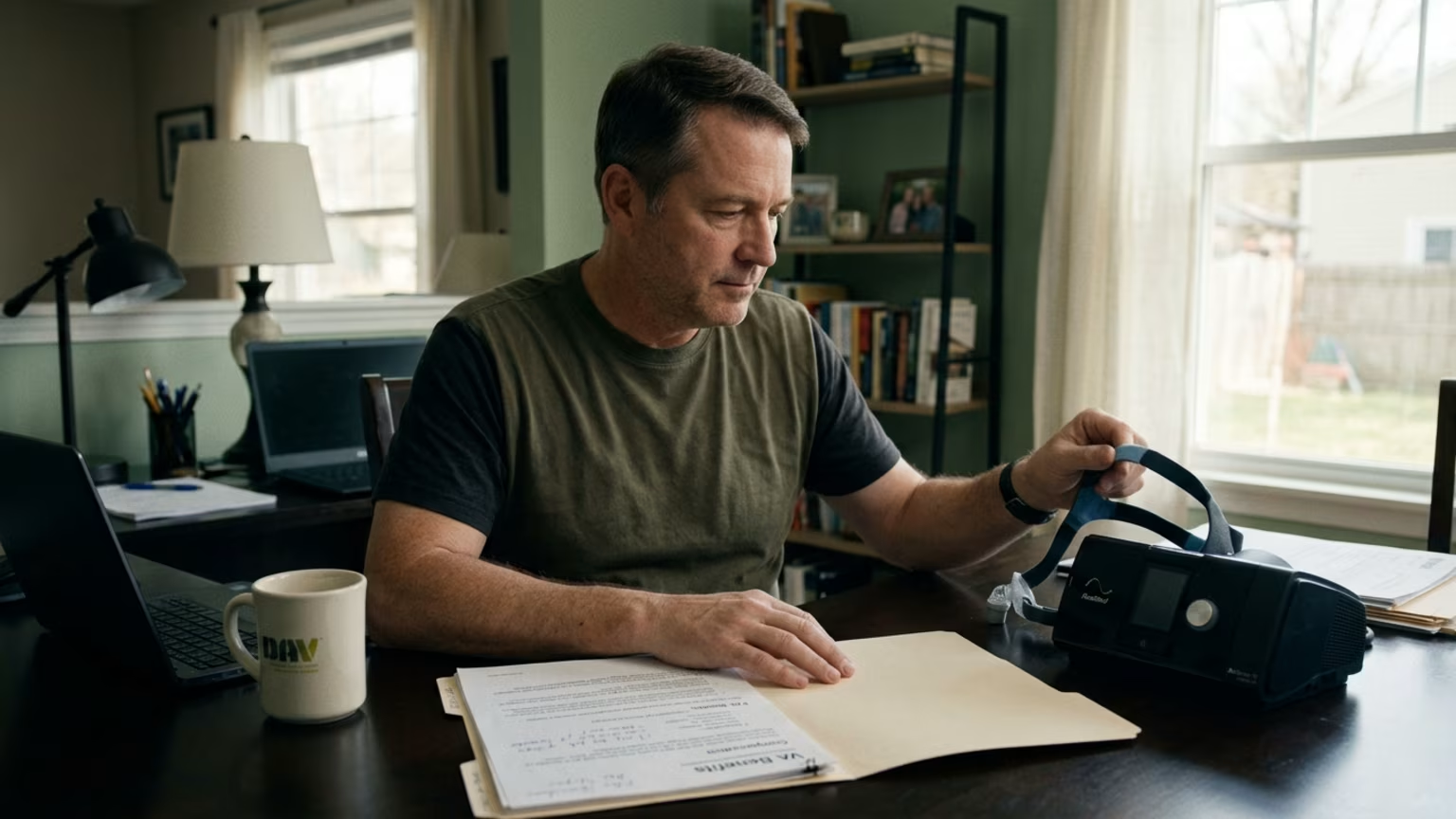
Disabled American Veterans (DAV) outlines how the VA evaluates sleep apnea. Learn the claims process, disability ratings, and long-term health implications.
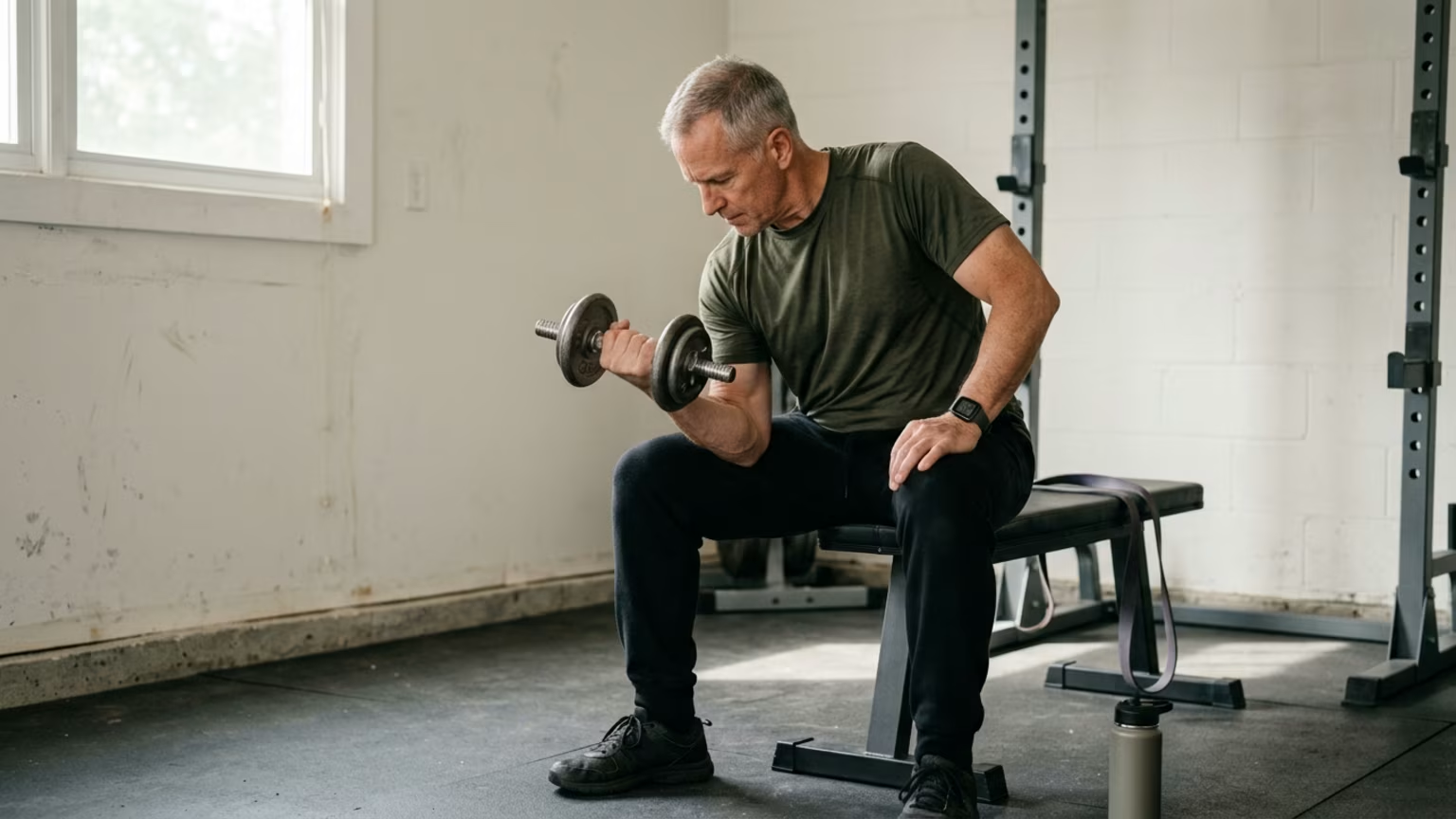
Learn how veterans can maintain their physical and cognitive capabilities through targeted strategies in mobility, sleep, and cardiovascular health.
Build better habits around strength, recovery, sleep, hormones and healthy aging with practical guidance for active military personnel and veterans.
Explore BattleVet