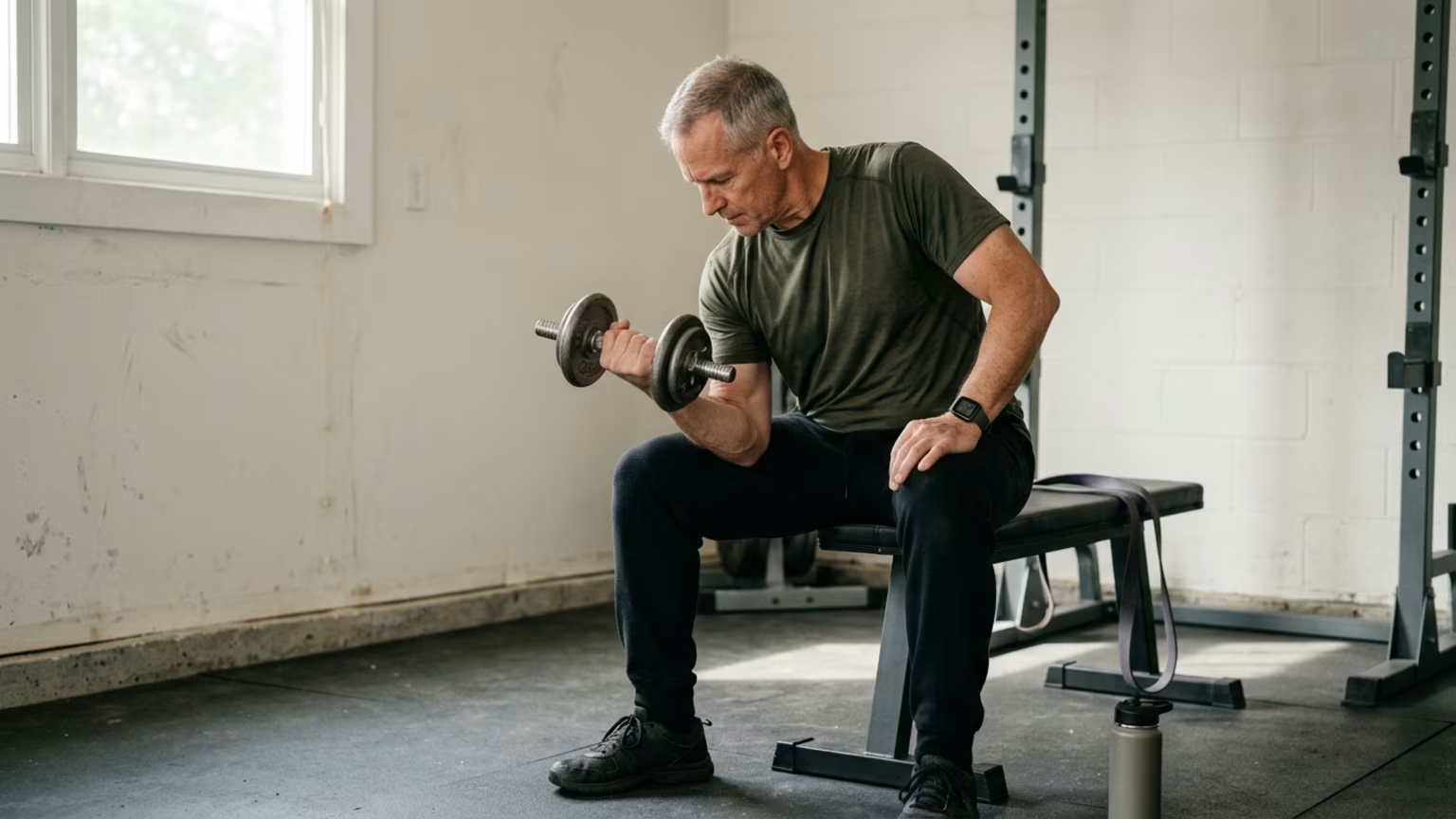

Learn how veterans can maintain their physical and cognitive capabilities through targeted strategies in mobility, sleep, and cardiovascular health.





Many service members view aging as a sudden drop in function rather than a condition they can manage. The truth is that post-service health is an ongoing project of maintaining your capabilities over time. In a 2026 study of post-9/11 veterans, researchers reported that gait slowing appeared from midlife onward. This walking change was associated with poorer cognitive function, metabolic syndrome, and greater PTSD severity.
This research matters because it links physical movement directly to overall physiological health. Active personnel and veterans often compartmentalize their health conditions. A slow walking pace is not just a sign of tired joints. It serves as an early warning for broader metabolic or cognitive issues.
Many fitness programs focus exclusively on heavy lifting or long-distance running. While these are excellent pursuits, basic movement quality often gets neglected. The ability to walk efficiently across uneven terrain is a fundamental human skill. When gait speed slows down, it signals a deeper systemic issue rather than just stiff joints.
Tracking this metric gives you an honest assessment of your current physical reality. Veterans can easily monitor their own walking pace during daily routines or scheduled hikes. A noticeable drop in mobility should trigger a conversation with a qualified healthcare provider. Early intervention is always more effective than trying to reverse years of accumulated damage.
The VA Office of Rural Health says rural and highly rural veterans are more likely to be diagnosed with diabetes, obesity, high blood pressure, and heart conditions. Furthermore, 65% of enrolled rural and highly rural veterans are aged 55 or older. Understanding how mobility impacts these conditions helps veterans build a long-term capability plan.
I remember waking up after a poor night of sleep and realizing that my training recovery was taking much longer than it used to. I realized that readiness is more than just pushing through the fatigue. It requires a dedicated approach to sleep and hormonal health, which completely shifted how I view long term capability. Proper recovery connects directly to long-term health, and we have to treat healthy aging as a complete system.
The new data provides a concrete look at how specific conditions impact veterans. VA researchers reported that obstructive sleep apnea affected 21% of veterans compared with 9% of non-veterans in a survey of nearly 20,000 people. The same VA summary says veterans were diagnosed, on average, five years earlier than non-veterans. Deployed veterans had 64% higher odds of obstructive sleep apnea than veterans who had not deployed.
These sleep disturbances connect directly to both physical recovery and mental clarity over the long term. Failing to address poor sleep can undermine every other effort you make in the gym. Quality rest allows the body to regulate hormones and repair cellular damage. Ignoring this metric guarantees a faster physical decline.
Cognitive capability also responds well to structured interventions. A recent 48-month study in older adults found that a multicomponent exercise program was associated with significant improvements in several measures of cognitive performance. Another four-year longitudinal study looked at the impact of social factors on older adults. It reported that participation in community gathering places was associated with approximately 50% lower risk of cognitive disability among older adults who did not exercise regularly.
Military personnel often endure significant physical trauma during their careers. Blast exposures and repeated concussions complicate the aging process for many veterans. The brain requires specialized support to heal and maintain optimal function. Tracking cognitive changes over time helps medical professionals design better recovery protocols.
Head injuries remain another heavily tracked metric in long-term health planning. Military Health's Traumatic Brain Injury Center of Excellence supports a 15-year longitudinal TBI study and research into blast exposure. They note that a history of TBI may increase the risk of another injury and prolong recovery. These statistics prove that aging requires an integrated approach to sleep, movement, and community.
This evidence shifts the focus from managing isolated symptoms to preserving overall function. The World Health Organization defines healthy aging as developing and maintaining the functional ability that enables wellbeing in older age. The VA has adopted an age-friendly-care model using the 4Ms to guide patient health. These four pillars include what matters most to the patient, medications, mobility, and mentation.
This framework encourages veterans to monitor their walking speed, sleep quality, and cognitive clarity together. VA materials describe the STRIDE program as a supervised walking program for older veterans hospitalized with medical illness. Maintaining connection and meaningful activity is just as critical as physical training. Care models are moving away from purely clinical treatments to include exercise and community participation.
Hospitalization often leads to a rapid loss of muscle mass in older patients. These controlled movements prevent physical deconditioning during prolonged hospital stays. Maintaining basic mobility during an illness speeds up your overall recovery time. Returning to regular physical capability becomes much easier when you minimize the initial loss.
The connection between physical exercise and brain health continues to grow stronger. Physical activity increases blood flow to the brain and supports essential neural pathways. A structured exercise program forces the nervous system to adapt and grow. This adaptation process builds a buffer against the natural cognitive decline that accompanies aging.
Community involvement provides more than just a pleasant distraction from daily life. Active social participation forces the brain to process complex emotional and conversational data. Isolation often leads to a sedentary lifestyle and an increased risk of depression. Finding a new mission or a dedicated group of peers provides a powerful anchor.
Veterans excel at building strong teams and executing complex missions together. You can apply this exact mindset to your daily health journey. Partnering with other former service members creates a built-in accountability system. Shared struggles often lead to shared success when navigating the medical system.
Cardiovascular health directly influences both cognitive function and physical stamina. High blood pressure damages blood vessels in the brain and reduces oxygen delivery to muscle tissue. Veterans must treat routine blood work and heart screenings as mandatory maintenance checks. Catching a minor issue early prevents it from becoming a major medical crisis.
Proper nutrition serves as the fuel for this entire functional system. Managing blood glucose levels through a balanced diet protects your metabolic health and joint integrity. Processed foods and excessive sugar accelerate cellular aging and increase systemic inflammation. Treating your diet as a strategic resource keeps you capable and ready.
Veterans should apply these shifts by scheduling regular cardiovascular screenings and formal sleep evaluations. Persistent fatigue or morning headaches warrant medical evaluation rather than extra caffeine. You should maintain resistance training as a lifelong habit to preserve muscle mass and physical resilience. Treating health as a daily maintenance routine ensures you stay capable across all environments.
A complete protocol also requires managing stress and mental wellbeing over the decades following military service. We know that conditions like PTSD can compound the physical symptoms of aging. A proactive health strategy must include professional support for mental health challenges. Addressing these issues early prevents them from severely limiting your independence later in life.
These developments suggest a necessary evolution in how we treat post-service health. The evidence proves that sleep, mobility, and social connection are vital components of long-term capability. We must continue to evaluate how military exposures affect the body decades after service. How will future healthcare systems integrate functional ability tracking into routine medical appointments for younger veterans?
The ultimate goal is to provide service members with the tools they need to thrive. Maintaining capability is an ongoing process of physical and mental adaptation. Building a strong foundation today protects the physical freedom you will want tomorrow. Aging is simply the next environment you must learn to navigate.
Follow BattleVet for practical guidance on military and veteran health, strength, recovery, testosterone, sleep and healthy aging. Stay connected for new articles, research backed insights and clear information to help you stay capable for the years ahead.


Combat Stress’s workplace guidance emphasizes listening over diagnosis. Recent U.S. veteran insomnia research adds context for sleep and recovery concerns.


ErythroMer's reported storage design could matter for military care. An academic review still lists it as preclinical, with human evidence ahead.
A large veteran study links PTSD and documented social needs to later cognitive impairment, reinforcing the value of connected care planning.
Build better habits around strength, recovery, sleep, hormones and healthy aging with practical guidance for active military personnel and veterans.
Explore BattleVet