
Greater vitality and reduced physical harm await veterans who implement actionable medical steps to navigate substance use and protect their long-term health.

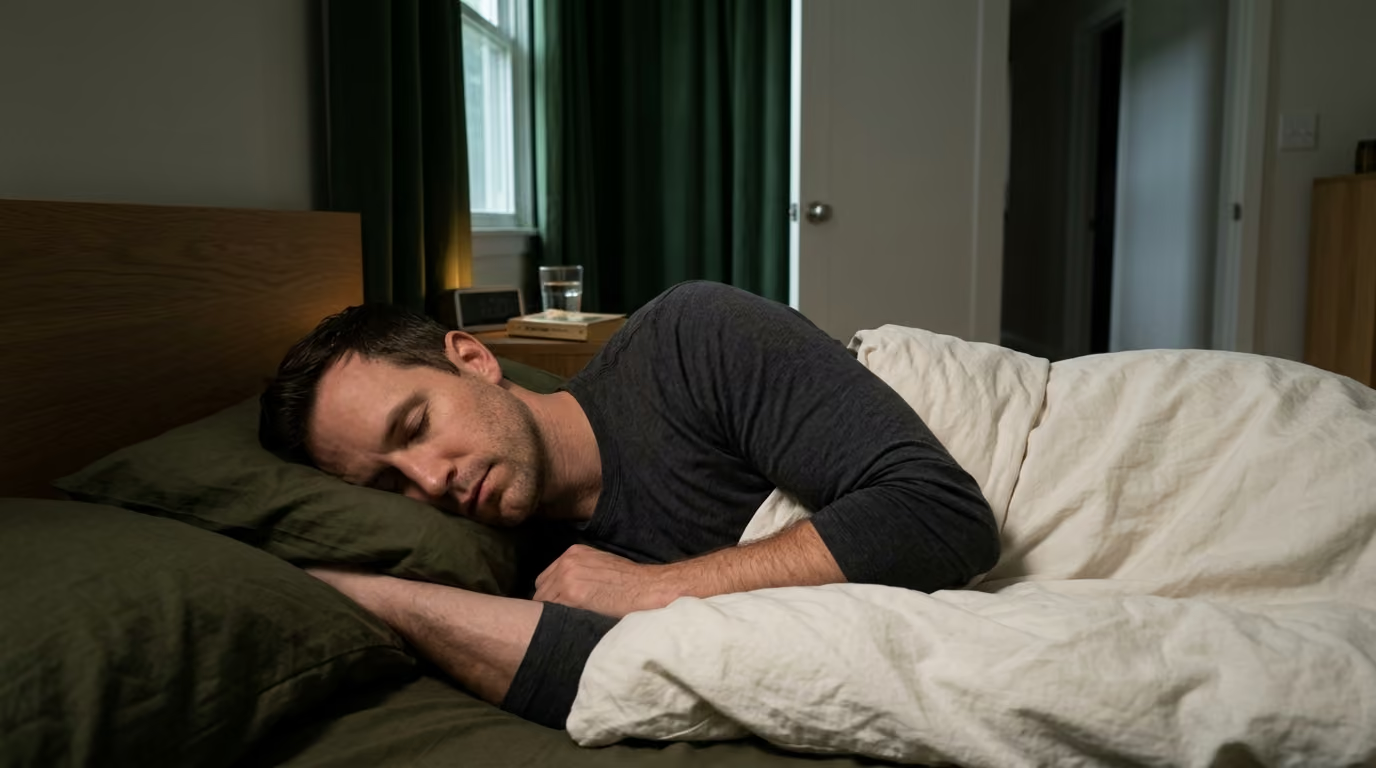
Sleep regulation relies on circadian rhythms and behavioral techniques that help you fall asleep faster and overcome chronic nighttime awakenings.
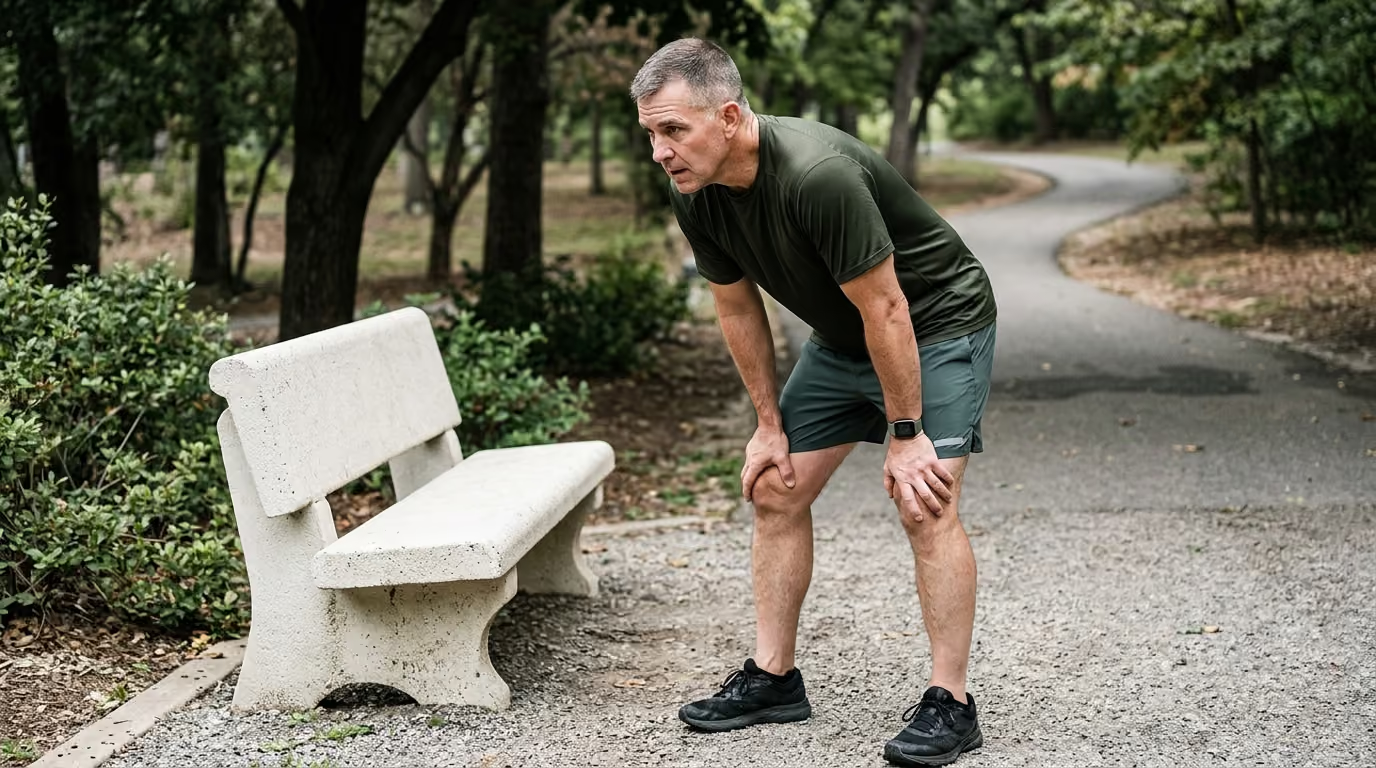
While many veterans assume cardiovascular health requires painful running, sustainable endurance actually comes from low impact aerobic cross training routines.
Five key definitions clarify how operational pressure impacts physical health, daily judgment, and decision-making during high-stakes missions and crisis situations.

Pain-free movement and full joint strength return through structured rehabilitation strategies designed to restore mobility and rebuild long-term load tolerance safely.

Stiff knees and a constantly racing mind signal that military veterans need a comprehensive approach to managing sleep, stress, and long-term physical resilience.
Waking up without a military schedule often disrupts sleep and purpose, but evidence-based strategies help veterans rebuild health and identity effectively.

While many believe post-traumatic stress is permanent, trauma recovery for veterans actually relies on structured therapies that deliver rapid, measurable relief.

Struggling with post-workout fatigue or muscle cramps signals an electrolyte imbalance that proper rehydration protocols can quickly resolve.
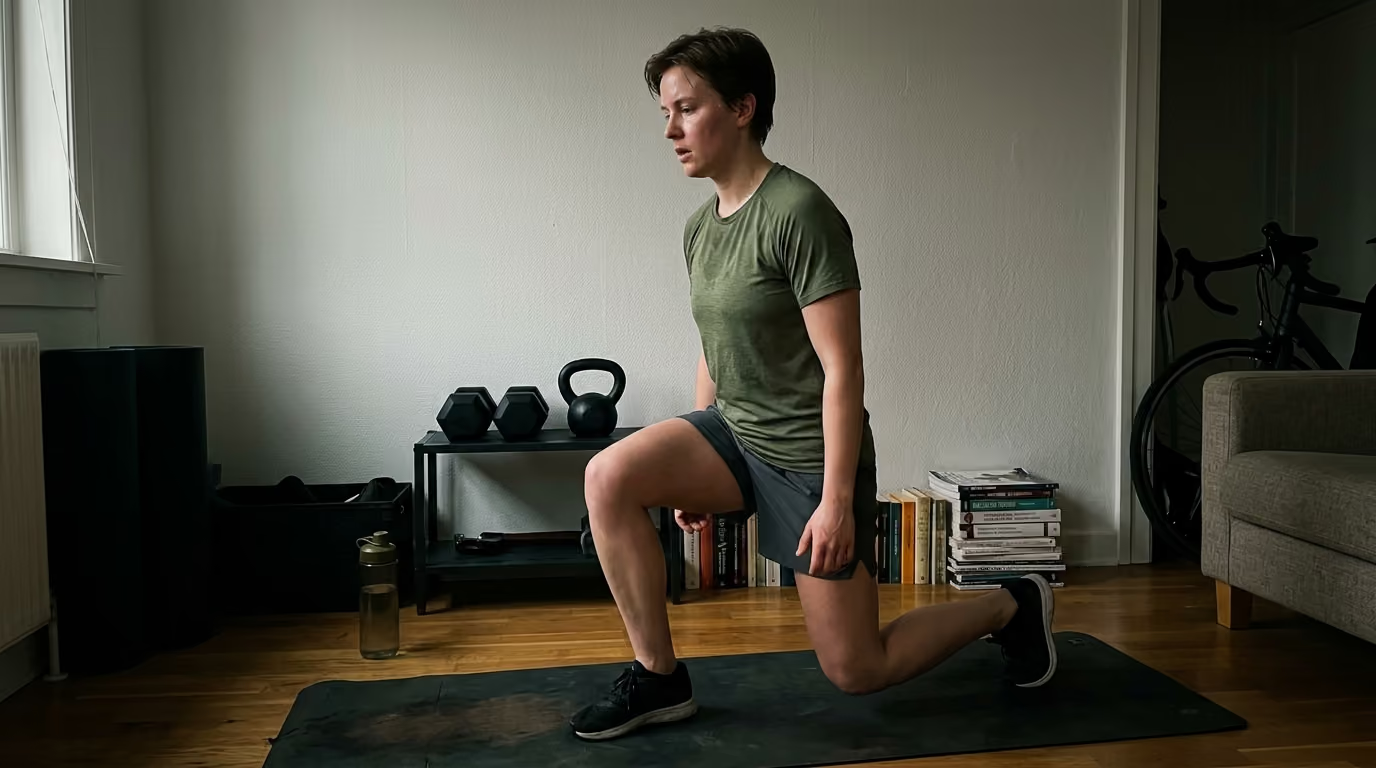
Plateauing in your current workout routine signals a need for smarter circuit programming that builds strength, endurance, and power backed by science.
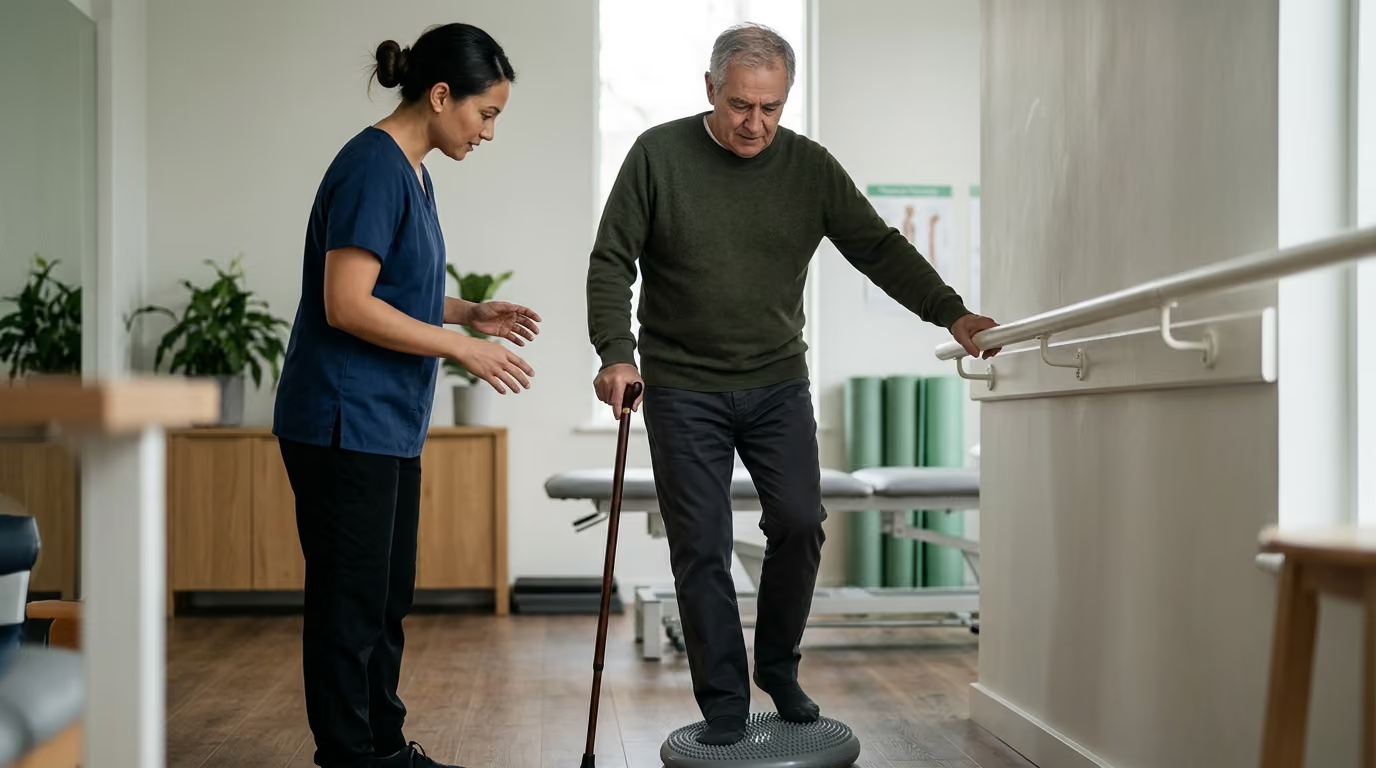
Improved mobility and lasting physical independence help veterans overcome service injuries through practical fall screening and essential daily balance exercises.
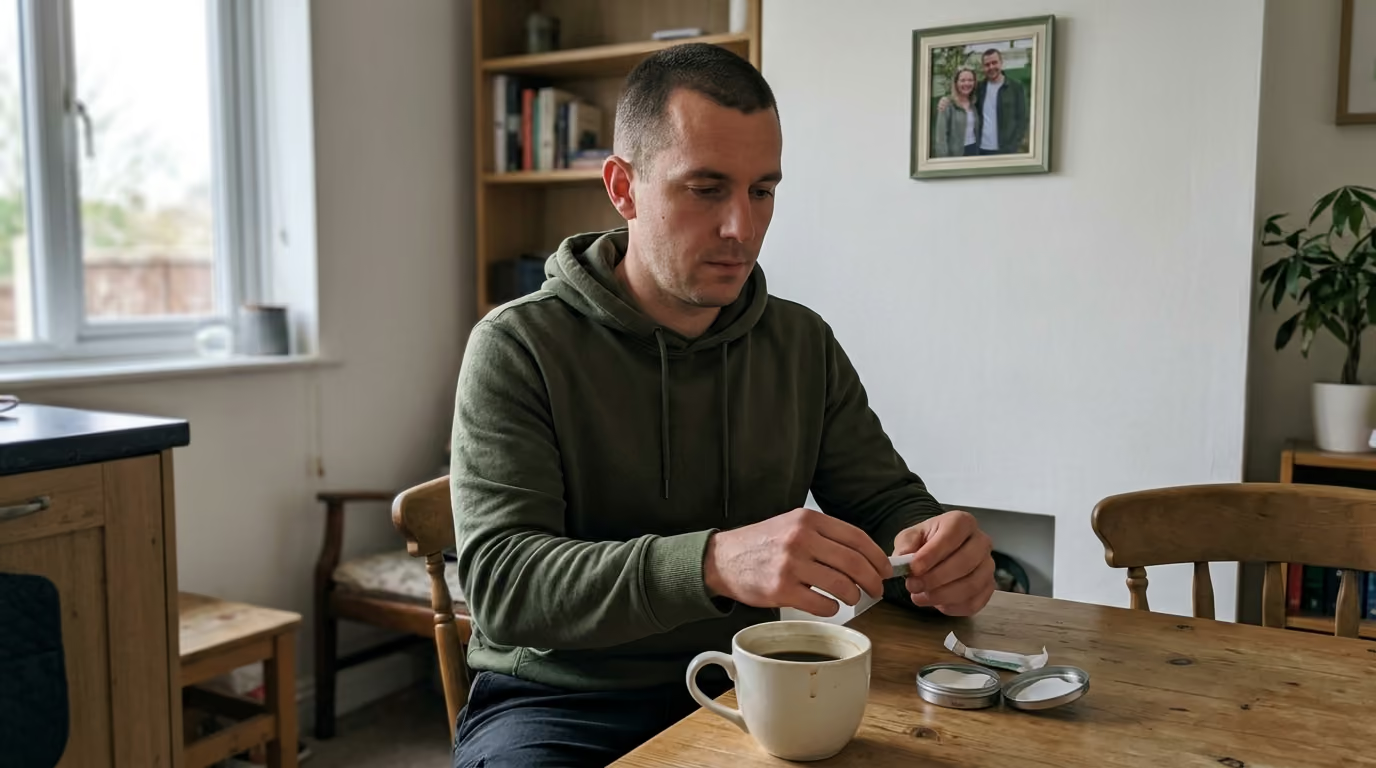
Three major physical systems recover rapidly after quitting nicotine when veterans pair clinical medications with structured strategies for trauma and sleep.

While rigid percentage programs assume constant strength, autoregulated training dynamically adjusts lifting loads using RPE, RIR, and bar velocity metrics.

A full annual cycle organizes macrocycles and mesocycles around real-world constraints to systematically build strength, endurance, and operational readiness.

Restored hormonal health and reduced injury risks become achievable when athletes identify energy deficits and implement structured nutrition recovery plans.

Opioid therapy for chronic pain presents unique risks for veterans that can be managed through multimodal care and structured dose reduction.

Between 1.0 and 1.2 grams of daily protein per kilogram helps veterans preserve lean muscle and maintain physical independence after service.

Three months of sleep disruption occurring three nights weekly defines chronic insomnia, requiring proven behavioral therapies over temporary medication options.
Build better habits around strength, recovery, sleep, hormones and healthy aging with practical guidance for active military personnel and veterans.
Explore BattleVet