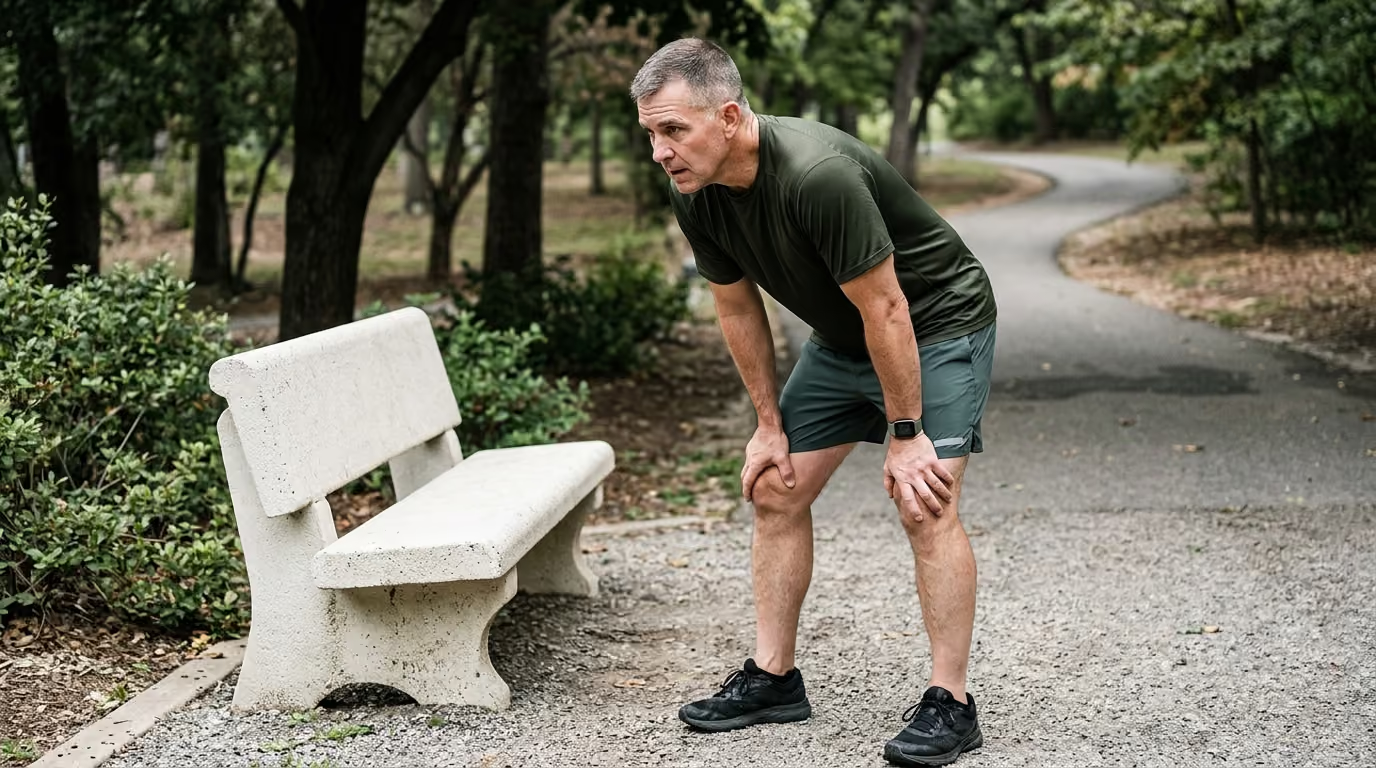

Between 1.0 and 1.2 grams of daily protein per kilogram helps veterans preserve lean muscle and maintain physical independence after service.





You sit down with your morning coffee and a slice of toast, feeling the stiffness in your joints from years of carrying heavy loads. Your recent routine blood work showed elevated fasting glucose and borderline blood pressure, while your bathroom scale has stayed exactly the same. You want to maintain your physical independence, protect your muscle mass, and keep your energy steady without complicated food rules.
Nutrition for healthy aging after military service requires shifting focus from short-term tactical fueling to long-term physical function, lean muscle preservation, and chronic disease management.
To support healthy aging, former service members should prioritize nutrient-dense whole foods, targeting 1.0 to 1.2 grams of protein per kilogram of body weight daily paired with resistance training, while increasing dietary fiber, replacing saturated fats with unsaturated fats, and adjusting sodium, potassium, or carbohydrates based on individual health conditions like hypertension, diabetes, or kidney disease.
Aging changes how the human body processes food, utilizes energy, and maintains tissue. During active military service, physical output is often high enough that total calorie volume masks poor food quality. High-volume training, field operations, and demanding work schedules allow many service members to consume high-calorie, ultra-processed rations without immediate changes in body weight.
As physical activity decreases after service and metabolic rates naturally slow, total energy expenditure declines. Older adults generally require fewer daily calories to maintain their body weight. According to the National Institute on Aging, daily energy needs for adults over 60 range from approximately 1,600 to 2,200 calories for women and 2,000 to 2,600 calories for men, depending on daily physical activity.
While total calorie requirements decrease with age, the need for essential vitamins, minerals, protein, and dietary fiber remains constant or increases. This physiological reality creates a requirement for nutrient density. Nutrient density refers to foods that supply substantial amounts of vitamins, minerals, and protein relative to their total calorie content.
Choosing nutrient-dense foods allows older adults to meet their micronutrient and protein requirements without consuming excess energy that leads to unwanted fat gain. Highly processed foods with added sugars, refined starches, and saturated fats displace essential nutrients while providing low nutritional value.
At the same time, healthy aging cannot be judged by body weight or a standard bathroom scale alone. Unintentional weight loss in older adults is frequently a warning sign of muscle loss, undernutrition, or underlying medical issues rather than improved health. Focusing purely on weight loss can accelerate the loss of functional muscle mass, reduce bone mineral density, and impair daily physical capability.
Healthy aging is best evaluated through functional outcomes. These include preserving muscle strength, maintaining balance and walking speed, managing blood pressure and blood glucose, and retaining independent mobility for daily tasks. Our team has found through years of examining healthy aging and longevity resources that maintaining physical capability requires connecting daily food choices directly to functional outcomes rather than scale weight.
Age-related loss of muscle mass, strength, and physical performance is clinically known as sarcopenia. Sarcopenia begins gradually in middle age and can accelerate during the retirement and veteran years. Losing muscle reduces metabolic rate, impairs insulin sensitivity, increases fall risk, and reduces overall physical resilience.
Nutrition plays a central role in mitigating muscle loss, but protein intake alone is insufficient. Preserving muscle requires combining adequate dietary protein with regular resistance training, balance exercises, adequate total calories, and proper management of chronic medical conditions.
The standard adult Recommended Dietary Allowance for protein is 0.8 grams per kilogram of body weight per day. Research across geriatric medicine indicates this baseline recommendation is often insufficient to preserve muscle mass in older adults. The PROT-AGE Study Group recommends an intake of approximately 1.0 to 1.2 grams of protein per kilogram of body weight daily for healthy older adults.
Active older adults who perform regular resistance training may benefit from 1.2 grams per kilogram daily or slightly higher to support tissue repair. For an individual weighing 180 pounds (approximately 82 kilograms), a target of 1.0 to 1.2 grams per kilogram equals roughly 82 to 98 grams of protein per day.
This body-weight calculation serves as a general planning tool rather than a rigid prescription. Adjustments are necessary for individuals with obesity, significant fluid retention, frailty, or specific medical limitations. Most importantly, individuals with severe, nondialysis chronic kidney disease often require tailored protein moderation under direct medical supervision rather than increased intake.
How you distribute protein throughout the day matters alongside total daily intake. Many adults consume the majority of their daily protein at dinner, with minimal amounts at breakfast and lunch. Distributing protein evenly across two or three meals provides a steady supply of essential amino acids throughout the day.
An effective daily distribution might include 20 to 30 grams of protein at breakfast from eggs, Greek yogurt, or tofu, followed by 25 to 35 grams at lunch from canned tuna, chicken, or lentils, and 30 to 40 grams at dinner from fish, poultry, or lean beans. Incorporating protein into snacks using cottage cheese, milk, or unsalted nuts can help individuals with lower appetites meet their daily targets.
A sustainable eating pattern should be simple, flexible, and affordable rather than restrictive. Building meals around a standard plate framework provides balanced nutrition without the burden of calorie tracking.
The protein-plus-plants plate framework divides a standard meal into clear, functional portions:
This plate model aligns closely with established evidence-based dietary patterns, including the Mediterranean and Dietary Approaches to Stop Hypertension (DASH) patterns. The Mediterranean dietary pattern emphasizes vegetables, fruits, whole grains, beans, lentils, nuts, seeds, and fish, with olive oil as the primary fat source. It limits processed meats, refined starches, and added sugars.
Adopting a Mediterranean-style pattern does not require expensive specialty ingredients. Affordable staples like canned tuna, dried lentils, frozen spinach, oats, cabbage, and canola oil offer the same nutritional benefits at a fraction of the cost.
The DASH eating pattern focuses specifically on reducing dietary sodium while increasing potassium, magnesium, and calcium from whole foods to support healthy blood pressure. It highlights vegetables, fruits, low-fat dairy, whole grains, and lean proteins while minimizing saturated fats and sodium.
Veterans can easily adapt the DASH framework to familiar, hearty meals. Chili made with lean ground turkey, kidney beans, and canned no-salt-added tomatoes provides high fiber and protein with controlled sodium. Hearty vegetable and lentil soups, brown rice bowls with grilled chicken, and oatmeal topped with fruit and walnuts fit naturally into this framework.
Dietary fiber is another foundational component of long-term health. Fiber supports regular bowel function, improves gastrointestinal health, helps control blood cholesterol, and slows glucose absorption. Soluble fiber, found in oats, beans, barley, and apples, forms a gel-like substance in the digestive tract that helps reduce low-density lipoprotein cholesterol. Insoluble fiber, found in whole-wheat products, brown rice, and vegetable skins, adds bulk to stool and promotes regularity.
Fiber should always be increased gradually over several weeks. Increasing fiber too rapidly without adequate water intake can cause gastrointestinal discomfort, bloating, or worsening constipation. Pairing higher fiber intake with consistent daily hydration is essential.
Healthy fats are an essential part of an aging adult's diet. Low-fat diets often replace beneficial lipids with refined carbohydrates, which can worsen triglyceride levels and blood sugar regulation. Replacing saturated fats like butter, lard, and fatty cuts of meat with unsaturated fats supports cardiovascular health and provides concentrated calories for individuals struggling with poor appetite.
Olive oil, canola oil, avocados, walnuts, flaxseeds, and fatty fish such as salmon, sardines, and trout provide essential monounsaturated and polyunsaturated fatty acids. Understanding how these dietary fats interact with overall metabolism is a core topic across our nutrition and physical restoration guides.
Hydration needs also require deliberate attention as the body ages. The natural physiological thirst mechanism becomes less sensitive over time, meaning older adults may be significantly dehydrated before feeling thirsty. Chronic mild dehydration contributes to fatigue, confusion, kidney stress, constipation, and reduced exercise capacity.
The National Institute on Aging recommends drinking water consistently throughout the day rather than waiting for thirst. Fluid needs increase during hot weather, physical exercise, or episodes of illness. However, individuals diagnosed with congestive heart failure or advanced kidney disease must follow specific fluid limits set by their healthcare team.
Many veterans manage one or more chronic health conditions that require adjustments to general nutrition guidance. Nutrition must be tailored to address conditions like type 2 diabetes, high blood pressure, and chronic kidney disease without creating extreme dietary restrictions.
Nutrition for blood glucose management focuses on carbohydrate quality, portion consistency, and meal composition. Large swings in blood sugar can accelerate vascular damage, impair nerve function, and worsen daily energy levels.
Key priorities for diabetes management include:
Common pitfalls include eliminating carbohydrates entirely while dramatically increasing saturated fats, which can worsen cardiovascular risk markers. Another pitfall is relying heavily on processed "diabetic" snack foods that contain sugar alcohols and refined ingredients. Whole, unrefined foods provide superior micronutrient density and glycemic control.
High blood pressure places constant strain on the arterial walls, increasing the long-term risk of stroke, heart attack, and kidney damage. Dietary management of hypertension centers on reducing sodium intake while ensuring adequate dietary potassium, magnesium, and calcium.
Key priorities for hypertension management include:
A critical consideration regarding potassium is kidney function. While dietary potassium helps lower blood pressure in individuals with normal renal clearance, those with impaired kidneys or those taking certain medications may retain potassium. Potassium intake must be tailored to individual laboratory results.
Chronic kidney disease (CKD) requires careful, individualized dietary planning. The kidneys filter metabolic waste products, balance fluids, and regulate electrolytes like sodium, potassium, and phosphorus. When kidney function declines, standard high-protein fitness diets can place unnecessary strain on the renal system.
Key priorities for kidney disease management include:
The National Kidney Foundation emphasizes that individuals with stage 3 to 4 nondialysis CKD often benefit from moderate protein intake (around 0.6 to 0.8 grams per kilogram daily) to slow disease progression. In contrast, individuals on active dialysis frequently require higher protein intake (around 1.2 grams per kilogram daily) to prevent muscle wasting. General high-protein recommendations should never be applied to individuals with kidney disease without clinical laboratory review.
A "food first" approach is the most effective and safest strategy for meeting nutritional requirements. Whole foods provide complex matrices of vitamins, minerals, dietary fiber, and phytonutrients that work synergistically. Dietary supplements cannot replace the balanced nutrient profile and health benefits of a wholesome diet.
However, specific supplements are clinically appropriate when an individual has documented laboratory deficiencies, poor gastrointestinal absorption, low appetite, or specific medical conditions.
Vitamin B12 absorption declines with age due to decreased production of stomach acid and intrinsic factor, which are required to release and absorb protein-bound B12 from food. Long-term use of medications like proton pump inhibitors for acid reflux or metformin for diabetes can further impair B12 absorption. A deficiency in B12 can lead to anemia, fatigue, memory issues, and peripheral neuropathy. The National Institute on Aging recommends that older adults ensure adequate B12 intake through fortified foods or a dedicated supplement recommended by a physician.
Vitamin D and calcium are critical for maintaining bone mineral density and reducing fracture risk. Many older adults produce less vitamin D in the skin upon sun exposure and consume insufficient amounts through diet alone. A simple 25-hydroxy vitamin D blood test can determine whether supplementation is necessary. Calcium should ideally come from dietary sources like milk, fortified soy beverages, yogurt, and leafy greens, as high-dose calcium supplements have been linked to potential vascular calcification risks in some studies.
Supplement pitfalls are common in the health and fitness marketplace. Older veterans should exercise caution with:
Always consult a healthcare provider or pharmacist to review all over-the-counter supplements alongside current prescription medications. The National Institutes of Health Office of Dietary Supplements provides publicly available, evidence-based fact sheets on ingredient safety, dosing limits, and known drug interactions.
Adopting a healthy eating pattern does not require expensive specialty grocery stores or costly organic products. A sustainable nutrition routine depends on planning, relying on shelf-stable staples, minimizing food waste, and using simple preparation methods.
An affordable, healthy grocery plan focuses on versatile staple ingredients:
Batch cooking and low-waste meal preparation make consistent nutrition achievable, even when energy or mobility is limited. Cooking large batches of chili, lentil stew, or brown rice on one day provides ready-to-eat meals for the entire week. Using frozen vegetables eliminates the time needed for washing and chopping, while preventing the spoilage common with fresh produce. For individuals with arthritis, neuropathy, or limited grip strength, pre-cut vegetables and simple kitchen tools like slow cookers, electric kettles, and countertop rice cookers simplify meal preparation.
Food insecurity is an important, documented challenge within the veteran community that directly impacts long-term health. A study utilizing data from the Health and Retirement Study found that 6.4% of older male veterans experienced food insecurity. Among male veterans aged 65 and older, food insecurity was significantly associated with depression, psychiatric diagnoses, current smoking, and physical limitations. Other research reviewing post-9/11 veterans found food insecurity rates approaching 25%, with rates reaching 32.6% in a surveyed sample of injured veterans during the pandemic.
Food access challenges interact directly with physical mobility, mental health, and chronic illness. Skipping meals or relying entirely on low-cost, ultra-processed junk foods to stretch a monthly budget makes managing conditions like diabetes and hypertension nearly impossible.
Practical resources exist to support veterans facing food access difficulties:
Connecting with these programs helps ensure consistent access to healthy food, protecting physical independence and quality of life over the long term. For more information on navigating care systems, explore our veteran lifestyle and healthcare resources.
Evaluating nutrition information requires distinguishing between well-established scientific facts, emerging research, and unproven dietary trends.
Substantial clinical consensus supports several foundational principles for healthy aging:
Other dietary approaches show potential in preliminary studies but lack universal recommendations:
Several popular claims lack scientific backing or may even be counterproductive:
To illustrate how these dietary principles apply in real-world situations, consider the following five practical case profiles.
Mark is a 68-year-old veteran who walks daily and does light yard work. Over the past three years, he has noticed gradual loss of arm and leg strength. His daily diet consists of black coffee and toast for breakfast, a light sandwich for lunch, and a large dinner of meat and potatoes.
Nutrition Priorities:
Sample Meal Routine:
Robert is a 72-year-old veteran taking metformin for type 2 diabetes. He frequently skips breakfast, drinks sweetened coffee beverages throughout the morning, and experiences sharp afternoon energy crashes and elevated evening glucose readings.
Nutrition Priorities:
Sample Meal Routine:
James is a 75-year-old veteran with high blood pressure and severe knee osteoarthritis. Standing in the kitchen to cook is painful, leading him to rely heavily on frozen pizzas, canned commercial soups, and packaged deli sandwiches.
Nutrition Priorities:
Sample Meal Routine:
David is a 66-year-old veteran diagnosed with stage 3 chronic kidney disease. After reading fitness articles about muscle loss, he began drinking three high-protein shakes daily while eating large portions of steak, causing his serum creatinine and BUN levels to rise.
Nutrition Priorities:
Sample Meal Routine:
Arthur is a 59-year-old veteran living on a fixed monthly disability check. By the third week of each month, his funds run low, forcing him to skip meals and rely on cheap instant noodles and processed snack cakes.
Nutrition Priorities:
Sample Meal Routine:
Changing long-standing dietary habits is most successful when done gradually. Attempting an immediate, total diet overhaul often leads to frustration and burnout. Follow this practical, three-phase plan to build lasting nutrition habits.
Most healthy older adults benefit from consuming 1.0 to 1.2 grams of protein per kilogram of body weight daily (approximately 82 to 98 grams daily for a 180-pound person). Highly active individuals may benefit from slightly higher intakes, while individuals with moderate-to-severe nondialysis chronic kidney disease often require lower protein targets under clinical supervision.
Weight loss is not automatically beneficial as you age. Unintentional weight loss often involves significant loss of skeletal muscle and bone density, increasing the risk of frailty, falls, and metabolic decline. Healthy aging focuses on maintaining functional strength, muscle mass, and mobility rather than reducing scale weight.
Frozen and canned vegetables are picked and packaged at peak ripeness, preserving their vitamin and mineral content. They are affordable, long-lasting, and convenient options. When buying canned produce, choose items labeled "low sodium," "no salt added," or fruits packed in water or 100% juice rather than heavy syrup.
A nutrient-dense diet of whole foods is the best way to obtain essential vitamins and minerals. While supplements like vitamin B12 or vitamin D may be necessary based on laboratory blood tests, generic multivitamins, high-dose antioxidant pills, and unverified anti-aging formulas cannot replace a healthy diet and may interact with prescription medications.
This educational guide is provided for general informational purposes only and does not constitute individual medical advice, diagnosis, or personalized healthcare treatment. Nutritional requirements vary widely based on individual age, medical history, physical activity, prescription drug regimens, and renal function.
Always consult a qualified physician or registered dietitian before making significant changes to your diet, starting new dietary supplements, or modifying your fluid intake, especially if you manage diabetes, cardiovascular disease, hypertension, or chronic kidney disease.
Revisit this nutrition guide whenever your physical activity routine changes, after receiving updated annual blood work, if you receive a new medical diagnosis such as hypertension or diabetes, or when adjusting your monthly grocery budget.
Building a sustainable, nutrient-dense eating pattern is one of the most effective, practical actions you can take to preserve your physical capability, protect your independence, and support healthy aging for decades after your military service.
Follow BattleVet for practical guidance on military and veteran health, strength, recovery, testosterone, sleep and healthy aging. Stay connected for new articles, research backed insights and clear information to help you stay capable for the years ahead.


Build better habits around strength, recovery, sleep, hormones and healthy aging with practical guidance for active military personnel and veterans.
Explore BattleVet