The DoD awarded a $4.2 million grant to study if community pharmacies can improve colorectal cancer screening rates for veterans. Read the research breakdown.

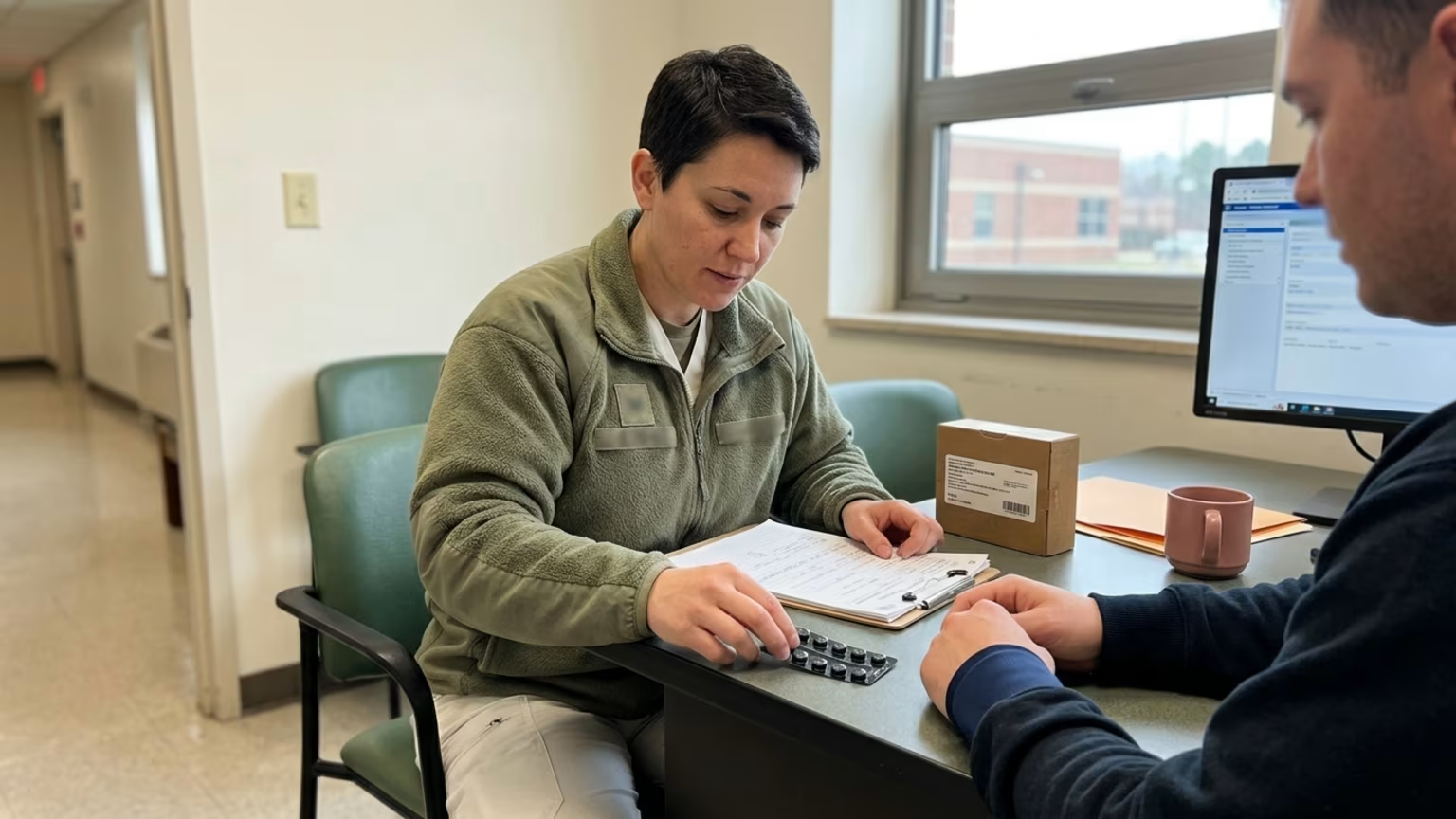
A new federal determination opens a regulatory pathway for emergency use authorizations for pain medications intended for military casualties.

The VA Oracle health record contract ceiling has risen to $27 billion. Learn how this modernization project impacts local medical care and your health records.

A 2025 study details the VA's fully virtual suicide prevention telehealth program, which reached 139 health systems to deliver evidence-based therapy.

A 25-year FDNY health report proves that proactive medical surveillance catches toxic exposure illnesses far better than waiting for symptoms to appear.
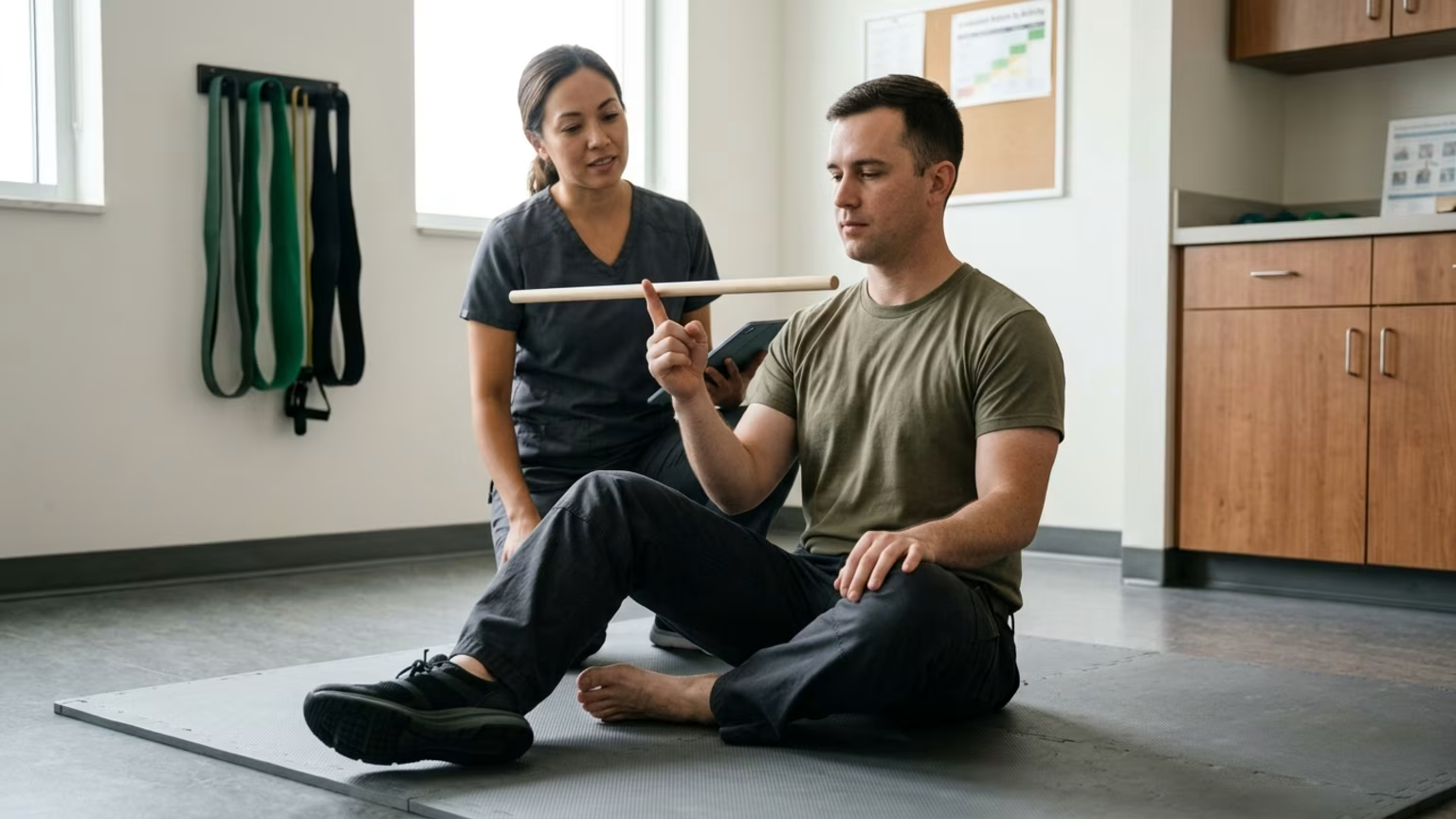
Understand the normal recovery timelines for a concussion. Learn how to track symptoms, prioritize sleep, and safely return to activity after a brain injury.
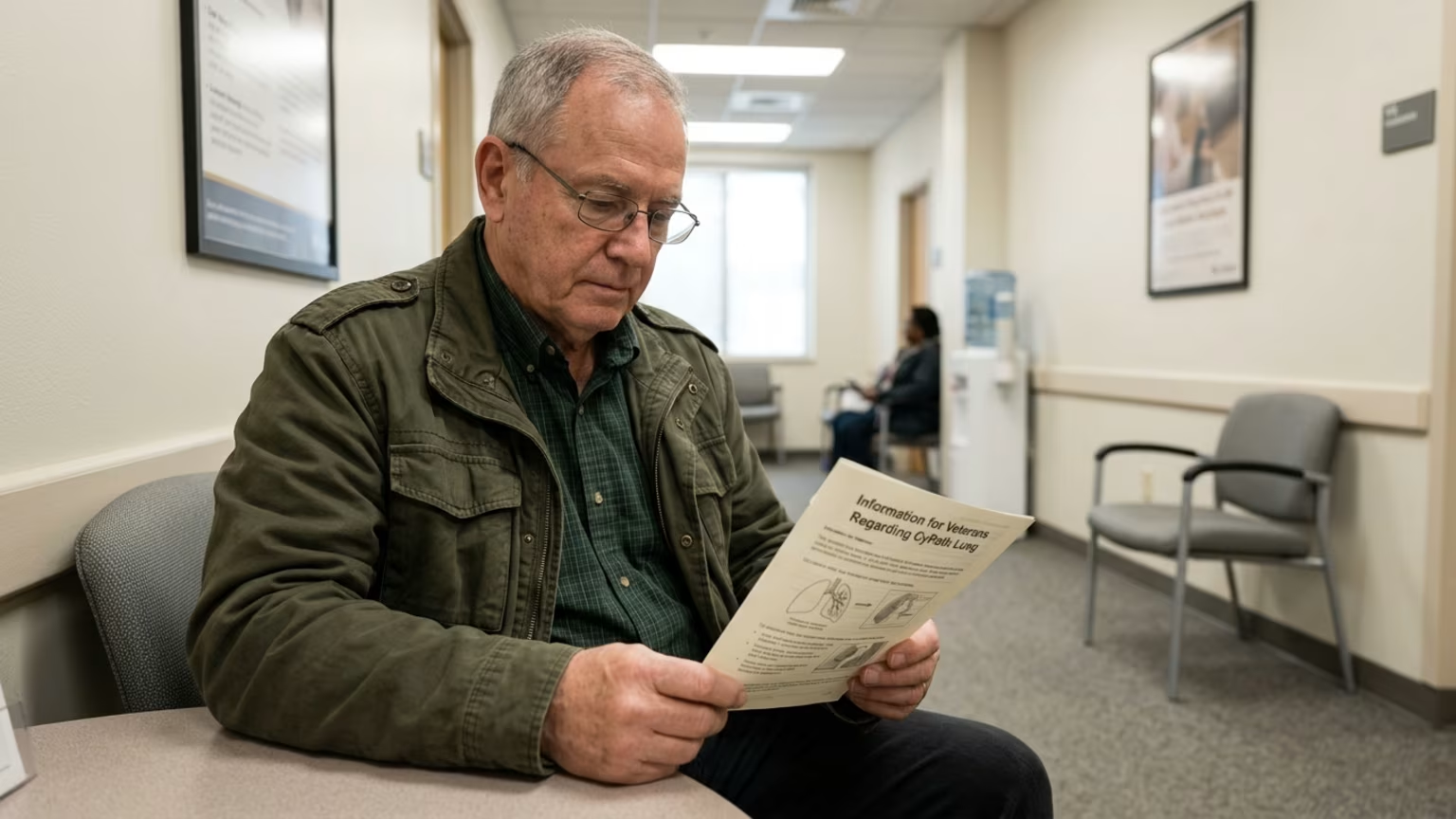
Understand what the new federal distribution agreement for CyPath Lung means for veterans, how the test works, and why standard CT screening remains vital.

The VA reports reducing its benefits backlog below 100,000 cases and enrolling approximately 100,000 additional veterans in healthcare during 2026.
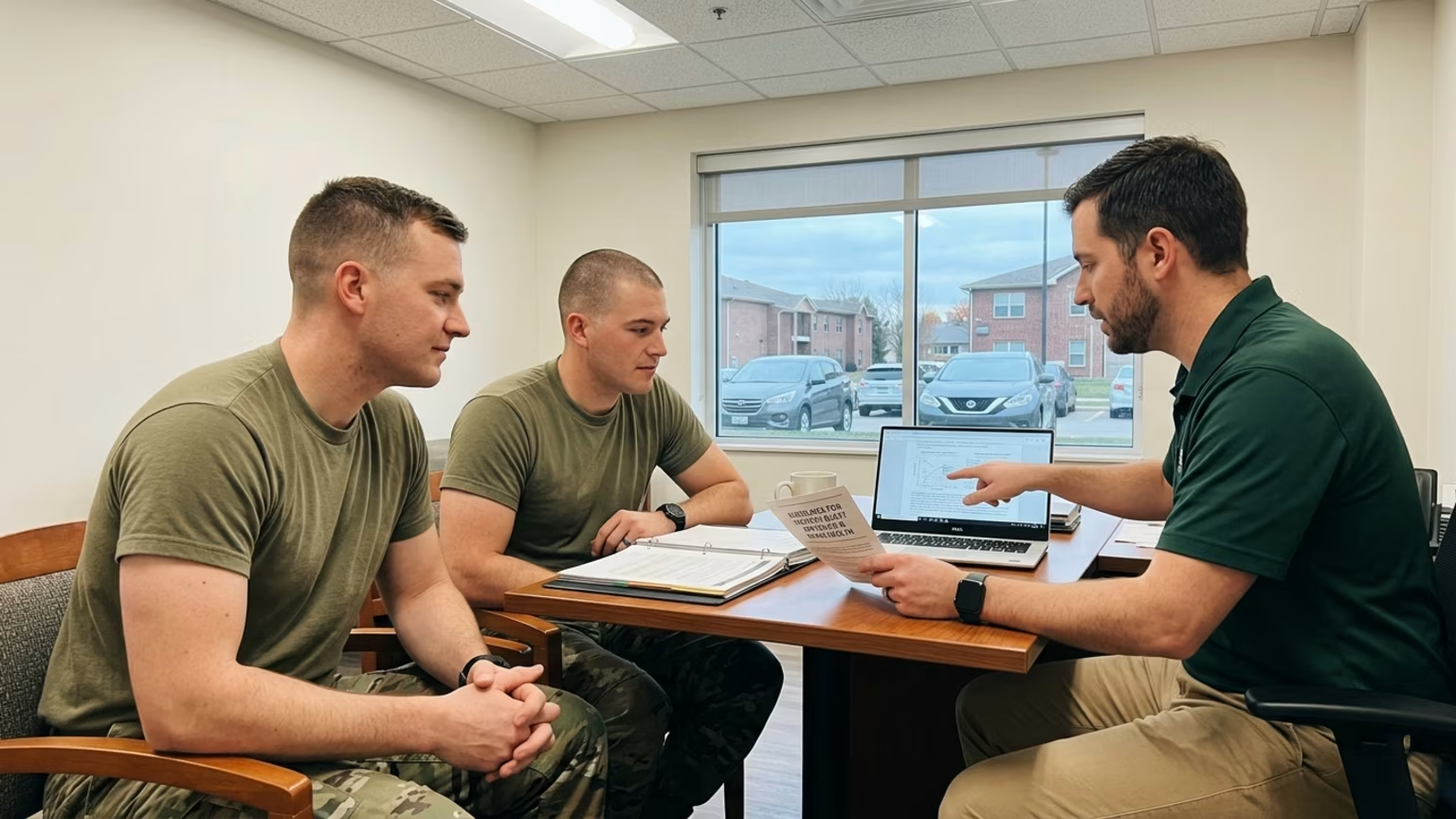
NATO has issued new interim guidelines to limit cumulative blast exposure for soldiers. Learn why ignoring low-level blasts compromises long-term brain health.
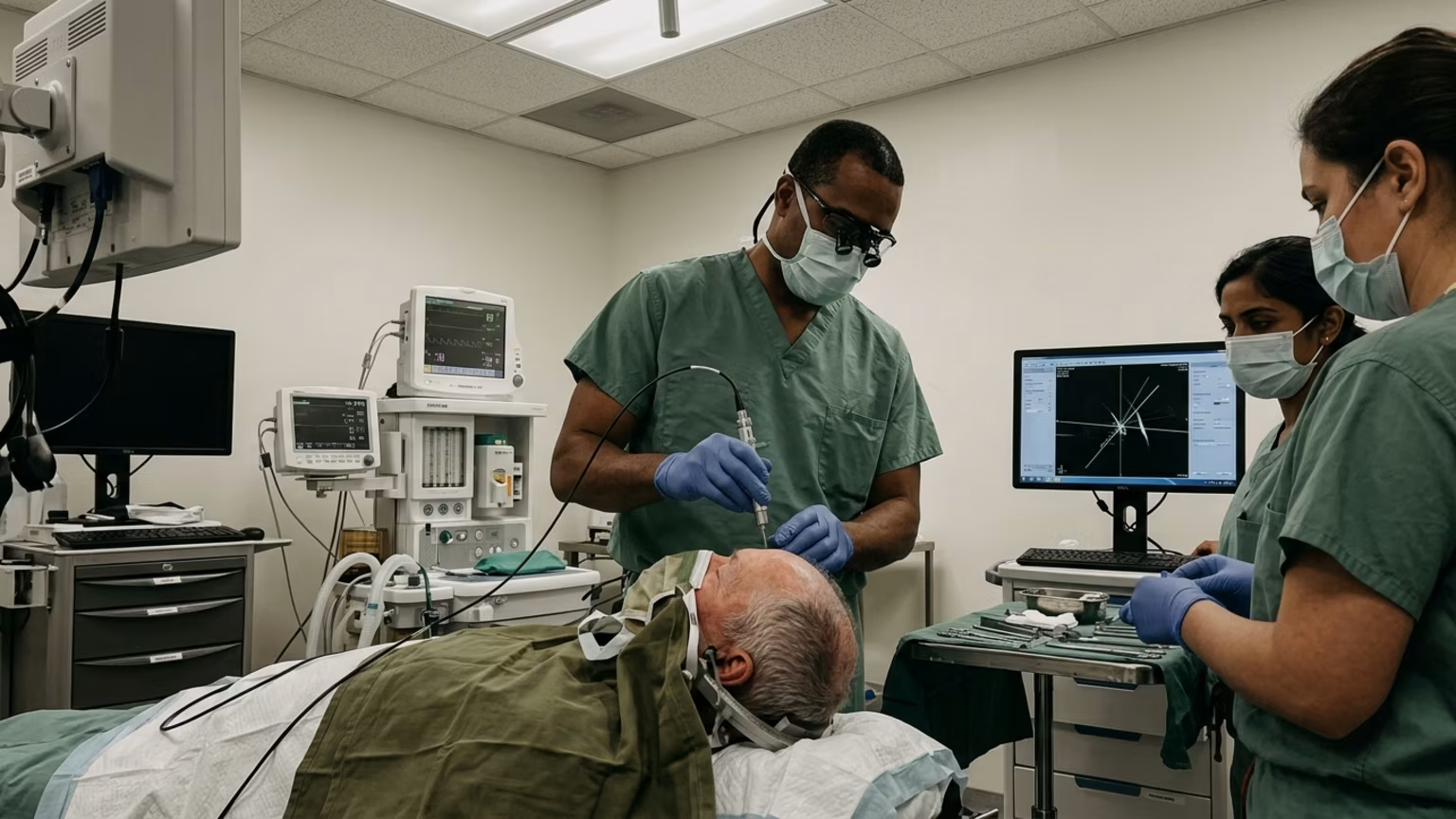
The Houston VA completed its first Visualase V2 minimally invasive laser ablation for a veteran with drug-resistant epilepsy, expanding neurosurgical options.
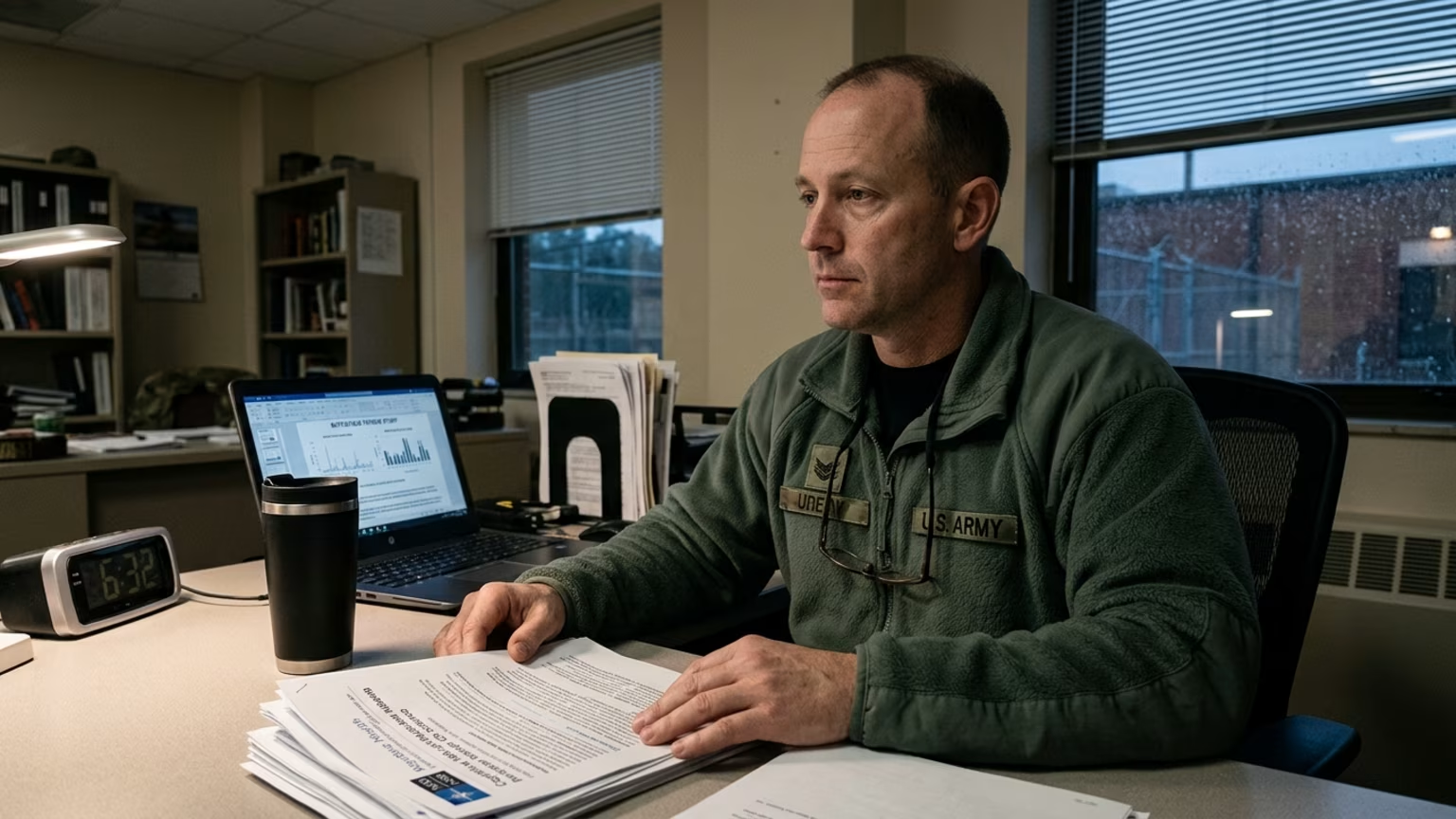
A NATO science summit explored how battlefield sleep loss degrades cognitive performance and why modern military readiness requires structured team mitigation.

WBIW reports the VA is expanding the clinical use of wearable devices like Fitbits to help veterans manage chronic conditions. Learn how to use this technology.

A long-term study shows a strong link between cardiovascular disease and increased cancer risk in men. Learn what this means for veteran health planning.

Learn how veterans can maintain their physical and cognitive capabilities through targeted strategies in mobility, sleep, and cardiovascular health.

Learn how to protect joint health through progressive loading, nutrition, and injury management. Connecting service wear and tear with long-term mobility.

Learn how military nutrition principles support physical performance, injury recovery, and long-term capability for active service members and veterans.

The Take Care of America’s Veterans Act highlights the gap between average wait times and actual access to mental health care for veterans.

Learn how service members and veterans can build a practical annual health screening plan around age, service history, deployment exposures, and symptoms.
Build better habits around strength, recovery, sleep, hormones and healthy aging with practical guidance for active military personnel and veterans.
Explore BattleVet